

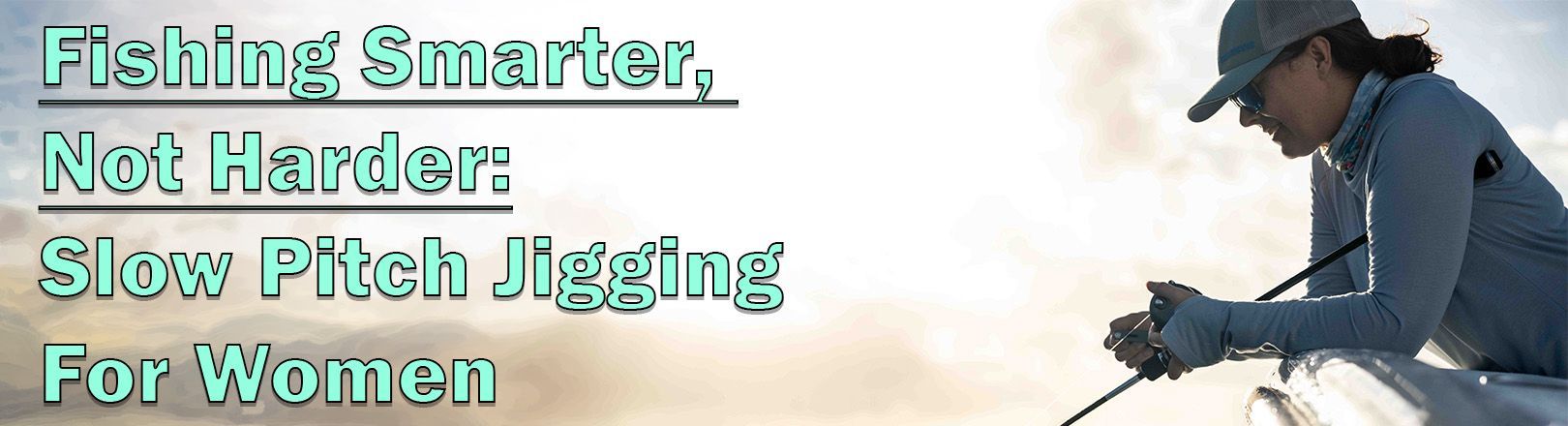
Back in 2018, I suffered a pretty significant back injury that required surgery and months of recovery. At the time, I really wasn’t sure what that meant for my future offshore. I honestly thought my days in saltwater fishing might be very limited or over altogether. Even before the injury, working heavy rods and reels in deep water was starting to feel taxing on my 40-something body. I didn’t have the same upper body strength as many of the anglers I fished with, so there was a real concern about whether I’d be able to keep up or, worse, become a liability on the boat. No one wants to be the reason a fish is lost or a line gets hung up.
Slow Pitch Jigging For Women
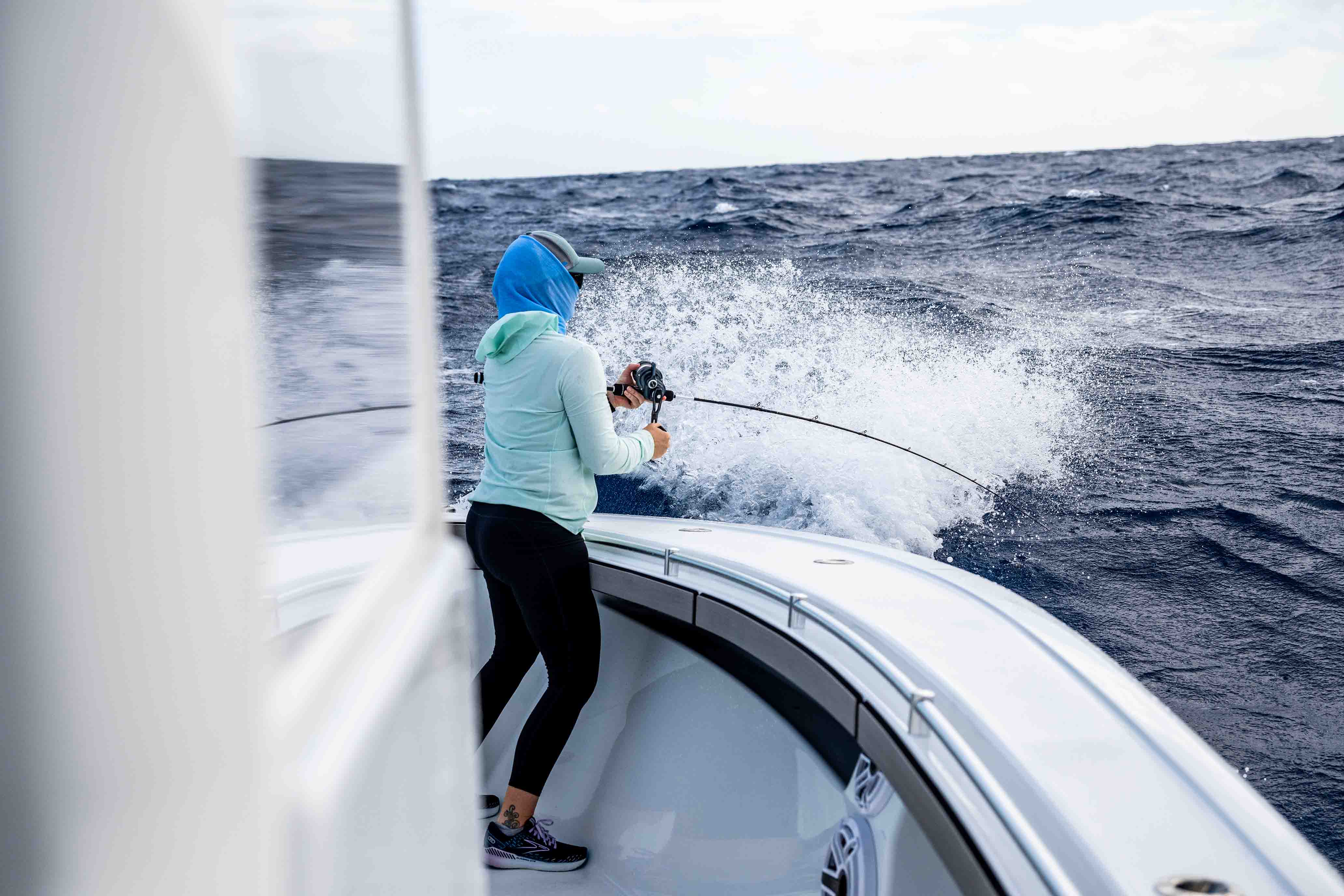
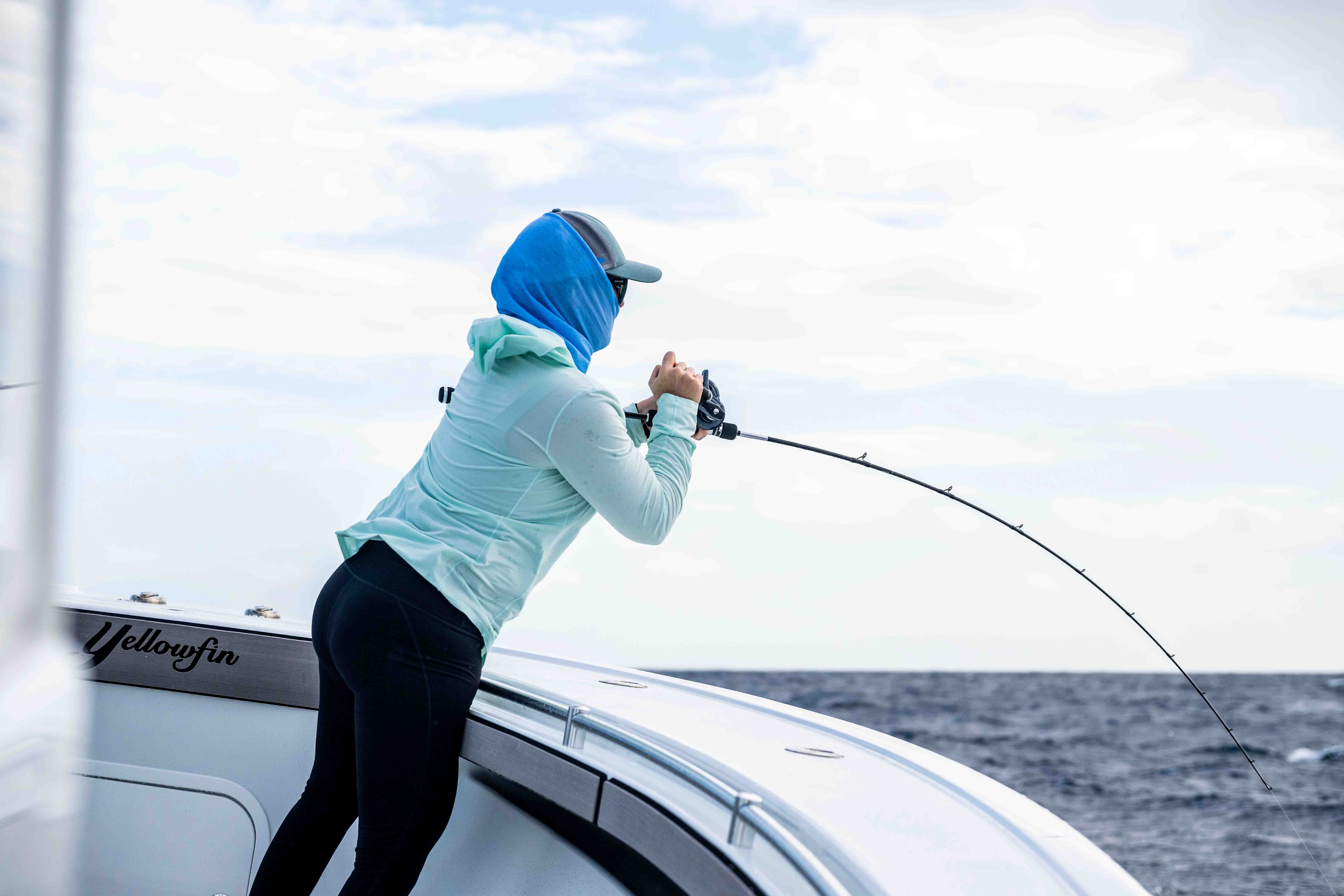
That physical shift is what led me to lean into slow-pitch jigging. For me, it changed everything. The slow-pitch jigging rods are lighter, easier to handle, and far less punishing on the body. I wasn’t dealing with the same arm fatigue or soreness in my chest and shoulders after long days offshore, and that alone made it feel like getting a part of my life back.
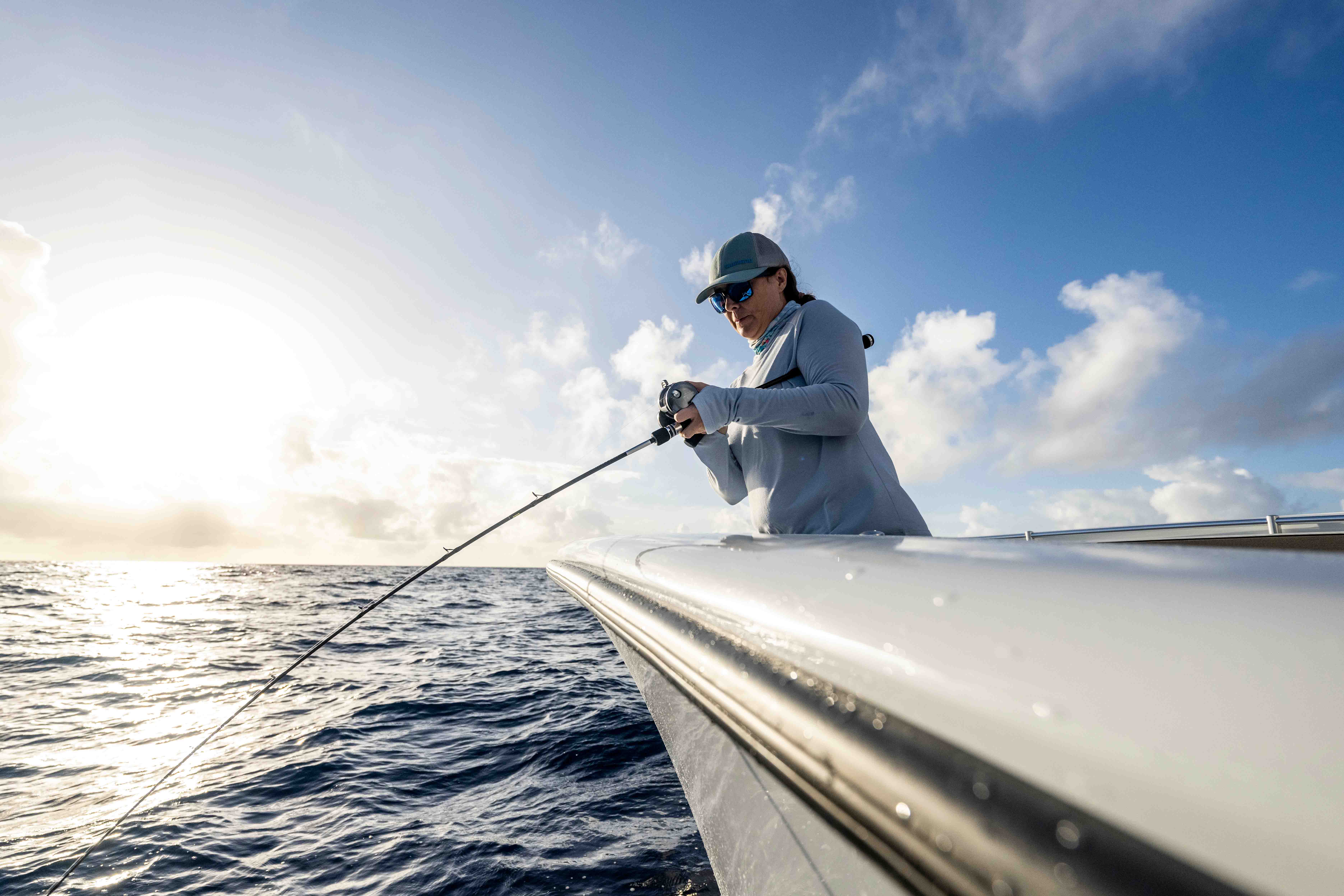
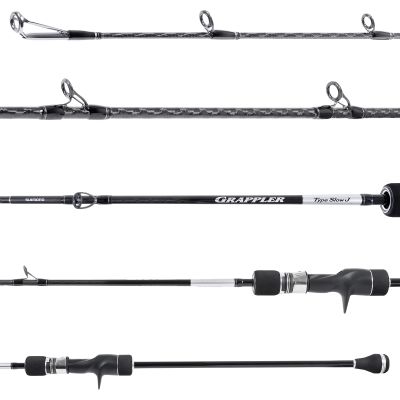
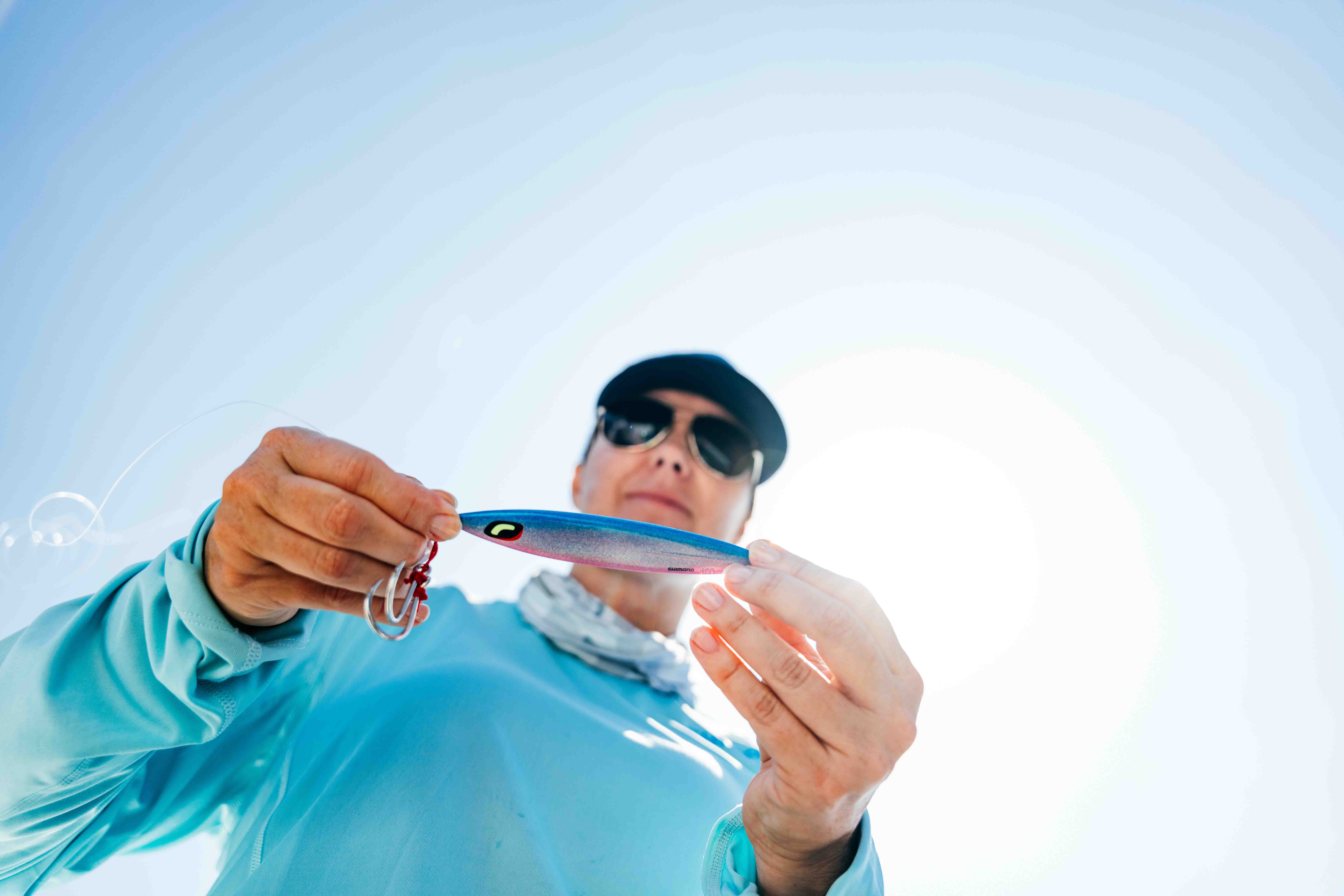
When it comes to gear, I keep it pretty simple and stick with what I know works. I really have two go-to setups, and which one I grab depends on the depth, what I’m targeting, and how the conditions feel that day. In water under 300 feet, or when I’m working jigs through the column in deeper spots, I usually reach for the Ocea Jigger 4000 HG. The auto-engage feature is one of those things that just makes fishing more fun. When a fish hits on the drop, and one turn of the handle puts you right into the fight, it still gets me every time. It keeps you really connected to your jig, which is a big part of why I love slow pitch in the first place. I typically pair it with the Grappler Type Slow J, designed specifically for slow pitch, fishing up to 30 lb. PowerPro Maxcuatro with 180g jigs, and it’s handled more than I ever expected it to.
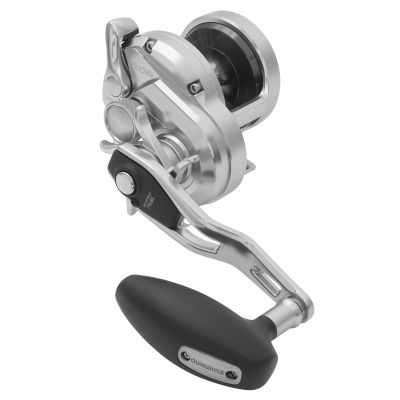
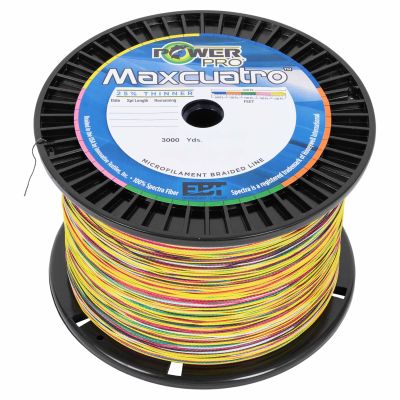
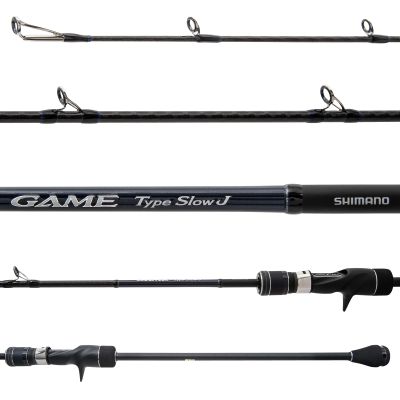
When I’m fishing deeper than 300 feet, especially in that 500+ range, I switch over to the Ocea Jigger LD 2500. That’s where a little extra power really starts to matter, especially when targeting bigger species. What I like most about this setup is how smooth and controlled it feels. I don’t feel like I’m fighting the gear or trying to keep up—it’s more of a steady, consistent rhythm that keeps me out of panic mode during a fight. I pair it with the Game Type Slow J, fishing up to 40 lb PowerPro Maxcuatro with jigs up to 500g. On tournament days, it’s the one I naturally reach for. It gives me that extra confidence, and honestly, that added power can make the difference in getting a big fish to the boat quickly, before the sharks have a chance to show up.
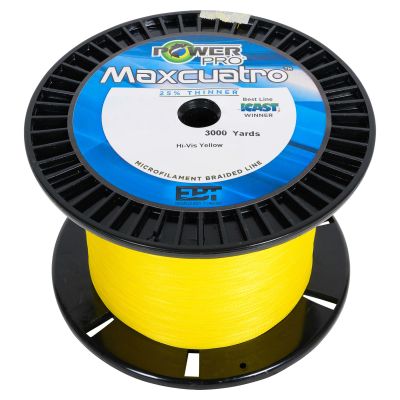
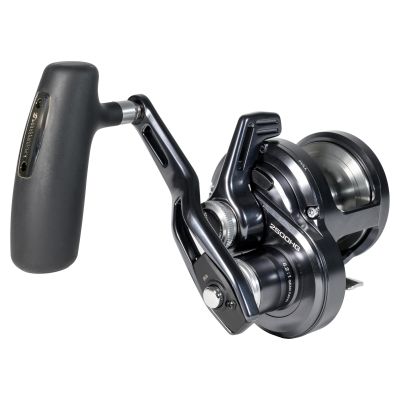
The biggest difference with this gear, though, isn’t something you can really see on paper; it’s how it feels when you’re hooked up. In deep water, everything feels heavier and more drawn out. Having the right setup takes a lot of that pressure off. I’m not thinking about the gear or trying to compensate for it; I can just stay focused and let the fight unfold. It helps me stay patient and not wear myself out too early. And unlike speed jigging or traditional setups, there’s no constant lift-and-reel motion, which is a huge advantage if you’ve dealt with back, shoulder, or other injuries that might have taken you off the boat before.
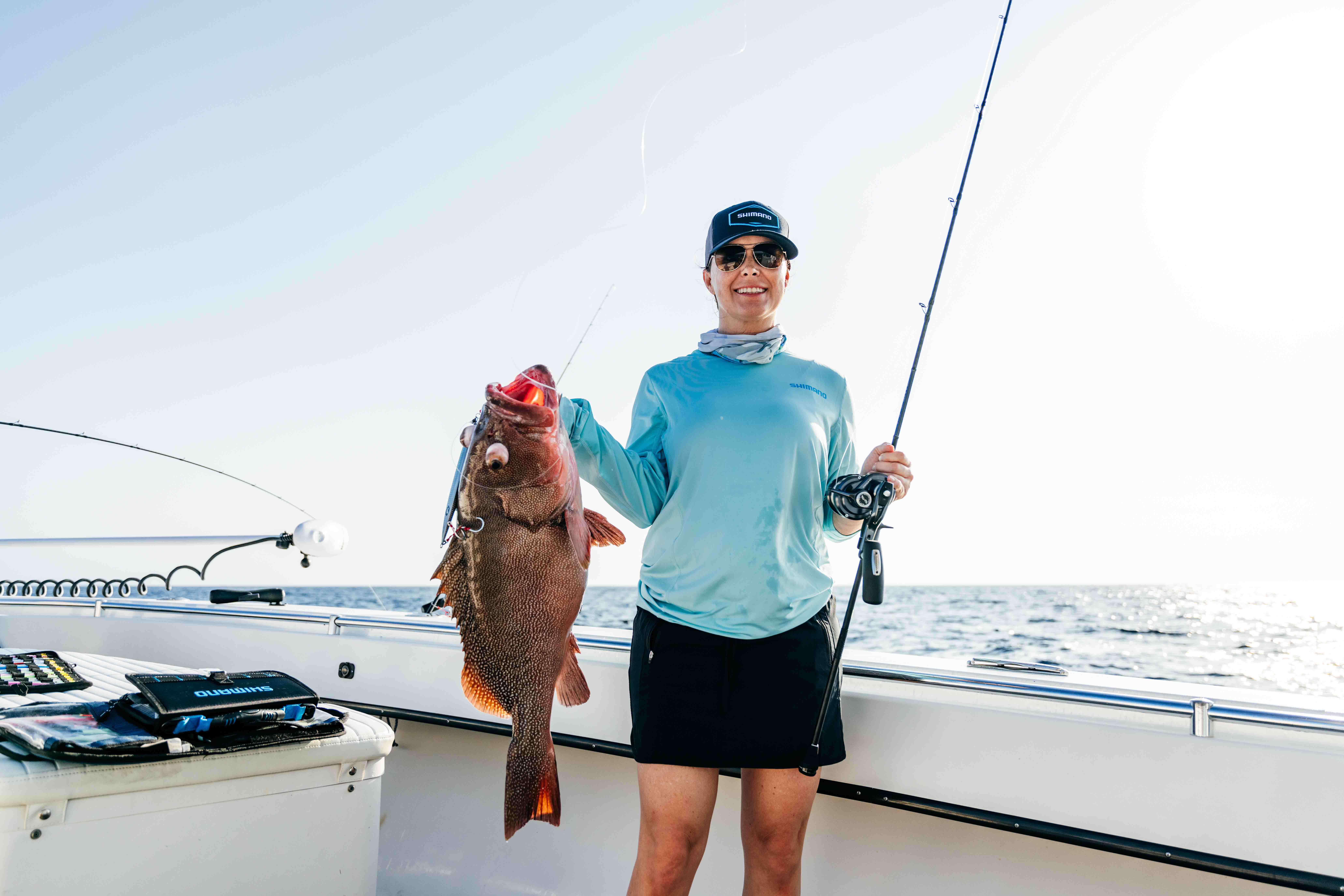
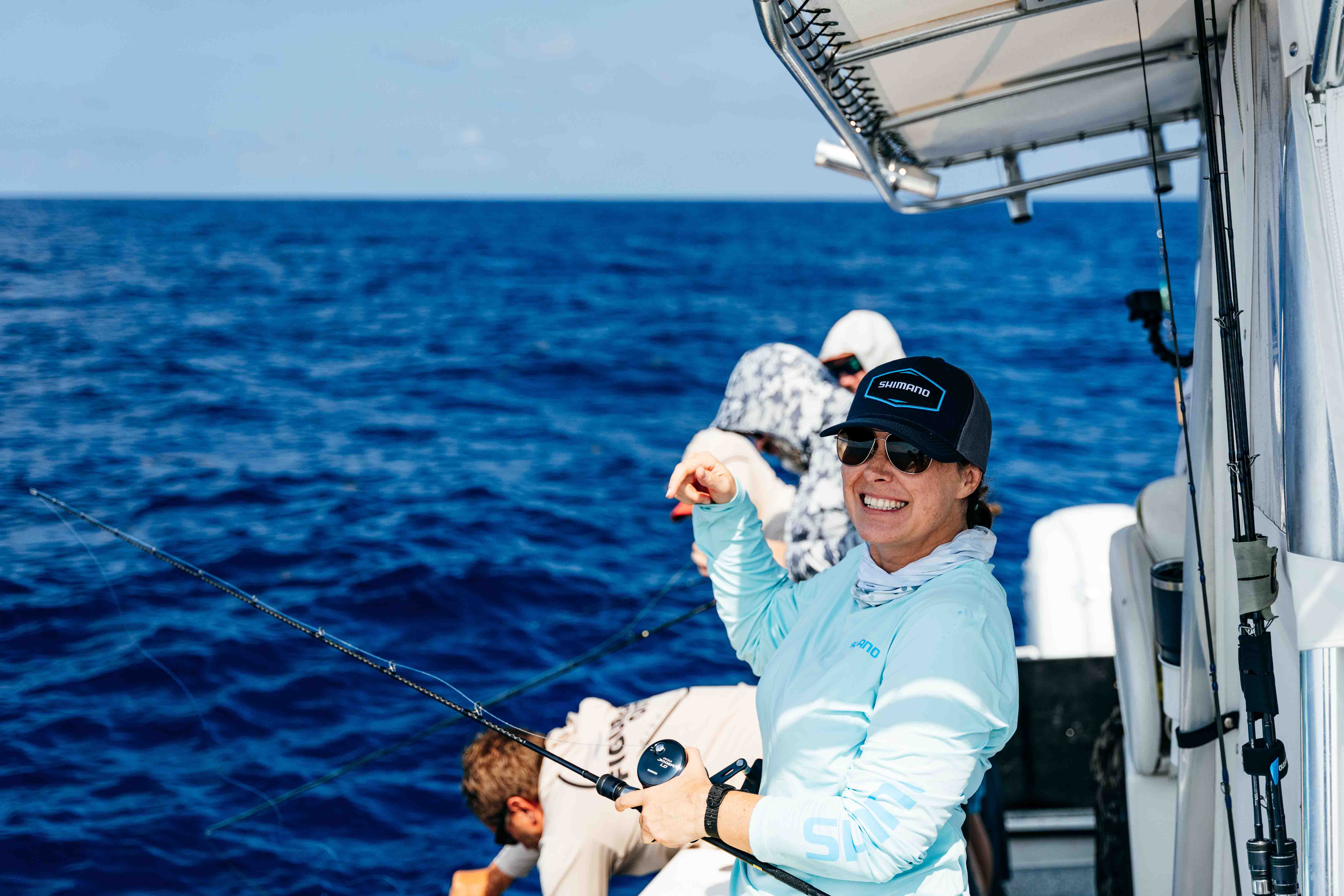
It also makes a big difference over the course of a full day. I can fish longer and still feel good, which, for me, is everything. I’m not completely spent halfway through the day, and I still have the energy to catch fish when the bite finally turns on. That alone has changed the way I fish.
And honestly, that’s what makes slow-pitch jigging for women such a natural fit. It’s not about strength; it’s about feel, timing, and getting comfortable with your technique. For women, especially, I think that can be really empowering. You don’t have to muscle your way through it. Once you trust your gear and settle into it, everything starts to feel more natural, and that’s when it really clicks. You’re not just keeping up anymore… you’re right there with everyone else, and sometimes even landing more fish than the rest of the crew.