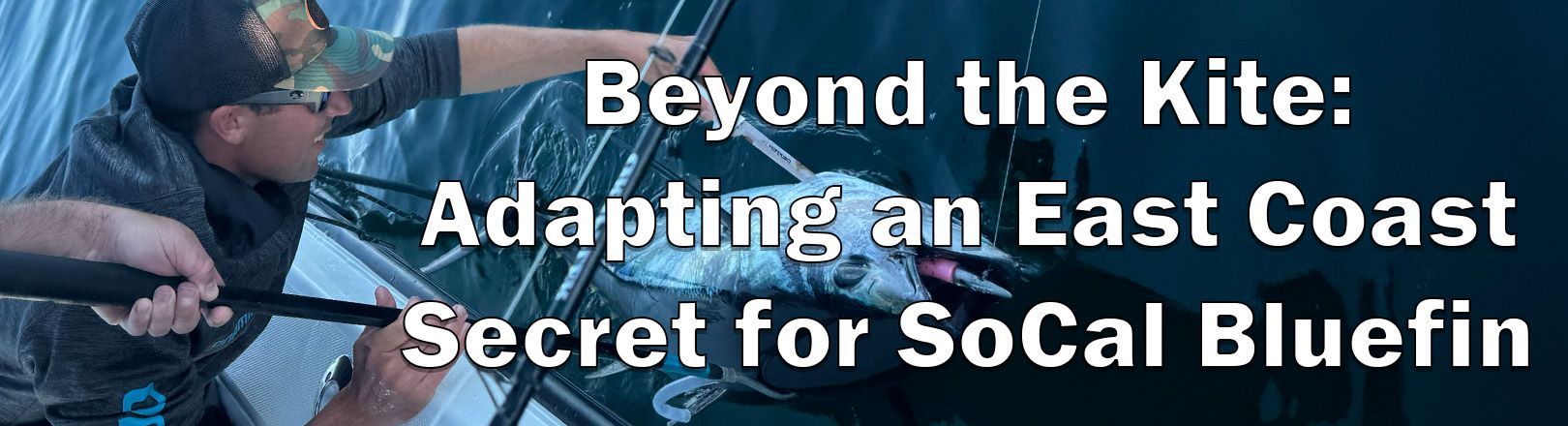
Southern California bluefin anglers can add another presentation to their kite-fishing spread by dead-sticking a weighted RonZ beneath the boat. This technique targets deeper tuna that may ignore surface baits while allowing the current and boat movement to give the lure a natural swimming action. Learn how to select the right RonZ size and weight, reach the correct depth, and keep the lure clear of the kite setup. The RonZ can also be cast, jigged, or slow-trolled as conditions change.
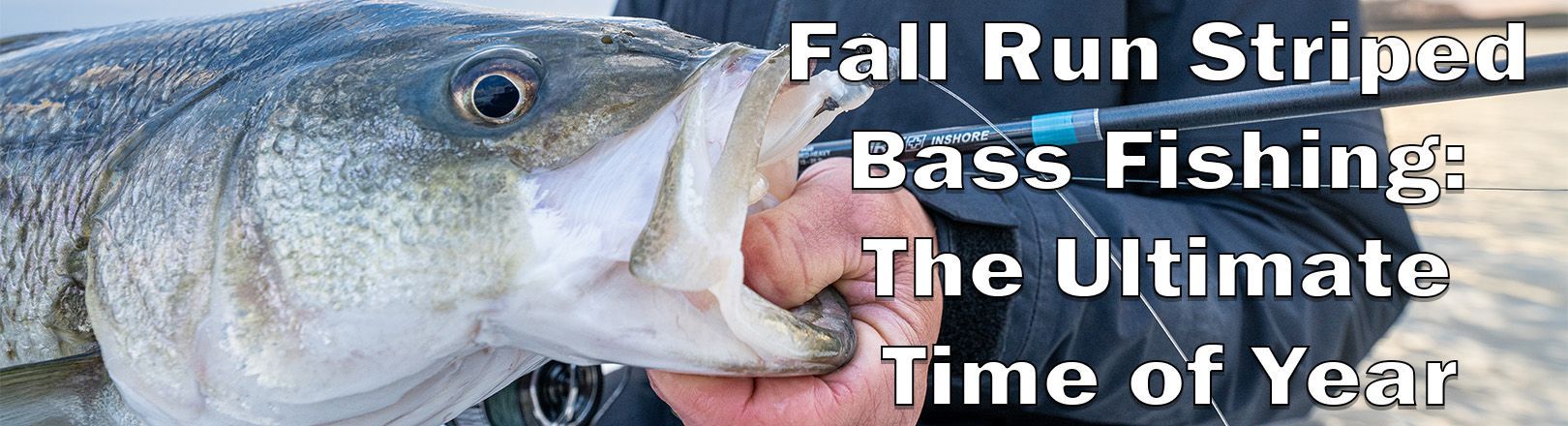
The fall run is one of the most exciting times of year to target striped bass, as cooling water and abundant bait bring aggressive fish into coastal waters throughout the Northeast. Captain Mike Roy shares his approach to finding stripers by following bait, birds, current, and structure while adapting presentations throughout the water column. From topwater plugs and soft plastics to vertical jigs and live bunker, learn how to make the most of the fall migration and target everything from feeding schools to trophy striped bass.
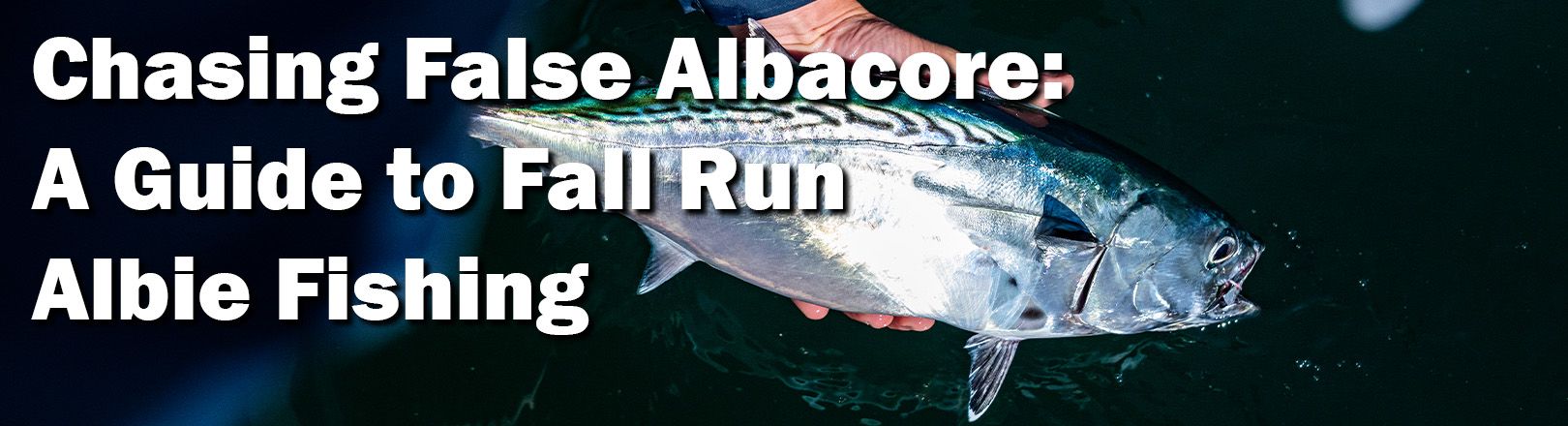
September and October in New England mean hardtail season. False albacore are one of the most prized inshore game fish we have in the Northeast, invading our coastal waters every fall and giving inshore anglers the opportunity to target a true torpedo of a fish. When albies are feeding, it is some of the most exciting fishing you can experience. You will often see them skimming across the surface and slashing through schools of bay anchovies, peanut bunker, and a variety of other small baitfish that are desperately trying to escape. Watching an albie blitz develop in front of you is adrenaline-pumping fishing.
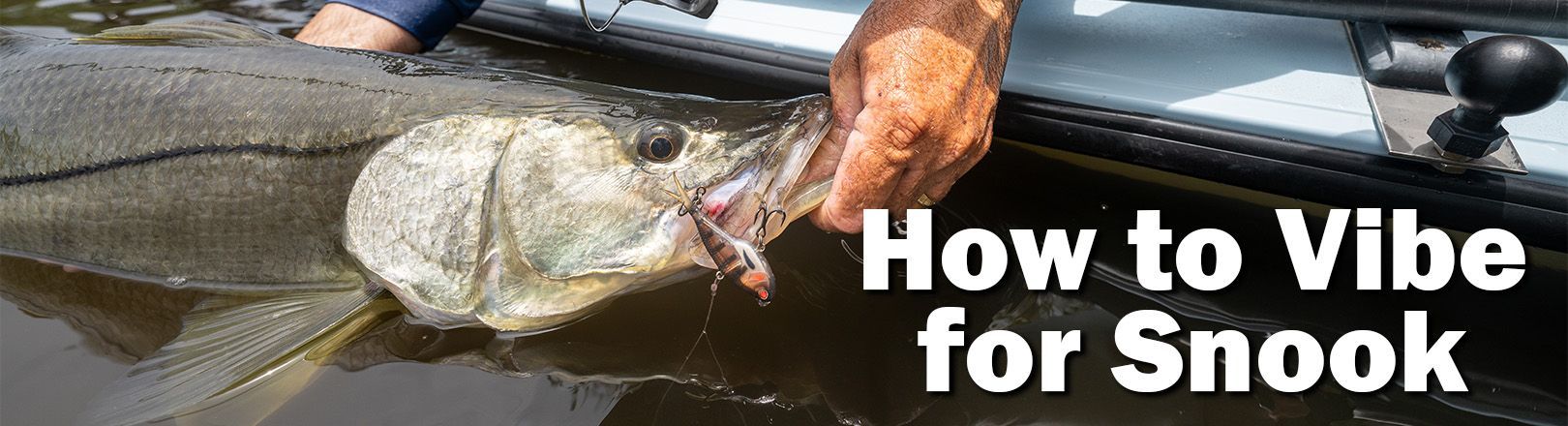
If there’s one technique I always have rigged and ready when I’m targeting common snook, or sergeant fish, it’s vibing. Nomad Vertrex Max Vibes are incredibly versatile. I fish them around bridges, docks, seawalls, mangroves, beaches, and inlets. They’re especially effective when snook are holding close to the bottom or feeding on smaller bait. Fishing a vibe effectively isn’t just about tying on the lure and ripping it back to the boat. The right rod, line, leader, and retrieve all make a huge difference. Here’s the setup and technique I use when I’m vibing for adult common snook, and the gear I trust from Melton International Tackle.
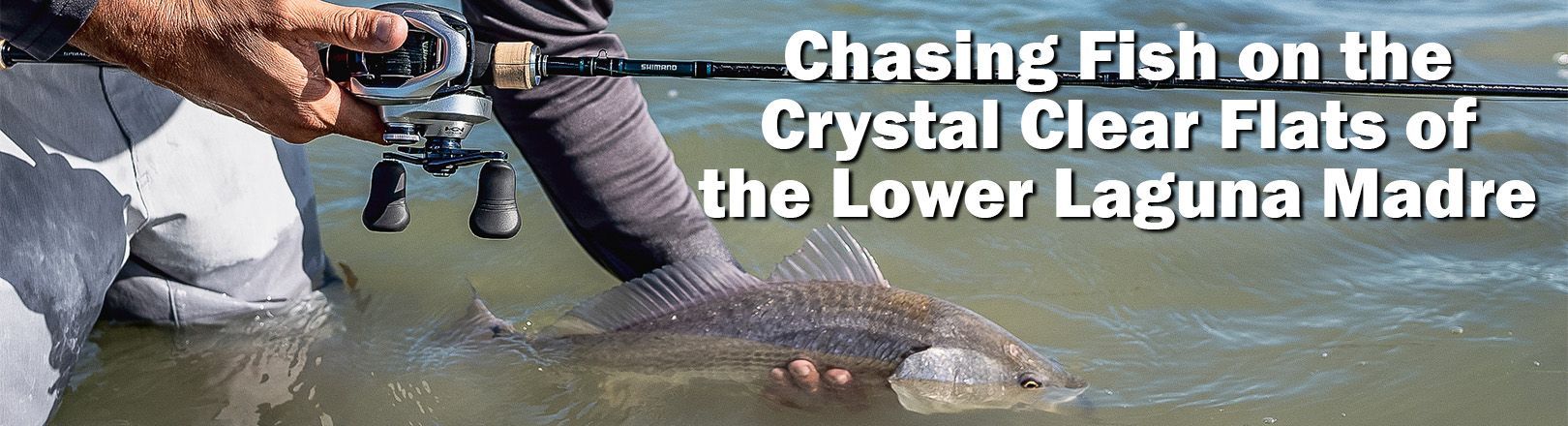
The crystal-clear flats of the Lower Laguna Madre offer some of the best inshore fishing opportunities in Texas, with trophy trout, redfish, flounder, and more cruising shallow water. While these fish can often be cooperative, challenging conditions demand the right approach and equipment. In this article, we break down the rod, line, and leader setup that helps maximize casting distance, improve stealth, and increase success on the flats. Whether you're guiding clients or fishing on your own, the right gear can make all the difference.
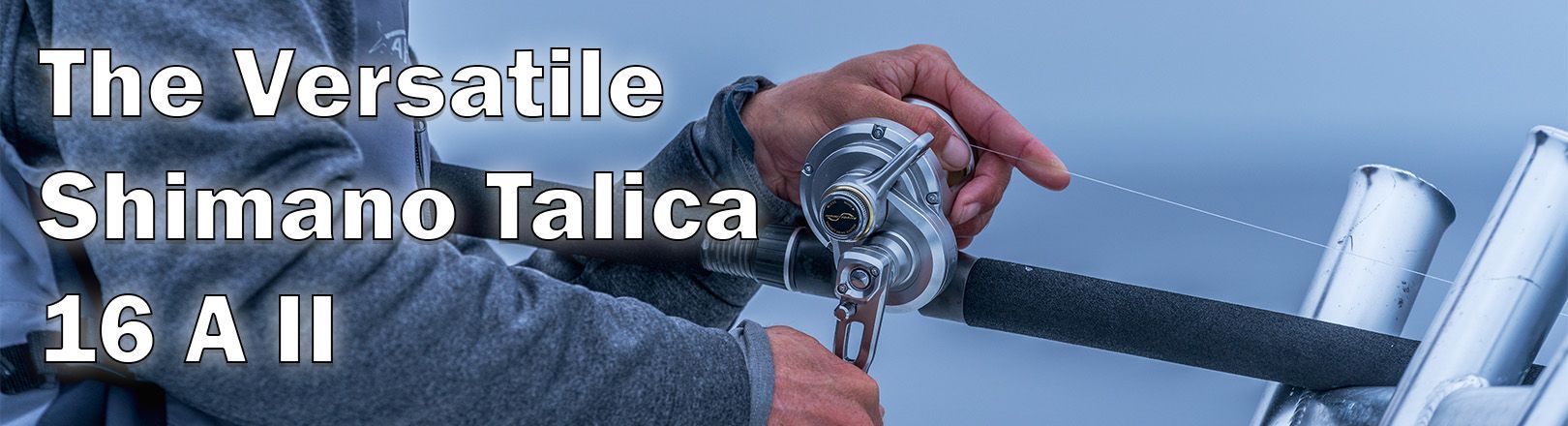
The Shimano Talica 16IIA has become a go-to reel for Southern California bluefin tuna anglers thanks to its versatility, power, and lightweight design. Featuring Shimano's Infinity Drive technology, Cross Carbon Drag, and X-Protect water resistance, the Talica 16IIA delivers exceptional winding power and durability under heavy loads. Whether fishing flylined baits, sinker rigs, or small jigs, this reel adapts quickly to changing conditions on the water. Learn how to rig, fish, and maximize the performance of the Talica 16IIA for today's demanding bluefin tuna fishery.
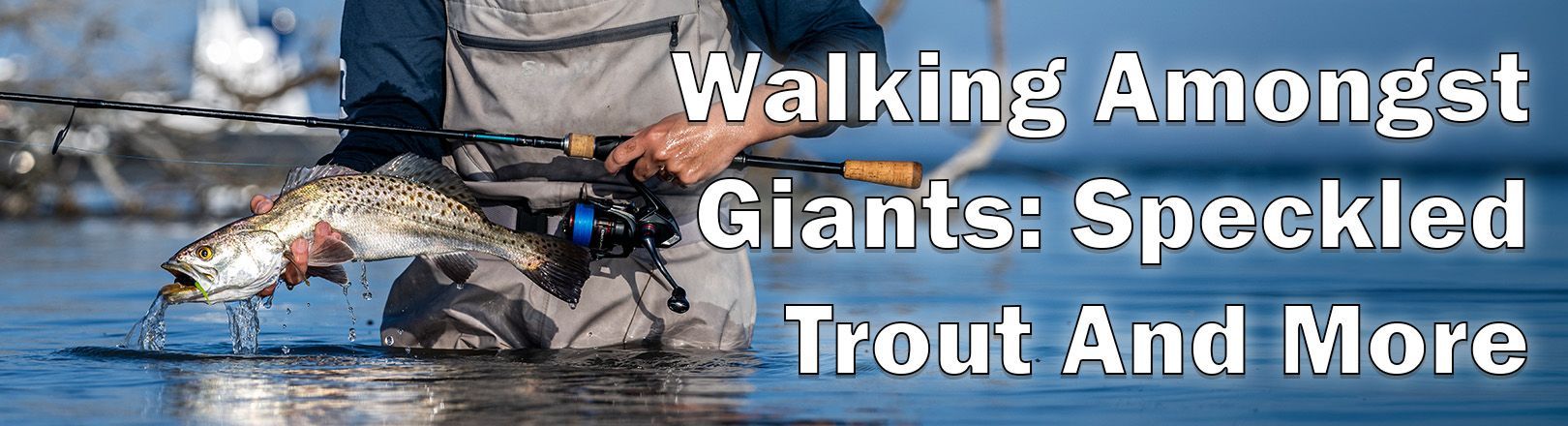
Experience the thrill of chasing trophy speckled trout on the pristine flats of South Padre Island and the Lower Laguna Madre. Known for producing giant speckled trout, redfish, flounder, and snook, this unique hypersaline bay offers some of the best inshore fishing in Texas. Follow along on a wade-fishing adventure in search of big trout and explosive topwater strikes. Discover why the Lower Laguna Madre remains one of the premier destinations for coastal anglers seeking unforgettable days on the water.
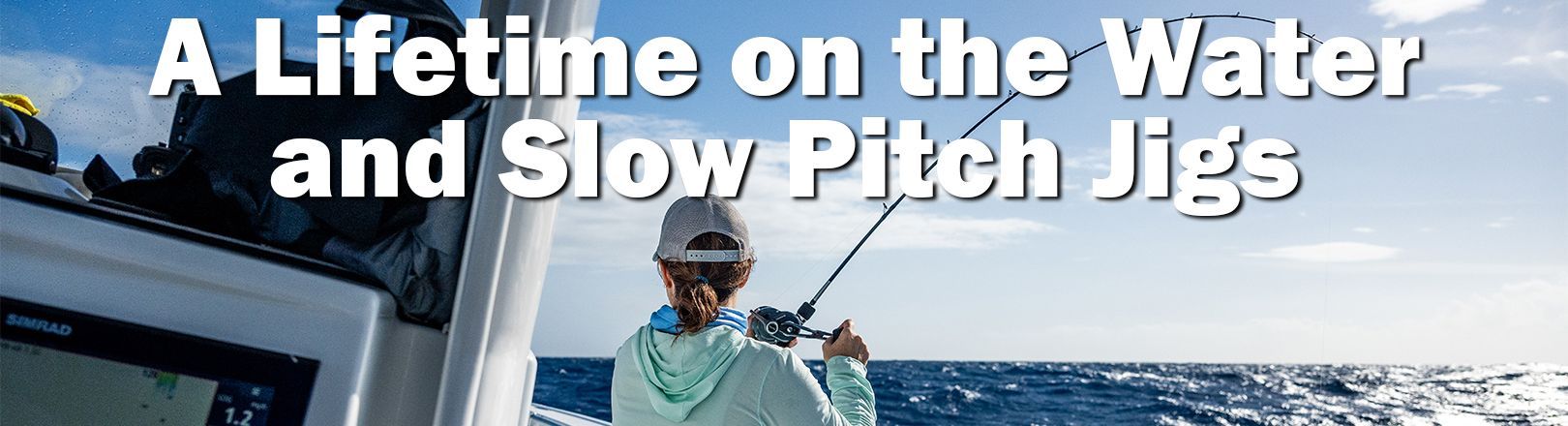
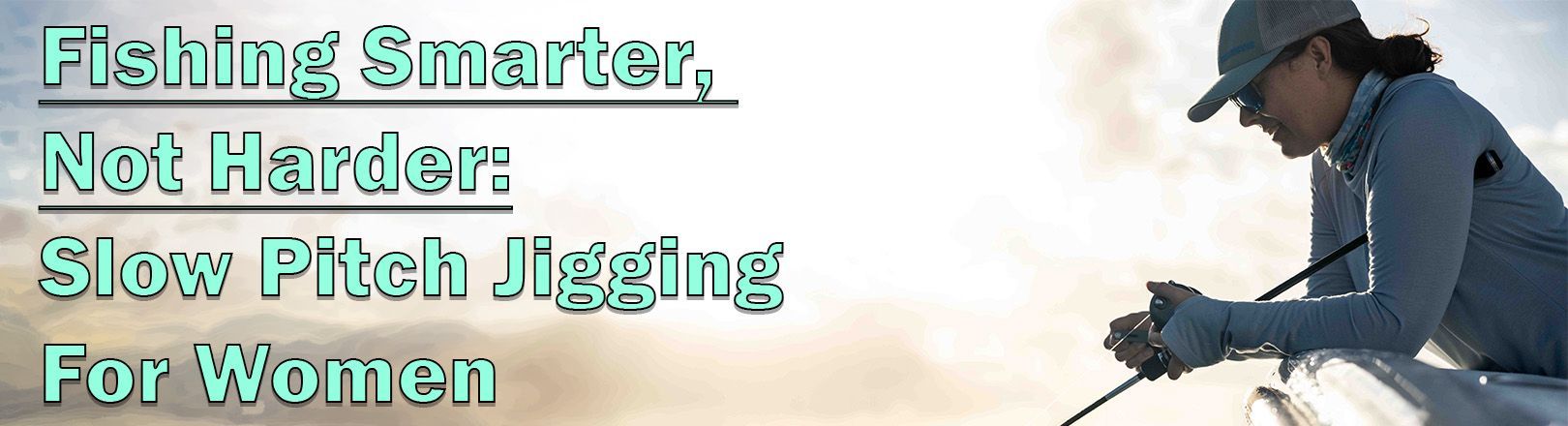
Growing up on the water taught me patience, resilience, and a deep respect for the ocean. After decades of offshore fishing with heavy rods, deep drops, and traditional bait setups, the physical demands started to catch up with me. I still wanted to chase big fish, explore deeper water, and keep pushing myself, but I needed a smarter way to do it. That’s where slow pitch jigging changed the game.
Slow-pitch jigging has become one of the most effective and accessible offshore fishing techniques for anglers of all experience levels. Using lightweight rods, compact reels, and a technique focused on finesse rather than strength, slow-pitch jigging allows anglers to target a wide variety of bottom fish and pelagic species while reducing fatigue throughout the day. For women and anglers recovering from injuries, the right slow-pitch jigging setup can make deep-water fishing more comfortable, enjoyable, and productive. Whether fishing in shallow structure or deep offshore waters, modern slow-pitch gear helps maximize performance while minimizing physical strain.
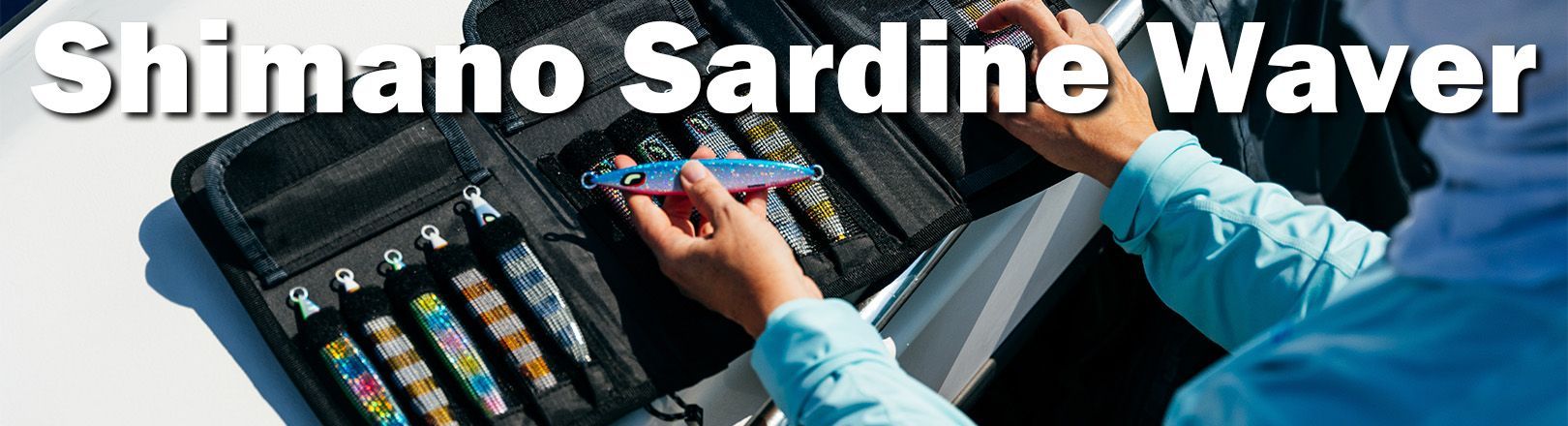
Predictability is one of the most important qualities in any slow-pitch jig. A jig with predictable, repeatable action allows the angler to stay in control of how it moves through the water column. It also makes it easier to recognize when a certain action is not producing strikes and when it may be time to switch to a different jig. After all, the goal of slow-pitch jigging is to determine what presentation will trigger aggressive bites. Let’s take a closer look at why predictability matters.