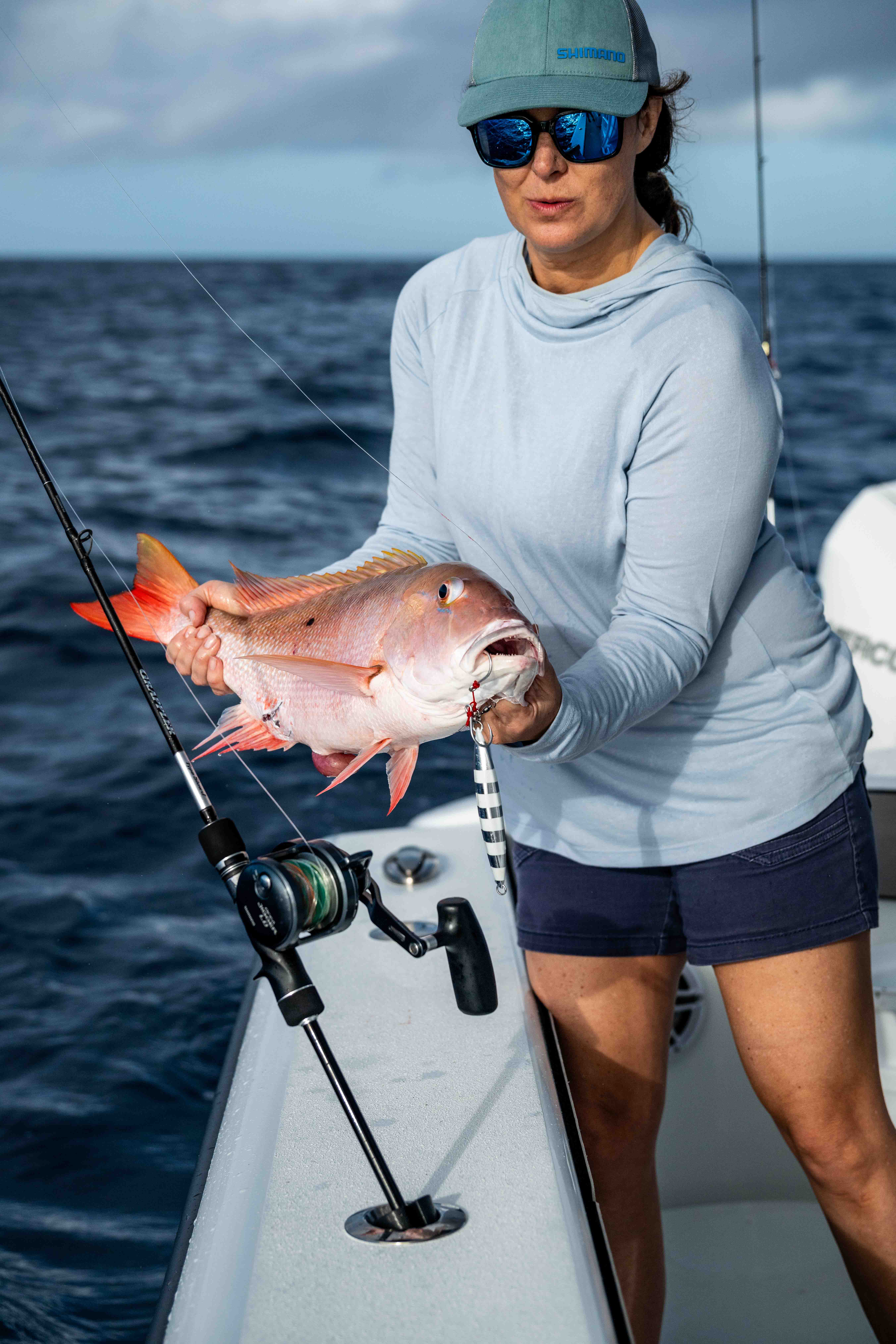



I've been on the water since I was an infant. Long before the gill net ban, some of my earliest memories involved helping work fish nets and reeling in lines for both inshore fishing and offshore fishing. My family owned a commercial seafood company, and time on the water with my grandfather served two purposes: it was free childcare for my mother and a crash course in life skills for my brother and me.
Working with the water teaches you patience, resilience, and respect for the ocean. It also teaches you that fishing isn't always easy.
Table of Contents
- When Traditional Offshore Fishing Started to Take Its Toll
- Discovering Slow Pitch Jigging
- The Technique, the Feel, and the Learning Curve
- Species I've Landed on Slow Pitch
- Versatility Always Wins Offshore
- Why Slow Pitch Is a Game-Changer for Women Anglers
When Traditional Offshore Fishing Started to Take Its Toll
For decades, my offshore fishing revolved around traditional bait setups: heavy rods, deep drops, and long days pulling on fish. But somewhere along the way, the physical toll started to catch up with me. I'd come home after a trip feeling like I'd gone ten rounds in a boxing match. Age has a way of reminding you it's there, and a back surgery certainly reinforced that reality.
Fishing had always been my escape from the day-to-day grind, but I started to notice something frustrating: while I still had the drive to chase big fish and new species, the physical demands of traditional deep dropping were making it harder to keep up.
Like many women in offshore fishing, I also had to work a little harder to compensate for differences in upper-body strength. After several hours pulling heavy gear in deep water, fatigue would set in faster than I wanted to admit. More than once, I caught myself wondering if, as a middle-aged woman, I should start dialing things back.
But that didn't sit right with me.
The desire to target bigger fish and explore deeper water was still there; it just needed a smarter approach.
Discovering Slow Pitch Jigging
That's when I discovered slow-pitch jigging.
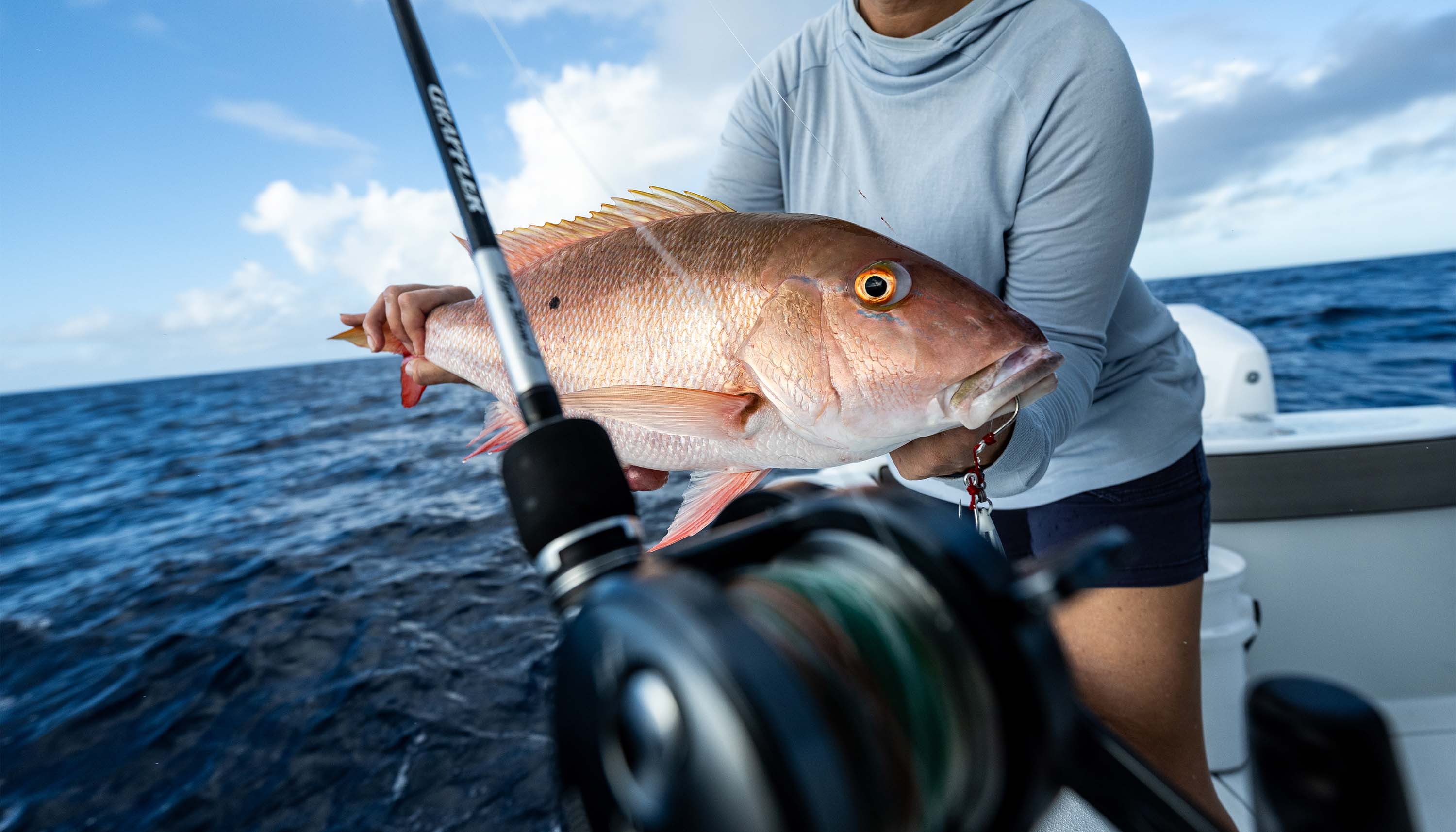
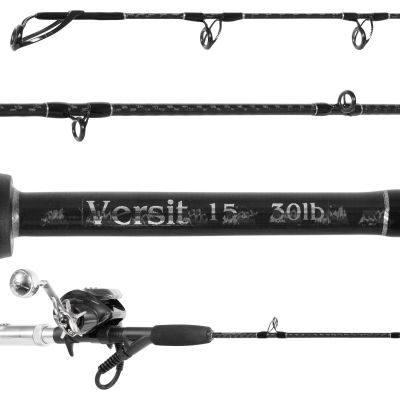
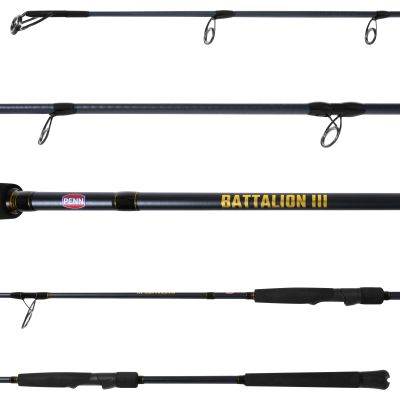
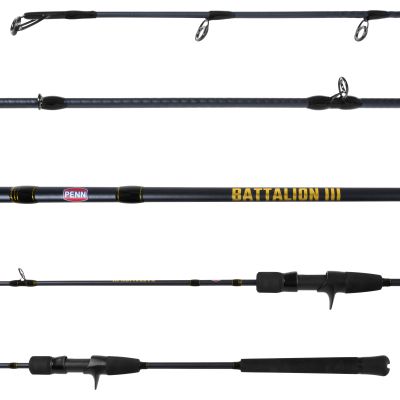
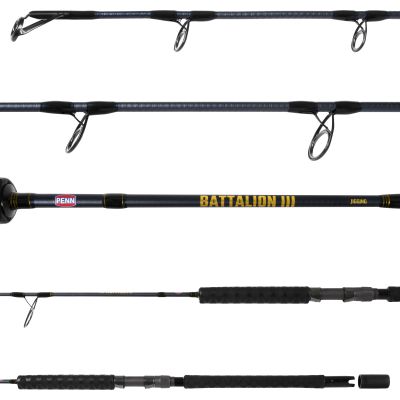
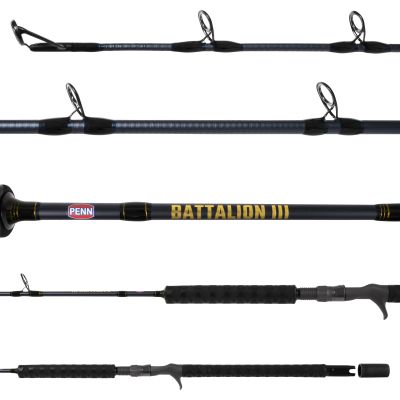
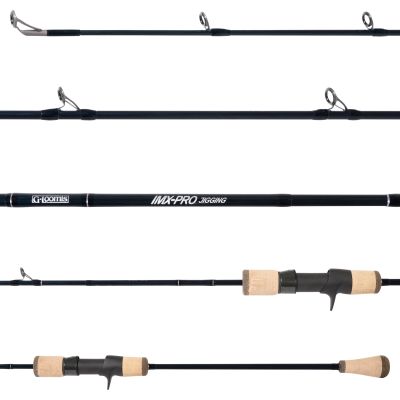
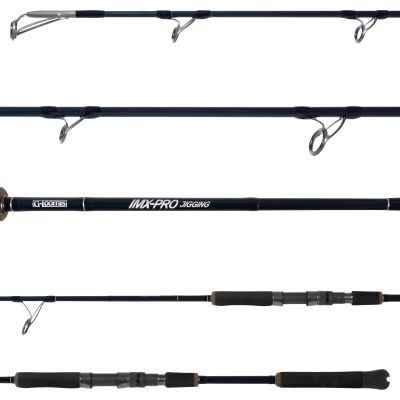
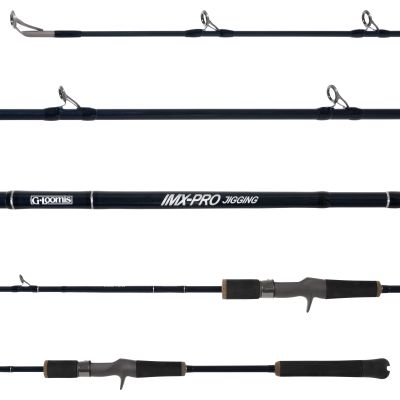
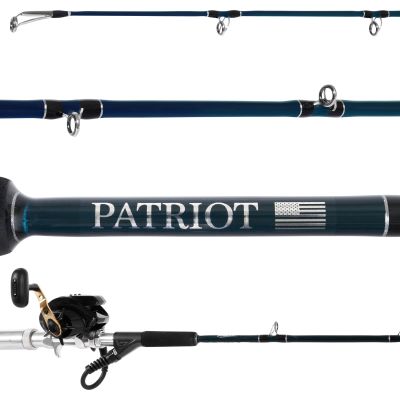
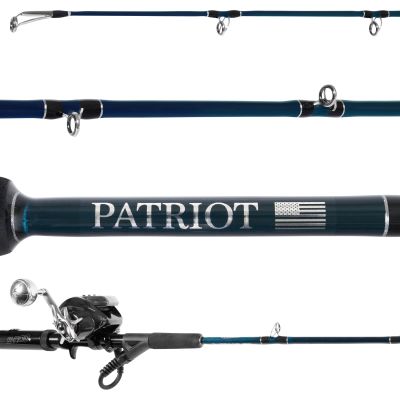
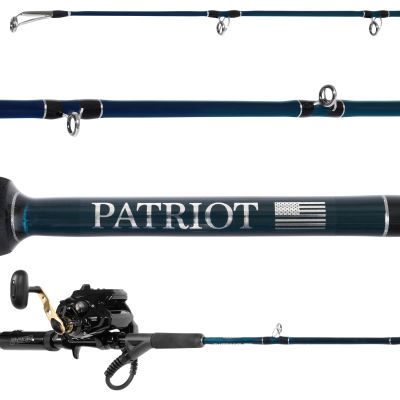
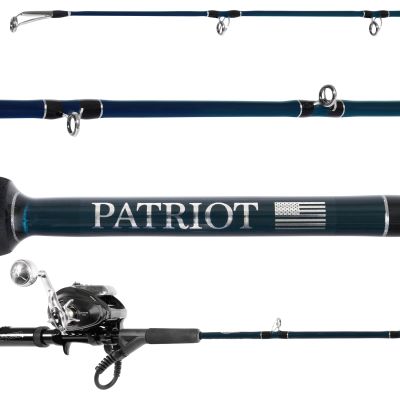
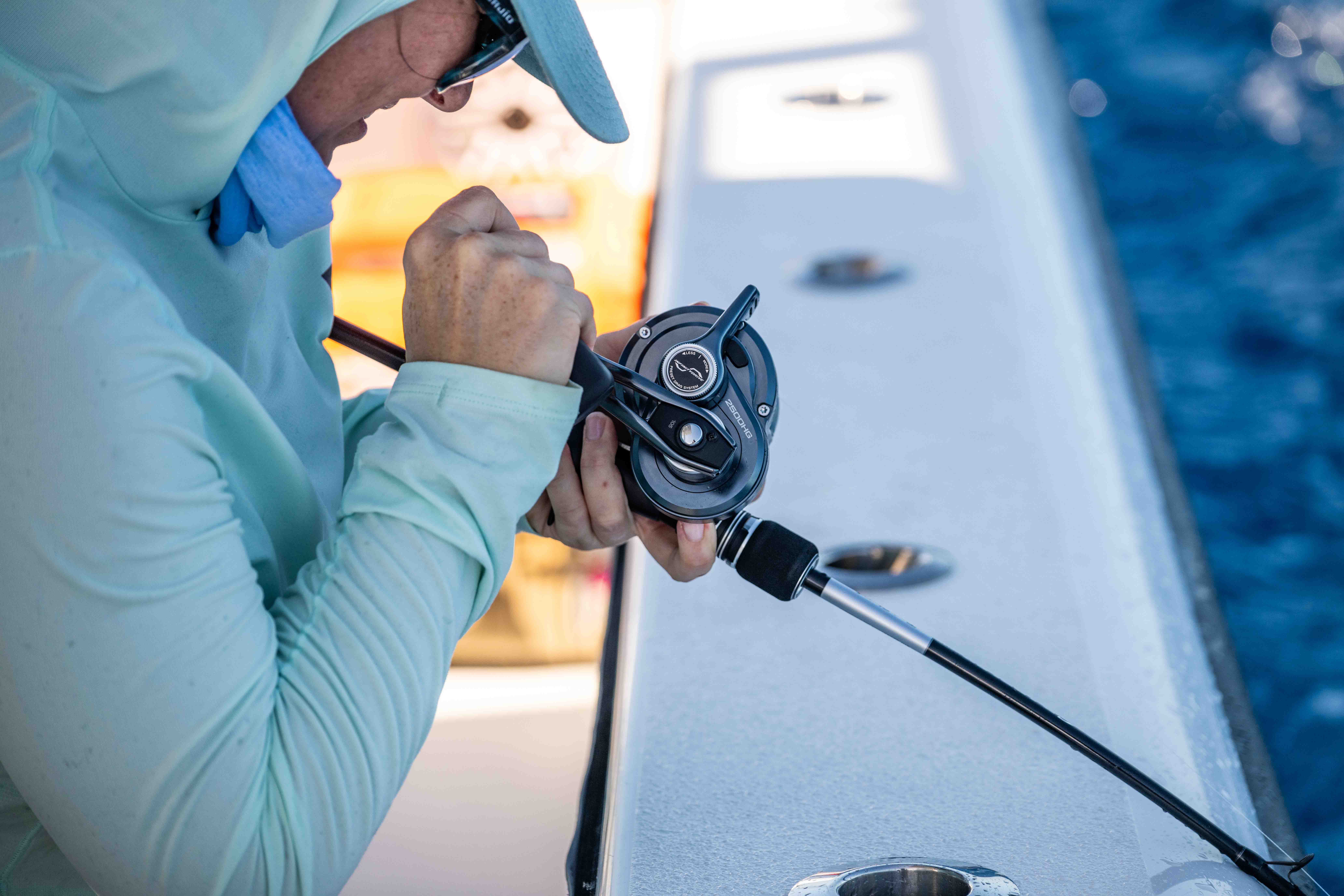
At first glance, it almost looks too simple: small, lightweight rods paired with powerful reels and beautifully crafted metal jigs. But once you see it in action, you realize the slow pitch jigging technique is incredibly refined and efficient .
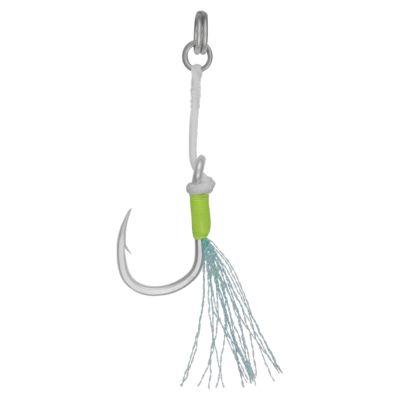
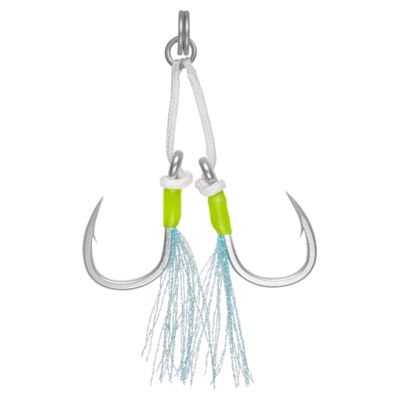
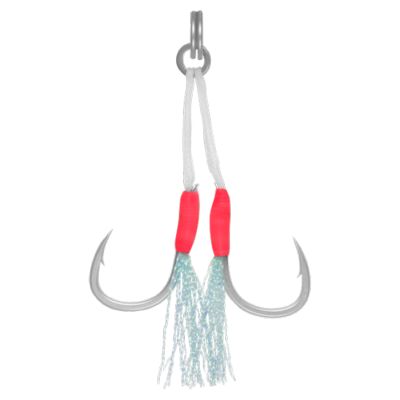
The dual assist hook system dramatically reduces lost fish, unless you run into the occasional break-off or something toothy that decides your jig looks like lunch. More importantly, the entire technique is built around efficiency and finesse rather than brute strength, making it ideal for a wider range of anglers.
The Technique, the Feel, and the Learning Curve
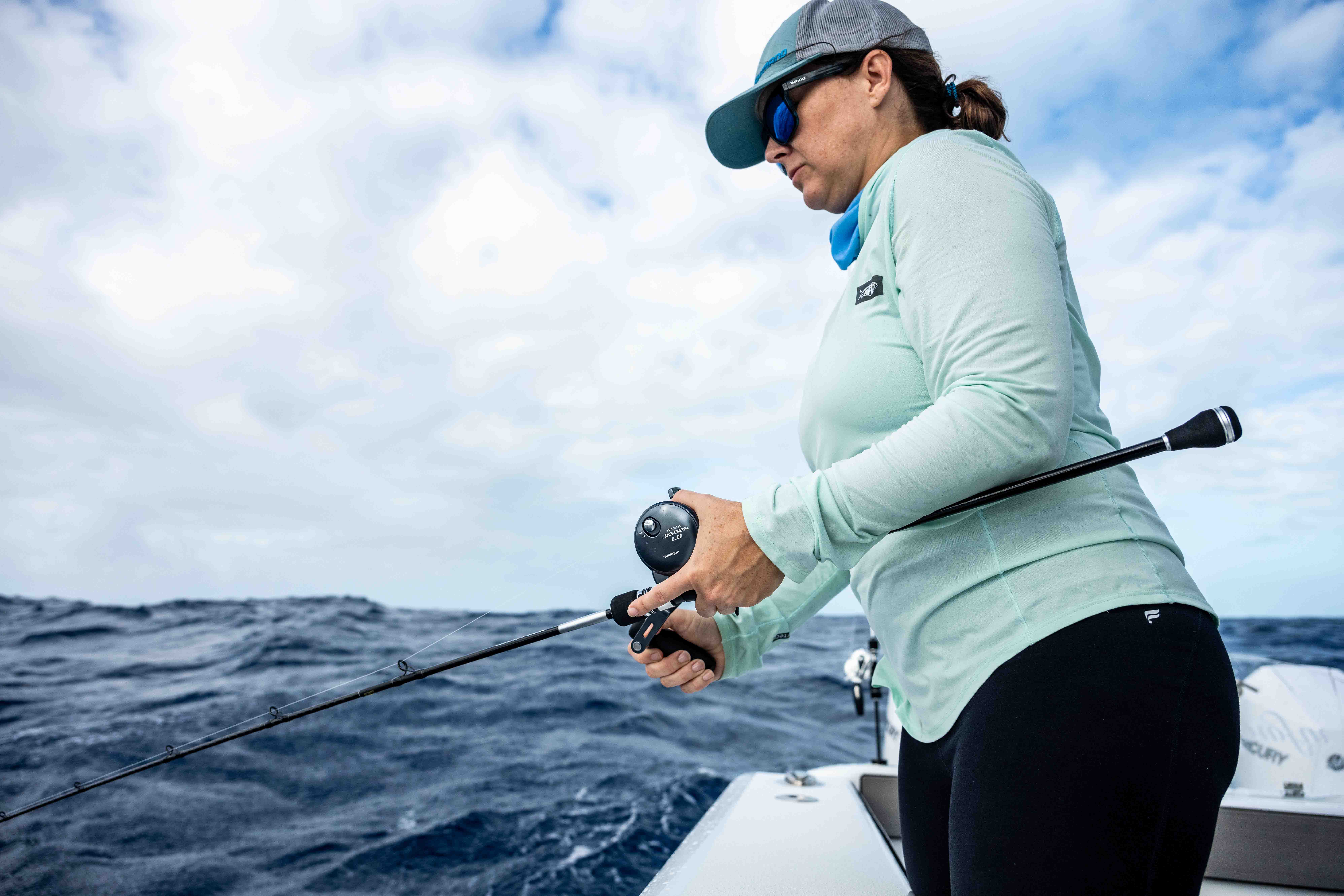
There is definitely a learning curve. But today there's no shortage of resources: online videos, seminars from tackle shops that stock slow pitch jigging gear, and experienced anglers willing to share what they've learned on headboats and charter trips. Spend enough time around slow-pitch anglers, and you'll notice a familiar enthusiasm. It's a lot like someone who just discovered pickleball or CrossFit; they can't wait to talk about it.
The feeling when it works is hard to describe; the closest comparison I've found is a game of tug-of-war with your favorite dog. You're rhythmically working the jig on the fall, creating the illusion of a wounded baitfish fluttering toward the bottom. Then suddenly, everything stops.
A fish slams the jig.
Whether the fish is hungry or simply reacting on instinct, that reaction strike is electric.
There's also a surprising grace to the technique. To get truly dialed in, you have to develop what I like to call aggressive patience: a balance between rhythm, feel, precision, and timing. But once it clicks, it becomes second nature. Like riding a bike, the motion stays with you.
-
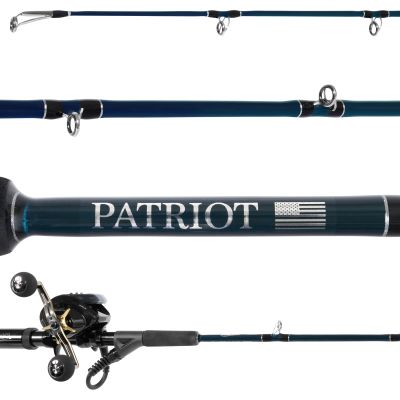
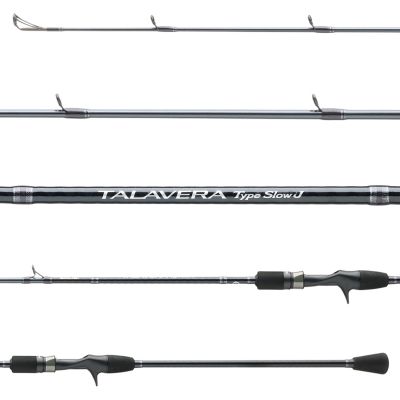
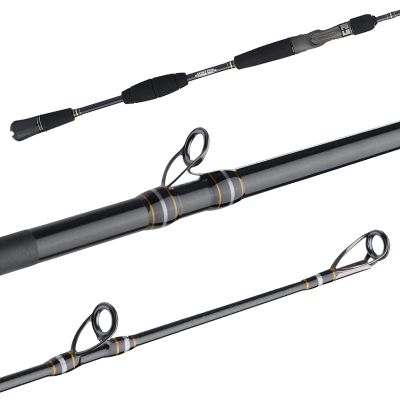 Penn Carnage III Slow Pitch Conventional Rods - Clearance
From: $194.96
Was: $259.95
-

Species I've Landed on Slow Pitch
Since adding slow-pitch jigs to my arsenal, I've caught species that would have been extremely difficult for me to target consistently with heavy bait rods. One of my most memorable was my first Kitty Mitchell grouper in over 700 feet of water. Slow pitch has also helped me land tilefish, my personal-best scamp grouper, mutton snapper, and even my first snowy and yellow-edge groupers.
Once, I caught a gag grouper and an American red snapper at the same time.
Another advantage I've noticed is how effective jigs can be at pulling fish off the bottom, especially species like big gag grouper that instinctively dive for structure and break off traditional bait rigs.
Versatility Always Wins Offshore
That said, I still fish bait.
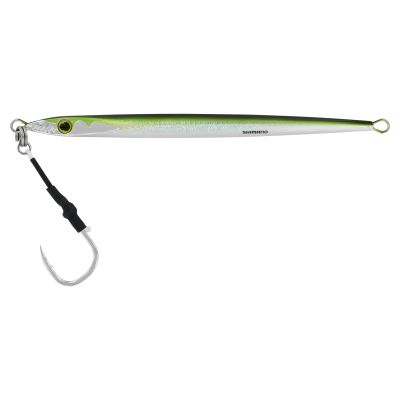
A smart angler keeps both tools ready. Some days, fish won't touch squid or cut bait but will absolutely destroy slow-pitch lures like a 250-gram glow-in-the-dark Shimano Ocea Sardine Waver Sinking Jigs or a Nomad jig in 300 feet of water. Other days it's the opposite. I've been on trips where jigs were ignored all day, but because I had the only bait rod on the boat, I ended up filling the cooler.
Versatility always wins offshore.
Still, one of the biggest advantages of slow-pitch jigging is efficiency. You spend less time re-baiting and more time actively fishing. If something toothy steals your jig, you know immediately. Your line stays in the water longer, and you stay engaged in the process, whether you're fishing 50 feet or 1,000.
Why Slow Pitch Is a Game-Changer for Women Anglers
For women anglers, especially, slow-pitch jigging can be a powerful equalizer.
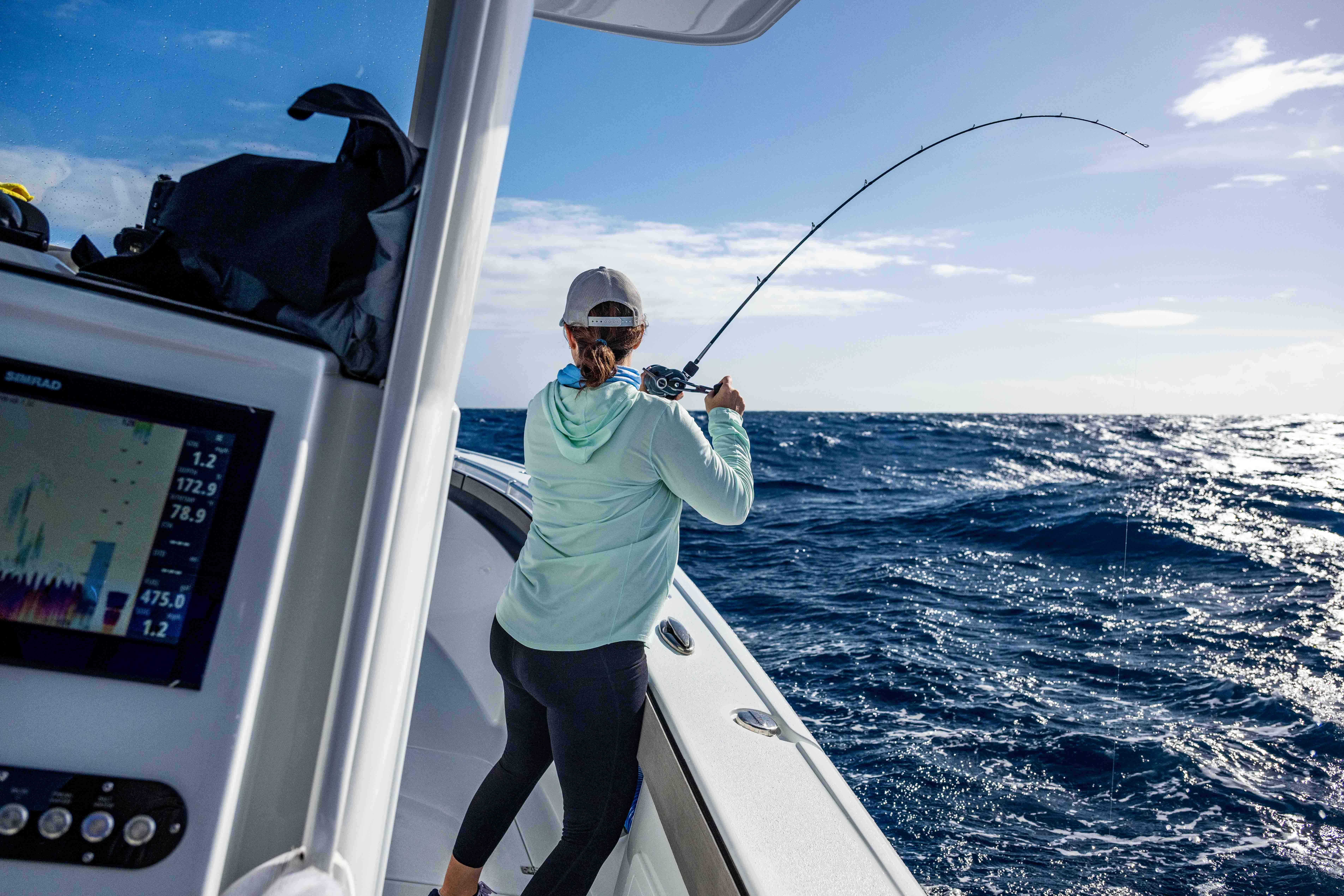
The technique relies far less on brute strength and far more on rhythm, mechanics, and feel. That opens doors to greater depth, bigger fish, and longer days on the water without the same physical toll.
For women who have spent years wondering if they can keep up with heavier offshore techniques, slow pitch jigging offers something different: an opportunity to elevate performance and push past limits that once felt out of reach.
It's not about replacing traditional fishing; it's about expanding what's possible.
I still have a few species left on my list, and I'm confident a well-rounded approach, combining both bait and slow pitch, will help me check them off.
After a lifetime on the water, one thing remains true.
There is always a whole world of techniques to learn, another species to chase, and another reason to keep fishing.
And for me, slow-pitch jigging has opened a whole new chapter in that journey.