

Guilty as charged. At times, we'll admit that on the west coast, we've been a little late to the party. We are seldom eager to change tactics for the hot new method, but we've come to understand and have adopted Slow Pitch Jigging as a great addition to our Southern California angling repertoire.
Jigging is a broad term used predominantly to describe using an artificial lure vertically at depth. In most cases, these lures are lead or some other heavy metal, which is needed to get down at depth. The different jigging methods pertain to the different lure shapes and how it is manipulated in the water to give it a specific dance to entice a strike.
The most common jigging in Southern California is Yo-Yo or vertical speed jigging. Both are meant to target fast-moving pelagic species like Yellowtail and Tuna. Vertical Speed Jigging has been a recent addition to our fishery in the last decade or less, and it's proven to be quite deadly in our nighttime Bluefin Tuna fishery. We've recently taken another page from our angling community abroad with Slow Pitch Jigging.
Slow pitch jigging is the adoption of vertical speed jigging, as the name implies, slowed down. This method has allowed Southern California anglers to target a new range of species in new depths with successful results. Ultimately, you're putting the jig in front of your quarry for longer to entice a strike. Like most specific fishing techniques, this new technique takes specialized equipment, which needs attention to maximize this method. Specialized reels, lines, jigging rods, and lures are essential for Slow-pitch jigging. You'll also encounter some new language when selecting the tools for this endeavor.
We assure you that all the effort and time put in to get the proper tools for Slow Pitch Jigging in Southern California will pay dividends, so let's get right into it.
Rods
The most notable difference in equipment is the rod.
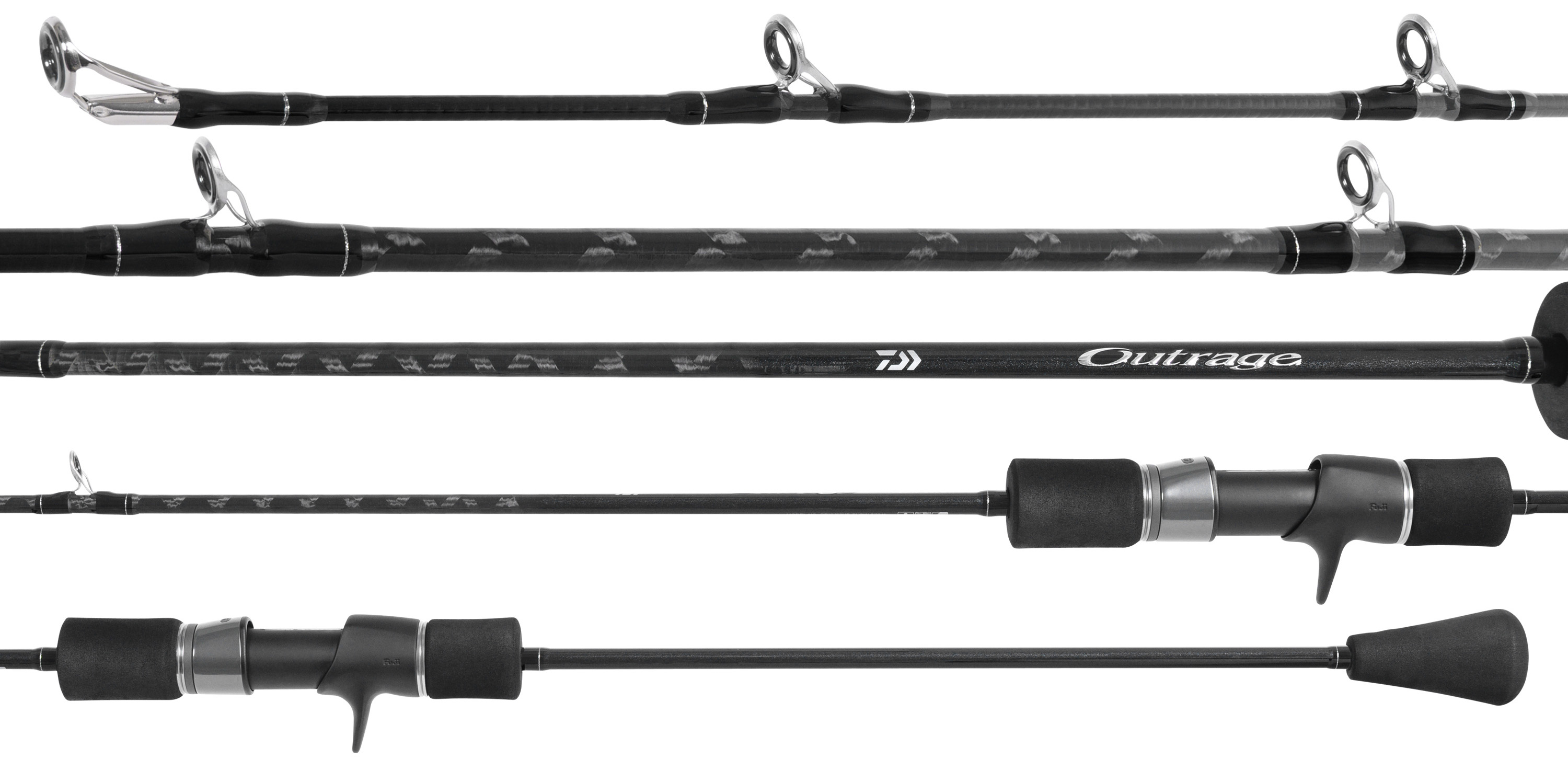
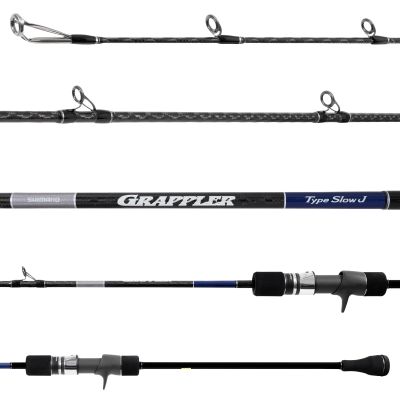
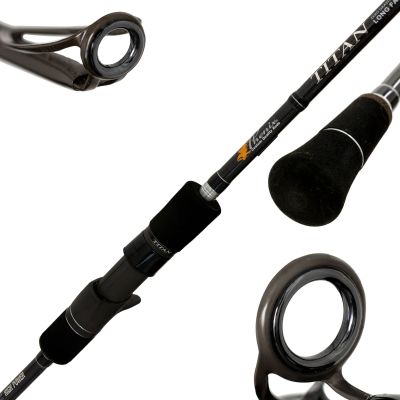
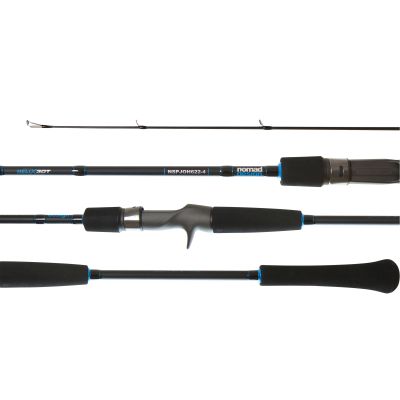
Traditional anglers are often surprised and turned off by Slow Pitch Jigging rods. They are often shorter than 6' long and are extremely thin and light, resembling a largemouth bass rod more than a saltwater rod. Additionally, the foregrip is often short or nonexistent, with a butt section that is often bare of padding. All these elements keep the rods light and easy to hold and use over long periods without fatigue. Keeping weight down is an essential aspect of rod building for Slow Pitch Jigging.
Unlike most saltwater rods in which the rod is used as a leverage point to pull on the fish to exert maximum pressure on the fish, these rods are not developed with this function in mind but rather for presenting your lure. The rod's action, recoil, and thinness are developed to primarily give your slow-pitch jig a specific action. The rod is meant to work within a range of jig weights which is ideal for the recoil speed of the rod. This jig weight range can often be seen on the rod description, for example, JIG WEIGHT: 200-300G. This means a jig in this range is given the ideal motion through the load and recoil of this rod. You'll get great parabolic bend when you fight a fish on these rods. It may even look like the rod is close to breaking, but these rods are meant to exhibit this bend through their construction and layup of materials.
Slow Pitch Rods are also rated differently than your traditional saltwater fishing rod. While most rods in the traditional sense give you a lb. and drag range and max, slow pitch rods give a PE range. The PE range is representative of PE as an acronym that stands for polyethylene. When applied to fishing, the polyethylene or PE rating is one way to rank the fishing line. Simply put, it is a rating method that measures the diameter and approximates the strength capacity of braided fishing lines—as the only line type that uses ultra-high molecular weight polyethylene fibers.
Below is a chart that assists in translating PE line strength to the appropriate rod rating.
This table scrolls horizontally on small screens. Use left and right arrow keys when the table is focused, or swipe to see more columns.
| Metric | 20 lb | 30 lb | 40 lb | 50 lb | 60 lb | 80 lb | 100 lb |
|---|---|---|---|---|---|---|---|
| Diameter (mm) | 0.255 | 0.299 | 0.317 | 0.332 | 0.422 | 0.48 | 0.545 |
| PE Rating | 1.7 | 3 | 3.5 | 4 | 6 | 8 | 10 |
| Actual Avg. Breaking Strength (lb) | 34.7 | 49.0 | 59.2 | 78.5 | 91.6 | 116.2 | 138.2 |
There are several applications and needs for Southern California fisheries. As a place to start, these are some ranges for rods that could be applied to our fisheries:
- Rockfish: P 1-3
- Yellowtail: P 3-6
- Tuna: P 4-10
-
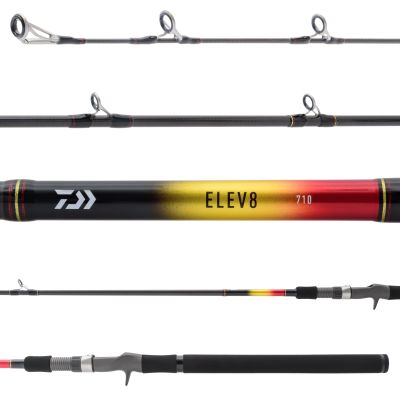 DNR - Daiwa Elev8 Jigging RodOut of stock
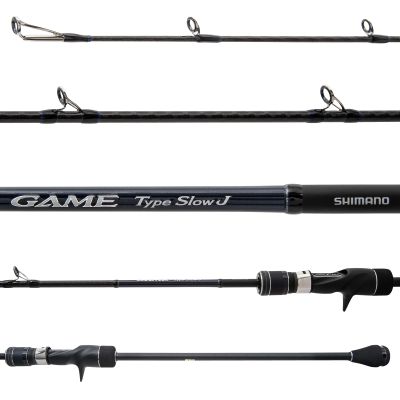
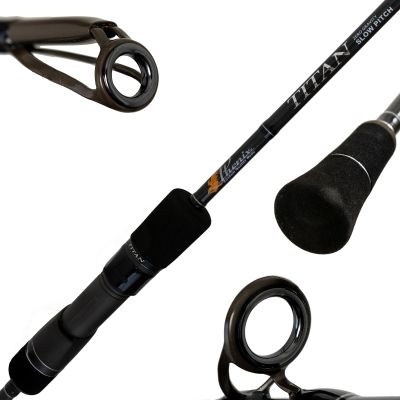
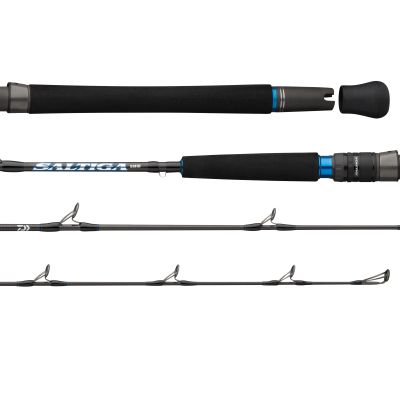
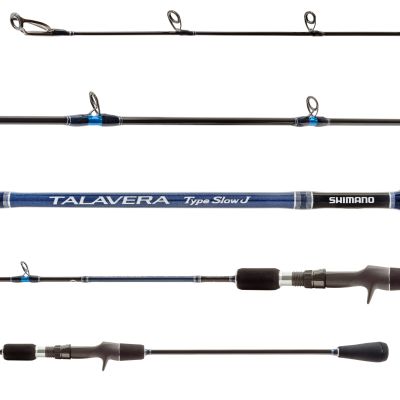
Reels
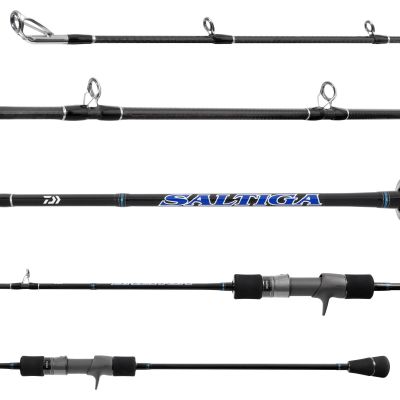
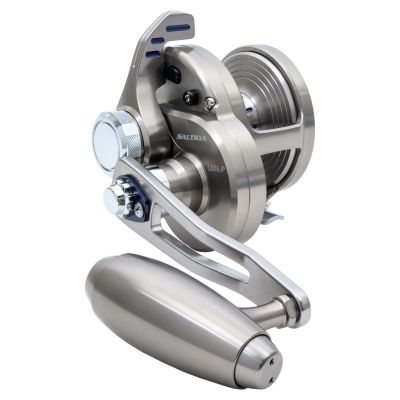
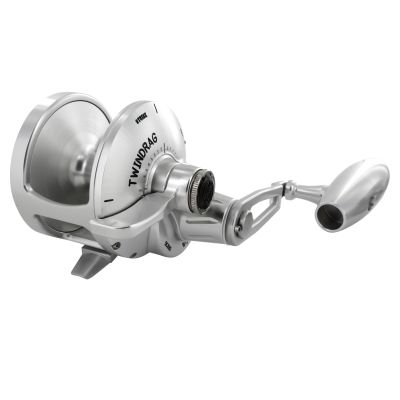
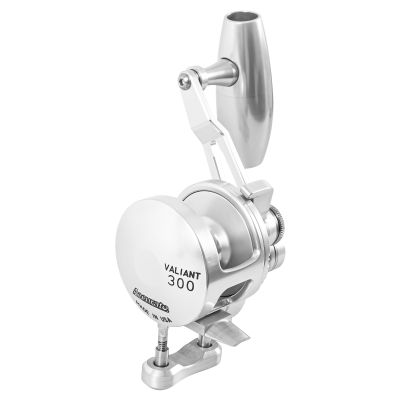
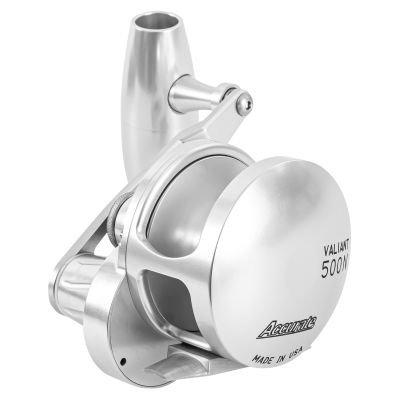
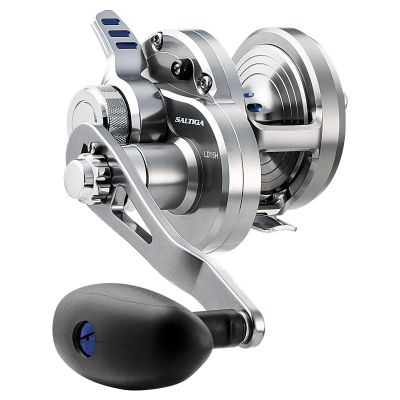
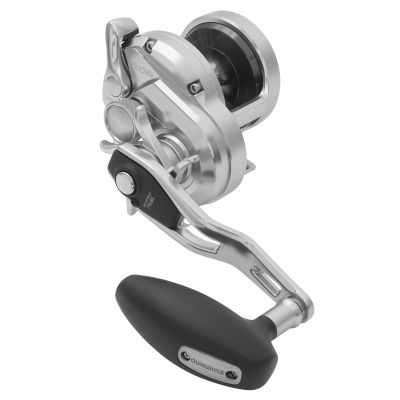
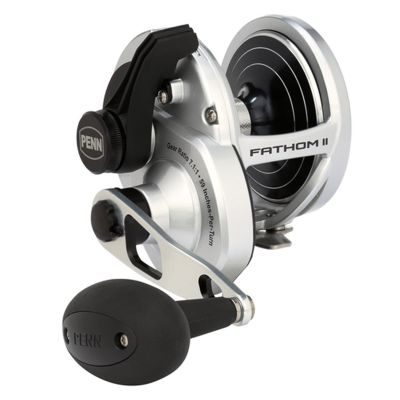
Slow Pitch jigging has not only rods that are specific to the technique, but the reels are also specialized. The most notable characteristics you'll see in this category of reels are the narrowing of the spool and the sizing up of the handle in conjunction with adding a T-handle.
The narrowing of the spool is specific to line control. Having a narrow spool minimizes the need for your finger to guide the line onto the reel. As you release and retrieve the line, you can focus on the retrieval, and the line will stay relatively even on the reel's spool.
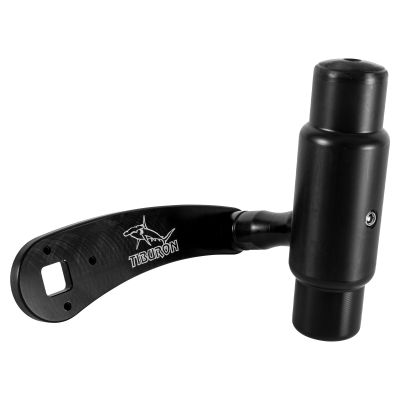
The oversized reel handle, usually equipped with a T-handle, results in power. Power is a common theme among Slow Pitch reels. Those produced and designed specifically for this style of fishing have been upgraded to promote winding power. The need for power out of these reels is due to the rod being a tool to encourage lure presentation and activity. Because the rod has a high level of parabolic bend, it prevents any actual amount of pressure from being exerted on the fish from the recoil of the rod.
The reel, thus, becomes the main fighting component and why they've been built so powerfully. Sometimes you may even point the rod at the fish and allow the reel to do all the work.
Star drag reels and lever drag reels are used, though as you tend to target larger and larger species, the transition to lever drag and 2-speed reels tends to be the trend.
Size your reel accordingly to your target species size and the depth you're fishing. Selecting a Slow-pitch fishing reel is somewhat of a compromise amongst a variety of variables:
Line Capacity + Line Retrieval + Drag Capability + Free Spool + Comfort + Reel Weight + Target Species = YOUR PERFECT REEL

Melton Tackle Spooling Service
Line
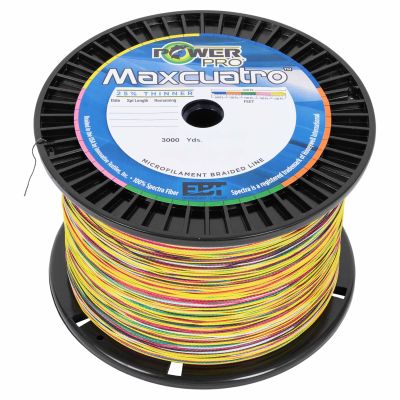
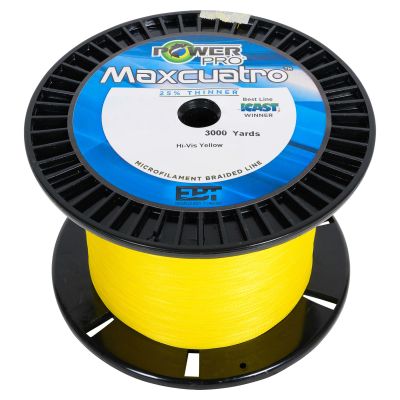
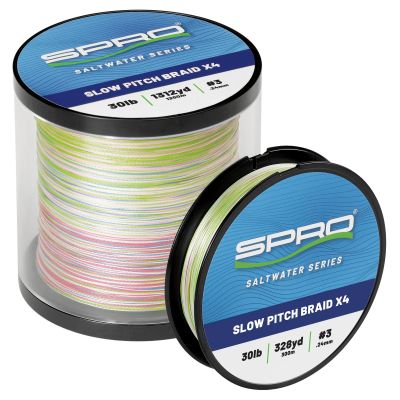
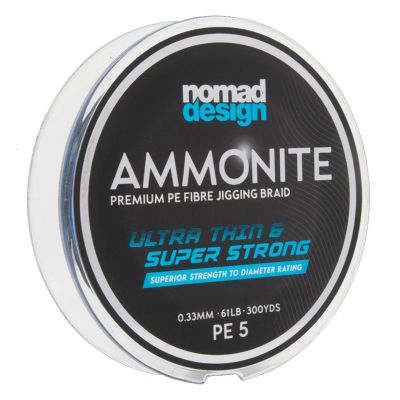
First, braid is the only line you should use for Slow-pitch jigging and at that, solid braided line. No monofilament, no hollow braid, etc. You're simply trying to get a jig to the bottom quickly and have reasonable control over the jig to manipulate it to dance. The characteristics of a solid braid give you those aspects when Slow-Pitch Jigging, little to no stretch, little to no water resistance, and great strength-to-diameter strength. When selecting a line for the Slow Pitch again, we encounter a balance of compromise. For example, on the East Coast, anglers use light braids to target species that may require them, but in everyday scenarios, they use heavier braid. They are fishing the depths with a much lighter braid than we'd feel comfortable with here on the West Coast. This choice is based solely on the performance of needing to get their jig to depth in current. On the West Coast, we don't have the current restrictions that they do in Florida and aren't battling the drag of the line in getting it to our target depth.
Surprisingly, braid in water has a significant amount of drag, and as you reduce its cross-section diameter by scaling down in line size, you reduce its drag as well, allowing you to get to the bottom much quicker to keep your jig vertical. The compromise in selecting the correct braid size is a balancing act of the target species size, the depth at which you'll present your jig, and the line capacity needed to get to that depth. Collectively all these variables go into your selection.
Here in Southern California, we've successfully applied Slow-Pitch Jigging to our Rockfish fishery. Under this fishery, anglers encounter other benthic species like Lingcod, Sheepshead, Halibut, and the occasional Yellowtail. As an average, you can expect most of your quarry to fair on the lighter side of things, meaning under 20 lbs. That is an overarching thought for Southern California, a solid 30lb. braid is ideal.
That's not to say a passerby pelagic species will let a fluttering jig get past them if the opportunity arises, so be aware of the signs of life where you'll be fishing.
Jigs
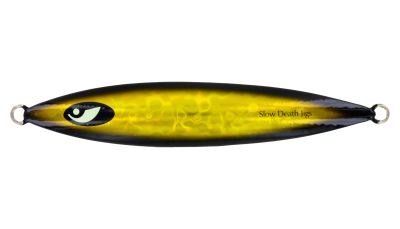
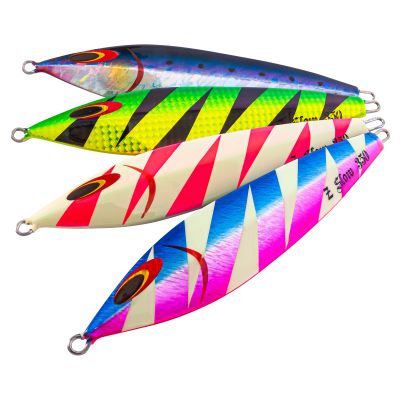
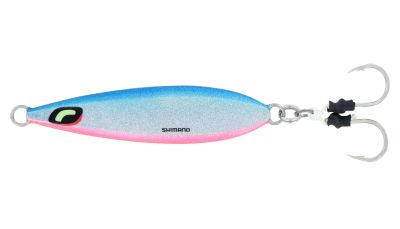
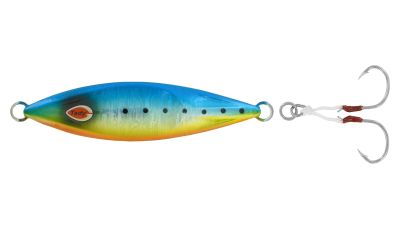
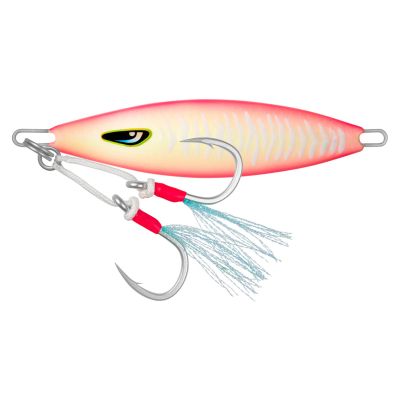
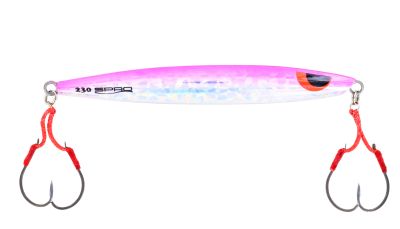
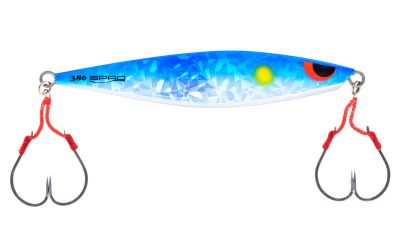
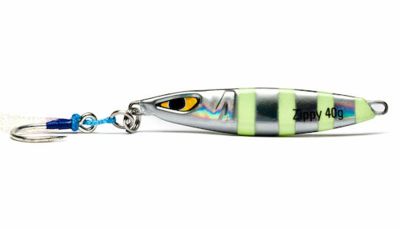
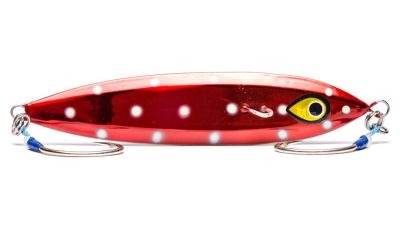
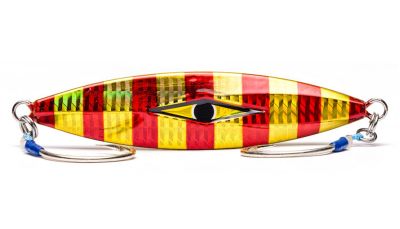
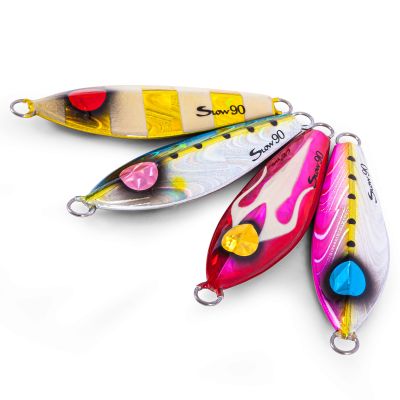
Slow-pitch Jigs, as most jigs are created for a specific action at a particular depth. At a glance, a slow jig will appear very similar to a vertical jig or even a yo-yo jig, so what are the characteristics of a slow-pitch jig? At its core characteristic, a slow-pitch jig should wobble and flutter slowly through the water column. From an engineering standpoint, they are made to free fall at free spool lying horizontally and catch water passing by through angles and weight distribution of the jigs material. Ultimately, this allows the jig to remain within the fish's striking distance for an extended period of time.
How can you tell the difference between vertical-speed and slow-pitch jig? As you'll see, jigs are predominantly weighted on one end or have a center point at the hips as the heaviest point. Slow-Pitch Jigs are center-weighted, allowing them to keel over on one side and catch water with their edges. A jig weighted on one end indicates a vertical speed jig, designed to get to the bottom quickly and catch water on the retrieve up. This is also known as an aggressive speed jigging technique.
The Action
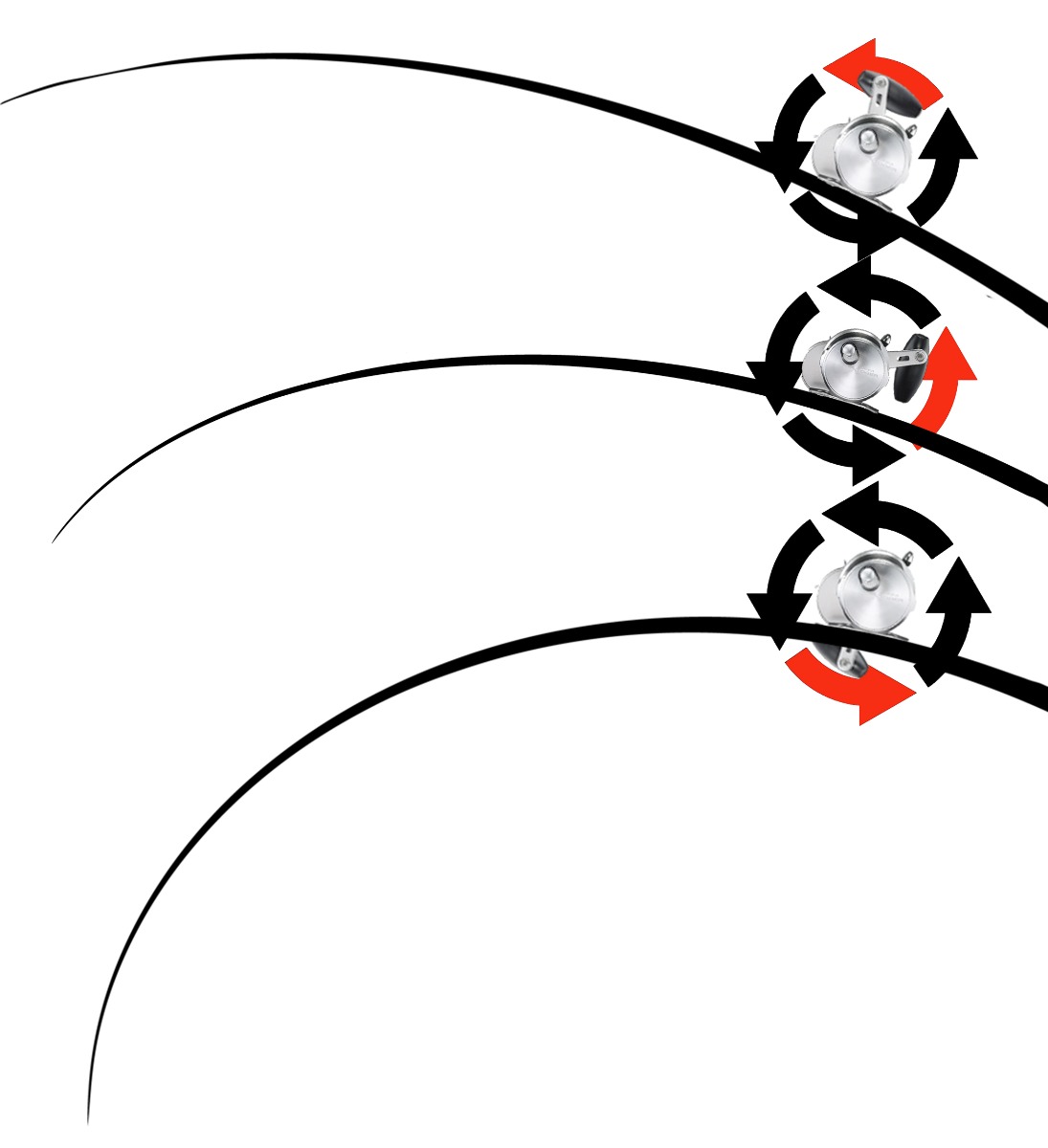
Slow-Pitch jigging is very similar to Vertical Speed jigging, as you can imagine, slowed down. It's great practice to start with Slow-Pitch Jigging to get your rhythm mastered to go into Vertical Speed Jigging.
It's the combination of the reel retrieval, the load and release of the rod, and the jig's weight, all combined to give you fluid, repeatable motion. This motion allows your jig to dance enticingly to most gamefish.
Steps In Technique
- Free spool to drop your jig with just enough pressure to keep your jig going vertically and not fluttering; this will allow your jig to get down to the appropriate depth quicker. When you feel you are at the bottom, lock into gear and give one full smooth pull up.
- Ideally, lift quickly while winding one quarter rotation, repeat two to three times.
- Continue this retrieval through the area you've deemed most productive, and then drop the jig down again using the slow pitch jigging system.
- While drifting and performing the retrieval and drop of the jig, ensure to keep your line vertical. If you notice an angle (referred to as scoping), wind up your line and start your drop again to maintain verticality as much as possible.
A Few Tricks Of The Trade
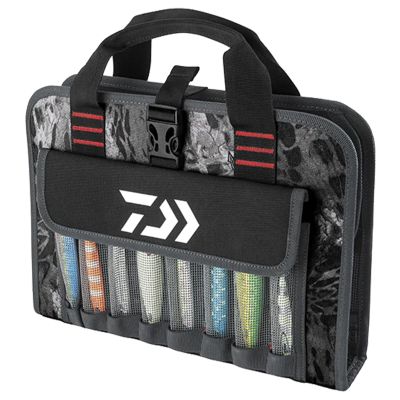
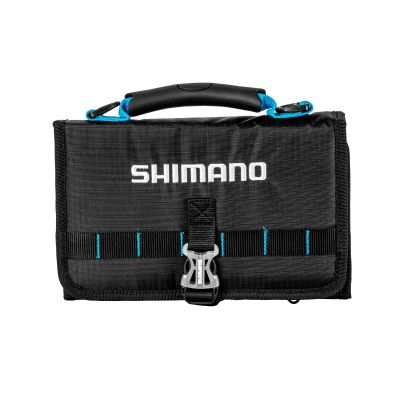
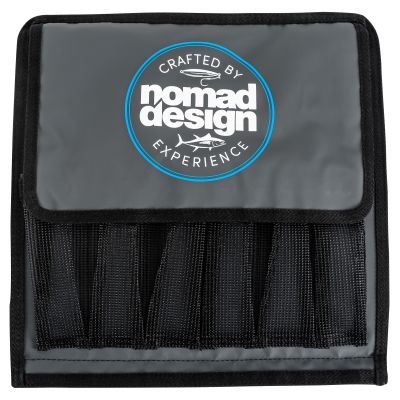
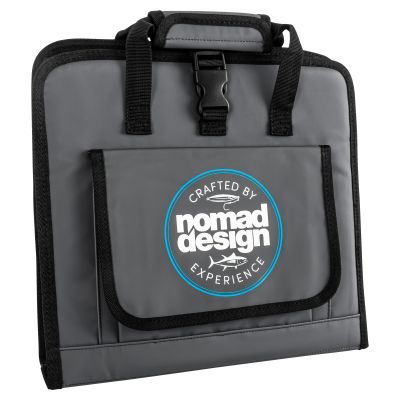
- Jigging bags specifically made for this application keep your jigs in good shape and prevent them from having paint chip off or becoming tangled.
- Jig straps are great to have when the boat is running. Due to the load-up characteristics of the rods, you're unable to get good torsion to hold the jig in place when hooked into the rod, and these straps will ensure the jig stays where it's supposed to be.
- Replace stock handles with after-market larger T-handles.
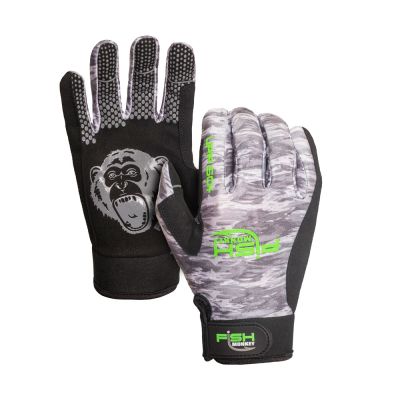
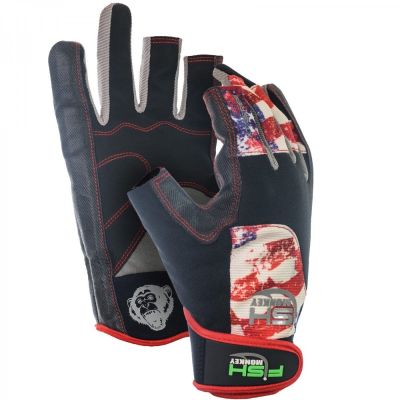
- Wearing fishing gloves is a good idea to keep from getting blisters on your index finger from winding.