

Predictability. If you've ever attended one of my seminars as a slow-pitch jigging enthusiast or watched videos where I discuss the most important feature of any jig, you'll note that I often discuss the importance of a jig's predictable, repeatable action.
That predictable action serves several important functions.
- It puts the angler in charge of how that jig works the water column.
- It allows the angler to know when to switch to a different jig because that particular type of action may not be working.
After all, the entire goal of slow-pitch jigging is to figure out what is going to draw aggressive strikes. Let's dive in a little bit more.
Table of Contents:
- Shimano Ocea Sardine Waver Features and Design
- Three Repeatable Fall Actions
- A Versatile Pilot Jig for Slow Pitch Anglers
- Matching Color to Conditions
-
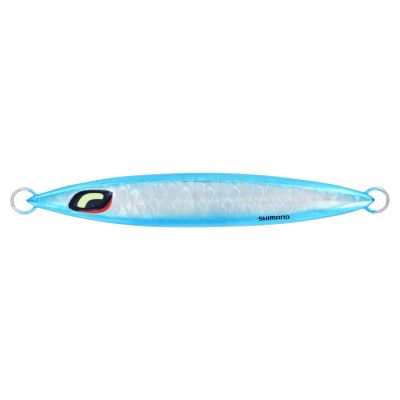 Shimano Ocea Sardine Waver Sinking Jigs - Clearance
From: $11.19
Was: $15.99
Shimano Ocea Sardine Waver Features and Design
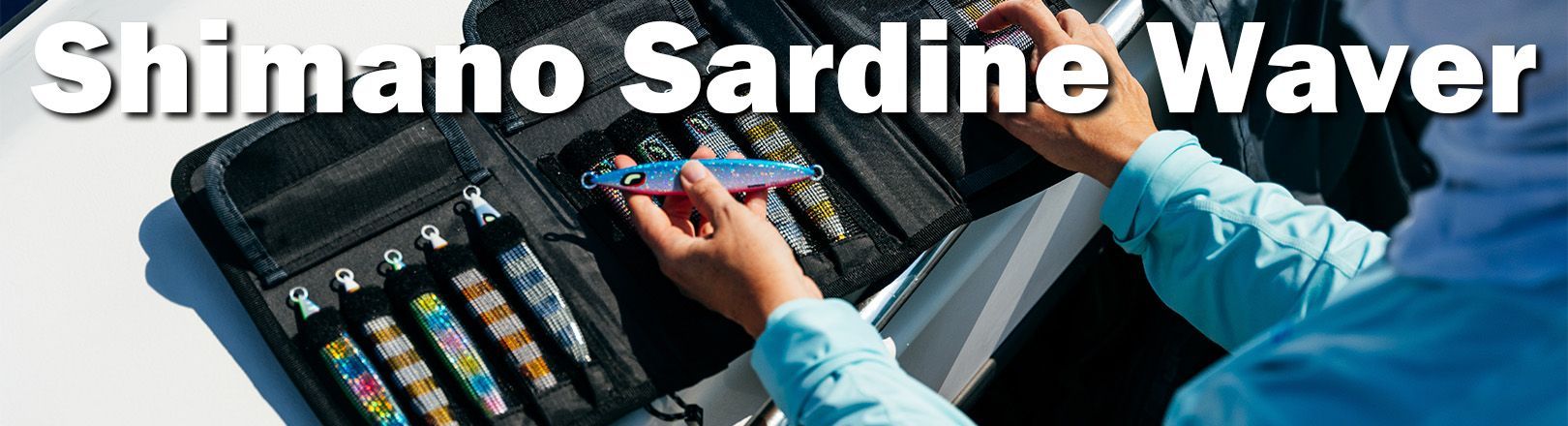
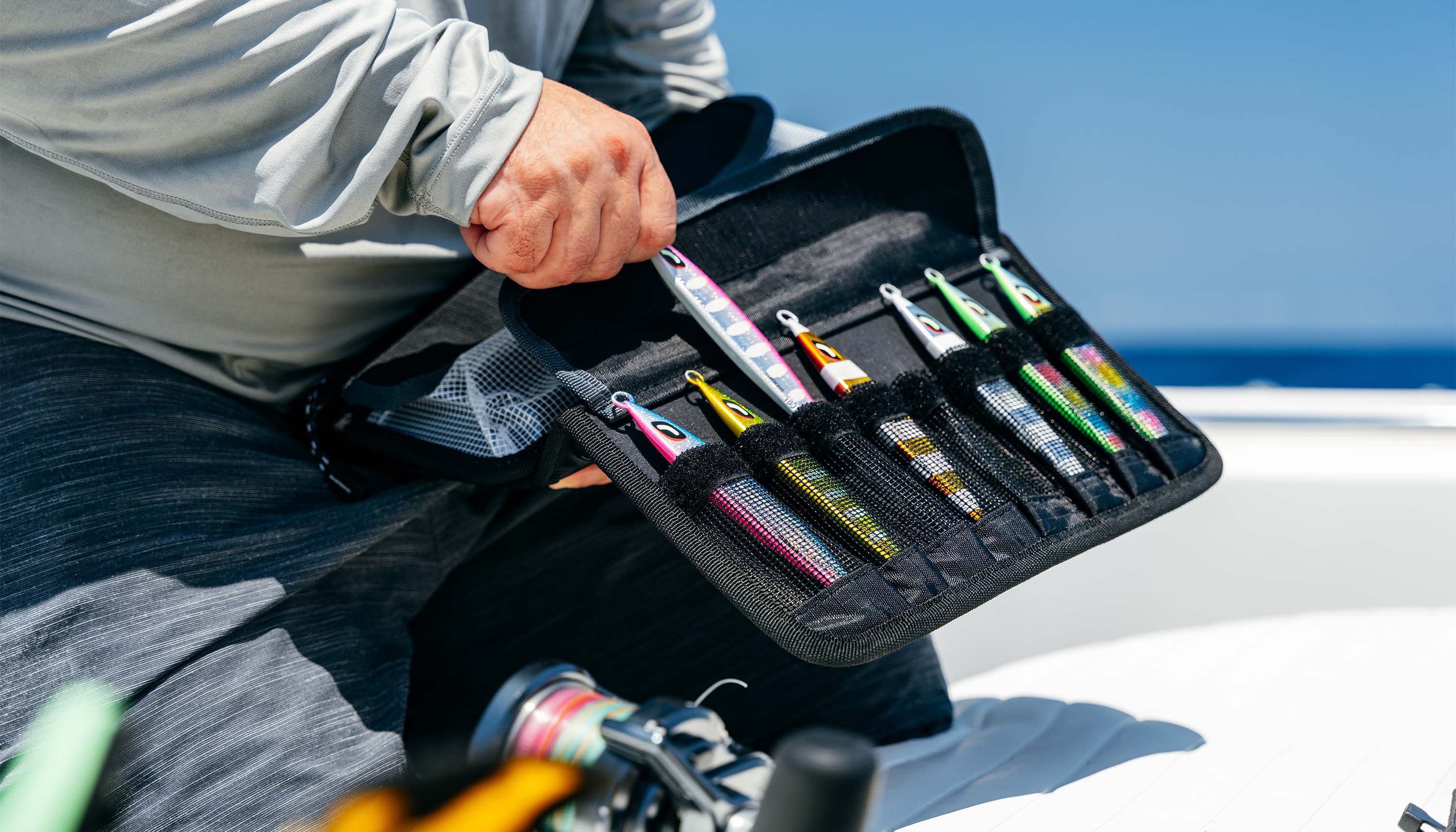
The Shimano Ocea Sardine Waver Sinking Jig is a mid-length, center-weighted jig. It comes in three weights, 130g, 180g, and 250g, as well as 10 different colors. Several of the colors incorporate scale boost technology, a lifelike holographic scale pattern embedded in the jig to mimic baitfish. It's also an asymmetric jig, meaning the belly and back sides are shaped differently.
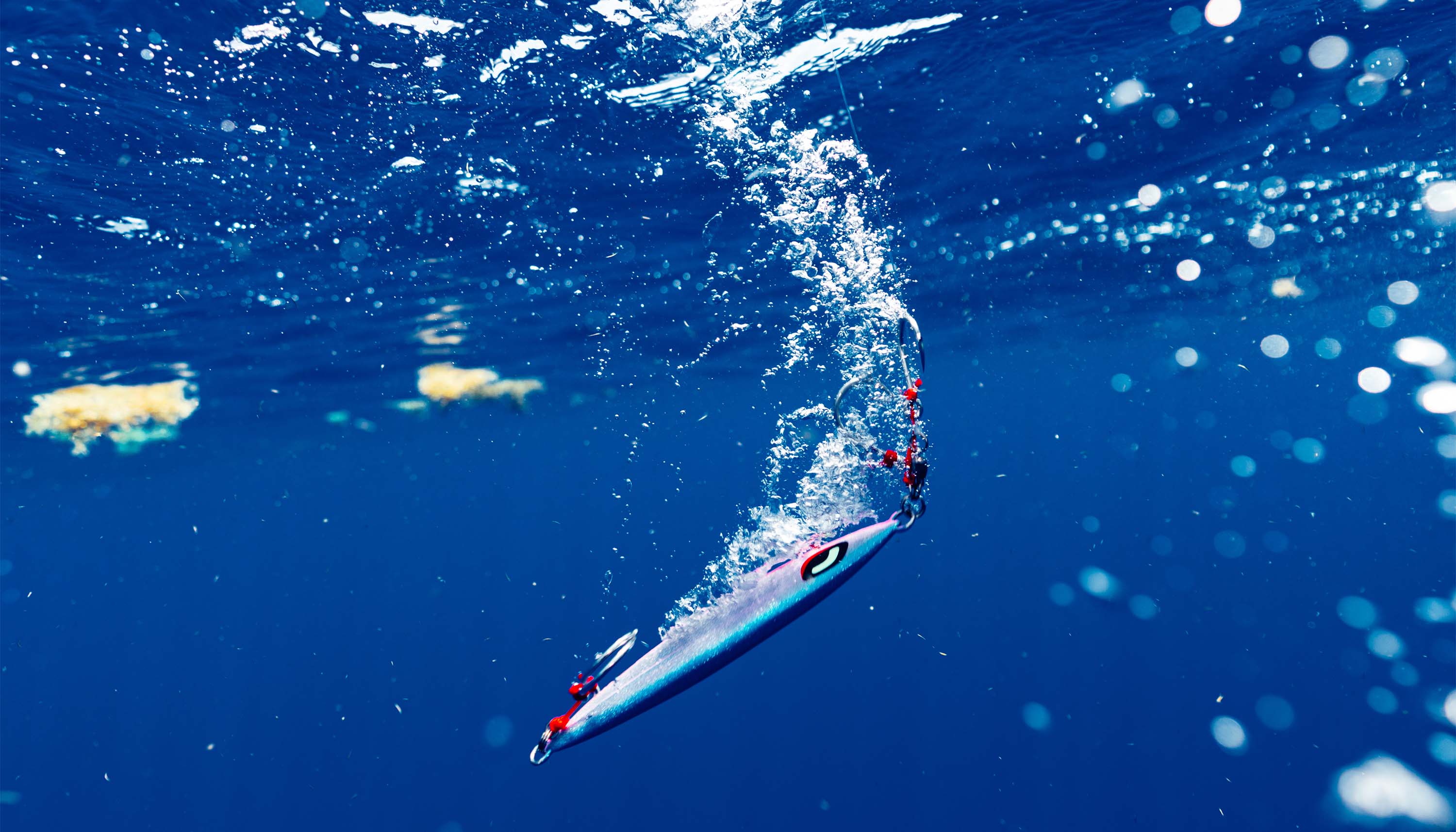
On the belly, the Sardine Waver is slightly concave and, on the back side, the jig is convex - shaped like the keel of a boat. The Sardine Waver is also slightly more tapered at the top of the jig than at the bottom, if you look closely. Among the defining features of the Ocea Sardine Waver is this combination of design elements that gives it such a distinctive and productive action.
Three Repeatable Fall Actions
- The taper on the head of the jig reduces its pulling resistance. That means that lifts feel effortless, with very low water resistance.
- It also allows for punchier actions, as the jig will push through the water well with a more forceful rod lift.
- The keel on the back side of the jig creates three predictable, repeatable fall actions.
The Sardine Waver will backslide, it will wobble with quick and erratic darting action, and it will also have a front and backslide. Each action can be imparted based on how the angler wants the jig to swim.
A Versatile Pilot Jig for Slow Pitch Anglers
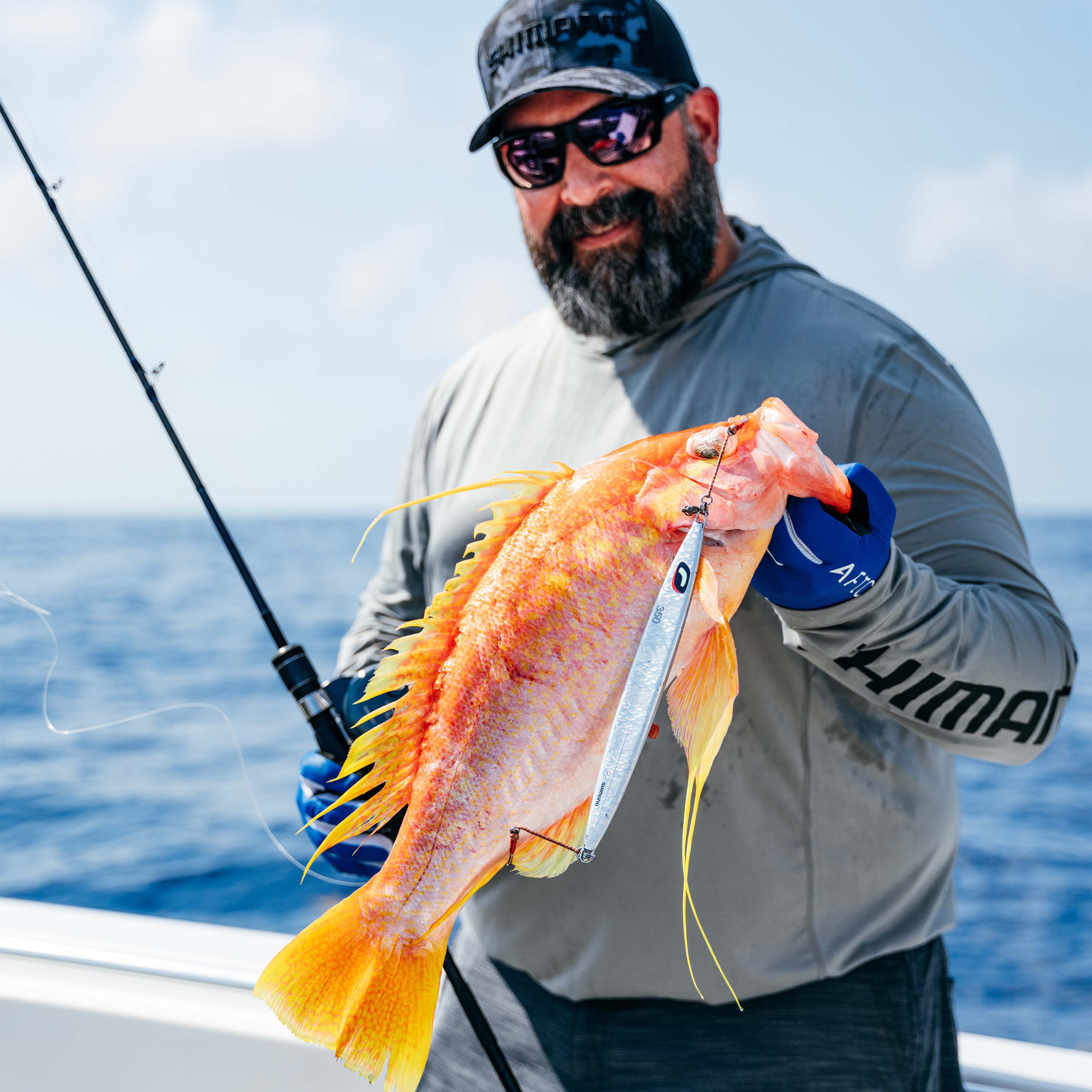
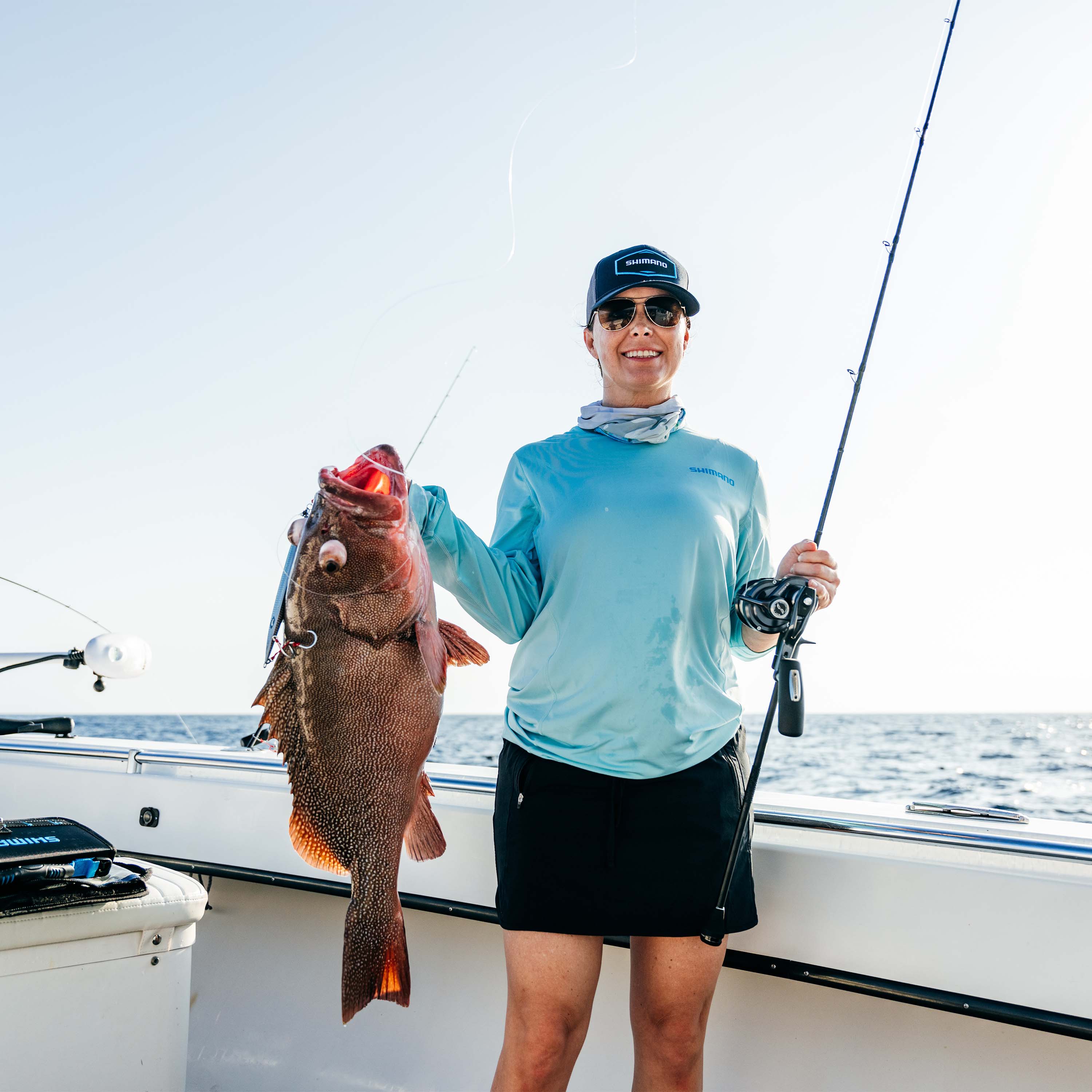
Since it's center weighted, I consider the Sardine Waver an excellent pilot jig. In other words, it's a phenomenal jig to use on the first drop at a spot. It performs best in relatively neutral conditions, and falls surprisingly fast for its shape. The center weight allows the jig to lie flat in the water quickly once a slack line is introduced, and it performs well with little angler input. That means that it's a versatile jig that can be effectively used by beginners as well as the most seasoned slow pitch anglers.
Importantly, slow pitch anglers fishing deeper structure will find that the Sardine Waver provides valuable feedback, such as when to downsize weight in lower current situations, or the need to change shape or increase weight for more challenging conditions.
The Sardine Waver is a natural anchor for any butterfly jig lineup, delivering consistent performance across a wide range of depths and conditions.
A Versatile Pilot Jig for Slow Pitch Anglers
I like to match my color choice to the day's conditions:
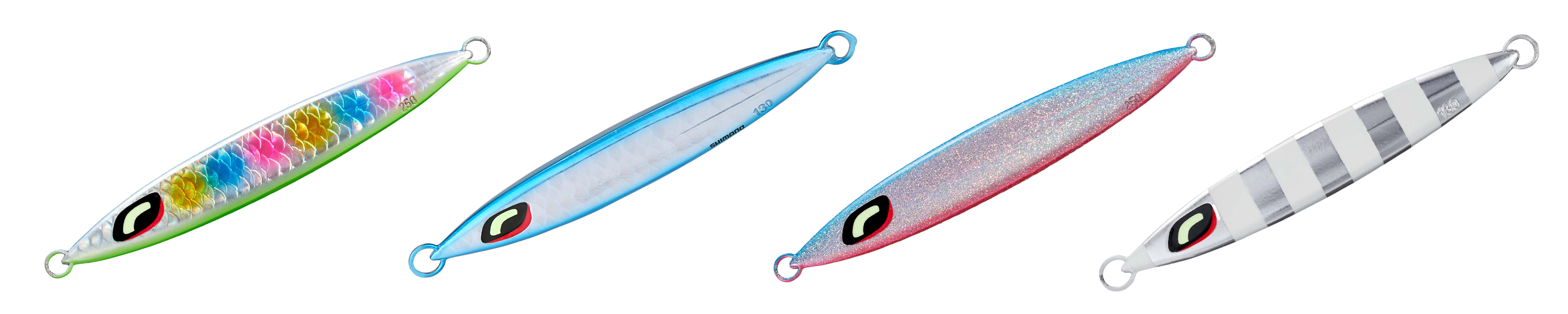
- For bluebird days, I like the silver-based colors like Candy Killer, the Purist, Sardine Flake, or Silver Zebra Glow.
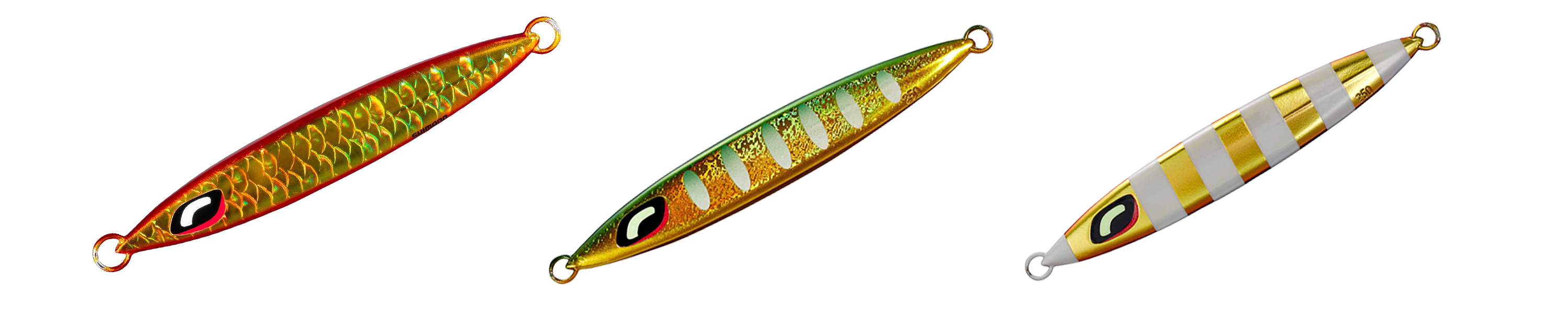
- For overcast days, I look to gold-based colors like Campfire, Green Gold Glow, or Red Zebra Glow.
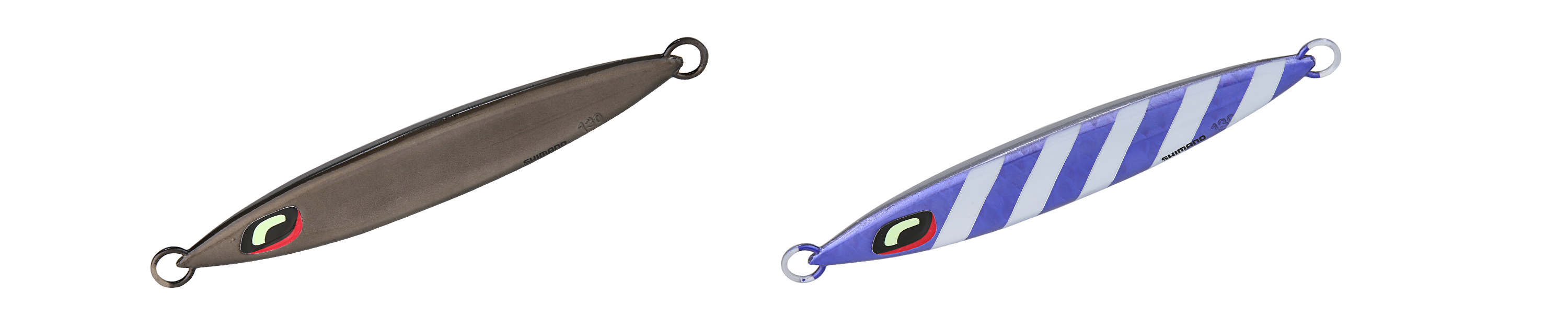
- In low-light conditions, I like darker colors with more contrast, like Kraken or New Moon.
- For a nighttime tuna bite where glow characteristics matter most, the Pink Silver Glow has a full-glow back that holds a charge well and shines bright in dark water.