

The saltwater scene is a diverse playground for anglers. With such a broad range of species and techniques comes a fundamental gear choice that even an experienced angler continues to grapple with baitcasting reels and spinning reels.
While both have earned their place on the deck, each has distinct advantages depending on your target species, lure selection, water conditions, and even your level of experience. This article breaks down the key performance differences between low-profile baitcasting reels and a spinning reels, specifically through the lens of the SoCal saltwater fishery.
The DNA of Each Fishing Reel: A Functional Overview
At their core, the spinning and baitcasting reels are engineered to solve different problems on the water.
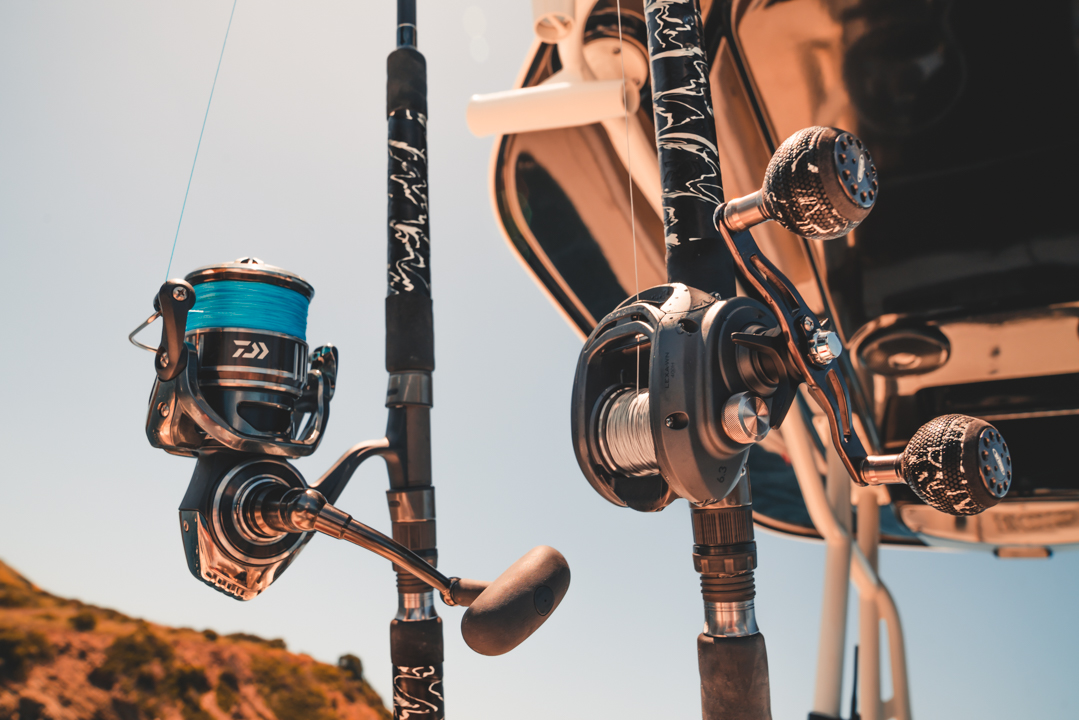
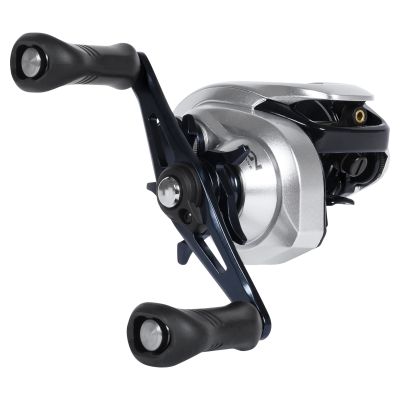
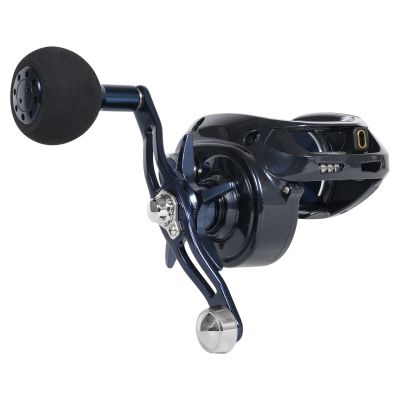
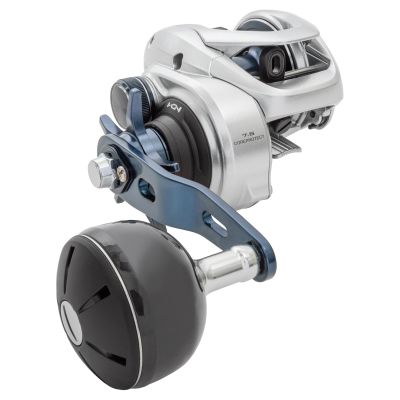
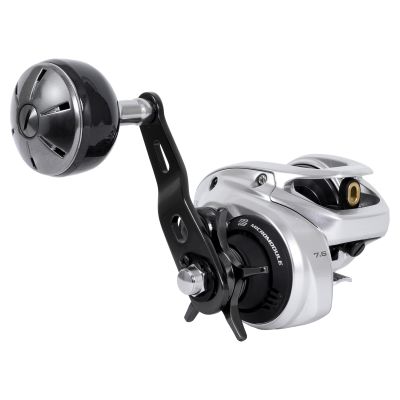
Baitcasting reels, especially the low-profile style popular among SoCal saltwater anglers, are compact, palmable, and designed for power and precision. Mounted on top of the rod with a free-spinning spool, they offer maximum line control during casts and retrieves. Their gear ratios are typically higher, allowing you to retrieve lures rapidly or pull fish from dense cover. These reels shine when targeting fish that demand control and stopping power, think calico bass in heavy kelp, or yellowtail busting bait near structure.
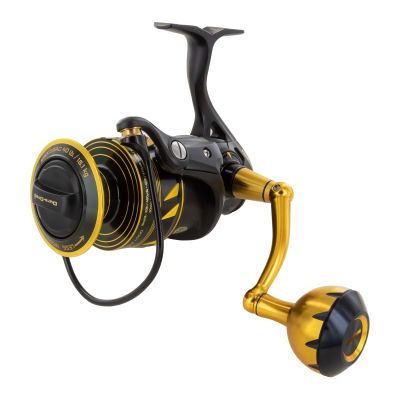
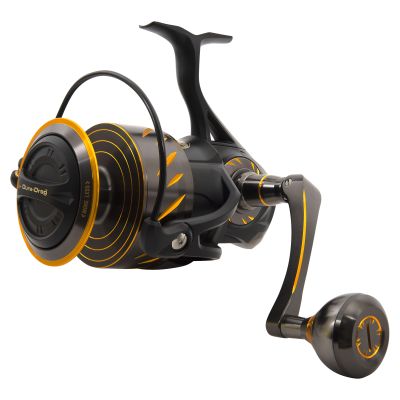
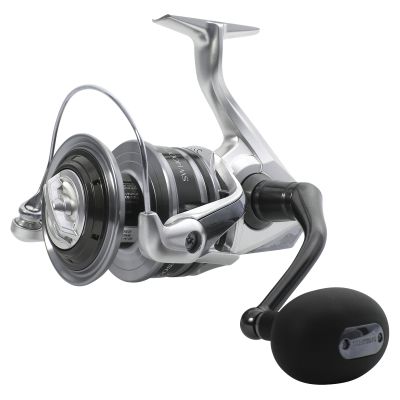
Spinning reels, on the other hand, are easier to use and more forgiving. The spool of a spinning reel remains fixed during the cast, allowing the line to flow freely off the front, making them ideal for casting lightweight lures or working in the wind. They’re often the go-to when you're throwing small swimbaits in Mission Bay, bouncing grubs along sandy points, or dropping down light jigs for spotted bay bass. Their intuitive design makes them perfect for newer anglers or anyone looking to focus more on the fishing and less on reel mechanics.
Castability: Accuracy vs. Accessibility
Reel casting performance isn’t just a luxury, it’s critical.
Spinning reels dominate when it comes to casting distance with lighter offerings, particularly inshore. If you're lobbing a 3-inch paddletail on 10 lb braided fishing line around Harbor Island or skipping a bait under docks in Newport Harbor, spinning gear gives you the edge. Wind is also a constant consideration, and SoCal's prevailing onshore breezes can make baitcasters harder to manage unless your thumb control is well-practiced. The line comes off a spinning reel’s spool with minimal resistance, allowing longer, easier casts.
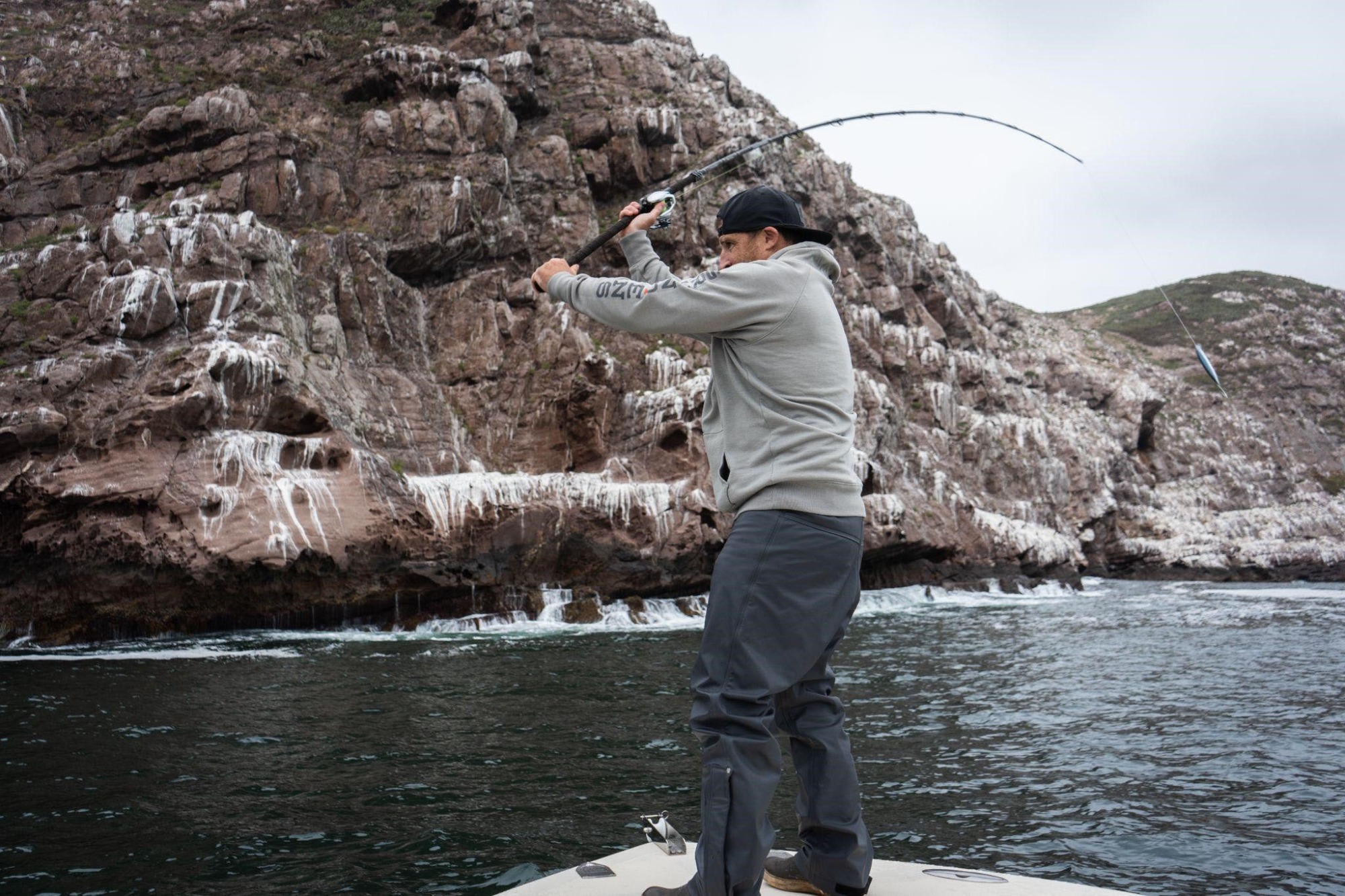
Baitcaster reels shine when you're launching a heavier lure and need pinpoint control. When you're working surface irons or hard baits along a kelp line near Point Loma, or targeting corbina tight to the beach with a hard swimbaits, feathering your cast into tight pockets without backlash is a key advantage. Once you've mastered the spool tension and braking systems, many of which are now highly adjustable, you’ll appreciate the casting control baitcasters provide, especially with lures in the 0.5 to 2 oz range.
Drag Systems: Finesse vs. Force
Drag is where the rubber meets the road when you're hooked up, and in saltwater, you need reliability.
Spinning reels typically use a front-mounted drag system that allows for finer adjustments and smoother startup. This is especially helpful inshore where finesse presentations on light braid or fluorocarbon leader are common. A 12-inch spotted bay bass might not test your fishing gear much, but hook into a 5-lb halibut in a narrow channel, and you'll want a drag that engages smoothly without popping your leader. High-end spinning reels have closed the gap in durability and drag power, but they’re still best suited for lighter lines and smoother fights.
Baitcast reels bring the brawn. With star drag systems and carbon fiber stacks, they’re designed to deliver strong, consistent pressure over longer fights. If you’ve ever tried to stop a yellowtail from wrapping you in kelp or reef near Catalina, you know how crucial drag power is. Baitcasters let you lock down the fish and turn its head before the fish reaches cover. Even with calicos, a tight drag can mean the difference between a landed fish and one buried deep in kelp.
Line Capacity: Consider Your Class
Line capacity might not be a concern if you're fishing the front side of Catalina, but it becomes very real when you're chasing tuna on the 9-Mile Bank.
Spinning reels, especially inshore models, tend to favor braid due to its thin diameter and high strength-to-size ratio. A 6000-8000 size reel can hold hundreds of yards of 50 lb braid, making it suitable for long casts, deep drops, or even fly-lining sardines off a paddy. You can pair braid with a fluorocarbon leader to get both strength and stealth, a combo that’s become the standard in Southern California.
Baitcasters, while offering slightly less capacity in smaller sizes, make up for it with superior line lay and control. You’re less likely to experience line dig or excessive twist, which is especially useful when using straight fluorocarbon or monofilament, still common when throwing jigs or topwater baits. Many saltwater-specific low-profile baitcasters now come with braid-ready spools, corrosion-resistant components, and ample capacity for 30–60 lb braid, making them more than capable of handling bruiser calicos, yellowtail, or even smaller schoolie bluefin tuna in close.
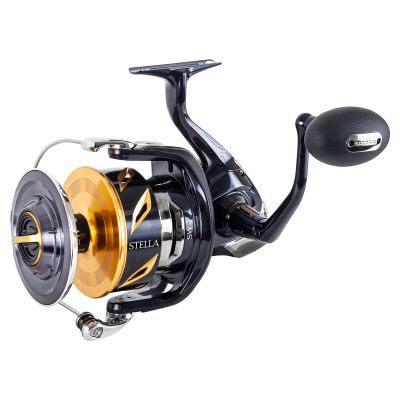
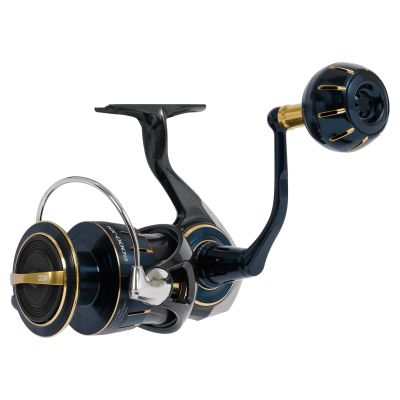
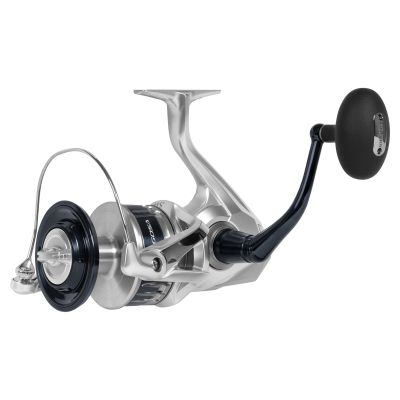
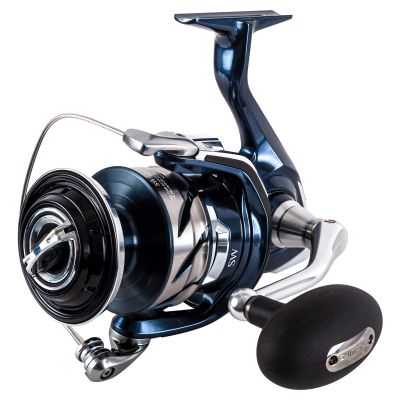
Baitcasting Reels
Lure Selection and Technique Match-Up
In SoCal, your lure selection often reflects the bite. Bait choice can shift from hard jerkbaits inshore to surface iron offshore in the span of a few hours. And that means your reel needs to be specific to the fishing technique.
Spinning reels are perfect for finesse and natural presentations. If you're working a dropshot rig off a jetty, slowly dragging a tube bait in the harbor, or skipping plastics under docks for spotted bay bass, spinning gear gives you the control and light-line compatibility you need. Anglers also love spinning reels for casting live bait, especially when fly-lining sardines or anchovies for yellowtail, bonito, or even yellowfin tuna.
Baitcasting reels come into their own when you're power fishing. Fast retrieves, twitchy jerkbaits, weedless swimbaits, and hard-hitting topwaters all benefit from the torque, sensitivity, and hook-setting power that baitcasters deliver. Calico bass fishing in the kelp? Use a baitcaster. Pitching into the boiler rocks along Palos Verdes? Baitcaster. Bombing a Current Sniper at Bluefin? Still a baitcaster reel.
-
-
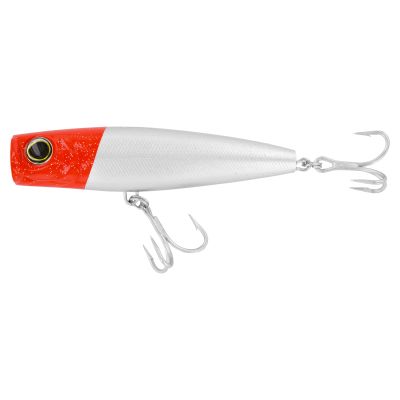
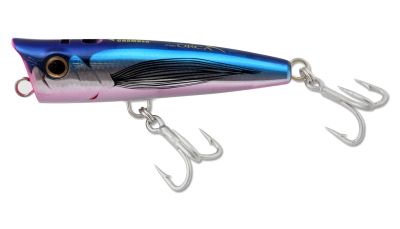 Shimano POP-ORCA LuresOut of stock
 -
-
-

Maintenance in Saltwater: Know Before You Go
Saltwater is the great equalizer when it comes to gear longevity. No matter how expensive or well-built your reel is, it will deteriorate quickly without proper reel care and maintenance, especially in SoCal, where salt, sand, and spray are relentless.
Spinning reels are generally easier to maintain. Rinse with freshwater after every trip, pay attention to the bail arm and line roller, and grease the main shaft occasionally. But even the best spinning reels are susceptible to corrosion in the rotor assembly and anti-reverse bearing if neglected. Make sure the drag system stays dry, especially when using rear drag setups.
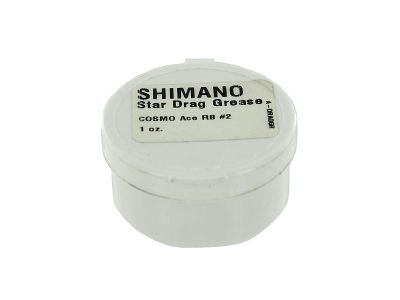
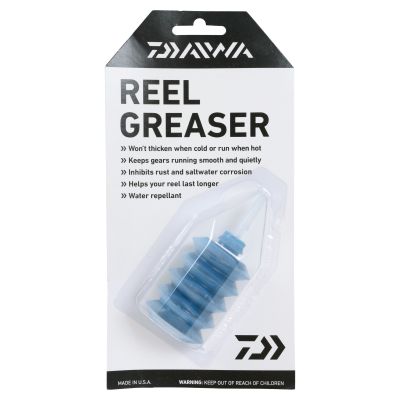
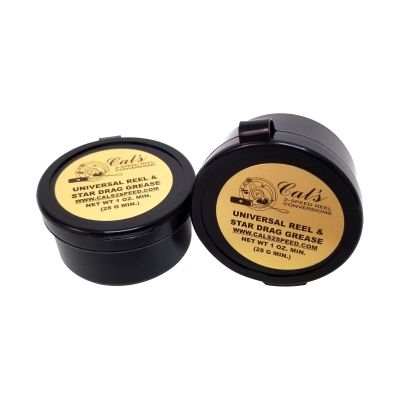
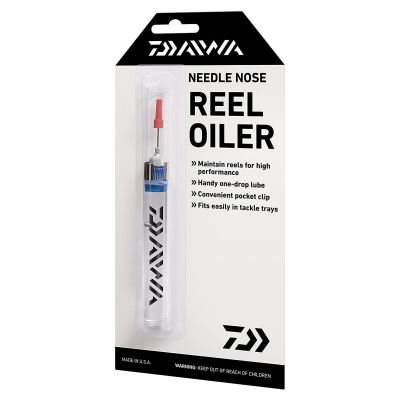
Baitcasting reels demand more hands-on care but reward you with long-term performance if properly maintained. After saltwater use, the reel spool, bearings, and braking system need to be flushed and re-oiled regularly. Open-frame construction means grit and salt have more entry points, but most saltwater-specific baitcasters now use sealed bearings, corrosion-resistant frames, and anodized parts to handle the abuse. If you’re fishing heavy kelp or offshore conditions regularly, plan for a full teardown and service at least once per season, or more often if you fish every weekend.
Which One Belongs on Deck?
Here’s the honest answer: both.
For the average Southern California saltwater angler, your best setup isn’t either/or, it’s a combination. You want spinning gear for finesse, lighter line, and situations where casting distance and minimal resistance are critical. You want baitcasting gear for structure fishing, hard baits, and techniques that require power, control, and torque.
If you're throwing small swimbaits in Newport Harbor, a 3000-size spinning reel with 20 lb braid to a 10 lb fluoro leader is ideal. If you’re flipping a weedless bait into kelp pockets near Point Loma or casting at boiling yellowtail at the Coronados, a low-profile baitcaster spooled with 40 lb braid is what you want in your hands.
Closing Thoughts: Master the Matchup
Southern California’s saltwater fishery is as varied as it is accessible. With opportunities to catch halibut, sea bass, yellowtail, tuna, and a variety of bass species just miles apart, the ability to adapt your gear is everything.
Learning when to use a spinning versus baitcaster reel isn’t just about comfort or preference, it’s about precision, power, and putting yourself in the best position to succeed. The more you understand the strengths and limits of each reel, the more you’ll get out of every cast, every hookset, and every fish fought boat side or from shore.
You don’t need to pick a side, just know when to deploy the right tool. And in Southern California, where every bite counts, that knowledge makes all the difference.