

Marlin fishing is one of the most uniquely detailed and specialized pursuits in the ocean. I mean, what could be more dynamic than going toe-to-toe with an apex predator and conquering these incredible beasts?
There are specialists from around the world who’ve made their names and their livings documenting and targeting this range of species. So, when I was tasked with writing this content piece, the fear of being a novice loomed large. It was obvious I needed to tap into someone who has been in pursuit, someone embedded in this angling culture for decades. That initial anxiety soon morphed into opportunity, for both myself and those reading this piece, to absorb insight from someone who's not only been there but helped shape the game.
Enter Barry Brightenburg, one of the pivotal names in Southern California offshore fishing. A specialist who has spent a lifetime across the SoCal Bight and well beyond in international waters, Barry’s impact on the inshore and offshore scene spans countless species and styles of fishing. But at his core lies the same pursuit that has obsessed so many: the chase for the ocean’s apex predator, the blue marlin.
Today, Barry works as a consultant in the big game world. He collaborates on high-end vessels, helping owners convert sleek machines into fine-tuned weapons of pursuit. With over 60 years of experience under his belt, Barry brings a pragmatic but highly evolved approach to the marlin game. This article is informed through a conversation with Barry, and his insights offer a rare, unfiltered look into a fishery long thought to be reserved for luxury yachts and sportfishers.
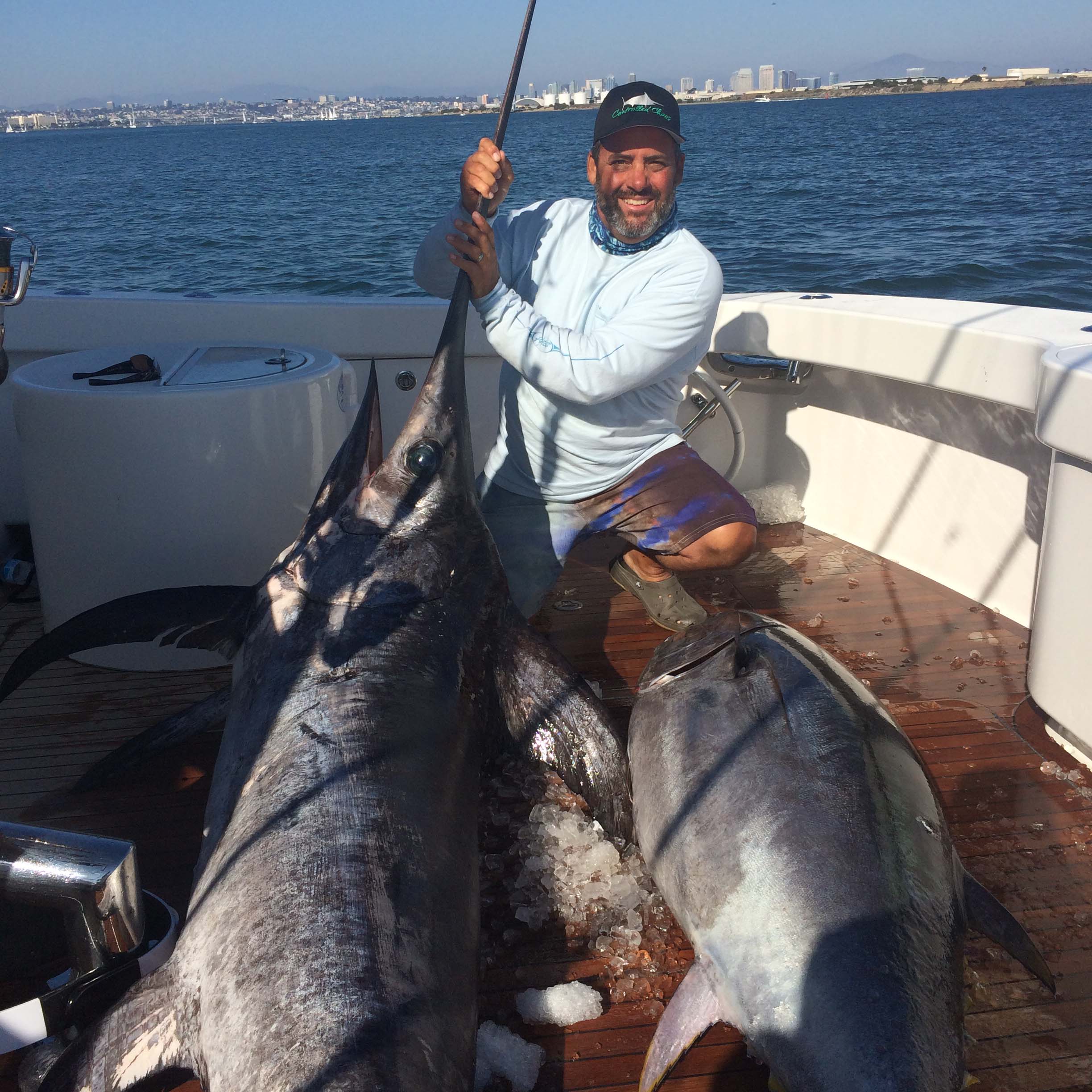
Barry Brightenburg holding a marlin.
Rethinking the Platform: An Outboard Revolution
Barry is quick to point out that in marlin fishing, there’s the way things have always been done, and then there’s the way you can do them, if you're willing to think differently. This especially applies to your platform.
Historically, marlin fishing was dominated by large diesel sportfishers: big, beautiful machines with deep hulls, tuna towers, and enough prop wash to turn the sea to milk. These boats created an enormous visual footprint in the water, and that mattered. In fact, it became so critical to the strategy of raising fish that smaller boats were almost disqualified from the conversation. Outboards, with their clean wakes and smaller profiles, simply didn’t produce the same effect. Not only was the size and amount of disturbance output a main factor, but there are additional components, like harmonics, vessel construction, and materialization, that factor in.
This fed into a cycle. The “big game” world stayed big, both in gear and in expense. A marlin trip meant tens of thousands in fuel, rigging, and charter costs. And it meant fewer entry points for anglers without those resources.
But then something changed.
A community of hardcore anglers, many of whom grew up on the large fishing platforms. started adapting marlin tactics for smaller vessels. They took what they knew from big boat fishing and refined it. They optimized their lure presentations, learned to work within the limitations of a narrower beam, and most importantly, they found ways to raise marlin without relying on traditional prop wash chaos.
At the heart of this approach is an understanding of predator psychology and the visual storytelling of a bait spread.

An image of a marlin swimming in the ocean.
Prop Wash and Predator Instincts
Despite what you might expect, marlin haven’t learned to associate prop wash with danger. In fact, the opposite is true. Whitewater and turbulence signal feeding opportunity. Most commotion on the ocean surface, from crashing bait schools to pods of feeding predators, generates a lot of froth. And marlin, ever the opportunist, are hard-wired to investigate that kind of disturbance.
This is why traditional sportfishers raised more marlin. Their massive diesel engines produced frothing whitewater that mimicked the scene of a frenzy. The visual trigger was enough to get curious marlin into the spread.
Outboards, with less surface disruption, didn’t offer that same illusion. And so, the mission became: how do we replicate this effect in a more tactical, deliberate way?
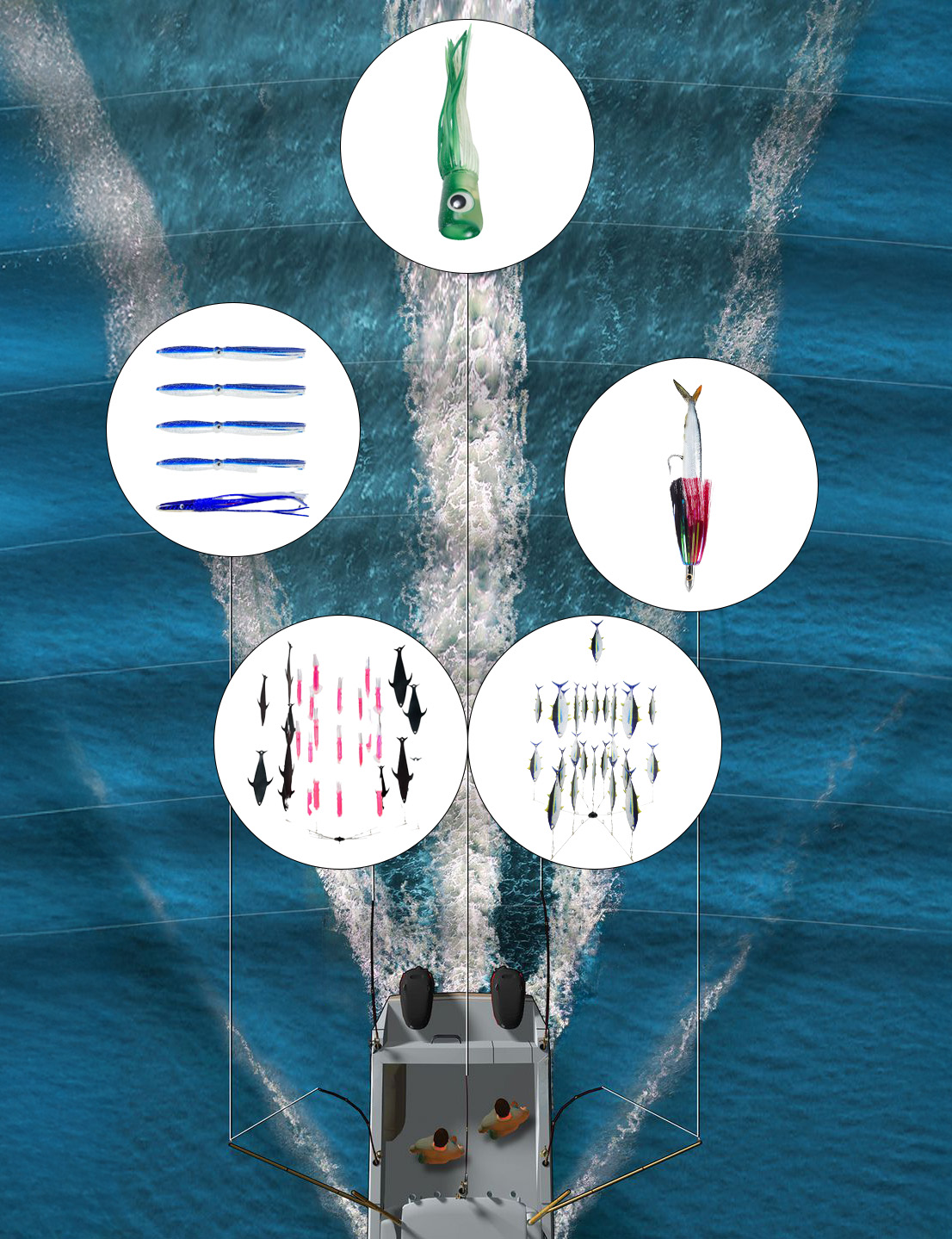
This illustration shows a classic marlin trolling spread from above. Five white circles highlight different parts of the setup. At the front of the spread are the two dredges—on the starboard side, a pink dredge made of artificial squids and mud flaps, and on the port side, a spread of imitation tuna flaps that mimic a school of fish. These teasers are used to raise fish and pull them into the spread.
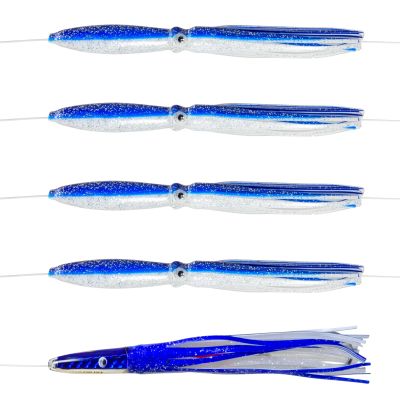
Behind the dredges, the starboard side circle shows a blue squid chain teaser lure, while the port side circle shows an IIland lure rigged with a ballyhoo, a classic marlin bait combination. Furthest back in the shotgun position, a Mold Craft lure with a concave face runs well behind the rest of the spread, kicking up a heavy bubble trail to tempt fish following from afar.
Building the Modern Spread: Layers of Deception
On a center console, specifically when running outboards, success comes down to orchestrating the water column. Rather than relying on raw horsepower to stir things up, you create a layered presentation that stimulates a marlin’s predatory instincts on multiple levels. That spread typically hinges on three principles:
- Simulate a bait ball in the prop wash zone.
- Position vulnerable or straggling baits beyond the wash.
- Include aggressive, darting lures that represent feeding predators.
When done correctly, this doesn’t just mimic nature; it triggers a biological response. You’re giving the marlin multiple decision points: dominate the predators, pick off the weak, or attack the bait ball itself.
The Dredge: Engineering the Illusion of Life
At the center of this strategy is the dredge, arguably the most important lure in your entire spread, and one of the most misunderstood. As Barry confirms, when dredges were first implemented, those utilizing them often out-fished all other presentations in tournaments at ratios as high as 10:1.
Much of what we've learned regarding dredge fishing in the last 20 years has come from the East Coast marlin scene. Over time, and especially through widespread adoption across the Gulf and Atlantic circuits, these spreads have reduced the dependency on bait, and live bait at that. There was a time when fishing without a full tank of live mackerel felt like bringing a knife to a gunfight. Now, with thoughtful lure presentation and intelligent rigging, it’s nothing out of the ordinary to target marlin using artificial dredges, synthetic lures, and a few frozen ballyhoo with equal, if not greater, success.
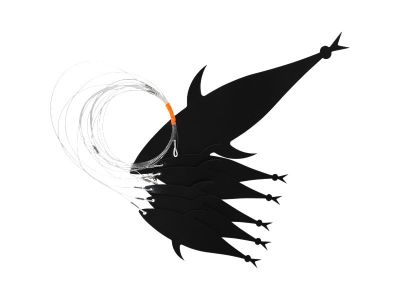
A dredge is not just a teaser. It’s your underwater bait ball. It simulates dozens of baitfish packed tightly together and moving in unison. It creates mass, motion, and the sense that there’s real biological energy in the water.
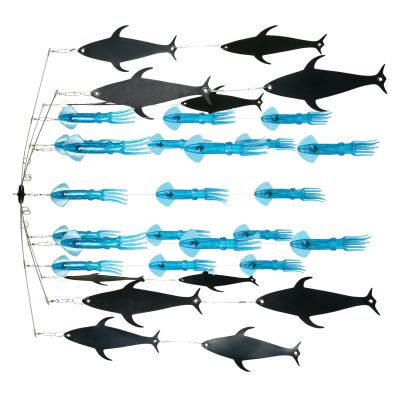
Dredge-style lures like the Squidnation Blackflap Dredge take this even further. Instead of mimicking just baitfish, they incorporate predator silhouettes- small tuna, skipjack, or dorado, within the school. This builds the narrative that feeding is already happening. If a marlin sees that from below, it’s more likely to commit, thinking it’s about to miss out on a meal.
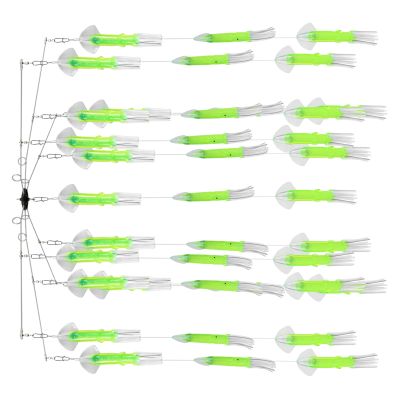
Other setups, like the Squidnation Squid Dredge, offer a more compact bait school presentation, great for tighter rigs or faster trolling speeds. These can be deployed off boom poles or downriggers and run slightly below the surface to create that shimmer and movement. For outboard users with narrow beams, smart rigging using tow arms or electric reels allows for consistent dredge use without tangling or overloading the cockpit.
Predator Decoys and Surface Noise
Just behind or beside the dredge, you need to create the illusion of predators already feeding. This tells a marlin that the buffet is in full swing, and that it’s time to compete.
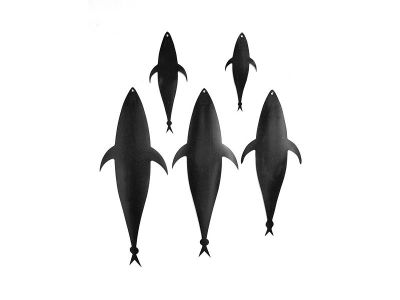
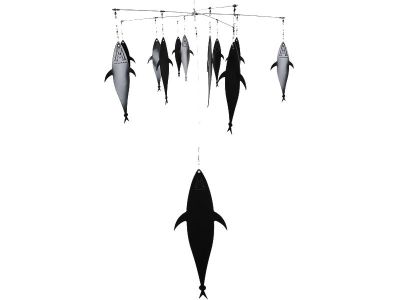
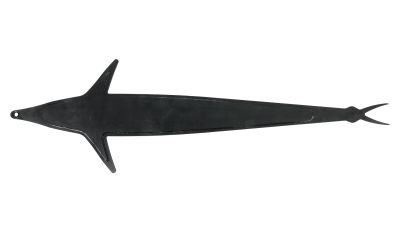
The Tuna Mudflaps are built exactly for this. These black, tuna-shaped silhouettes have become a staple in big-game trolling because they suggest high-value prey attacking a bait school. In a marlin’s mind, that means competition, and competition breeds urgency.
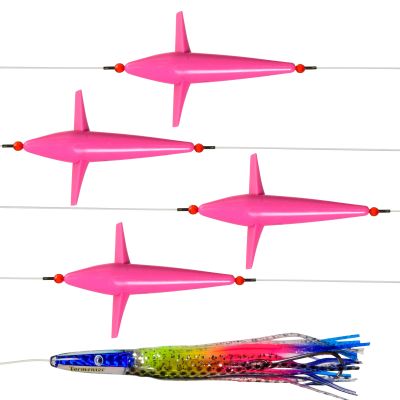
The Tormenter Freaky Bird Chains add surface splash and erratic motion, which act like predatory fish slashing through bait at speed. This surface activity, especially in clear water, acts like a beacon and draws marlin in from a distance. When timed with the movement of the dredge below, the illusion becomes multi-dimensional and hard to resist.
The Stragglers: Triggering the Kill Shot
Once you’ve got a marlin tracking the action, it’s time to give it something vulnerable to eat. That’s where your long-line presentations come in.
The Tormenter Tuna Mahi Killer Chains are a killer tool for this job. Their design simulates fleeing or disoriented baitfish and can be run in shotgun or long rigger positions. They're ideal for the narrow transom of a center console, offering a clean, compressed presentation that still packs a visual punch.
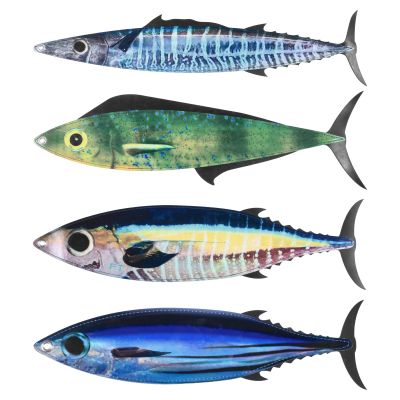
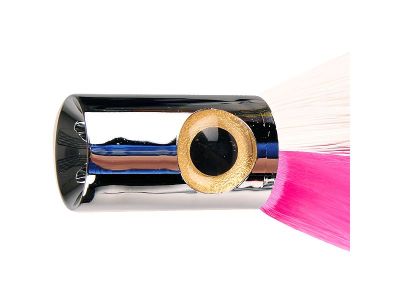
Additional lure styles like Fire Tailz, OTS lures, and high-speed bullet heads give anglers more ways to introduce unpredictability and mimic real escape behavior, especially when paired with subtle color changes and textured skirts that flash and flicker with every sweep of the swell.
Paired with traditional options like a Pakula Lumo Sprocket or Iland Express rigged with a ballyhoo, these lures play the part of the lone bait on the edge, exactly what an apex predator wants to strike. You’re not just imitating life. You’re setting the stage for instinctual behavior to take over.
-
-
-
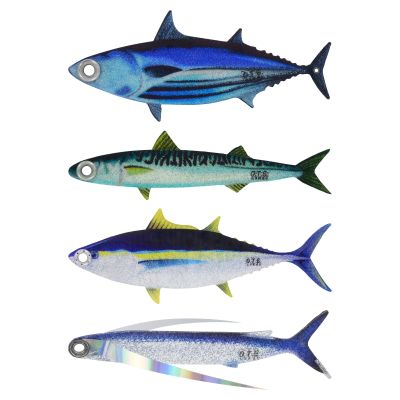 OTS Flaps - DELETEOut of stock
A Tactical Evolution
This isn’t the marlin game of your grandfather’s generation. You don’t need a 50-foot battlewagon to hunt giants anymore. What you need is intention, understanding the psychology of the predator, the physics of your boat, and the choreography of your spread.
There’s no single perfect spread. You don’t need to stick to specific lures; you just need to incorporate the ideology of the three presentation layers and develop a system that fits your boat, your crew, and your water.
Equally important as the spread itself is the discipline of deployment. You need an orchestrated plan to ensure nothing goes haywire when trolling or when a fish is hooked. In the tight working space of a center console, having a thoughtful rhythm and clear crew responsibilities can be the difference between chaos and success.
Marlin fishing from a center console is no longer just possible; it’s surgical. By layering your presentation with realistic bait balls, feeding predator decoys, and vulnerable stragglers, you turn your wake into a kill zone.
And with tools like Firetails, Squidnation Blackflap Dredge, Tuna Mudflaps, Tormenter Killer Chains, and OTS lures, you’re not just raising fish. You’re staging a scene, and inviting an apex predator to play its part.
Because in the end, marlin fishing isn’t just about catching a fish. It’s about convincing one of the ocean’s most intelligent hunters that what you’ve created… is real.
There are so many ways to fish for marlin, and this article is simply meant to stir thought and open the door to wider conversation. This pursuit is lifelong and worthy of volumes of editorial material.
A big thank you to Barry Brightenburg for his time, insight, and willingness to share a thoughtful approach shaped over decades. Barry cut his teeth alongside marlin fishing legends like Pete Groesbeck and Steve Lassley, and his legacy continues to evolve with every new angler he educates.
Beyond just trolling, we’ll be expanding on strategies in future pieces, including bait-and-switch, casting at marlin, and species-specific techniques for blue, striped, and black marlin. Stay tuned.
Pro Tip from Barry
“Don’t get stuck on the standard presentations. This is your opportunity to get creative and add your own take. Make sure to add movement, some lures will track straight and lack that exciting something, so make sure to add that element of wiggle in the presentation.”