


Groupers inspire a special kind of devotion. They are heavy-bodied ambush hunters with enormous mouths, startling acceleration, and a habit of inhaling prey in a single gulp. They strike hard, surge straight for the nearest crack or cave, and test every knot and every choice you made before you dropped. They are also exceptional at the table. That mix of power, challenge, and reward is why so many anglers become lifelong students of this family of fish.

In the Mind of the Grouper
Think structure first. Whether you fish tropical reefs, rock piles, limestone ledges, oil rigs, or deep wrecks, the fish are tight to cover. They hide, watch, and wait. Many species do not chase far. Instead, they create a sudden vacuum with their jaws and swallow prey whole. That is why so many bites feel soft or odd. By the time you register the weight, the fish has already turned back toward home. Your job in the first seconds is to stop that turn.
Different species favor different zones. Reds and gags are common on nearshore ledges and patch reefs from roughly 30-200’. Snowies (Baqueta) and Warsaws live much deeper on escarpments and rough bottom far offshore. In the Gulf, natural limestone and artificial reefs are prime. Along the Atlantic side, wrecks and coral heads hold fish year-round. On the Pacific structure, look for steep breaks, hard bottom, and scattered boulders pushed up along the continental shelf. Pattern the species for your area, then narrow further by season.
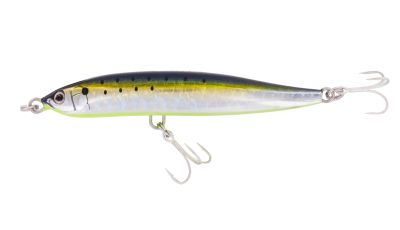
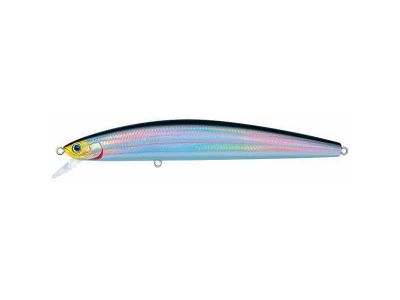
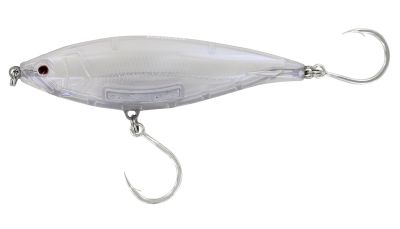
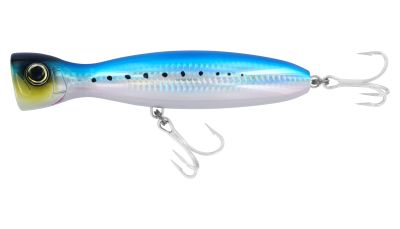
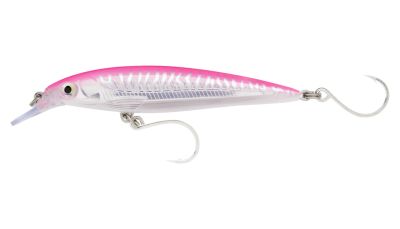
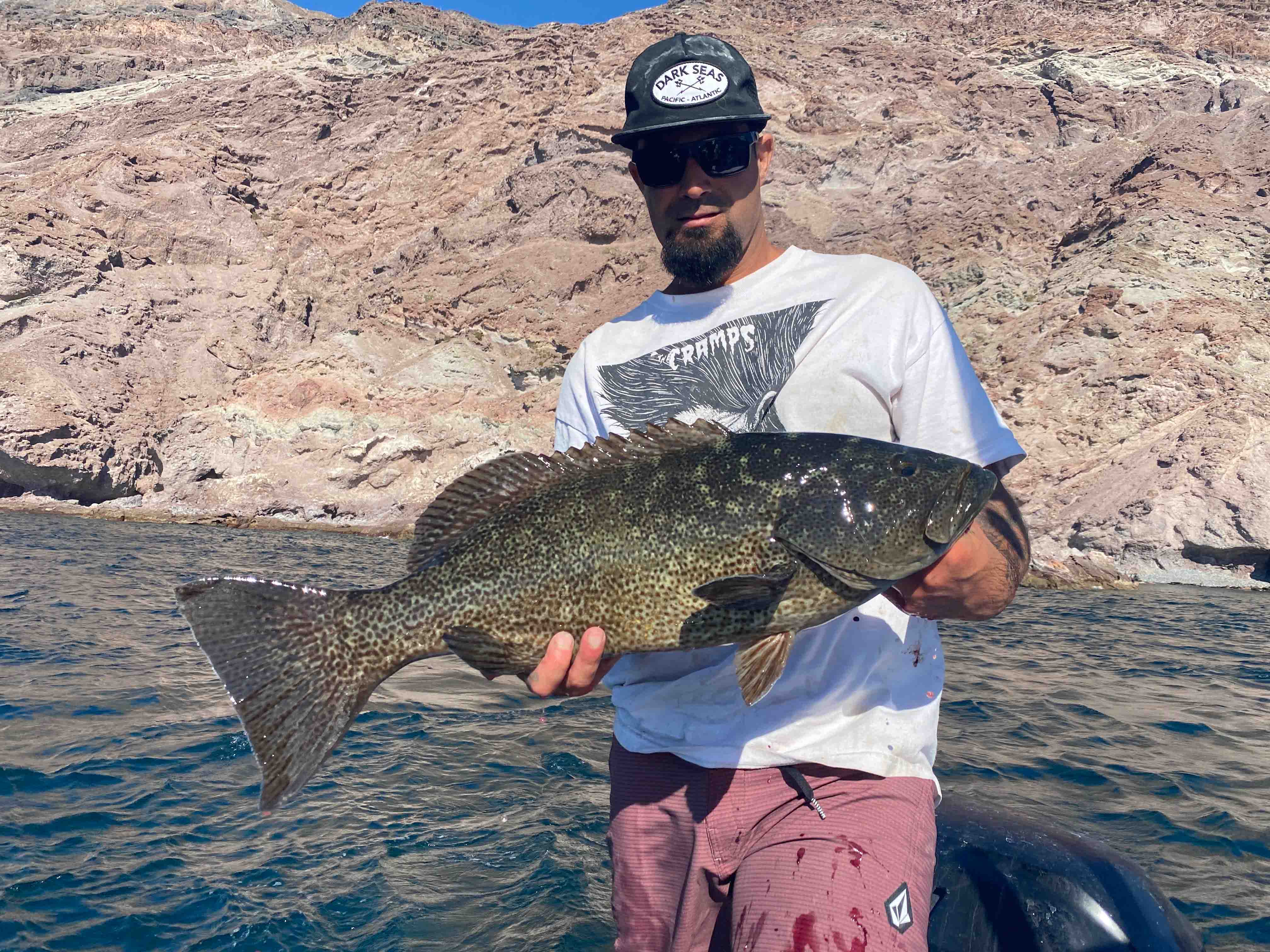
Water temperature and spawning windows shift behavior. Spring and early summer bring heavy feeding and more shallow movements for many species. In the warmest months, some fish slide deeper to find cooler water. If you want to throw lures or troll, these shoulder seasons are especially productive. For example, one of the most exciting fisheries in North America is in Baja for Cabrilla, a.k.a. Leopard Grouper. The shoulder seasons of the year offer some of the best topwater fishing you’ll ever experience for grouper in the shallows. If you’re a Largemouth Bass aficionado, this needs to be a bucket list trip for you.
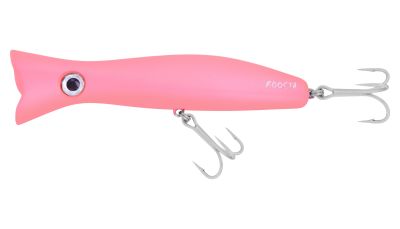
Key Top Water Lures

Location, Location, Location
Electronics are your ally. A modern combo with high-frequency side imaging helps you see to either side of the boat, which is ideal around ledges and wrecks where fish often sit off the edge instead of directly under you. Learn to read the hard returns from rock and steel, the softer edges of sand, and the narrow shadows of fish holding above cover. Mark small irregularities and isolated rocks.
Boat control matters as much as sonar. On a drift, set your line angle with sinker weight to keep baits just on bottom without scoping far behind the boat. The more scope, the longer your reaction time, and the more line the fish has to be able to wrap around sharp or rough objects. When anchoring, account for wind against current and set well uptide so baits park on the upcurrent face of the structure. With spot lock or anchoring systems, creep in from downcurrent, watch the sounder, and stop when you see hard returns plus life just off bottom.

The Gear
In most cases, you are not finesse fishing. Sure, there are exceptions to every scenario, but for the most part, these are not a line-shy family of fish. Think of the first five seconds as a tug of war where leverage is everything. Depending on where you’re from, you’ll have different preferences on tackle, from spinning to conventional. As I’ve spent more and more time trying to catch groupers, I’ve come to accept two things about tackle. One, always go heavier on gear than you think you’ll need. Secondly, while spinning may be more familiar to some, being able to put additional heat on a fish with your hand makes conventional gear essential.
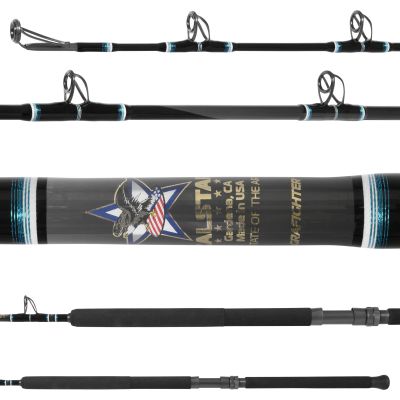
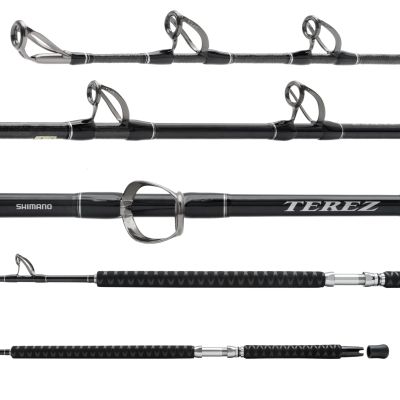
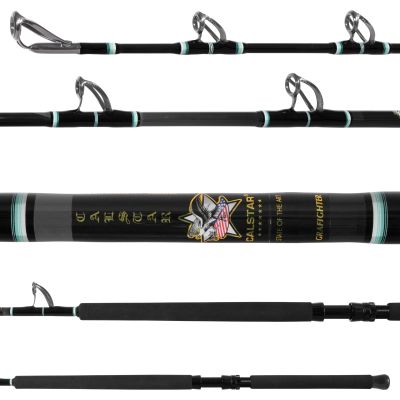
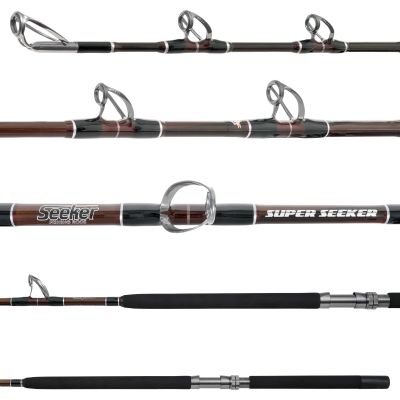
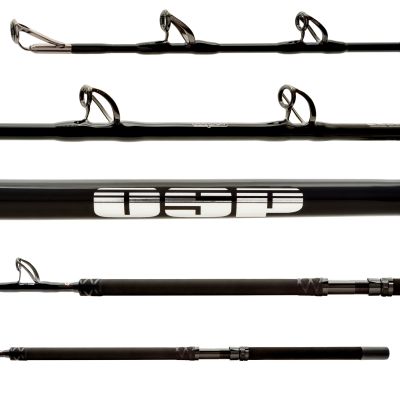
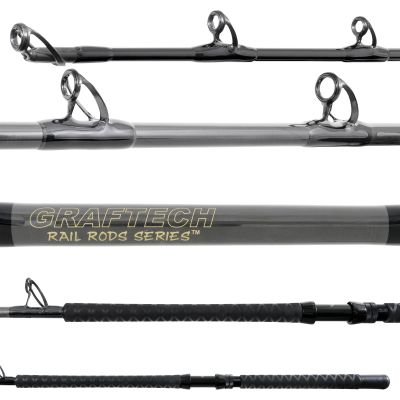
The line rating on your rod will be dependent on the size fish you are targeting as well as the size of your bait. A stout conventional rod with a fast tip and heavy backbone gives you bite detection plus lifting power. Rail rods let you pin the blank to the gunwale and use your legs and core to move a big fish during the critical first moments. That is often the difference between a landed grouper and a break-off in the rocks.
-
-
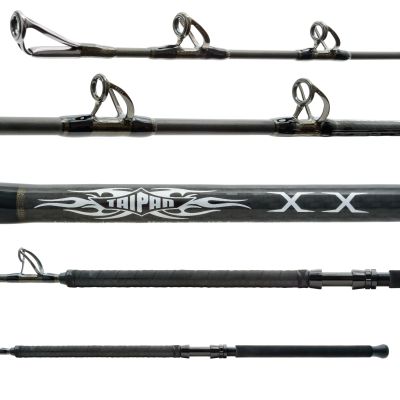 Taipan Rail RodsOut of stock
 -
-
- Shimano Terez Rail RodsOut of stock
- Shimano Terez Rail Rod SaleOut of stock
-
-
-
-
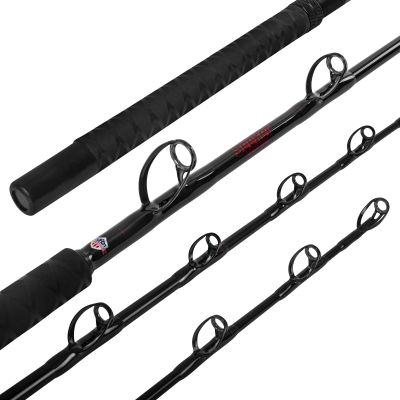
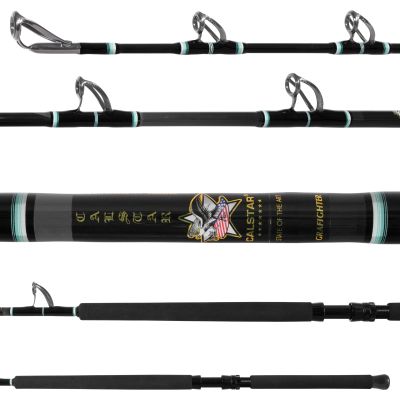
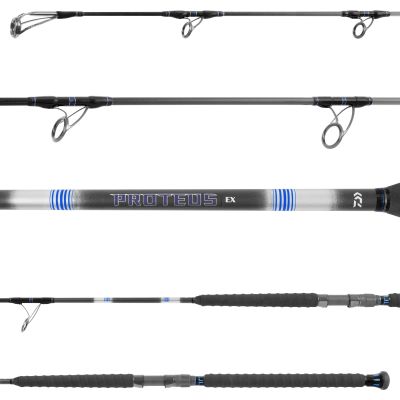
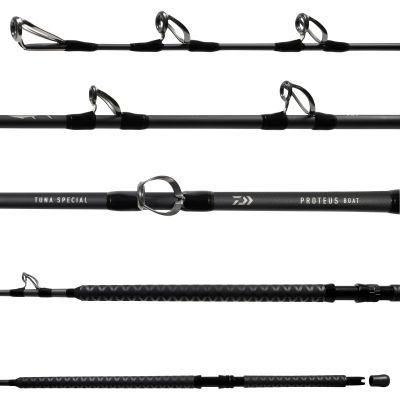
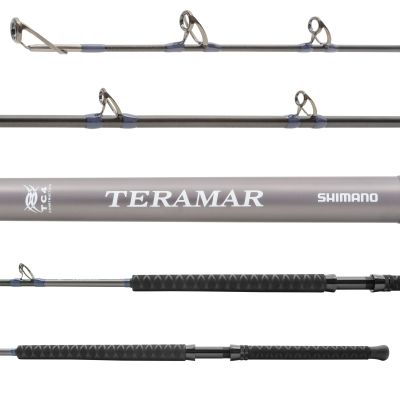
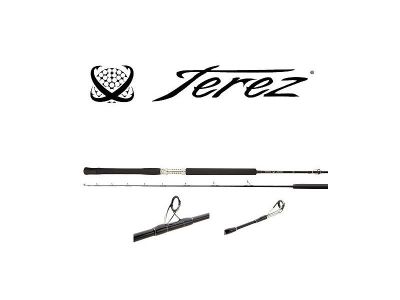
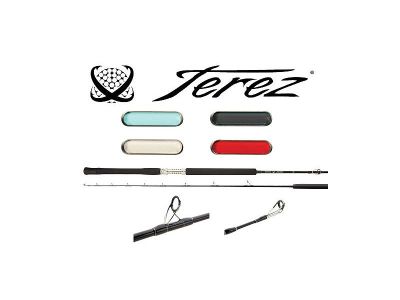
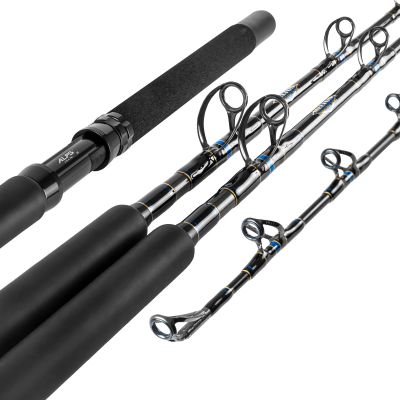
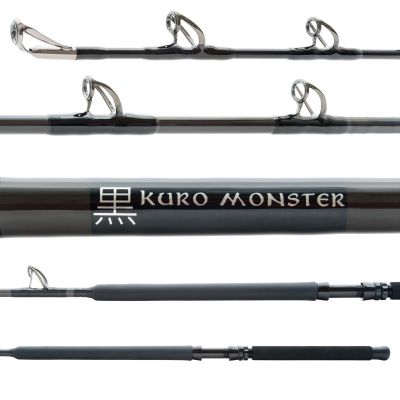
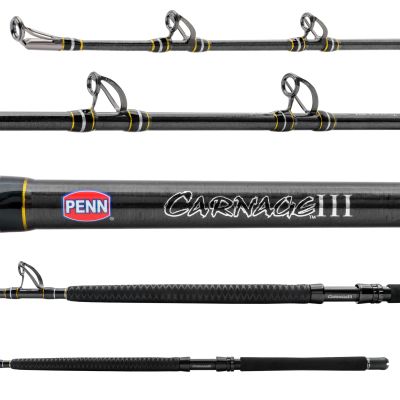
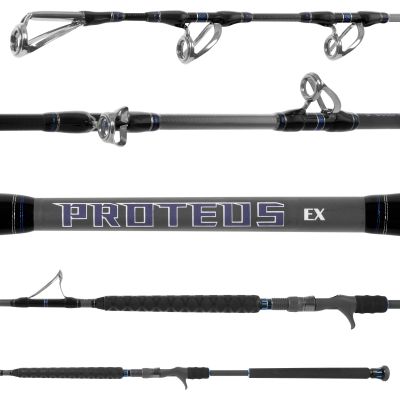
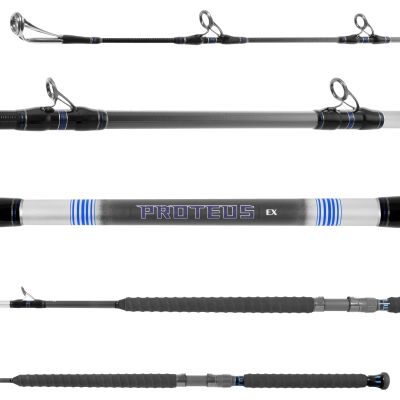
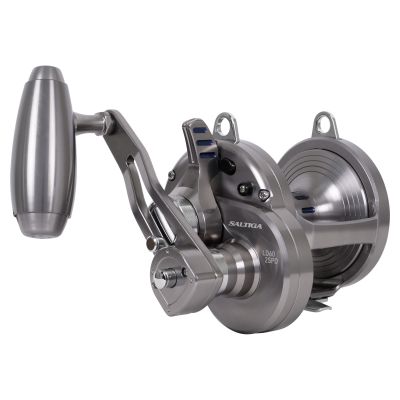
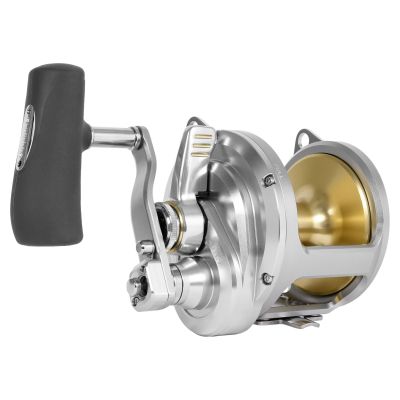
Pair the rod with a high-quality lever drag reel. A two-speed model lets you grab low gear when a fish pins you to the ledge and then shift back to high to clear line and reset. Popular offshore fishing choices include models like Shimano Talica A 2-Speed Lever Drag Conventional Reels and Daiwa Saltiga Lever Drag Two Speed Reels. Set strike drag to about one-third of your line strength for live bait work, then push past the strike if the fish surges for cover and you need to stop the dive. Smooth drags and strong frames are non-negotiable.
Braided fishing line is standard because it cuts water and telegraphs soft bites. Don’t shy away from going too heavy on spectra and make sure to use it with an abrasion-resistant leader in the eighty to one hundred fifty range covers most situations. Go heavier around sharp metal and jagged limestone. Choose fluorocarbon when the water is clear or the fish are wary.
Use strong forged circle hooks. They hold in the jaw, reduce deep hooking, and often pin the corner of the mouth as the fish turns, which helps you apply heavy pressure right away. Pair hooks with quality swivels and snaps that do not open under shock.
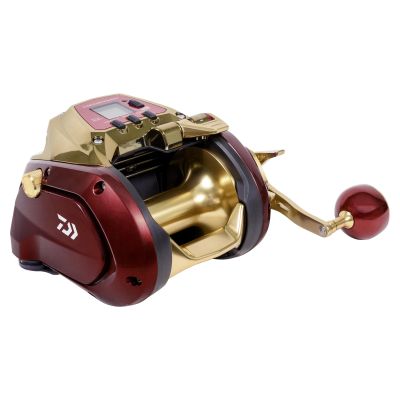
For deep dropping beyond four hundred feet, many crews now add electric reels. Modern electrics such as the Daiwa Seaborg G Power Assist Electric Reels make all-day work possible on snowy and yellowedge while keeping presentation consistent and fatigue low. You still fight plenty of fish by hand, but the ability to retrieve rigs quickly and drop precisely in heavy current is a real benefit offshore. Remember, you get what you pay for, so don’t miss a once-in-a-lifetime bite to save a dollar on a snap swivel.
Proven Rigs
Lures have their time and place, but for true grouper fishing, natural baits are king. Live bait vs. dead bait is entirely dependent on species and application.
Bottom Rig
This is the daily driver for most grouper species. Slide a heavy egg sinker on your main line, add a tough barrel swivel, and tie a short fluorocarbon leader with a stout circle hook. The short leader keeps the bait close to the bottom and helps avoid snags. Adjust sinker from six to sixteen ounces to hold bottom in the present current. This rig is especially applicable if you’re slow trolling or there is some current. Remember to let your line out at a pace that allows it to lay out neatly and not let the bait wrap around the rig.
Three Way Rig or Dropper Loop
When the bottom is sticky, a three-way keeps the bait just above the rocks and lets you use a sacrifice dropper that breaks free if the sinker wedges. This setup shines with live baits like small fish, grunts, mackerel, etc. In deeper water, present a whole squid or strip bait cleanly in the flow. This rig works well when several anglers are fishing a zone on the same vessel, making sure you stay vertical. This will ensure you each have your own zone and don’t get tangled up.
Chicken Rig / Deep Drop
Use a high-strength main branch with two short droppers and heavy glow beads or skirts. Space hooks above a bank sinker so the lowest hook rides just off the bottom. This rig covers more of the water right where snowies and tiles hunt and resists tangles on long retrieves. Make sure this rig is legal in your area based on the number of hooks, etc.
Trolling Approach
Over a hard bottom that spans a long edge, trolling can be deadly. Pair deep diving trolling plugs with a planer or a downrigger to put artificial lures in the thirty to sixty-foot band on nearshore ledges. Match colors to forage. Natural silver blues for clear water, brighter chartreuse and orange for stained conditions. Plan your troll so that when you hook up, you can throttle away from shallower ground and pull the fish into open water. This is not a poor man’s game; it’s easy to lose several lures trolling for grouper, so best to over-equip your gear.
Vertical Jigging and Slow-Pitch Jigging
On days with moving current and fish that are looking up, metal jigs can outfish bait. Work compact knife jigs with short, fast lifts to draw reaction bites along the upcurrent face of a ledge. When fish are sulking close to the bottom, vertical and slow pitch jigging techniques that flutter and fall can make them rise and commit. Use heavy braid and a short leader so your jig tracks vertically. This technique often accounts for a large variety of bycatch from jack, snappers, sharks, and more, so be ready and make sure to eat your Wheaties on this outing.
Commitment
Live baits are hard to beat. Pinfish, grunts, scads, mackerel, sardines, blue runners, and cigar minnows all produce. Hook them to maximize vibration and survival. For large grouper baits, a bridle or a back hook just ahead of the dorsal fin keeps the bait swimming down and away from the boat. If slow trolling or if there is current, a nose hook often tracks best.
Cut baits also shine, especially when you need to get a scent trail working or bring fish out of the rocks. Try fresh strips from legal forage like bonito or mackerel, whole squid, or a butterflied bait that thumps and bleeds. Toss small pieces as you set up so the scent sinks and drifts across the structure. It can take twenty to thirty minutes for a chum line of bits to reach the target depth, so build that into your plan.
The First 30 Seconds
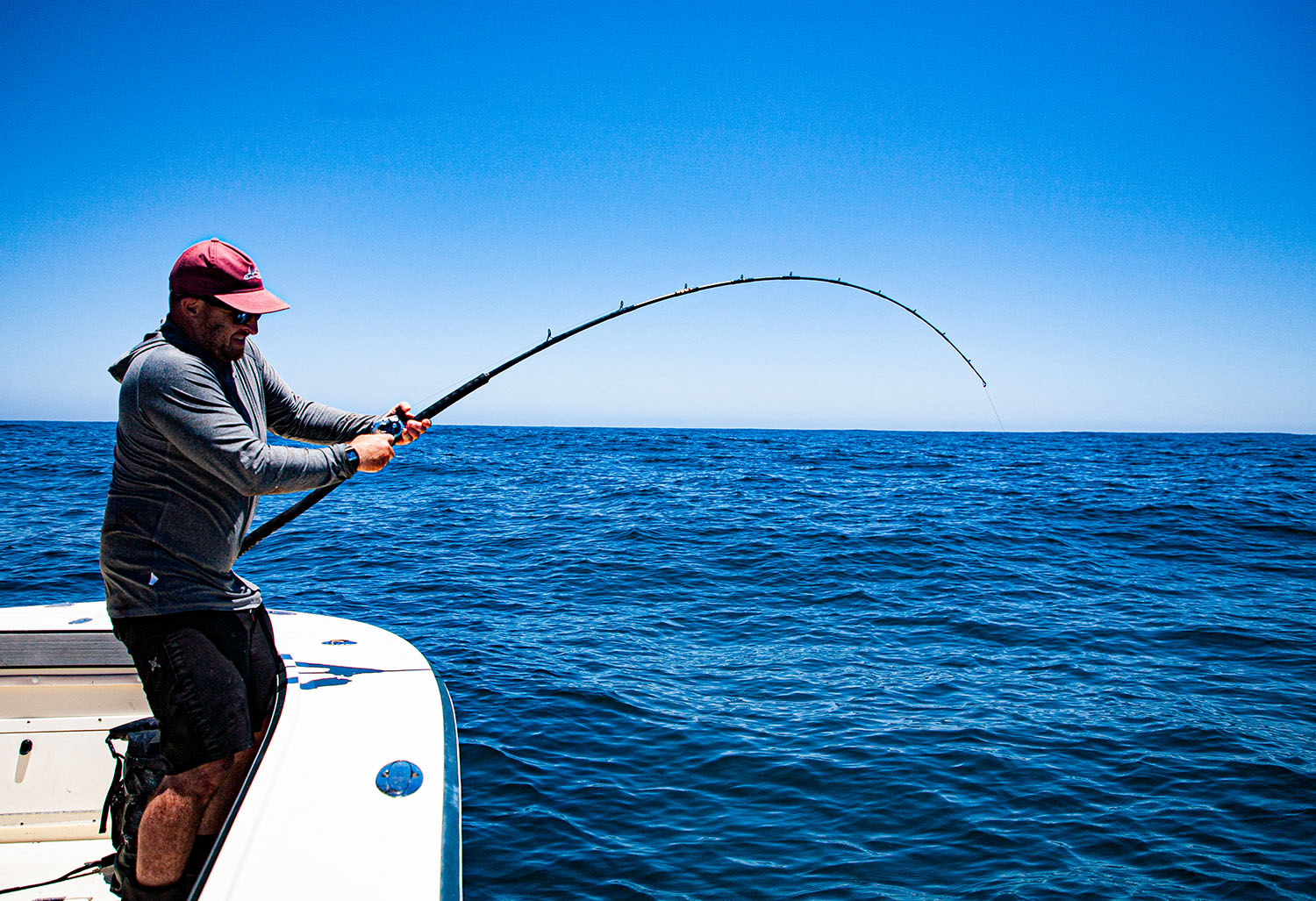
This is where you win or lose. After you feel the bite, lift into steady pressure. Do not jerk. With a circle hook, a steady weight pins the corner of the mouth. Then raise the rod, get a half crank, and repeat in a rhythm that moves the fish up and away. If the fish turns and surges, lower the rod a touch, increase drag a click above strike, and lean on the rail. Keep the rod at a strong angle and do not give line without a reason. Every foot you gain early reduces the chance of a cut off. If you’re not trying to beat a world record, there is no shame in putting your rod on the rail, using the resources you have access to.
If the fish lodges in a hole, hold and wait. Many groupers will flare and lock up. Keep light pressure for thirty to sixty seconds, then use a short series of low gear pumps with the boat in neutral. Sometimes a gentle change in angle with the helm helps. Avoid sawing against the structure. If all else fails, go into free spool, and sometimes a fish will emerge out of a hole after a minute or two.
Currents, Tide, Moon
Moving water switches grouper and most gamefish on. Rising tides sweep clean oxygen-rich water across reefs and wrecks and push bait toward the upcurrent lip. Outgoing tides can concentrate scent trails and gather bait around cuts and depressions. Slack water is usually slow. Plan your drops for moderate flow. It is easier to keep baits in the zone, and fish feed more predictably.
Moon phases matter because they change the current strength. Full and new moons often drive faster water and more activity at dawn and dusk. Solunar tables can help you stack odds by aligning strong current windows with your best pieces. But never let the table stop you from dropping on known life. Bait shows and fresh marks are more important than any prediction.
Focus In
Think in microstructure. Ledges and wrecks are obvious. The real money is in the little pieces nearby. On the sonar, look for a single hard return that rises a foot or two off the bottom, or a small rock pile surrounded by sand. Those are perfect ambush points for a mature fish. If you hook up in one zone, take a pass across the same line again and drop a second waypoint for the exact latitude and longitude of the bite. Over time, you will map a constellation of tiny spots around each major feature, and your catch rate will climb.
Use side imaging to extend that mapping. Scan at a modest range so fish and rock returns are crisp, then run offset passes in a grid to paint the edges of a wreck field or a natural outcrop. Hard bottom will appear bright with defined shadows. Sand is softer and even. When you find a small bright rise with a dark shadow beside it, that is a high-priority place to drop. It’s consistently been surprising, as when I do get in the water as a spearfisherman, how small a crevasse large fish can fit into. Keep this in mind: it's more about a great ambush spot than a great hiding spot.
Release Beauties
Good release practices are not just ethical. They also keep fisheries open and healthy. Any fish brought up from depth may suffer barotrauma. Signs include a bloated body, stomach protrusion, or bulging eyes. The fastest way to help that fish is to descend it back to capture depth using a descending device or other recompression tool. If a rapid descent at depth is not feasible, venting is an option when performed correctly with a proper tool. A descending device or a venting tool rigged and ready is a must-have and often a federal rule, and the definitions are clarified in NOAA guidance.
Several practical tips improve survival. Keep fish in the water when possible. Use de-hooking tools to remove hooks quickly. Choose circle hooks to reduce deep hooking. Fight fish with gear heavy enough to limit exhaustion. Have your descender rig or venting tool ready before the drop.
The key point is speed. The less time at the surface, the better the outcome. Commit to efficient handling and quick recompression.
Know It or Pay
Rules change by region and sometimes by season and depth. As a rule, carry a descending device or a venting tool and have it rigged and ready for use. Know your region. Always check state and federal, and country pages for the latest size and season updates for the species you plan to target. As a practical routine, make a habit of confirming the following before every trip:
- Open seasons and any area closures.
- Size and bag limits by species.
- Gear requirements, such as circle hook rules and possession of recompression tools.
- Special rules for certain species, such as gag, red, or Nassau, may have additional protections.
- Reporting programs that may apply to your port.
Fishing for Grouper: Your Plan
Idle into the current and watch the screen until you see the hard bottom rise and the first marks that hold on the upcurrent lip. Mark that as your prime drop line. Slide up tide, engage spot lock or anchor so the boat sits with baits over that lip, and drop a mix of live baits and a cut option.
Initial Attempt
Use a short leader bottom rig on the edge. Drop until you feel the sinker touch, then lift a half turn to keep the bait just above bottom. If nothing happens in five minutes, change baits and angles. Try a three-way/ dropper loop rig to float a live bait a foot or two above the rocks. Rotate one rod to a vertical jig and work the upcurrent face.
It's On
When pressure loads, lift into a steady weight. Keep the fish moving with short pumps and constant gain. If the fish surges, drop the rod a few inches, bump the drag, and lean into the rail for leverage. Stay calm and keep the head coming your way.
Reset
If you land a fish, mark the exact point of the bite and make another pass across the same line. If the current and wind start to fight, switch to a drift. Use enough lead to keep the line angle less than forty-five degrees. Fish often spread out along a long ledge, and a slow drift can pick at them one by one.
Slowing
Downsize baits, move twenty to fifty yards along the structure, or switch to jigs. If the screen goes blank, move to a backup piece and return later when the tide changes.
Key Notes
Leader
Leaders are your friend around the nasty bottom. 2-6’ is a reliable range with live baits. Go longer when the bottom is jagged or when fish are burying you on the hook set.
Sinkers
Egg sinkers slide and transmit feel. Bank sinkers resist roll on current swept edges and are perfect for three-way and chicken rigs. When breakoffs are frequent, rig the weight with a lighter dropper so it breaks free, but you keep the fish.
Bait Care
Live bait that is lively triggers bites. Keep the well clean, avoid overloading, and cull weak baits. Replace tired baits quickly. With cut baits, keep a sharp knife handy and trim fresh edges often. Presentations that thump and flutter tend to pull fish out of holes.
Need Help? Ask Melton
Your gear choices decide how the first moments after the bite will go. We believe in rods with real backbone and comfortable actions for long days, lever drag reels with smooth drags and two-speed options for control, and braid and leader systems that hold up to sharp limestone, wreck edges, and big fish. We also encourage every crew to carry and use a quality descending device and a proper venting tool where allowed. The best anglers blend skill, care for the fish, and the equipment they trust.
Grouper fishing rewards preparation and decisive action. Study your structure. Read your screen. Choose a gear that lets you move a big fish right now. Keep baits in the strike zone and vary your approach until you trigger that heavy thump. Then use your legs and core, win the first seconds, and finish clean. Handle fish with care, descend those that need it, and stay current on local rules so the fishery stays strong for the next run. This is the kind of saltwater fishing that keeps you humble and hooked, which is exactly why we love it. Questions about rods, reels, or tackle for grouper fishing? Contact our team and we’ll point you in the right direction.