

In saltwater fishing, your eyewear isn't just an accessory, it’s an advantage. It’s how you read water texture in a cross-chop swell, how you find boils before birds bust overhead, how you glass for color changes, and how you spot structure hiding just beneath the surface. When you're out there staring across endless shimmer, battling sun, salt spray, and flying hooks, finding the best fishing sunglasses becomes mission-critical.
But not all fishing sunglasses are created equal. Saltwater demands more. More clarity. More protection. More durability. To truly gear up for the offshore world, you need to understand the technical specs that separate the weekend warriors from the fully dialed. Terms like VLT, polarization, white balance, impact protection, ANSI standards, fit and frame construction, and lens materials aren’t just marketing fluff, they’re the foundation of performance.
Let’s break down what really matters when choosing sunglasses for saltwater fishing.
VLT: The Science Behind What You See
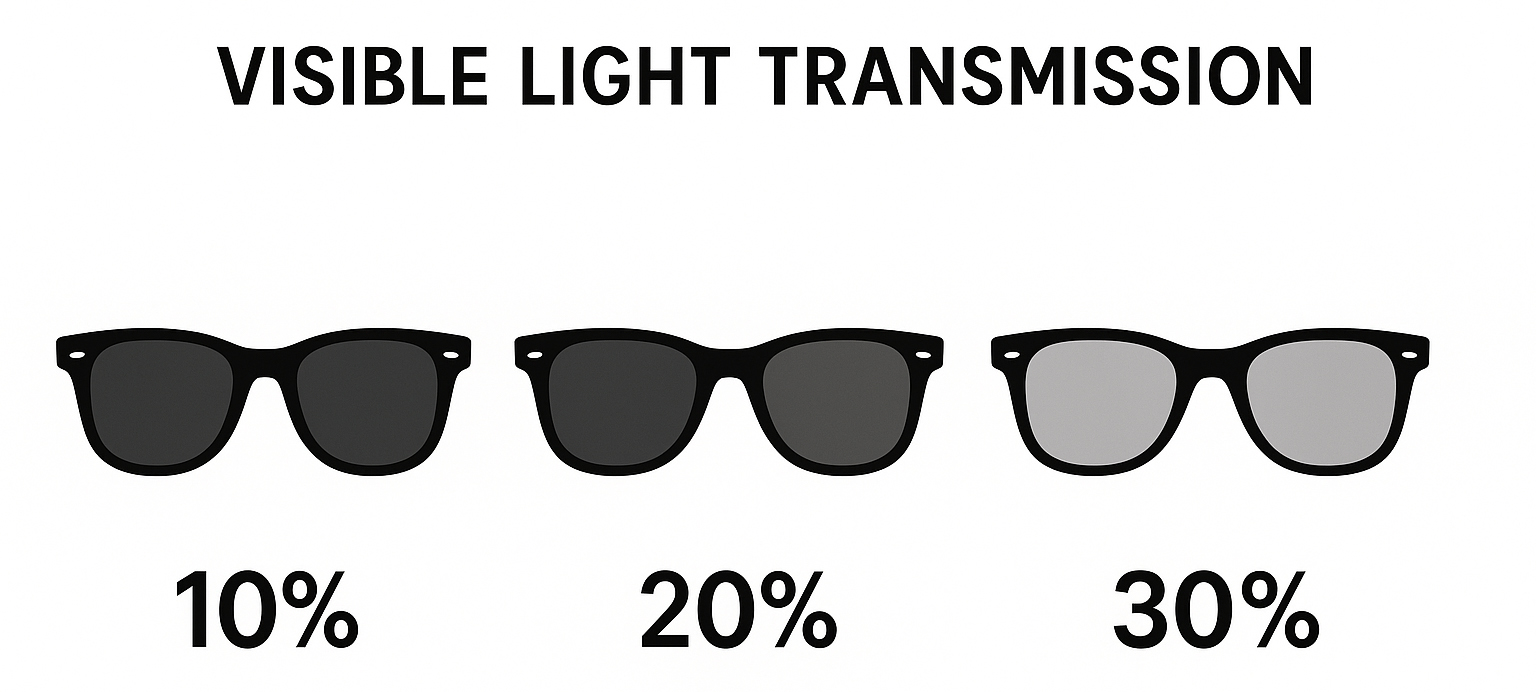
VLT, or Visible Light Transmission, measures the percentage of available light that passes through the lens to your eye. The lower the VLT, the darker the lens. On bright, high-glare days offshore, a low VLT in the 10–15% range cuts overwhelming light and sharpens focus. Black or blue mirror lenses dominate here, engineered to fight the relentless sunlight of open water.
Conversely, when the sky turns overcast or you’re working inshore structure at dawn, a higher VLT lens, 18% to 30%, lets in more light and sharpens contrast when everything else goes gray.
The Real Deal with Polarization
Saltwater offshore fishing without polarized lenses is like driving into the sun without a windshield. Glare dominates. Reflections mask critical details. Polarization cuts horizontally bouncing light waves, reducing surface glare and letting you see through the water rather than just across it.
Not all polarized sunglasses are equal, though. Lower-cost polarized fishing glasses may have glare reduction but distort colors or muddy clarity. Premium lenses combine polarization with optical technologies that preserve natural color fidelity, boost depth perception, and maintain white balance. The best polarized lenses don’t just have glare reduction, they enhance the way you perceive the entire environment.
White Balance: Reducing Eye Fatigue at the Source
Maintaining accurate white balance is one of the most critical, yet least discussed, elements of performance eyewear. True white balance ensures that colors, especially whites, grays, and neutrals, stay neutral under varying light conditions, instead of shifting to warmer or cooler tones as the sun changes.
When sunglasses disrupt white balance, even slightly, your eyes are forced to constantly compensate. Over hours of scanning water, this tiny adjustment builds into major eye fatigue, leading to dry, tired eyes and diminished reaction times.
Top-tier sunglass lenses are engineered to protect this delicate balance. They minimize high-energy visible blue light, reduce visual noise, and preserve whites naturally, allowing your eyes to stay fresher and sharper from dawn patrol to sunset runs.
Color Enhancement and Color Contrast: Seeing More Than Meets the Eye
Premium lenses don't just block light, they sharpen your perception. Color enhancement boosts critical hues in the environment, making it easier to detect the subtleties that matter. Bait balls glitter more vividly. Rip lines separate more clearly from the glassy surface. The offshore bluewater horizon holds more depth and dimension.
Color contrast plays a huge role, too. Superior lenses help distinguish subtle shifts in color that can reveal fish movement, bait concentrations, or temperature breaks. Leading lens technologies heighten the separation between blue and green tones, making underwater structures and rips far more detectable.
With enhanced color contrast, the ocean is no longer a flat canvas, it’s a high-definition map of opportunities, visible only to those equipped to see it.
-
-
-
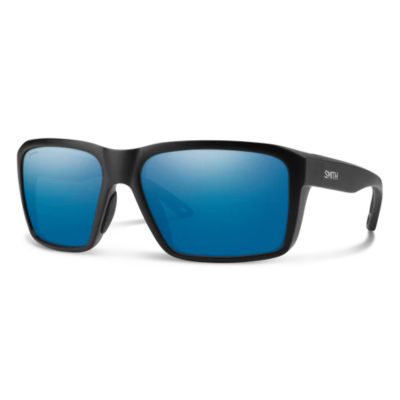
-
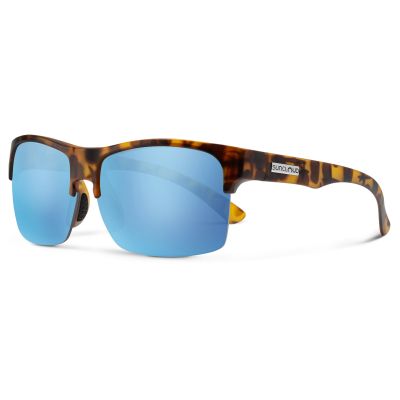
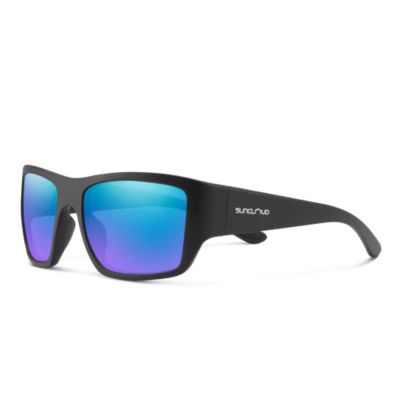
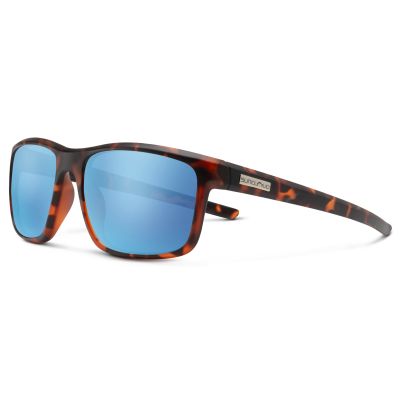
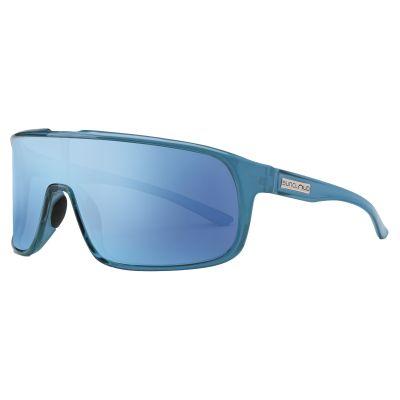 Suncloud Polarized Double Up Sunglasses - Clearance
From: $55.97
Was: $79.95
-
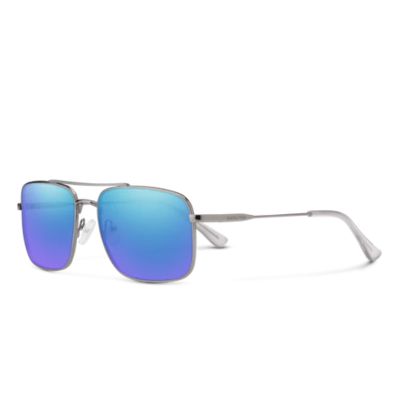
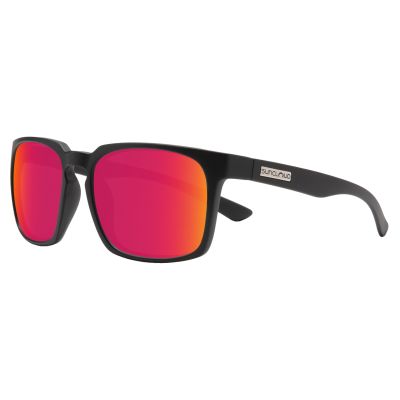
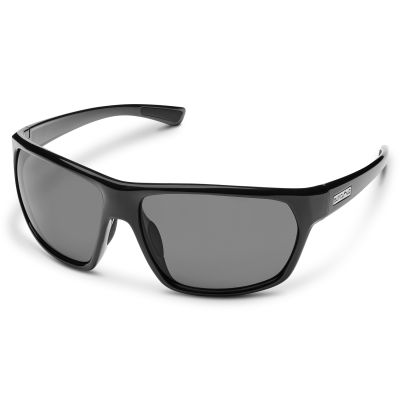 Suncloud Polarized Boone Sunglasses - Clearance
From: $41.97
Was: $59.95
-
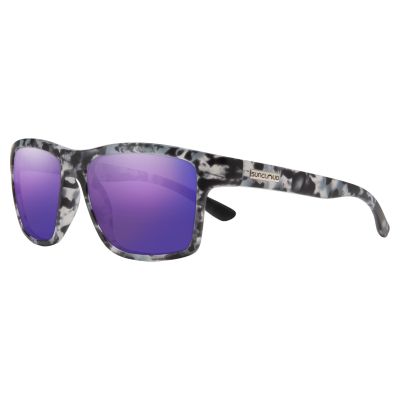 Suncloud Polarized A-Team Sunglasses - Clearance
From: $41.97
Was: $59.95
-
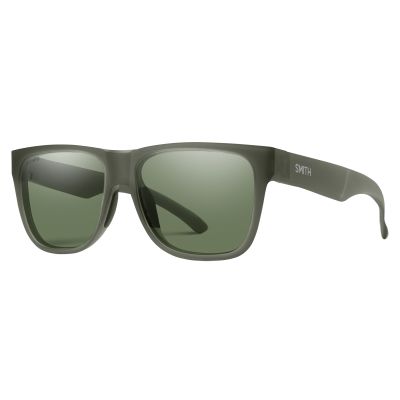
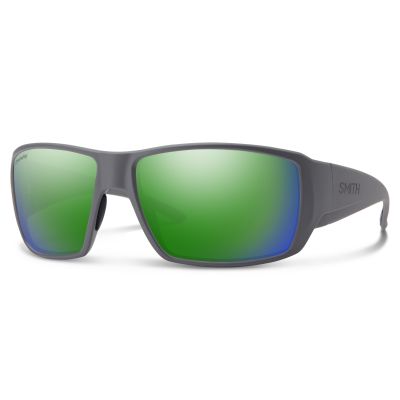
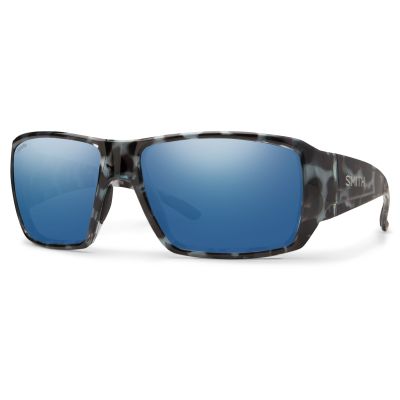 Smith Guide's Choice Small Sunglasses - Clearance
From: $207.90
Was: $297.00
-
-
-
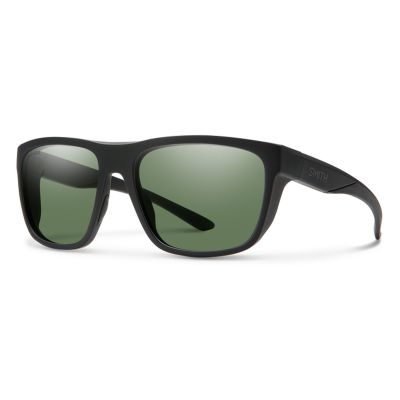
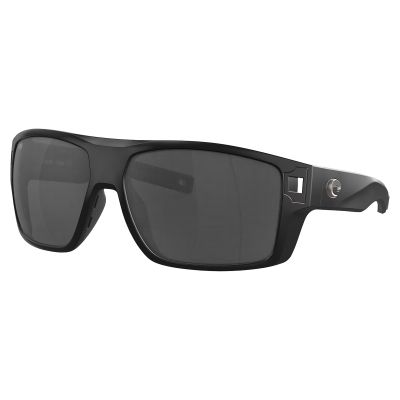
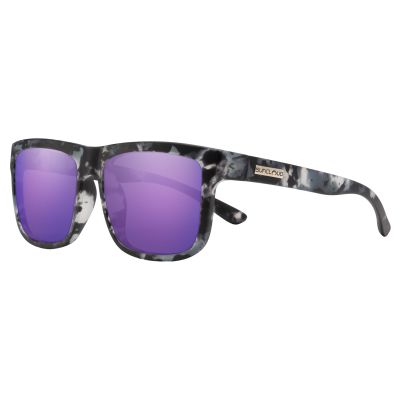
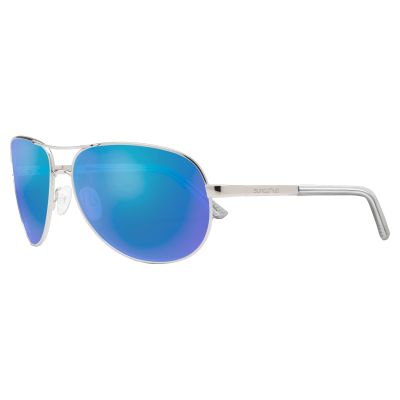

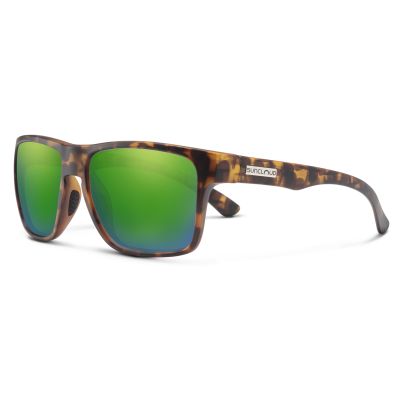
Fit, Frame, and Rubberized Grip: Essential for Real-World Conditions
Beyond lenses, fit can make or break performance offshore. A premium saltwater frame must wrap the face tightly, ideally with an 8-base curve, to block outside glare and shield against water spray. Frames with wide temples and close-fitting designs create a critical barrier, keeping vision sharp even in rough seas or whipping winds.
Grip is just as vital. The best sunglasses integrate co-molded rubber at the nose pads and temple tips, a feature that locks the frame to your face even when you're sweating, moving fast on deck, or getting hit with salt spray.
In real conditions, this is the difference between staying focused on the troll spread and constantly adjusting slipping sunglasses. Premium fit and grip features allow the sunglasses to disappear into your face, providing full situational awareness without distraction.
Impact Matters: Understanding ANSI Z87.1 vs. Z87-2+
Saltwater fishing doesn’t happen in a controlled environment. Lures snap back under tension. Sinkers ricochet. Decks get wet and unpredictable. Out there, a missed step or a sudden jolt can turn fishing sunglasses from an accessory into essential protection.
ANSI Z87.1 certification proves that eyewear has passed rigorous standards for impact resistance, optical clarity, and coverage. Sunglasses that meet ANSI Z87.1 (marked simply as "Z87") are tested to withstand basic industrial impact standards, meaning they can survive sudden blows, flying debris, and high-velocity projectiles better than everyday sunglasses.
For those needing prescription lenses, the standard becomes even more critical. Z87-2+ certification applies to impact-rated prescription lenses and frames, tested to withstand both high mass and high-velocity impacts, protection that can be the difference between a close call and serious injury.
If you fish hard, if you run rough seas, or if you're frequently switching between offshore gear and active deck work, choosing eyewear that's either Z87 or Z87-2+ certified ensures your eyes are protected even when the unexpected happens.
The Glass vs. Polycarbonate Lens Debate
Choosing between a glass lens and a polycarbonate lens is one of the biggest decisions serious anglers face, and each material has its tradeoffs.
Glass lenses deliver unmatched optical clarity and superior scratch resistance. They offer the cleanest, truest view available, a major advantage for anglers who rely on split-second visual cues. However, glass comes with added weight, a real factor when you're wearing sunglasses for 10+ hours, and is more brittle under impact.
Importantly, glass lenses generally do not meet ANSI Z87.1 impact safety standards. While they resist surface scratches better than any other material, they are more prone to shattering or cracking under sudden force, making them a less protective choice in aggressive environments.
Polycarbonate, or high-grade plastic material, on the other hand, is lighter, extremely impact-resistant, and can flex under stress without breaking. High-end brands use advanced polycarbonate materials that maintain optical sharpness while dramatically reducing weight and increasing durability. Many polycarbonate lenses are ANSI-certified, making them the top choice for anglers who demand both safety and all-day comfort.
Choosing between glass and polycarbonate ultimately comes down to your priorities: maximum visual clarity for calm, controlled conditions, or for maximum durability, lightweight comfort, and certified impact safety when the water (and the action) gets rough.
Prescription Options: Precision Vision for Every Angler
Today’s performance sunglasses brands understand that vision correction shouldn't be a barrier to top-tier protection and clarity.
Leading brands now offer full prescription lens options across their flagship fishing frames. That means you can get all the benefits of polarization, color enhancement, white balance management, and even ANSI-rated protection, without compromising your vision needs.
Modern prescription sunglasses for anglers maintain full wrap coverage, impact protection, and optical excellence, ensuring you stay sharp, safe, and in the hunt from first light to last cast.
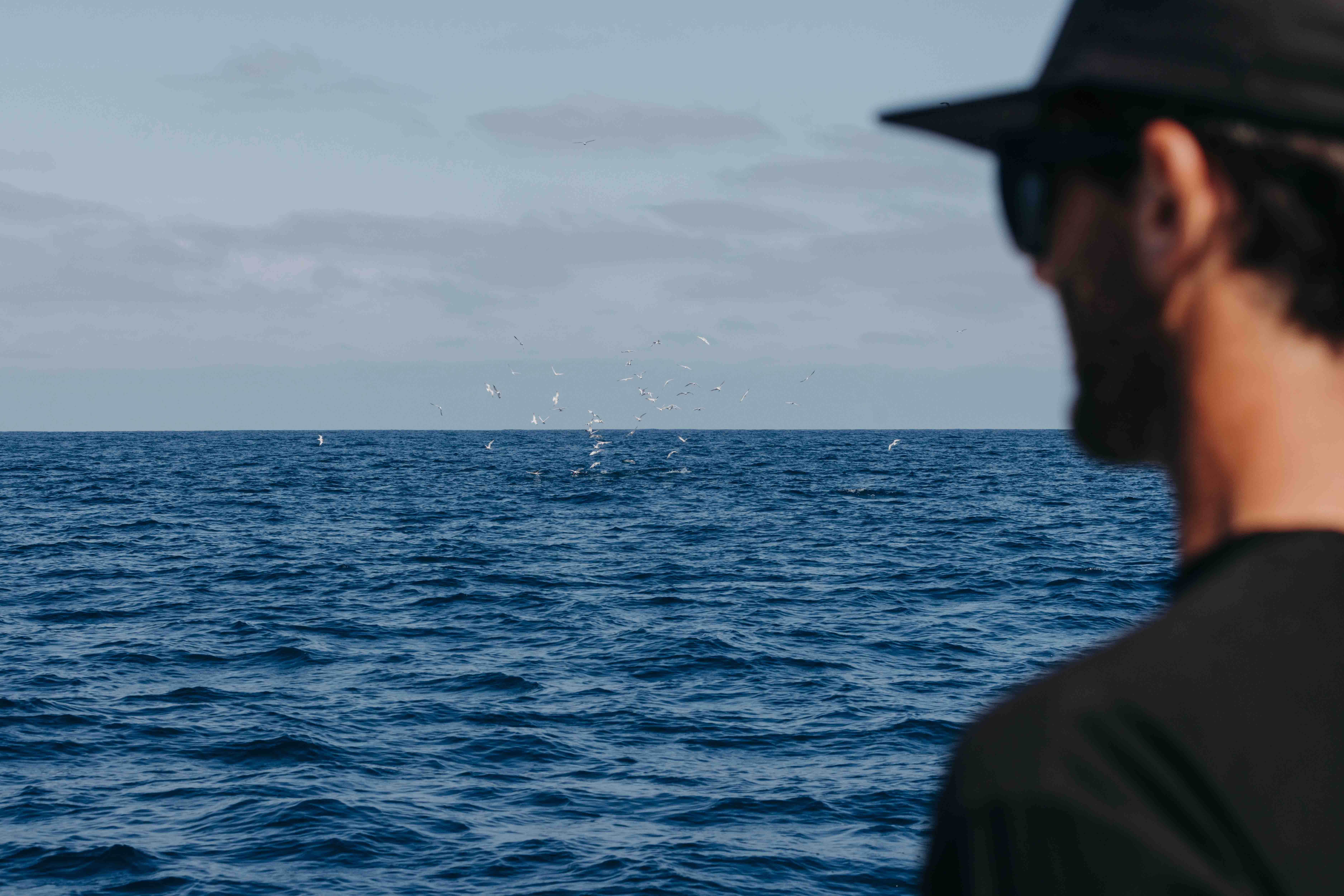
Build a Quiver for All Conditions
Choosing the right sunglasses for saltwater fishing isn’t about vanity, it’s about seeing better, reacting faster, and staying sharp longer. It's about maximizing your ability to read water, spot fish, and protect your most important gear: your eyes.
With the right lenses, whether glass or polycarbonate, polarized with advanced color contrast, preserving perfect white balance, ANSI-certified for impact safety, secured with elite frame fit and rubberized grip, and tuned to your exact prescription, you’re not just protecting your vision. You’re sharpening it into a weapon.
Shop the best fishing sunglasses at Melton Tackle.
-
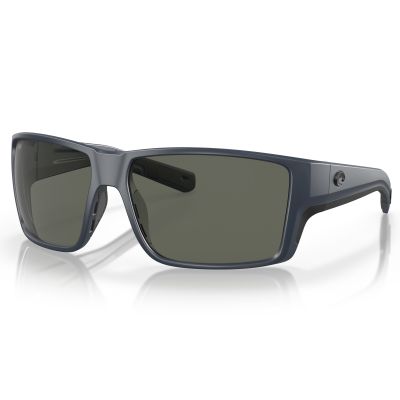 Costa Del Mar Reefton Pro Sunglasses - Midnight Blue Frame - Gray Polarized Glass LensNow: $190.40 Was: $272.00Out of stock
 -
-
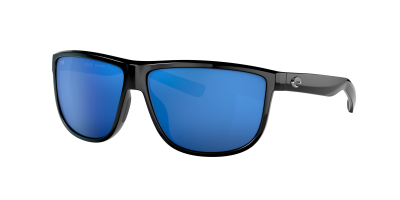
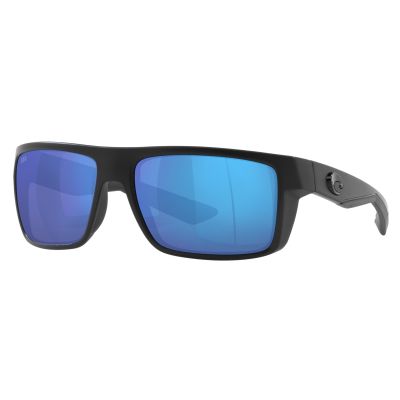
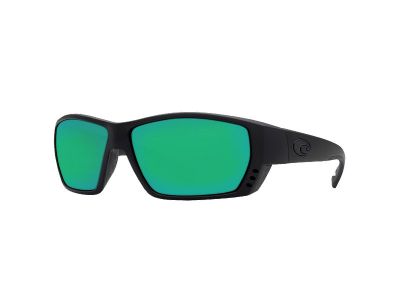
- Costa Del Mar Tuna Alley Sunglasses - Blackout Frame - Green Mirror 580G lensNow: $196.00 Was: $280.00Out of stock
-
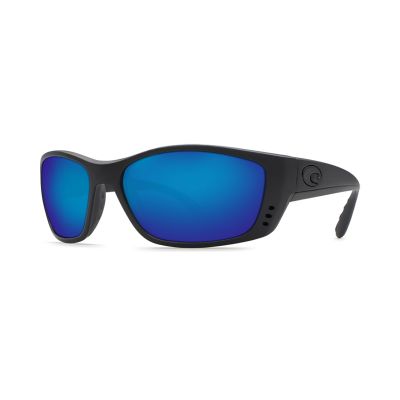 Costa Del Mar Fisch SunglassesOut of stock
 -
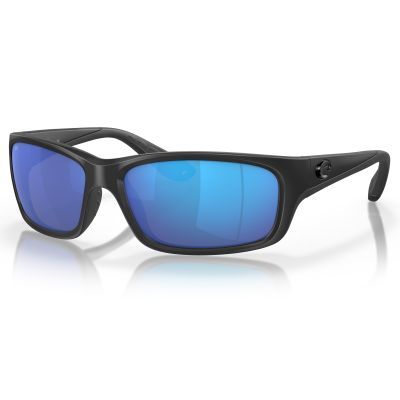 Costa Del Mar Jose SunglassesOut of stock
 -
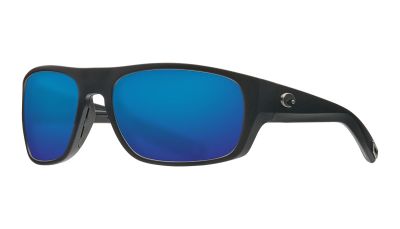 Costa Del Mar Tico SunglassesOut of stock
 -
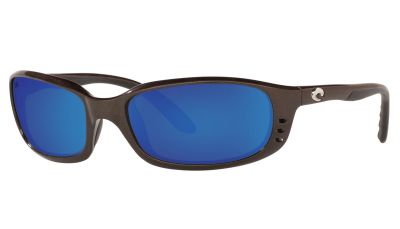 Costa Del Mar Brine SunglassesOut of stock
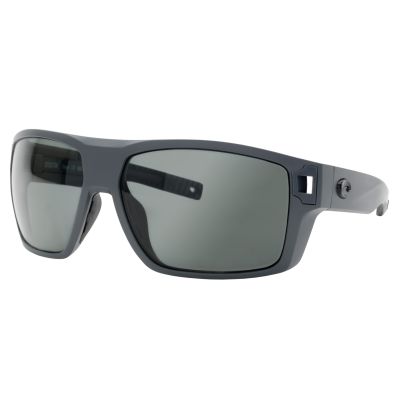
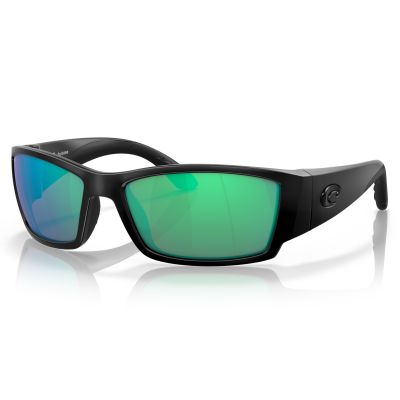
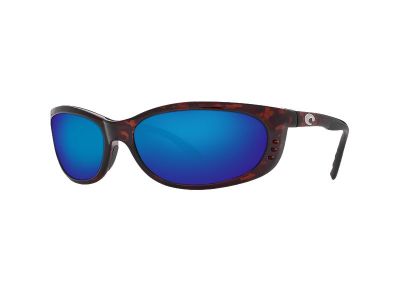
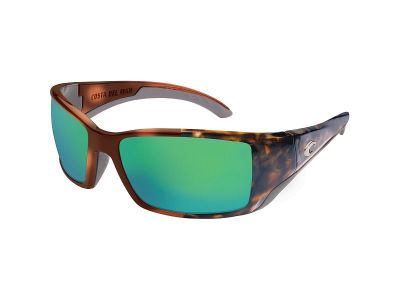
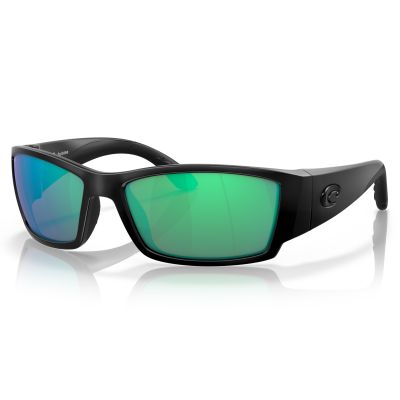
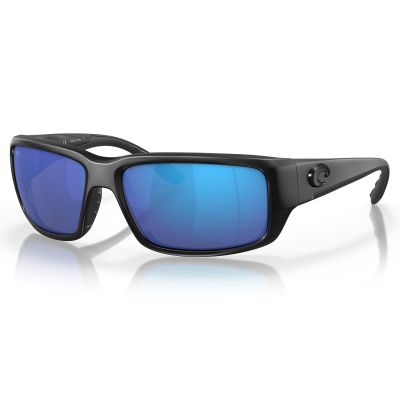
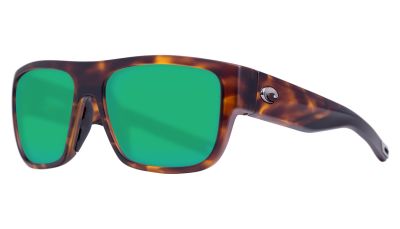
-
-
Smith Guide's Choice Small Sunglasses - Clearance
From: $207.90
Was: $297.00
-
-
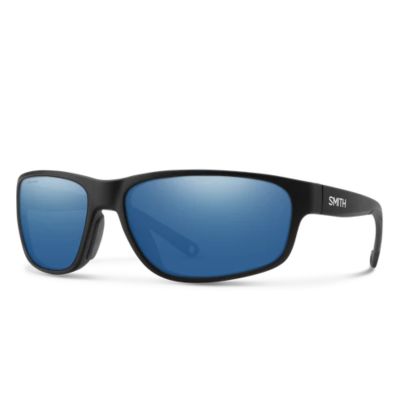
-
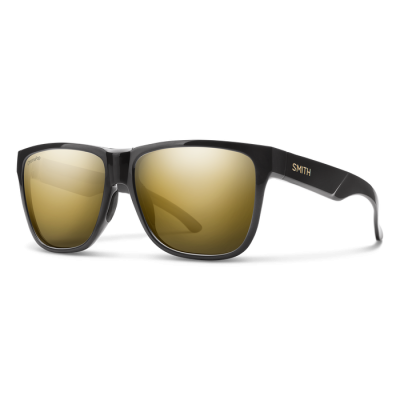
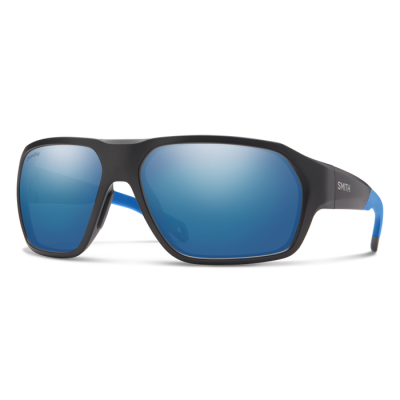
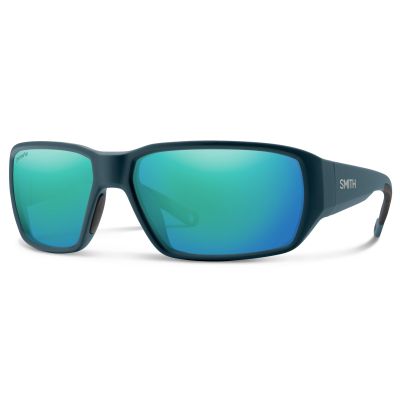 Smith Hookset Sunglasses - Matte Pacific Frame - ChromaPop Glass Opal Mirror LensNow: $228.90 Was: $327.00Out of stock
 -
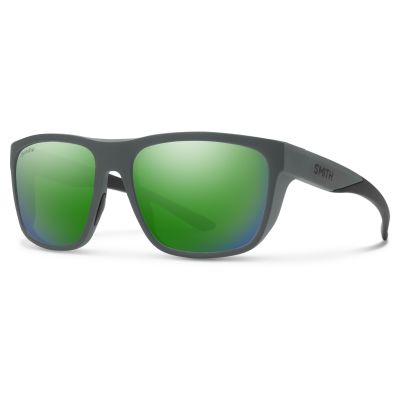
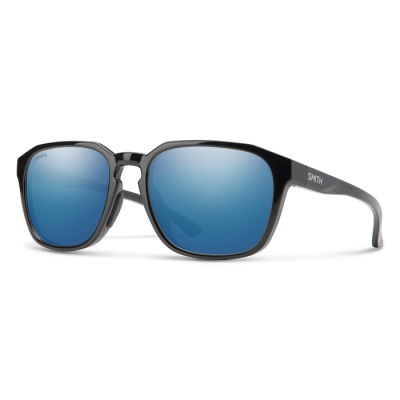
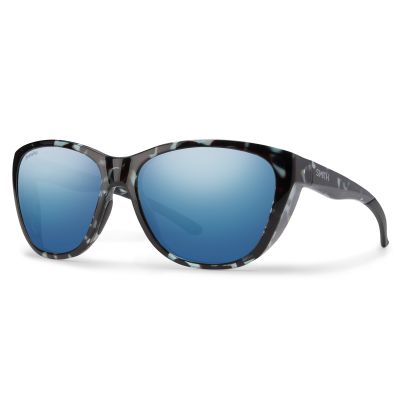 Smith Shoal Sunglasses - Sky Tortoise Frame - ChromaPop Polarized Blue Mirror LensNow: $193.90 Was: $277.00
 -
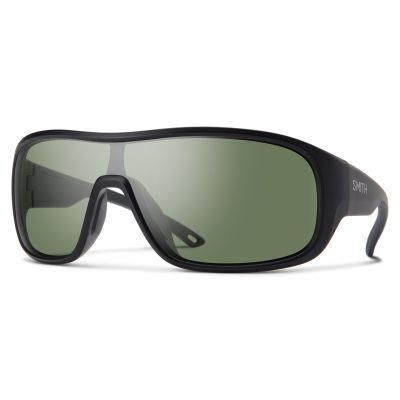 Smith Spinner Sunglasses - Matte Black Frame - ChromaPop Polarized Gray Green LensNow: $165.90 Was: $237.00Out of stock
 -
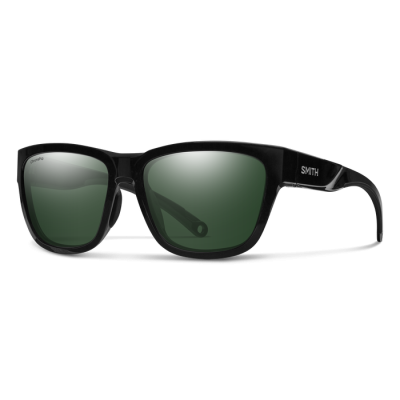 Smith Joya Sunglasses - Black Frame - ChromaPop Polarized Gray Green LensNow: $207.90 Was: $297.00Out of stock
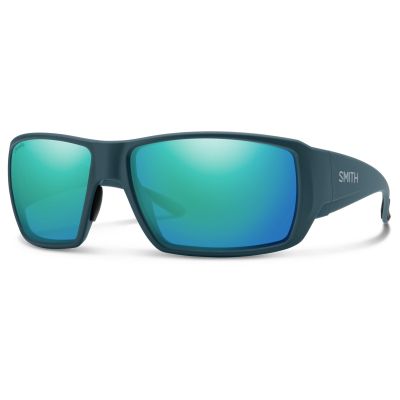
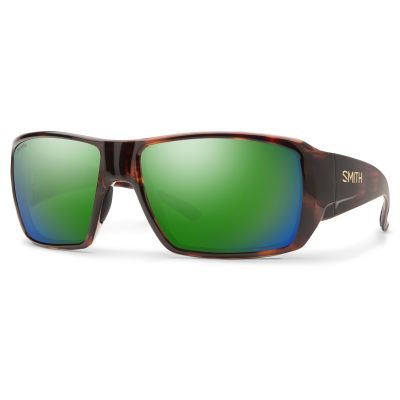
-
-
-
Suncloud Polarized Double Up Sunglasses - Clearance
From: $55.97
Was: $79.95
-
Suncloud Polarized Boone Sunglasses - Clearance
From: $41.97
Was: $59.95
-
Suncloud Polarized A-Team Sunglasses - Clearance
From: $41.97
Was: $59.95
-
-
-
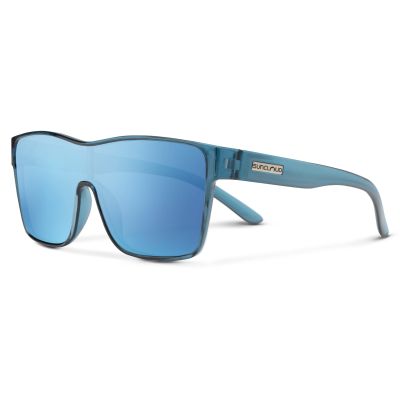 Suncloud Biff Sunglasses - Crystal Marine Frame - Polarized Aqua Mirror LensNow: $55.97 Was: $79.95Out of stock
 -
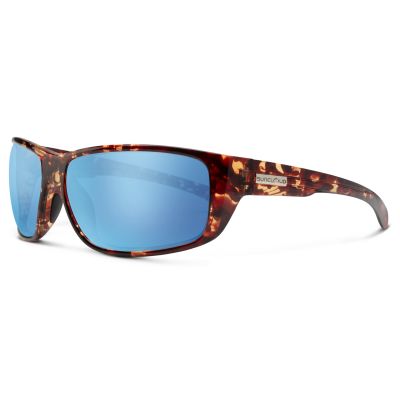 Suncloud Polarized Milestone Sunglasses - Tortoise Frame - Polarized Aqua Mirror LensNow: $41.97 Was: $59.95Out of stock
 -
-
-
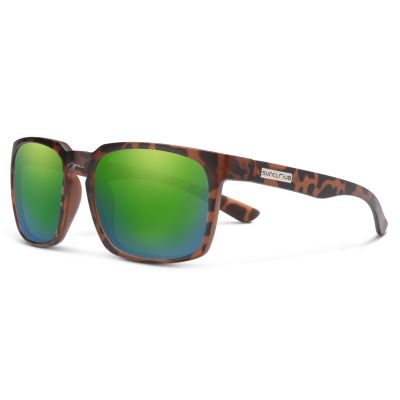 Suncloud Polarized Hundo Sunglasses - Matte Tortoise Frame - Polarized Green Mirror LensNow: $41.97 Was: $59.95Out of stock
 -
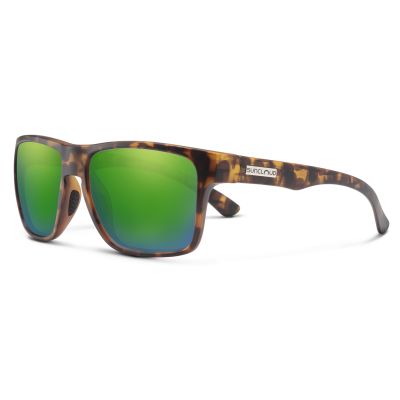 Suncloud Rambler Sunglasses - Matte Tortoise Frame - Polarized Green Mirror LensNow: $41.97 Was: $59.95Out of stock