

Saltwater fishing presents a unique set of challenges that set it apart from freshwater angling. From dealing with currents, tides, and swell to the constant struggle of maintaining gear in a corrosive saltwater environment, anglers need to be well-equipped and knowledgeable to succeed in these demanding conditions. Not to mention, in general, saltwater game fish tend to be bigger, pull harder, and have a more expansive diet than their freshwater counterparts. One of the most critical aspects of your saltwater fishing success lies in selecting the right lure for the job.
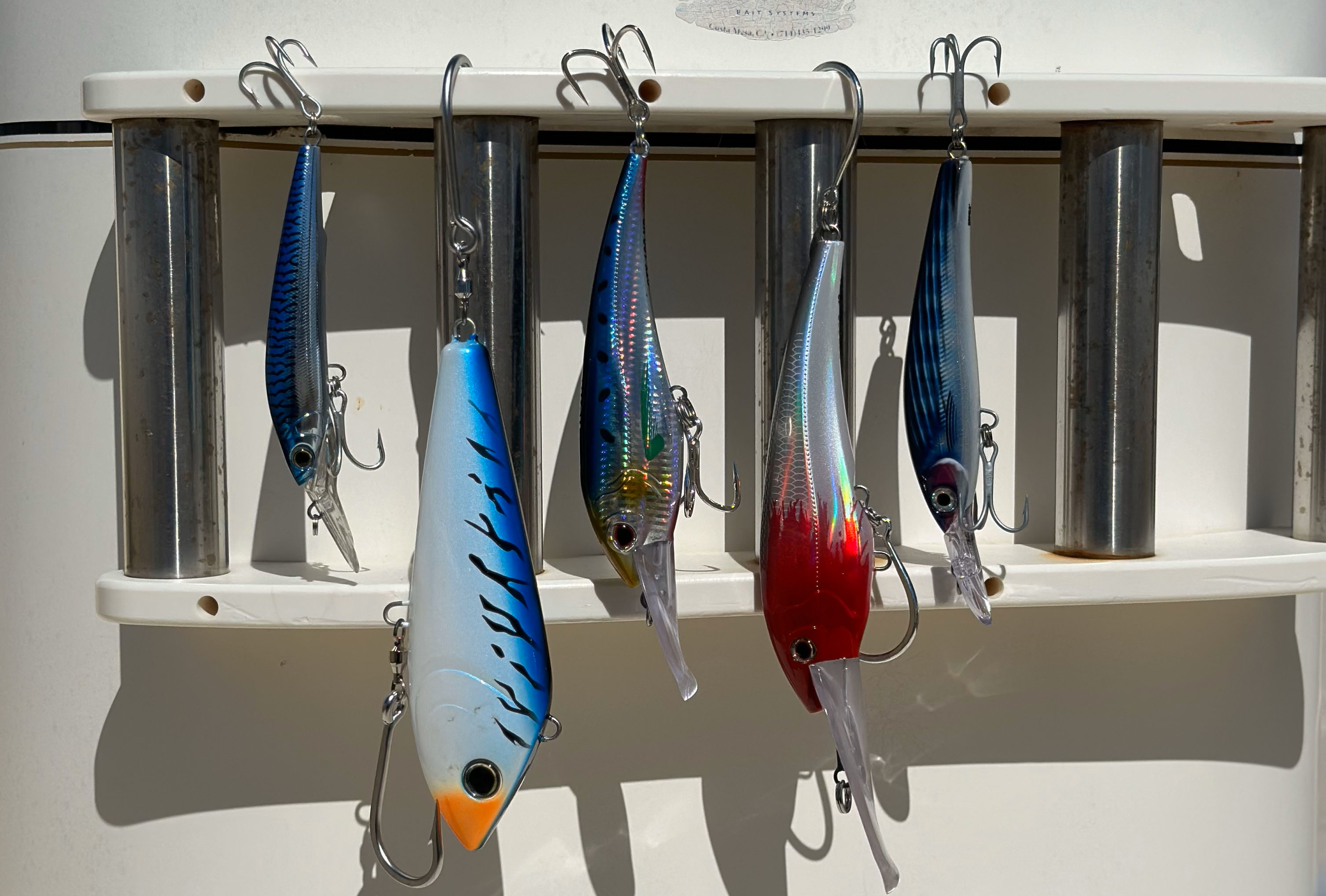
Your choice of fishing lure has the potential to make the difference between a successful day on the water and coming home empty-handed. Different fish species have unique feeding habits and preferences, while factors like water clarity, temperature, and timing affect lure effectiveness. This post explores various saltwater fishing lures — from topwater poppers to trolling lures, jigs, and soft plastics — covering their characteristics and optimal uses. Whether you're a seasoned saltwater angler or a newcomer to the sport, you'll learn which lures work best for your needs.
Why Lure Selection Matters in Saltwater Fishing
While artificial lures can be more rewarding and often equally as effective as live bait, choosing the right one is crucial in saltwater fishing due to the unique challenges and complexities it presents. Unlike freshwater fishing, saltwater anglers must contend with strong currents, changing tides, and a wide range of depths, all of which can have a significant impact on lure presentation and effectiveness. As we mentioned earlier, saltwater game fish are typically larger, more powerful, and have different feeding behaviors compared to freshwater species, requiring more robust and specialized lure designs.
Several key factors influence lure selection. Most importantly, match your lure to the target species' feeding habits and preferred prey. Consider water conditions like clarity, temperature, and depth — for instance, you're probably not going to want to grab for your popper when you're marking a school of fish at 200 feet; in this case, a heavy, fast-sinking jig would be a more appropriate choice. Your fishing technique (trolling, casting, or jigging) also determines which lure will work best, as each is designed for specific methods.
Overview of Saltwater Fishing Lures
Saltwater fishing lures are specialized artificial baits engineered and built to withstand harsh environments while effectively attracting fish. They feature robust construction with stronger hooks and hardware to handle powerful bites and big fish.
These lures often use high-grade stainless steel components to prevent rust, with bodies made from marine-grade plastics, high-quality resins or corrosion-resistant metals. UV-resistant materials prevent fading, while reinforced connection points and through-wire construction handle the strain of fighting large fish. While more expensive than most freshwater lures, the investment in quality components and durability is essential for reliable performance in saltwater conditions.
Types of Saltwater Fishing Lures
Jigs
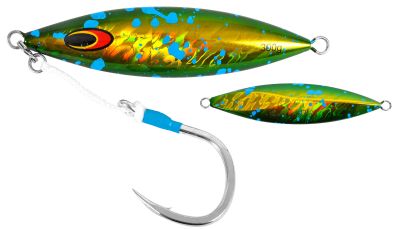
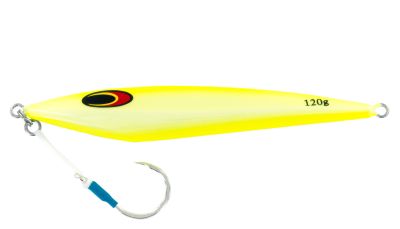
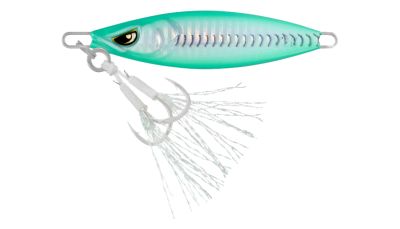
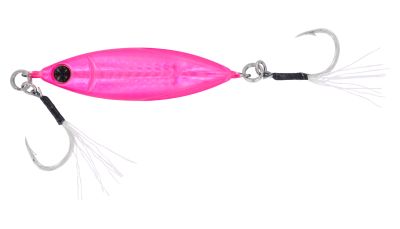
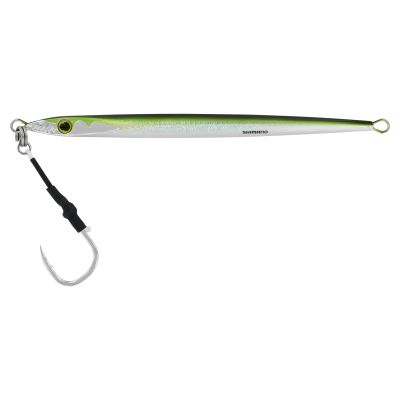
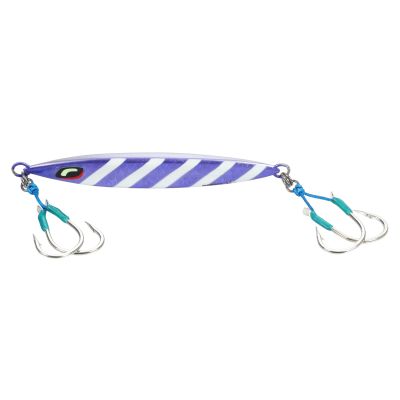
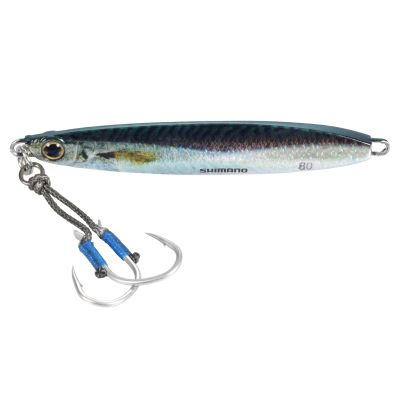
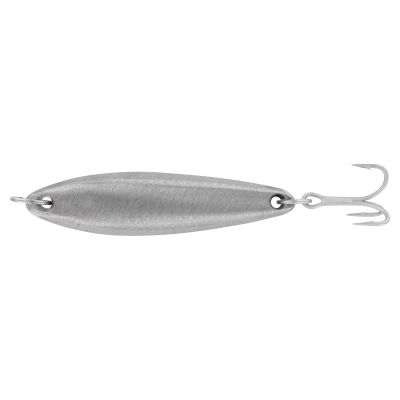
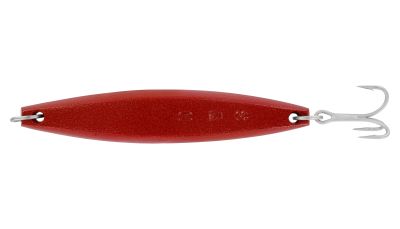
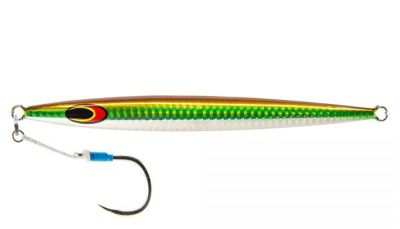
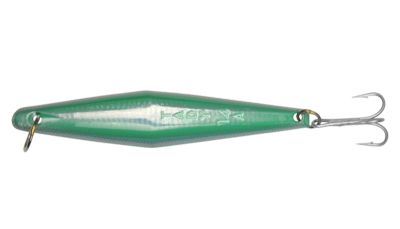
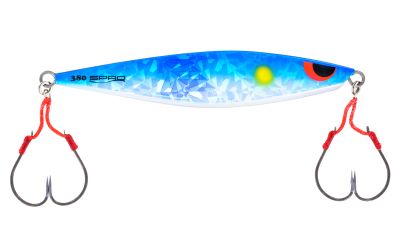
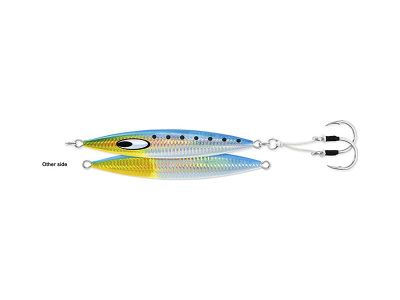
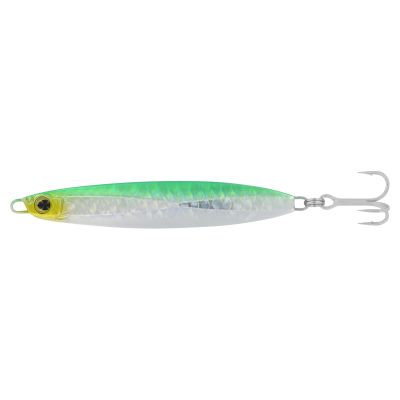
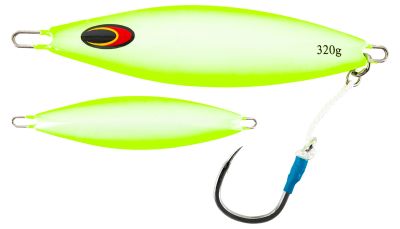
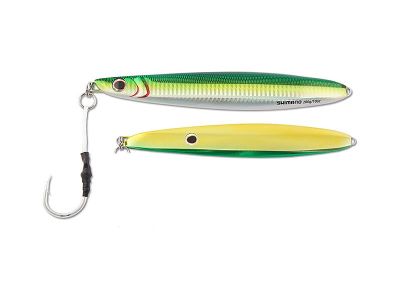
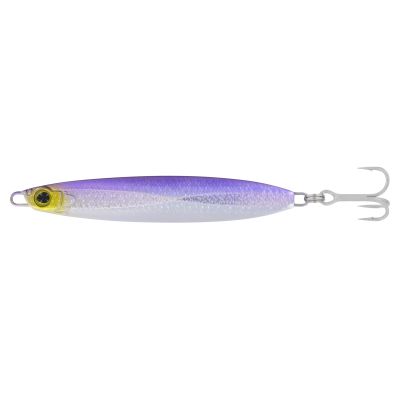
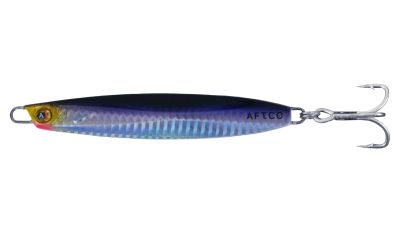
While many anglers have coined certain terms in reference to specific artificial lures and baits, for the sake of simplicity let's consider jigs to include artificial lures such as speed jigs, slow jigs, knife jigs, current sniper (formerly colt sniper) style baits, surface irons, and yo-yo irons. These are versatile lures that can be effectively fished throughout the entire water column using numerous different techniques.
Metal jigs like those built for speed or slow-pitch jigging are fished vertically, without casting. Surface irons are cast and retrieved steadily just under the surface, creating a side-to-side swimming motion. Yo-yo irons, sometimes made of solid brass, are retrieved vertically with a steady fast wind. Heavy metal and yo-yo jigs are productive for reef-dwelling or bottom-oriented fish (snappers, groupers, cod) and even some pelagic species (yellowtail, tuna, etc). Surface irons excel at targeting fish near the surface, although they can be sunk out and retrieved to cover lower in the water column.
-
-
-
-
- Shimano Flat-Side Butterfly Jigs with Hook - Clearance
From: $12.59
Was: $17.99

Plugs (Hardbaits)
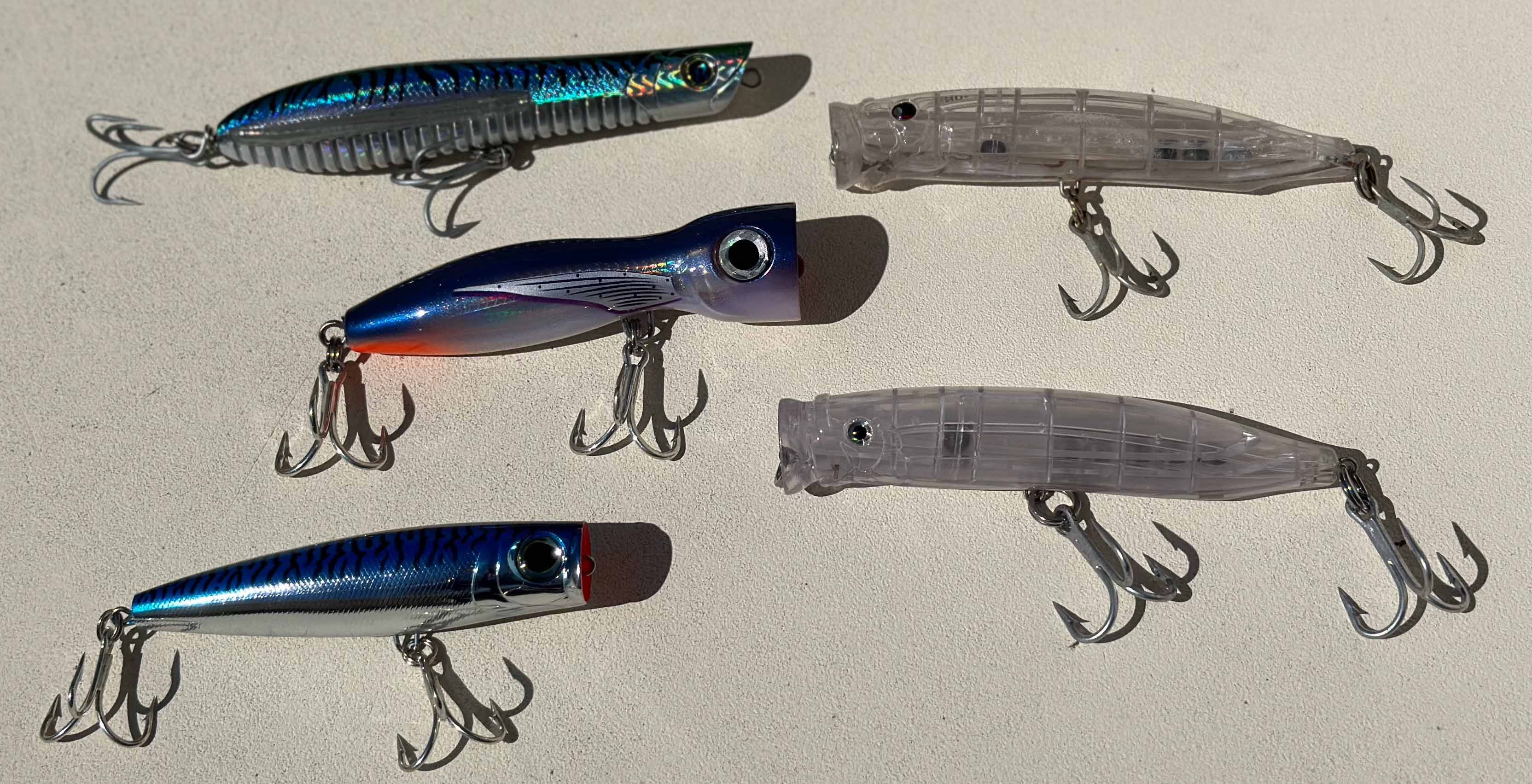
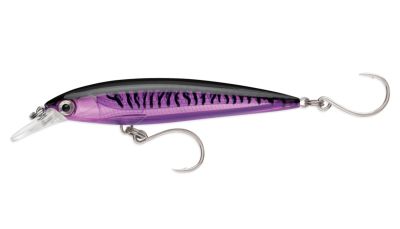
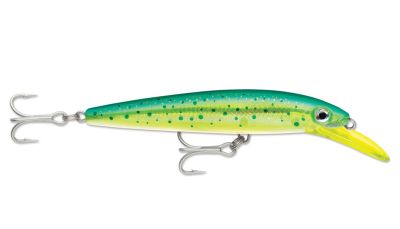
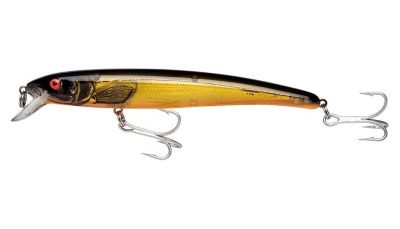
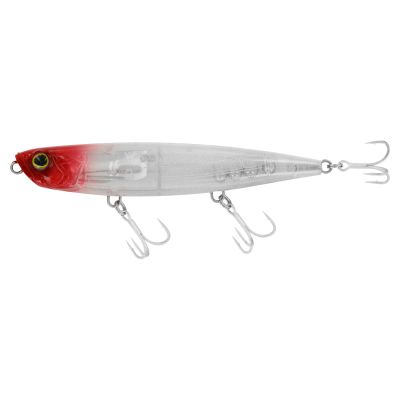
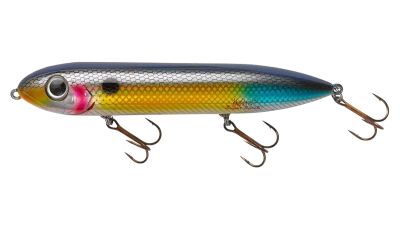
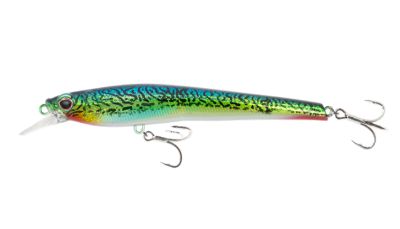
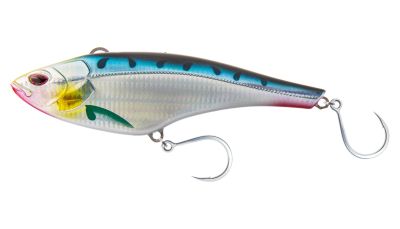
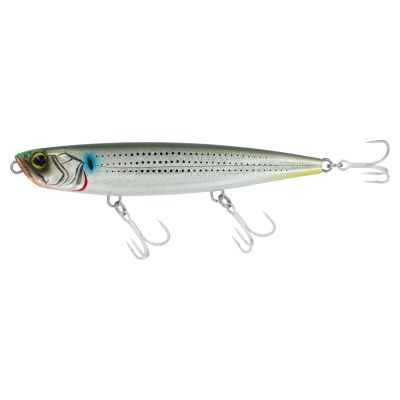
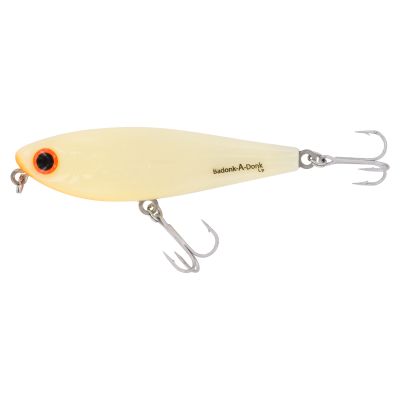
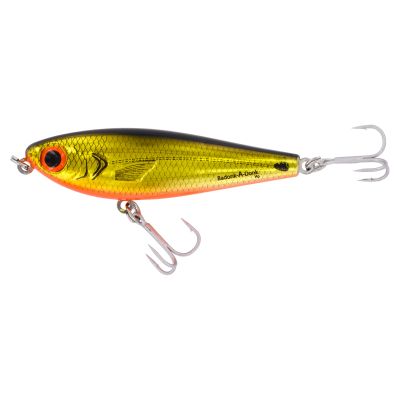
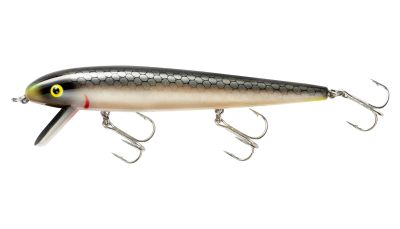
Another category of lures that you may hear certain terminology used for, depending on the region you're in. Plugs, or "hard baits," are hard-bodied lures that mimic baitfish. They come in multiple varieties: topwater (walk-the-dog style, spooks), diving (jerk baits, lipped baits), and suspending (stick baits). Meant to replicate natural forage in both aesthetics and action, these lures are cast and retrieved using various speeds and rod movements to create lifelike action. Available in almost any size you can think of, they're effective for both inshore and offshore species like saltwater bass, yellowtail, tuna, and dorado.
-
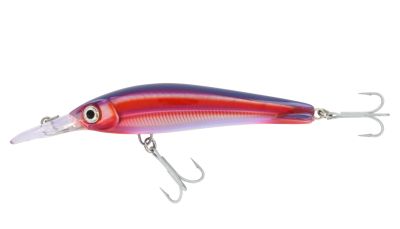 Rapala X-Rap Magnum Xtreme Lures - Clearance
From: $21.74
Was: $28.99
-
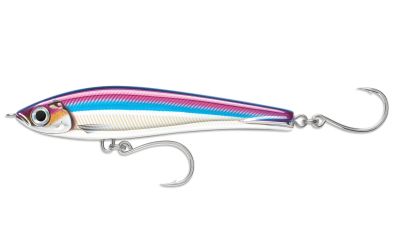 Rapala X-Rap Magnum Stick Lures - Clearance
From: $23.99
Was: $31.99
-
-
-
-
-
Soft Plastics
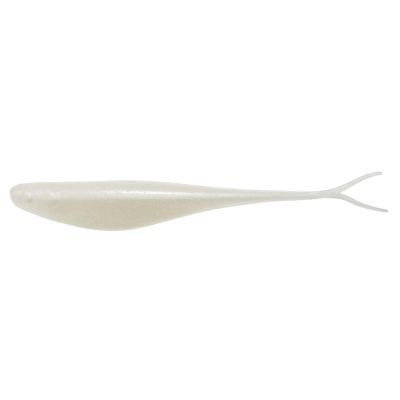
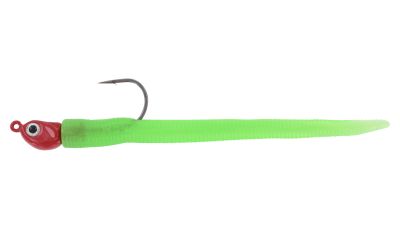
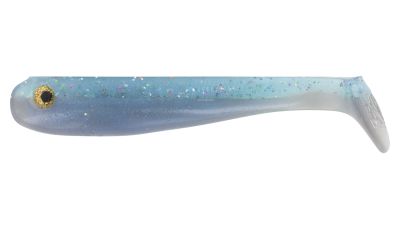
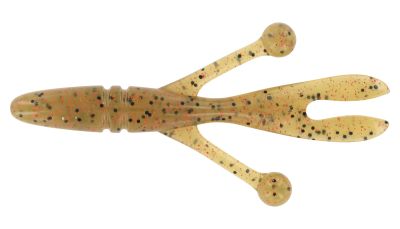
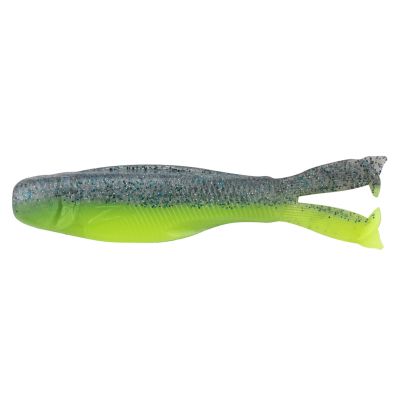
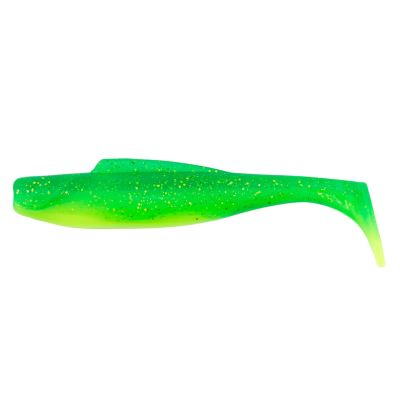
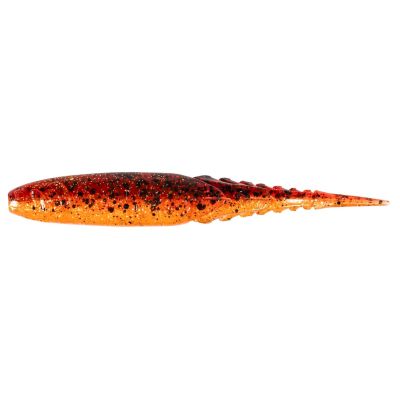
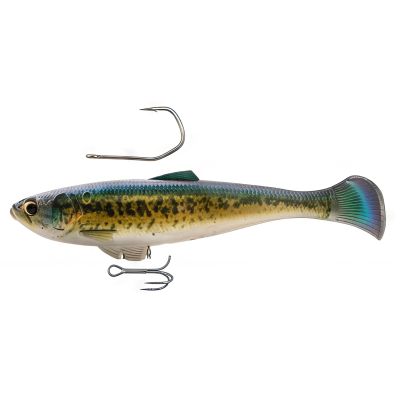
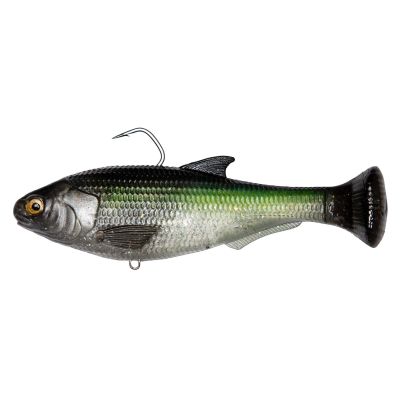
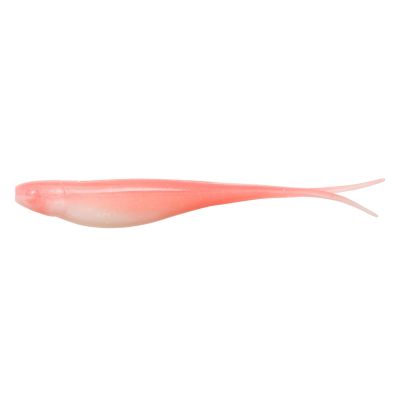
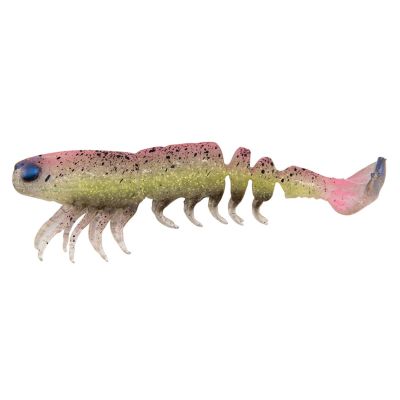
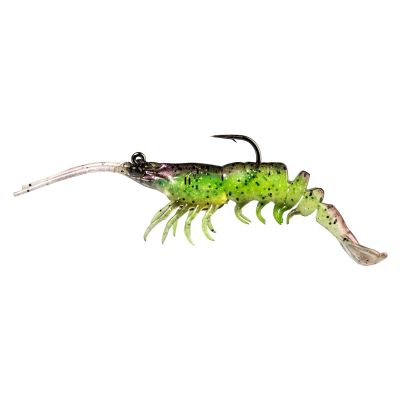
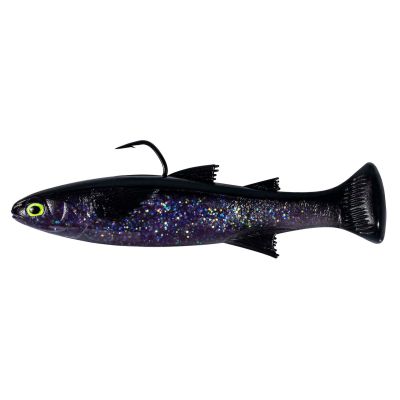
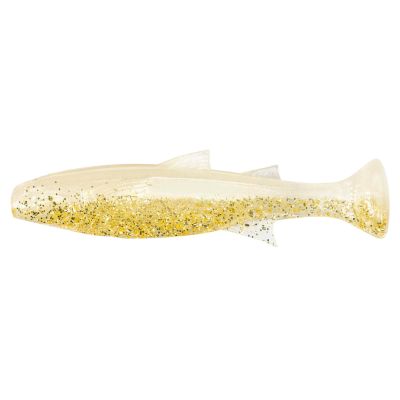
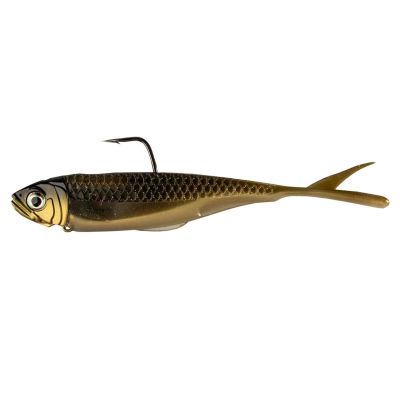
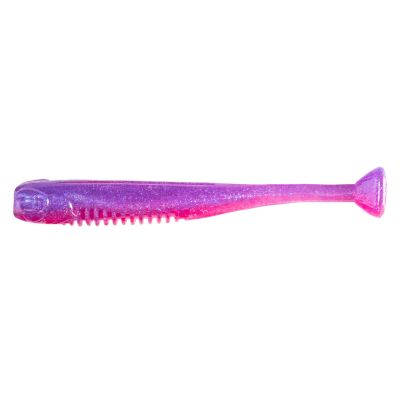
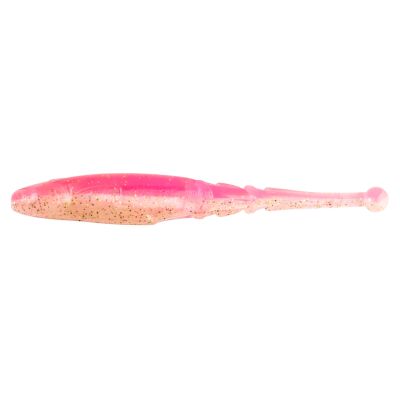
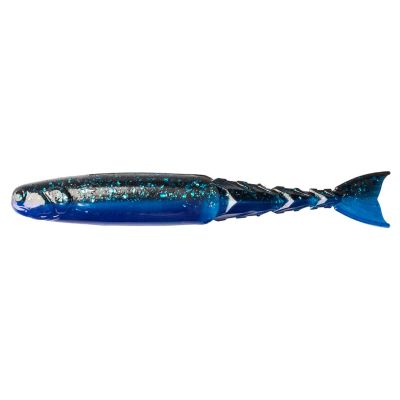
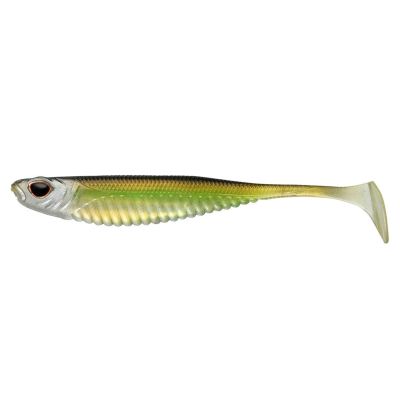
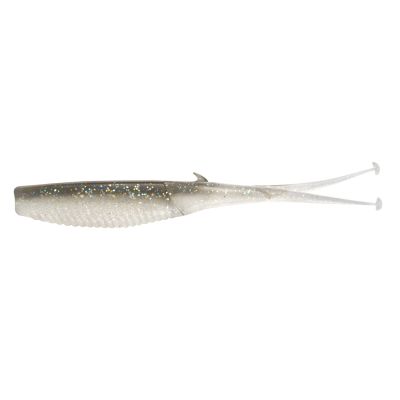
Saltwater soft plastics like swimbaits, slugs, paddletails, flukes, and tube baits are larger and more durable than their freshwater counterparts. These flexible lures are meant to resemble baitfish or crustaceans. Most require a leadhead (jighead) or weight and hook to be fished, except tube baits which often come pre-rigged. Some can be fished slowly along the bottom, and some with a straight retrieve. Popular among inshore anglers for their versatility, they’re effective for saltwater bass, halibut, flounder, redfish, snook, and even certain pelagic species.
Spoons
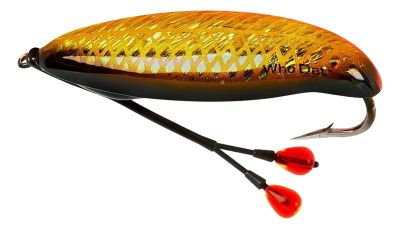
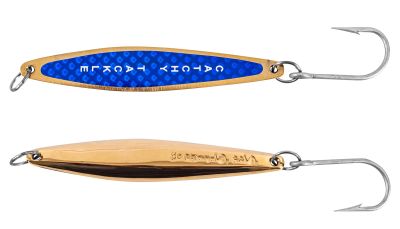
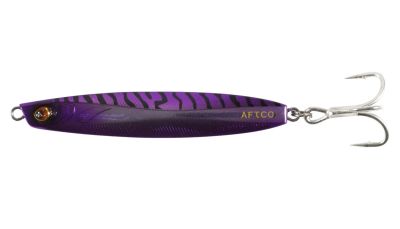
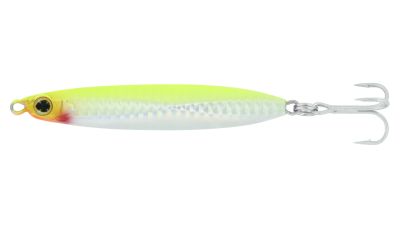
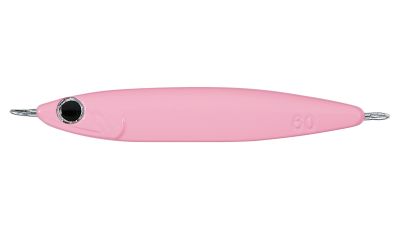
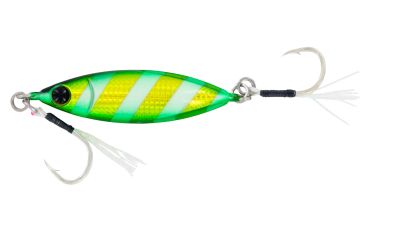
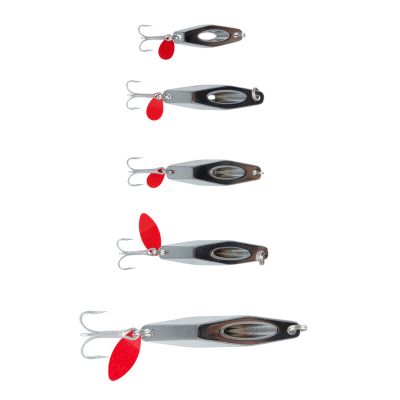
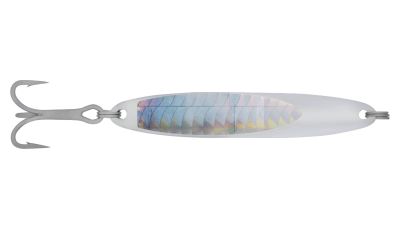
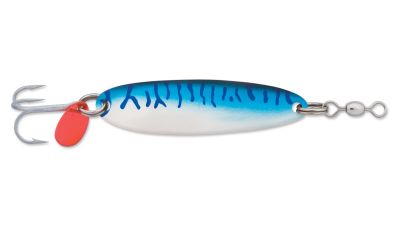
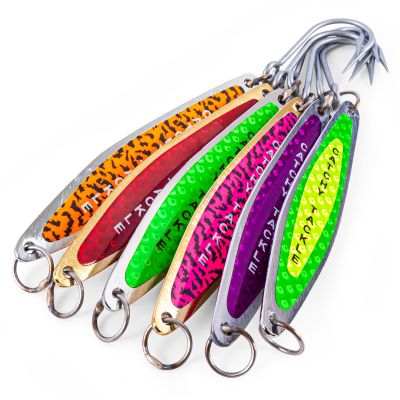
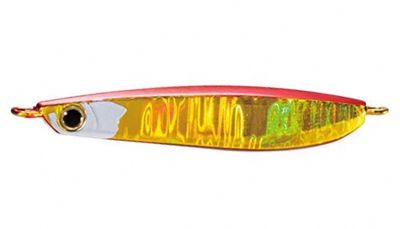
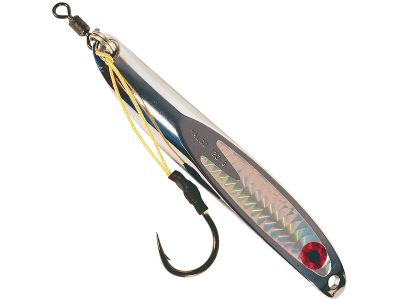
Spoons are among the most time-tested and versatile saltwater fishing lures available. These are simple but effective metal lures that mimic baitfish, designed to flash and wobble as they are retrieved. Spoons create vibrations as they kick side-to-side in the water, making them perfect for both casting and trolling. Effective at various retrieval/trolling speeds, spoons are popular with both land-based anglers as well as those fishing from a boat. Barracudas, jacks, Spanish mackerel, saltwater bass, redfish, halibut, and salmon are just some of the species that can be targeted using spoons.
-
-
-
-
-
-
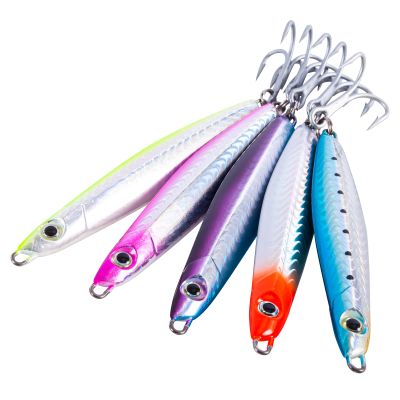 Williamson Gomoku JigsOut of stock
 -
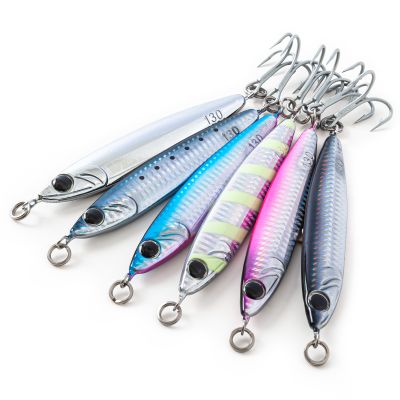
- Shimano Waxwing JigsOut of stock
-
-
-
-
-
-
Poppers
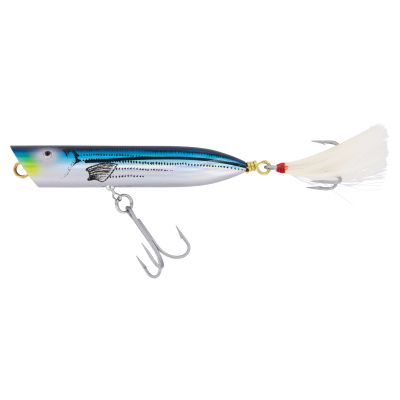
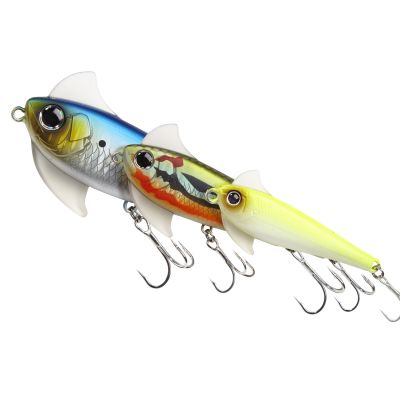
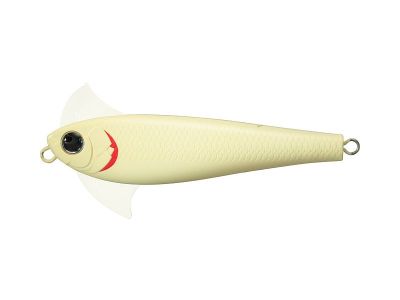
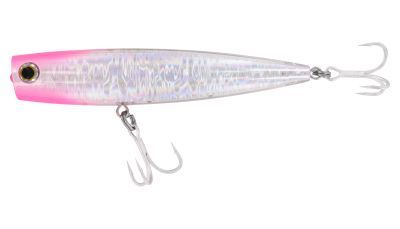
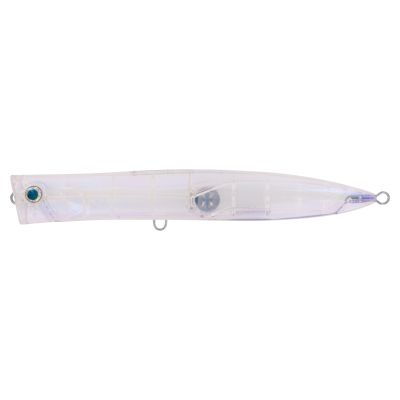
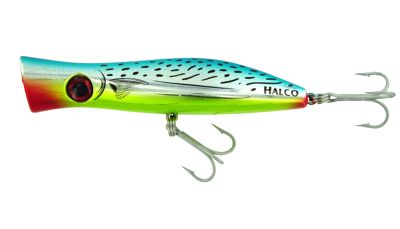
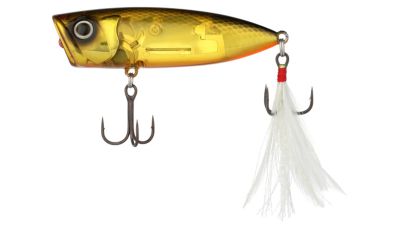
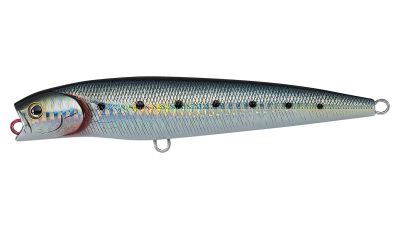
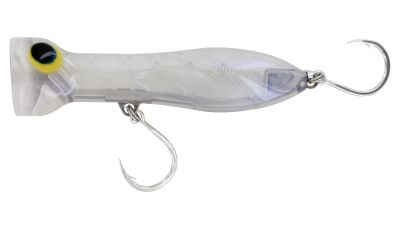
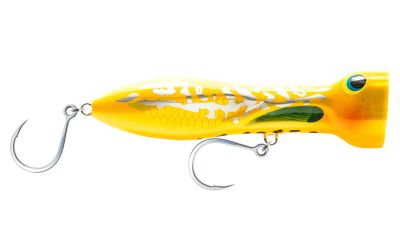
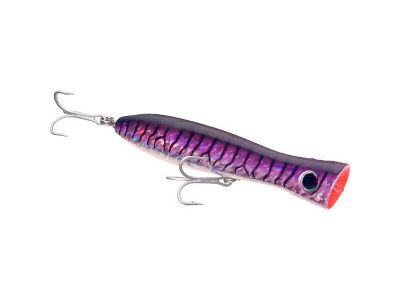
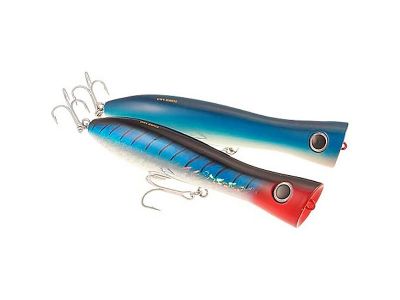
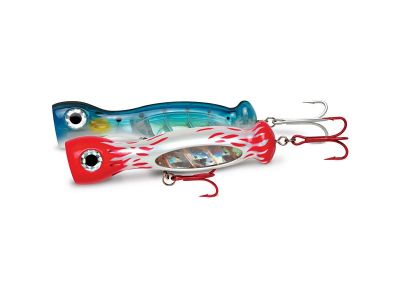
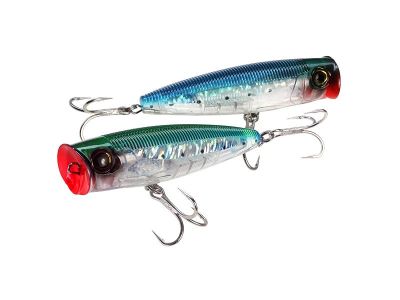
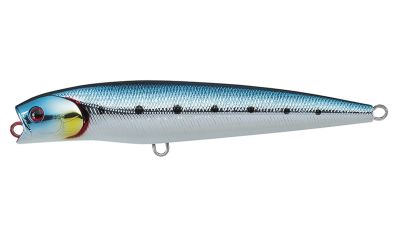
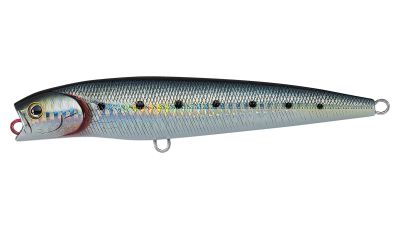
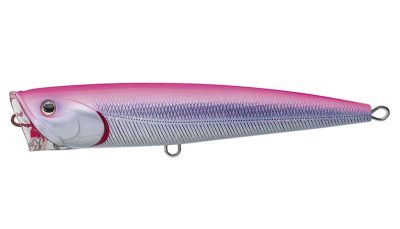
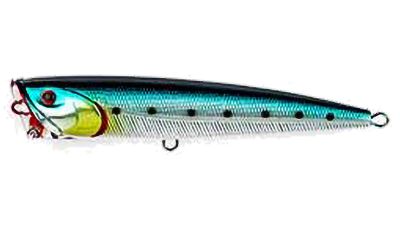
Poppers are exciting, visual surface lures that create a distinctive pop and splash when retrieved. Best used in calm to moderate sea conditions when fish are feeding near the surface, poppers are meant to be fished with a “pop-pause-pop” rhythm by sweeping the rod tip. Bites often come during the pause between pops. Poppers excel for surface-feeding species like bluefin and yellowfin tuna, striped bass, giant trevally, and dorado, as well as reef species like snapper and grouper most commonly around dawn or dusk.
-
-
-
-
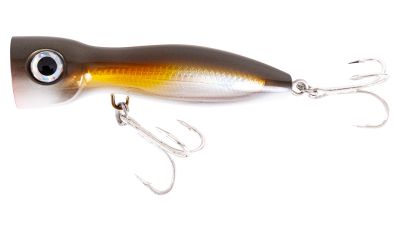 Rapala X-Rap Magnum Xplode Lure - 170mm - AyuNow: $25.49 Was: $33.99
 - Strike Pro Tuna Hunter PopperOut of stock
- DNR - Williamson Jet PoppersOut of stock
-
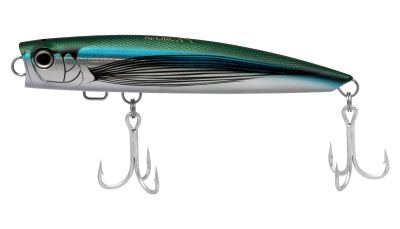 Shimano POP-ORCA Slim LuresOut of stock
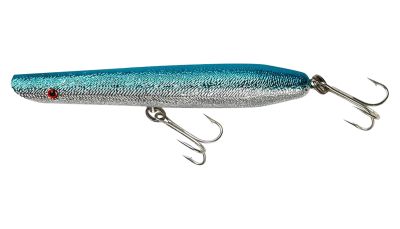
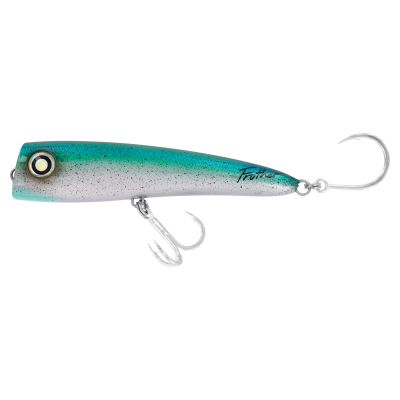
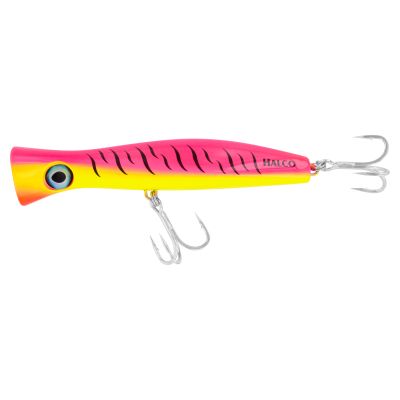
Trolling Lures
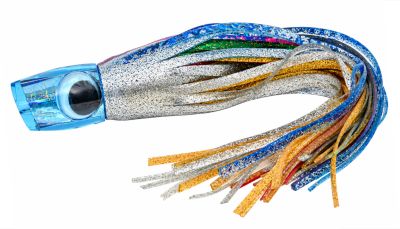
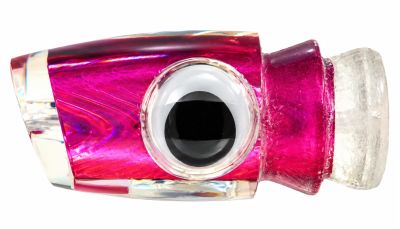
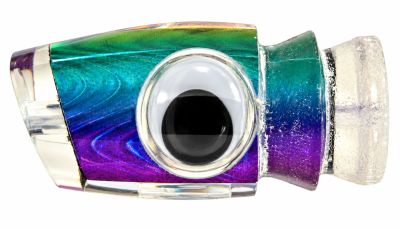
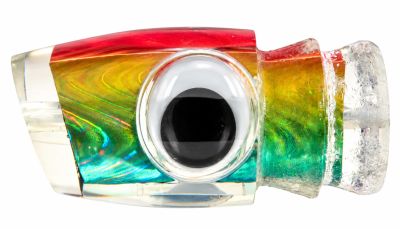
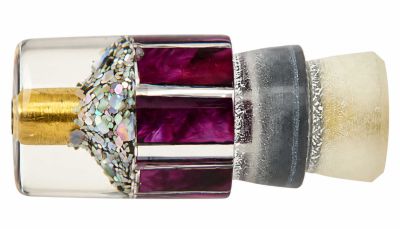
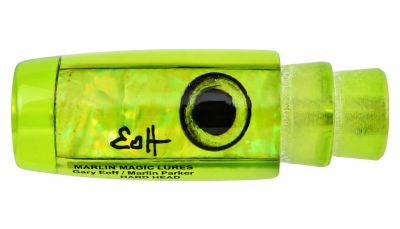
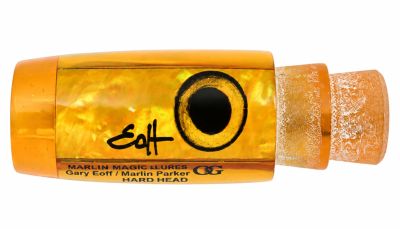
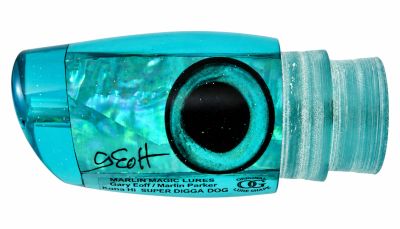
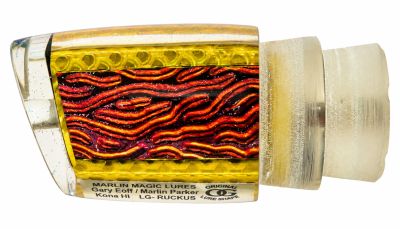
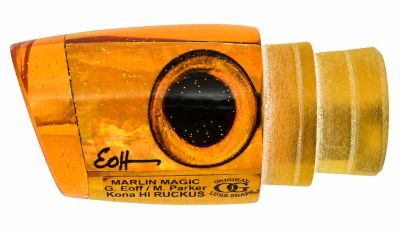
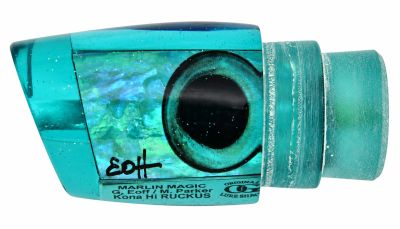
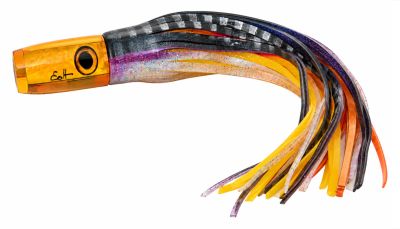
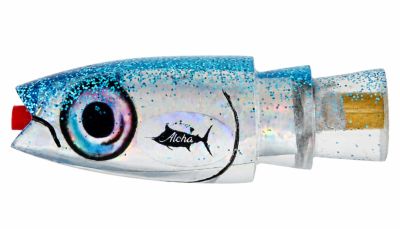
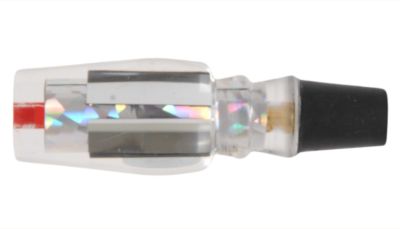
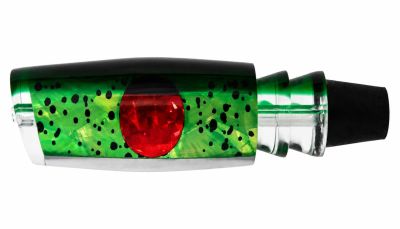
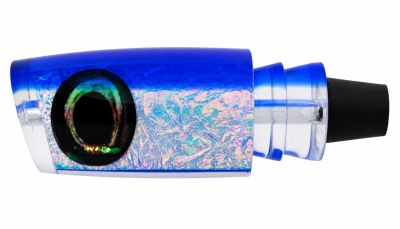
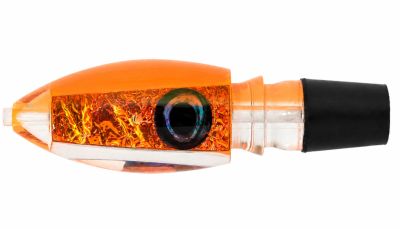
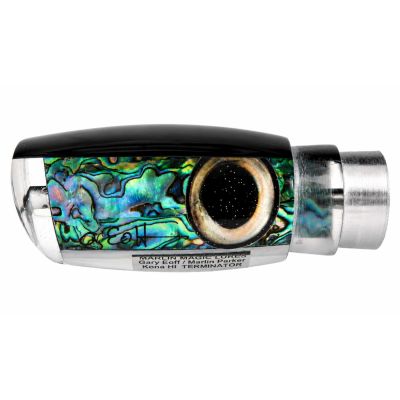
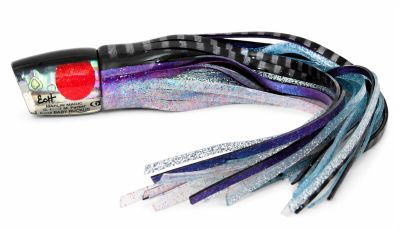
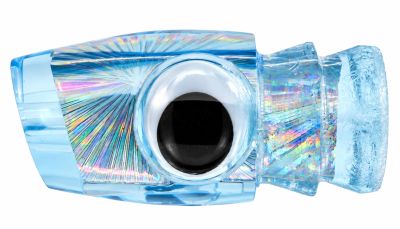
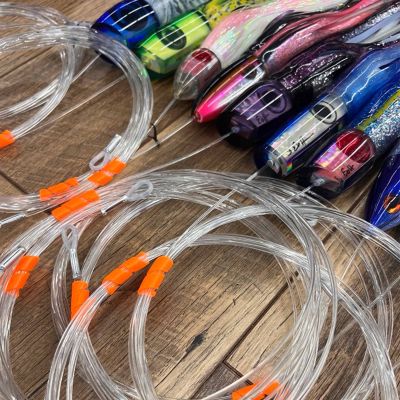
Trolling lures probably deserve their own article, but we'll break down the basics here. Trolling lures are specifically designed to be pulled behind a moving boat, creating an action that triggers strikes from predatory fish. These lures come in various shapes and sizes — surface swimming, subsurface, and diving — from simple spoons to more complex multi-component designs. Some popular types include feathers, skirted lures with colorful custom skirts, jet heads, and diving lures that swim at specific depth ranges. Trolling lures come in a wide variety of sizes and depth ranges, with surface lures generally being preferred for billfish as well as wahoo, dorado, and tuna, and diving lures proving especially deadly for wahoo and tuna.
Tips for Choosing the Right Lure
Let's explore the key factors to consider when selecting a saltwater lure. Remember: Quality components are just as important as good action and performance when making your choice.
- Match the hatch: Choose lures that closely mimic the size, shape, and action of baitfish in the zone you’ll be fishing.
- Water conditions: Select lures based on water clarity - bright colors for murky water, natural colors for clear water.
- Depth considerations: Pick lures of the appropriate weight and diving capabilities for your target depth zone.
- Target species: Research, go into your local tackle shop, and choose proven lures for your target species.
- Fishing technique: Select lures that work well with your preferred fishing method (casting, trolling, jigging, etc.).
- Light conditions: Adjust your lure colors based on time of day - darker lures for low light, flashier ones for bright conditions.
- Season: Select lures that match the current feeding habits and prey of your target species.
Maintenance Tips for Saltwater Fishing Lures
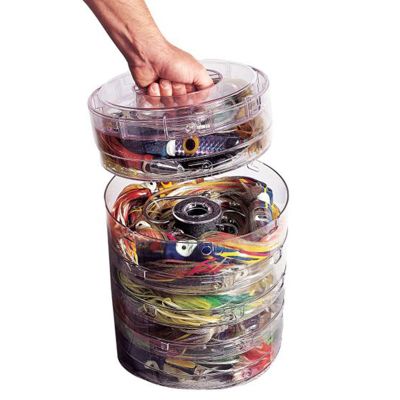
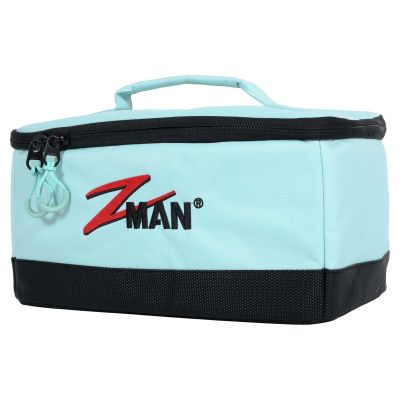
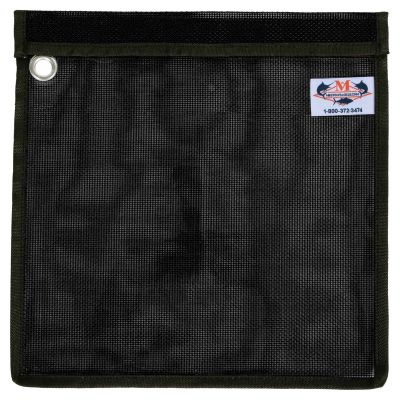
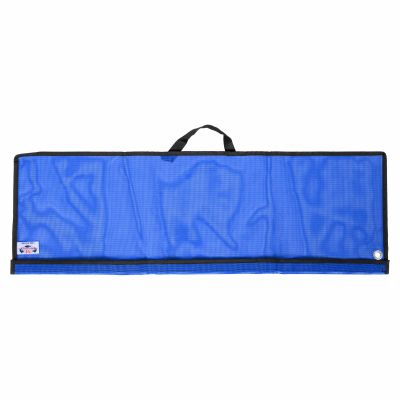
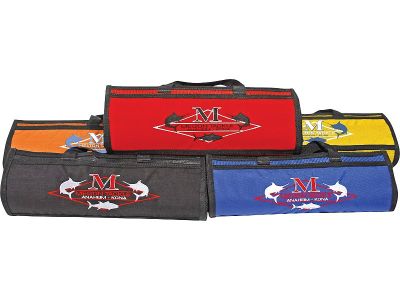
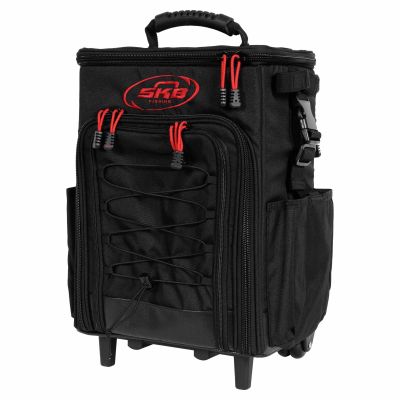
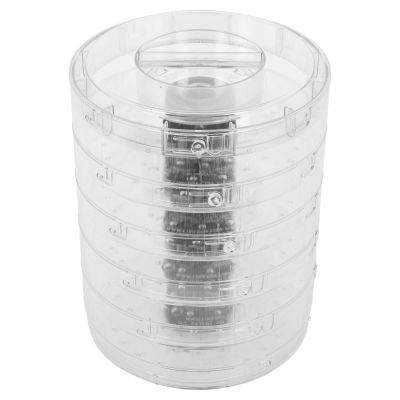
Like any of your gear, regular rinsing after use, intermittent inspections, and proper storage are a must for ensuring the durability of your saltwater lures. A freshwater rinse and air dry are a must — always store your lures only after they are completely dry to prevent rusting. By taking these few steps, you can maintain the quality and longevity of your lures.
-
-
-
 Lure BoxOut of stock
 -
-
-
-
In Conclusion
Having a true understanding of the right lure for your specific needs is crucial for your success and enjoyment on the water. From versatile jigs and lifelike plugs to soft plastics, spoons, poppers, and trolling lures, each type serves a unique purpose in your tackle arsenal. Remember to consider factors like target species and seasonal patterns when selecting your lures. With proper maintenance and care, quality saltwater lures can last for dozens of fish. We invite you to explore Melton Tackle's comprehensive selection of premium saltwater fishing lures, where you'll find the perfect options — no matter what you'll be chasing next.
Visit the store or shop online to gear up for your next fishing adventure!