

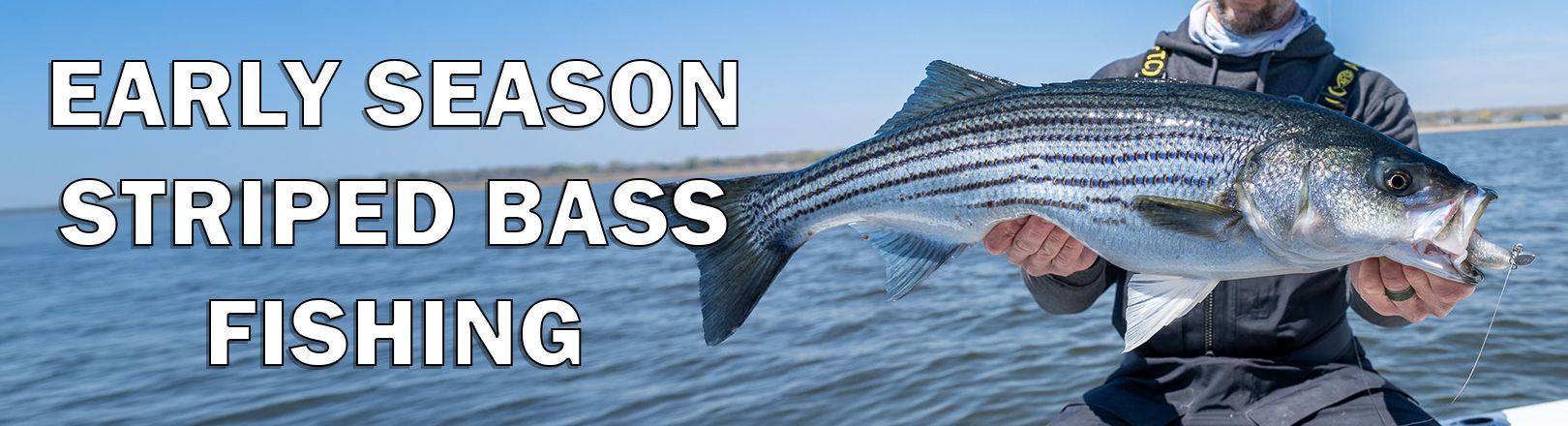
Early-season striped bass fishing in the Northeast is all about understanding water temperature, location, and presentation. Fish are just starting to transition out of winter patterns, and while they're not always aggressive in cold water, they can be very predictable if you approach them correctly.
In early spring, focus your efforts on river mouths, channel edges, shallow bays, and mudflats with darker bottom composition. Mudflats are especially important this time of year because the darker bottom absorbs heat, raising the water temperature slightly above the surrounding cooler water, often just enough to attract bait and, in turn, striped bass. As the tide and current move, these fish will slide between the flats and adjacent deeper water, so staying mobile and paying attention to changing conditions is key.
Water temperature is one of the biggest drivers of early-season success, and that 50-degree mark is the tipping point. Once water temperatures push into that range, fish become noticeably more active, feeding windows expand, and bites become more consistent. As you approach 50 degrees, things really begin to turn on.
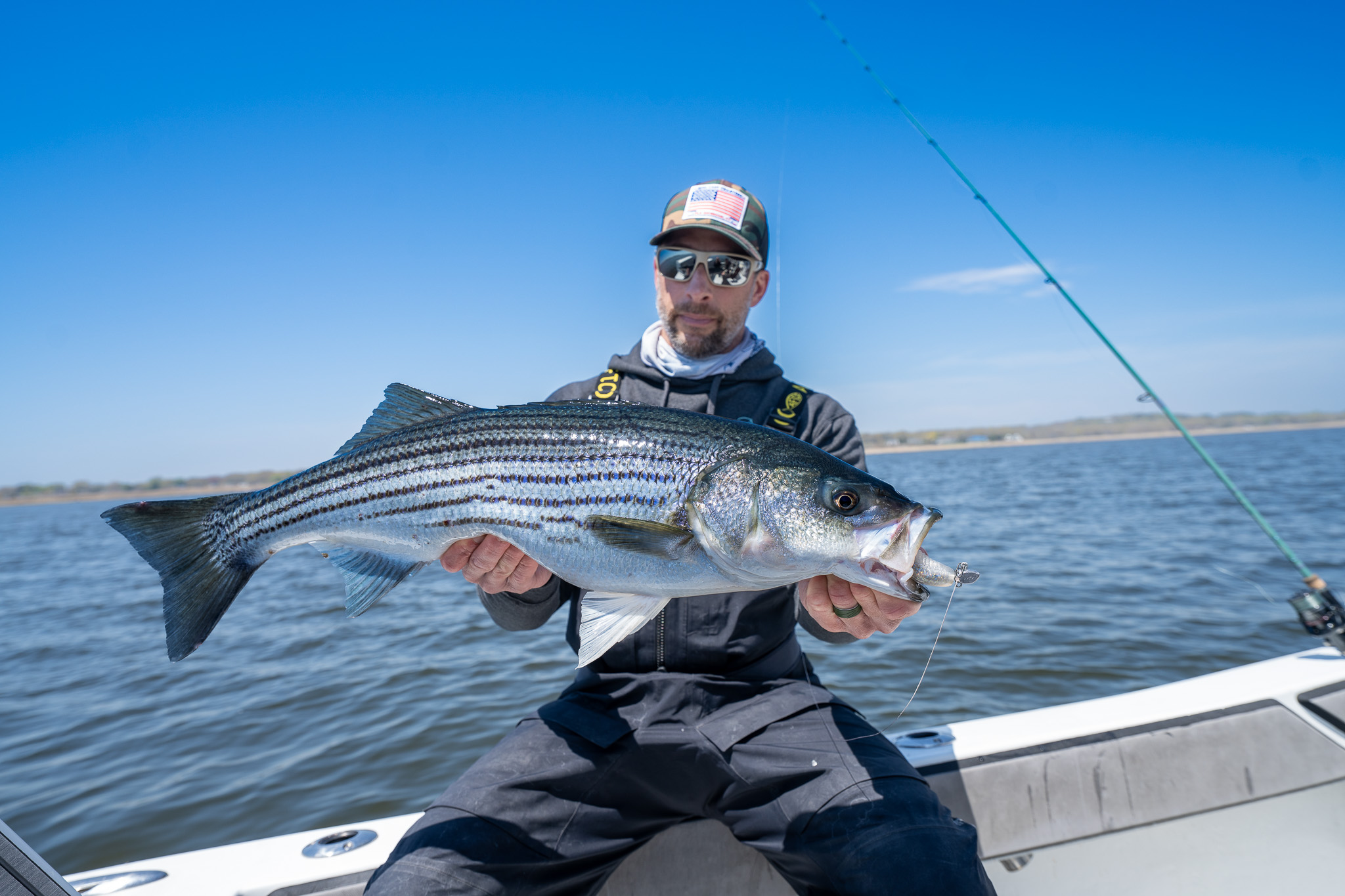
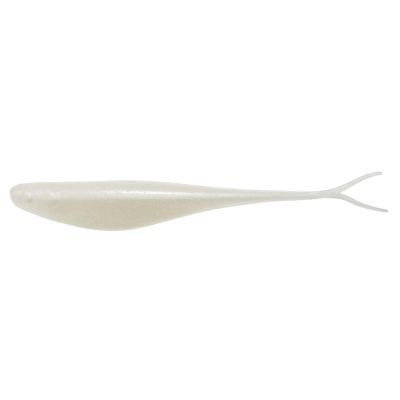
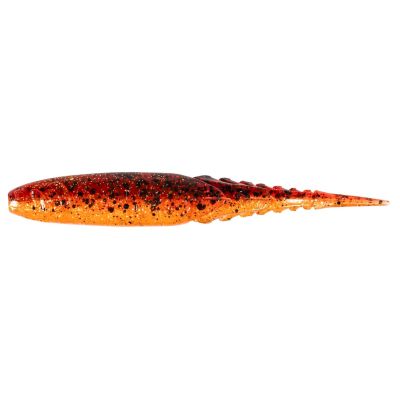
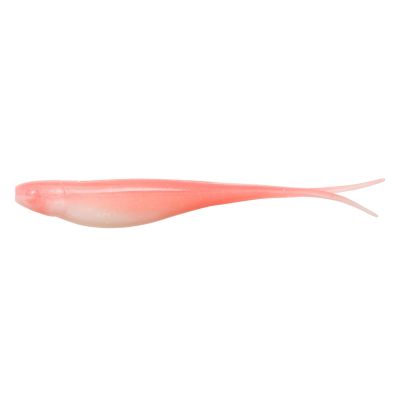
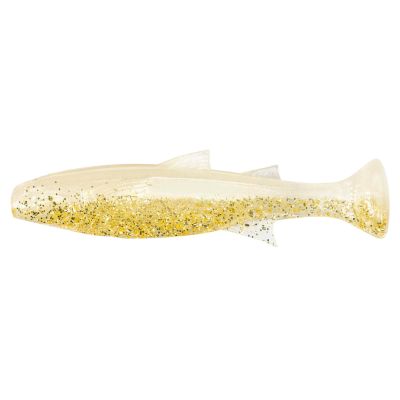
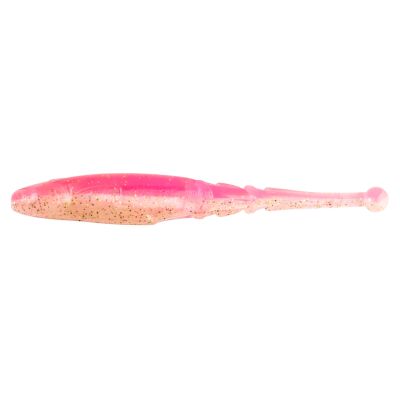
Soft plastics, especially jerkbaits or fluke-style baits like the Z-Man Scented Jerk ShadZ, are some of the most effective tools for targeting spring stripers during their migration.
Moon Phases Play a Role
Another key factor this time of year is the moon. Around the new and full moon, you can expect fresh pushes of migratory striped bass, with fish arriving in waves and showing increased activity levels. Many of these new arrivals will be covered in sea lice, a clear indication they’ve just moved in from the ocean. These moon phases are some of the best opportunities to be on the water, especially if you're targeting that first strong push of quality fish.
Also expect the first bluefish to arrive, and they will make short work of soft plastics.
The primary forage during this period includes herring, alewives, and the first arrivals of menhaden. Matching the size, profile, and movement of this bait is critical, and soft plastics excel in this role. When it comes to color selection, keeping things simple and natural is the best approach. Herring patterns with a bluish or purple back and white belly are extremely effective, and just about anything white will produce bites.
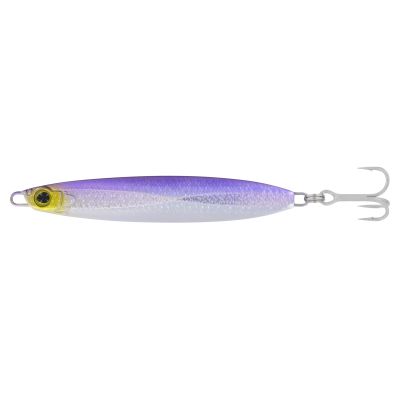
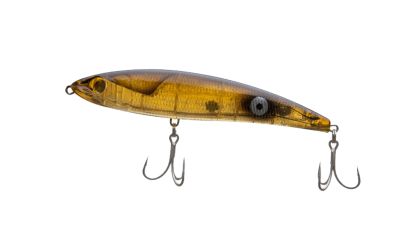
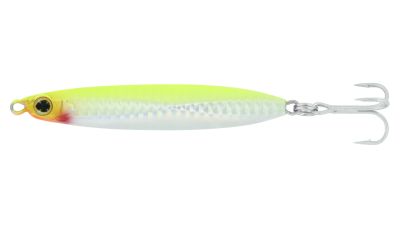
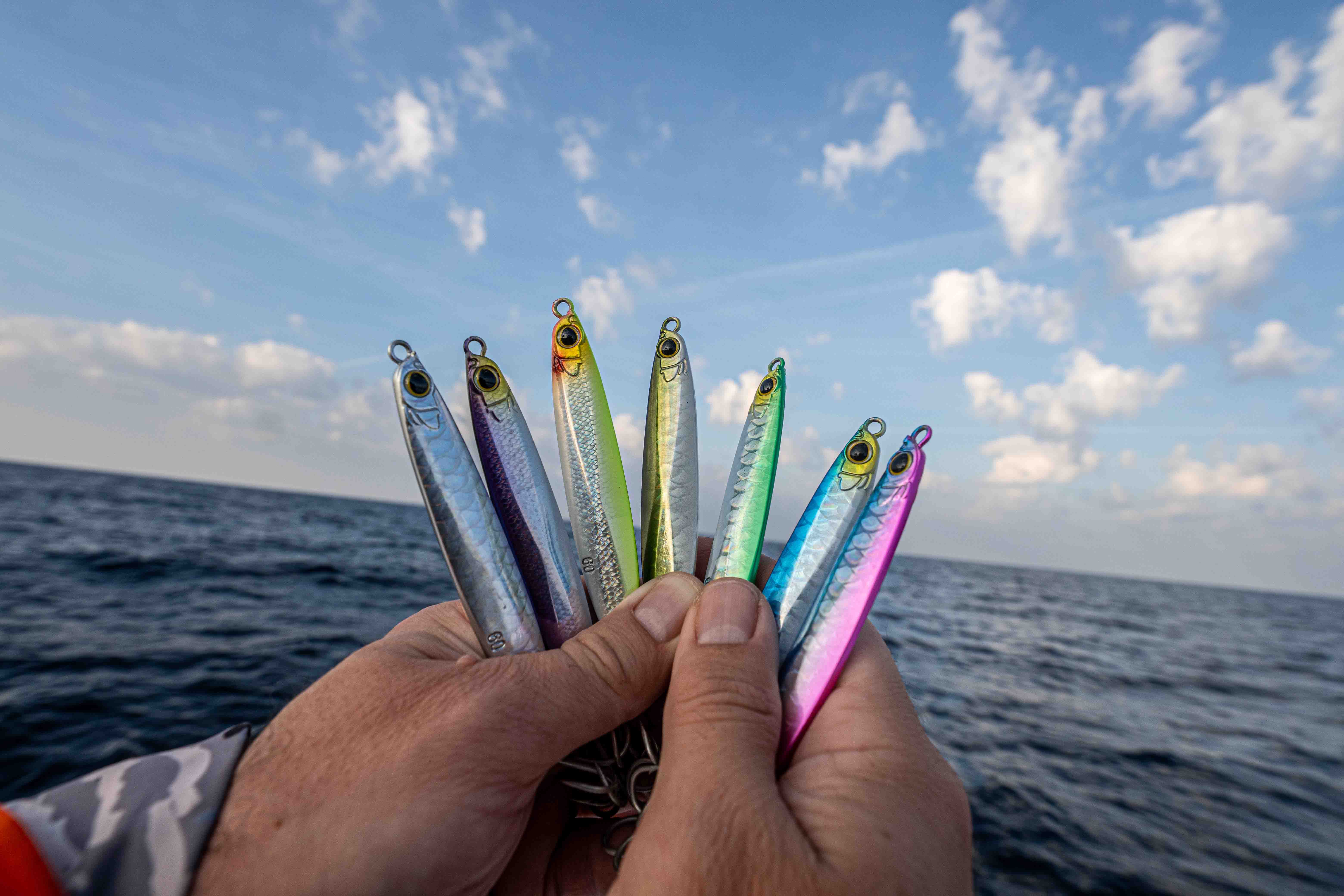
When the blues arrive, metal jigs like the Shimano Current Sniper Jig can be very effective. It may also be possible to target bass and blues on topwater if they are chasing bait on the surface. Walk-the-dog style topwaters like the Splash Walk and Jumpin' Minnow are great choices.
Early-Season Fishing Setups
One of the most effective setups for early-season fishing is a 3/8 to 1-ounce jig head paired with a 6-inch soft plastic jerkbait. This combination allows you to cover a range of depths and current speeds while maintaining a natural presentation.
When fishing channel edges or areas with moving water, one of the most productive methods is the swing bite. This involves casting across the current, allowing the bait to swing naturally with the outgoing tide, and adding subtle snap-jigging motions as it moves through the water column. This presentation keeps the bait in the strike zone while letting the current do most of the work, which is especially important when fish are not aggressively chasing.
On warmer days along the south shore, particularly over mudflats, fish may push into very shallow water. In these situations, unweighted 7 to 10-inch soft plastic jerkbaits become extremely effective. With sharp twitches of the rod tip, allow the bait to dart and glide naturally with a slow sink rate and minimal input. These baits closely mimic injured baitfish and work well when fish are cruising and feeding opportunistically.
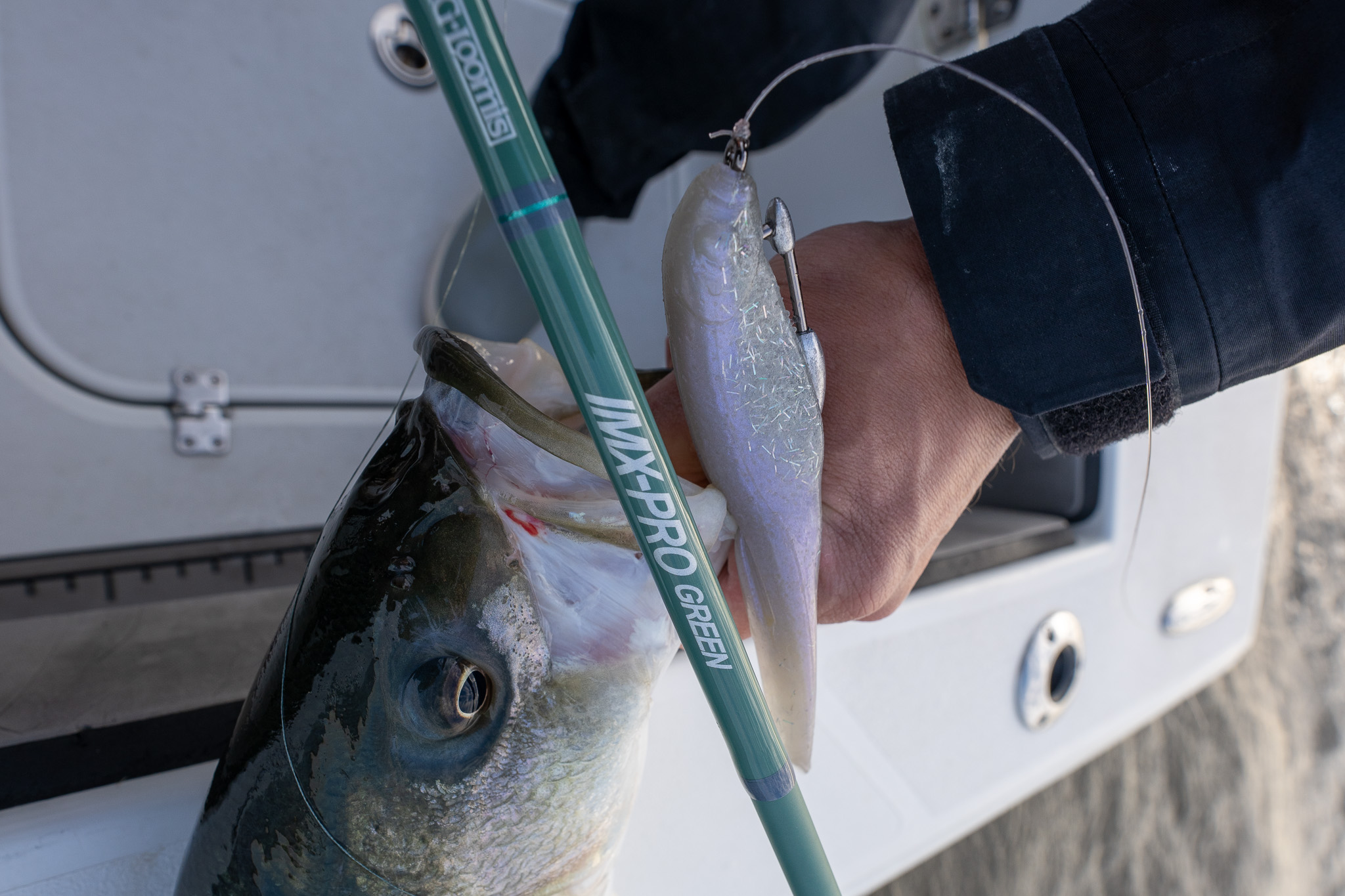
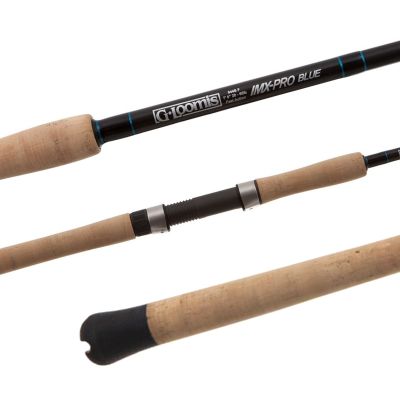
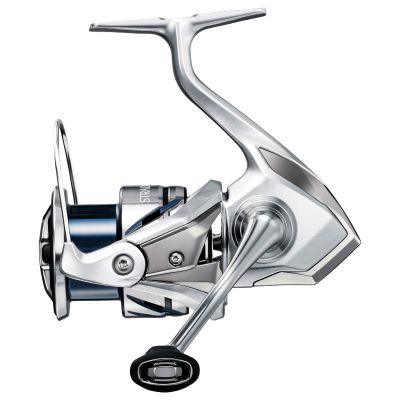
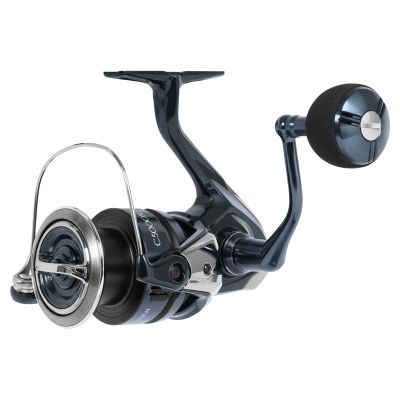
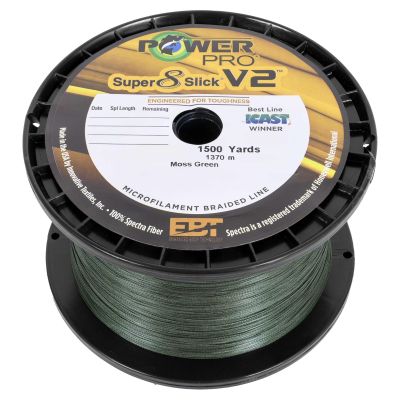
Shore-bound anglers can fish these soft plastics on a light spinning rod rated for 3/8 to 1 ounce. My go-to setup is the G. Loomis IMX Pro Green 844S paired with a 4000-size spinning reel, such as a Shimano TwinPower XD or Stradic, spooled with 15-pound PowerPro Super8Slick V2. The light line is key to minimizing line drag in the water and increasing casting distance.
Late Spring Shifts
As we move into late spring, the fishery begins to shift. Larger migratory striped bass arrive to join the smaller fish already on the flats, bait becomes more abundant, and fish start setting up on reefs and deeper structure.
During this time, you can continue using the same 6-inch soft plastic but increase your jig head weight to 3/4 to 1 ounce, depending on depth and current. If large bait is present, vertical jigging with a Nichols Striper Magnum Spoon can be very effective.
Focus on reefs, rock piles, and deeper edges, and be prepared to fish more actively while still adjusting to conditions.
During this same period, there is also the opportunity to encounter spring-run weakfish. These fish are known for feeding aggressively on soft plastics and will readily hit 6-inch jerkbaits fished on light jig heads with subtle presentations. They can be a great bonus while targeting striped bass.
Early-season striper fishing rewards anglers who pay attention to detail and fish with purpose. Focus on finding slightly warmer water, especially around mudflats and river systems, and use moon phases to time the arrival of new fish. Keep your color selection simple and natural, take advantage of current with techniques like the swing bite, and adjust your speed and presentation based on water temperature. Soft plastics provide the versatility needed to adapt to changing conditions, and when used correctly, they can be one of the most effective tools in your arsenal.