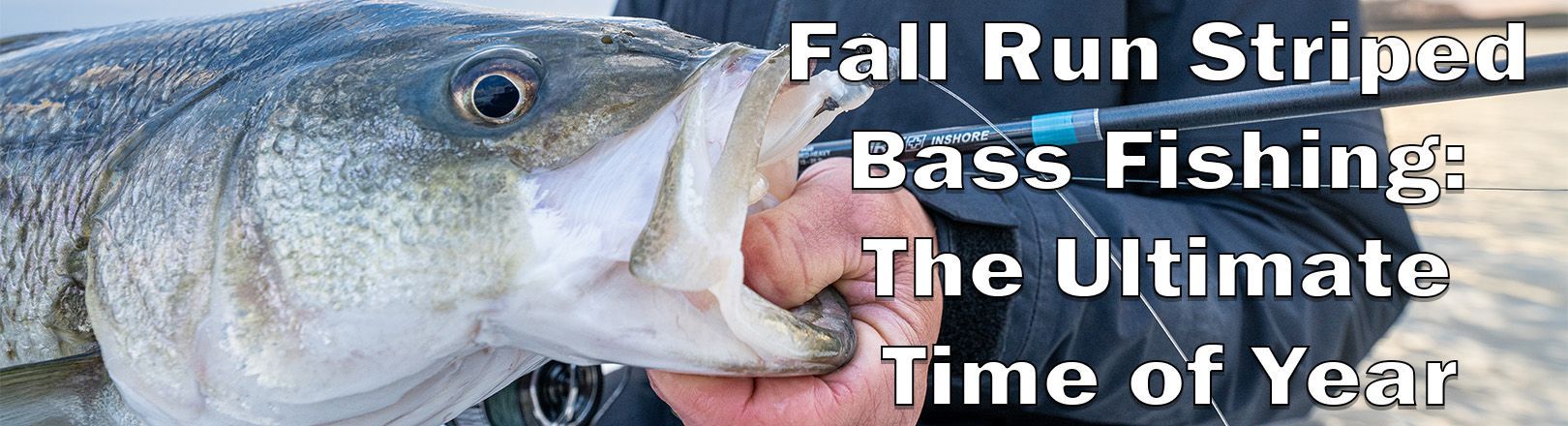
The fall run is one of the most exciting times of year to target striped bass, as cooling water and abundant bait bring aggressive fish into coastal waters throughout the Northeast. Captain Mike Roy shares his approach to finding stripers by following bait, birds, current, and structure while adapting presentations throughout the water column. From topwater plugs and soft plastics to vertical jigs and live bunker, learn how to make the most of the fall migration and target everything from feeding schools to trophy striped bass.
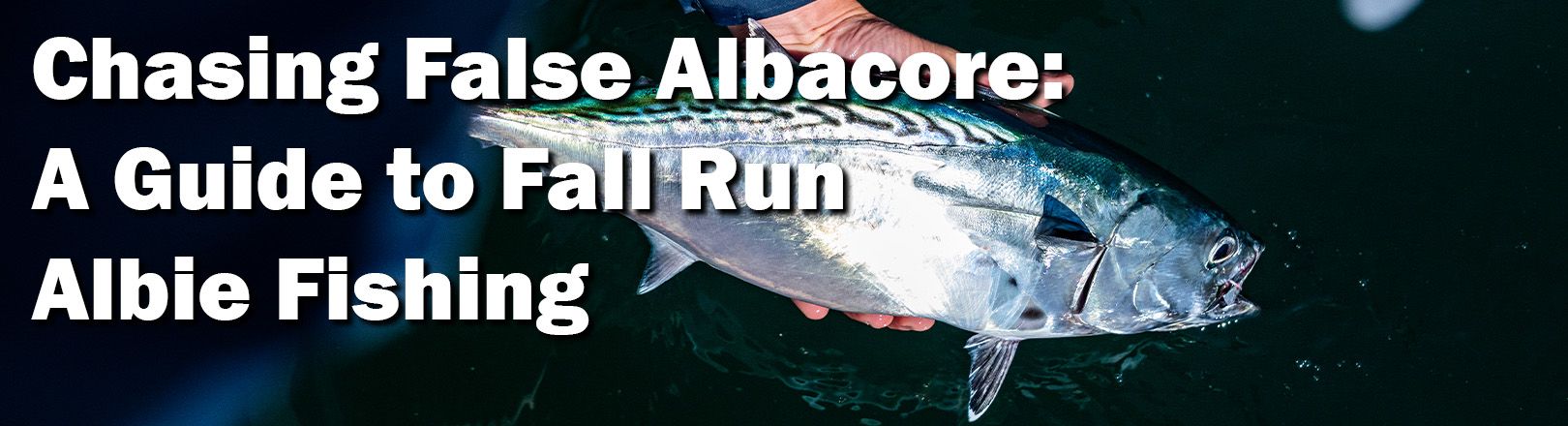
September and October in New England mean hardtail season. False albacore are one of the most prized inshore game fish we have in the Northeast, invading our coastal waters every fall and giving inshore anglers the opportunity to target a true torpedo of a fish. When albies are feeding, it is some of the most exciting fishing you can experience. You will often see them skimming across the surface and slashing through schools of bay anchovies, peanut bunker, and a variety of other small baitfish that are desperately trying to escape. Watching an albie blitz develop in front of you is adrenaline-pumping fishing.
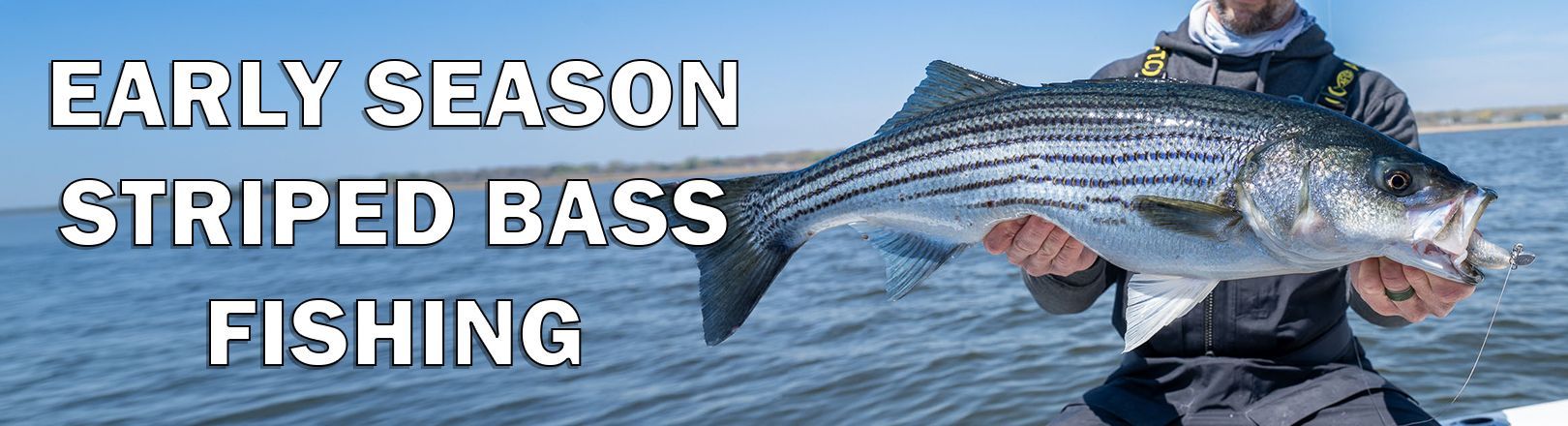
Early-season striped bass fishing in the Northeast is all about finding slightly warmer water and matching the natural forage. As water temperatures approach 50 degrees, striped bass become more active around mudflats, river mouths, and channel edges, creating some of the best opportunities of the season. Soft plastic jerkbaits, natural color patterns, and presentations that work with the current can be extremely effective during this time of year. Paying attention to moon phases, tides, and bait movement can make all the difference when targeting spring stripers.