

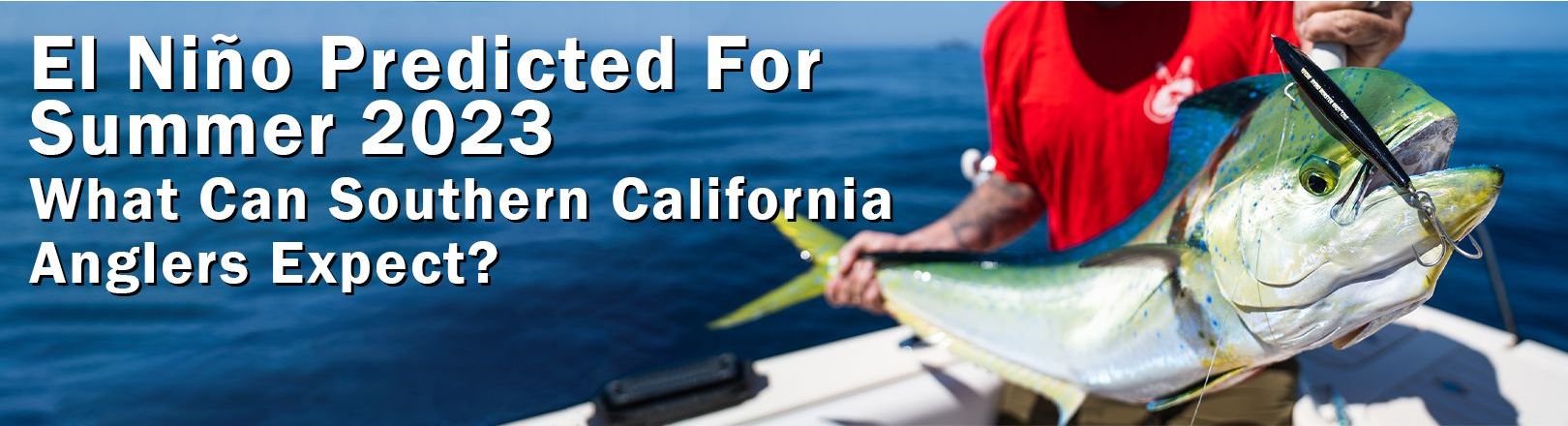
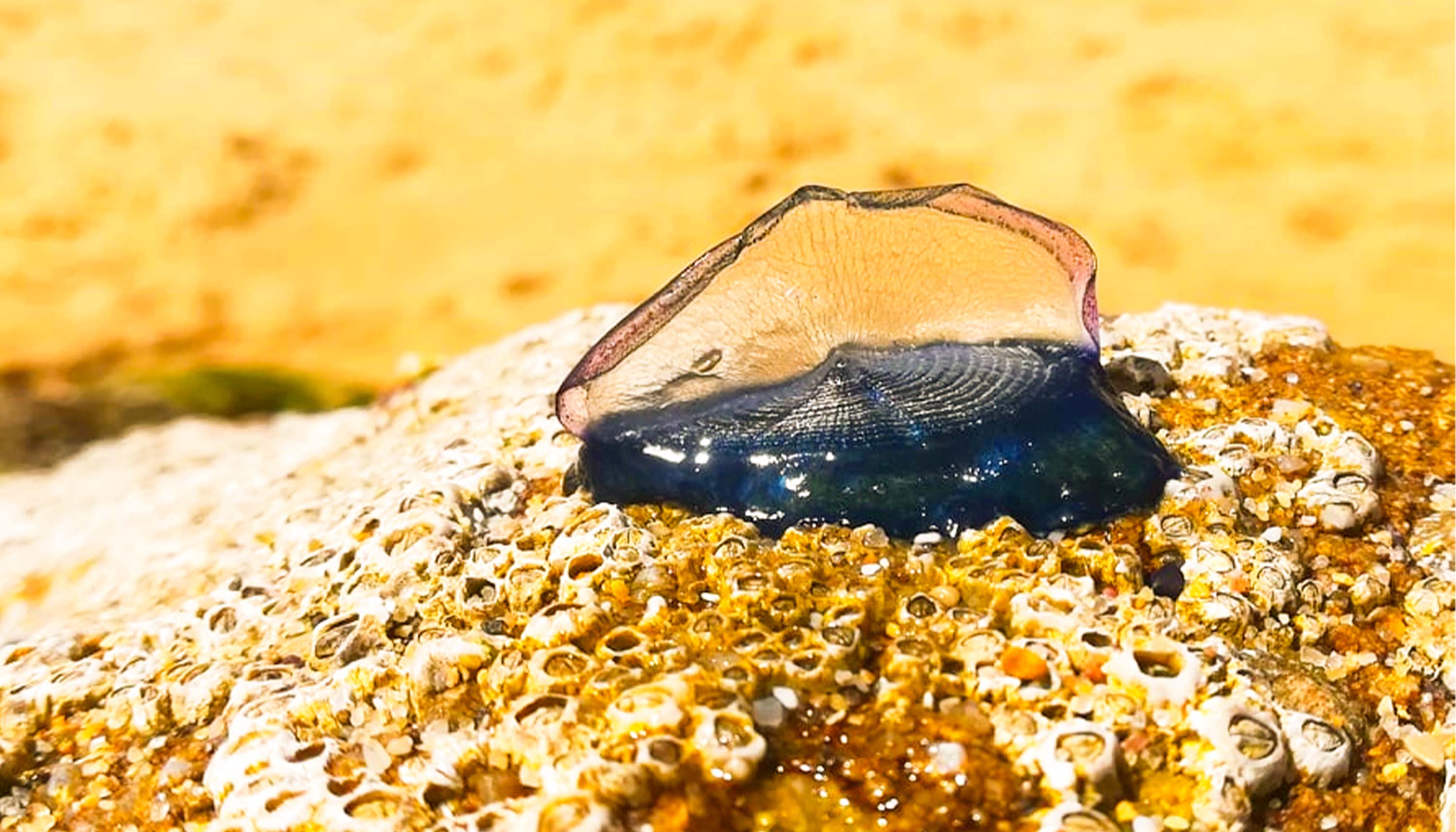
As anglers in Southern California, Winter and Spring 2023 have been grueling. We’ve had record amounts of rain, colder than normal temperatures, and windy, unnavigable conditions, keeping many personal, charter, and sport boat operations tied to the dock. Still, as the old saying goes, “Alas, there is light at the end of the tunnel” and Spring is finally settling in. We are already seeing signs of a change in the weather and the environment, and some of those changes might hint at an interesting future. For example, on beaches throughout Southern California, the shoreline is littered with ping-pong ball-sized jellyfish called Velella Velella. These jellyfish are pelagic species normally seen hundreds of miles out at sea. A change in oceanic currents and winds has pushed these critters to wash up on our shorelines. The last time we saw this resulted in an El Niño fishing season, which could equate to exciting news for Southern California anglers.
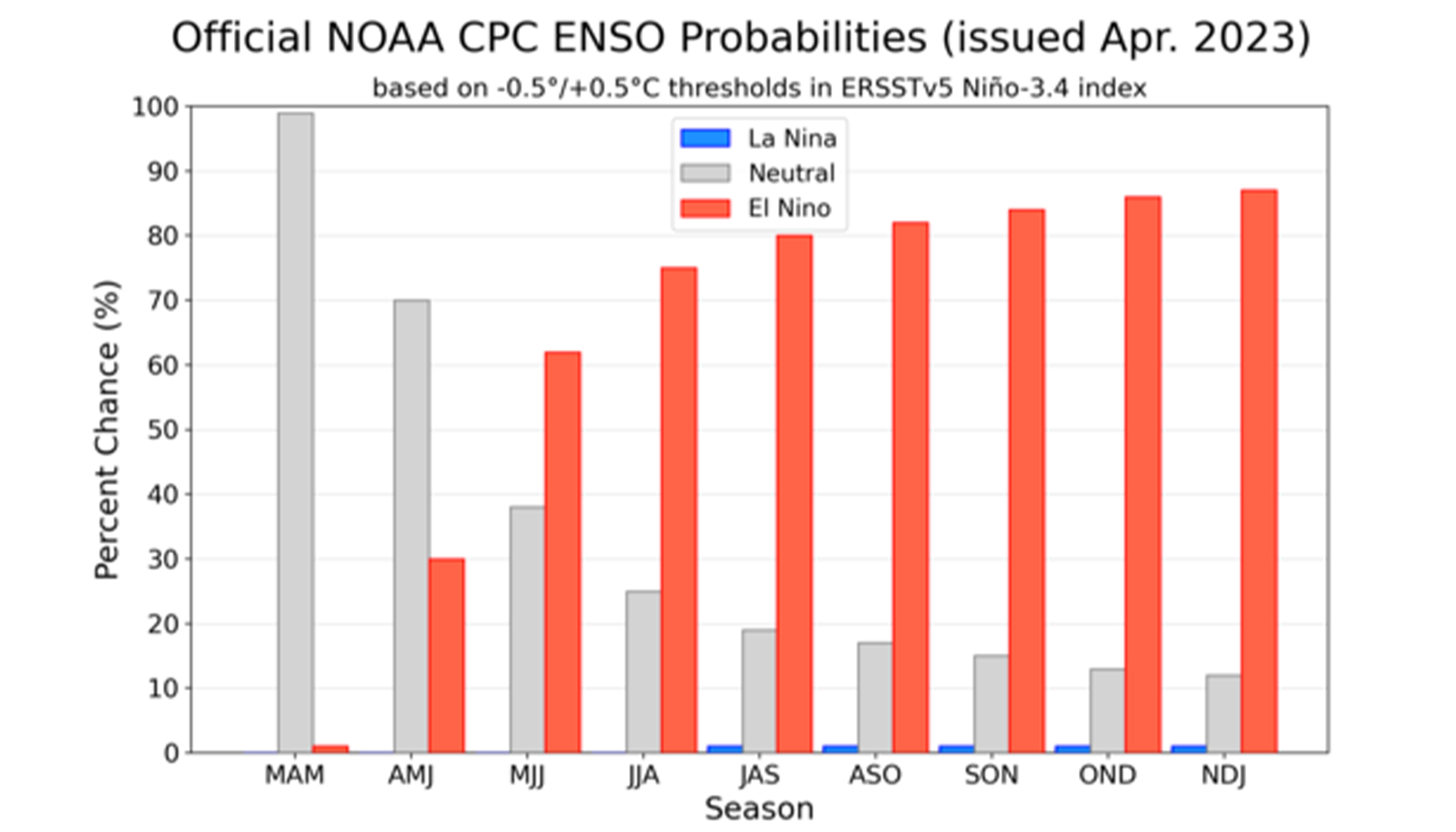
I know what many of you are thinking as you read this article, “How can we be talking about El Niño when waters are still showing cool winter-like temperatures?”. As it’s explained by Mark Sponsler from Storm Surf Weather and Marine Forecasting, weather patterns do not transition like flipping a switch. It will take our atmosphere some time to acclimate to new currents and affect new weather patterns. As of the end of May in 2023, we are in a neutral state in the Northern Hemisphere, and much of the cool water on the Central to Southern California coast is very localized due to our local wind activity resulting in upwelling, which is why our coastal waters have been colder than usual. Looking at the entirety of the ocean, we see absolute signs of an El Niño for 2023. Around the equator, warm water transition eastward from Papua New Guinea toward Central America. Given all the information, it’s predicted that the end of July will be when we see the climactic engagement of El Niño in the Northern Hemisphere.
If one were to look through historical records for the Southern California Bight, one would see a reoccurring anomaly that occurs every 2-7 years (estimated), resulting in better-than-normal fishing with a great diversity in catches in those stand-out years. These years of abundance are usually due to El Niño, a climatic cycle causing warmer than normal Sea Surface Temperatures for the Southern California Bight and the Baja coast, resulting in better than average fishing and visitation from warm water species to this area.
For well-versed West Coast anglers, the mere mention of an El Niño summer has them restlessly preparing for every situation and species. Past years often caught anglers off guard and under-gunned for what they encountered in these local waters. For those anglers just getting into fishing or never having experienced an El Niño, you’re in for a special treat.
A special treat indeed, in recent weeks, several climate and oceanographic organizations are predicting that there will be an El Niño event beginning between May and July and an 80%+ chance by the end of summer 2023 for a large level El Niño. The basics of why this event equates to great fishing are based on the reduction of upwelling in equatorial areas, which reduces nutritional forage for baitfish near southern water with proximity to the equator. With a nutritional deficiency in these affected areas, baitfish travel north along Central America and the Baja coast in search of cooler, more robust feeding grounds off the California coast. Along with them is a long line of predators looking to fill their stomachs on this baitfish migration. The result is a congregation in areas north of where they normally would be. This description is simplified and specific to what happens in Southern California. For us, in this region, El Niño is a welcomed phenomenon, but in other regions around the world, it can have catastrophic results and causes horrendous fishing.
A Scientific Explanation from NOAA:
El Niño occurs on average every two to seven years, and episodes typically last nine to 12 months. El Niño has its largest impact during the winter. In the winter, El Niño typically brings milder weather to the northern parts of the United States and wetter conditions across the southern United States. The opposite of El Niño is La Niña, the cold phase, which also changes weather worldwide. There is also a neutral stage with neither unusually warm nor cool water in the equatorial Pacific. All three stages together are referred to as ENSO or the El Niño Southern Oscillation. The phenomenon in the equatorial Pacific Ocean is characterized by a positive sea surface temperature departure from normal (for the 1971-2000 base period) in the Niño 3.4 region greater than or equal in magnitude to 0.5 degrees C (0.9 degrees Fahrenheit), averaged over three consecutive months.
While the explanation makes sense, having historical context gives us a better idea of what is expected. The biggest El Niño event in Southern California from a weather event occurred in 1998-1999. The California coast was battered with rain and giant swells all winter, and while the fishing was good during that summer, a more recent El Niño may offer better insight. The following El Niño event occurred in 2015, and while the weather effects from this event weren’t as severe as that of the 1998 event, the 2015 cycle did deliver what many have called the best fishing this coast has ever seen. The fishing was so good that the phrase “these are the good ole days” was coined when describing the fishing. While El Niño is not predictable, the one constant is that we will have a variety of visitors in the form of gamefish from the south.
As with anything, assumptions and predictions due little and can be misleading, and we won’t know what this season will bring until we’ve been presented with the opportunity. We want to maximize our time on the water and be prepared for what we encounter, which may be a season of great fishing for one of the many species or an assortment. For example, in the El Niño of 1998, it’s possible that there were several species in the Southern California Bight. Still, the focus was largely on Yellowfin Tuna, as they showed up in great numbers and provided fast and furious fishing for experienced and novice anglers alike. The El Niño of 2015 was the year that changed everything in the Southern California Bight. The pre-cursor to this amazing season was largely due to the stable conditions from southern Baja up the coast. It’s not uncommon to have warm water in El Niño years, but as you look on a temperature gradient map of the coast, the warm water is often broken up by spots of cooler water, trapping tropical fish in the warm spots. The 2015 event stretched warm water from Cabo up the Baja coast to the Southern California Bight. In a sense, it was an oceanic highway. This allowed all sorts of species to migrate north in search of forage comfortably. So, what you’ll encounter and need is a broad question, but let’s shed some light on that.
Marlin
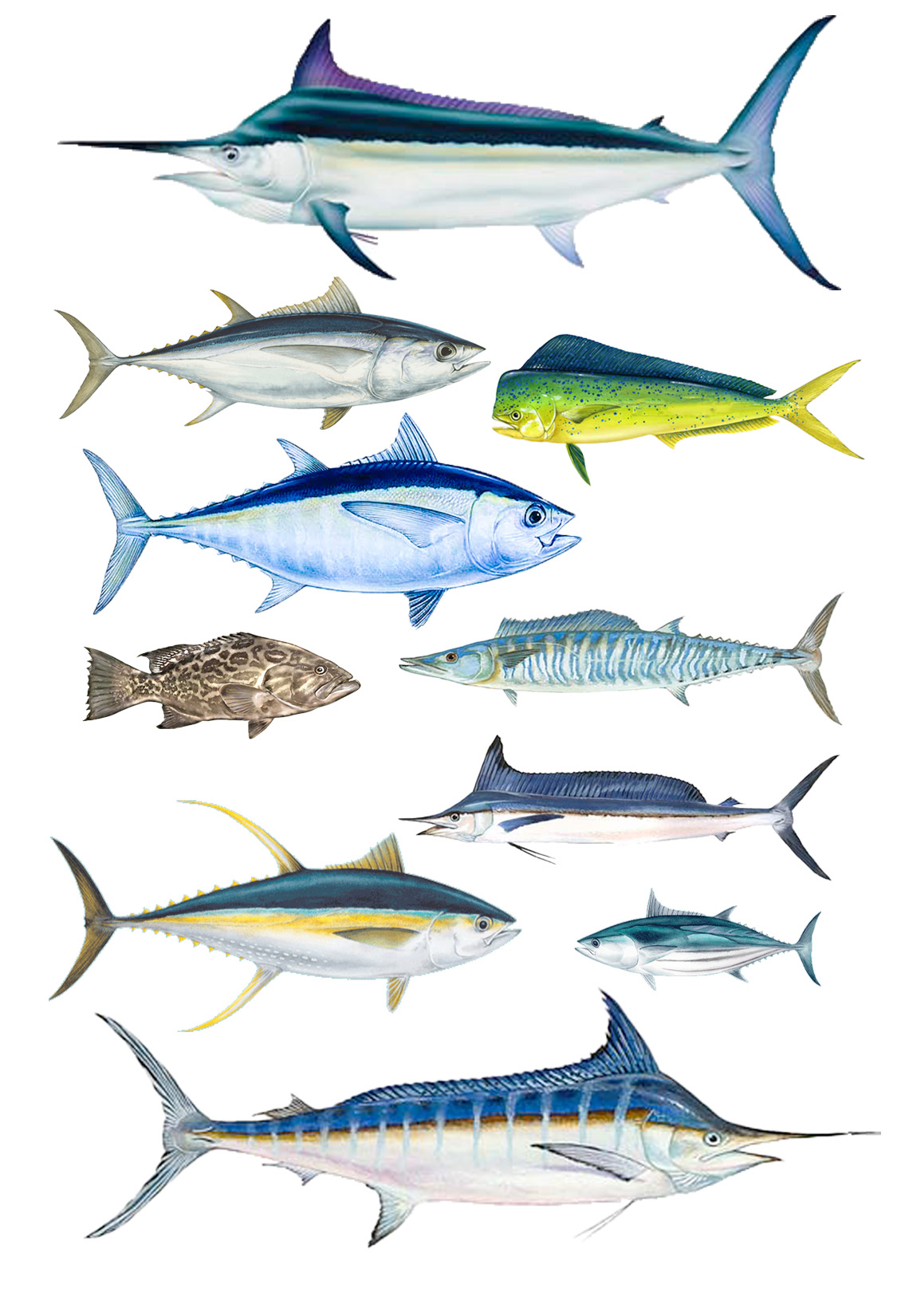
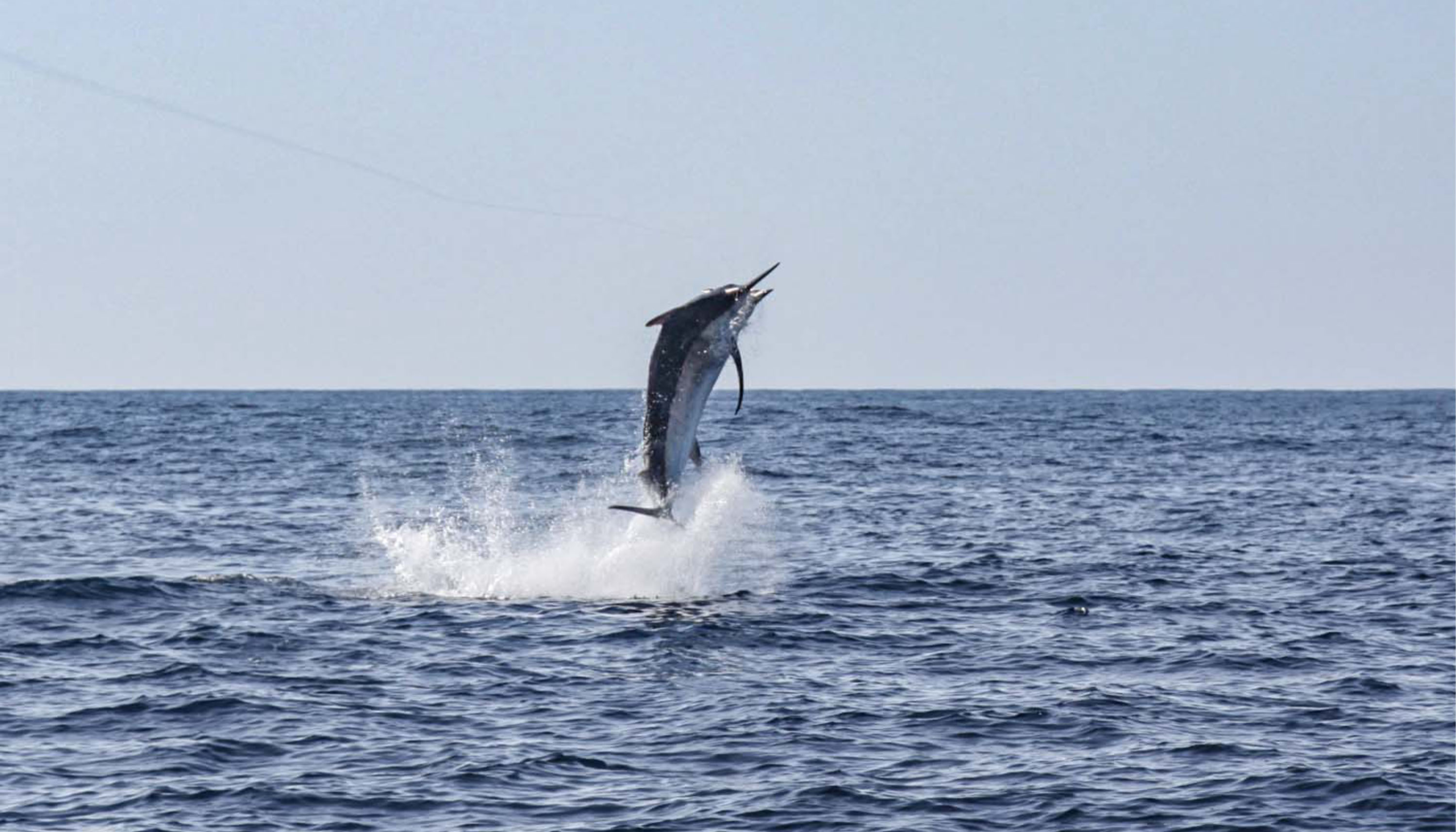
It’s common to see Marlin in Southern California local waters, especially in the late summer months, though predominantly limited to Striped Marlin. Historically, when we have El Niño conditions, Marlin becomes a big part of the angling conversation with the influx of warm water and exotic bait. The 2015 event was a roll of the dice; black marlin, blue marlin, striped marlin, and spearfish were all caught in our local waters. If you were targeting marlin, you better be prepared for anything. Numerous Blue Marlin were taken in 2015 on several banks in the Bight. You were just as likely to hook an 40 lb. Spearfish, as you would be to hook a 450 lb. Blue Marlin.
The anticipation for this upcoming El Niño has us already thinking about the amazing setup we may have. This last summer of 2022 saw the largest presence of Dorado in our local waters. If we have a repeat of last year’s Dorado influx and additional southern visitors like Skipjack, we’ll be ringing the dinner bell for marlin across the Eastern Pacific. While there may be an odd opportunity to present live bait to the marlin, you’ll most likely search favorable waters by trolling.
It’s better to be over-gunned for this fishery. Invest in trolling gear to meet the challenge if you encounter a behemoth. A size 30 two-speed lever drag reel with braid backing and monofilament top shot is recommended. It should be matched up to a specifically equally rated trolling rod.
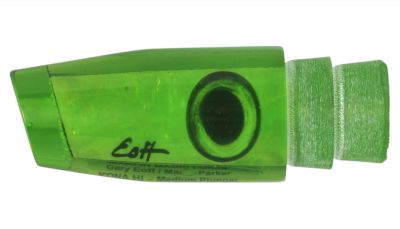
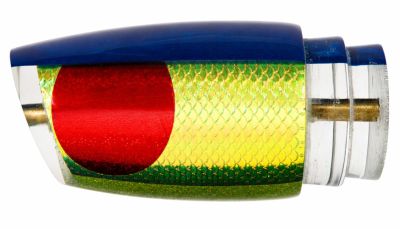
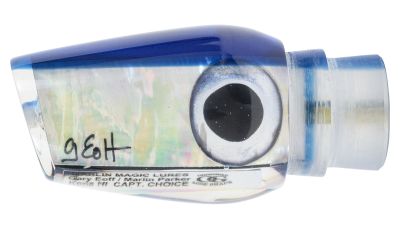
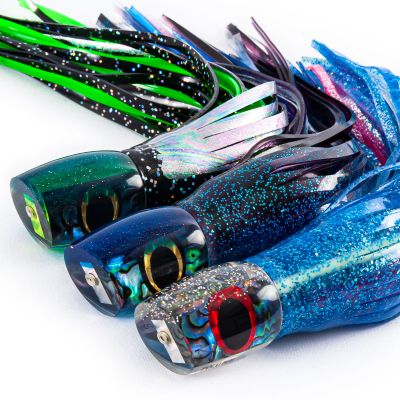
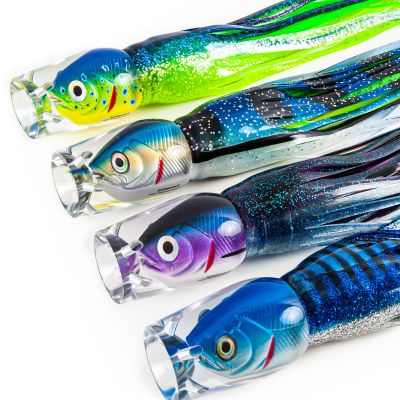
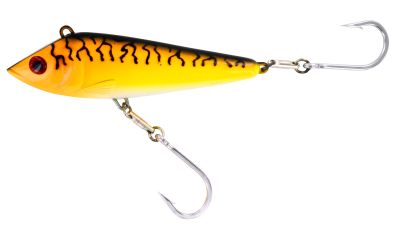
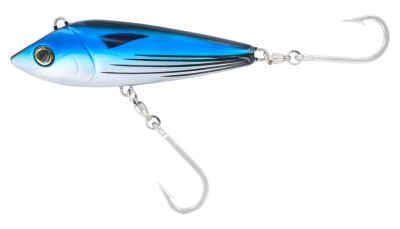
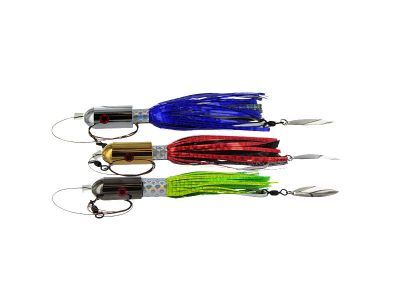
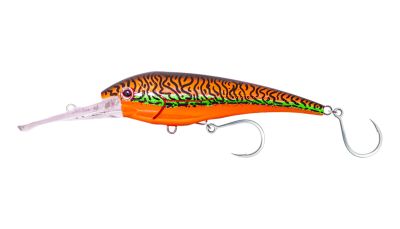
Some of our favorite marlin trolling lures over time are below. A lot goes into Marlin fishing, but some basics apply.
- Use appropriate size presentation for the fish you’re looking for, Big Marlin wants a big bait.
- Match the hatch, if we get large numbers of Dorado = green, Skipjack = black and grey, and Mackeral = blue striped.
Wahoo
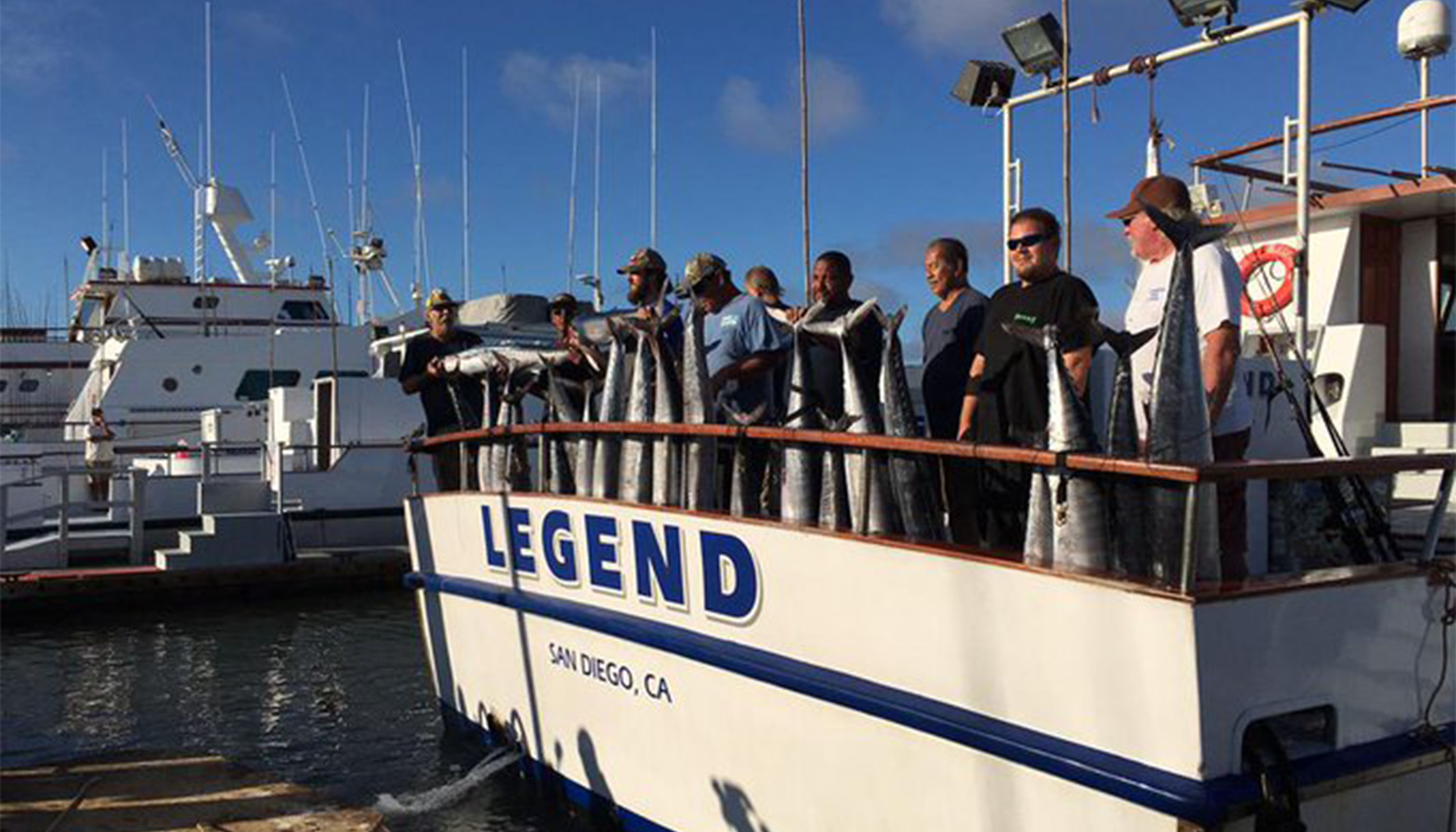
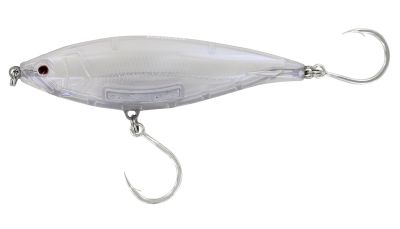
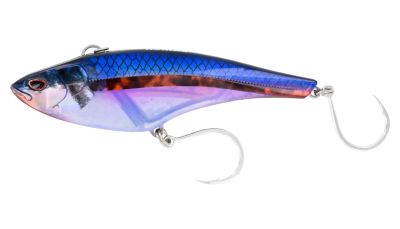
Most anglers in Southern California have only seen a Wahoo if they were fortunate enough to go on a long-range boat hundreds of miles down the Baja coastline. They do show up here in Southern California, but catches are rare. In the summer of 2015, Wahoo corroded the inner banks of the bight, not just Wahoo but size large Wahoo, exceeding 60 lbs. If there’s one fish we want to bag in our local waters, it’s a Wahoo. If we get Wahoo in our waters, there are a few options for targeting them. Trolling is always an option when locating Wahoo in open water. High-speed Skirted Trolling Lures make up the majority and have proven the largest level of success.
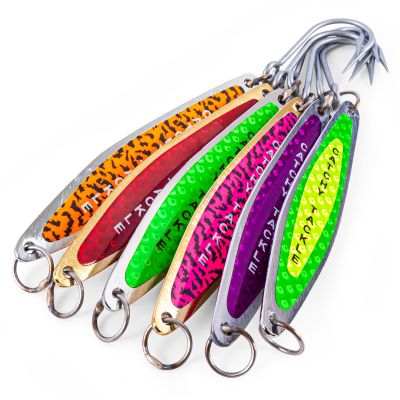
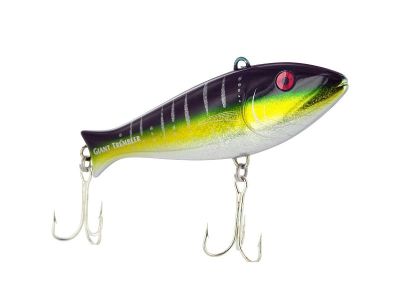
Casting and Live bait for Wahoo, much like Yellowtail and Dorado, Wahoo aggregated around floating kelp paddies in search of bait, fish, or smaller Dorado, tuna, and Yellowtail. Anglers would often start off fishing for more common kelp patty species and would spot Wahoo swimming around. At that point, they would switch to a light wire leader and offer live bait like you would when targeting the other species, only with a short strand of single-strand wire to the hook to prevent being bitten. Sometimes more effective is casting high-speed Wahoo jigs. Once you’ve confirmed they’re in the area, simply casting, letting the lure sink for several seconds and then a high-speed retrieve does the trick.
-
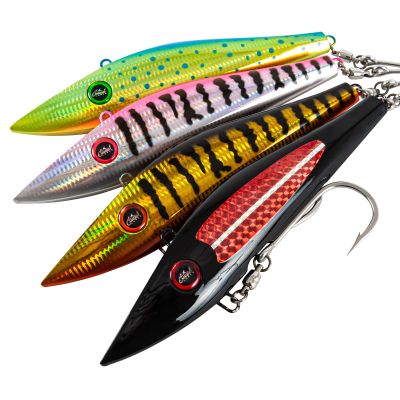 Magbay Magtrak LuresOut of stock
 -
-
-
-
-
-
-
Tuna
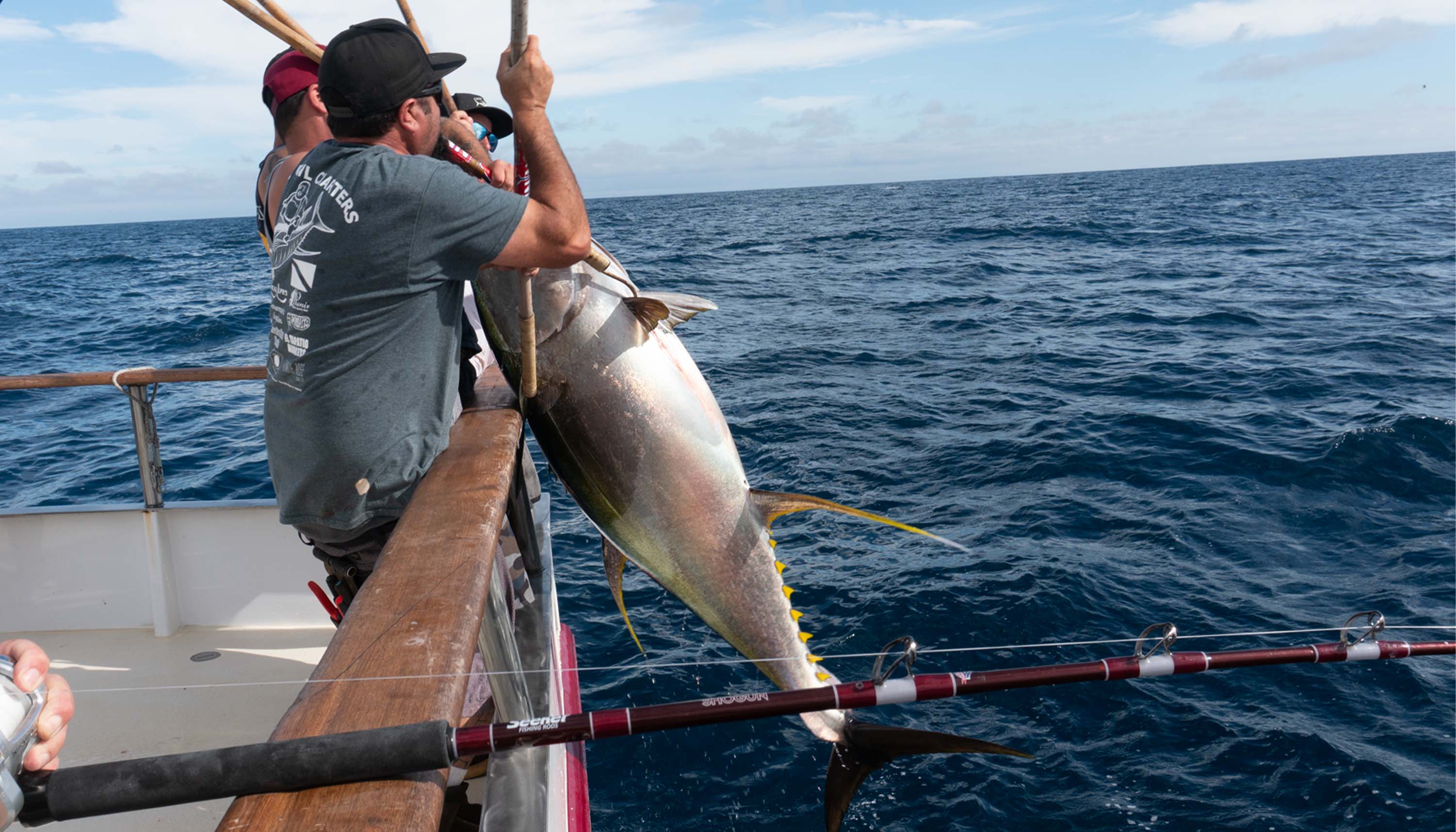
Nothing makes anglers go crazy in Southern California like tuna. There is nothing odd about catching tuna in the Southern California Bight. Historical records show a variety of tunas making an appearance in most years. What is unique during El Niño years has been the influx of larger tunas and more tropical tunas along with species anomalies in behavior. In most years, we can expect to see a small glimpse of yellowfin tuna in the last months of summer. While they’re welcome, you can’t set your clock on them making an appearance. In 2015, they showed up in force. Not only did they show up in great numbers, but some monster fish were mixed in with school-size yellowfin. Yellowfin over 100 lbs. were landed, and even some reports of fish in the 150 lb. range were taken. My first-hand account was in the Coronado Canyon, seeing a local skiff land an Allison Yellowfin three miles outside North Island. In addition to Yellowfin tuna, Bluefin, Big Eye, and Skipjack are commonly seen and caught during El Niño years.
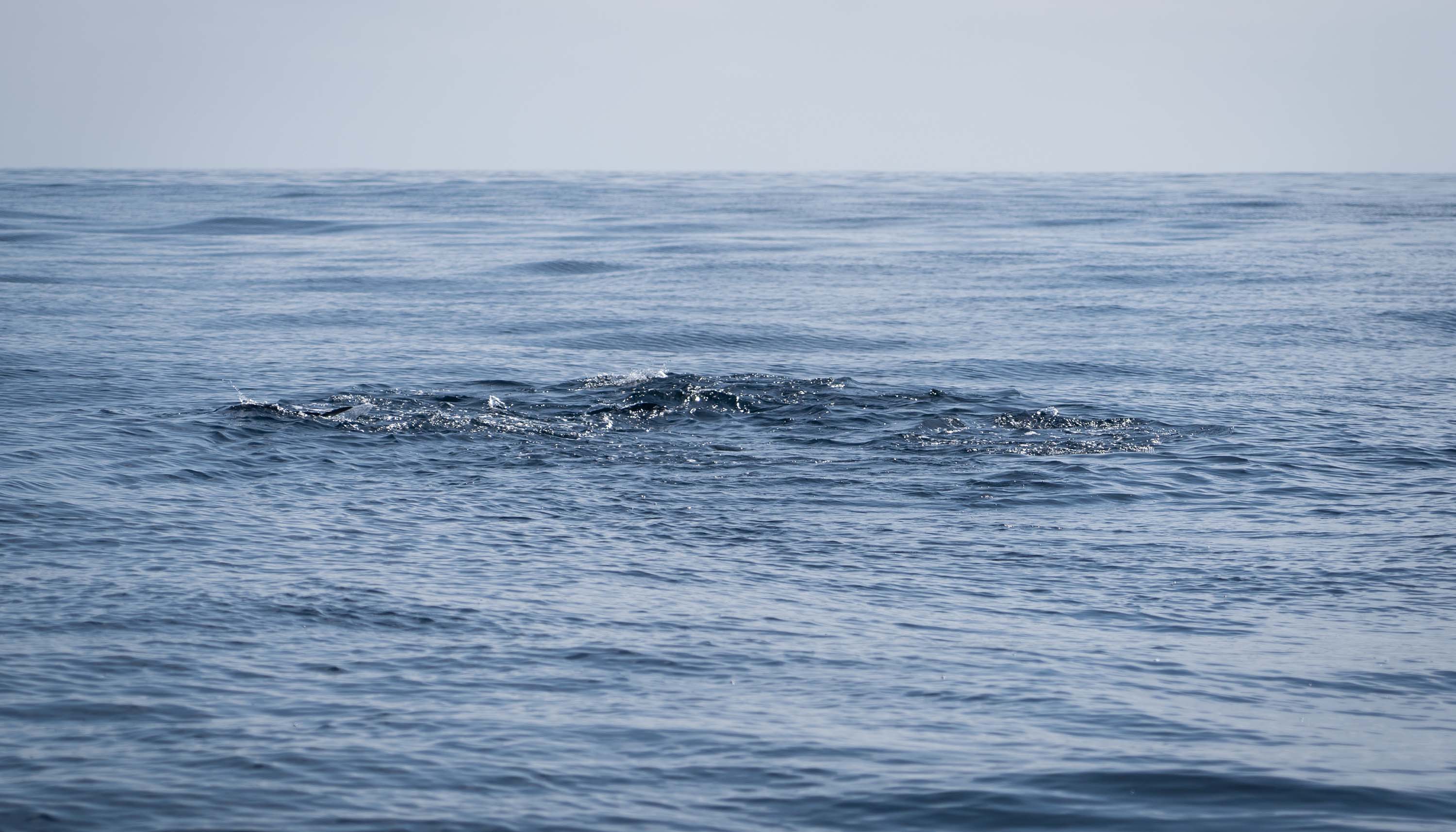
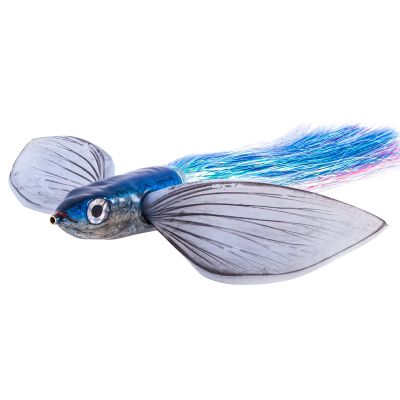
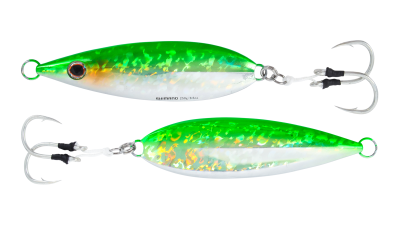
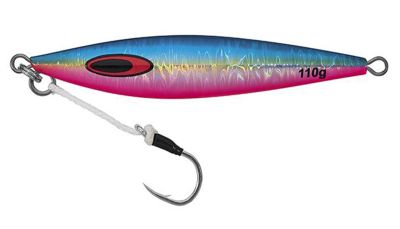
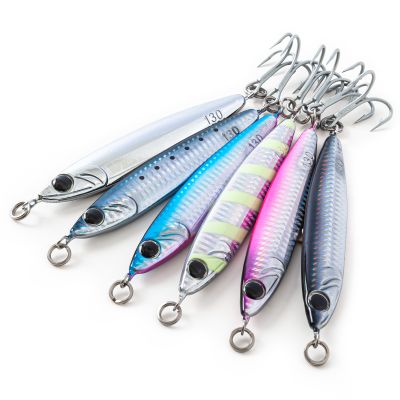
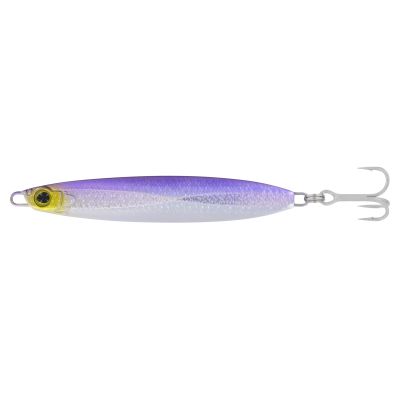
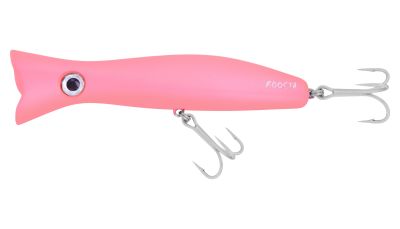
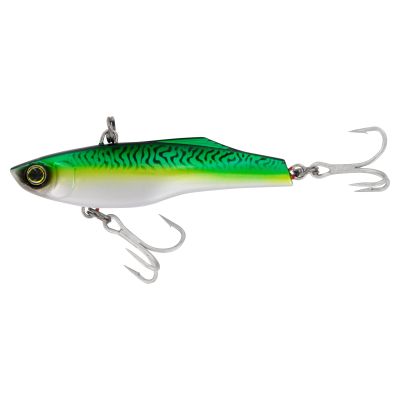
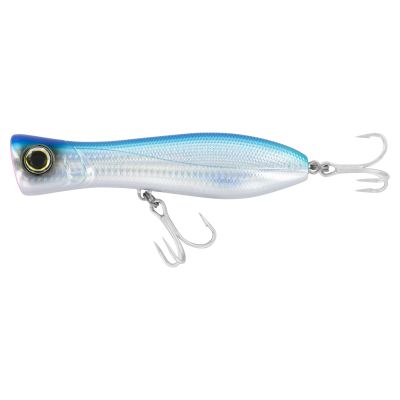
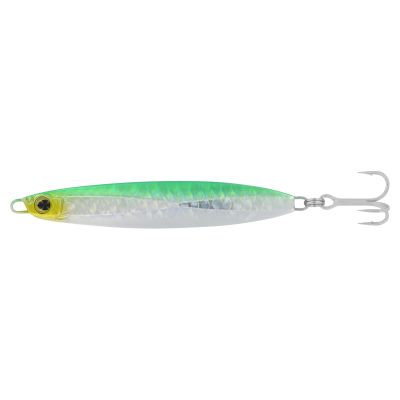
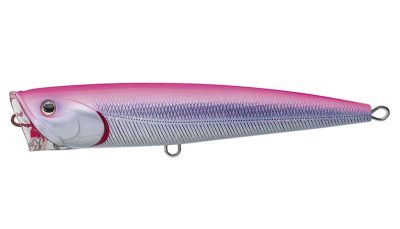
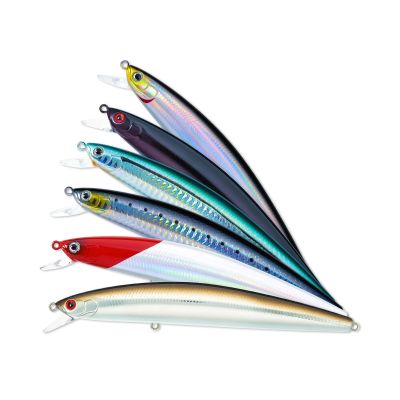
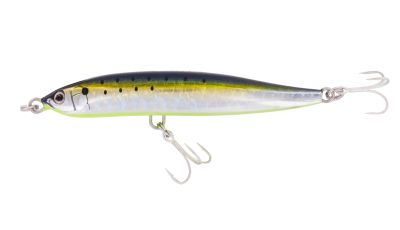
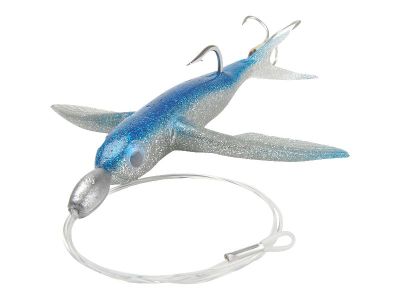
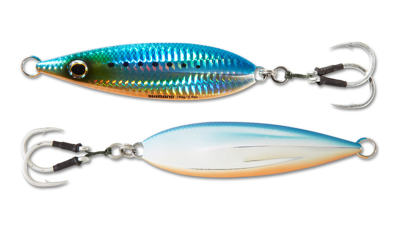
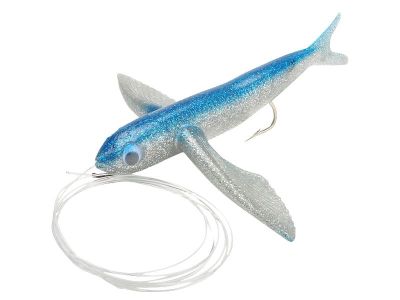
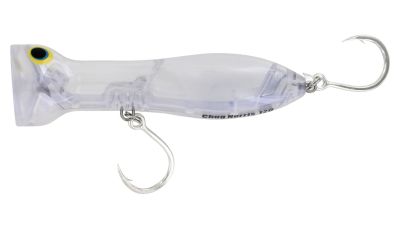
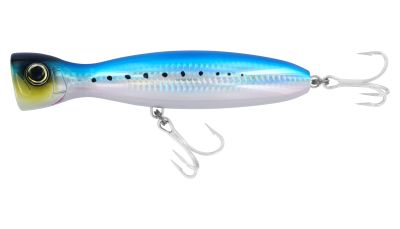
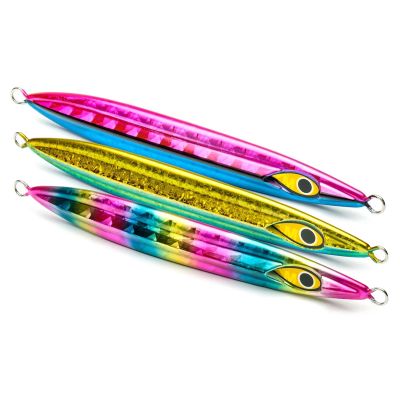
The last El Niño cycle introduced larger Bluefin Tuna exceeding 100 lbs. in the bight of which this cycle has continued into our current fishing in 2023. Additionally, what was unique, though, was the quantity of fish and the size of these fish. At times acres of Bluefin Tuna were observed with fish well over 200 lb. being common. There is no easy answer to what to use when targeting tuna, which is probably one of the reasons they are so adored as gamefish. Trolling, casting, kite fishing, jigging, and live bait all have their time and place when targeting tuna. The best we can do here is to give you some of the most successful tuna lures over the last several years.
-
 Shimano Butterfly Flat-Fall Jigs - Clearance
From: $18.19
Was: $25.99
-
-
- Rigged Yummee Flying FishOut of stock
-
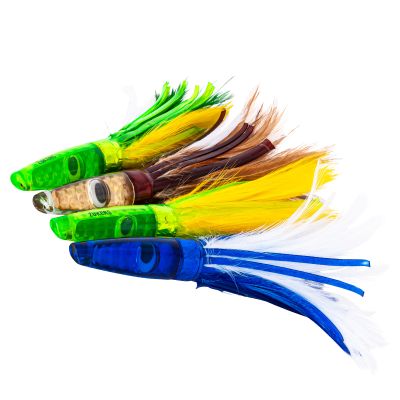 Zuker's Tuna FeathersOut of stock
 -
-
-
-

Dorado
As our summer water conditions warm up passed the 72-degree mark, it opens the door to Dorado in the Southern California Bight. With the expected influx of warm waters with this year’s El Niño, we guarantee Dorado will be one of the species we’ll target. As they get into our waters, though, there is nothing more frustrating than early-season Dorado, which tends to have lockjaw and not want to eat anything presented to them. However, their metabolism kicks in once the water warms up, and they become voracious feeders. Live bait is the number one technique for taking Dorado, and thankfully you would fish them similarly as you would when targeting kelp patty yellowtail with one small difference. While circle hooks work great with yellowtail as they’ll grab the bait and swim away, dorado tends to grab the bait and continue to swim forward, looking for more baits to eat. This behavior makes a circle hook particularly difficult to implement. As a result, using a live bait or small J-hook ensures a proper hook set. This is handy, especially as Dorado will jump several times to shake the hook.
While live bait is the premiere method in targeting Dorado, they also do not tend to discriminate against artificial lures. Dorado and tuna share similar favoritism for lure presentations as they share a similar niche. Most lures used to target tuna work equally on Dorado. Similaly, larger Dorado acts similarly with lures presented to Marlin.
Once they get going, it’s astonishing how ferocious this species can get. It’s not a question of if we’ll get Dorado. It’s more of a when will they show? Additionally, there seems to be some correlation in the size of the ones that appear. In past years we’ve had massive quantities of tiny ones, only to have larger models appear the next year. Either way, they are about our waters' most fun and delicious visitors.
The Unusual Suspects
When discussing the potential for El Niño and warm water transition into our local waters, it's exciting to think of the possibilities. The unknown often gets us charged for a day on the water. After spending decades fishing all over Baja and the Southern Banks, you begin to think of the possibilities of having these adventurous fishing locales lend their species to our backyard in the Southern California Bight. Your imagination and the ocean surface and ocean currents are the limits to the possibilities of catching a once-in-a-lifetime fish in your local waters. If we were to use our references of travel, there are a few scenarios that would make this El Niño the season of all seasons based on the below species.
Cow-Size Yellowfin Tuna
When we look at the large Yellowfin Tuna fishery in the general area of Cabo and Mazatlán, it’s not crazy to think that there may be an opportunity to find these fish in our local waters. With our ability and expertise in fishing for larger Bluefin Tuna, seeing these monsters in the Coronado Canyon would be a welcomed site for the ages.
Kings Of the Reef
We often pay the most attention to pelagic migratory species when discussing El Niño, but every time we have an El Niño, we do tend to hear of some rare catches associated with a structure. For example, in the El Niño of 2015, there was an Amberjack caught at the Coronado Islands. While this was a smaller specimen weighing 15 pounds, the possibility of catching an 80lb amberjack off our local islands is as exciting as it gets. Similarly, in Palos Verdes in 2015, a Dogtooth Snapper was also landed, which is amazing how far this fish is from its traditional habitat. In thinking about the future, El Niño doesn’t discount fishing structure, reefs, and bottom; you might be pleasantly surprised. Don’t hesitate to think outside the box and use different techniques, baits, and bait sizes.
Coastal Action
As an avid California angler, there has always been jealousy toward fisheries in Southern Baja and the Southwest of the United States. Our coastal inshore fisheries do not hold a torch to those inshore species and fun associated. One thing to consider is looking for potential new visitors along the beach. While I don’t believe it’s happened nor documented, catching Snook, Crevalle, and other inshore species would be a magnificent way to celebrate El Niño 2023.
Best of luck, tight lines.