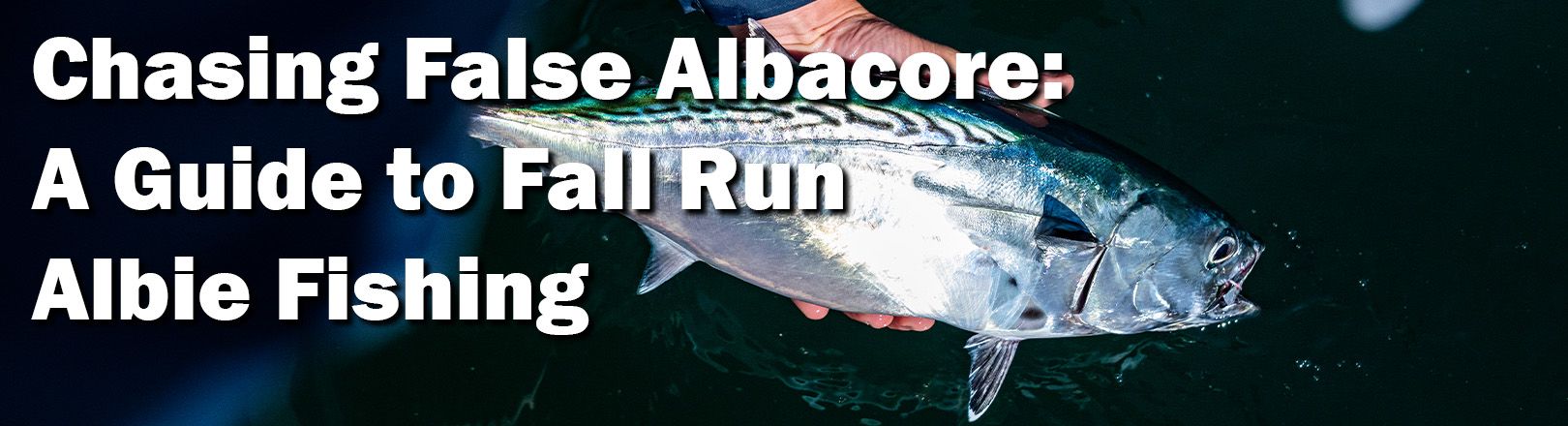
September and October in New England mean hardtail season. False albacore are one of the most prized inshore game fish we have in the Northeast, invading our coastal waters every fall and giving inshore anglers the opportunity to target a true torpedo of a fish. When albies are feeding, it is some of the most exciting fishing you can experience. You will often see them skimming across the surface and slashing through schools of bay anchovies, peanut bunker, and a variety of other small baitfish that are desperately trying to escape. Watching an albie blitz develop in front of you is adrenaline-pumping fishing.
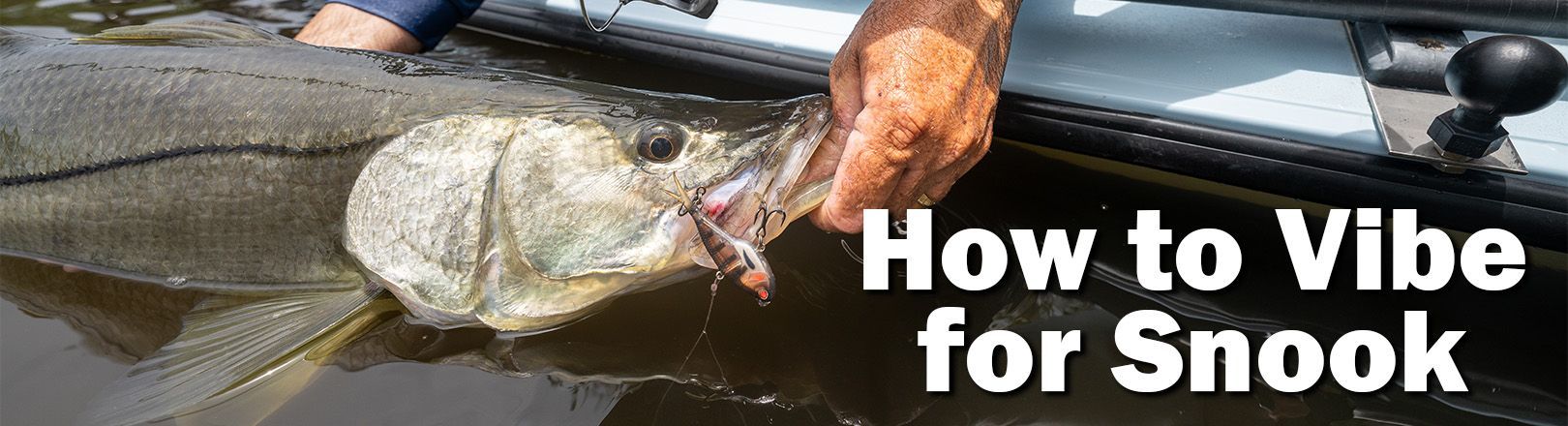
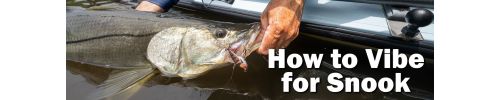
If there’s one technique I always have rigged and ready when I’m targeting common snook, or sergeant fish, it’s vibing. Nomad Vertrex Max Vibes are incredibly versatile. I fish them around bridges, docks, seawalls, mangroves, beaches, and inlets. They’re especially effective when snook are holding close to the bottom or feeding on smaller bait. Fishing a vibe effectively isn’t just about tying on the lure and ripping it back to the boat. The right rod, line, leader, and retrieve all make a huge difference. Here’s the setup and technique I use when I’m vibing for adult common snook, and the gear I trust from Melton International Tackle.
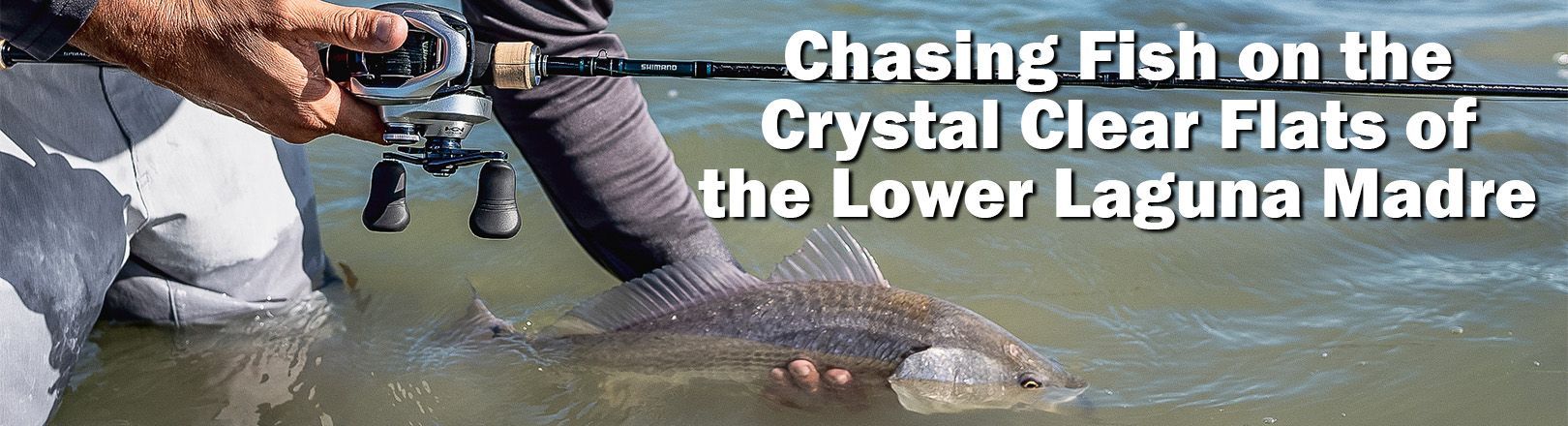
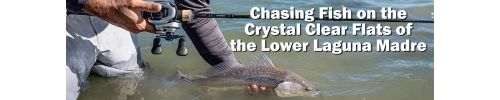
The crystal-clear flats of the Lower Laguna Madre offer some of the best inshore fishing opportunities in Texas, with trophy trout, redfish, flounder, and more cruising shallow water. While these fish can often be cooperative, challenging conditions demand the right approach and equipment. In this article, we break down the rod, line, and leader setup that helps maximize casting distance, improve stealth, and increase success on the flats. Whether you're guiding clients or fishing on your own, the right gear can make all the difference.
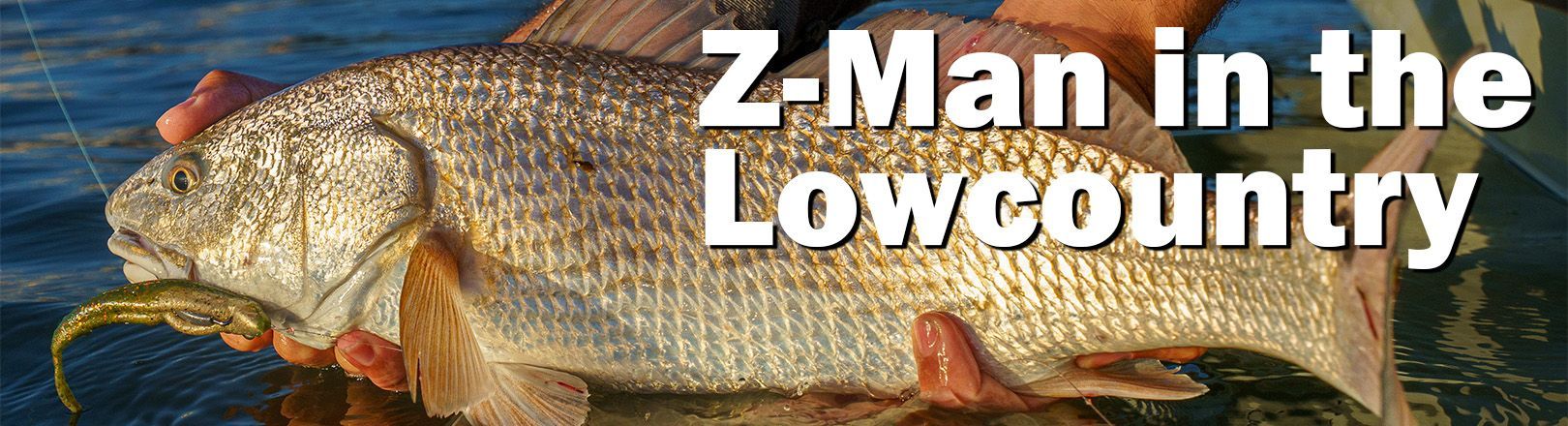
Fishing Z-Man soft plastics in the Lowcountry is all about keeping it simple and trusting what the marsh is telling you. Smaller profiles, natural movement, and the right amount of weight can make a big difference around grass flats, oyster bars, and muddy creeks. Paddle tails, jerkbaits, and shrimp-style baits cover most situations when matched to the forage and water clarity. With the right size and color, these baits can produce steady action for redfish, trout, and flounder from season to season.
Groupers are powerful ambush predators that live tight to structure and challenge anglers from the first seconds of the fight. Different species favor distinct habitats, from shallow ledges and reefs to deep offshore escarpments. Their behavior shifts with seasons, especially around temperature changes and spawning windows. Shoulder seasons often bring the best action, including exceptional topwater opportunities for species like Baja’s cabrilla. For many anglers, the mix of power, challenge, and technique makes grouper fishing an addictive pursuit.
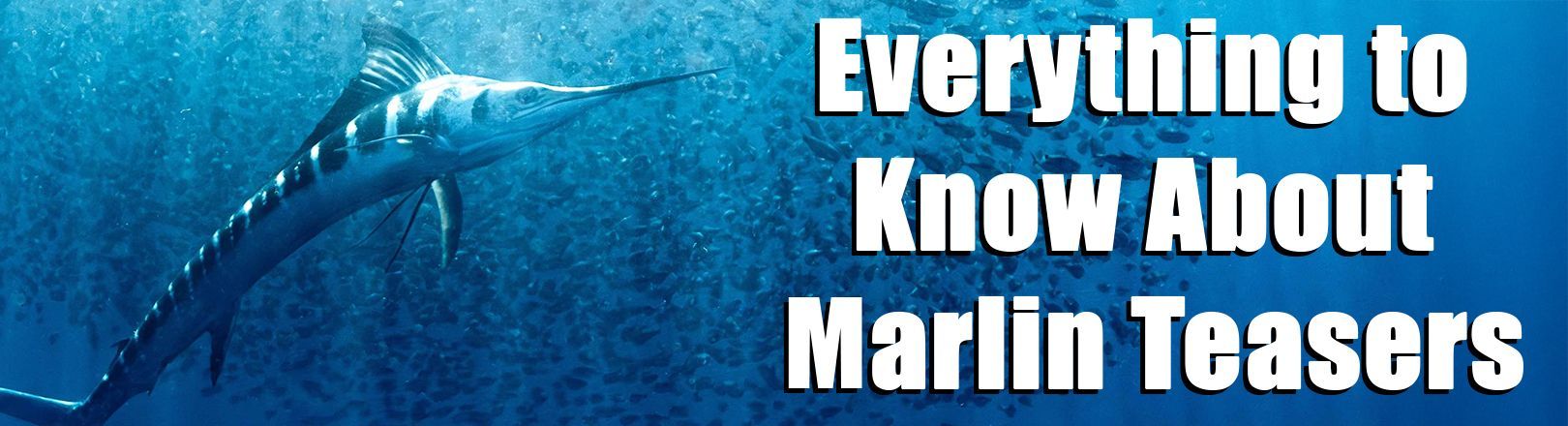
Marlin fishing is one of the most specialized and exhilarating pursuits in the ocean. To unpack its depth, this article draws on insight from Barry Brightenburg, a legendary figure in Southern California offshore fishing. With over 60 years of experience, Barry has shaped the sport across species, styles, and international waters. His perspective turns an intimidating fishery into something accessible, practical, and fascinating. For anyone curious about the art and obsession of chasing blue marlin, this piece offers a rare look from someone who’s lived it.
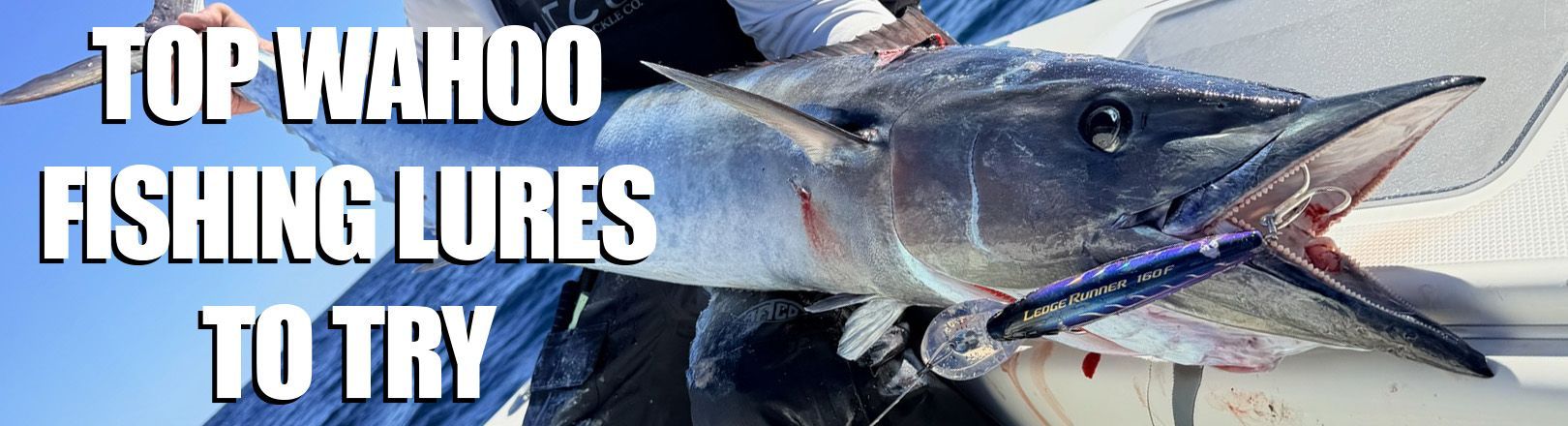
Wahoo are among the fastest and most aggressive gamefish in the ocean. Known for their blistering runs, explosive surface strikes, and sharp teeth, they offer nonstop action for anglers who are ready for a challenge. These predators are more than just a thrill to catch. Wahoo are also prized for their flavor, making them one of the top fish both on the rod and on the plate. Sashimi, grilling, or searing—few fish offer this level of versatility and taste. In this blog, we break down the lures, techniques, and strategies that help anglers find success during a Wahoo bite. From long-range trips off Southern California to offshore hotspots around the world, the tips here are built to boost your odds.
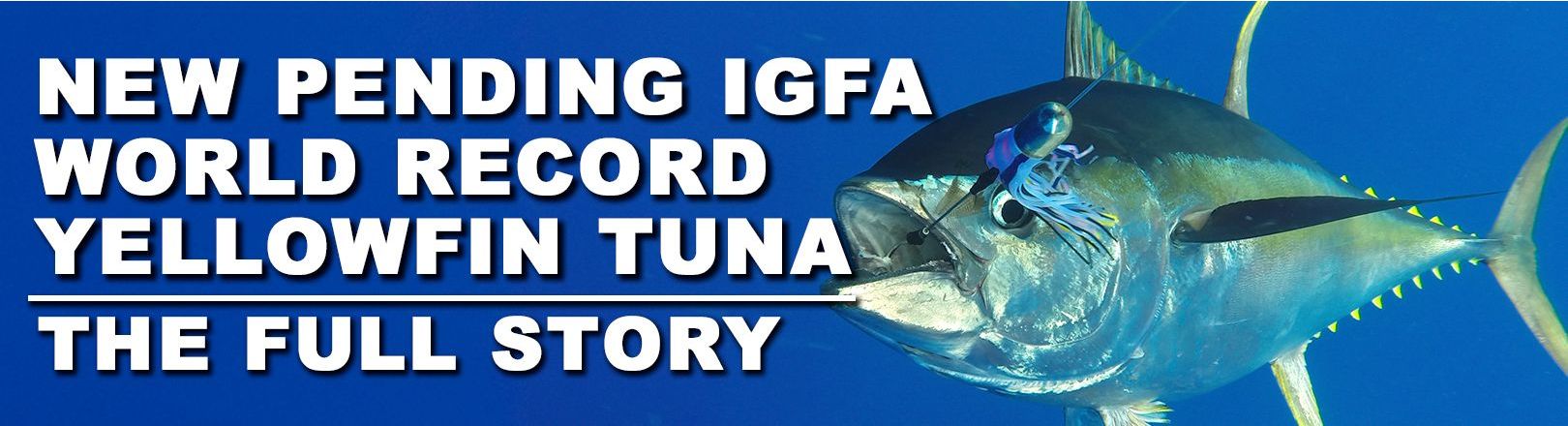
The saltwater sportfishing community has been buzzing with excitement over a potential new IGFA world record yellowfin tuna caught off the lower banks of Baja on a 10-day trip aboard the Excel, a sportboat out of San Diego, California. On November 11th, 2024, Earl Gill IV hooked and landed a massive yellowfin that weighed 448 pounds on the boat's scale. When weighed again six days later in San Diego on a certified IGFA scale, the fish came in at 443.5 pounds—still 15 pounds heavier than the current IGFA All-Tackle world record.
Well, it's that time of the year again... long nights, no sleep, and biting fish. Nighttime fishing for Bluefin Tuna is proving yet again to be one of the most consistent and productive ways to target these fish in our local waters. Over the past few seasons, it always seems like the first big hits of the year have come from boats searching down South during the late Spring months and finding schools of biting fish after the sun has set.