

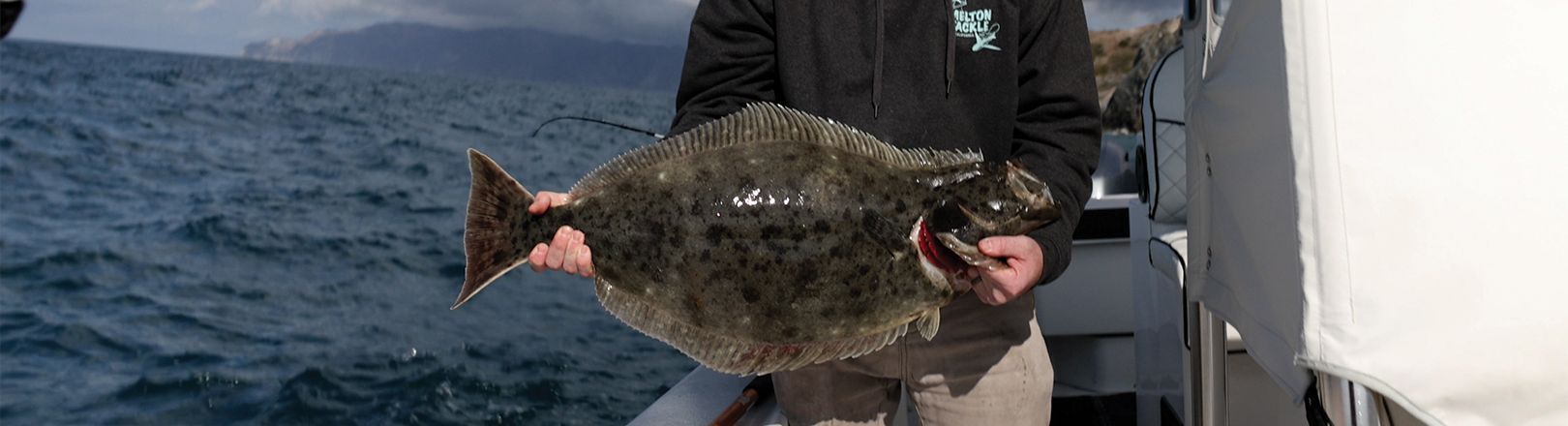
Halibut fishing is a focus species for countless saltwater anglers. With their potential large size, accessibility to a variety of saltwater fishing styles, fierce head shakes, and delicious meat, halibut are among the most prized catches in North America. Beyond checking many of the boxes as a great gamefish, they're also just an interesting animal to encounter. Targeting them is no walk in the park, though; actively succeeding at fishing for halibut takes quite a bit of time, education, and preparation.
There is a significant difference in halibut species, and while we’ve coupled two main Pacific species in this article, they are both deserving of an in-depth look, which we’ll follow up with in subsequent future content pieces, with this serving as an introduction to those.
Whether you're targeting Pacific halibut in the Pacific Northwest of North America or California halibut along the Southern California coast, this article will assist you in fine-tuning your approach to catching these unique gamefish. The two share several characteristics, one is the most obvious being that they’re flatfish and spend most of their time on or near the bottom as ambush predators. Another shared trait is their impressive jaws, which speak to their ability as an ambush and opportunistic predator. Both species have an impressive set of teeth meant to crush and grasp at just about anything small enough and within reach, including an unwary angler’s fingers. Make sure to consider this set of jaws when making tackle and rigging considerations.
Understanding the Two Halibut Species
Before planning your halibut fishing trip, it’s important to understand that not all halibut are created equal. In the U.S. Pacific fisheries, anglers primarily target two species: Pacific Halibut (Hippoglossus stenolepis) and California Halibut (Paralichthys californicus). Though they share the name, these flatfish differ in size, habitat, behavior, genetics, and management.
Pacific Halibut (Hippoglossus stenolepis)
Range:
Pacific Halibut are found from Northern California up to Alaska and across the Bering Sea into Russia and Japan. They are normally found north of Point Conception. But as the saying goes, “fish have tails,” and at the end of the day, love to discredit any rules or common specifics to their attributes. While Point Conception tends to be the southernmost boundary, the majority are found in areas with much colder water, like British Columbia, Alaska, the rest of the Pacific Northwest, and the North Pacific Ocean.
Size:
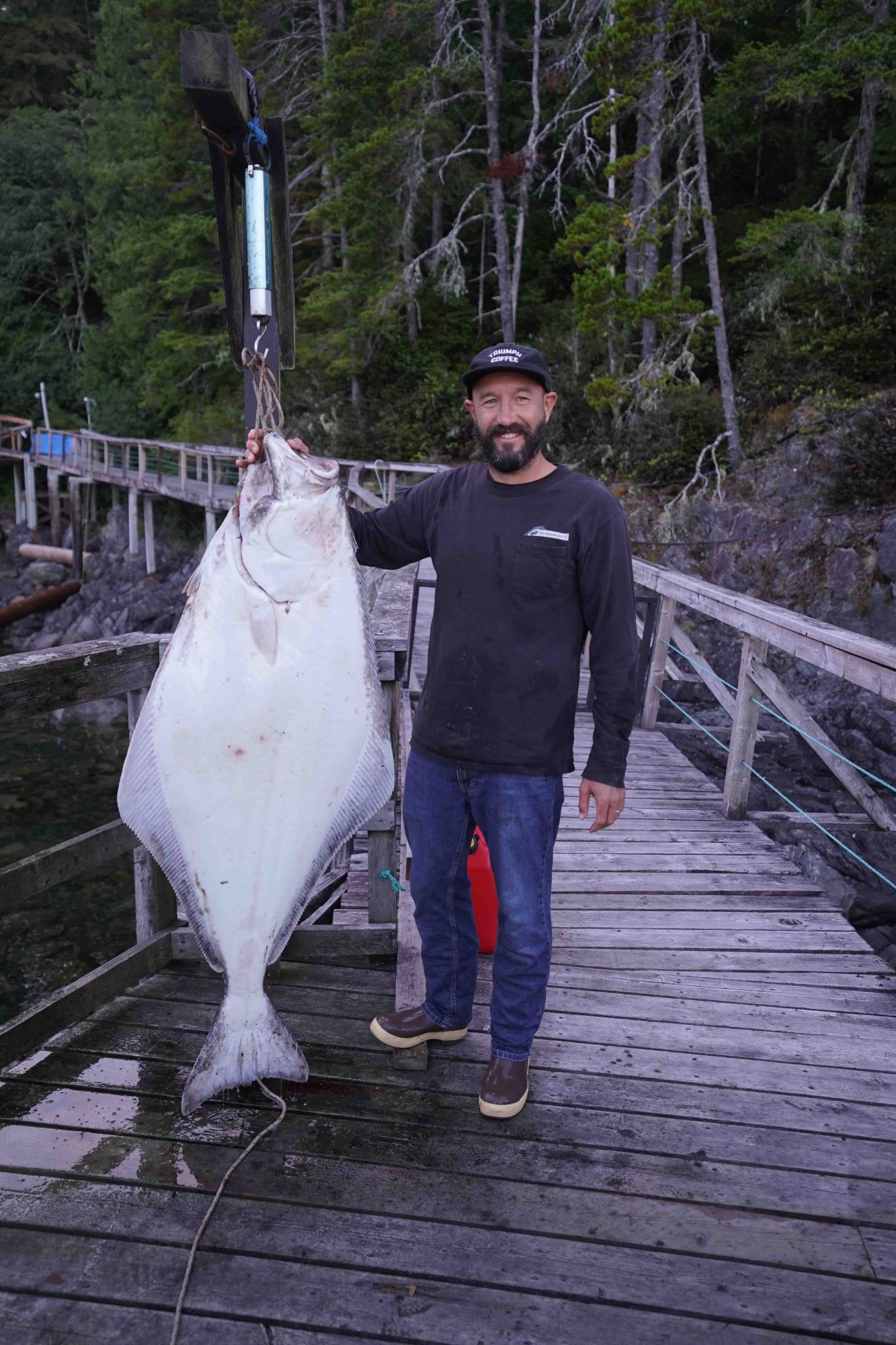
The Pacific Halibut grows to impressive sizes and is the titan of this flatfish family. The attraction to its capture is equal parts challenge and bragging rights due to its incredible size. With fish commonly reaching from 30 to 100 lbs, the standouts reach well over 300 lb. and a length of 8 feet. This wide size range makes the fishery challenging to prepare for and target effectively. There’s no telling if you’re about to tangle with a 30-pounder or a 200-pounder.
Habitat:
Pacific Halibut are predictable as quarry and are attracted to many of the same attributes and environments that most benthic predatory gamefish are. As with most gamefish, current, structure, banks, gravel, shelf breaks, areas of upwelling, and seamounts are locations where they tend to aggregate. They can be found in a wide range of depths from 150 to 600 feet. While one could assume by their shape and size that they may be creatures of leisure, they are anything but and will actively migrate and relocate to better feeding areas.
Regional Regulations:
The Pacific halibut fishery is one of the most closely managed in the world, and with good reason. These flatfish giants can live over 40 years and reach sizes over 400 pounds (Pacific Halibut). To protect the fishery and ensure sustainability, the International Pacific Halibut Commission (IPHC) has implemented a comprehensive Catch Sharing Plan (CSP) that allocates harvest limits across commercial, recreational, and tribal sectors.
Anglers fishing in Washington, Oregon, and Northern California are subject to quotas that change annually based on stock assessments. Each region is assigned an allowable recreational catch, which affects open seasons and limits. Monitoring is enforced in collaboration with state agencies and federal oversight from the Pacific Fishery Management Council.
If you have the opportunity to fish across the Canadian border, you’ll experience a whole different set of rules and regulations.
Fishing Style:
Fishing for Pacific Halibut is more one-dimensional than targeting its smaller coastal cousin, the California Halibut. In a way, fishing for Pacific Halibut is quite brutal, simplistic, and barbaric. As the alpha of their environment, they are not shy or wary and don’t subscribe to the needs of finesse fishing. I, being a Southern California fisherman, was blindsided by the rigging and techniques for targeting these behemoths. Heavy gear, heavy line, bulky knots, big hooks. They aren’t bothered by a sloppy setup; it’s more about locating them and laying out your offering within reach of that giant mouth. Fishing techniques often include anchoring and deep dropping baits or vertical jigging in strong currents. They hunt or locate their quarry largely by scent and can’t ignore a well-positioned slab offering of salmon, mackerel, squid, or a range of other strongly scented options.
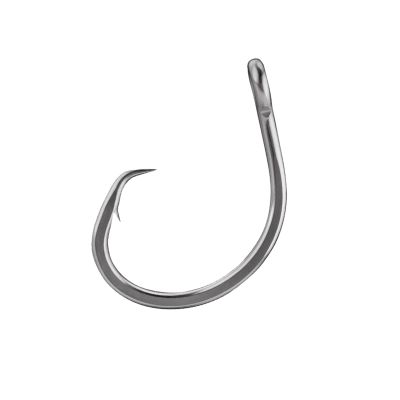
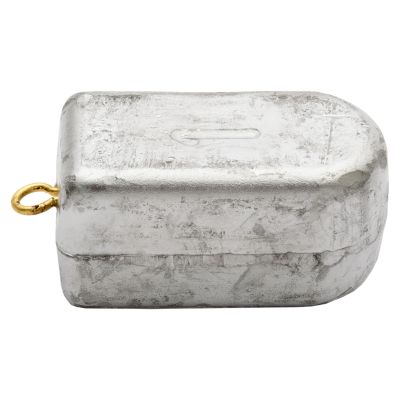
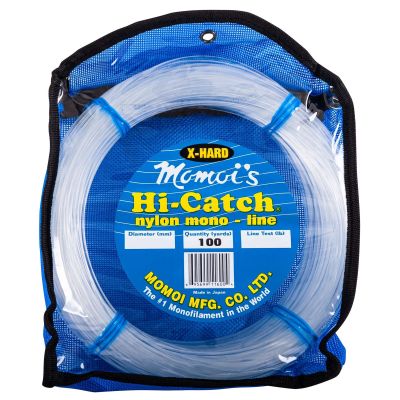
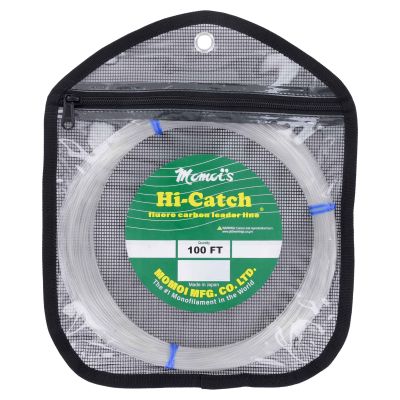
There is no shortage of presentation styles for Pacific Halibut, with the main component being getting your presentation to the bottom and making sure it stays positioned so that you can feel them take the bait. This rig can vary from a Carolina rig to a reverse Carolina rig, a Spreader rig, a dropper loop rig, and so on. There is no right or wrong, it’s just what you’re most comfortable rigging. As for the actual hook being used, an offset J hook in size 5/0 to 10/0 is the go-to, depending on the size of the bait offering. This hook is connected with fluorocarbon leader often for its ability to resist nicks and cuts, and 80 pounds is a minimum, with 200 pounds being more common. Due to fluorocarbon being pricey, anglers will often use monofilament leader instead. Again, this is a game of function and not finesse.
Gear:
The last five years have seen serious innovation in halibut fishing tackle. Lightweight yet powerful graphite rods, corrosion-resistant reels with superior drag systems, and braid-friendly guides are all reshaping how anglers approach deep-drop species like halibut.
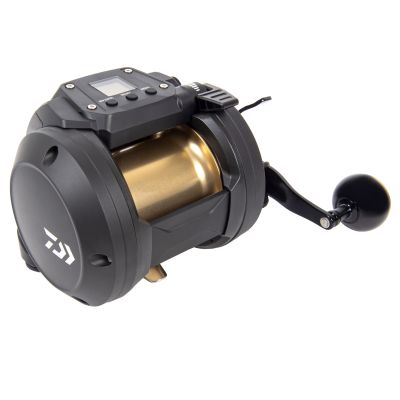
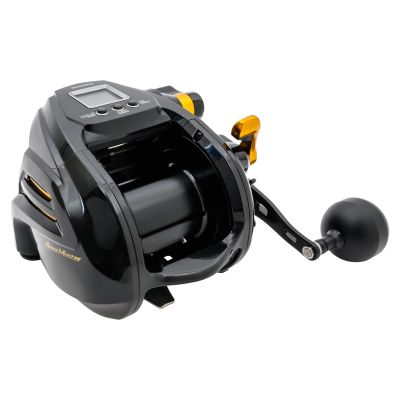
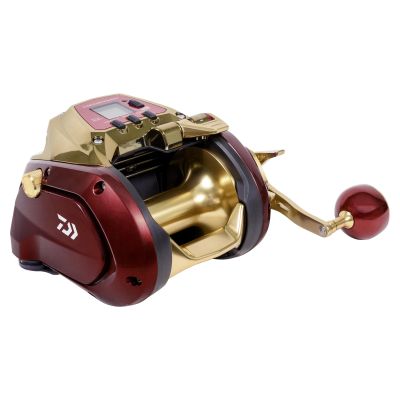
Electric reels like the Daiwa Seaborg G Power Assist Electric Reels and Shimano Beastmaster 9000B Electric Reel are making deepwater retrieval far easier, especially when targeting fish 300+ feet down in Alaska or the Pacific Northwest.
For a deeper dive into electric reel models, features, and how to choose the right one for your setup, check out our Daiwa Electric Reels Buyer’s Guide.
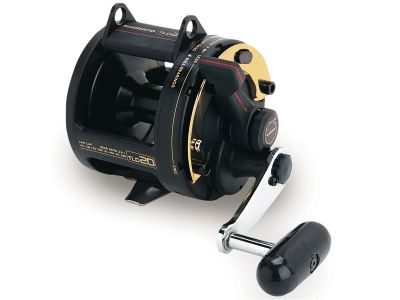
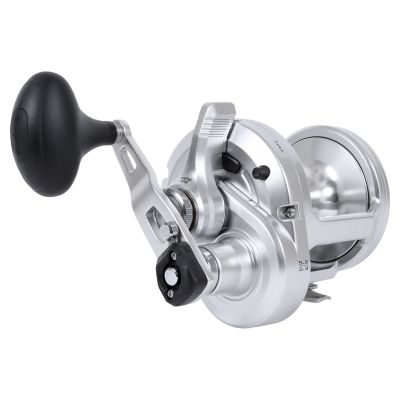
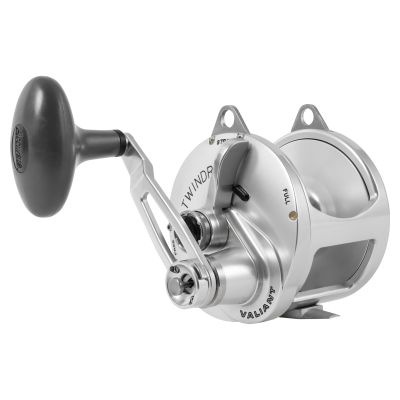
For those who may not have access to electric reels or just prefer conventional reels, the options are endless.
With both, the main determinant is having a reel that holds a minimum of 80-pound line and well over 500 yards of it, though more is always preferred. While they aren’t known for an amazing fight, they can be quite heavy, and a two-speed reel can be the difference between success and frustration.
Reels:
When selecting a fishing rod, many options are available from a regular boat rod to a trolling rod. The key is matching it to the line strength and choosing one with a parabolic action to absorb those aggressive head shakes near the boat.
Lures and Tackle:
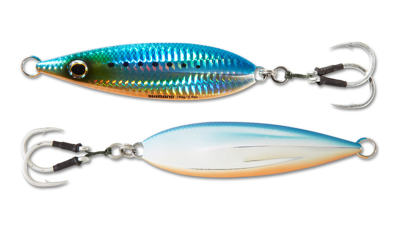
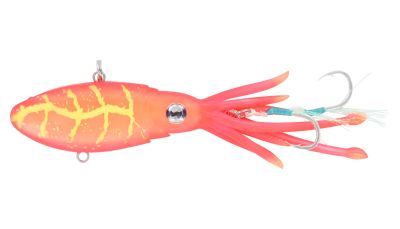
Because of the heavier tackle used for Pacific Halibut, bait tends to be king with the ability to place it on the bottom and wait for a bite. Using fishing lures that have proven successful and productive can be a bit cumbersome. New scent-enhanced jigs, slow-pitch vertical lures, and other artificial options may be great to try in areas that see a lot of pressure. Check out our blog, Different Types of Lures for Saltwater Fishing, for a breakdown of lure categories and when to use them.
Leader:
Budget vs. High-End Equipment:
You don’t need a five-figure setup to catch fish, but quality matters.
California Halibut (Paralichthys californicus)
Range:
California Halibut are found from Northern California down through Baja California and well into the Sea of Cortez. Unlike their deep-dwelling northern cousins, these fish thrive in dynamic coastal environments, roaming from shallow surf zones and sandy inshore flats to kelp edges, harbors, and deeper offshore banks. Their ability to inhabit both shallow and moderate depths means anglers in Southern and Central California can access them from piers, beaches, bays, and boats year-round. For a closer look at the best spots and techniques, check out our Fishing Southern California Bays & Harbors guide.
Size:
This species may not have the sheer mass of the Pacific halibut, but these smaller fish are scrappy, predatory, and aggressive. Most catches are in the 5–15 lb. range, though 30–40 lb. trophies do exist and usually come from deeper structure or productive summer spawning zones. These fish blend into sand like ghosts and can be surprisingly elusive, especially when they reach doormat size. While they don’t have the sheer mass of the Pacific Halibut, California Halibut are recognized for having more tenacity and putting up a fight at times, with several hard, drag-testing runs.

Habitat:
California halibut favor sandy bottoms near structure, areas where baitfish gather, and tidal currents funnel prey. They’ll move between estuaries, surf zones, nearshore flats, and rocky transition points. Bigger fish often sit just off the drop in 30–150 feet of water, especially near bait schools. They’re ambush predators, lying flat and waiting for the perfect strike window. This is not the rule, though more than once, California halibut have been known to strike hard jerk baits, soft baits, and even fishing irons, with a mighty surprise to the angler.
Regional Regulations:
California halibut are managed by the California Department of Fish and Wildlife (CDFW) and are accessible year-round. The minimum size limit is 22 inches, with a daily bag limit of 3 fish south of Point Sur and 5 fish north. Anglers should always check CDFW updates, especially near MPAs or spawning areas where additional closures may apply.
Fishing Style:
Unlike the brute-force approach needed for Pacific halibut, California halibut fishing is all about precision, finesse, and adaptability. These fish require anglers to match bait and presentation to location, water clarity, and season.
The California Halibut is a species that is dear to certain anglers, and this fondness is due to their wariness and often inability to completely commit to a strike. They tend to bite and release, injure, and then return to consume their target. The result is countless swings and misses, hook sets, and short bites.
In order to combat this behavior, anglers will often implement a trap rig or make sure their presentation has hooks well placed as far back as possible.
Saltwater Fishing Techniques:
- Deep Structure & Boat Fishing: When targeting big fish in 60–150 feet of water from a boat, dropping baits like sardines, mackerel, or squid rigged on reverse dropper loops is effective. Use a 6–8 oz to keep your offering pinned. For hooks, make sure to use circle hook, and if implementing a trap rig, utilize a smaller 2/0 – 4/0 treble hook.
- Bay Fishing: Bays like San Diego, Newport, and San Francisco produce year-round. Slow-troll live smelt, anchovies, or sardines using sliding egg sinker rigs or Carolina rigs. A 1/2–2 oz sinker with 20–30 lb fluorocarbon leader works well. Keep your bait just above the bottom, and make sure you let them eat the bait sufficiently to ensure a proper hook set.
- Surf Fishing: Surf anglers target halibut with long-casting setups and reactive presentations. Cast 3–5" swimbaits, Lucky Craft Flash Minnows, or Rapala X-Raps over sandy troughs during incoming tides. Match them with a 9–11 ft surf rod, a 4,000–6,000 class spinning reel, and 20–30 lb braid tipped with a short fluoro leader.
- Live Bait Fishing: If you have access to a bait tank or local live bait receiver, fishing with live sardines, smelt, or anchovies on a sliding sinker rig is one of the most productive methods inshore. A soft rod is key, and if you’re seeing a common theme, it's let them eat it.
Gear:
Unlike deepwater Pacific halibut fishing, California halibut gear can be lighter and more tactical, but no less important. Choose parabolic rods that allow for sensitivity and solid hooksets. Reels need strong drag systems and braid capacity, but can be smaller and faster for finesse control.
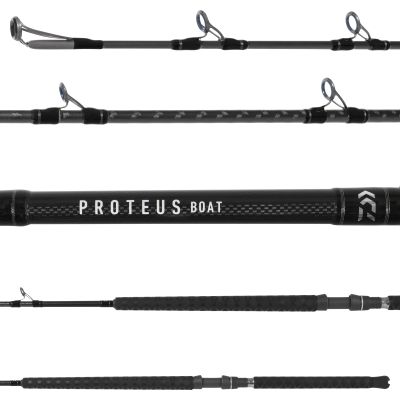
- Daiwa Proteus Boat Conventional Rods
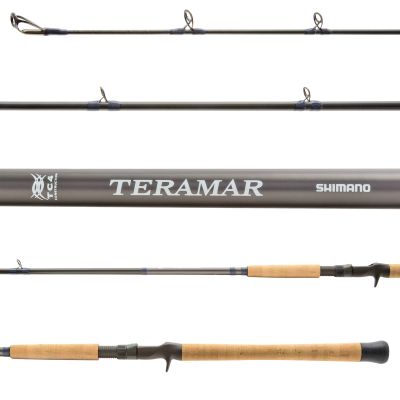
- Shimano Teramar WC West Coast C Baitcasting Rods
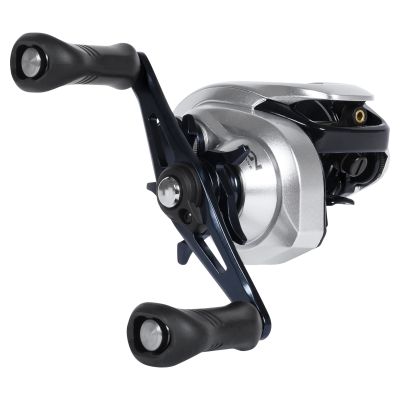
- Shimano Tranx 400AHG Baitcasting Reel
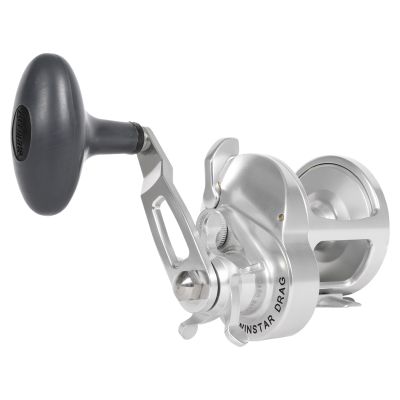
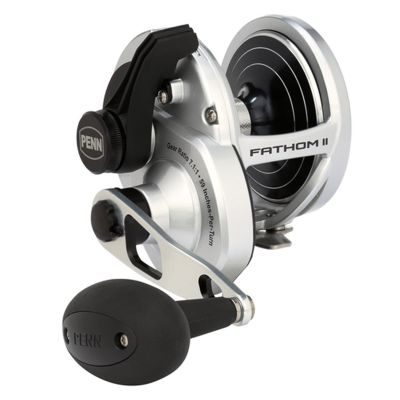
- Penn Fathom II15LD Single Speed Lever Drag Reel
- Accurate Tern2 TXD-300 Star Drag Conventional Reel
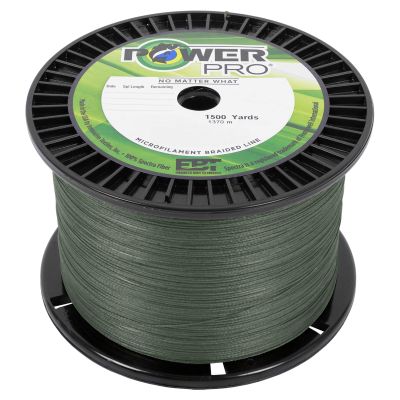
- PowerPro Spectra Braided Fishing Line (30–50 lb)
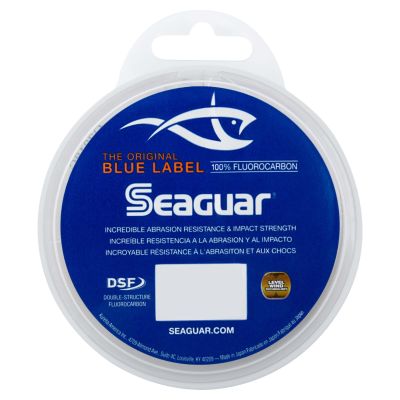
- Seaguar Blue Label Fluorocarbon Leader (15–30 lb)
Budget vs. High-End Equipment:
You don’t need to spend a fortune, but quality components do lead to more fish landed and fewer heartbreaks at the sandbar.
Understanding the difference between these two species will help you better plan your halibut fishing trip, select the right gear, and apply the most effective tactics. Whether you're gunning for a barn door in the cold northern Pacific or hunting a beach ghost in SoCal, each species offers a uniquely exciting experience.
Timing Your Fishing Expeditions
Taking Advantage of Tidal Patterns
Tide timing is a critical but often overlooked factor. Both species of Halibut are most active during tide changes when baitfish are moving. Fish 1-2 hours before and after high or low tide for best results.
Slack tide is ideal for anchoring, while moderate movement is better for drift or troll setups. Avoid fishing during large tidal swings unless you're experienced with heavy current strategies.
In places like Cook Inlet, BC’s Strait of Georgia, or Oregon’s Columbia River mouth, tidal changes can be dramatic. Always use charts and plan accordingly.
Conclusion
Halibut fishing demands a blend of knowledge, strategy, and respect for regional rules. Whether you’re chasing monster Pacific halibut in deep offshore haunts or finesse-fishing for California halibut from a local beach, there’s something undeniably rewarding about this pursuit.
By staying current on regulations, investing in the right gear, mastering core fishing techniques, and keeping track of the Halibut population, you’ll not only improve your odds but also contribute to the sustainability of one of the Pacific’s most iconic species.