

These days, braided fishing line has become an extremely popular choice among anglers, in both fresh and saltwater fisheries, due to its high strength, thin diameter, and low stretch. These are just a few of the factors that make fishing braided lines effective across a wide variety of fisheries. Knowing how to select the best braided fishing line for your specific fishery is crucial as it can significantly influence your fishing success, increase your hookup ratio, and help you land more of the fish that you hook. Whether you are targeting large offshore pelagics, bass inshore, or fishing in freshwater, having your reel spooled with the right braided line can enhance your ability to detect bites, cast further, and fight big fish effectively.
In this blog post, we’ll discuss exactly what braided line is and the key factors to consider when choosing the best braided fishing line. We’ll cover the different types of braided line available to anglers, their pros and cons, and how to match the line to your fishing style. Additionally, we’ll talk about some tips on maintaining and using your braided fishing line to ensure you get the most out of your investment.
Understanding Braided Fishing Lines

Braid is a type of fishing line that is constructed by weaving together several strands of synthetic fibers, such as Dacron or Spectra fishing line. The result is an extremely low-profile, thin line that is strong and durable. Historically, braided fishing line was made from natural fibers such as cotton or silk, but as technology and our understanding of what is needed for our fisheries have developed, we’ve made the shift to using stronger synthetic materials, which offer far more strength and resilience than their natural predecessors. The evolution of braid has seen a significant improvement in its construction, leading to a fishing line that is more abrasion-resistant and has minimal to no stretch when compared to fluorocarbon or monofilament line.
The advantages of using braid over other types of fishing line are numerous, and we’ll discuss more of them in depth throughout this post. Braided lines have a higher strength-to-diameter ratio, which allows anglers to use a thinner line without sacrificing strength. This is important for anglers trying to maximize the amount of line they can put on their reels, especially for reels with a smaller spool capacity. Braid casts extremely well (practice is essential), and anglers can sometimes give their lures and jigs better action when utilizing braid. The low stretch characteristic of braid provides maximum sensitivity, making it easier to detect bites and set hooks quickly. Believe it or not, braided lines also have superior durability and resistance to abrasion than monofilament lines, making them ideal for fishing in and around structure.
Key Factors to Consider
Line Strength
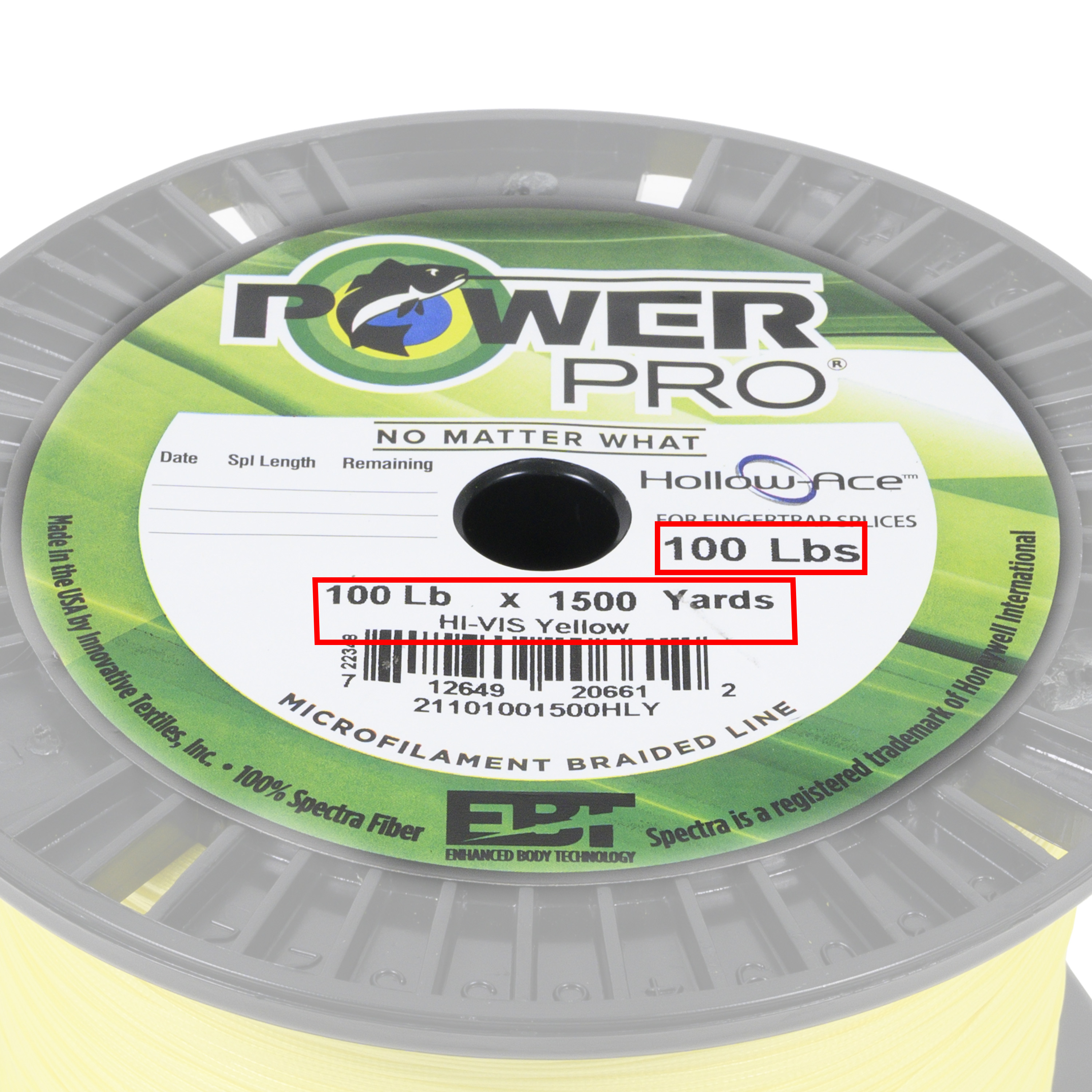
Line strength, or breaking strength, is the measure of how much weight a line can handle before it snaps. Braid is inherently stronger than monofilament line, and many tests have shown that it tends to break at a higher threshold than it is actually rated for. This is crucial, as a higher breaking strength ensures the line will not snap when targeting larger fish species.
Diameter
As we mentioned earlier, braid is thinner than its counterparts, even at the same pound test rating. This means you can fit more line on your reel and match it to a similarly rated monofilament or fluorocarbon line. A thinner diameter will give you the most sensitivity when fishing, but braided line has superior sensitivity overall. Braid is also known for its superior casting ability. Similarly to the correlation in sensitivity, a smaller diameter braided line will generally be easier to cast further, as it creates less drag in the air.
Author’s Note: For live bait fishermen - using a small diameter lighter braid makes a massive difference in the presentation of your live bait. In the case of fishing a live sardine or anchovy, the bait will look much more natural on 30lb braid as opposed to 65lb, oftentimes leading to more bites. Try to match your braid to whatever pound test fluorocarbon you will be fishing and see the difference for yourself.
Abrasion Resistance
Braided fishing line offers durability and better abrasion resistance than mono. Anglers who often fish around rocky structures, heavy grass/weeded areas, and kelp would be wise to have their reels spooled with braid. As anyone who has fished long enough can tell you, no line is immune to being broken off in structure, but braided line will give you a better chance than others.
Visibility
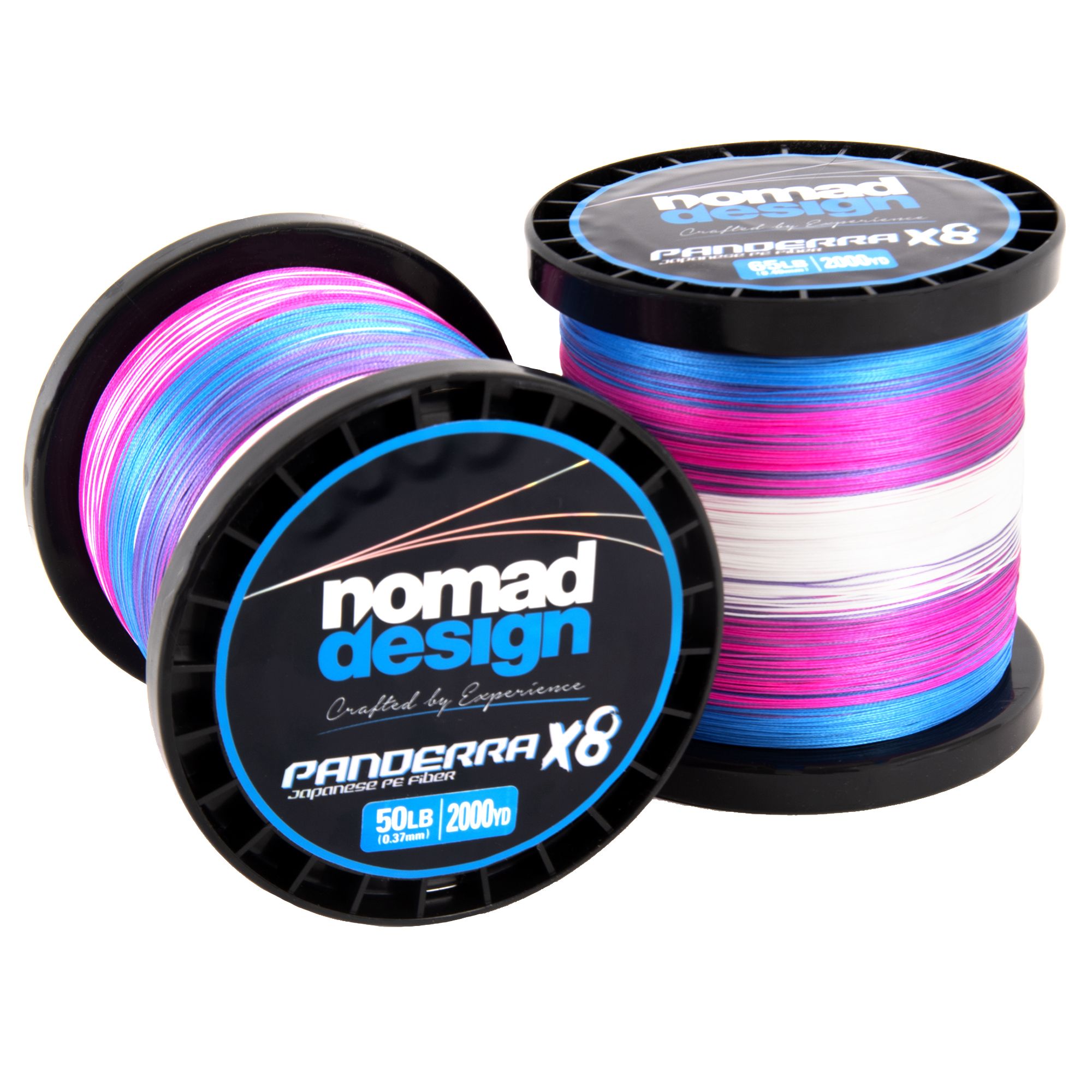
Currently, braided lines are offered in pretty much any color you could imagine, as well as metered/segmented with alternating colors at a specific length. High-vis line is often used by marlin fishermen who need to be able to see where their lures are being run within the spread while trolling. Alternatively, low-vis line is great for anglers who are finesse fishing or taking a stealthy approach to their target species.
Sensitivity
Due to its low-stretch nature, braid is extremely sensitive and allows anglers to feel even the slightest bite or piece of structure while fishing. This feature is critical for improving hook-up ratios as it allows for quicker and more effective hook sets.
Types of Braided Fishing Line
Strand Count (4 Strand vs 8 Strand vs 12+ Strand)
Strand count, or the number of strands woven together to construct braid, is a very important characteristic to consider when choosing which braid will be best for you. Generally, a lower strand count will result in a rougher and more textured finish, while a higher strand count results in a smoother, rounder, and more compact line. Each has its pros and cons. A 4-strand braid will be more abrasion-resistant and a great option to fish around structure, heavy cover, and kelp when you might need your line to cut through underwater vegetation. An 8-strand braid, with its smoother finish, allows for longer casts and less friction through your guides, making it the better choice for open water situations or where casting distance is crucial. The choice lies with the angler having to determine which fishery they’ll be utilizing their braid in.
Coated vs Uncoated
It’s important to understand the key differences when choosing to buy uncoated and coated braid. Uncoated braid is generally more flexible and has higher sensitivity due to the lack of an additional layer. This is great for detecting light bites, but makes the line less abrasion-resitant and more prone to fraying. Coated braided fishing line has an additional layer that enhances its durability and abrasion resistance. The line is smoother which makes it better for casting scenarios, but the coating can slightly reduce the sensitivity and flexibility of the line.
Hollow vs Solid Braid
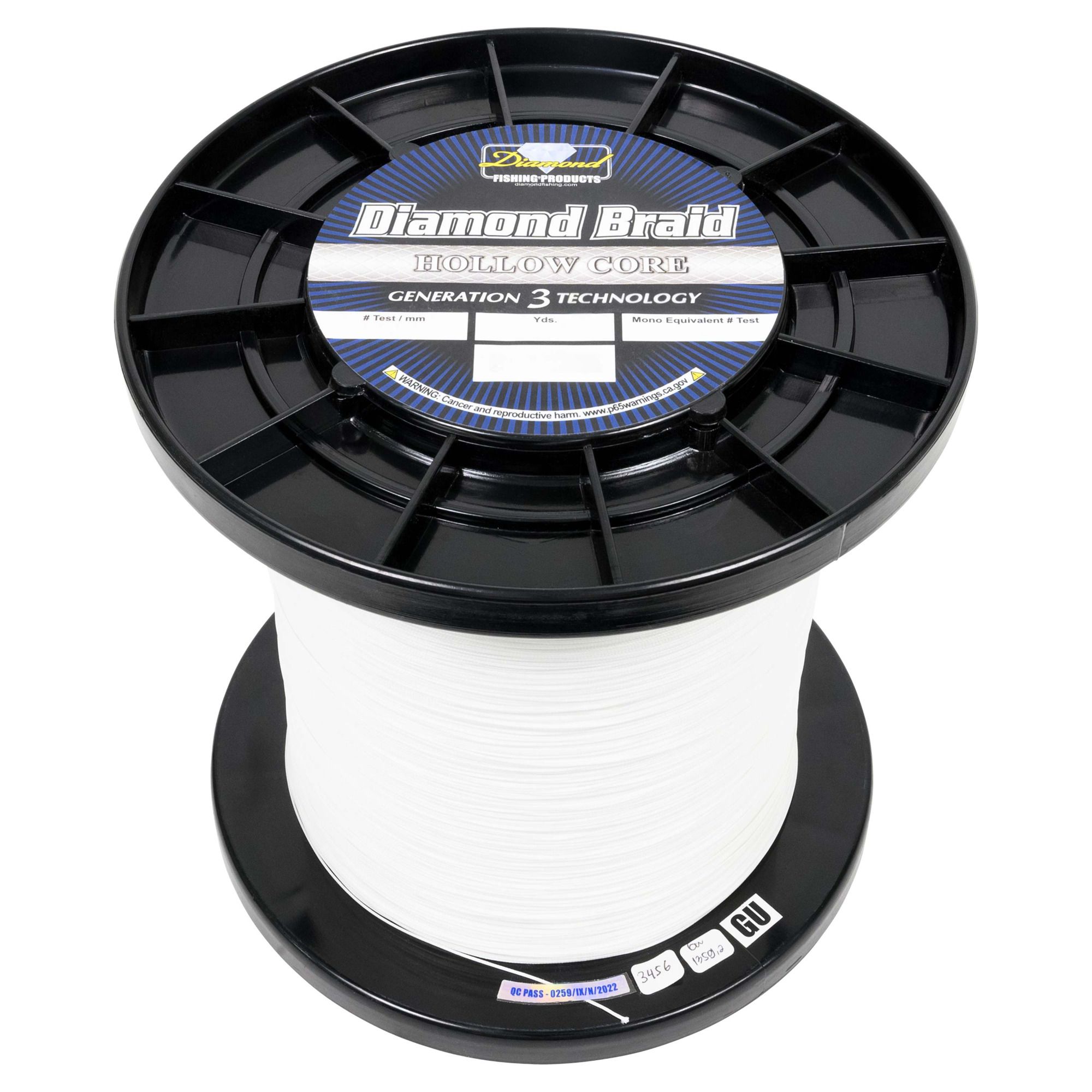
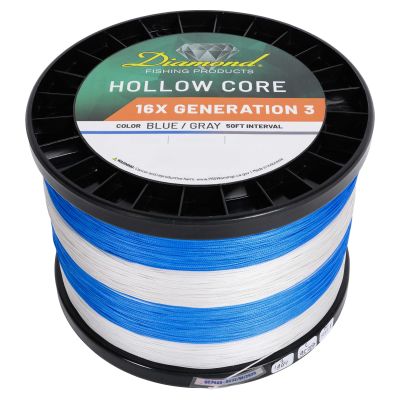
Like the name suggests, hollow braid has a hollow core which allows anglers to use knot-less connections such as splicing in leaders or creating loops to connect wind-on leaders. This makes it ideal for big game fishing where seamless connections are crucial and line diameter is not a big factor. Solid braid leaves no space between the weaves, making it smaller in diameter and slightly more abrasion-resistant. It requires knots to connect it to other lines but is still often the preferred braid for most anglers.
Matching Braided Line to Your Fishing Style
Freshwater Fishing
The most common braided line option for freshwater fishermen is typically a 4-strand solid braid. It offers excellent abrasion resistance, which is crucial for fishing around structure, and additionally it offers maximum sensitivity which is crucial for detecting those subtle bites.
Saltwater Fishing
When it comes to offshore saltwater fishing, an 8-strand braid or higher is the preferred choice. It is smooth and creates less friction through your guides, casts extremely well, and also possesses a thin diameter creating minimal drag through the water. 8-strand braids are often more resistant to the corrosive effects of saltwater. Inshore anglers may choose to use either a 4-strand or 8-strand braid depending on the scenario. For example, bass or yellowtail anglers who often fish around heavy kelp stringers may choose to use a rougher 4-strand braid in the event that the fish takes them deep into the kelp and they need a line that can cut through the kelp stocks.
Specialty Fishing
Ice fishing, fly fishing, or other specialty techniques may require a specific type of braided fishing line. Coated braids are recommended for ice fishing. Hollow braids are often used for fly fishing to create seamless connections with leaders. Don’t be afraid to ask your local tackle shop employee what will work best for you!
Top Brands and Recommendations
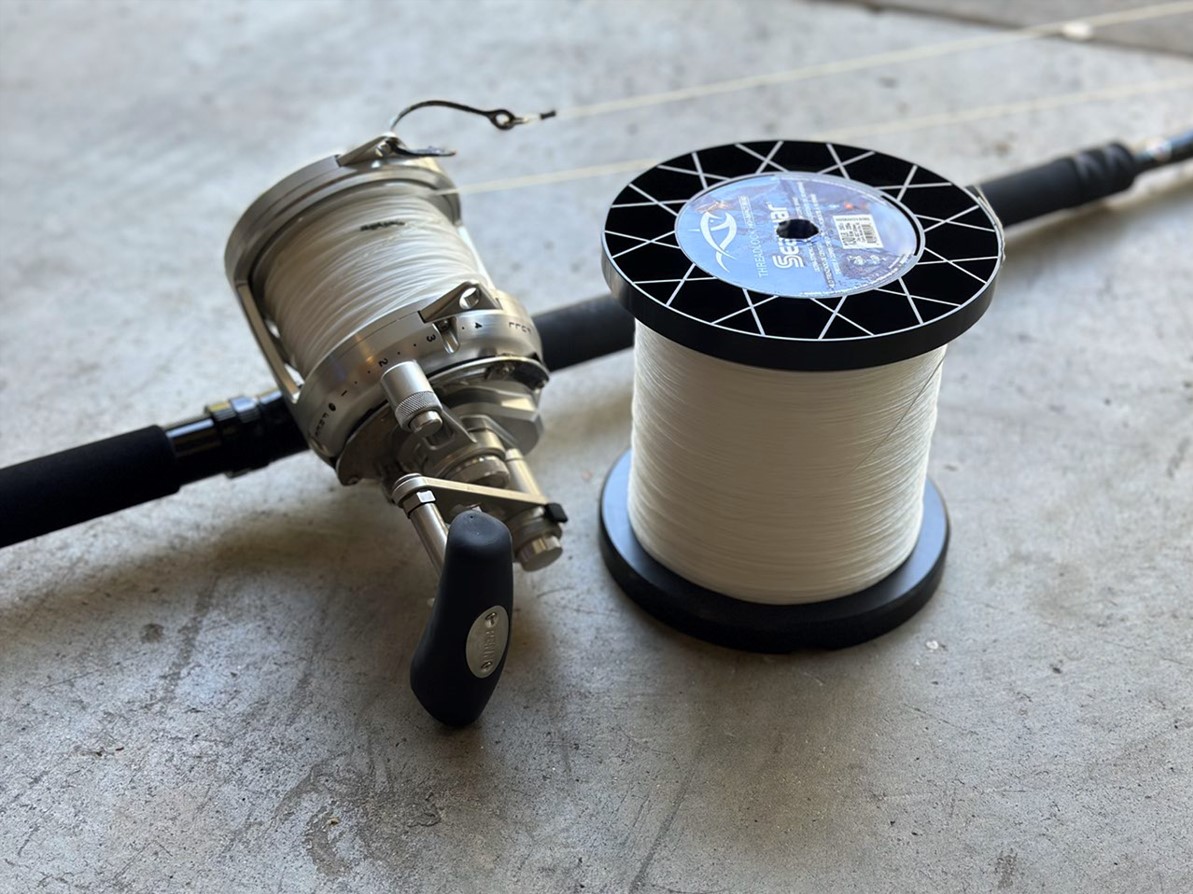
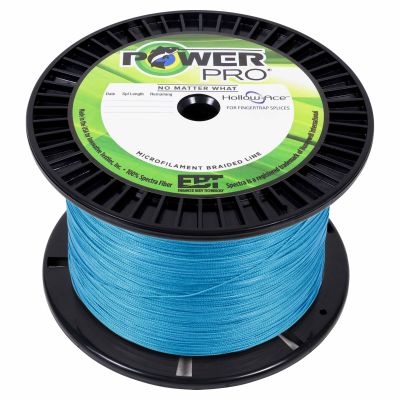
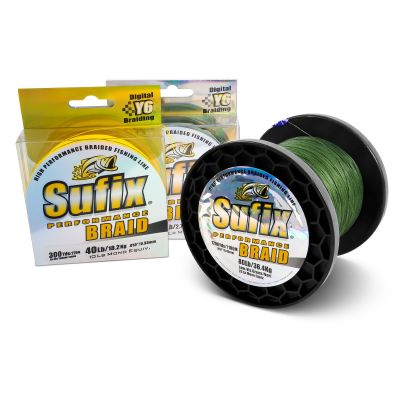
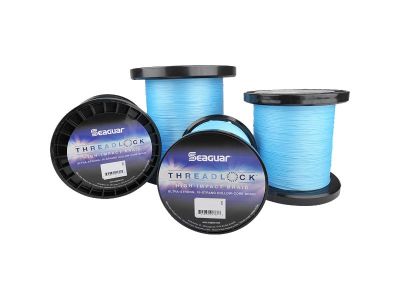
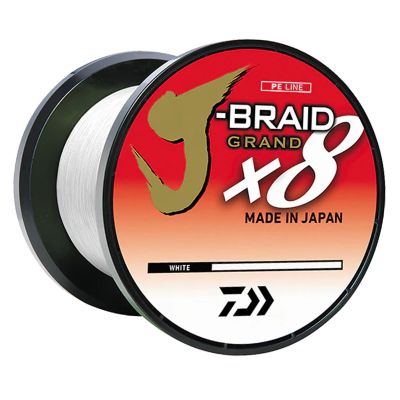
Several brands manufacture high-quality braided fishing lines that are used by thousands of anglers across the country. The PowerPro line of braids is known for its extremely strong, thin-diameter lines with excellent sensitivity. Daiwa and Sufix also offer a wide range of braided lines and are extremely popular within the freshwater fishing community and have begun venturing into the saltwater scene. Seaguar, while primarily known for their fluorocarbon, also produces quality braided lines, and their hollow-core threadlock has become my go-to in recent years as I love the seamless connections you can get while fishing a wind-on leader.
Each of these brands and many others offer braid in various strand counts, colors, and pound test ratings suitable for every imaginable fishery. Anglers must consider all of the factors we have previously discussed in this post as well as their own personal style of fishing to determine which braid will be best for them. As a general rule of thumb, go with brands that you trust, talk to your friends and fellow anglers to see what they like, and try different ones out for yourself to discover which is the right one for you and your needs.
Tips for Maintaining Your Braided Fishing Line
We’ll begin with the most obvious one that I hope everyone does…always rinse your gear after a trip, especially those of you who fish in the salt. Store your reels and line away from direct sunlight and extreme hot or cold temperatures. Inspect your line after each trip and look for any fraying, discoloration, or rough texture. Unlike mono, braided fishing line doesn’t degrade as quickly but it should be replaced if you begin to notice any significant wear or reduction in its performance like snapping frequently upon hooksets. Typically for those who fish relatively frequently throughout the year, braid should be replaced every 1-2 years.
When it comes to braid, unfortunately there is no one size fits all for your specific needs. Luckily for us, there is a massive selection of different braided fishing lines from various brands. Choosing the proper braid to spool up your reel depending on your fishing needs will lead to a better experience on the water and more fish on your boat!
Check out the full selection of braided lines at Melton Tackle and explore more fishing gear and fishing tips on Melton Tackle’s website! Don’t forget to subscribe to the blog for more fishing tips and guides.