

It seems like over the past decade or two, surf fishing has exploded in popularity. Not only is it cheaper and more convenient than many other styles of fishing, but it can be extremely productive as well! For someone who is just getting into surf fishing however, picking out the right rod, reel, and tackle can certainly be a daunting task.
If you’ve ever been to the beach and seen anglers fishing, you’ll likely notice one of two things about their surf fishing setups and fishing styles. One group of surf fishermen are constantly walking up and down the beach with light-line surf rods and reels, targeting smaller species in holes, along rip currents, or by sight. The other group of surf fishermen will be set up with sand spikes and long rods with heavier line, used to cast beyond the surf line and fish for bigger species such as sharks and rays. These are the two dominant surf fishing categories within our region.
While you may be able to make one of your existing setups work for you in the surf, there is almost undoubtedly a rod and reel setup more suited for the specific style of fishing you’re going to be doing. A few of the most important factors to think about when considering choosing the best surf fishing gear are the location/region you are going to be fishing, the target species you are going to be fishing for, and the style or technique of fishing that you are going to be using for said target species.
Having the proper surf fishing gear is essential to your success, especially when considering the numerous species we are lucky enough to be able to target in our local surf zones. For the purpose of this post we are going to cover surf fishing gear and techniques best suited for the West Coast, even more specifically California.
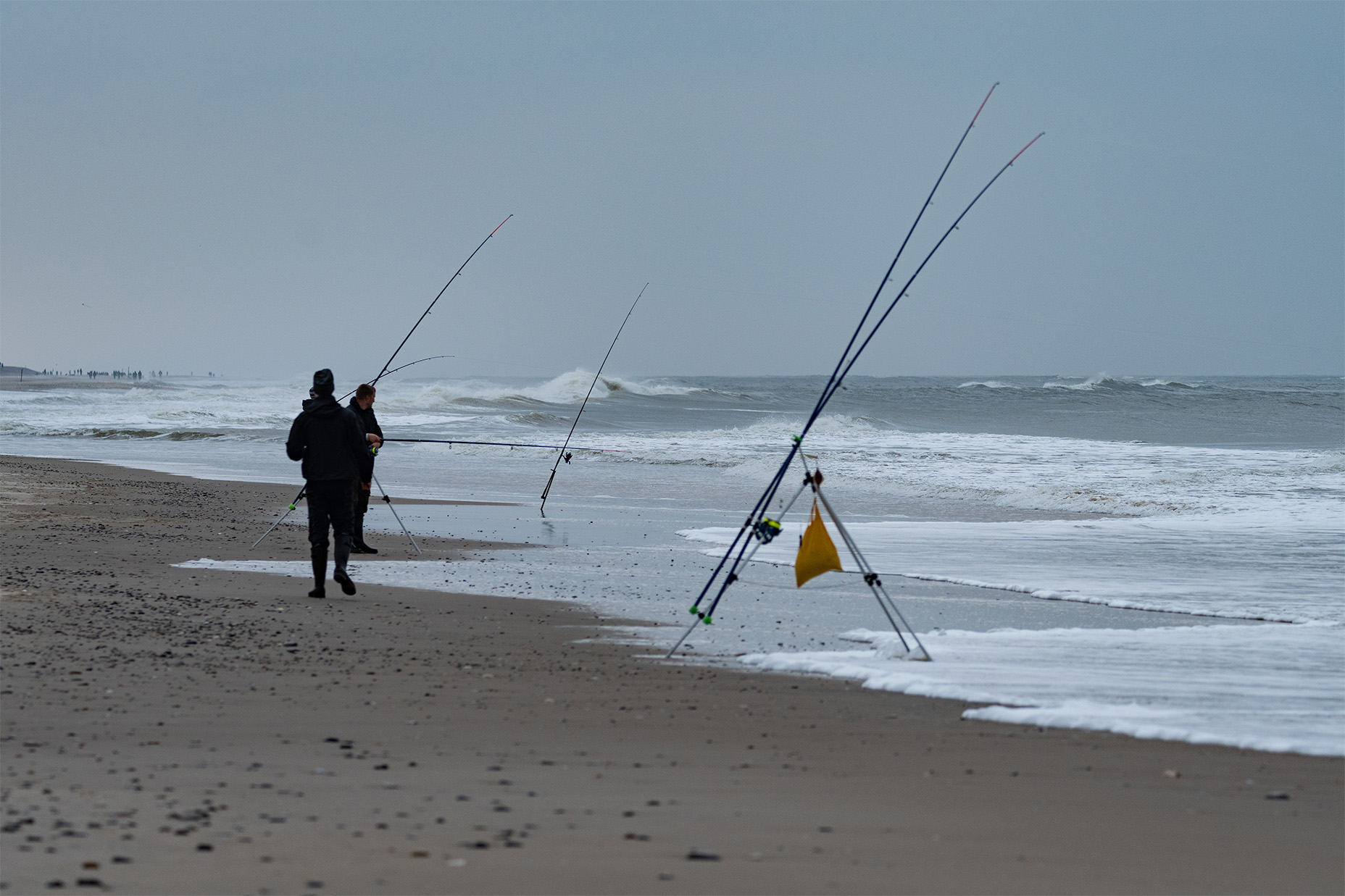
Understanding Surf Fishing
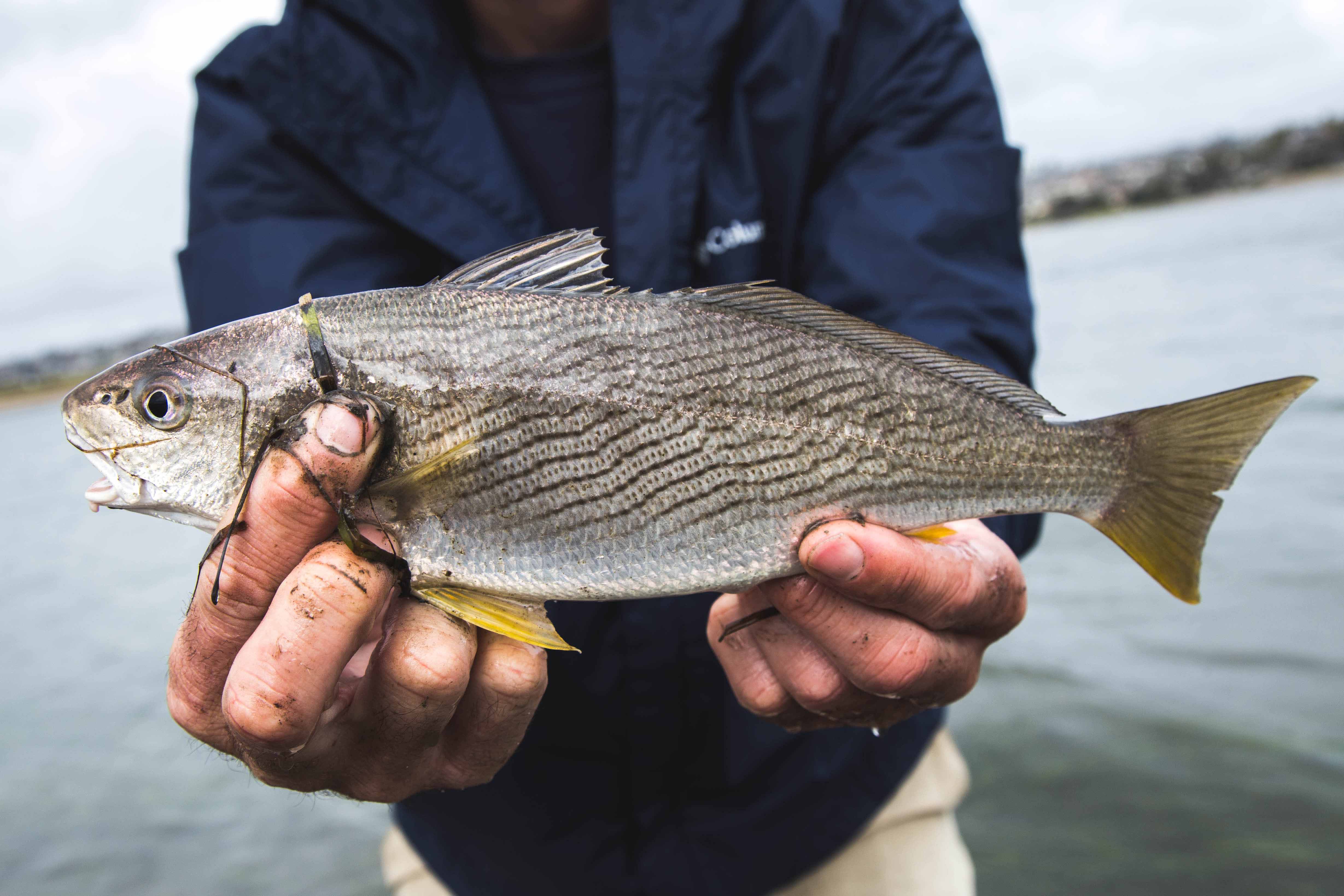
While I myself am partial to light-line, active surf fishing as opposed to big-game baiting and waiting in a single spot for hours on end, both have the opportunity to be effective and equally as fun. Many new surf fishing anglers believe that you have to cast your bait as far into the surf as possible to catch fish, but that is simply not the case.
Again, depending on your target species, different rod and reel setups are necessary, but as I’ve spent more and more time walking the beach and continuing to evolve my surf fishing skills, I’ve found that appropriately matching the size of my gear to the size of fish I’m chasing has made my fishing sessions both more productive and more fun. With that being said, both light-line and more heavy duty setups have their place in surf fishing. Knowing your goal for the day before you head to the beach will play a big role in deciding what gear you’ll be taking with you for the day.
Educating yourself on the variety of species you’re most likely to encounter when surf fishing in California will help you choose the right gear for the job. One of the most common catches include a number of different species of surfperch, which are abundant and can be caught year-round, with larger models generally being caught during the winter months. Halibut, croaker, and corbina are also popular targets for surf fishermen, but are more seasonal and encountered most frequently during the warmer summer and fall months. Striped bass are an extremely prized and sought after species, but not an extremely common catch for surf fishermen. They can be found most frequently near river mouths and estuaries that lead into the ocean.
For big game surf anglers, sharks and rays are often found in deeper waters beyond the surf line. These species are commonly targeted at night and require longer, heavier rod and reel setups. Realizing the plethora of species found in our surf zones, it becomes quite obvious that different techniques and gear are required to target and catch each one.
Surf fishing has been around for well longer than I have been alive and everyone has differing opinions on what the ideal conditions, tides, and moon phases are best for targeting certain species. There is no one right answer on when is the best time and what are the best conditions to go surf fishing, but let’s outline the general consensus that anglers have come to agree on over the years. Incoming tides are by far the favored tide to fish by the majority of surf anglers. If you can pair an incoming tide with low light dawn or dusk conditions, this is generally when you will experience the best fishing.
Slack tides are not ideal as you’ll want water movement and current in the surf for the best chance at getting bites and catching fish. By rule of thumb you should surf fish when there is an incoming or outgoing tide early in the day or in the evening; but all things said and done, you should plan to go surf fishing whenever you have the time to. I’ve personally experienced great fishing at times when conditions have looked terrible, and bad fishing even when conditions have looked excellent. You never know if you don’t go!
Surf Fishing Rods
Now obviously you’ll need a full rod and reel setup for fishing the surf, but let’s start with picking out the right rod for you in the surf. A couple of the most important things to consider when choosing surf fishing rods are action, length, sensitivity, and weight; additionally you should always be thinking about which species you will be targeting.
- Shimano Tallus Ulua RodsOut of stock
- G. Loomis IMX Surf RodsOut of stock
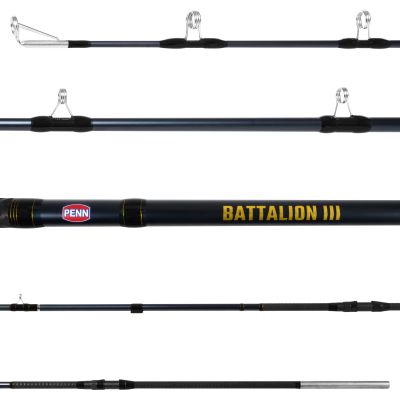
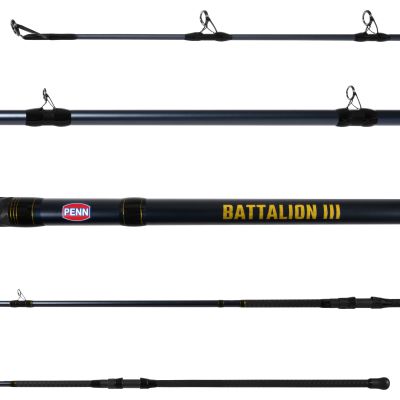
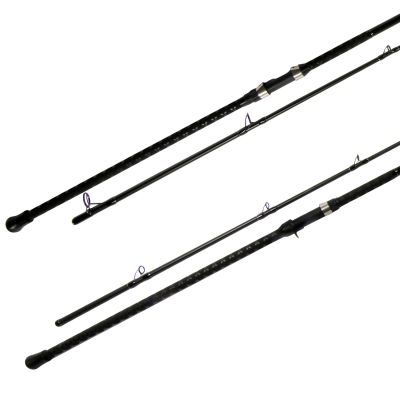
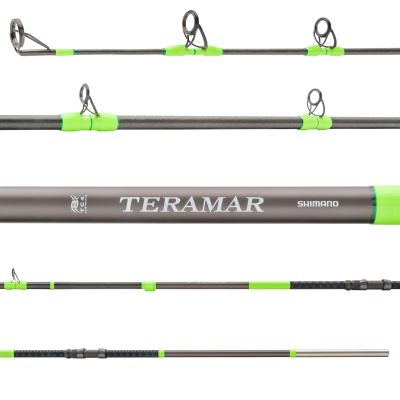
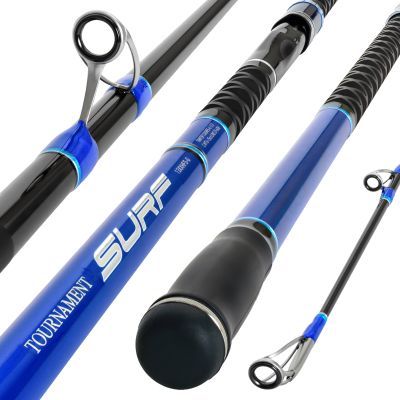
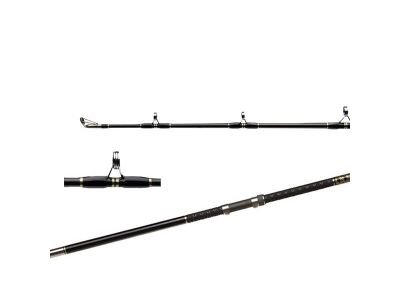
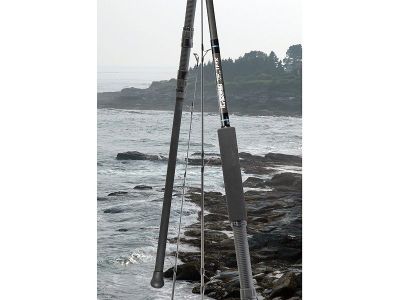
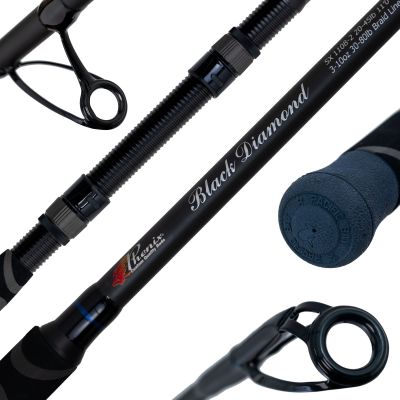
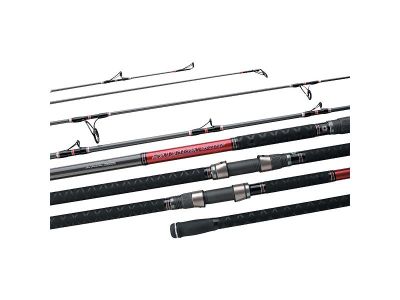
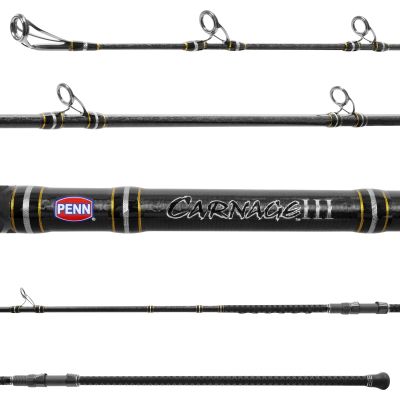
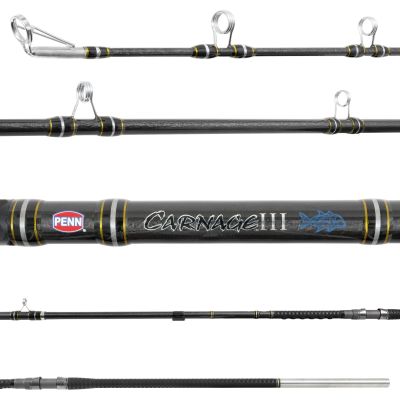
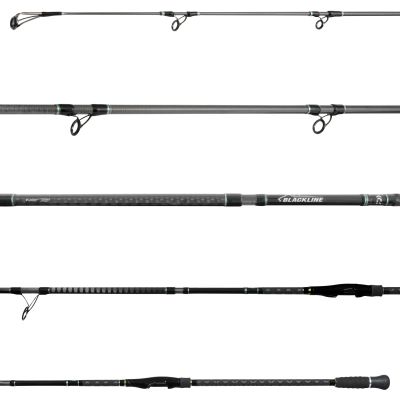
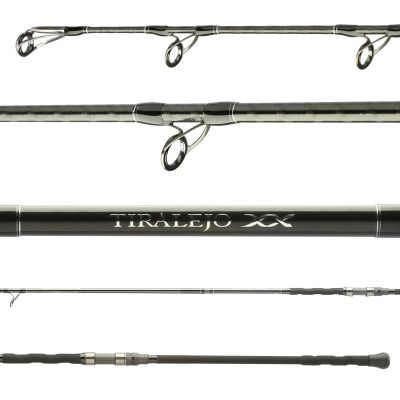
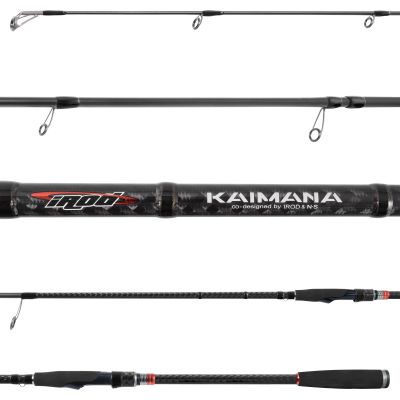
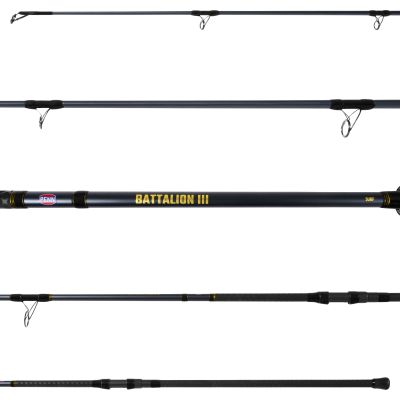
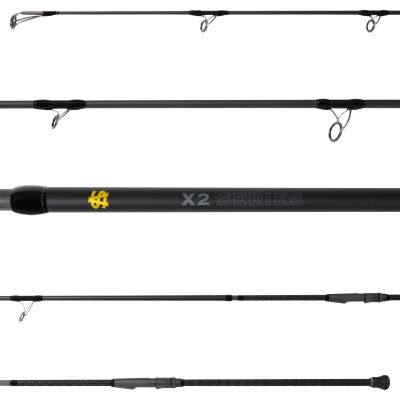
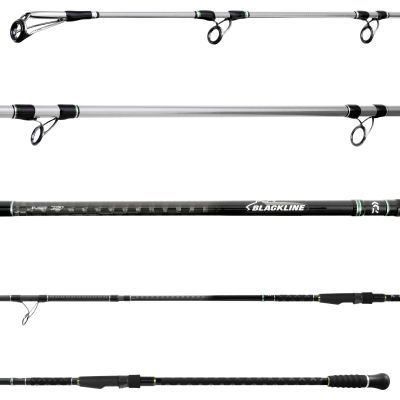
The two main styles of fishing rods used for surf fishing are surf spinning rods and surf casting rods. See a full breakdown of spinning vs casting rods in our blog, Spinning vs Casting Rod: What’s the Difference? Generally for fishing live or cut bait, you’ll want to go with a spinning rod and appropriately paired spinning reel. For casting and retrieving lures you may want to consider fishing with a casting rod and baitcasting reel.
-
-
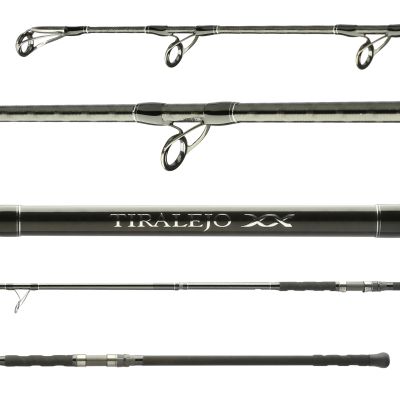 Shimano Tiralejo XX Surf Spinning Rod - TRJXS110H - 11' - 40-65 lb.Now: $439.99 Was: $549.99Out of stock
 -
-
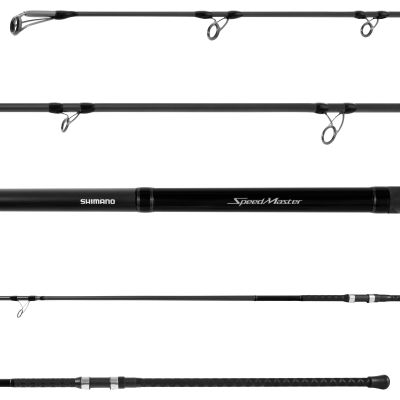
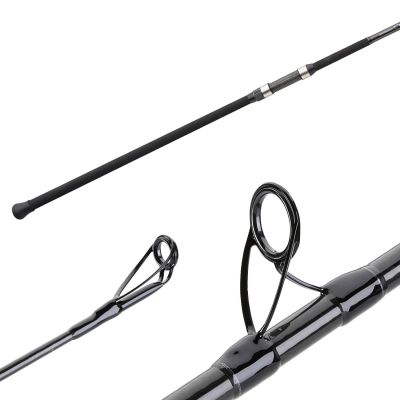
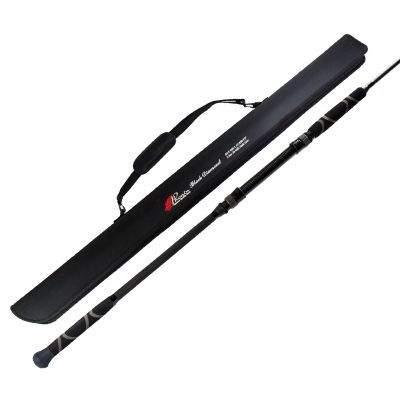
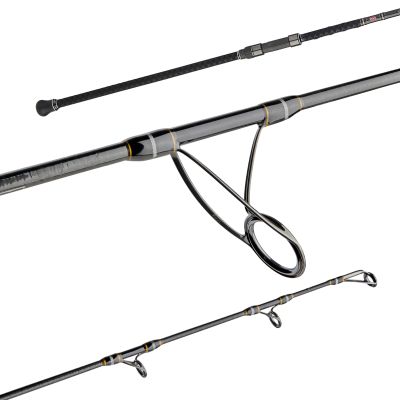
Action
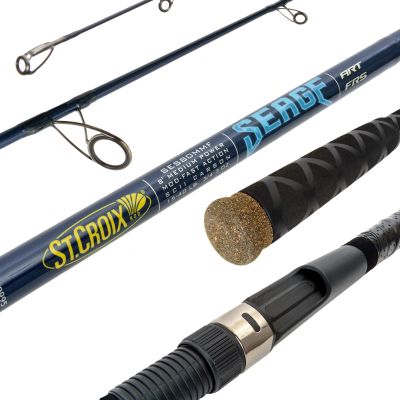
Let’s discuss what action you should be looking for in a surf fishing rod. The three basic actions a rod might have are: fast action, medium action, and slow action. A fast action rod is very stiff with a strong backbone and only bends at the top third of the rod. A medium action rod is slightly less stiff and will begin bending about halfway up the rod. Fast and medium action rods are more ideal for bigger game species and are often used to make long casts and fish cut bait for species such as sharks and rays. A slow action rod is extremely parabolic and generally used in lightweight scenarios for targeting the smaller species that reside in the surf.
Excluding shark and ray setups, here are a few examples of rods that you might consider to fish in the surf for different applications.
- A medium action or medium/fast action 7.5-9 foot spinning rod
- A slow action 6.5-8.5 foot spinning rod
- A medium action or medium/heavy 7-9 action casting rod
Length
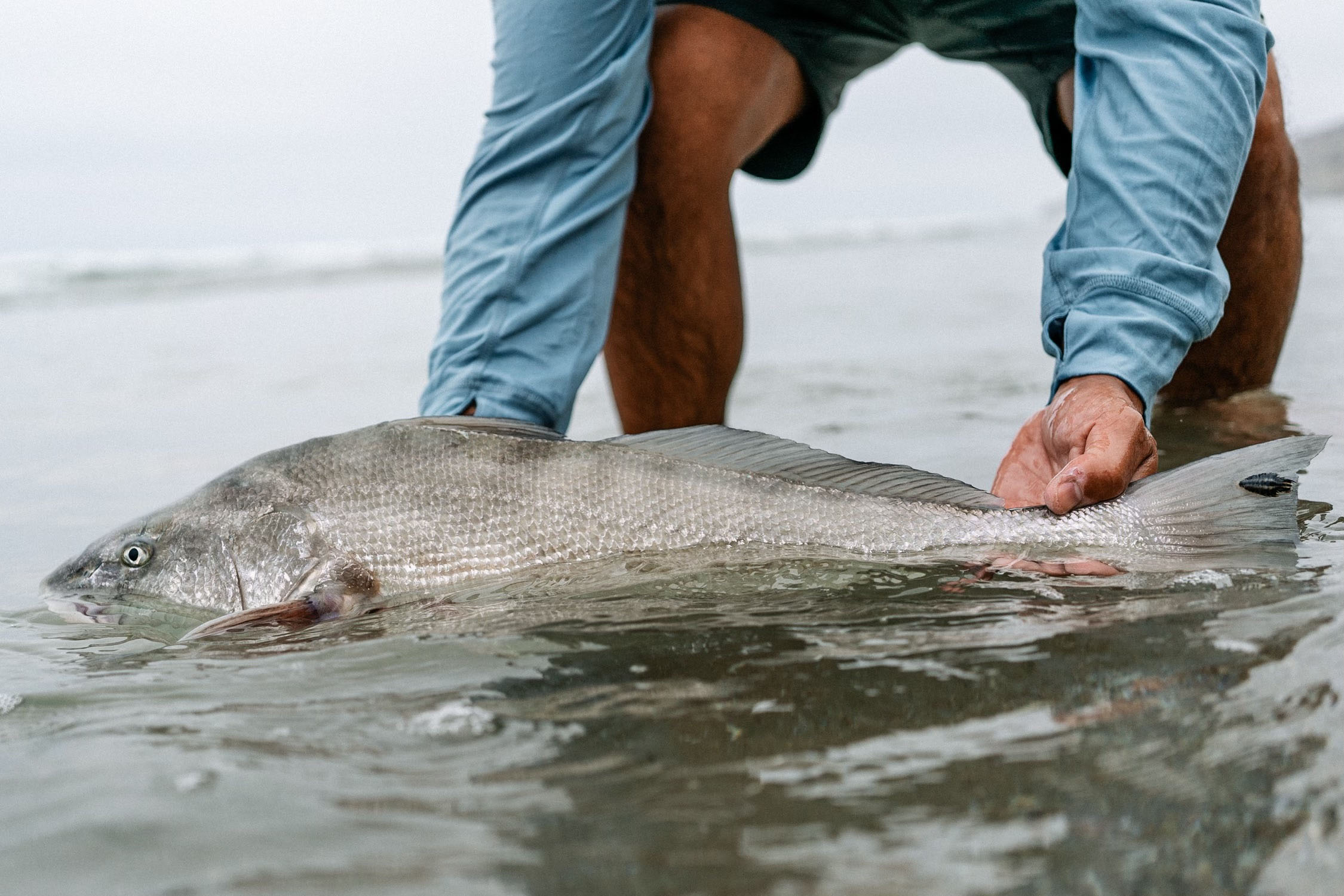
When we think of surf fishing, we tend to think that longer rods are automatically better because they allow us to cast further. The length of your rod should be determined more so by your target species rather than how far it can cast.
For general light line fishing when we are walking the beach and making casts into open water with grubs, sandworms, sandcrabs, or other small plastics, a parabolic 8-9 foot rod is ideal. This is the style of fishing that I do most frequently and fishing with an 8.5 foot parabolic rod allows me to make long casts into the breaking waves, but it also allows me to make shorter and precise casts into any nearshore troughs or holes that I might come across. My 8.5 and 9 foot spinning rods are both rated for 4-12 lb line and lures up to 5/8 ounces.
For the same style of fishing but using lures instead of bait, I prefer to fish a casting rod with a baitcasting reel. Your casting rod should be between 7-9 feet long, medium to medium/heavy, and rated for 8-25 lb test and lures up to 1.5 ounces. Using a conventional rod to fish lures is more ideal and will reduce fatigue throughout a day of fishing.
My favorite way to target fish in the surf, but also the most seasonal tactic that I use is sight fishing. In the warm water months, corbina will come up on the beach and swim/feed in just inches of water. For this style of fishing, a shorter seven foot spinning rod is most ideal, as many times we are casting only 5-10 feet and need to be extremely precise in order to warrant a bite. This can become difficult and frustrating when using a longer rod that makes it more difficult to make precise casts. I use a 7 foot light rod, rated for 2-8 lb line, as I’m often fishing mainly with 4 lb when sight fishing.
Another popular style of surf fishing, admittedly the one I partake in the least, is baiting and waiting with chunk bait. Anglers doing this are usually targeting larger species like sharks, rays, and big croakers. For this technique a longer rod is essential for making long casts. This rod should also be stiffer to handle big fish. A 9 foot medium action rod rated for roughly 10-20 lbs is ideal for this scenario.
Sensitivity and Weight
I will not expand too much on these factors as they are fairly self-explanatory when it comes to surf fishing. Sensitivity is an extremely important characteristic that a surf rod must possess. Having the ability to feel subtle bites between breaking waves and structure is crucial to converting bites into hookups. Weight plays a large role in the choice of a surf fishing rod because as an angler, you’ll need something lightweight to walk (sometimes miles) up and down the beach in search of productive areas. Both sensitivity and weight will vary based on the materials used to construct the rod. Graphite rods will be more lightweight and have greater sensitivity, although perhaps not as strong, as rods built of fiberglass or other materials, but this tradeoff is well worth it for the benefits.
Recommendations
Surf fishing rods, both spinning and conventional, are offered from many brands in a variety of sizes, ratings, and prices. Shimano, Penn, Daiwa, Edge, and Phenix all offer numerous great options. My go-to surf rod is the Penn Carnage III Surf Spinning Rod, 8.5 feet in length, moderate action, light power, rated for 4-10lb mono. If possible, before buying a rod, go into your local tackle shop or come into Melton’s Tackle and see how different rods feel to you and talk with employees so they can help you find the rod which fits your needs best.
Surf Fishing Reels
When it comes to choosing a reel for surf fishing, it can seem a daunting task as there are many options, both cheap and expensive, available from a number of different brands. We’ll go over some factors and specifics below, but my suggestion to you would be to look for a reel within your budget, but do not worry about getting top of the line gear. The saltwater and sand are much more brutal on surf fishing reels than on surf fishing rods, and depending on how often I surf fish, I replace my surf fishing reels every season or so.
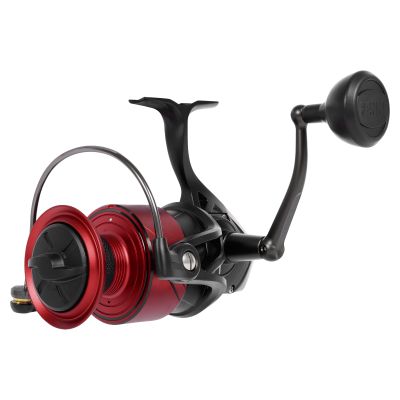
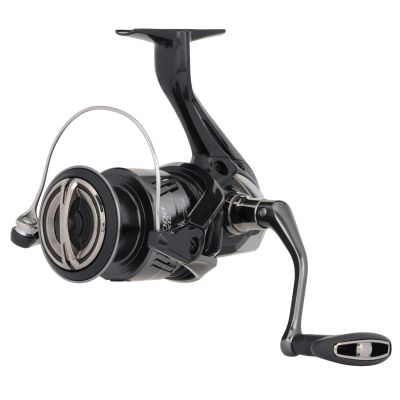
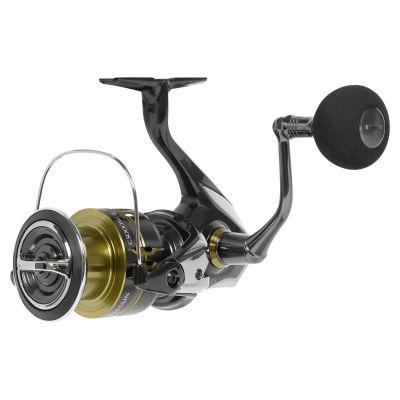
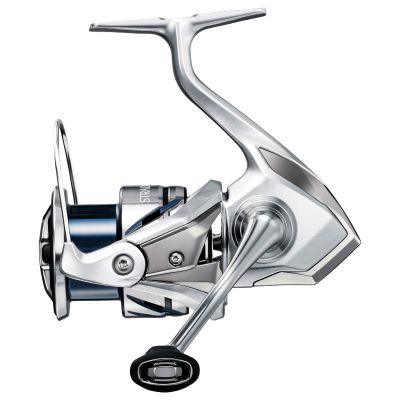
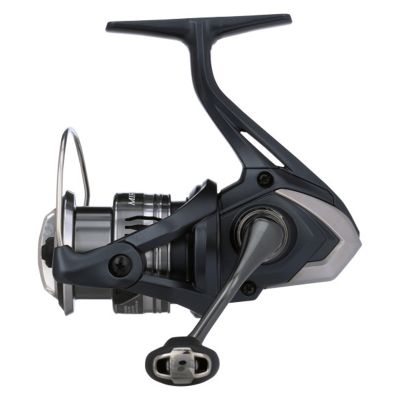
For most species in the surf a 1000 to 3000 size spinning reel will work just fine. When considering baitcasters, you’ll want to look for reels in the 150-300 size range with the 200 size being my favorite. Both these spinning and baitcasting reels will have to line capacity and power to land most fish you hook with relative ease. With that being said, they also possess enough line capacity and drag to slow down any bigger fish you might hook while surf fishing, such as halibut, stripers, or big croaker and corbina.
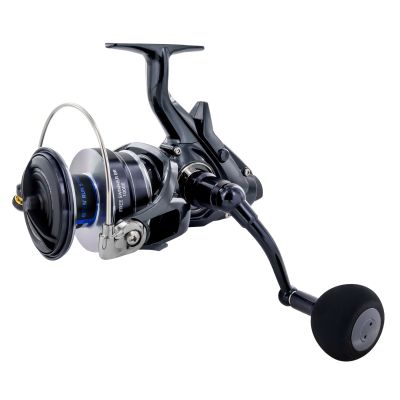
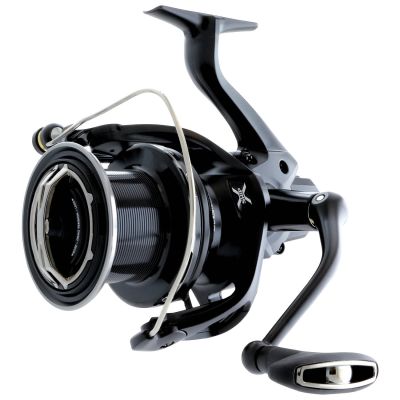
If you are looking to use big chunk baits and fish for large shark and ray species, I’d recommend looking for a 6000 to 8000 size spinning reel which will have the proper line capacity and drag to target big-game.
-
-
-
-
-
-
-
-
-
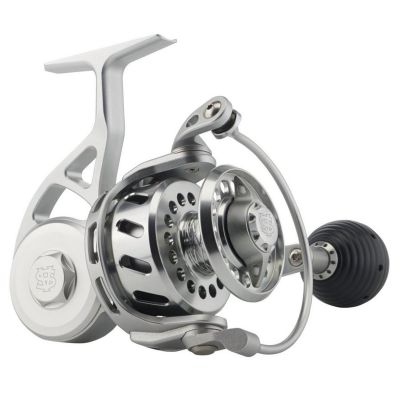 Van Staal VR Series Bailed Spinning Reels
From: $511.96
Was: $639.95
-
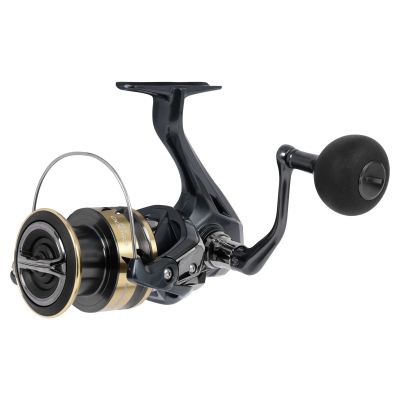
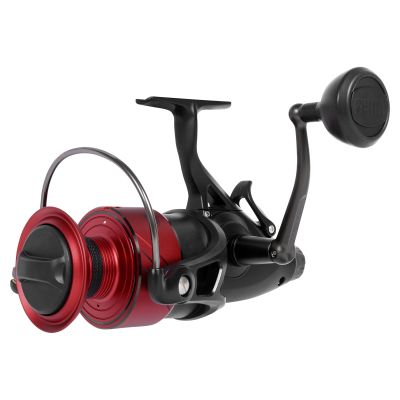
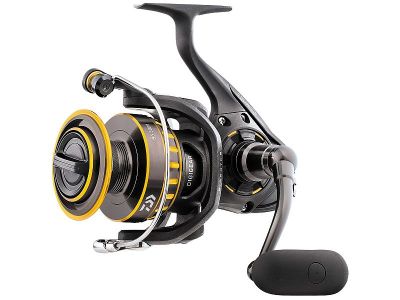
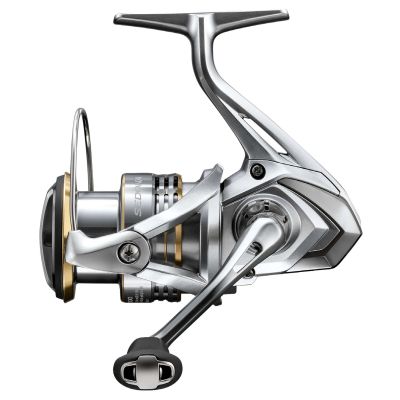
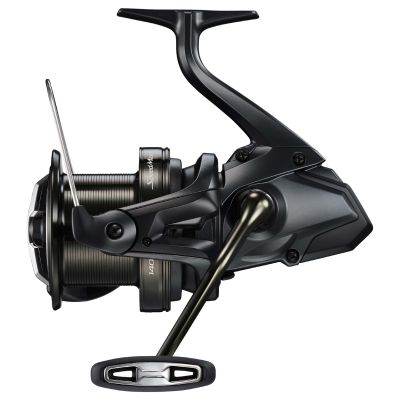
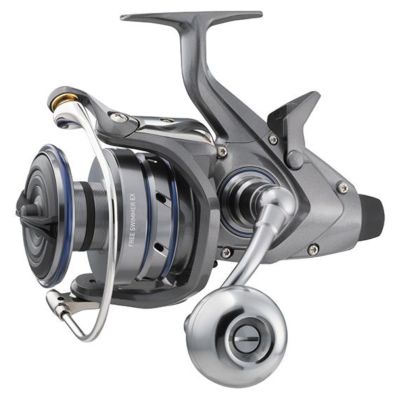
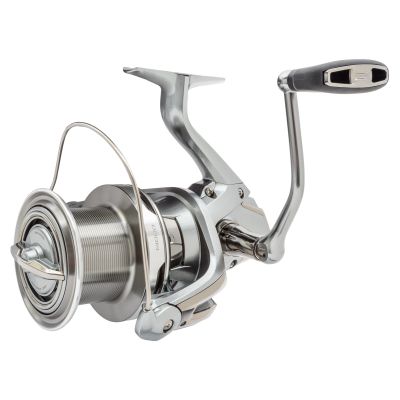
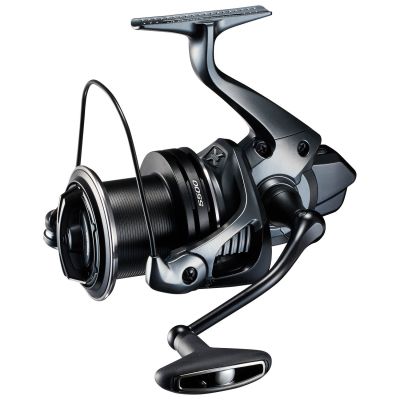
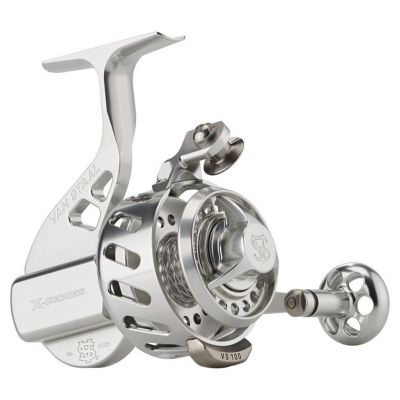
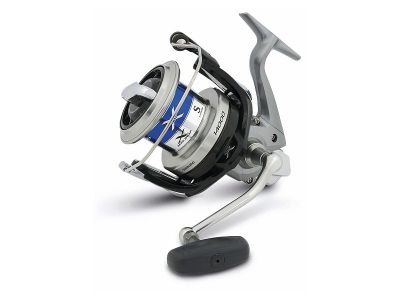
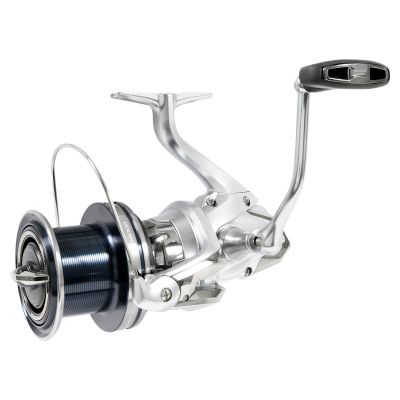
Shimano, Daiwa, and Penn offer a great option of spinning reels that can be used in the surf and range anywhere from about $50 to $150+. Daiwa’s BG line of spinning reels are a great option for surf fishing anglers and won’t break the bank. Similarly, the Shimano Sedona FJ Spinning Reel and Sienna are offered at a great price and will do the job.
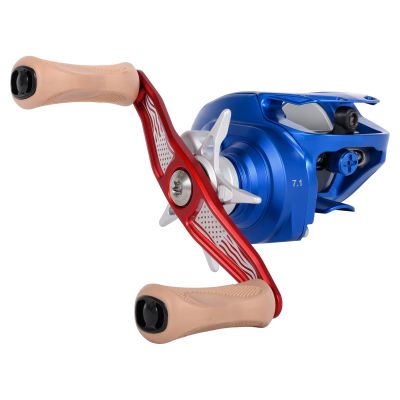
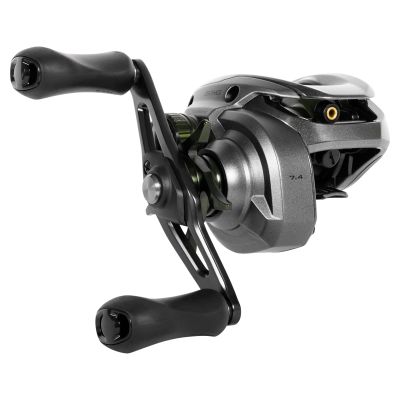
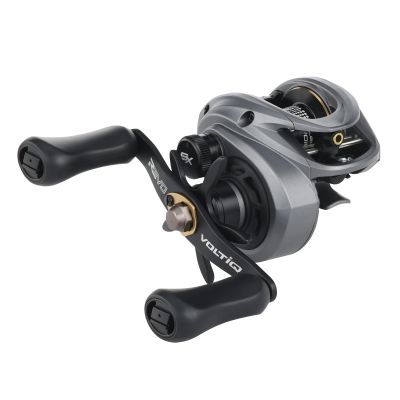
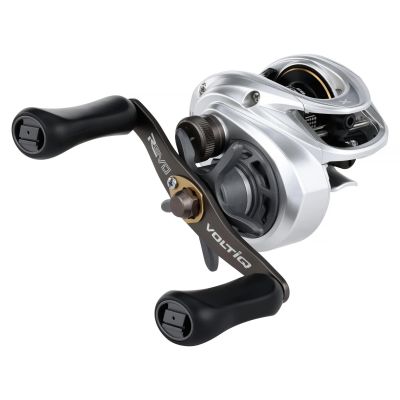
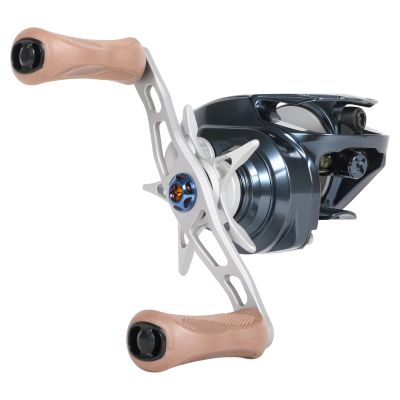
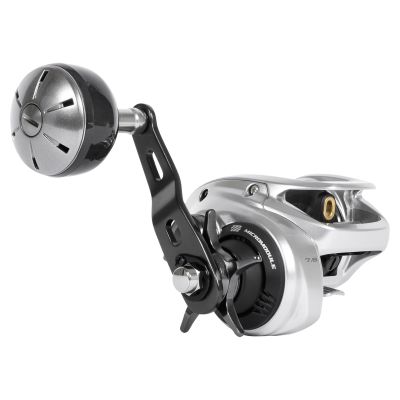
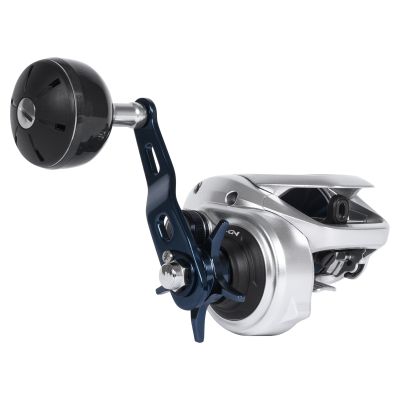
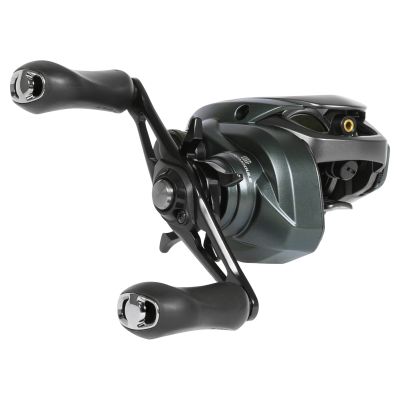
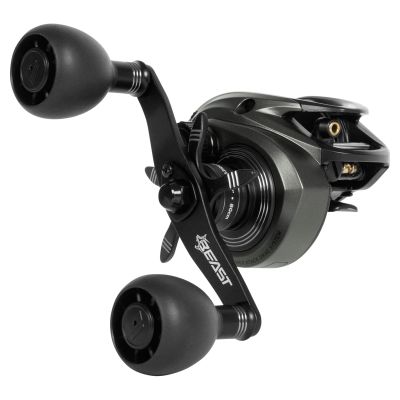
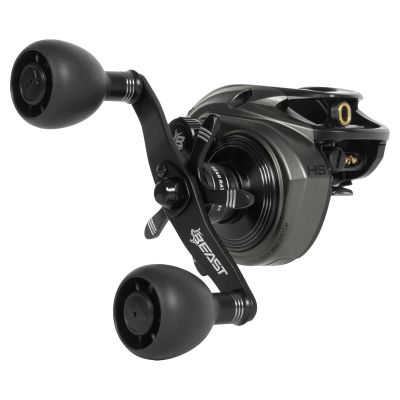
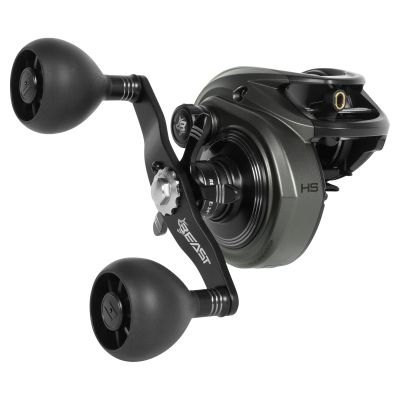
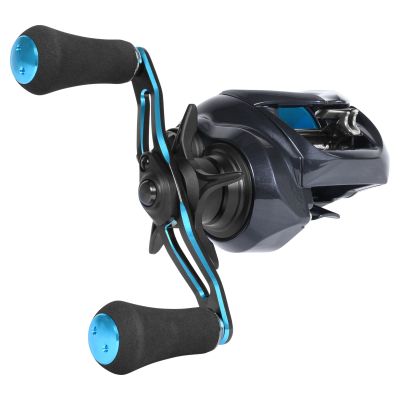
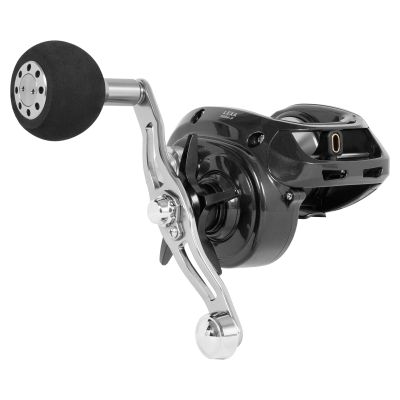
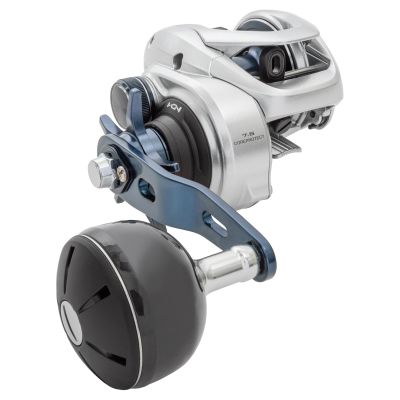
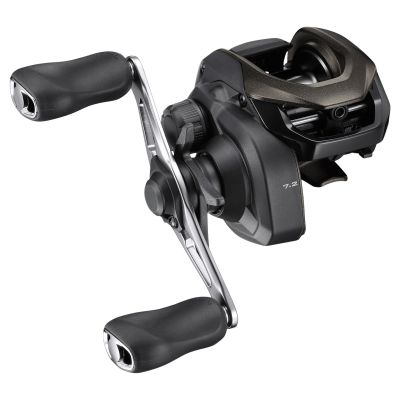
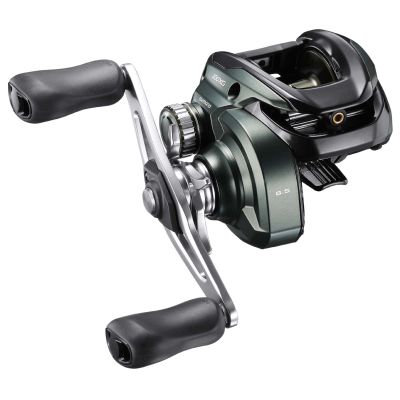
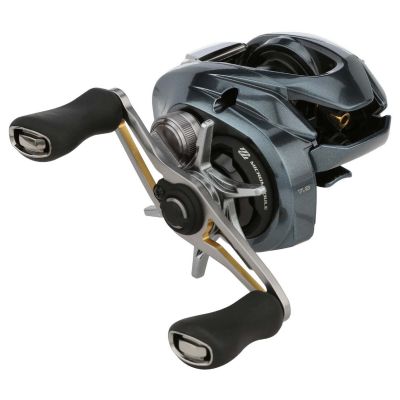
When looking for baitcasting reels, keep in mind these will likely be significantly more expensive than most spinning reel options. The Shimano Tranx Baitcasting Reels and Shimano Curado K 200 Baitcasting Reels are great options, as well as the Penn Fathom Low Profile Baitcasting Reels, Daiwa Lexa Type-HD Baitcasting Reels, or Daiwa Tatula 300 Baitcasting Reels. All of these reels are compact, low profile, and lightweight. They can be used with heavier line compared to spinning reels to fish artificials such as jerkbaits, swimbaits, and other plastics.



Line Selection
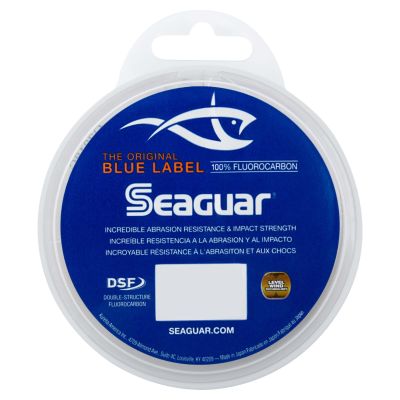
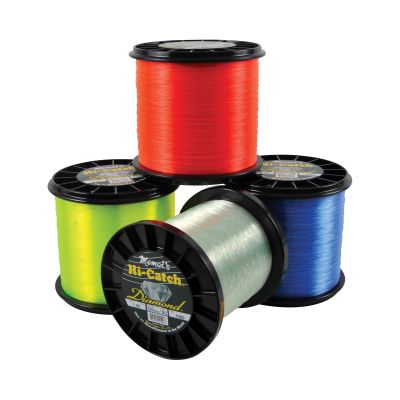
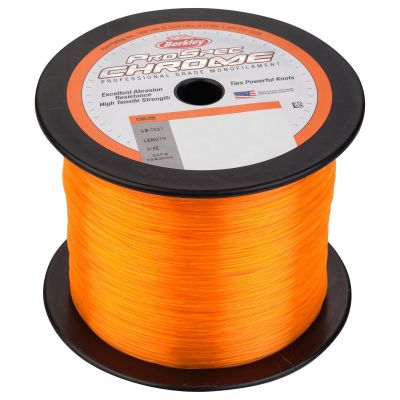
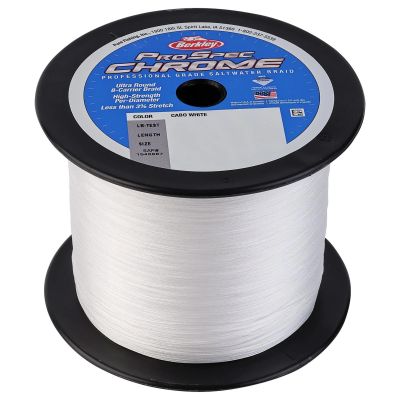
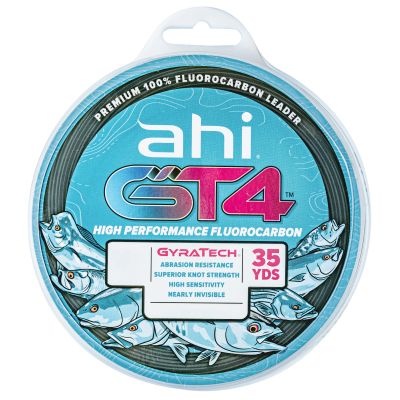
In surf fishing, all types of fishing lines are utilized by anglers, but certain line types are best suited for certain techniques. Monofilament fishing line is most commonly used by “bait and wait” anglers fishing with big reels and long rods targeting sharks and rays. Fluorocarbon fishing line is used most often by anglers who are targeting weary species such as the corbina. In my experience however, I’ve found no difference in the amount of bites or willingness of fish to eat my bait, with fluoro compared to mono, when fishing 6lb line or under. Braided fishing line has become extremely popular amongst surf fishermen as it’s thin diameter allows you to put more line on your reel and it is extremely strong for its size. One thing to keep in mind about fishing braided line is that sand may make its way in between the woven strands of braid and weaken the line over time. If you notice any frays in your line or your line snapping for seemingly no reason, it’s time to respool your reel.
For targeting big game, you should spool your reel with either straight 30 lb monofilament line or a combination of 30-40 lb braided backing topped with 30 lb monofilament or your selected leader size. For spinning setups aimed at smaller common surf species, it’s typical to use 6-8 lb monofilament or alternatively 10-20 lb braid. The leader selected will depend on the target species and generally ranges from 4 to 12 lb. Casting setups are usually loaded with 8-12 lb mono or alternatively 20-30 lb braid, connected to a short leader.
Terminal Tackle and Accessories
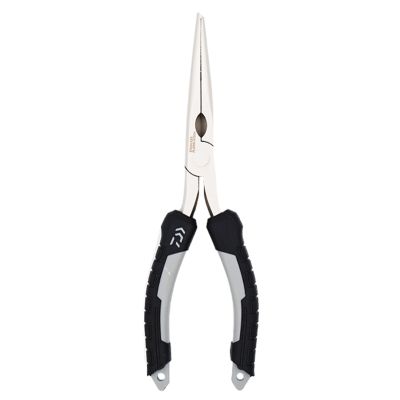
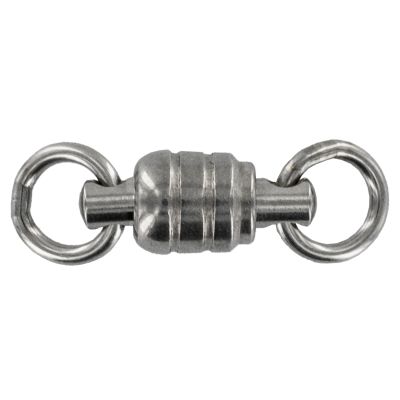
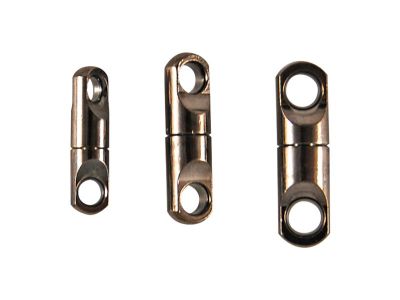
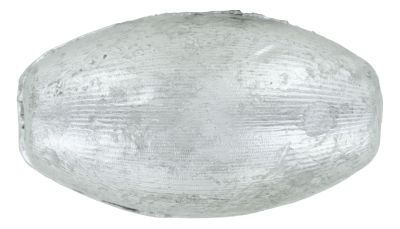
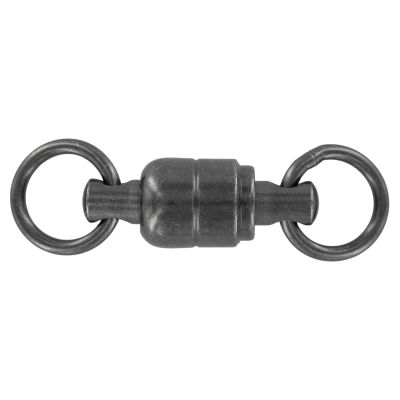
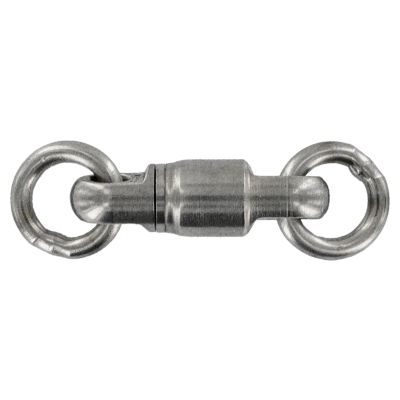
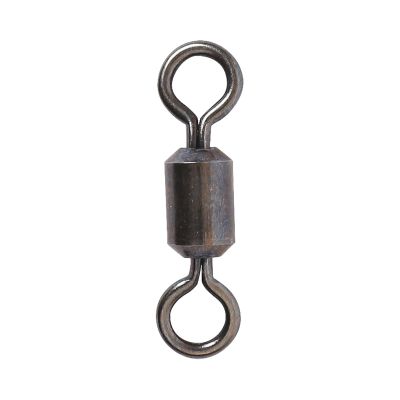
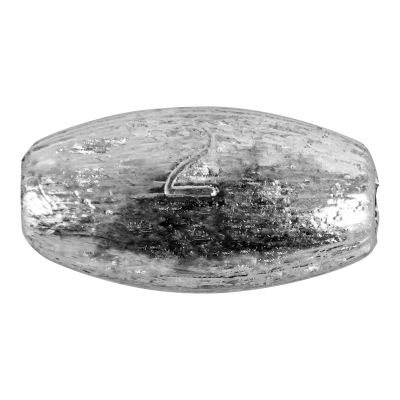
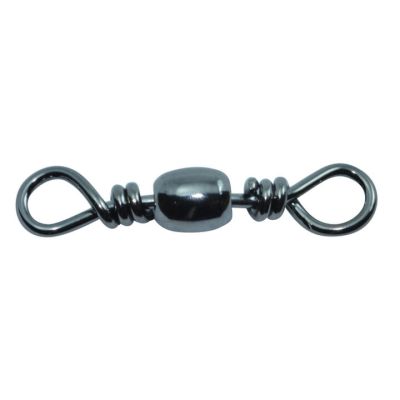
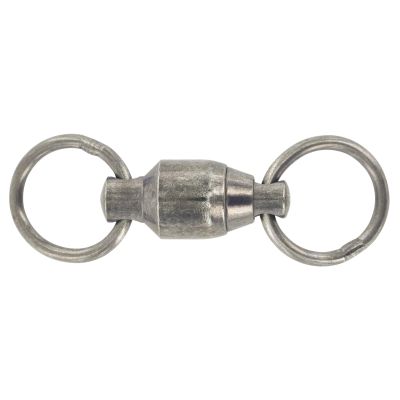
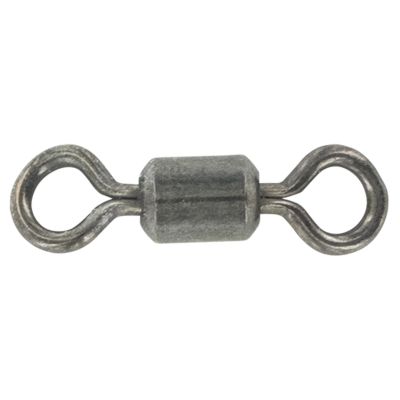
When it comes to surf fishing, it’s entirely up to the angler to make it as simple or intricate as they would like. Many times, I head to the beach with only a single spinning setup and a backpack filled with only pliers, a spool of 4lb line, mosquito hooks, egg sinkers, and lightweight barrel swivels. These are the absolute essentials and allow you to catch pretty much every species that dwells in the surf using sandcrabs you find at the beach for bait.
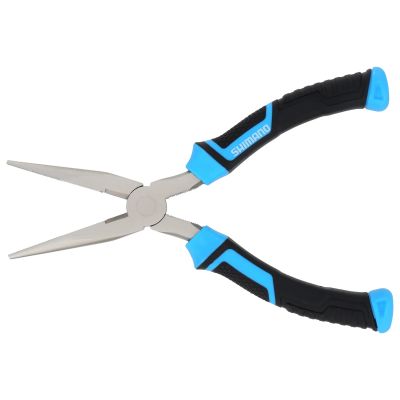
You’ll see some anglers who like to fish in waders which is great for standing in the water for long periods of time. Small tackle boxes that fit into backpacks are a great accessory and allow you to bring all the tackle and baits you’ll need for the day. A good pair of needle-nose pliers are a must for cutting line and removing hooks from fish. Surf fishing can be one of the simplest fishing styles if you don’t overthink it, but make sure you at least always have the essentials before you head out.
Surf Fishing Baits and Lures
Likely the most commonly used bait by surf fishermen would have to be the sandcrab. They are free, generally fairly easy to find in the summer and fall months, and extremely effective. When digging up sandcrabs at the beach, look for ones that have the orange eggs on the bottom side, as these are the ones the fish are looking to eat. Dead cut bait such as shrimp, mackerel, or squid can be very productive when fishing for sharks and rays.
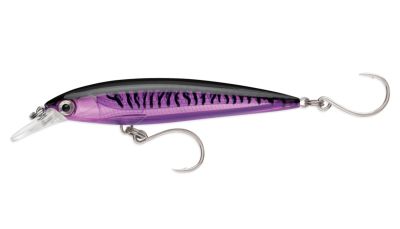
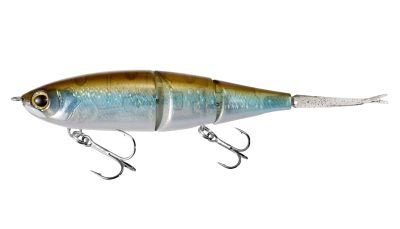
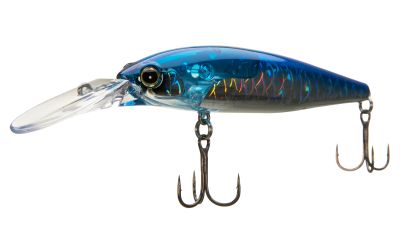
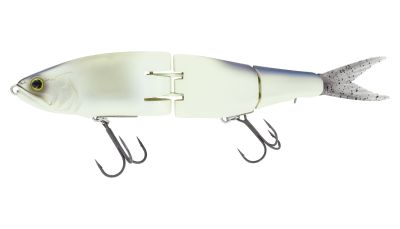
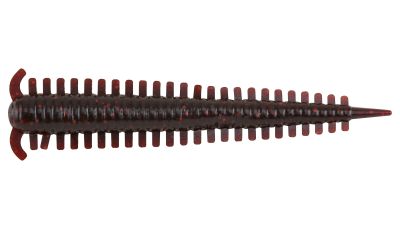
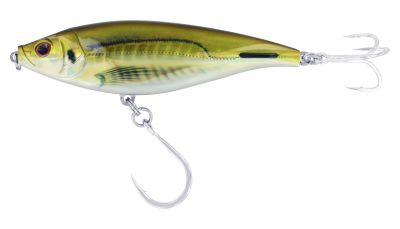
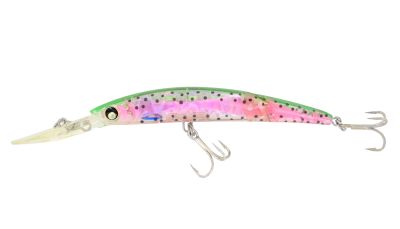
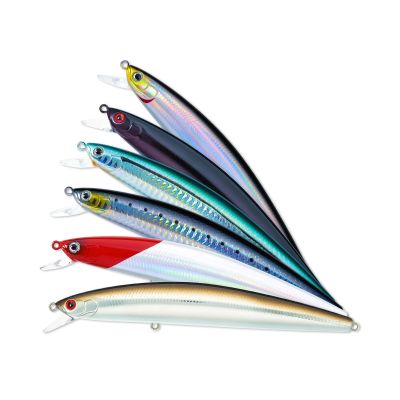
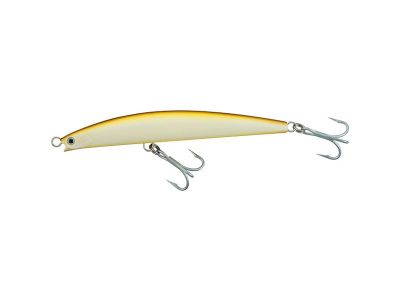
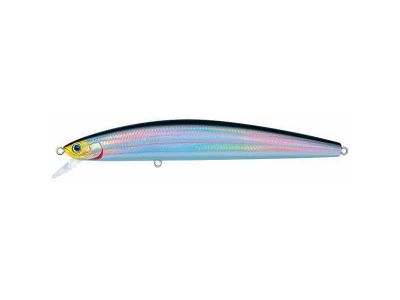
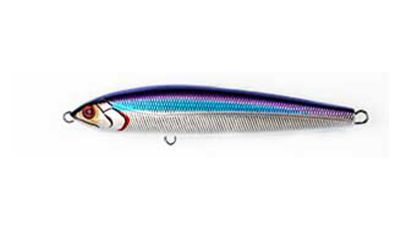
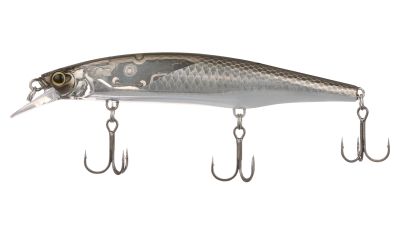
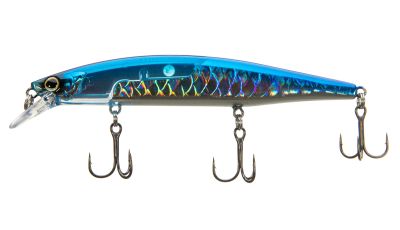
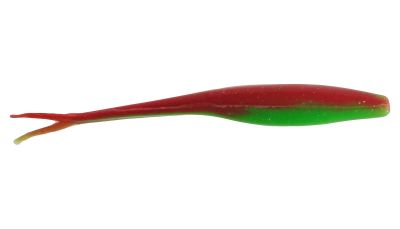
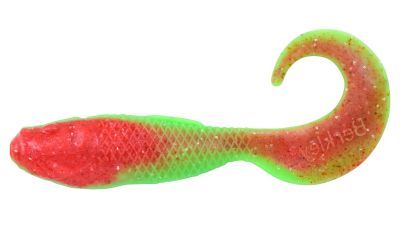
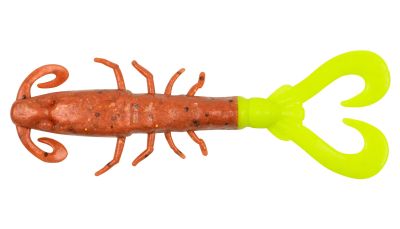
When it comes to fishing artificial lures, jerkbaits, swimbaits, grubs, and other plastics all have their time and place. Jerkbaits such as the lucky craft 110 are wildly popular to target halibut, perch, and stripers. Swimbaits, grubs, and other plastics can be fished on a leadhead or dropshot rig, most commonly used when targeting halibut in the surf. Berkley Fishing GULP! offers a massive variety of scented baits that are effective in the surf, one of the most common being the Berkley GULP! Sandworms which is usually fished with a carolina rig and small size 4-8 mosquito hook.
When choosing a bait to fish, first consider your target species and go from there. Talk to other surf anglers and see what their favorite baits are for different species, and consult employees at your local tackle shop for more recommendations. For me, I like to throw small jerkbaits and plastic flukes on swingheads when I am targeting halibut. When I am fishing for perch, croaker, and corbina, I pretty much exclusively use a carolina rigged sandcrab.
-
-
-
-
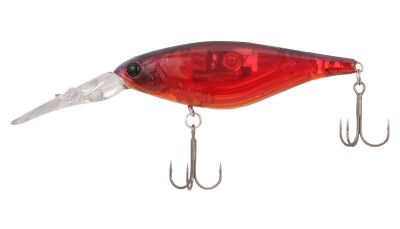 Shimano Enber FLASH BOOST Jerkbait Lures - Clearance
From: $11.39
Was: $18.99
-
-

-

Gear Maintenance and Care
The surf has the potential to be brutal on you fishing gear, so maintenance and care are extremely important in ensuring the longevity of your rods and reels. A light freshwater rinse on your rods, reels, and lures after each surf fishing session is an absolute must. If sand happens to get into your reel while fishing, do not continue using this reel and get it serviced as soon as possible to mitigate possible damage.
Surf fishing offers a fun and straightforward way to enjoy the water, providing us with an opportunity to catch a wide variety of species up and down the coast. From the abundant surfperch, the trophy halibut, the drag ripping corbina, and the thrilling challenge of targeting sharks and rays, the diversity of potential target species is what makes surf fishing so exciting. Not only is it an affordable hobby that requires minimal investment compared to other styles of fishing, but it is accessible to absolutely everyone. Whether you’re a beginner looking to try something new or an experienced angler seeking a change of pace, surf fishing should be enjoyed by all anglers.
The simplicity of grabbing just a single rod and reel setup, heading to the beach, and casting into the surf on any given day is part of its allure. So, why not give it a shot and see for yourself what the surf has to offer you. Make sure to check out Melton Tackle for all your surf fishing tackle needs!
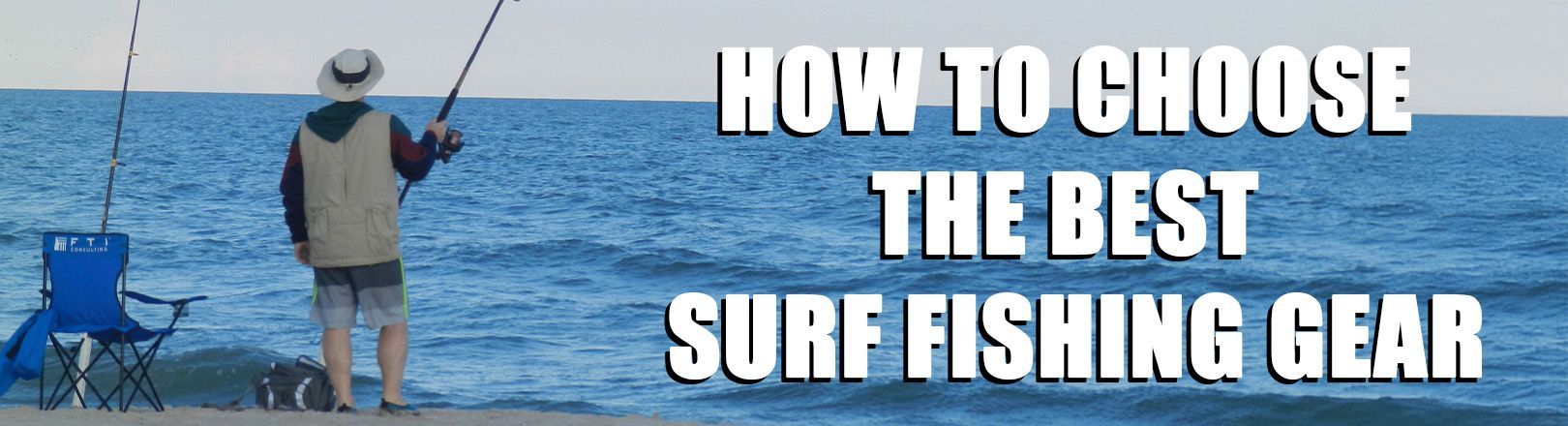
The banner image was modified using generative fill to widen the composition, extending the background while preserving the subject. The original is "Surf Fishing at ASP" by MeghanASP, CC BY 2.0