


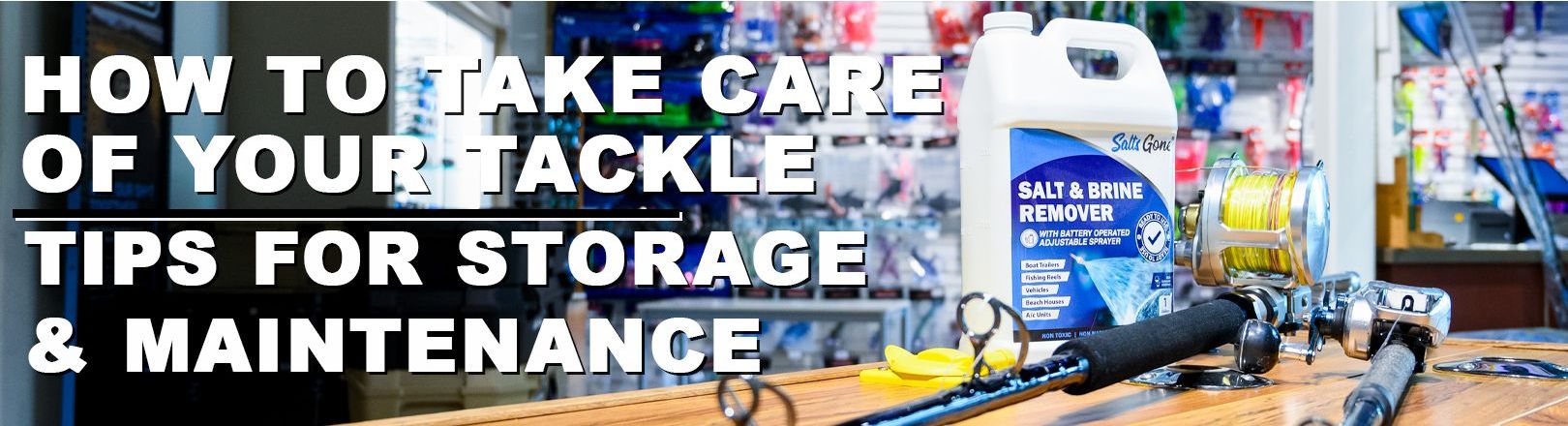
Properly caring for your rods, reels, and tackle is one of the best ways to ensure longevity and functionality from your hard-earned fishing gear. Many of us have spent years building an arsenal of rods and reels, likely investing more money than we'd care to admit. Having dedicated time and resources to acquiring our treasured tackle, it's only fitting that we maintain and care for our gear throughout the season and store it away properly in the offseason.
As saltwater anglers, we're well aware of the harsh, corrosive nature of saltwater. Rods, reels, and tackle require special care, particularly during the fishing season, to keep everything working smoothly and ensure peak performance. By maintaining your fishing gear, you'll extend the life of your rods, reels, and tackle, ultimately saving money in the long run. In this post, we'll explore the necessary maintenance steps and provide tips for caring for your gear during the season and prepping it for winter storage.
Cleaning Your Tackle
● After Each Use
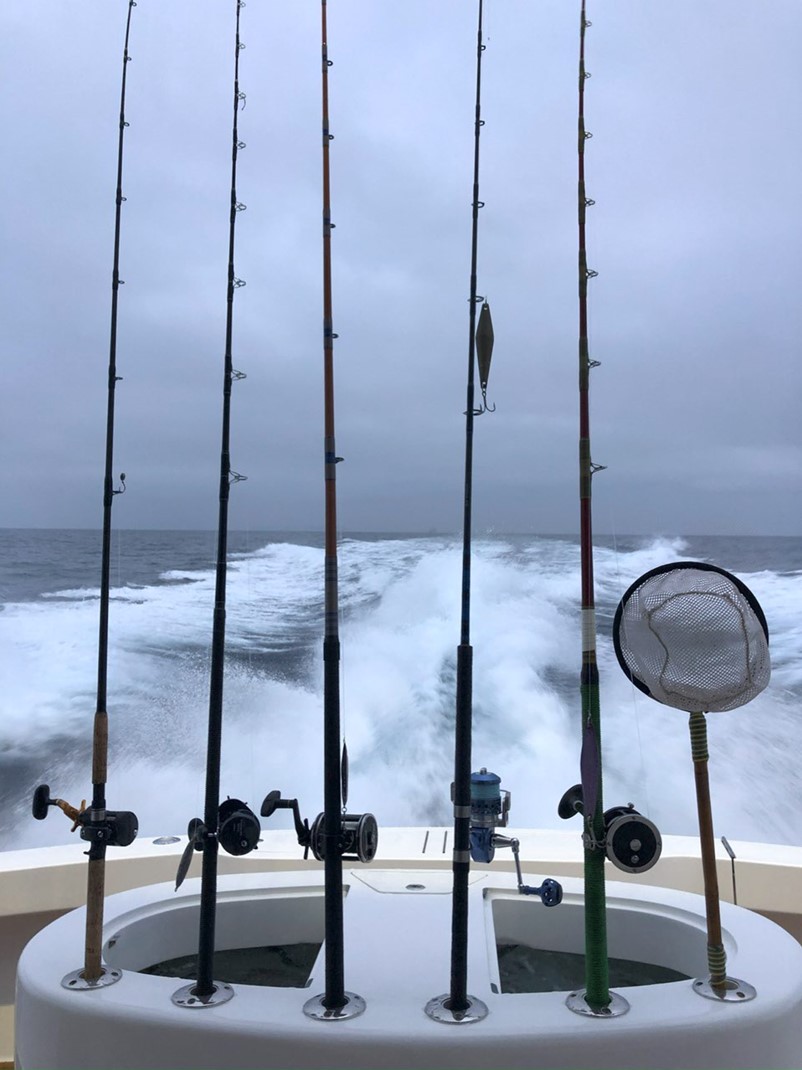
- First and foremost, the bare minimum that every angler needs to be doing with their gear after a day of fishing is to give it a light freshwater rinse. Ideally using the "mist" setting on a hose nozzle, give your rods, reels, lures, or any other tackle used that day a thorough rinse with freshwater. Never dunk or submerge your reels in freshwater and try to avoid using high pressure when spraying your reels down, as this can push saltwater into the internals, leading to corrosion. After rinsing your gear and tackle, use a microfiber cloth to wipe down your gear and dry it as best you can, leaving it to air dry for a few hours if necessary. Do not put reel or rod covers on your gear until it is fully dry, as this can trap moisture inside, which can lead to corrosion or rusting and the potential need for repair.
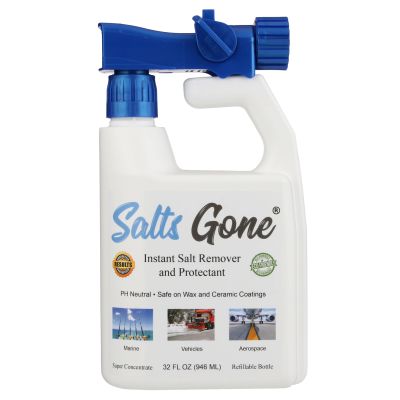
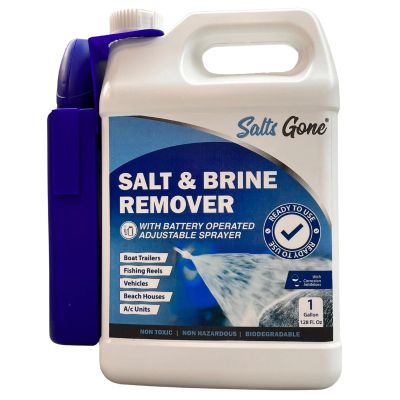
- Utilizing a rod or reel cleaning & maintenance supplies is not a must, but is a good idea as they often possess anti-corrosion properties and will assist in the longevity of your gear. Additionally, using Salt-Away, Salts Gone, or any similar product when rinsing your gear is well worth the investment. These plug-and-play products are easy to use and ensure that you're removing as much of the harsh saltwater elements as possible when rinsing your gear. A mild soap can be used as a substitute when rinsing your gear as well, but I tend to stray away from soaps if possible, as they can sometimes strip the protective oils and greases from reels.
● Deep Cleaning
- Deep cleaning is normally something I do entering an offseason when I know that my gear is not going to be used for an extended period of time, or when I notice any specific gear not performing optimally.
- If you are confident in doing so, disassemble your reels and clean all internal parts that cannot be reached easily. This can be a tricky process, so for anglers who are not comfortable disassembling their own reels but would like their reels to be cleaned and serviced, I recommend taking your reels to a local tackle shop or specialized reel maintenance store.
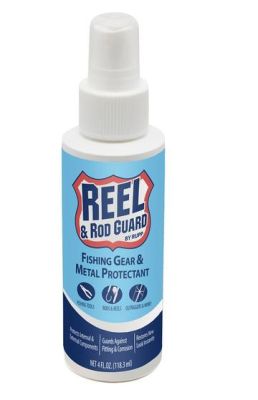
- Despite thorough and consistent rinsing of rods throughout the season, it's likely your rod guides, rod grips, and reel seats could use a deep clean. Using a rod-specific cleaner and microfiber cloth, wipe down any visible salt buildup, looking closely around the guides and reel seat of the rod.
Lubrication and Reassembly
● Choosing the Right Lubricants
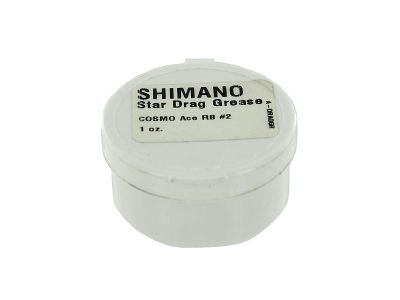
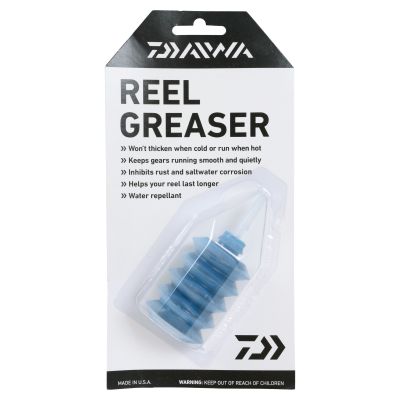
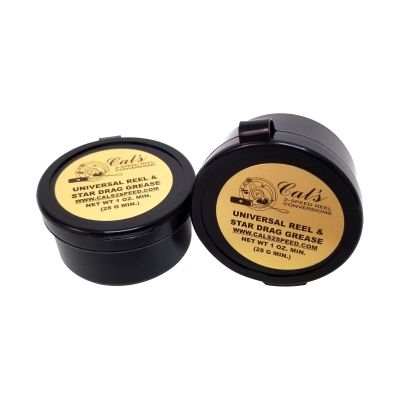
- It is important to use high-quality oils and grease when servicing your reels. Cal's Universal Reel & Star Drag Grease, Corrosion X, and TSI are popular choices, and oftentimes lubricants will be included with the purchase of a new reel. If you are unsure of which lubricant to use, go in or call a local reel service shop and ask what they recommend for your specific reel.
- Reels used in saltwater vs. freshwater should be maintained similarly, but a slightly more corrosion-resistant lubricant may be necessary for reels used strictly in saltwater environments.
● Lubricating Moving Parts
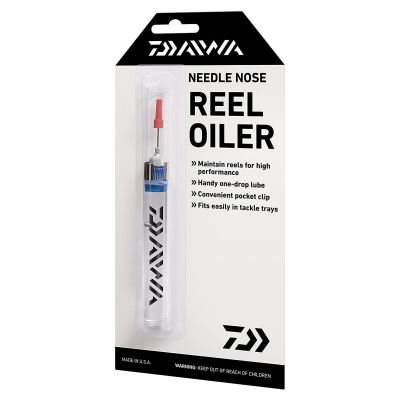
- Applying lubricants to the moving parts of your reel both internally and externally is something that should be done at least every fishing season. Grease should be reapplied to drag washers and gears, while oils like TSI should be applied to bearings. Products like Corrosion X can be applied on all internal metal parts of the reel as well as external moving parts to aid in corrosion prevention.
● Reassembling Your Gear
- If you choose to service your reel at home and have limited experience doing so, make sure to take pictures as you disassemble, and label internal parts of the reel if necessary. I’ve found Youtube videos to be extremely helpful in the disassembly and assembly process when I first began servicing my own reels. Again, if you are not entirely comfortable servicing your own reel, I’d recommend taking it to someone who specializes in doing so.
- Whether you service your own gear or take it to a shop, it’s imperative that you test your reels for proper functionality upon finishing a service. This will make sure that everything is working optimally, and any potential issues can be fixed before the next time you fish.
Storage Best Practices
● Short-Term Storage
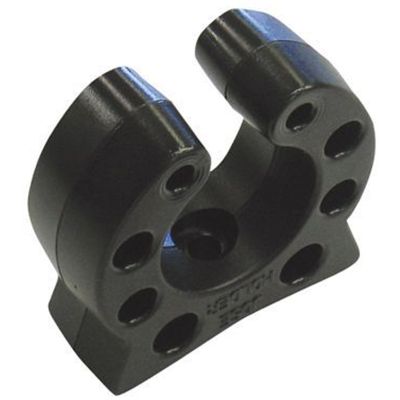
- Short-term storage, meaning storage between trips throughout the fishing season, does not differ greatly from long-term storage but is perhaps less extensive. If you're headed out soon, it's likely rod covers and reel covers might not be used, but it's still important to make sure all your gear is fully dry before storing. If you have specific rod storage equipment to keep your gear organized, use it, and try to avoid leaving your rods leaning up against a wall for long periods of time.
● Long-Term Storage
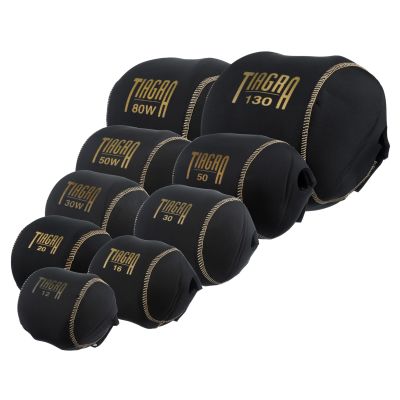
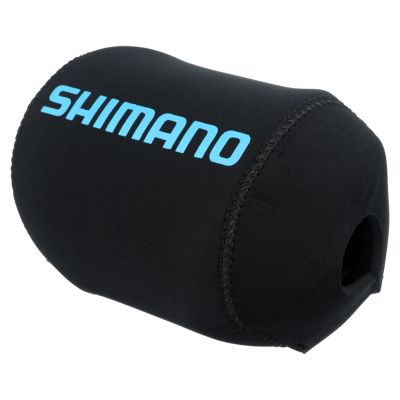
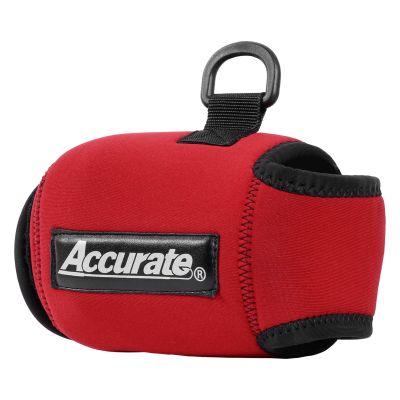
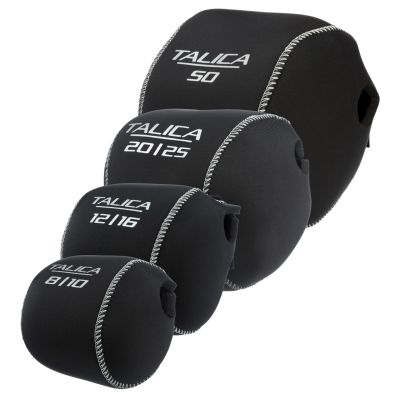
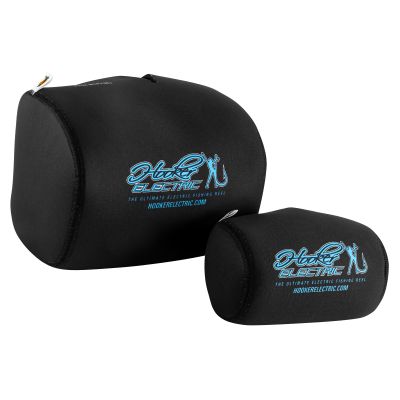
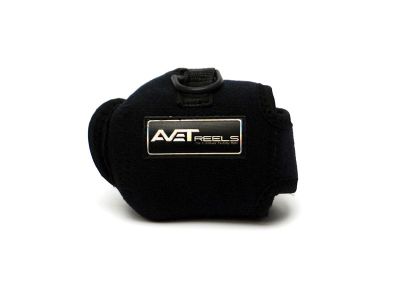
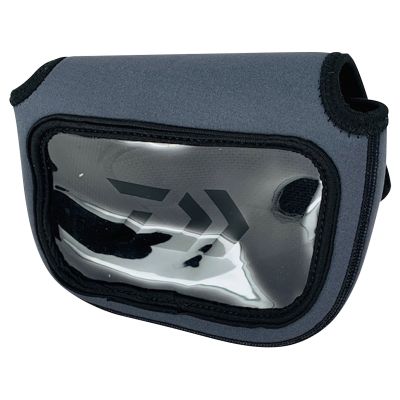
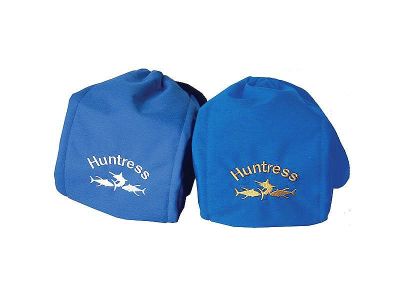
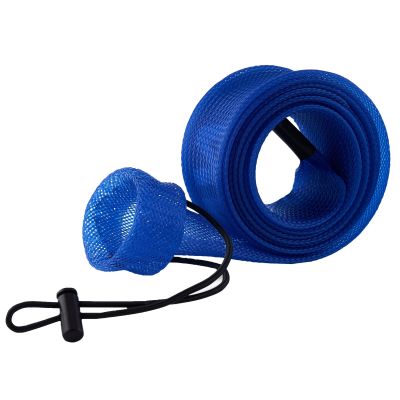
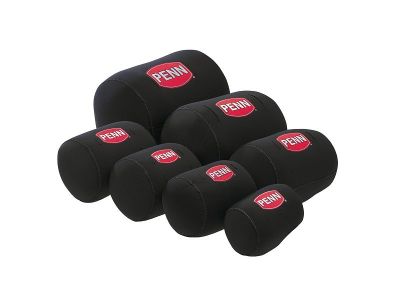
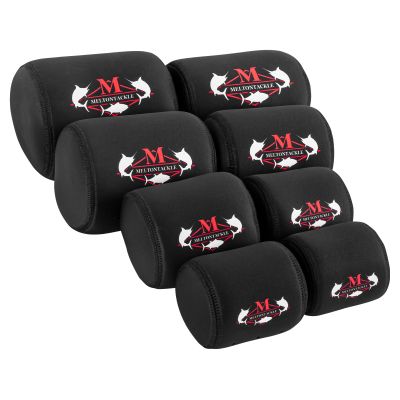
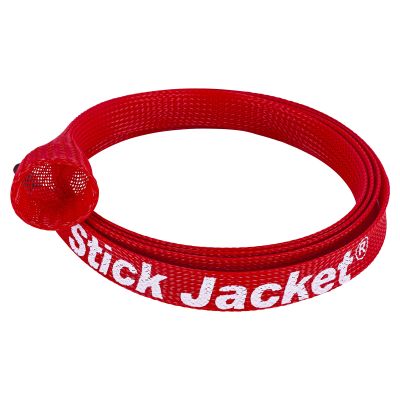
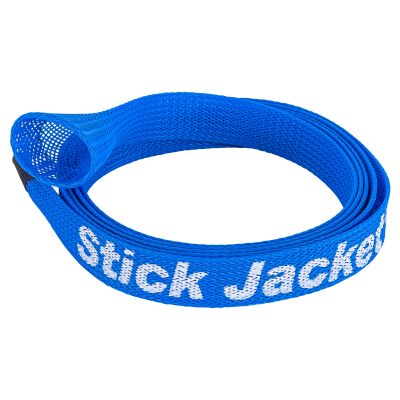
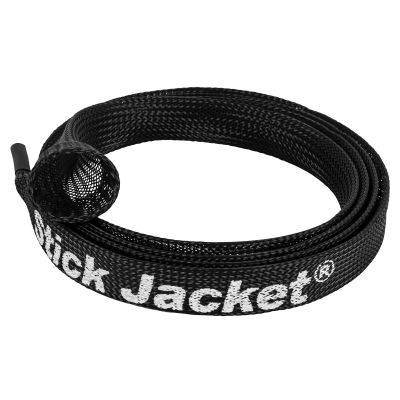
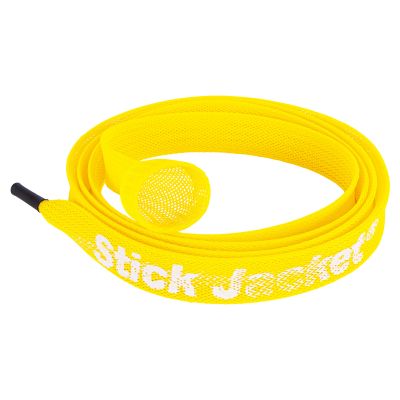
- When preparing your gear and tackle for off-season storage, utilize any rod and reel covers you might have, as this helps to protect your gear from potential dings or scuffs. Find a relatively cool and dry location, out of direct sunlight and away from potentially extreme hot or cold temperatures, to store your gear for the off-season. Before storing gear for months on end, it might be a good idea to give it one last wipe-down with a specialized cleaner to prevent rusting, corrosion, or other potential
-
-
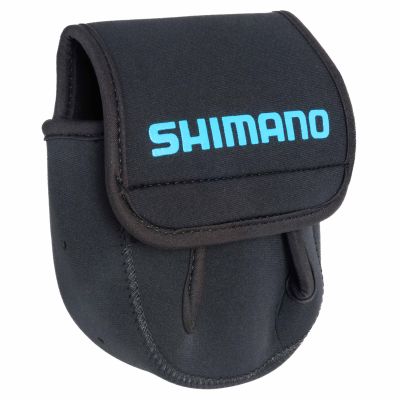 Shimano Spinning Reel CoversOut of stock
 -
-
-
-
-
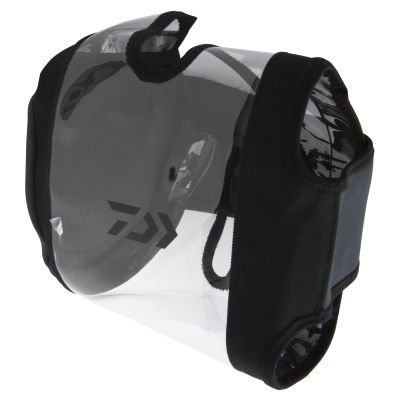 Daiwa Electric Reel CoverOut of stock
 -
-
Routine Inspections
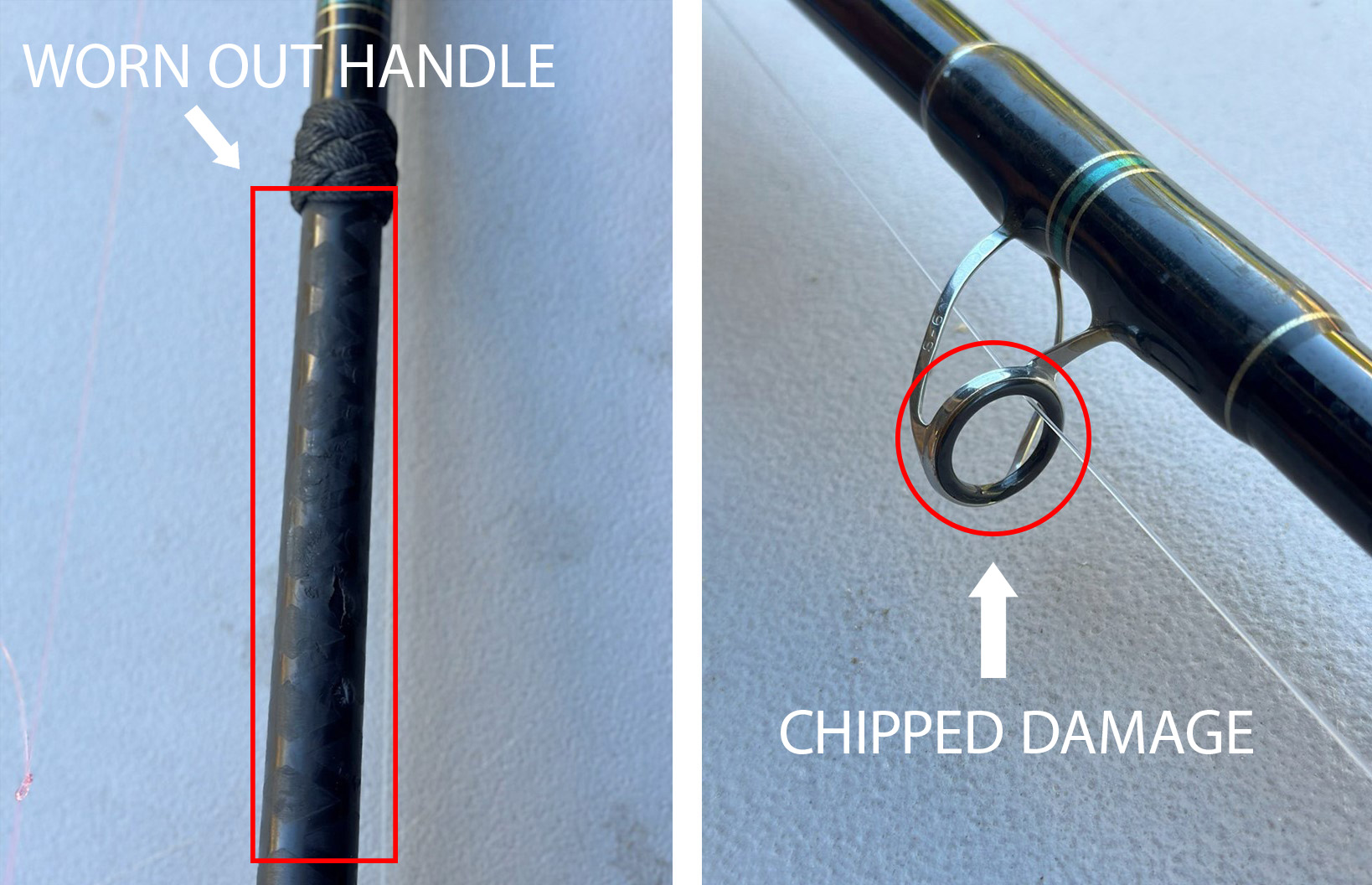
Another tip that should go without saying is routinely inspecting your gear after a long storage period and especially throughout the fishing season. Inspect your rods for chipped guides or missing inserts (the absolute worst reason to lose a fish), any scuffs on the rod blanks that might need to be repaired, and the handle/grip, as grips will wear over time. Inspect your reels for smooth operation, lubrication, and any abnormal noises coming from the internals when winding, as this might be a cause for service or repair. Inspect your tackle for any rusted split rings or hooks that should be replaced before fishing again. Any parts on your fishing gear that you can identify as being old, worn, rusted, or corroded should be replaced as soon as possible.
Routine inspections should serve as a preventative measure so that any issues can be identified before they become problematic. It's much more simple and cost-effective to service or repair an issue than to have to replace a piece of equipment altogether.
Recap
By caring for and maintaining your fishing gear, you are ensuring its longevity and continued performance. There’s nothing worse than getting into a hot bite and having your reel refuse to free spool or break off a fish due to old line or faulty terminal tackle. See a recap of key steps below:
- Rinse your gear with freshwater after each use
- Dry thoroughly before storage
- Regularly inspect rods, reels, and line for signs of wear or damage
- Lubricate the moving parts of your reel
- Store in a cool, dry place away from direct sunlight
- Invest in quality tackle storage, rod covers, and reel covers to protect your equipment during transportation and storage
- Replace rusty terminal tackle on lures and replace any dull or bent out hooks
- Perform a thorough maintenance check and deep clean at least once or twice a year to identify potential issues
By following these guidelines and developing a consistent maintenance routine, you'll not only extend the life of your fishing tackle but also ensure that it performs at its best when you need it most. Remember, well-maintained gear leads to more successful and enjoyable fishing experiences.