

As springtime conditions rapidly progress towards summer thanks to an emerging El Niño phenomenon in the North Pacific Ocean, Southern California anglers are pumped with anticipation on what may be an extraordinary season of local Pacific Ocean fishing. With fish already swimming from their spawning grounds in the western region of the Pacific towards our local banks, now is the time to get geared up and prepared for your next fishing trip.
Catches of Pacific bluefin tuna are already coming in along the California coast from overnight to multi-day sport boats, along with a few private boats reporting a good spread of eastern Pacific Ocean fish down south of San Diego, going into Baja California. This first wave consists mainly of young fish in the 15-30 lb range, along with Yellowfin tuna and other tuna as well, and these tuna species are really responding well to live bait and traditional trolling lures.
What to Look for & How to Catch Smaller Grade, Pacific Bluefin Tuna
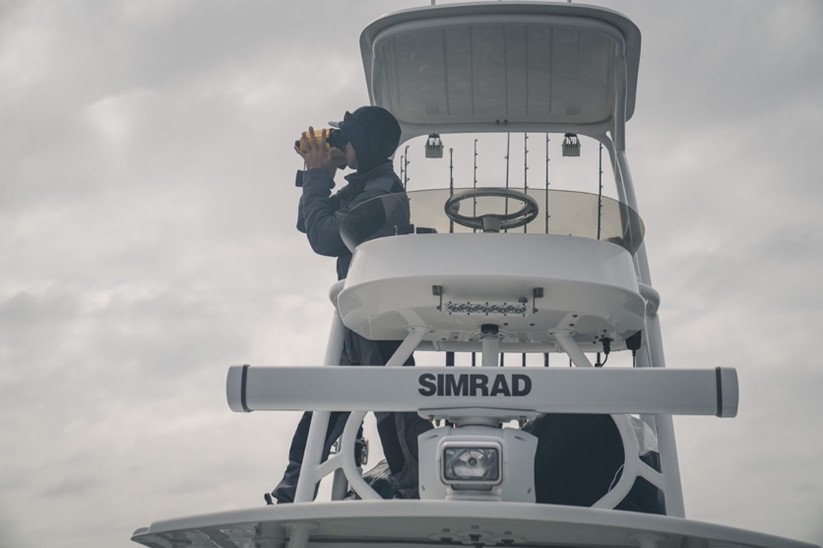
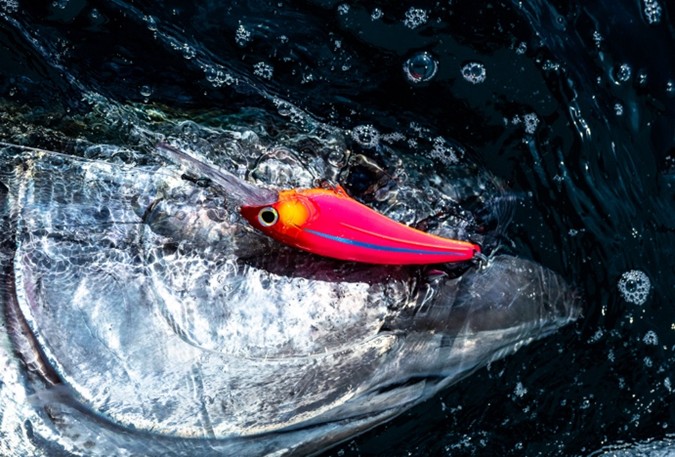
Try to get a report from a trustworthy source from the prior day's fishing. This will give you an idea of where to start and what to look for. This early-season fish has been a mix of breezers, chippers, bird schools, and jig stops. Once you get into the zone where you want to start and feel like there is an opportunity to see fish, I would slow down to a trolling speed and put a couple of lures back behind the boat while you scan for signs of fish on the surface. A couple of staple boat-stopping tuna lures include Ahi USA Cedar Plug Chains, Halco Laser Pro Diving Lures, Shimano Ledge Runner Lures, and small spreader bars.
I like to fish only a few lures, particularly a couple of diving lures off the corners, back 60-70 yards, and a single lure shotgun about 100 yards back. Larger boats with more crew can fish more lures, but start with what is comfortable for you. In the event of a jig strike, try to clear the other lures as quickly as possible while simultaneously sliding back a couple of live sardines to try to stop the school. Often, the school will swim to the boat with the hooked fish, giving you the opportunity to catch them on live bait. This can be a one-and-done occurrence, or it may be stop-and-go fishing until you find the right school to stick with the boat.
Live bait is critically important for getting a school to stick with the boat. For this style of fishing, it is imperative to bring as much live bait as your boat can hold comfortably in order to make the most of every opportunity presented throughout the day. If they are not biting the troll lures but you are seeing visual signs like breezers and chippers, it is going to require a lot of live bait chum to get these fish to react and stick with the boat. It is best to approach the school going downwind at 5-7 knots while watching your sonar. When you start to see fish come under the boat, start a chum line and allow your anglers to get a few hooked baits out while the boat slides to a stop. If the tuna respond to the chum or you manage to hook a few, it is important to always keep one fish hanging along with steady chum to keep the school around.
Early-season fishing can be very fun, and the Pacific bluefin population numbers, along with the water conditions, are unprecedented for this time of year. All of this bodes well for a great summer of local offshore fishing. While this is what is being reported currently, it is also important to be prepared for encountering larger Pacific bluefin tuna, and also the possibility that they change their mood and act differently.
As the highly migratory bluefin move up the West Coast, they may encounter areas of natural bait, which, oddly enough, makes them harder to catch on live bait and trolling, but does make them “foam,” which can make for some of the best private boat fishing within our fishery. This is best suited for faster center consoles, as the fish are only “up” momentarily, usually giving you only one cast at getting a reaction bite before they are down and looking for their next bait ball. This is run-and-gun-style fishing that can occur anytime throughout the season when this highly migratory species moves through an area loaded with anchovies. It's best to be prepared for anything, as Pacific bluefin can change their mood by the hour.
What Fishing Gear You Will Need To Target Pacific Bluefin Species
Without getting too carried away, and keeping NOAA Fisheries guidelines in mind, let’s go over some necessary fishing gear for targeting Pacific Bluefin tuna.
1. Light Flyline Sardine Setup
Reel: Shimano Trinidad 14A
Line: 80% 40lb PowerPro Spectra Braided Fishing Line backing
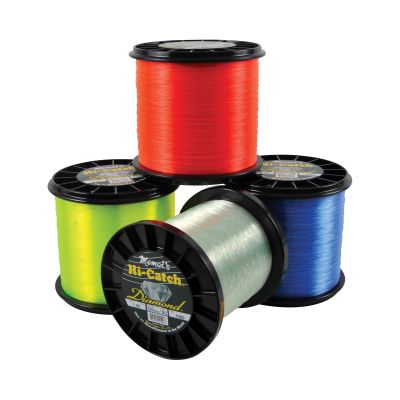
Top Shot: 50-75 yards of 25lb Momoi Hi-Catch Diamond Monofilament Line
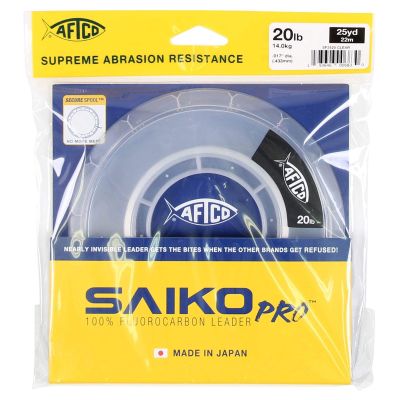
Leader: 3 ft. of 25lb AFTCO Saiko Pro Clear Fluorocarbon Leader
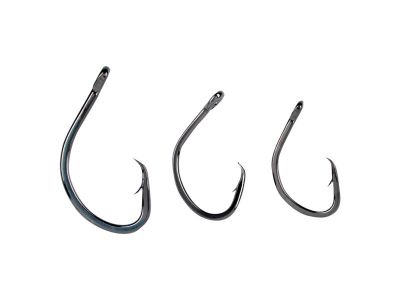
Hook: Size 4 Owner Mutu Circle Hooks
Rod: 8 ft - 15-30lb G. Loomis IMX PRO OFFSHORE Conventional Rod
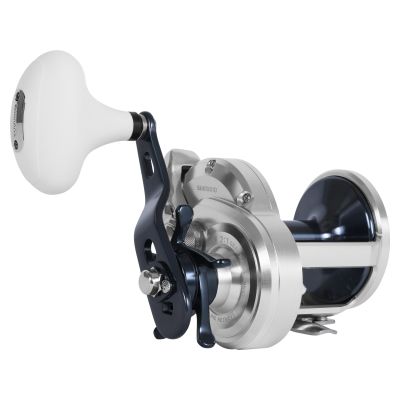
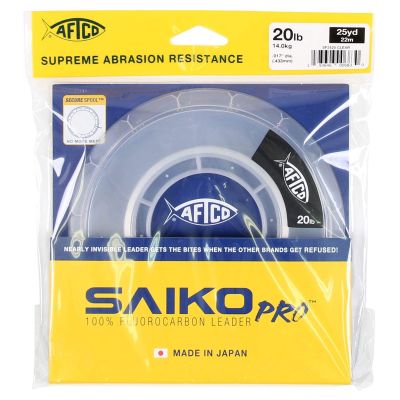
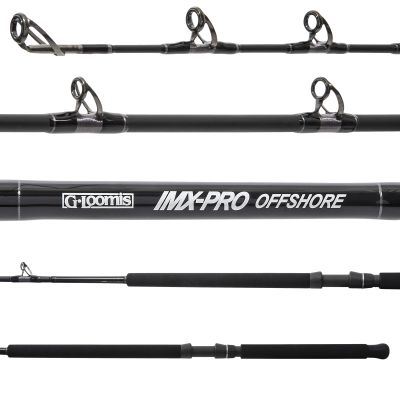
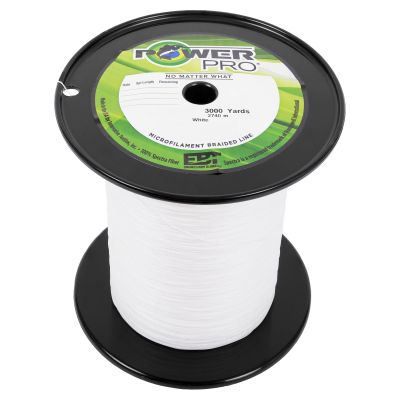
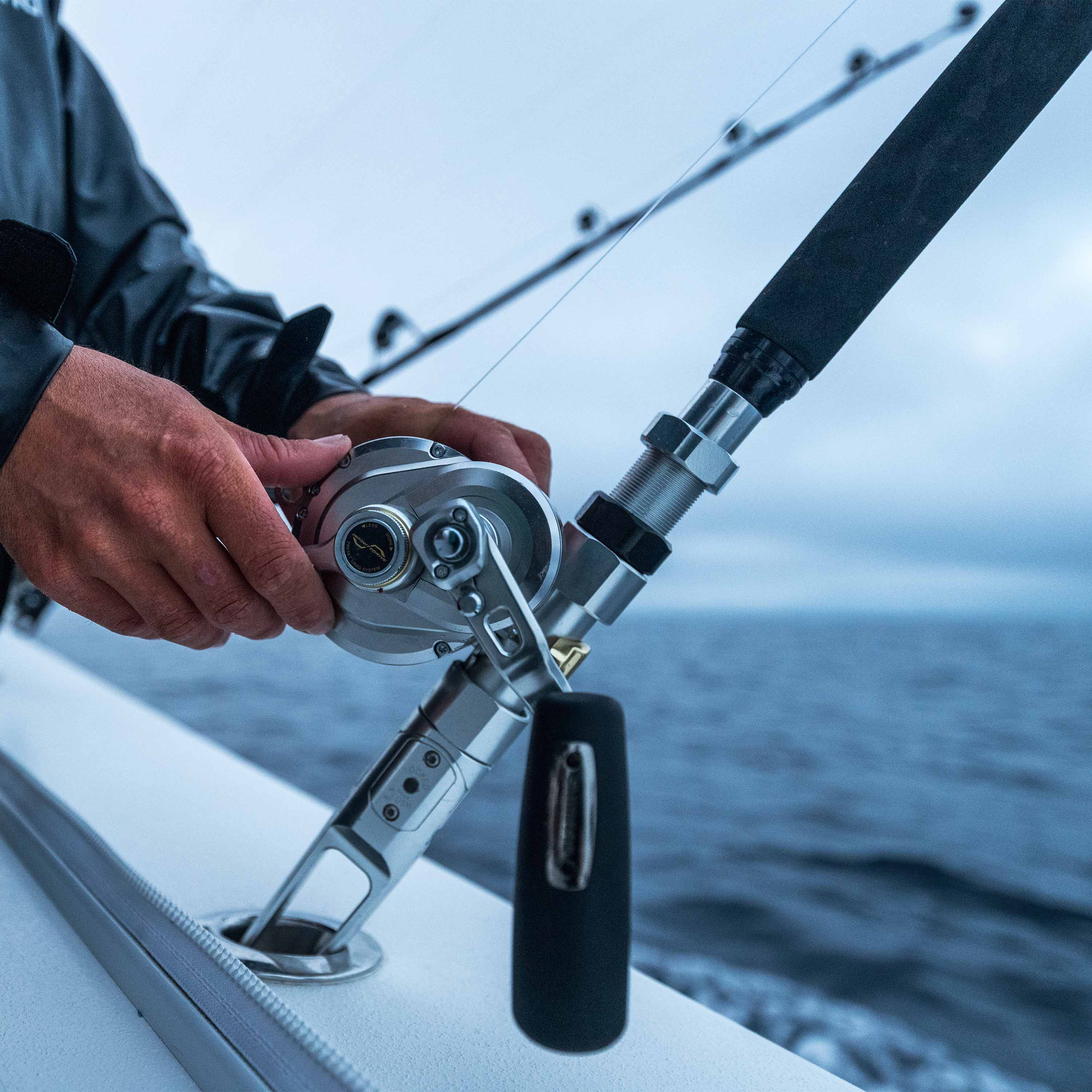
2. Traditional Trolling Setup
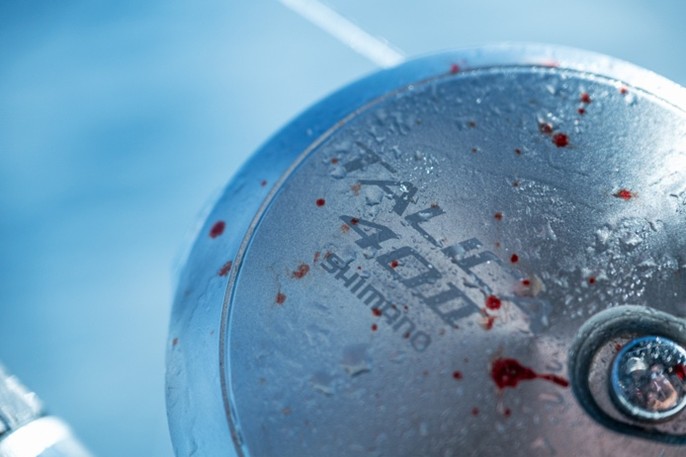
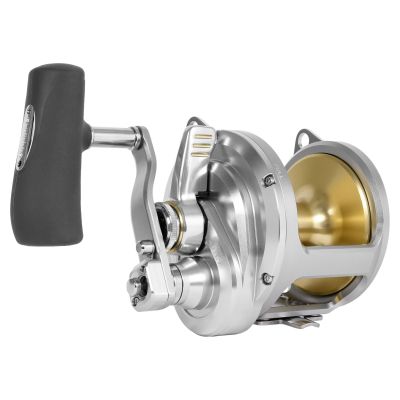
Reel: Shimano Talica 40IIA 2-Speed Lever Drag Conventional Reel
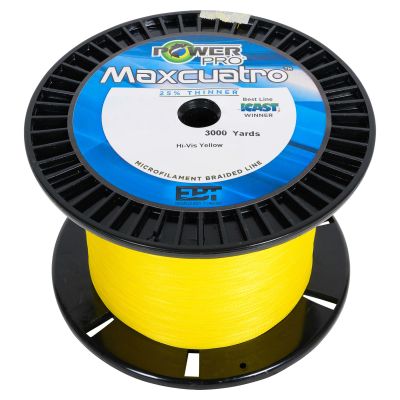
Line: 75% 100lb Power Pro Maxcuatro
Top Shot: 100 yards of 60-80lb Momoi Hi-Catch Diamond Monofilament Line
Rod: 80-130lb Shimano Terez BWHS68HA High Speed Trolling Conventional Rod

3. Foamer Casting Setup
Reel: Shimano Tranx 500 HG Baitcasting Reel
Line: 100% 80lb PowerPro Maxcuatro
Rod: 8ft - 40-60lb G. Loomis IMX-PRO Offshore Conventional Rod

Recommended Lures & Tackle
Trolling Lures
- Shimano Ledge Runner 160F
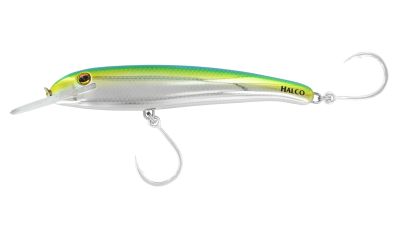
- Halco Laser Pro 190
- Ahi Cedar Plug Daisy Chains
- Spreader Bars
Casting Lures
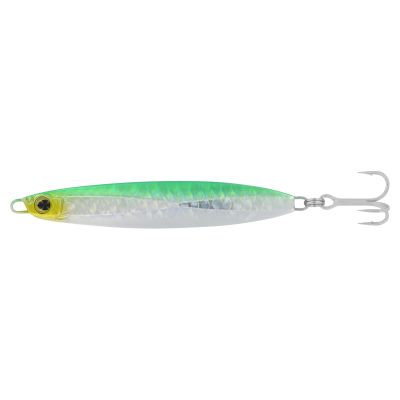
- Shimano Current Sniper Jigs 60–80g
- Shimano Current Sniper Sinking Stickbait Jig 140mm
- Pop Orca 120 Clear Silver
Fluorocarbon
- Aftco Saiko 25–30lb
Hooks
- Owner Mutu Circle Hooks (Size 2 & 4)
Monofilament
- Momoi Hi-Catch Diamond Monofilament Line
Trolling Lures: Shimano Ledge Runner 160F, Halco Laser Pro 190, Ahi Cedar Plug Daisy Chains, Spreader Bars
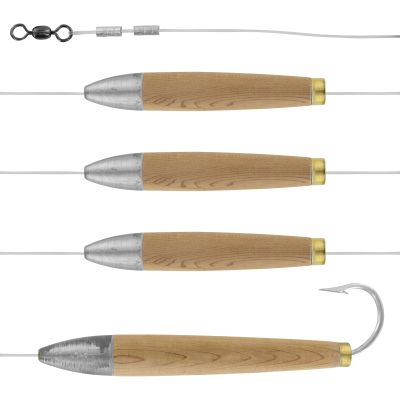
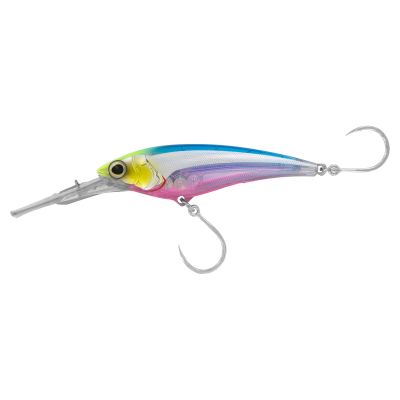
Casting Lures: Shimano Current Sniper 60-80g, Shimano Current Sniper Sinking Stickbait Jigs 140s, Pop Orca 120 Clear Silver
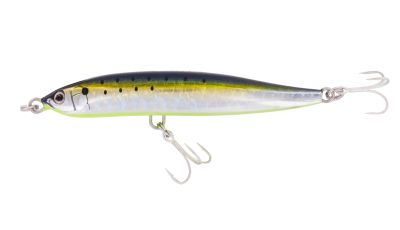
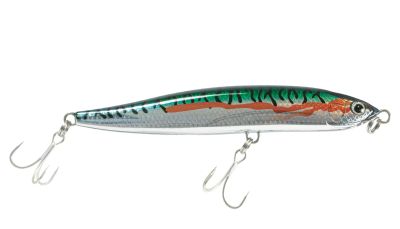
Flourocarbon: Aftco Saiko 25-30lb
Hooks: Owner Mutu Circle Size 4 and 2
Monofilament: Momoi Hi-Catch Diamond Monofilament Line
These three setups will have you well prepared for most of your daytime Pacific bluefin tuna fishing opportunities. It is important to check catch limits to avoid overfishing and stick to fishing methods and tactics that work well for you in order to maximize your chances of success in catching Pacific Bluefin Tuna, fishing locally or pursuing southern bluefin tuna in the South Pacific.