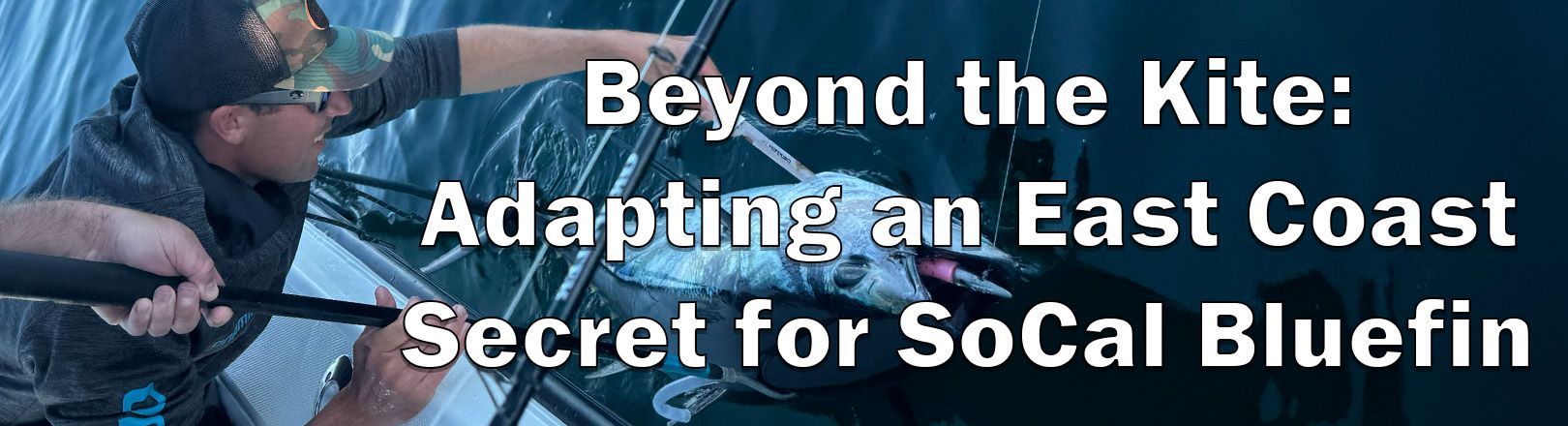
Southern California bluefin anglers can add another presentation to their kite-fishing spread by dead-sticking a weighted RonZ beneath the boat. This technique targets deeper tuna that may ignore surface baits while allowing the current and boat movement to give the lure a natural swimming action. Learn how to select the right RonZ size and weight, reach the correct depth, and keep the lure clear of the kite setup. The RonZ can also be cast, jigged, or slow-trolled as conditions change.
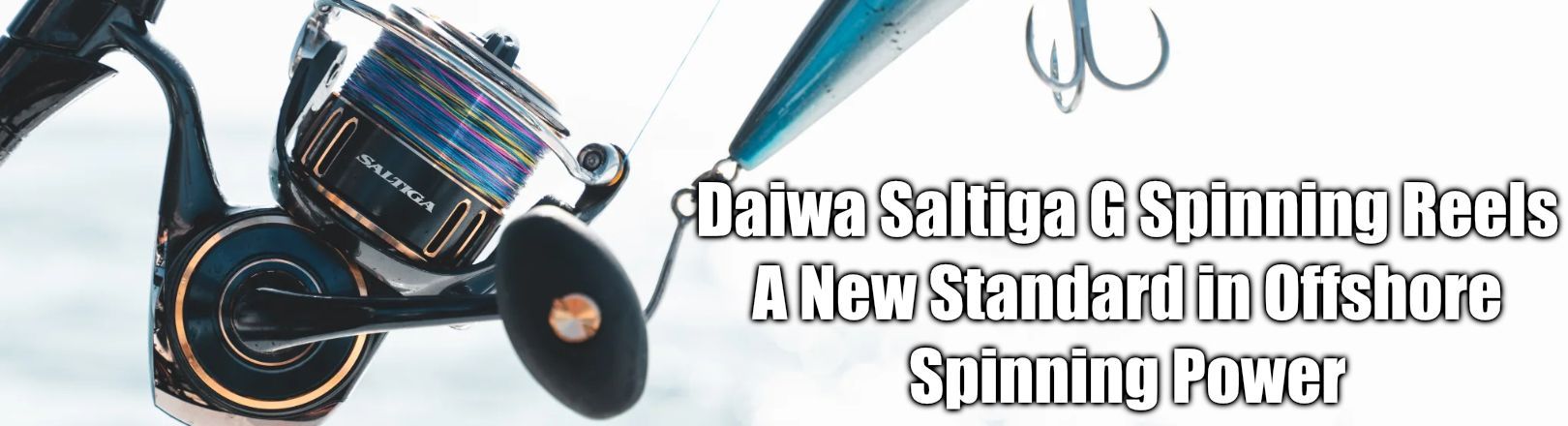
The Shimano Talica 16IIA has become a go-to reel for Southern California bluefin tuna anglers thanks to its versatility, power, and lightweight design. Featuring Shimano's Infinity Drive technology, Cross Carbon Drag, and X-Protect water resistance, the Talica 16IIA delivers exceptional winding power and durability under heavy loads. Whether fishing flylined baits, sinker rigs, or small jigs, this reel adapts quickly to changing conditions on the water. Learn how to rig, fish, and maximize the performance of the Talica 16IIA for today's demanding bluefin tuna fishery.
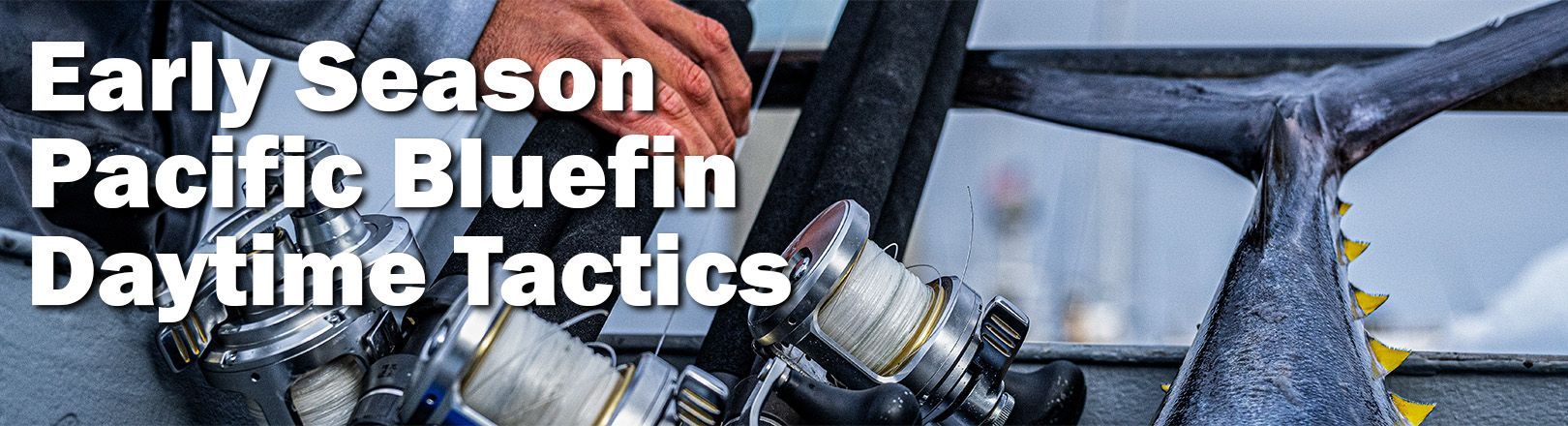
Early-season Pacific bluefin tuna fishing is already showing strong potential along the Southern California coast. Anglers are finding fish on breezers, chippers, bird schools, foamers, and jig stops, with trolling lures, live bait, chum, and run-and-gun casting all playing important roles. As conditions continue to develop, staying prepared and adapting to the fish’s behavior can help make the most of each offshore opportunity.
From Cape Cod to the Carolinas and all the way to Nova Scotia, the Atlantic bluefin tuna fishery is thriving, and this guide breaks it all down. Learn where to go, when to fish, and what gear to bring, including spinning tackle, trolling rigs, and lure strategies. Whether you're targeting giants offshore or chasing topwater bites nearshore, this is your complete playbook for fishing smarter, fighting harder, and respecting the resource.
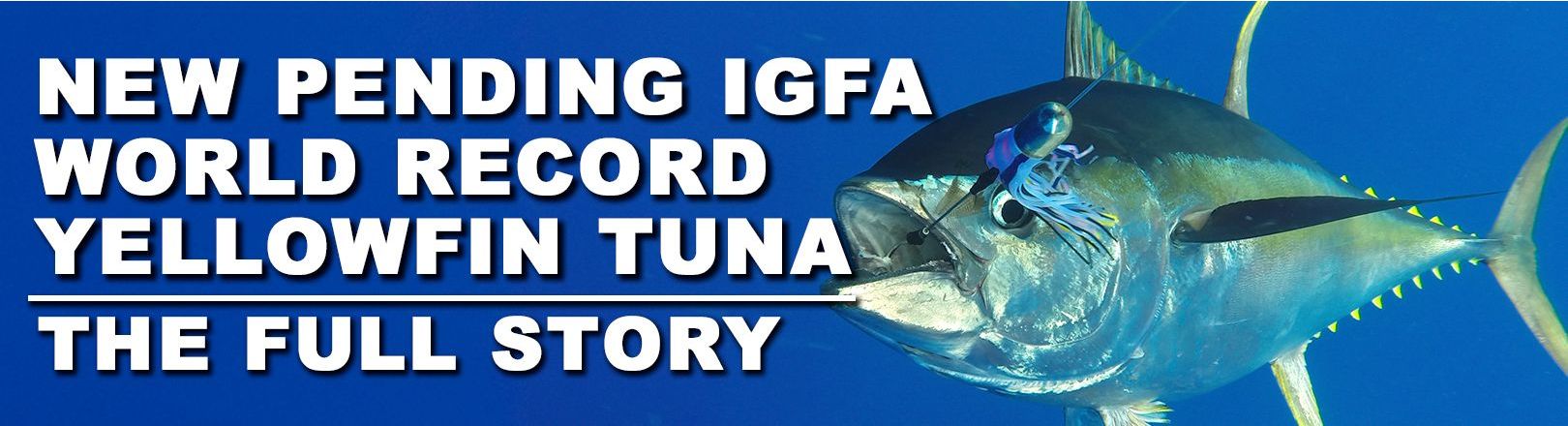
The saltwater sportfishing community has been buzzing with excitement over a potential new IGFA world record yellowfin tuna caught off the lower banks of Baja on a 10-day trip aboard the Excel, a sportboat out of San Diego, California. On November 11th, 2024, Earl Gill IV hooked and landed a massive yellowfin that weighed 448 pounds on the boat's scale. When weighed again six days later in San Diego on a certified IGFA scale, the fish came in at 443.5 pounds—still 15 pounds heavier than the current IGFA All-Tackle world record.
Well, it's that time of the year again... long nights, no sleep, and biting fish. Nighttime fishing for Bluefin Tuna is proving yet again to be one of the most consistent and productive ways to target these fish in our local waters. Over the past few seasons, it always seems like the first big hits of the year have come from boats searching down South during the late Spring months and finding schools of biting fish after the sun has set.
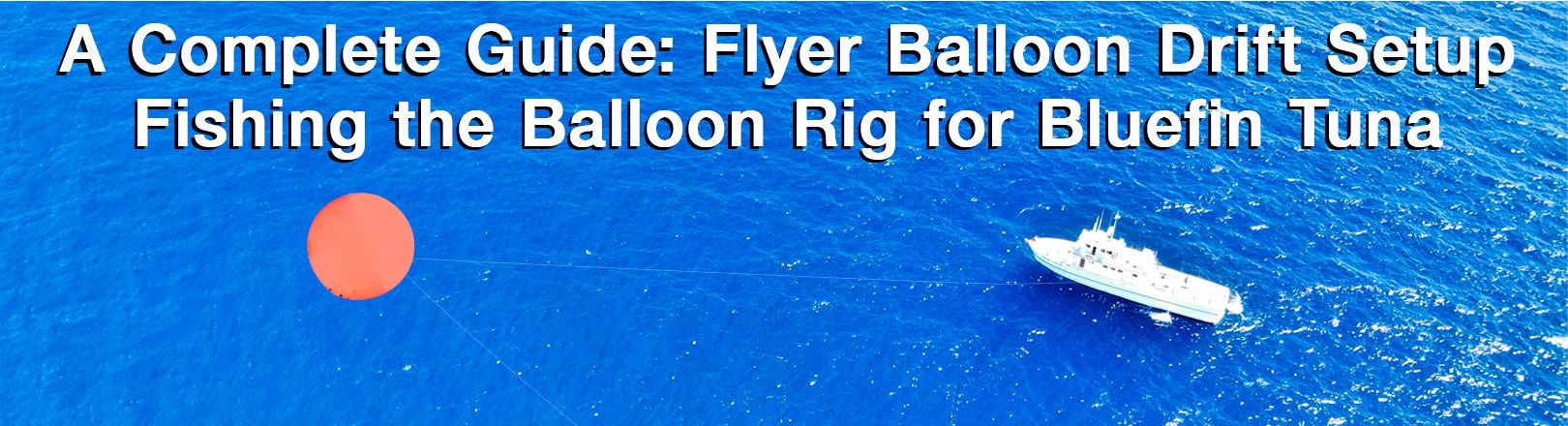
Our local Southern California bluefin fishery, specifically with the emergence of the "cow" tuna, has seen drastic changes in the way we pursue and target these big fish over the past decade. Bar none, the most thrilling methods used to target big bluefin have to be those which allow anglers to witness a visual topwater bite. Whether that be casting into foaming fish, kite fishing, trolling through a breezing school, or drifting a flying fish (flyer) with a balloon rig through the big fish zone, I would challenge you to find an angler who would disagree.
Much of what we do as anglers is based on experience. Nature sometimes gives up all her secrets, such as a feeding frenzy often referred to as a “foamer.”
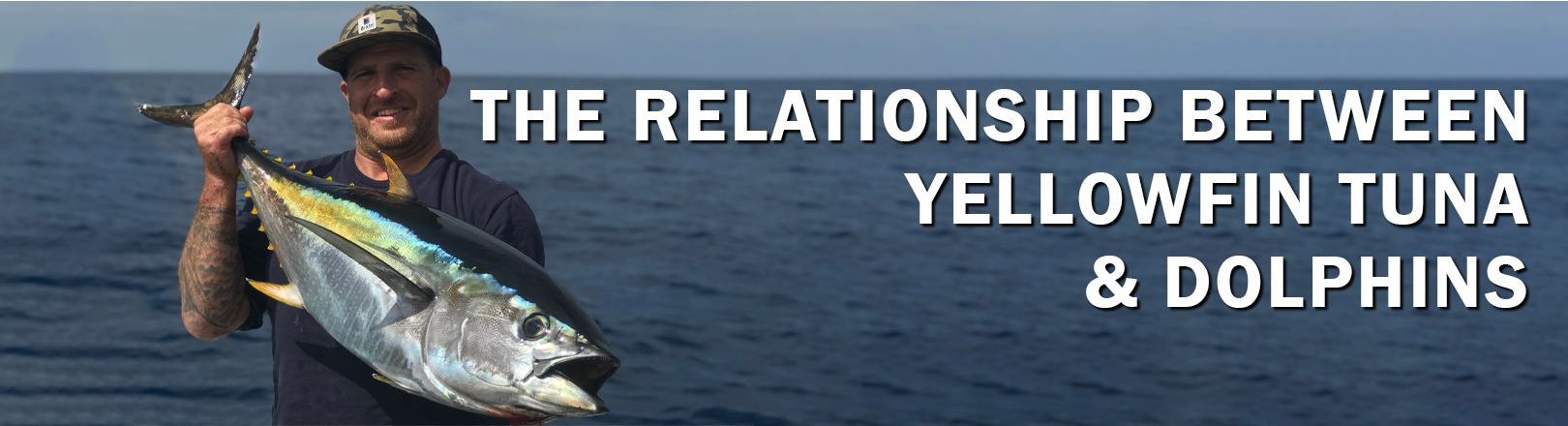
There are all sorts of animals in the world that have symbiotic relationships. Tuna, especially Yellowfin Tuna, partake in a symbiotic relationship with Cetaceans, which is beneficial to anglers in locating Yellowfin Tuna.According to studies about the relationship between tuna species and Cetaceans, this love affair is known as Commensalism.