


Pier fishing is one of the most overlooked fishing options in the United States. With over 700 piers nationwide, there is ample opportunity, a variety of fishing techniques and species to explore. In a sense, it’s one of those great fishing secrets hiding in plain sight. We're here to answer some common questions about pier fishing so you can experience and make the most of this free resource at your fingertips.
Why Pier Fishing?
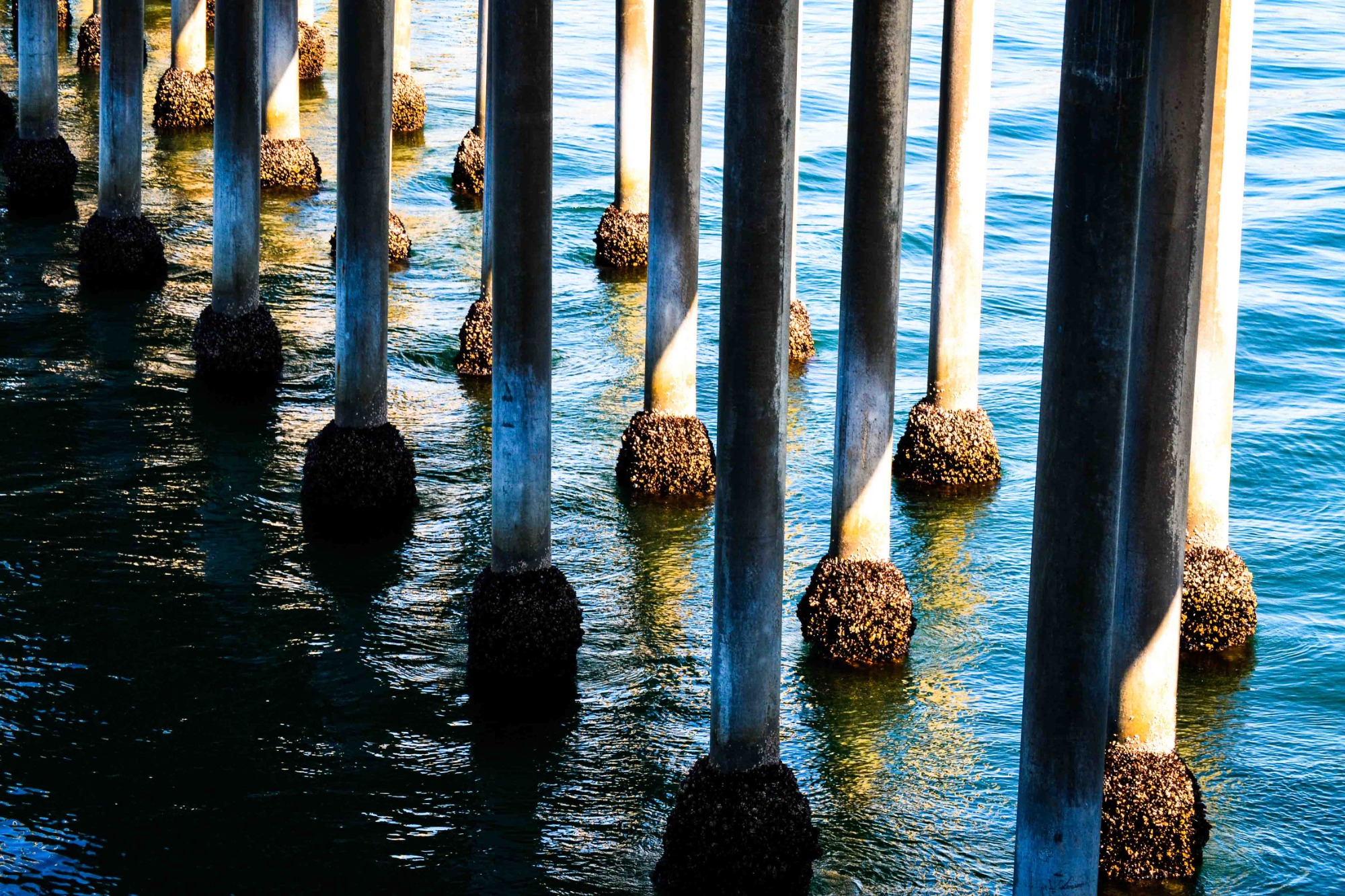
Before we explore all the details and opportunities around pier fishing, we should probably understand why so many piers offer great fishing opportunities. Due to the nature of pier building, they are often placed in areas where there are vast stretches of sand. For stability, piers need to be built in a substrate that can easily be penetrated, like sand. These large sandy areas often lack the substrate, cover, and structure that life is often attracted to. Pilings of a pier serve as an oasis, in a sense, serving the sea life in and around them with a range of needs, from places to cling onto and grow to places of ambush, protection, and coverage from elements, predators, and current. Piers are often an aggregation point for passing sea life and a place where life stacks up, making them an ideal location for anglers to focus on.
Depending on where in North America the pier you’re fishing from is located, the specific species that you’ll encounter can differ significantly from region to region. While the species might differ from the West Coast to the East Coast, the foundational methods and tactics used by a pier angler remain quite consistent. From expert to novice anglers, pier fishing offers significant opportunities.
Beyond why they’re great fishing locations and what you’ll encounter, pier fishing sits at the intersection of accessibility and opportunity. For anyone without access to boat fishing, it's one of the best ways to access deeper water and migratory fish, like bonito and mackerel. Piers also give you a stable platform to fish for a variety of species that would otherwise be out of reach from the beach.
Tackle Needs
While there is a huge array of opportunities across North America, and some very unique ones at that, for targeting key species, for the most part (aside from special or unique situations), you’ll be targeting fish in the small to medium size range.
Reels
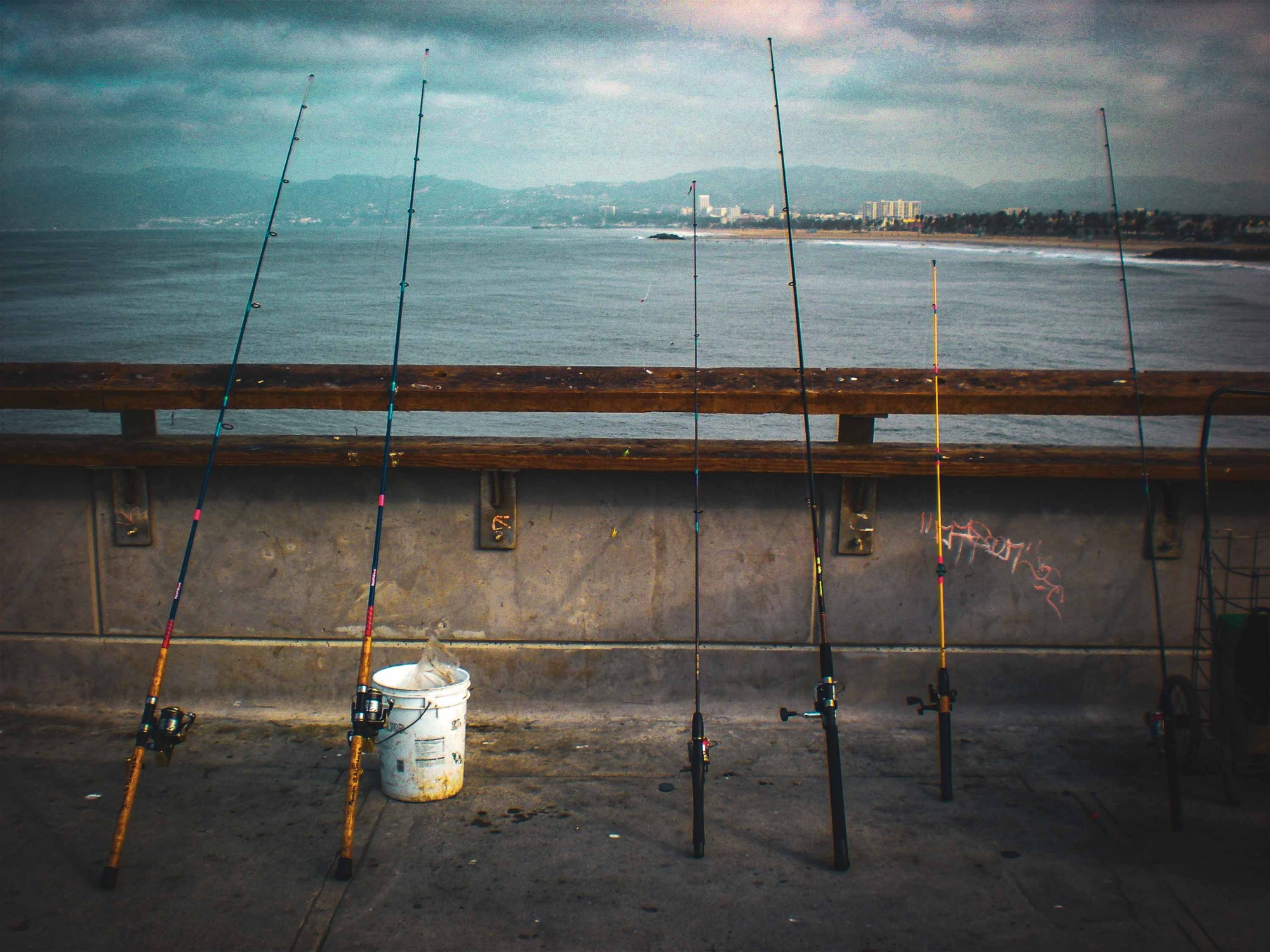
Depending on your fishing style, more than likely you’ll be fishing bait on or somewhat close to the bottom, so ideally you need to get your presentation out a little bit away from the pier to minimize tangling up in the vertical pilings of the pier, and based on your preference, you can use either a conventional or spinning reel in this scenario.
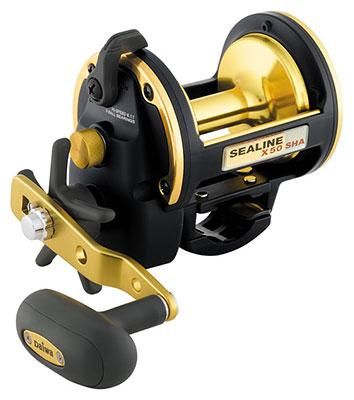
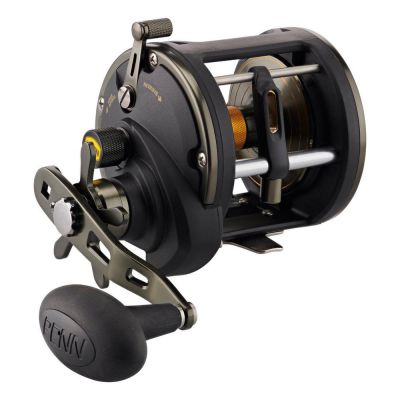
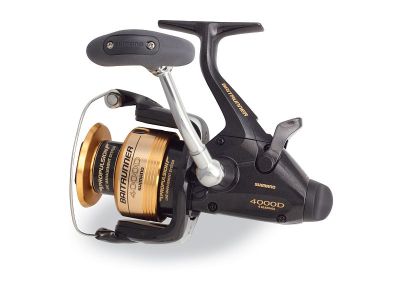
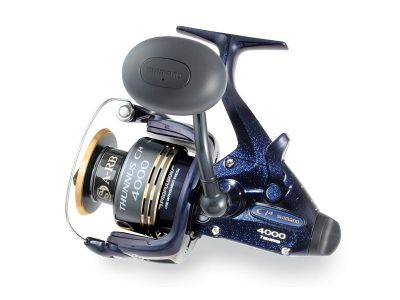
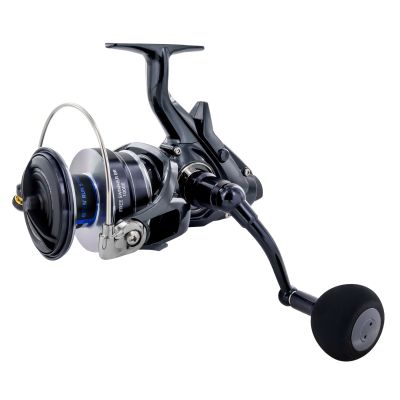
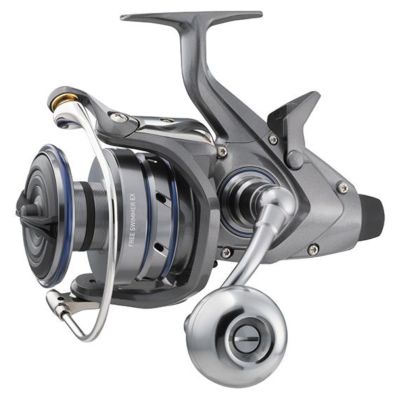
Due to the nature of this style of fishing, where the bait sits in wait for a fish to pick it up, you should be using a reel that allows for this process to occur smoothly. Conventional reels are great for this, as you can implement the clicker mode. The drawback with this style of reel is that some anglers, especially novice ones, may find that it’s difficult to cast. Spinning reels, on the other hand, offer simplicity and ease in casting but often lack the functionality to manage line and allow a fish to pick up bait and run; that is, until recently. Now there are several brands that offer “Baitrunner” style spinning reels that allow for optimal line management with little or no drag, which quickly transition to full drag. This is the recommended reel option for this style of fishing.
Conventional Reels
Spinning Reels
Rods
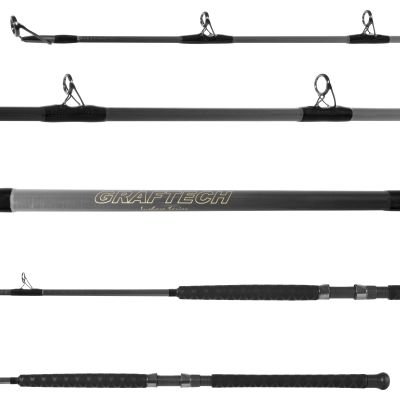
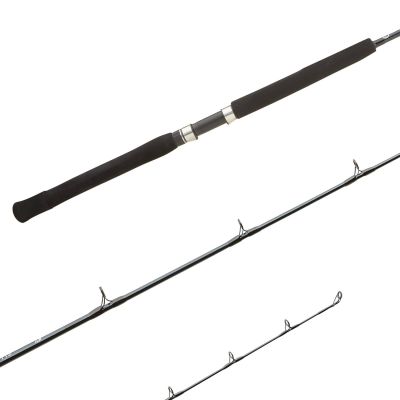
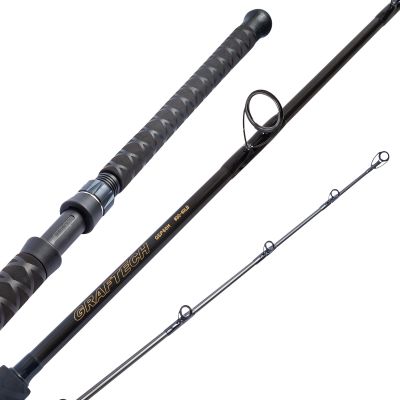
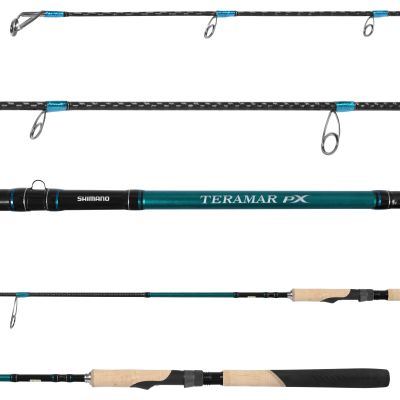
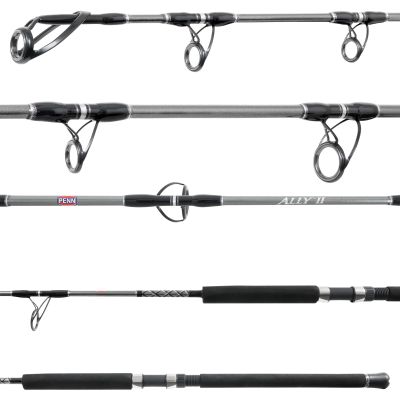
It should go without saying that you need to match the reel style to the style of rod. So, without getting into that component, we’ll focus on the length and action. Having a rod that has some length will give you the ability to cast with ease. A medium action rod will give you the ability to smoothly load up the rod and cast your presentation, but it should have some stoutness, as you’re never sure what you’ll hook or encounter. A 20–50 lb-rated rod in the 7' to 8' length is ideal for this application.
-
-
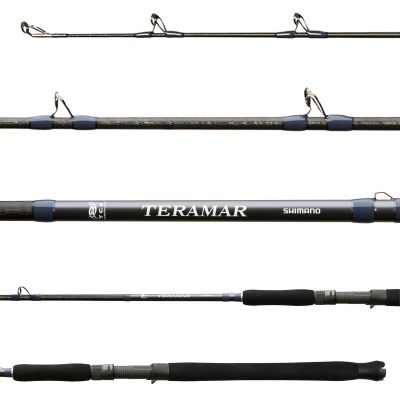 Shimano Teramar NE "Northeast" Casting Rods
From: $183.99
Was: $229.99
-
-
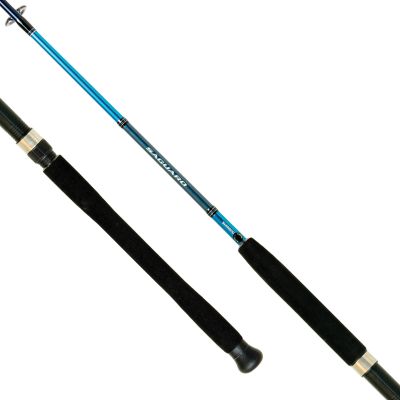 Shimano Saguaro Spinning RodsOut of stock
 -
-
Line
While monofilament has been a mainstay in fishing for decades, we’ve predominantly transitioned to braided fishing line in the last two decades due to its amazing strength, small diameter, and ability to withstand degradation over time. For pier fishing, 50lb braid is more than enough in most instances and sometimes a bit on the heavier side, so depending on the reel size, 30-50lb is ideal. You’ll want to get solid braided fishing line as your line of choice for this application, from one of the reputable brands like PowerPro Spectra, Diamond Fishing Products, Yo-Zuri, Tuf-Line, etc.
Fluorocarbon
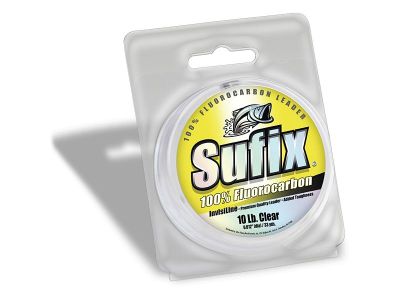
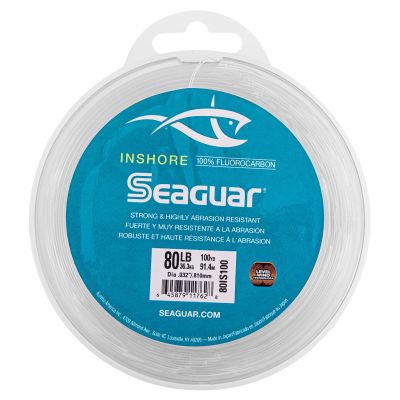
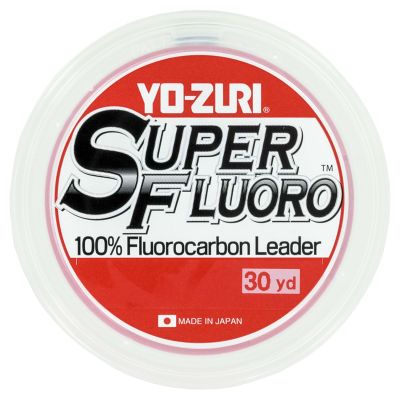
Fluorocarbon Leader is a virtually invisible leader material that you’ll connect to your braid, which allows you to have a less visible presentation while giving you some tensile and bite protection when you do fight a fish. Again, depending on your quarry, you should be equipped with a wide range of fluorocarbon sizes, from 12 to 50 lb should cover most scenarios. The need for this leader is both for invisibility and for protection against abrasion from pier or tooth critters. If you need to pick, abrasion is probably more important as waters near a pier are usually turbid due to surf and current activity.
Methods
Bait Fishing
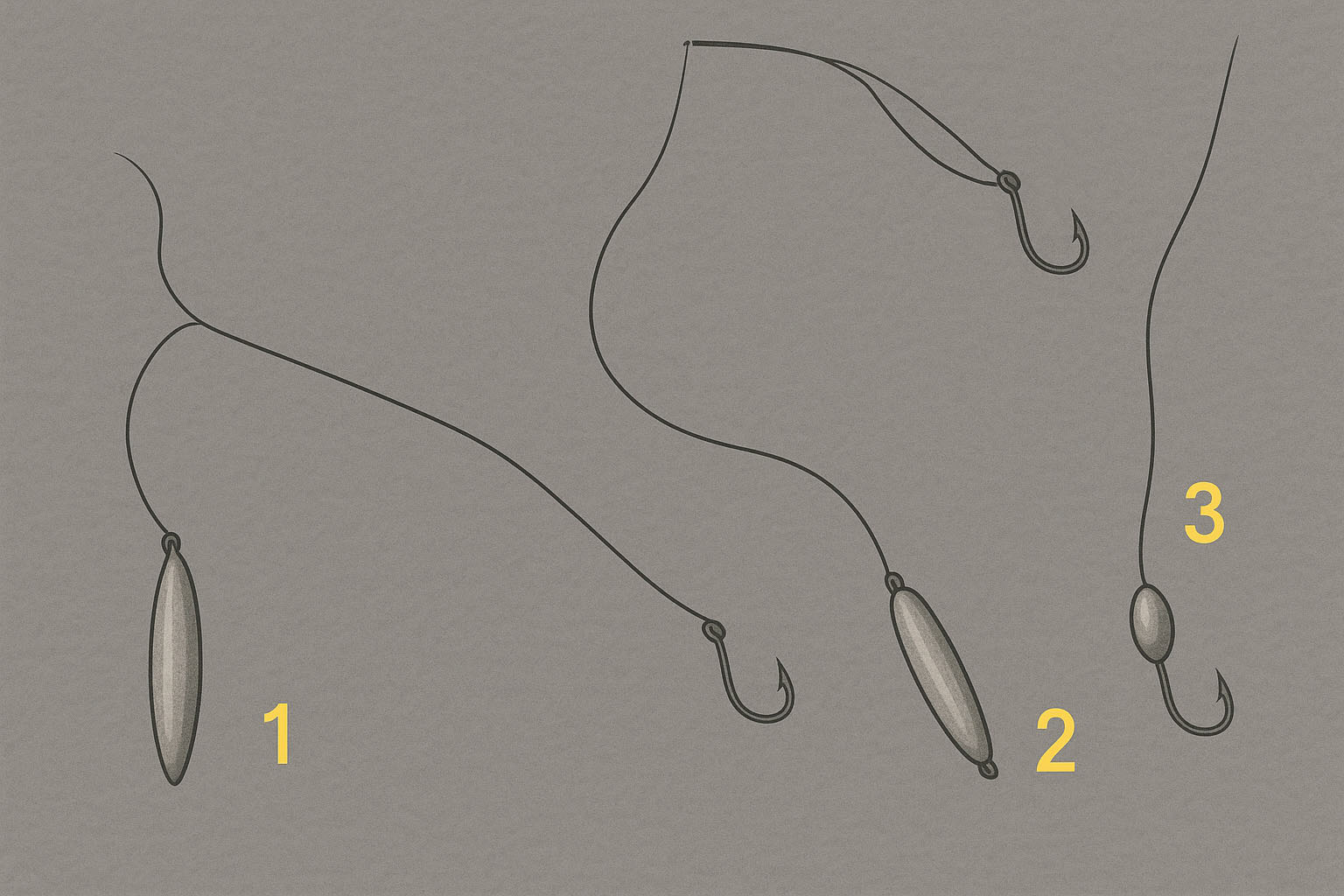
There is no shortage of methods to be utilized from a pier, and each angler will adapt their methods and customization to the target species. But for the sake of getting you started, here are a couple of basic options on rigging.
-
Reverse Dropper Loop
This rig is ideal for drifting for halibut, with the weight positioned above the hook. It keeps your bait close to the bottom while giving it enough slack to move freely and entice a bite. The knot’s strength comes from the barrel-like shape formed during tying, making it durable under pressure.
-
Standard Dropper Loop
A top choice for targeting fish in deeper waters. The design keeps baits suspended on short loops extending from the main line, which helps minimize tangling, especially important when fishing at depth. The sinker sits at the very bottom, which adds stability and keeps the rig streamlined on the drop.
-
Sliding Egg Sinker
Perfect for live bait presentations, this rig allows your bait to move naturally in the water. As the main line slides freely through the sinker, the bait can swim with minimal resistance. Match smaller baits with lighter weights for a more natural appearance. You can also anchor the sinker using a swivel or stopper, allowing easy conversion into a Carolina rig when needed.
Each one of these can be adapted to different bait sizes and gives you a great opportunity to hook something special from your next pier adventure.
When considering bait, you’ll want to check in your area to see what the natural forage might be. Because shellfish are most likely growing on the pier pilings, the local shellfish are a great option.
Here are a couple of options that are common in most areas:
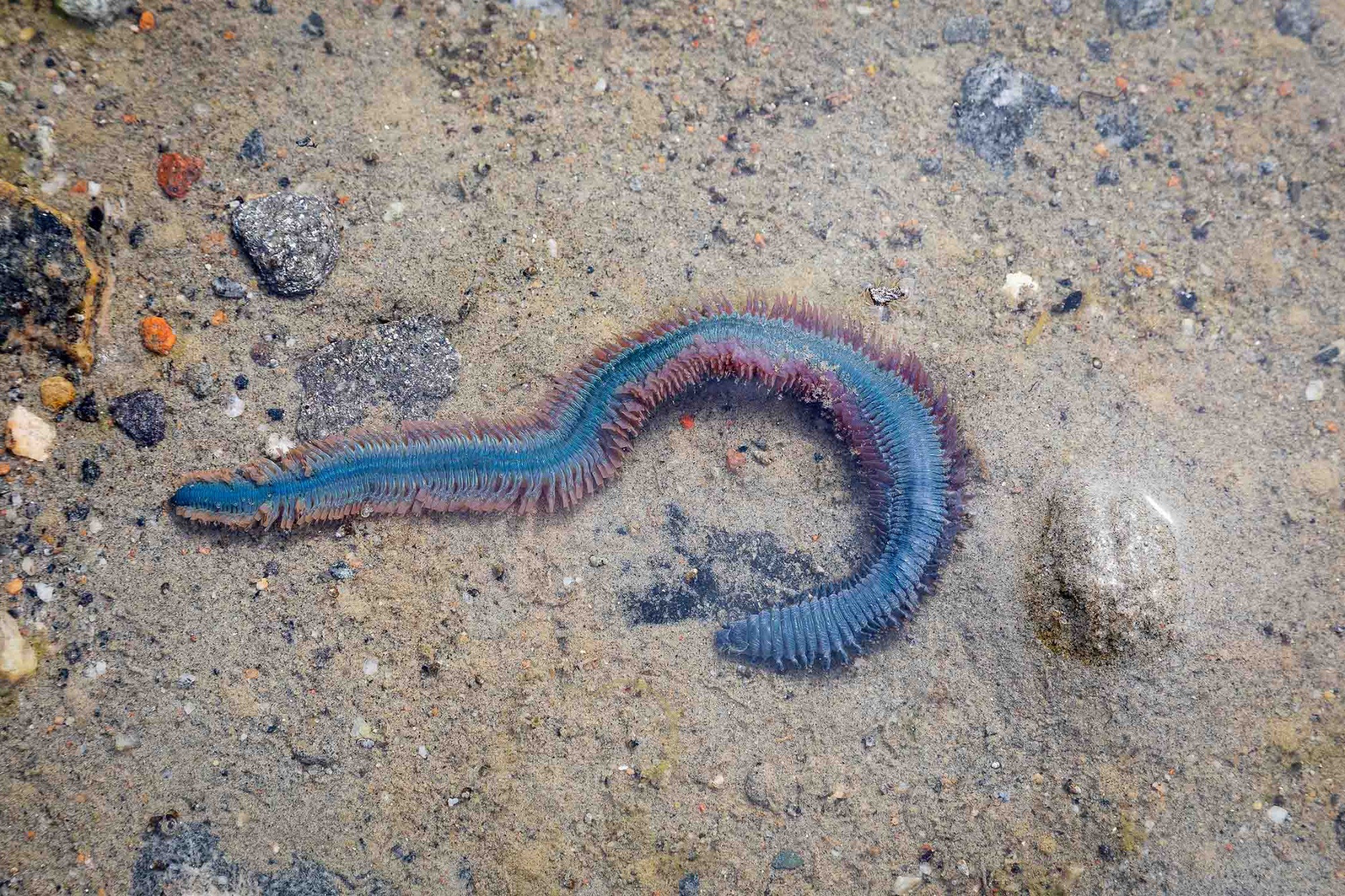
Sandworm
A go-to for bay and surf fishing, sandworms release a natural scent that drives species like perch, croaker, and even halibut wild. Their movement in the water adds just enough action to seal the deal.
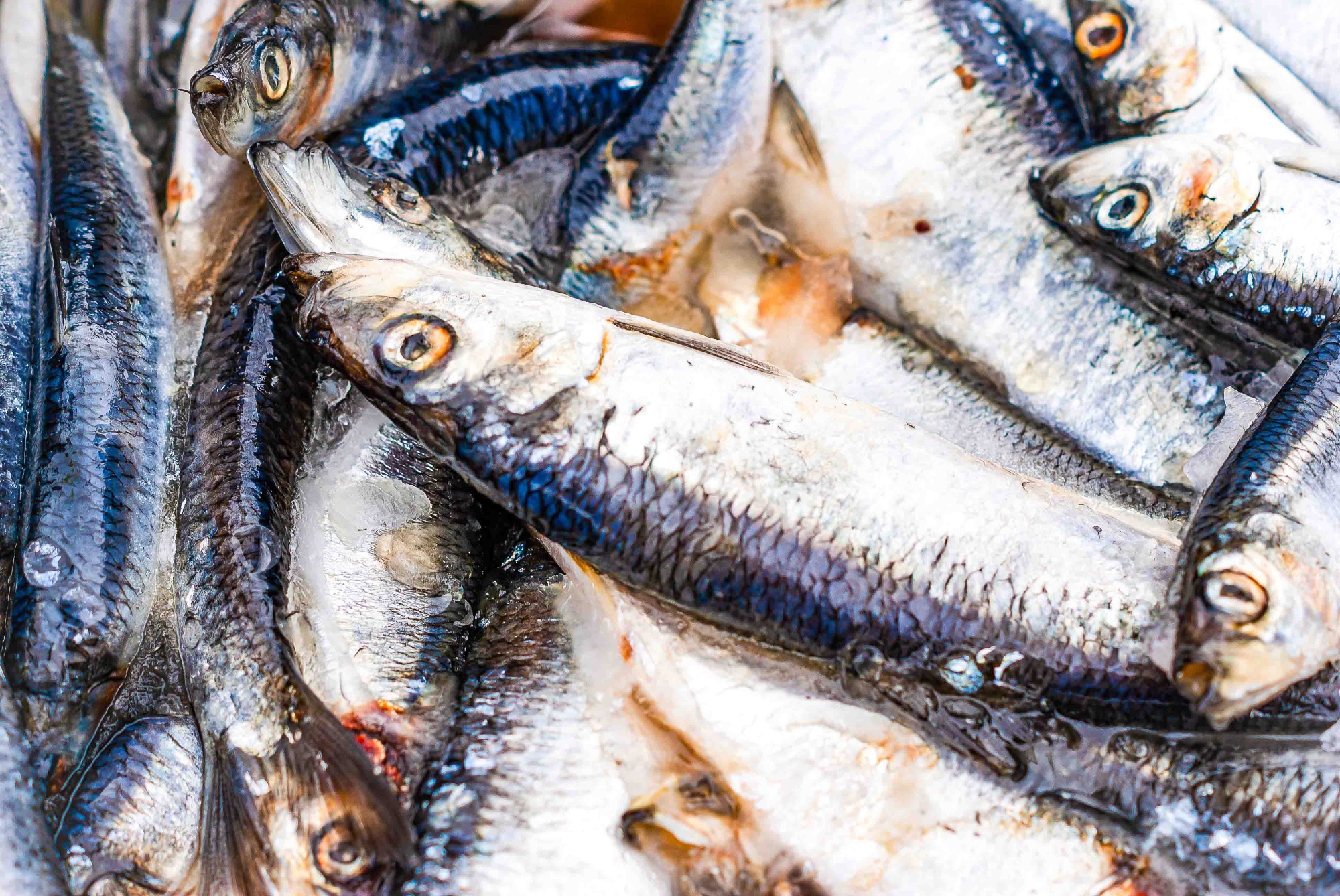
Sardine
Whether fresh or frozen, sardines are a staple bait for a reason. Their oily scent trail pulls in predators like striped bass, yellowtail, and others from a distance, especially when chunked.
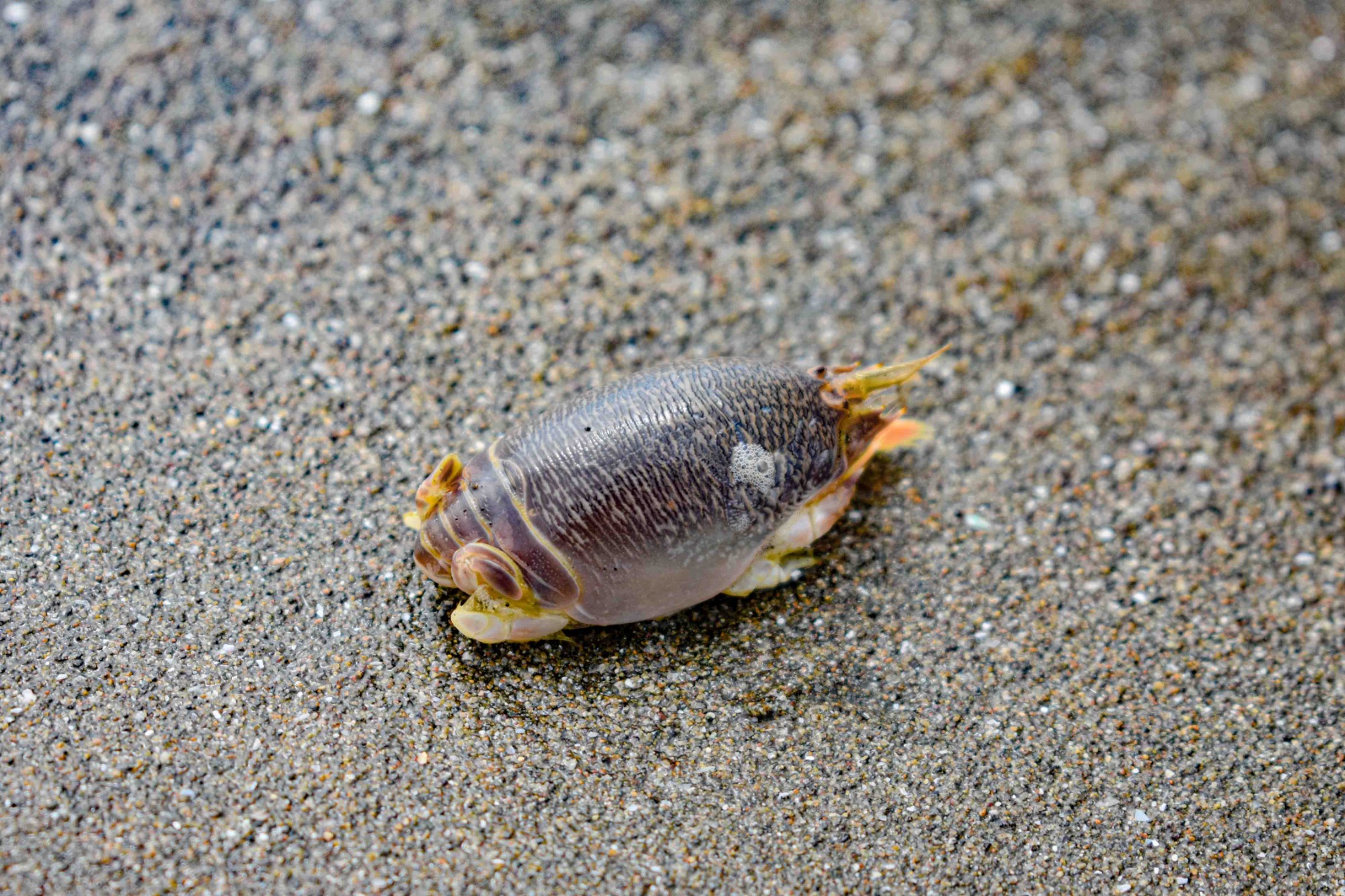
Sand Crab
A favorite snack for surf zone predators, especially barred surf perch and corbina. Fish them whole and soft-shelled for the most natural presentation.
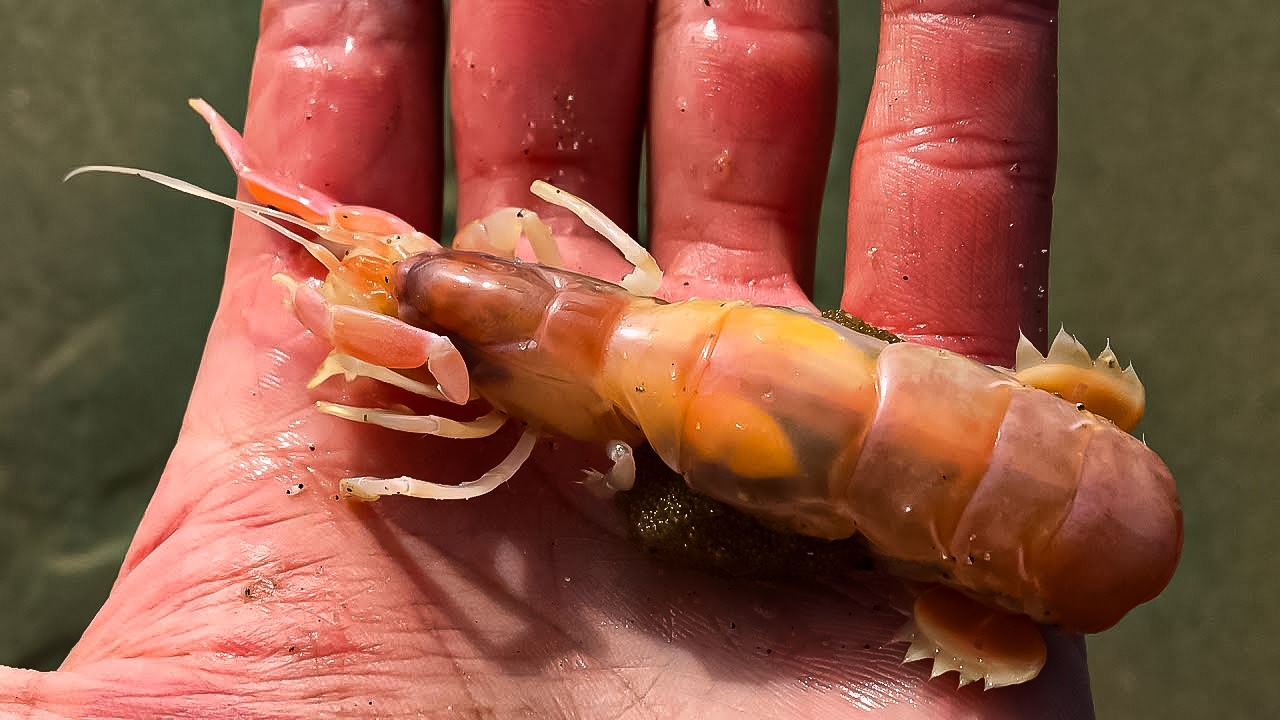
Ghost Shrimp
Delicate but deadly, ghost shrimp are like candy for picky biters. Perfect for light-line setups when fishing shallows or targeting species like corbina and spotfin croaker that feed on the bottom.
Hooks
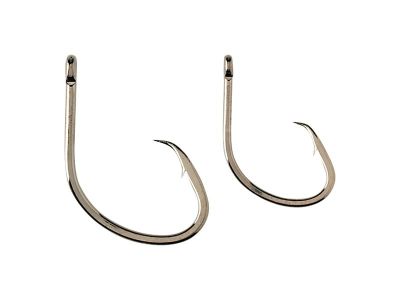
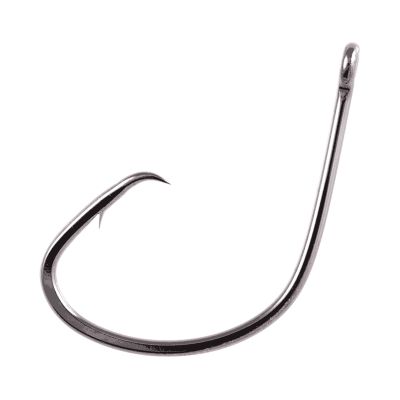
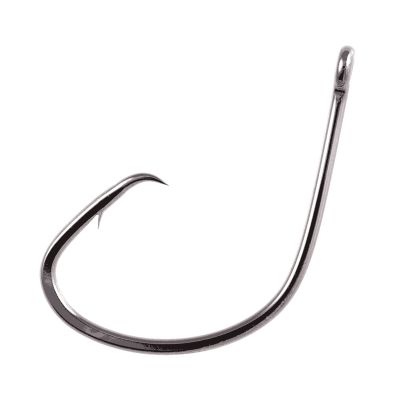
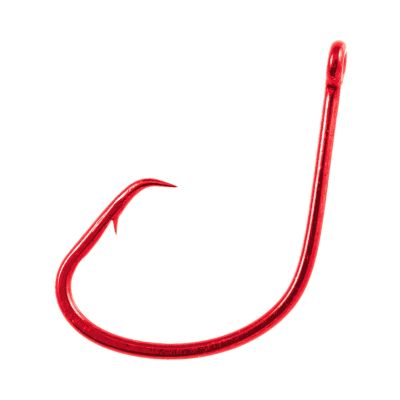
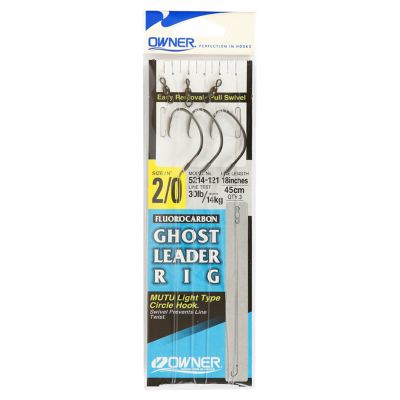
With fishing regulations becoming more specific and enforced, the last thing you want to be responsible for is wrongly taking a fish by accidentally hooking it. Due to this, one of the best advancements in fishing over the last decades has been circle hooks. Using this hook will significantly reduce mortality by predominantly resulting in a hook set in the lip area of the fish. In the past, when using a J-hook, anglers typically matched the hook size to the bait size. With the use of the circle hook, you tend to match the hook size to the size of the fish's lip diameter, meaning the size of the hook to best fit in the corner of the mouth. This technique allows for the best hook set and lets you use a smaller hook for the best presentation. A light-gauge circle hook will allow you to make the least amount of damage to your bait to offer the best presentation.
Weight and Terminal Tackle
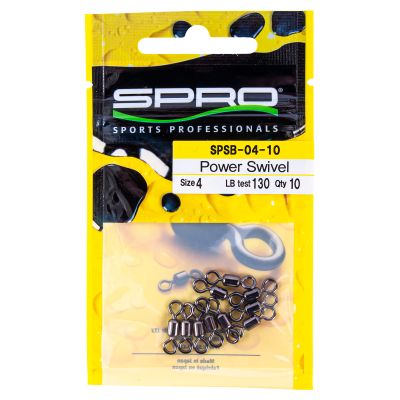
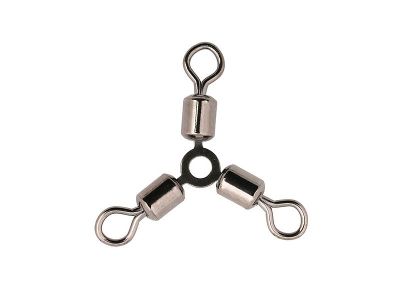
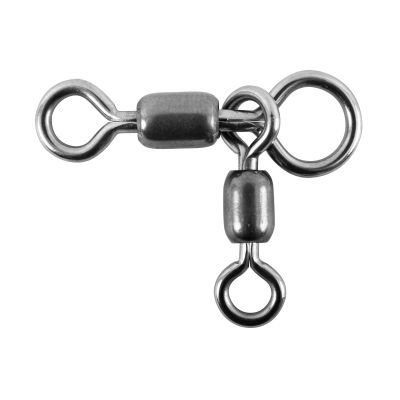
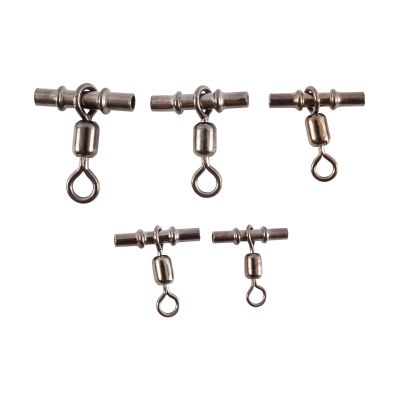
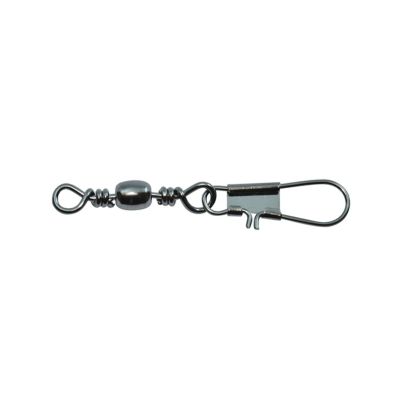
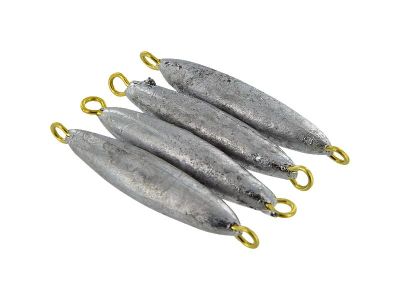
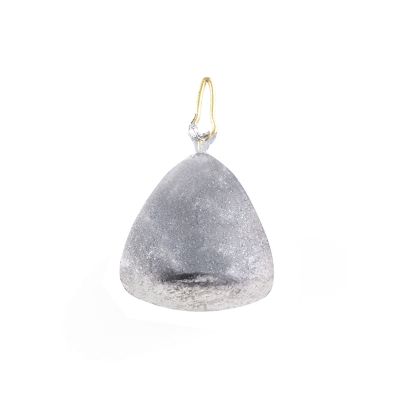
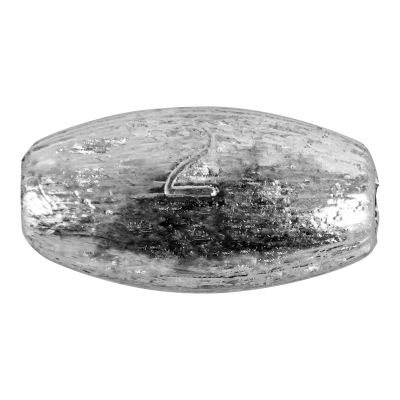
Due to the proximity of piers to the surf, you can expect to have a significant amount of water movement, which is also a key component to life being present around these piers. Water movement may come from tidal currents or surf, which can be minor or significant depending on the day. To present your bait appropriately and be able to effectively manage your line and presentation, you’ll want to anchor your bait to the bottom via sinkers and weights. Again, dependent on the conditions, adjust the amount of weight used based on the conditions. It’s a balancing game of using sufficient weight to keep your bait down versus allowing for the most natural presentation. Some key terminal tackle products can assist significantly in this regard.
Terminal Tackle
Weights
A good starting range is:
- 1–2 oz: for calm or protected piers
- 3–6 oz: for areas with moderate current or surf
- 8+ oz: for high current or heavy surf conditions
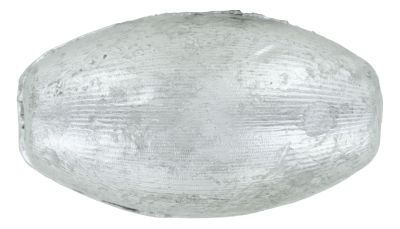
Consider downshot sinkers or torpedo sinkers when fishing sandy bottoms, as they anchor well in current. For snaggy areas, breakaway weights are worth the investment.
Stay Busy
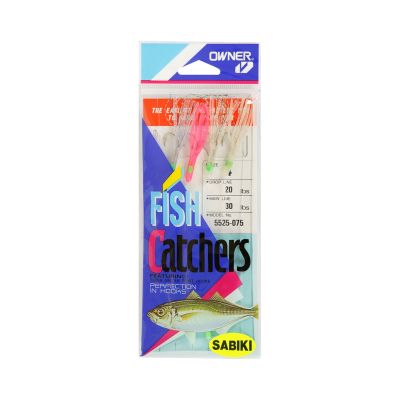
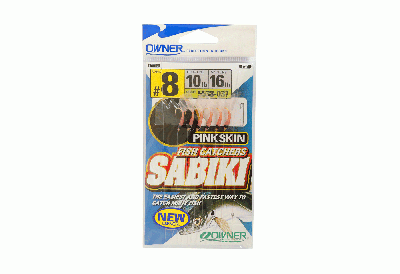
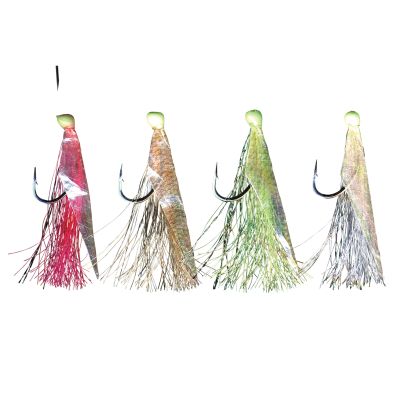
At times, soaking baits and waiting for a hook-up can test your patience. While your bait is sitting idle, it's always a good idea to play around with Sabiki rigs, which are great for catching live bait (like smelt or sardines) right off the pier while multi-hook dropper loop rigs give you multiple chances to hook up.
Landing Your Catch
This is often overlooked, but critical. Piers can sit 10 to 20 feet above the water, which means hoisting a 3+ lb fish up by the rod is risky and can damage your gear or snap the line.
Here are a few ways to land bigger fish:
- Drop net or crab ring: Attach a rope and lower it to scoop your fish.
- Fishing Gaff (where legal): For large game fish, typically used in saltwater areas where legal.
- Use heavy leader (50–80 lb. fluoro): Gives you more lifting power if handlining.
Know the Regulations
Just because pier fishing is accessible doesn’t mean it’s a free-for-all. Here’s what to keep in mind:
- Fishing License: In most U.S. coastal states, you do not need a license to fish from a public pier, but always confirm with local wildlife agencies.
- Size and Bag Limits: These vary by state and species. Carry a ruler or fish ID card to avoid fines.
- Hook & Gear Restrictions: Some areas limit the number of hooks or the type of fishing gear used (e.g., no treble hooks for bait).
Pro tip: Bookmark your local Fish & Wildlife app or site on your phone for real-time regulation checks.
Miscellaneous Must-Haves
Here’s a checklist of items that’ll make your pier session more enjoyable and efficient:
- Rod holder or sand spike: Keeps your hands free.
- Pier cart: Helps haul fishing gear, cooler, bait, and rods.
- Coolers and fish bags: Keeps your catch fresh.
- Towel and hand sanitizer: You’ll thank yourself later.
- Pliers and line cutters: For quick rig changes and hook removal.
- Trash bag: Leave no trace.
- Optional but useful: polarized sunglasses, sunscreen, extra rigs, and a tide chart.
Final Cast: Your Pier Adventure Awaits
Pier fishing is more than just a convenient way to fish. It’s a gateway to a saltwater fishing adventure, a budget-friendly family activity, and a skill-building arena for beginners and experts alike. With minimal gear and the right knowledge, you can tap into world-class action, whether you're hunting perch in California, bull reds in the Gulf, or bluefish in the Carolinas.
The ocean is generous to those who put in the time. And with over 700 piers dotting our nation’s coastlines, the only thing left to do is grab your gear, pick your spot, and cast out. You just might find yourself hooked on more than just fish.