


Choosing the right fishing rod, reel, and tackle, is imperative for your success and enjoyment on the water. With the proper gear, you can fish more effectively and maximize your opportunities to catch fish.
When it comes to fishing rods, spinning rods and casting rods are easily the most frequently utilized rods by anglers across the country. Both have their pros and cons, and knowing which one suits you best will go a long way in helping build your fishing gear arsenal.
While beginners may not fully understand the differences between spinning and casting rods, it’s important to understand them when selecting a rod for specific techniques. Many anglers, myself included, can recall their very first fishing rod which was likely a spinning rod, as they are generally easier to use. As time goes on, and our passion for fishing grows deeper, there is a desire to expand upon our fishing skills and explore new techniques and fishing rods that may be better suited for a certain style.
In this post, we’ll compare spinning and casting rods, highlighting their advantages and disadvantages. Ultimately, your personal preference and skill level will determine the best rod for you. We’ll look to help you make an informed and educated decision when it comes time to pick up your first (or 30th) fishing rod.
Overview of Spinning Rods
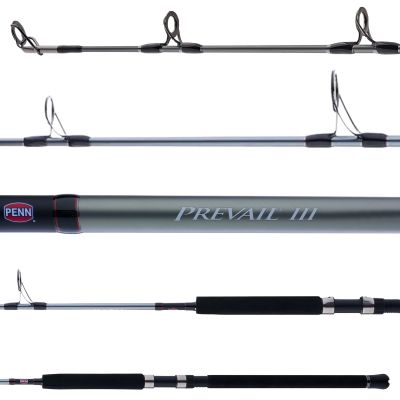
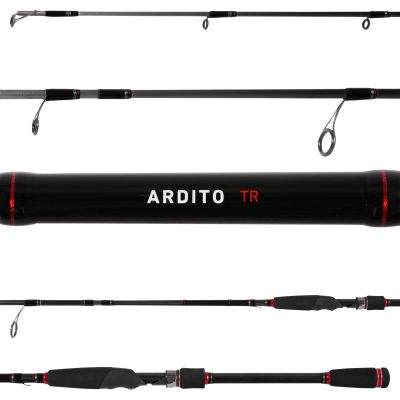
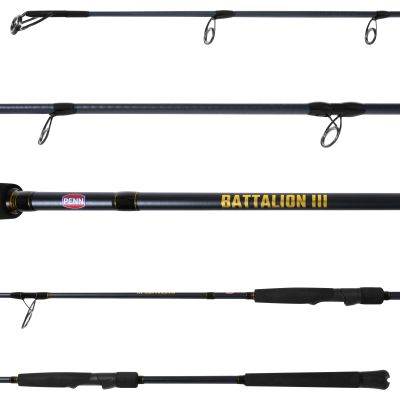
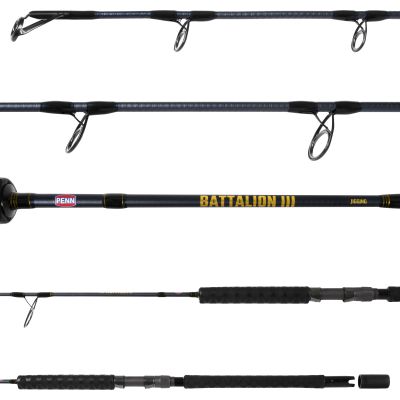
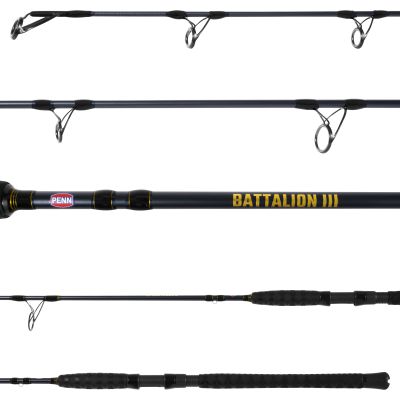
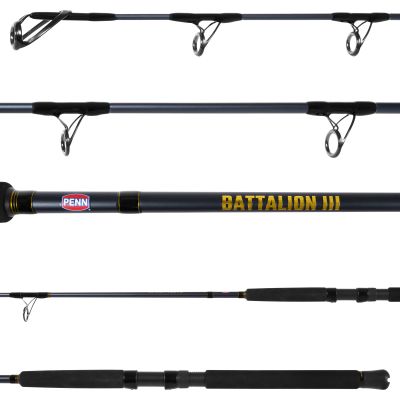
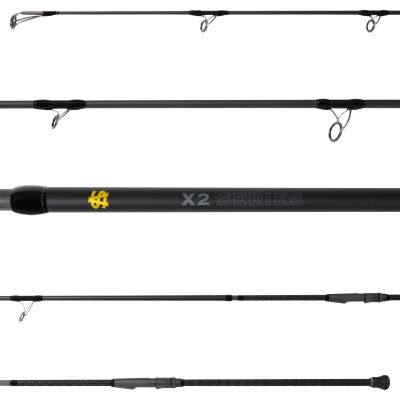
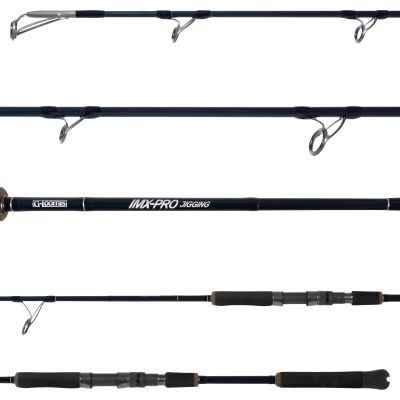
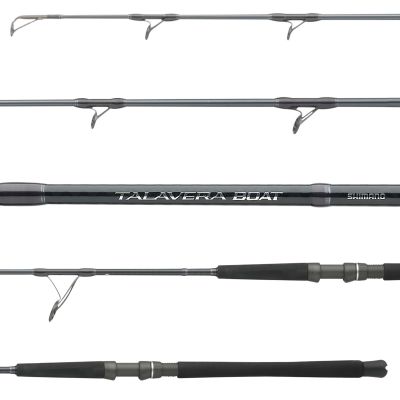
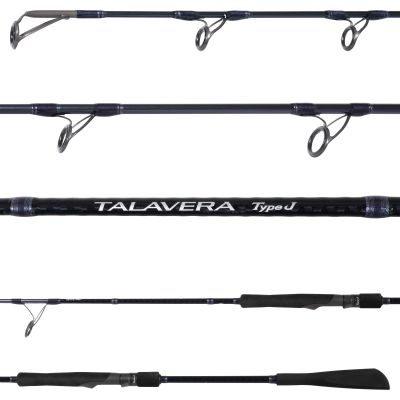
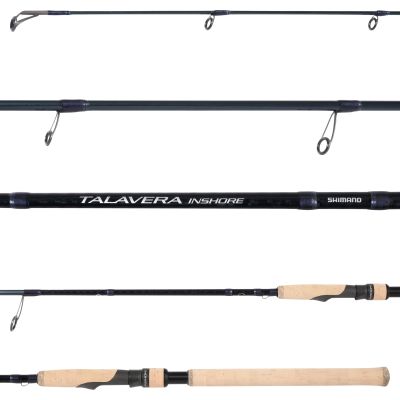
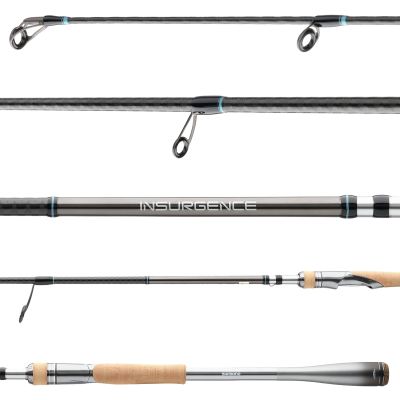
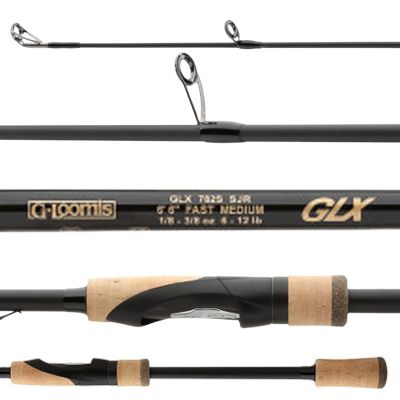
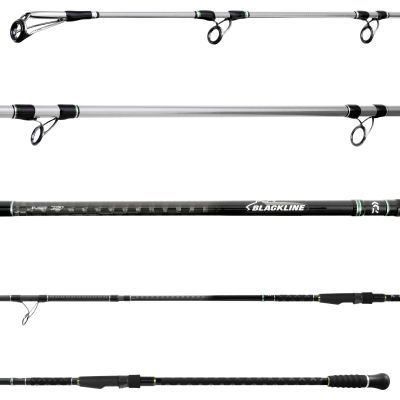
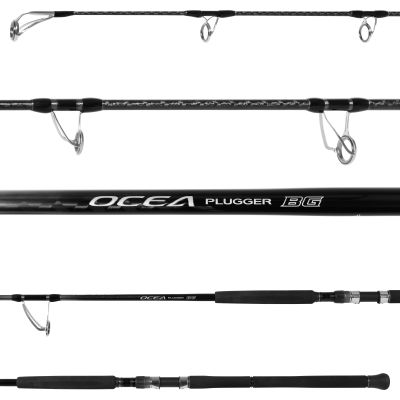
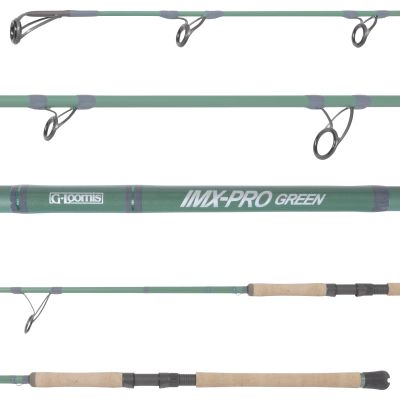
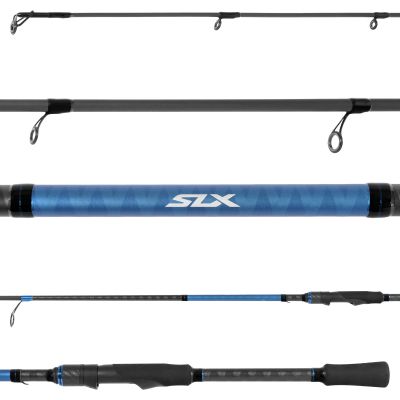
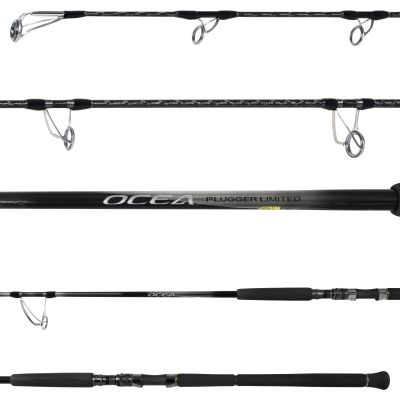
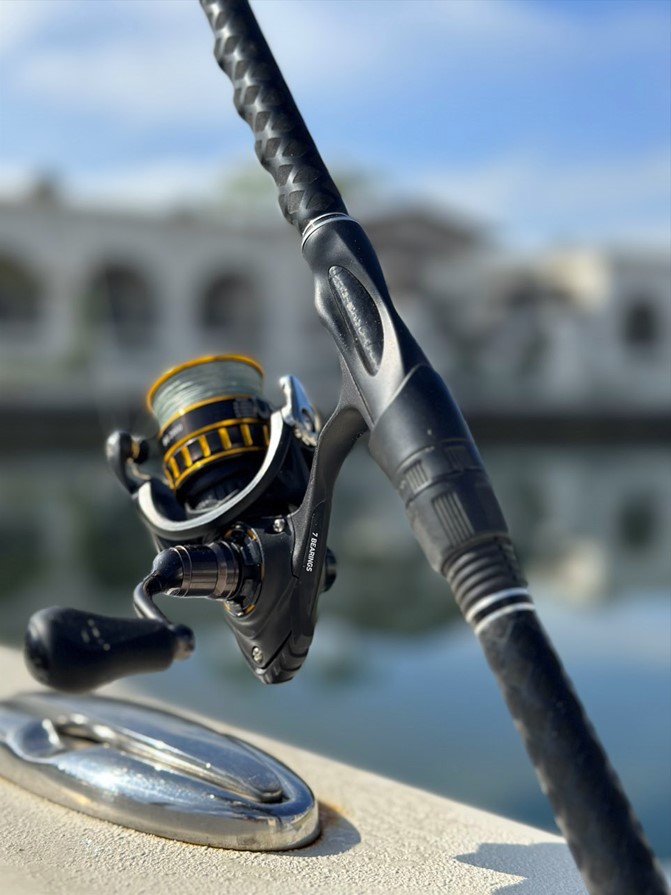
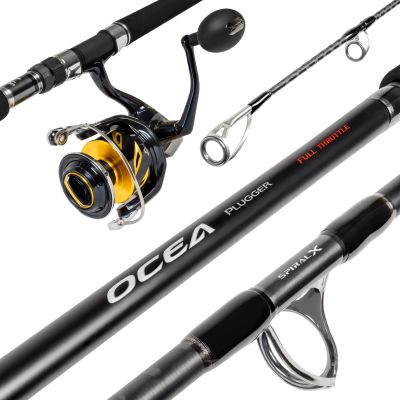
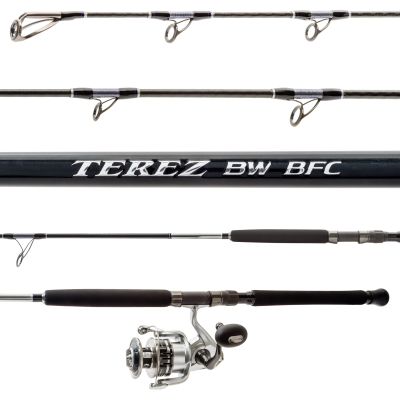
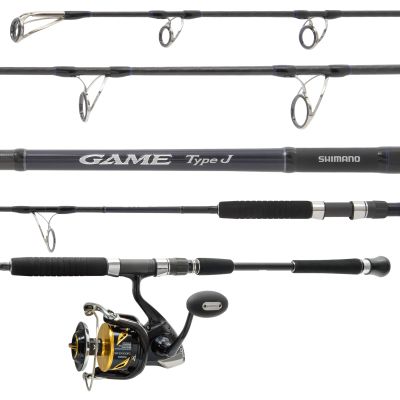
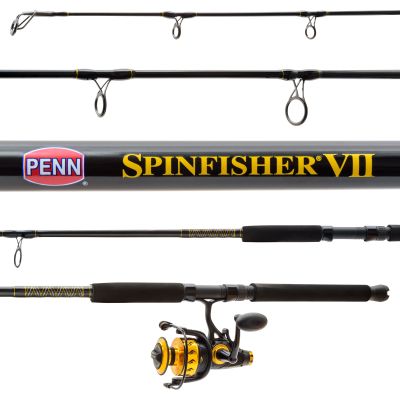
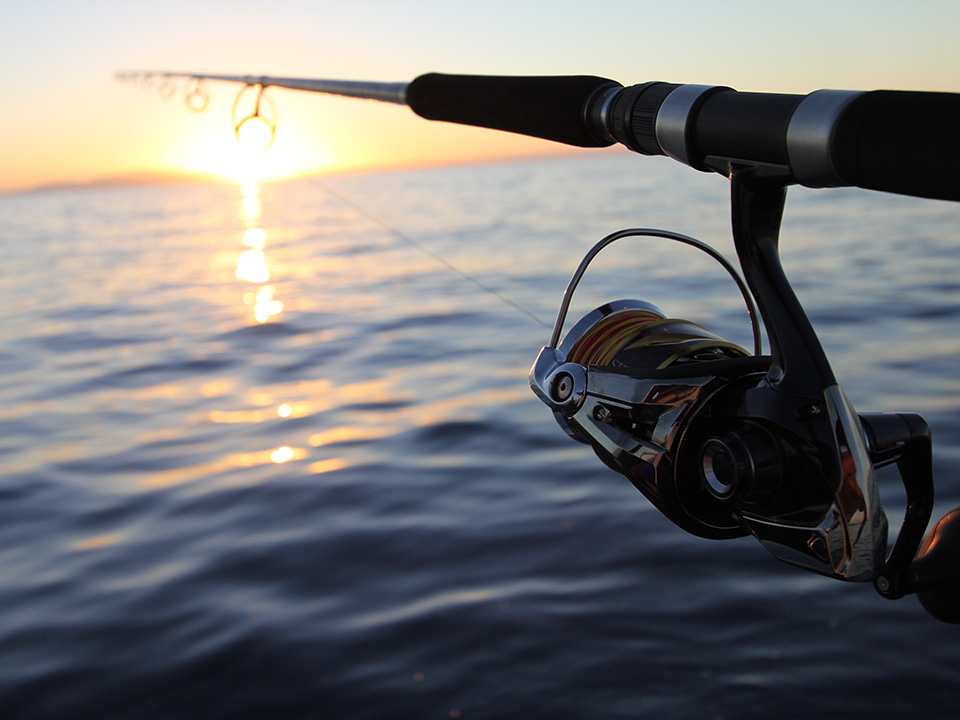
Spinning rods are engineered and built to be accompanied by a spinning reel. The reel is mounted on the reel seat underneath the rod, and the guides of the rod are oriented on the ‘bottom’ of the rod and face downwards, opposite to that of casting rods and baitcasters.
A spinning rod typically features larger rod guides closest to the reel, which taper down to smaller guides towards the rod tip. This design helps to control the line during casting, which helps to reduce tangles, allowing for greater casting distance and accuracy. Spinning rods are favored by many anglers for their versatility and ease of use, making them ideal for both beginners and practiced anglers alike. They are most commonly used for light to medium fishing applications, such as casting small lightweight lures for both freshwater and saltwater species like bass, trout, panfish, etc. With that being said, there are certain spinning rods designed specifically to target big-game fish such as tuna, marlin, trevallies, and more.
Typical Uses and Applications for Spinning Rods
Spinning rods are built and offered in an extremely wide range of lengths, sizes, and ratings. From ultralight panfish rods to short and stout extra heavy tuna rods, this versatile array of offerings make spinning rods some of the most commonly sought after and used rods for many anglers.
The construction of spinning rods also makes them particularly suitable when you find yourself having to fish with lighter lures and lines, which can be extremely frustrating and difficult with a baitcasting setup. The larger guides near the reel and the tapering down to smaller guides as you approach the rod tip help in controlling the line during casting. This design reduces the probability of line tangles and helps to ensure smoother casts, which is crucial when using light line and small lures that can be more challenging to cast accurately. Additionally, the flexibility and sensitivity of spinning rods help anglers to detect even the lightest of bites, which is beneficial when finesse fishing or targeting smaller species such as bass and panfish.
While spinning reels are most certainly used by saltwater anglers, they are undoubtedly most commonly used in freshwater fishing scenarios. They are excellent for casting small, lightweight lures for species like bass, trout, and bluegill. Their ease of use and versatility make them suitable for a wide range of fishing styles, whether it’s fishing from shore, fishing in rivers, or fishing from a boat. While they’re typically associated with light to medium fishing applications, like we mentioned earlier, there are specialized spinning rods designed for targeting larger, more powerful fish in both fresh and saltwater environments. The adaptability of spinning rods make them an extremely valuable addition to any angler’s rod arsenal, regardless of skill level.
Advantages
Fishing with a spinning rod offers numerous distinct advantages, making it a popular choice among both beginner and experienced anglers. They are highly favored especially among beginner and novice anglers due to their user-friendly design and versatility. One of the key reasons spinning rods are ideal for beginners is their straightforward functionality. The spinning reel, which is mounted beneath the rod, allows for an easy and what some consider, more intuitive, casting motion. A spinning setup will minimize the chances of backlashing or “birdsnesting”, a common issue for novices using baitcasting reels, making spinning rods a more forgiving choice for those who are just getting started in the sport of fishing. With a spinning rod and reel, even those who are new to fishing can quickly master the casting technique, leading to a more enjoyable and productive fishing experience.
Another significant advantage to spinning rods, which we previously mentioned, is the reduced likelihood of line tangling. The most common line issues that I personally experience when fishing with spinning setups are wind knots or line tangles associated with casting directly into a strong headwind. However, this can be an issue regardless of the style of rod and reel you are fishing with, and for a novice angler, spinning setups are by far less tangle prone than casting setups. The spinning rod design and controlled line flow while casting helps to remove the frustration associated with learning how to cast, and the forgiveness of a spinning rod allows anglers to focus on improving their skills without constantly dealing with line issues.
Spinning rods are also incredibly versatile, suitable for almost any fishing style with the exception of fly fishing. They excel in light to medium fishing applications when compared to casting rods, but with the constant innovation within the fishing industry, we are seeing them being used to target big-game more frequently now. They can be used to finesse fish with small lures, fish live, dead, or artificial baits, troll, bottom fish, ice fish, and surf fish. This versatility ensures that spinning rods can be used to accommodate a vast range of fishing techniques and preferences.
Authors Note - Now by no means is fishing with a spinning rod only for novice or beginner anglers. As an angler for about 15 years now, I’ve found myself reaching for my spinning rods more and more often as of late, especially in certain ultra-light scenarios such as bay bass and surf fishing. Not only can it sometimes be more productive than fishing with a casting setup, but it can also be more challenging, fun and rewarding! It allows me to fish smaller baits than I’d be able to with a casting setup, and you’d be surprised how hard small gamefish can pull on an ultra-light spinning rod.
Overview of Casting Rods
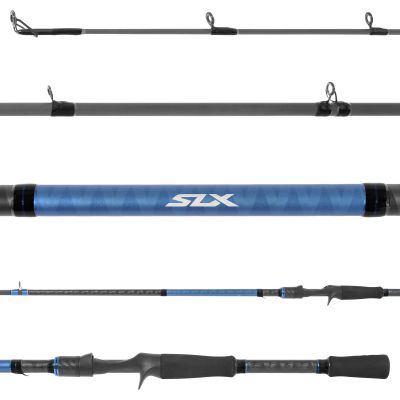
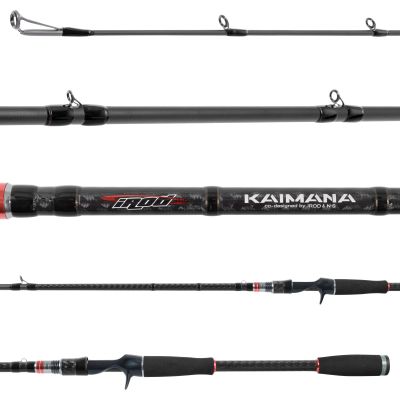
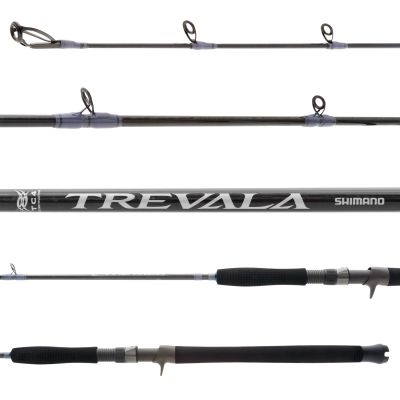
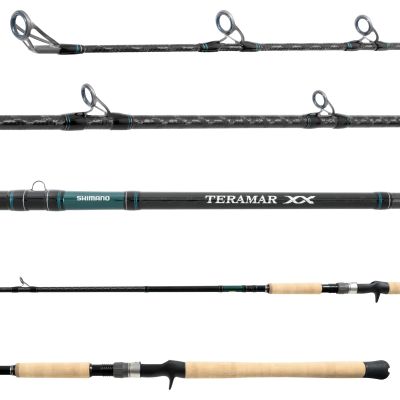
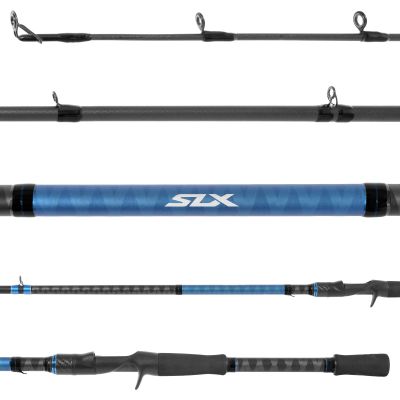
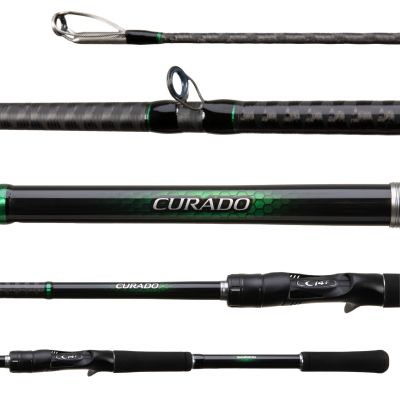
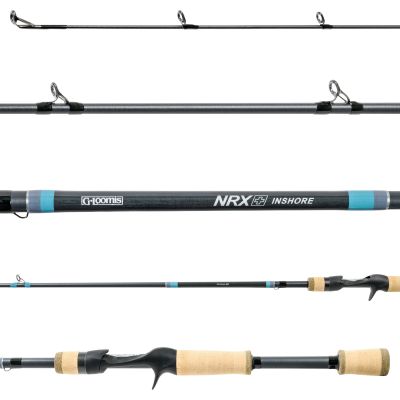
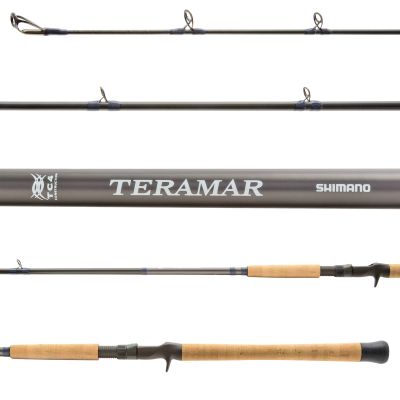
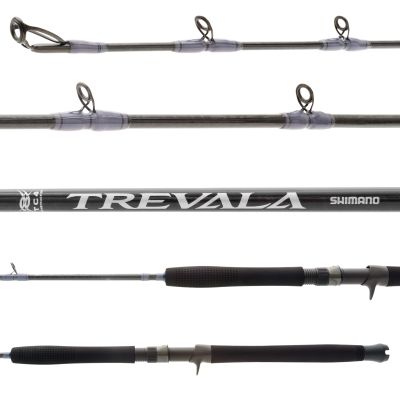
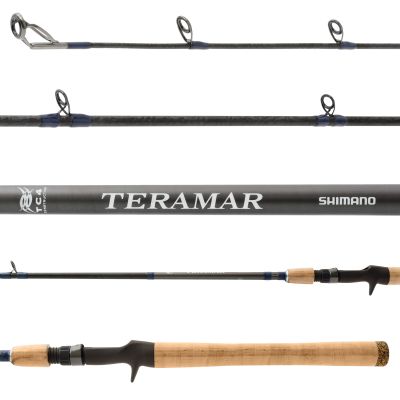
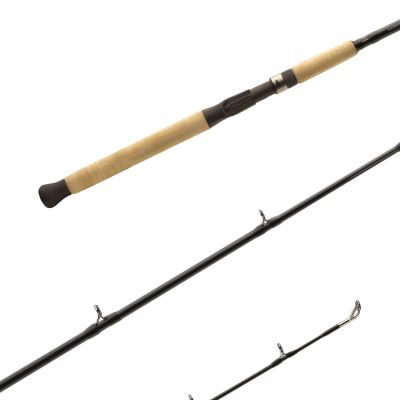
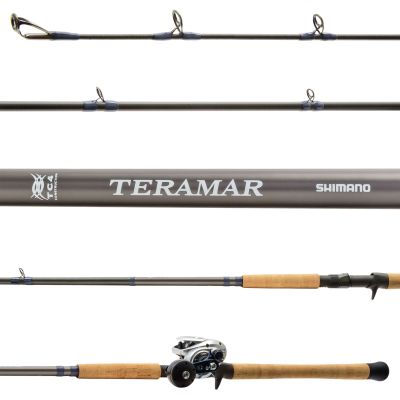
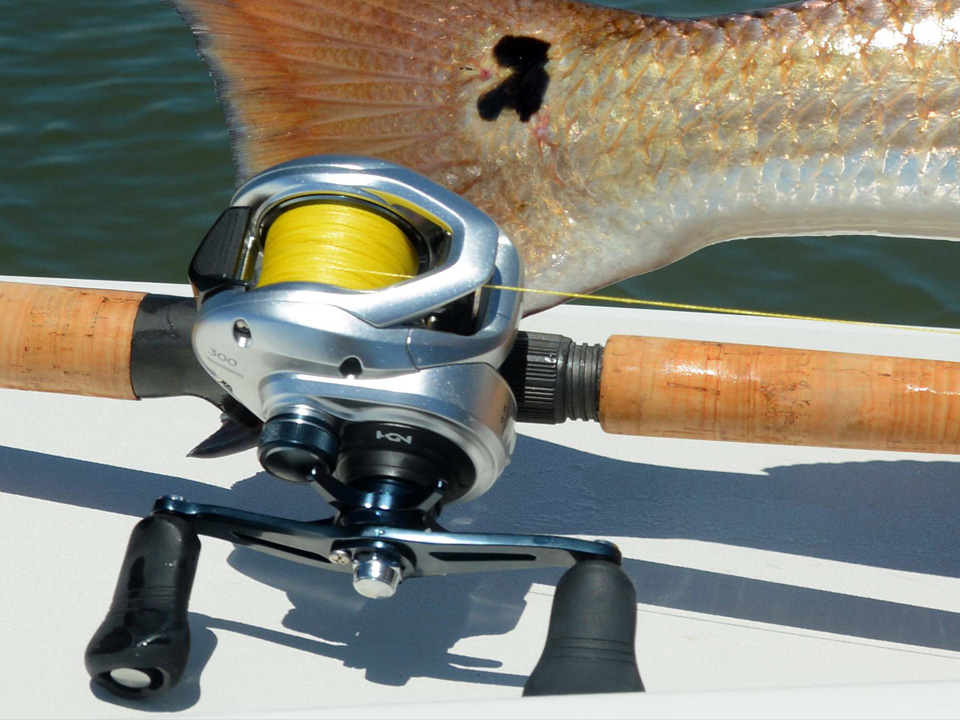
Just like spinnings rods, casting rods are engineered and built to be used with casting reels, or baitcasting reels. On casting rods, the reel is mounted to the reel seat on the ‘top’ of the rod, and the guides are also oriented on the ‘top’ of the rod facing upwards.
Generally, casting rods are built with more guides than spinning rods, and they sit low, close to the rod blank. Unlike spinning rods, casting rod guides are smaller and do not taper in size as much and are fairly uniform along the length of the rod. The configuration of casting rods allows for greater control and precision when casting. They are typically built with a trigger grip, which provides additional support and control while fishing. Casting rods are engineered to be able to handle heavier lines and lures, making them ideal for targeting larger fish species and for techniques that require more power and control, such as flipping, pitching, or casting into heavy cover.
Typical Uses and Applications for Casting Rods
Casting rods are typically favored by more experienced anglers due to their ability to be fished with heavier line and bigger lures, providing greater casting accuracy and control for certain techniques. These rods are designs to be used with baitcasting reels, which (with practice) allow for precise controls over the lure’s placement. This makes them ideal for fishing techniques that require pinpoint accuracy, such as flipping or pitching into heavy structure areas, which make these rods hugely popular amongst bass fishermen.
To explore more about baitcasting reels, check out The Ultimate Guide to Shimano Baitcasting Reels.
One of the main reasons casting rods are preferred for heavier lures and lines is their superior strength and durability. The guides and reel seats are built to withstand the repetitive stress of casting and retrieving baits. The rods themselves are often constructed with specific materials that can handle this increased load of constant casting. This makes casting rods suitable for targeting larger fish species and more popular among some saltwater anglers than spinning rods. The ability to use heavier lines with casting rods also means anglers can apply more pressure to the fish during the fight, allowing you to boat fish perhaps more quickly than a spinning rod.
Casting rods are commonly used in both fresh and saltwater fishing scenarios. In freshwater, they’re most often used for bass fishing, where techniques like casting large crankbaits, hard swimbaits, and hard jerkbaits are common. In saltwater, casting rods are used for a variety of applications, mainly inshore fishing, but even for offshore fishing targeting pelagic species. The wide range of casting rods available on the market today allows for anglers to use them for a wide range of fishing styles and techniques.
-
-
-

-
-
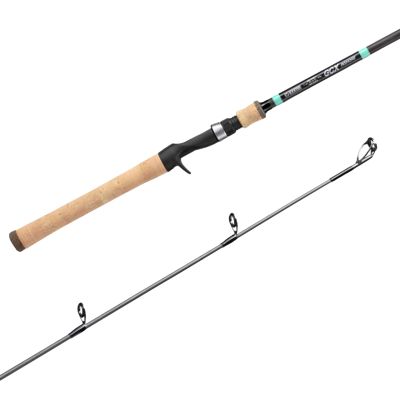 G. Loomis GCX 782C F Baitcasting - 12969-01 - 6'6" - 8-14 lb.Now: $221.25 Was: $295.00
 -
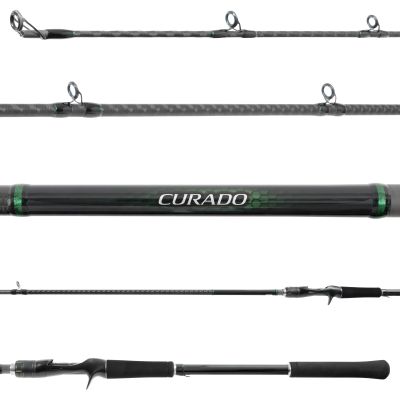 Shimano Curado Baitcasting Rod - CDC72MLBFSA - 7'2" - 20-40 lb.Now: $151.99 Was: $189.99Out of stock
 -
-
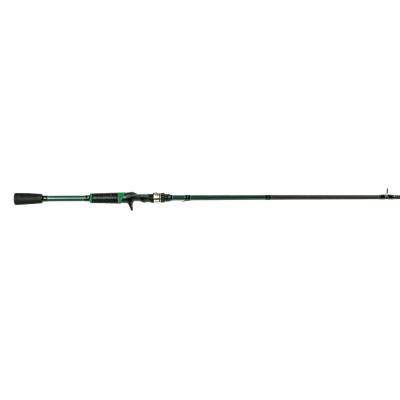 Shimano Clarus E Casting RodsOut of stock
 -
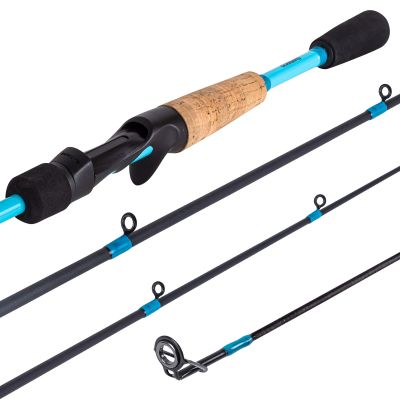 Shimano GLF Baitcasting RodsOut of stock
 -
-
-
-
Advantages
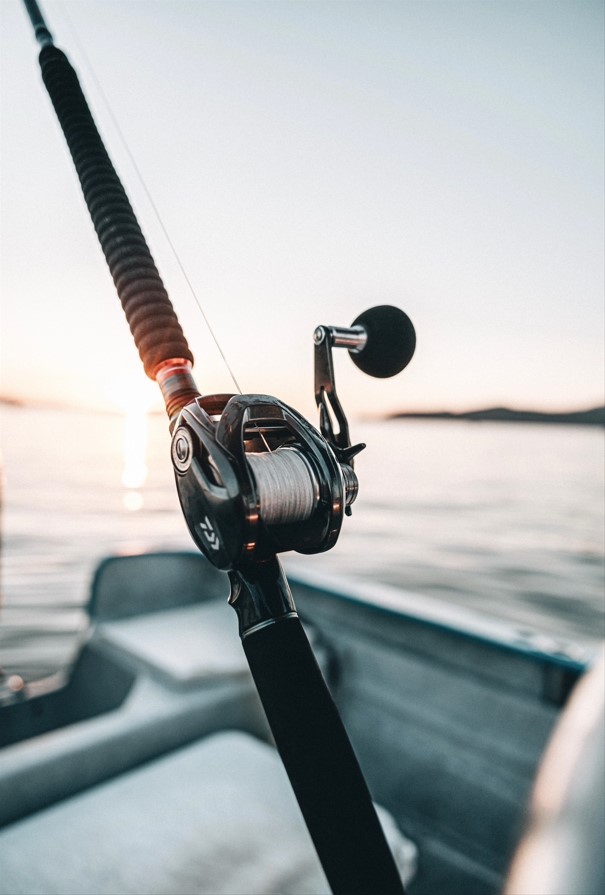
Much like spinning rods, casting rods offer several advantages in certain scenarios that make them a preferred choice for certain anglers. One of the primary benefits is the greater casting accuracy and distance that can be achieved with casting setups. The design of the rod and orientation of the spool, with the reel mounted on top and guides positioned on the upper side, allows for a more direct line path during the cast.
Generally, casting rods are particularly better for targeting specific fish species that require more power and control during the fight. For instance, larger pelagic species require heavier line and large lures which are most suitable to fish on a casting rod. With time on the water and practice, many anglers may find that they thoroughly enjoy fishing with casting rods and reels.
Key Differences Between Spinning Rods and Casting Rods
Rod Design and Structure
● Spinning Rod
- Reel seat and guides facing downwards
- Guides taper from large to small as you move towards the rod tip
- Reel is oriented down and sits further off the rod
- Reel handle is positioned on the left (most common, even for right handed anglers)
● Casting Rod
- Reel seat and guides facing upwards
- Guides are relatively small throughout and do not have a drastic taper
- Reel is oriented up and sits directly on top of the rod
- Reel handle is positioned on the right (for right handed anglers)
Reel Compatibility
● Spinning Rod
- Spinning rods are specifically designed to be fished strictly with spinning reels
● Casting Rod
- Casting rods are specifically designed to be fished with baitcaster or conventional style reels only
Casting Technique and Control
● Spinning Rod & Reel
- Spinning setups are most commonly casted straight overhead, but can be used to pitch baits as well
- As line comes off the stationary spool, larger guides near the reel help control the line flow to reduce tangles
● Casting Rod & Reel
- Casting setups are often casted with a side-arm motion and are also used to precisely pitch baits to fish, i.e. sight fishing
- As line comes off the resolving spool, anglers control the speed and release of the line utilizing their thumb (some baitcasting reels have internal braking systems built in as well)
- Casting setups can be more prone to backlashes if the line is not managed properly when coming off the spool
Line management and control differ significantly between the two setups; spinning rods allow for a more straightforward and forgiving casting experience, as the line flows freely off the spool, whereas casting rods demand more skill and practice to master the thumb control needed to prevent line overrun and tangles.
Choosing the Right Rod for Your Needs
By now you should have a general idea of which type of rod would be best suited for your specific fishing style. There is certainly a large overlap in which either style of rod would be suitable to have in any given fishing scenario. Below I’ll list a few bullet points that should help make your decision even easier.
- Experience Level: Like myself when I first started out fishing, I would recommend that every beginner learning how to fish start with a spinning rod. They are by nature much easier to learn how to use, and do not limit your fishing opportunities in the least. As you master the craft of a spinning setup, it may be time to graduate and learn how to use a baitcasting rod and reel to grow your skill set.
- Type of Fishing: While both rods are suitable for fresh and saltwater environments, I personally tend to find that generally casting rods are more durable and hold up to saltwater better. However, whether you fish mainly in fresh or salt, you shouldn’t discount either style of rod off that factor alone.
- Target Fish Species: This is one of the most important factors to consider in my opinion. Smaller gamefish are best suited for and very enjoyable to fish on spinning rods. Larger gamefish are best targeted with casting rods and baitcasters or heavy conventional style reels.
- Preferred Lures and Lines: This is another big one. If you are someone who enjoys fishing ultra-light line and tackle, a spinning rod would best suit you. For somebody who fishes heavier line and big lures no matter what species they are targeting, a casting rod will fit your needs better.
As you can see, there is quite a large overlap, and neither rod should be written-off unless you are planning on doing certain niche styles of fishing such as ice fishing (spinning setups are king here) or targeting big-game fish such as giant tuna or marlin, in which case big game rods (casting rod structure) are necessary.
Tips for Using Spinning and Casting Rods
I’m well aware that I am repeating myself here, but time on the water and practice with your fishing gear is absolutely necessary if you are trying to improve your craft, regardless of how long you’ve been fishing. Spinning and casting rods alike require an angler to learn the best practices of fishing with each. Take the time to practice casting for both distance and precision with each setup and take them fishing whenever you can. Always be sure to rinse off your rods and reels after each use and check your rod blank and guides often for any potential weak spots or chips.
Something I’ve seen before, perhaps too many times, is someone pairing the wrong reel on a rod. While it’s possible to fish a baitcaster on a spinning rod and vice versa, it is certainly not ideal and could lead to you breaking your rod, although it will certainly make your fishing experience less enjoyable.
Take the time to do the research on not only the right style of rod that would be best for the style of fishing you’ll be doing, but also one that is the proper length, rating, and pairing for the reel, line and lures you will be using with it.
We hope that this post was helpful in the search for your next fishing rod, and be sure to check out Melton Tackle’s wide range of both spinning and casting rods for your next fishing adventure!