

The Lobster season opening in California is a highly anticipated day for anglers, foodies, and outdoor enthusiasts. This opener is an excellent opportunity for experts and novice anglers to participate in lobster fishing & trapping for consumption at home in Southern California. Given the correct conditions, it gives access to almost any watercraft or person willing to enter the water. With the price of lobsters, it’s well worth the effort.
While the opener is less than a month away, this is an excellent time to review the rules and equipment and maybe even learn some tips from this article you didn’t have in your back pocket in previous years.
Opening Day
The 2026-2027 recreational season will start at 6:00 p.m. on Friday, October 2nd, 2026, and run through Wednesday, March 17th, 2027.
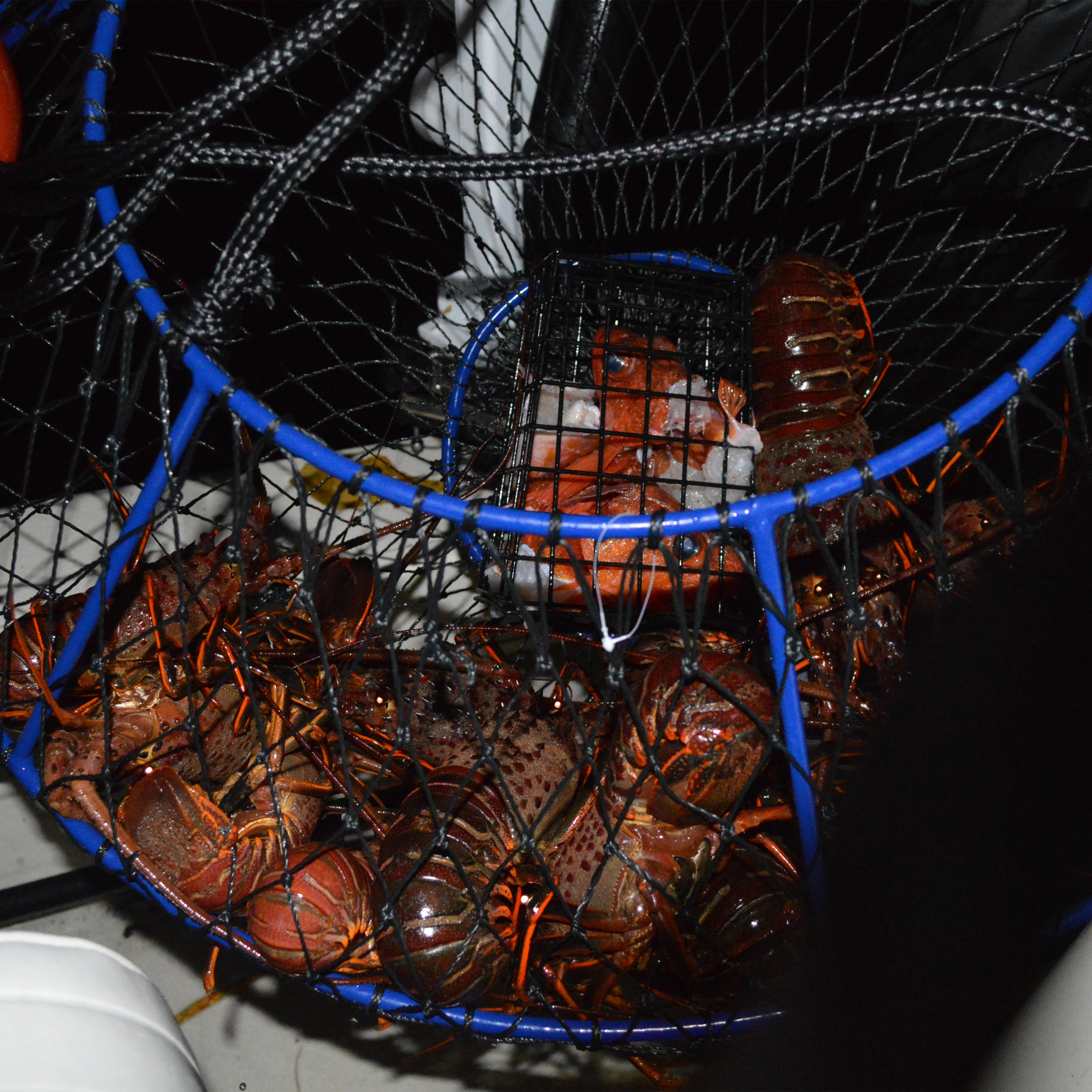
The Lobster
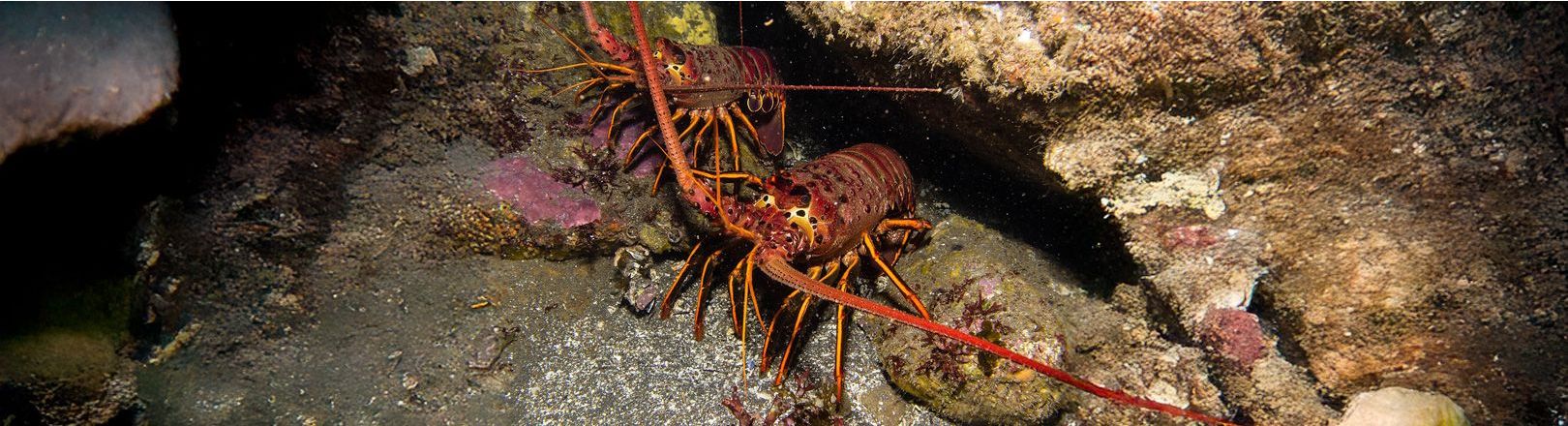
When speaking of Lobster in California, we refer to the California Spiny Lobster, a far cry from the Lobster you’re used to getting frozen at Costco or Red Lobster, predominantly Maine lobsters. The most significant notable difference is that Maine lobster has large claws, resulting in more meat, which the California Spiny lobster lacks in meat it makes up in taste. Our lobsters have a less starchy flavor; some say it’s somewhat sweet.
The California Spiny Lobster range goes from deep Baja to Point Conception, with the occasional stragglers going north and south of these parameters. They can be found in just inches of water nestled in the rocks to over 100’ in depth. Spiny Lobsters, as with any lobster species, are attracted to structures they can hide in, like reefs, rocks, and sea grass. When hoop netting for Lobster, visualize the environment and place your trap near the locations of the structure.
The California Spiny Lobster is a scavenger and does its fair share of keeping the bottom clean from any organic matter or fish scraps that have not made it into your cooler from your last fishing expedition. In the daytime, they tend to hide and be less active. Once nightfall, lobsters are known to crawl, whether in search of food or just a behavioral nature. It was once thought that lobsters stayed put in one area, but we now know that they travel quite a bit from shallow to deep and from North to South. Nighttime is the best time to set your hoop nets, as lobsters will be out and about.
Additionally, current and water quality has much to do with lobster activity. It is confirmed that lobsters will be more active and foraging after a rain or storm. The same can be said for moving tides; Lobster also tends to be more active.
This fishery has been subject to overfishing and thus has had strict management laws to combat overfishing. Spiny Lobster is closed yearly from late March to late September. If you’re a free diver and have noticed them in the summer, often during the summer months, many are laid up full of roe or eggs, which makes it obvious why the fishery is closed during those months.
2025 - 2026 Lobster Regulations
The California Spiny Lobster is very sought after, and the Department of Fish and Game of California goes through extensive efforts to ensure this fishery is regulated and preserved for the health of this species and the fishery for years to come.
To fish, dive, or catch a California Spiny Lobster, you must acquire a CA fishing license and a Spiny Lobster Report Card before attempting to capture or pursue lobsters in California waters. Many tackle shops and landings can offer these licenses and assist with any additional information you need. You can purchase these materials directly from the Department of Fish and Game website.
Please note that getting caught without the appropriate materials will lead to potential fines, maybe even imprisonment.
Here is a list of a few more regulations and things to keep in mind for the opener:
- The recreational bag limit for CA Spiny Lobster is (7) seven lobsters per person.
- Besides on a pier, every angler 16 years and older needs a California fishing license and a lobster card.
- All anglers participating in lobster hooping need a gauge.
- You may possess up to 5 hoop nets while fishing from a vessel, but the total number of hoop nets on a vessel cannot exceed 10, even if there are more than 2 people on the boat.
- The angler’s GO ID must be on the buoy the angler is pulling. Only the angler with that GO ID may pull that buoy.
- After two hours of soaking, the net is determined, abandoned, and could be up for grabs, most likely by Harbor Patrol, Fish and Game, or the Navy.
Hoop Netting
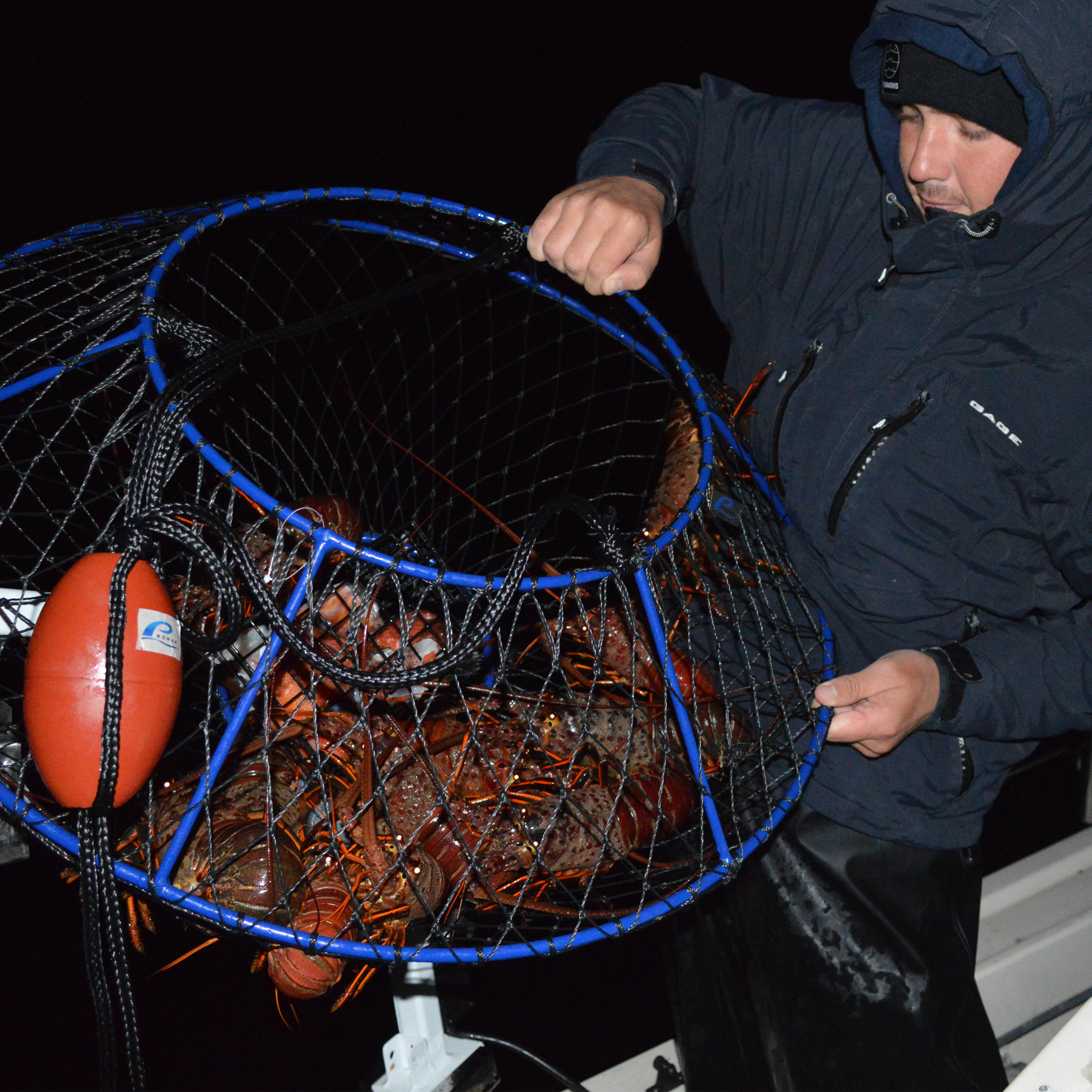
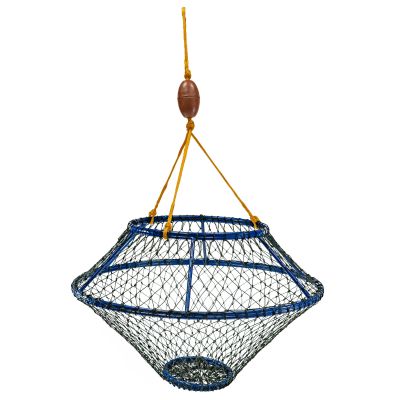
There are a few ways to target California Spiny Lobster; for this article’s sake, we’ll focus on hoop netting, which is the most common way to target lobsters. Hoop netting is a technique used coastally to catch Spiny Lobster. A hoop net is a circular net weighted and baited in the middle, attached to a rope secured to a buoy or float at the surface. The net is placed on the bottom for an extended period, hoping the lobster smells the bait and walks over the net to consume the bait. After the net and bait have been allowed to sit, the angler will lift the net vertically, capturing whatever has been feeding on the bait.
Setting Up A Hoop Net
There are a few key elements needed for hoop netting that we’ll cover:
- Promar Ambush Hoop Nets are preferred as they are optimized for catching lobsters. The net has a larger volume provided by the steep angles, which also provides the additional benefit of helping to retain more of your catch. These nets are supported by six fixed welded posts that provide solid and stable hauls and come complete with a patented built-in bait pouch, weighted steel ring, heavy-duty black harness, and quality bridle float.
- The rope is needed to secure your hoop net to your float, and it is recommended to use a nylon rope that will not absorb water and is made to withstand the saltwater elements. It is necessary to have this rope be a bright color so that it is easily visible at night, such as the Promar Braided Poly Crab Line Rope.
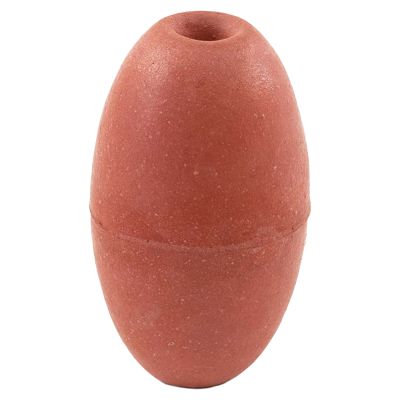
- Float device: Your hoop net will be connected to a floating device; this can be any buoy that floats sufficiently to keep afloat. Ensure you read through your regulation, as information about your fishing license must be written on it.
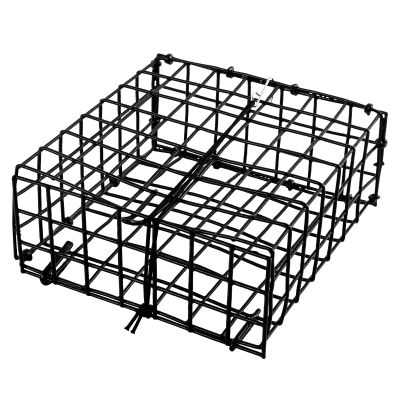
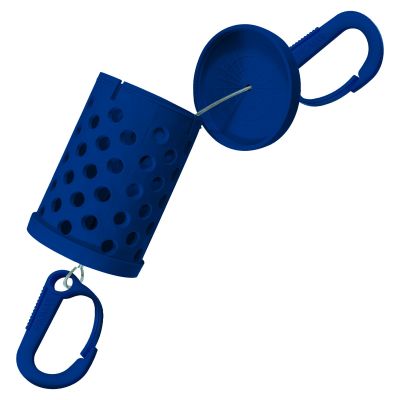
- Bait Cage: The bait cage is one of the most essential parts of making your lobster fishing experience productive. In Southern California, not only do we have an abundance of Sea Lions, but they are also smart and have caught on that lobster hoops often offer a free meal. A cage will prevent Sea Lions or other critters from getting to your bait.
- Lobster Gauge: A gauge is necessary to ensure the size of your lobster is legal and in compliance. The gauge should not fit if measuring between the lobster eyes to the back of the carapace. The gauge must be on the hard part of the shell, not the softer flesh area where the eyes are. The lobster is too short if there is any space between the gauge and the carapace. From the spot between the eyes to the end of the carapace, the lobster must measure more than 3.25” to be legal.
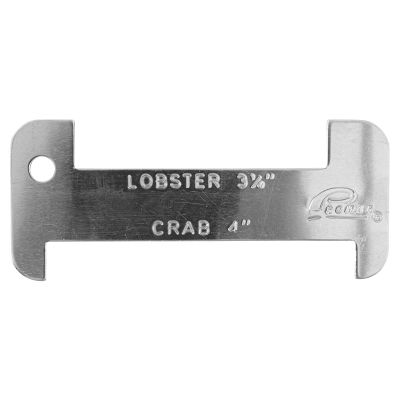
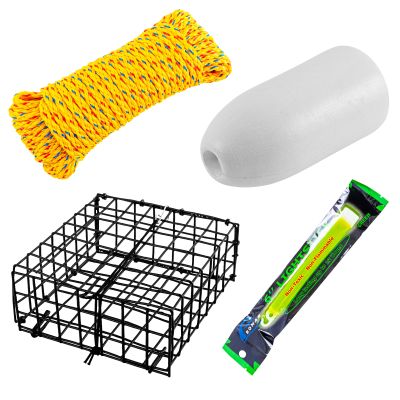
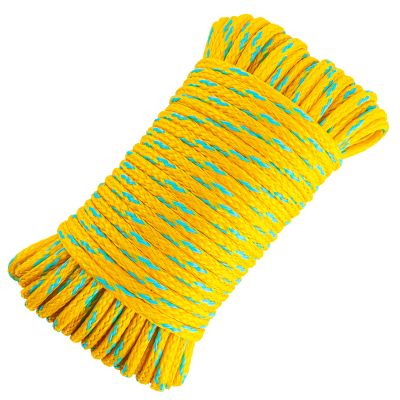
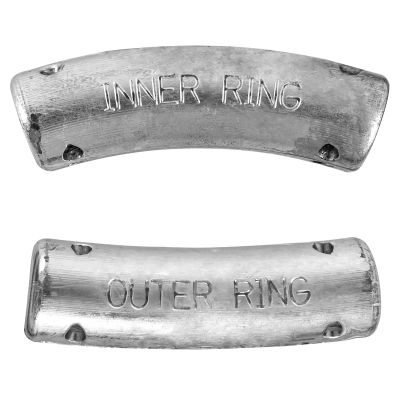
The items above are your essential items for targeting lobsters using a hoop net, and some additional items can make life a lot easier as well as make your fishing efforts more pleasurable:
- Lobster Line weights will ensure your line stays vertical if you’ve let out too much line. Having your line vertical and deep it will prevent boats passing by from getting the line caught in the prop of other boats.
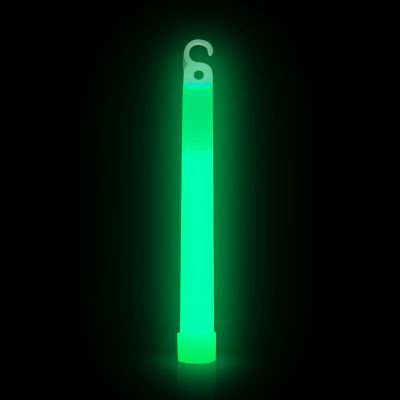
- Promar 5" LED Light Sticks or Promar 6" Light Glow Stick: At night in a sea of many buoys, especially on opening night, it can be difficult to locate the buoy that belongs to your hoop. Having these lights connected to your buoy will allow you to spot it and even better if the light is a unique color as opposed to what others are using.
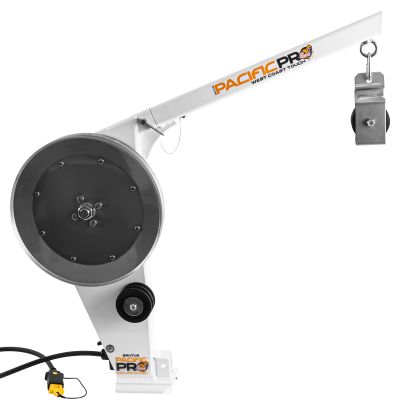
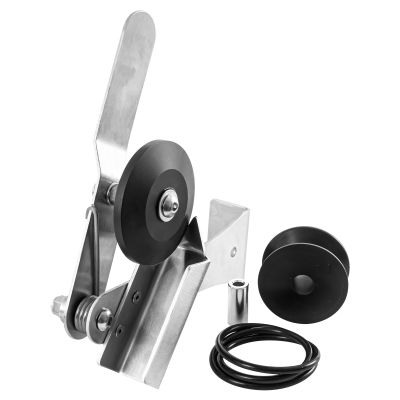
- Line hauler, whether electric or manual, is extremely useful when pulling several hoops, and, it can save the gunnel of your boat by not having rope rub up against it.
Bait
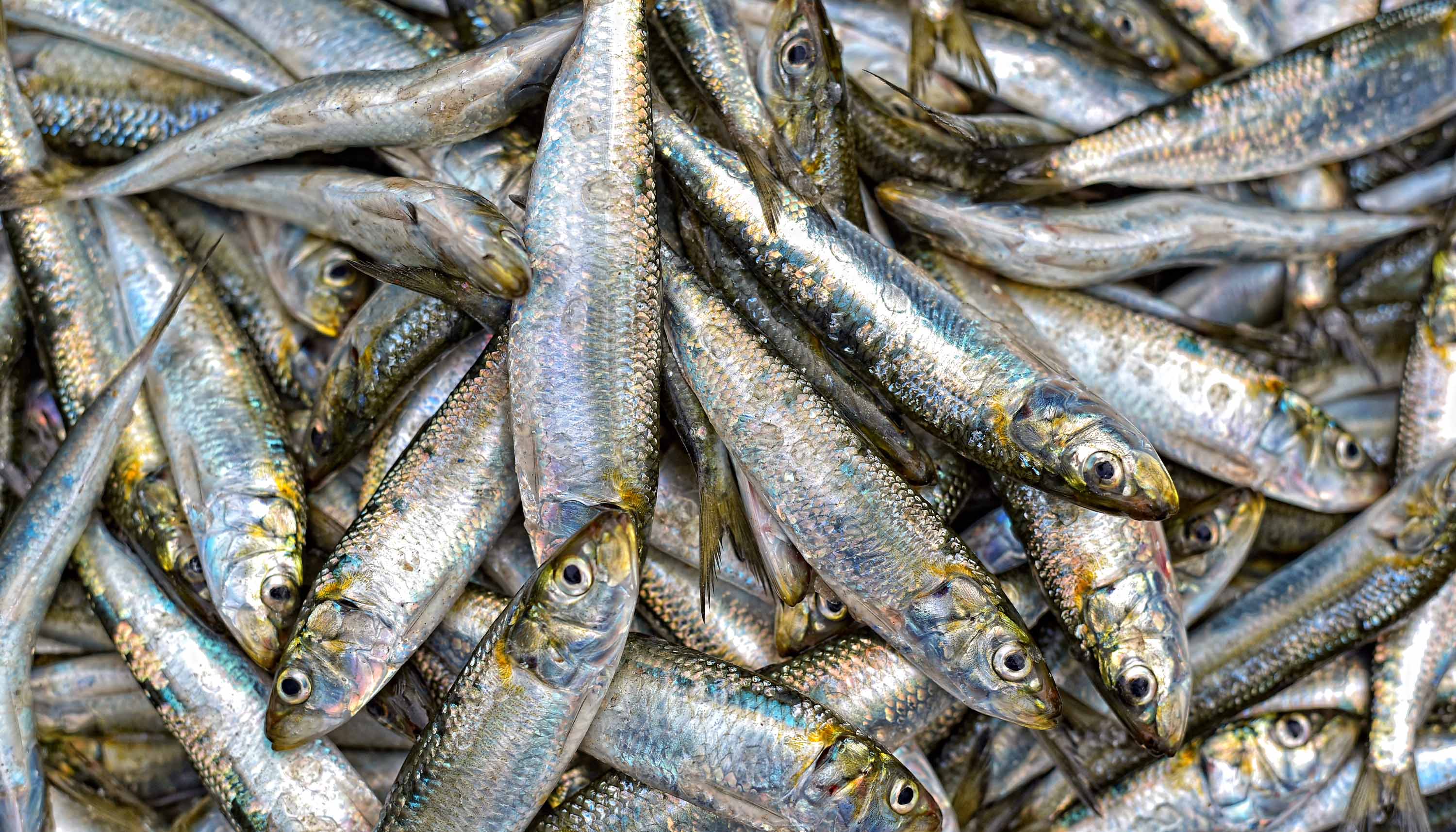
There are a few different camps when it comes to bait. Some will say it makes little difference and use leftover fish cuts, and some are adamant about using oily fish like salmon scraps or mackerel. These all work, but the best success I’ve witnessed is using freshly caught sardines. If you can get fresh caught sardines, it seems to outweigh using any frozen natural bait.
Caretaking
Lobsters are best if kept alive until preparation. Once they die, they degrade rapidly; lobsters that have been dead for over an hour are not recommended for consumption. Thankfully, lobsters are pretty hardy and will live a significant amount of time if cared for properly. The best way to do this is to keep them moist, not wet and cool. If they sit in salt water, they will die as they will deplete the oxygen in the water; you want them to be out of it. The best way to achieve this climate is to have a burlap bag made wet with saltwater and wrung out. Place the lobsters in this bag or put the lobster in a bucket with this bag covering them and place them in the refrigerator. They will last in this environment easily for two to three days.
While this article gives considerable insight into lobster fishing, we suggest you cross-reference all information with the Department of Fish and Game website to ensure you comply with all regulations.
Parting note: Please check up on marine weather forecasting because hoop netting often occurs near jetties and structures; swell, tides, and wind can make this endeavor dangerous in the wrong conditions. Below are some helpful links to check out before going hoop netting.
The spiny lobster header image was modified using generative fill to widen the composition, extending the background while preserving the subject. The original is "Spiny Lobster" by Ed Bierman, CC BY 2.0