

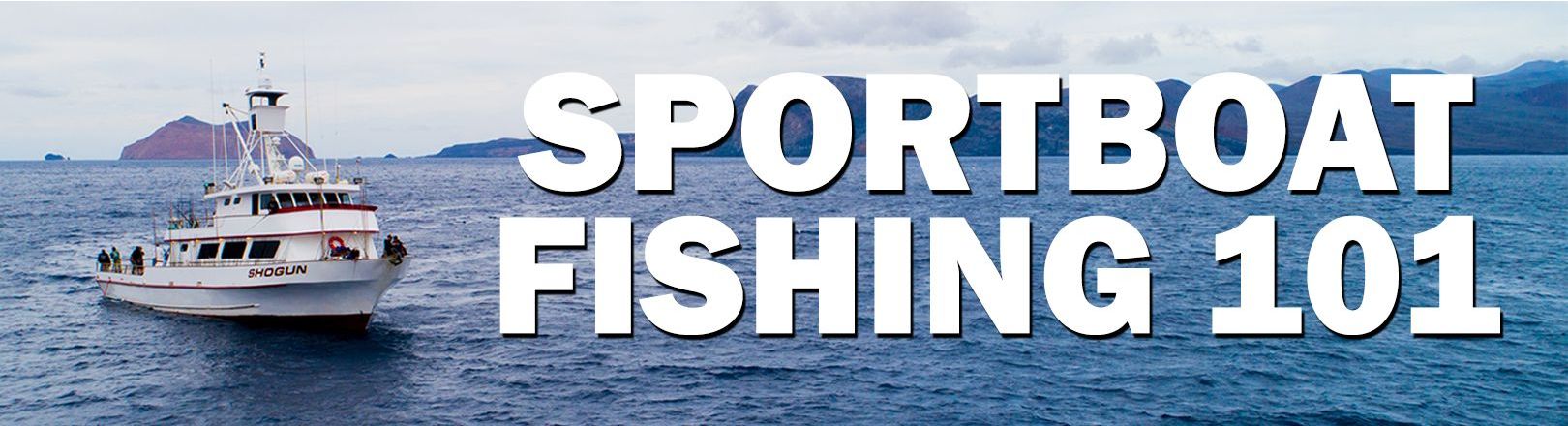
Southern California is the mecca of sport boat fishing. Nowhere in the world is there such a collection of fine-tuned vessels and crew to take anglers out in the great blue Pacific in search of their trophy fish.
When speaking of sport boat fishing, it is important to distinguish it from different kinds of platforms with similar references, like party boats or cattle boats. Sport boats in Southern California refer to vessels ranging in size from 60 to 100 feet in length. While some operations offer day-long trips, these vessels are predominantly equipped to service anglers’ multi-day needs. The idea behind these fishing platforms is to take anglers to potentially far-off locations in search of game fish. These platforms offer amazing amenities to make these trips safe and comfortable so you can focus on the fishing. Equipped with extensive bait tanks, temperature-controlled fish holds, restaurant-like galleys, comfortable rooms and bunks, the most up-to-date electronics, and the best captains in the industry. You’d be hard-pressed to find a matching fleet like the one in Southern California. It is the “cream of the crop” of crew, captains, and fishing.
This Sport boat fishery in Southern California started in the '60s-70s when the likes of Bill Poole, Tedd Dunn, and Frank Lopreste spearheaded the development of these magnificent boats with the idea to explore the uncharted waters south and west of Southern California. This cowboy mindset ensured these boats would be ready for anything on their journeys, completely self-sufficient operations for days at sea. Since those days, it’s been years of profound catches, stories, and trips in some of the fishiest waters on earth. Today, the tradition continues and sport boats out of Southern California are as good if not better than ever. We can’t recommend it enough to get on one of these boats and have a trip of a lifetime.
To get you prepped for one of these amazing trips, we will give you insight into what to expect and what tackle to bring. First and foremost is the length of the trip, which can range from just a 1.5-day trip to a 14-day trip or more.
The shorter trips that range from 1.5 to 3 days predominantly will stay in the Southern California Bight. This means anywhere from roughly 100 miles southwest to the Cortez Bank and back. As you can assume, the longer the trip, the more opportunity these boats have to explore further regions. These trips explore the Baja coast and offshore waters. The longest of these trips are the 14 – 16-day range, with some rare trips going even longer, known as long-range fishing trips. On these trips, boats may go as far as Hurricane Bank or other banks well beyond the tip of Baja. Regardless of the length of the trip, it’s almost guaranteed you’ll be exposed to some amazing fishing.
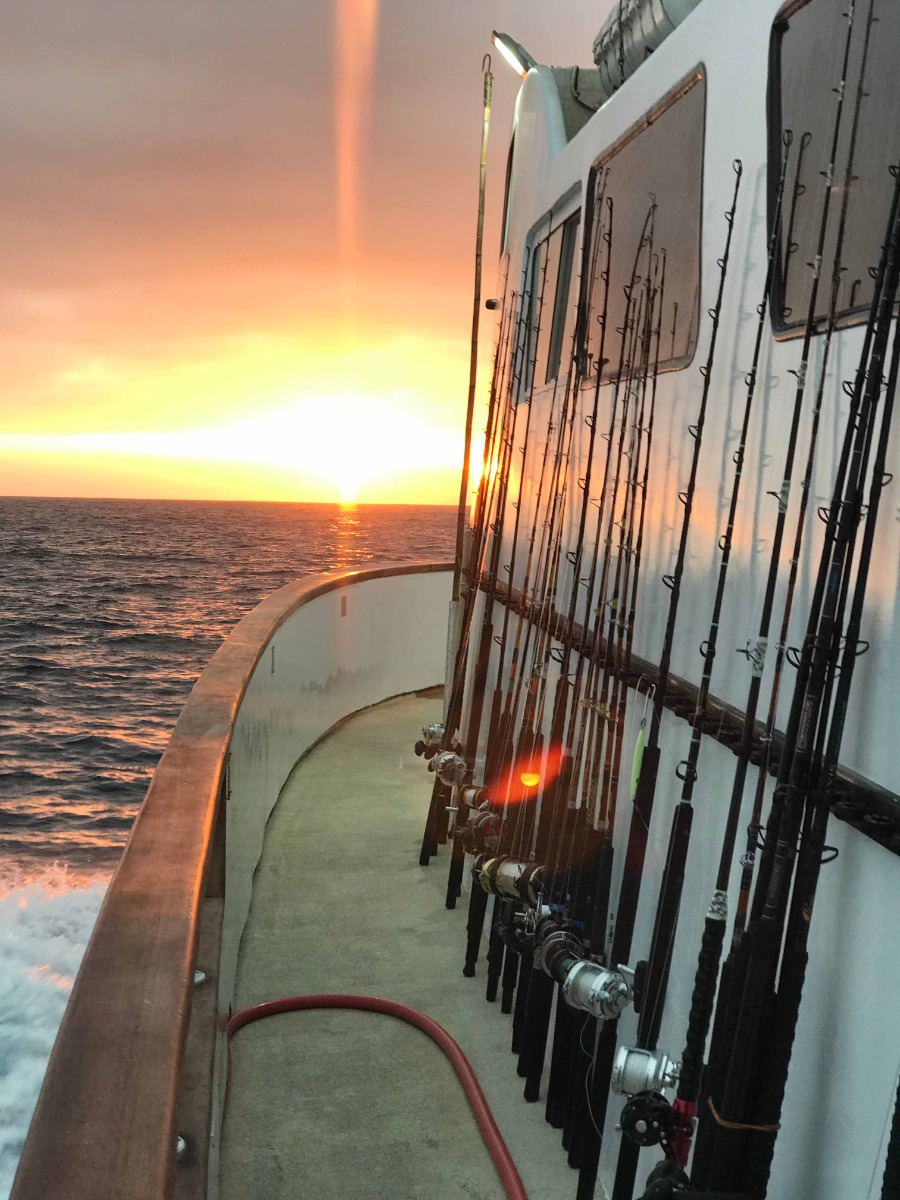
Species can vary significantly from location to location, seasonality, and type of trip. Shorter trips tend to be focused on usual local species, while the longer trip encounters a wide range of sub-tropical and tropical species. The longest trips commonly focus on catching trophy-sized yellowfin tuna, which can get over a few hundred pounds. Whether the trip is focused on local rockfish, kelp patty dorado, wahoo, or cow-sized tuna, there is one through-line when fishing on a sport boat: bait. Fishing from a sport boat, or from a sportfishing yacht, is accomplished 80% of the time using live bait. As with anything, there are always exceptions to the rule, but this is what you should be prepared to fish.
Sport boats are equipped with large bait holds, and the idea of bringing well-cured, lively bait to introduce to hungry predators makes them so successful. This is especially true as you get too far off, warmer locations where bait becomes hard to find and capture. Several types of bait may be used on a sport boat. In the last decade, we’ve been on a sardine cycle, and this baitfish has been the preferred choice bait. Other baits like anchovy and mackerel are also available at times but not in the frequency that sardine is available.
At times, passengers on longer sport boat trips may be tasked to help catch exotic bait once in the fishing grounds of certain areas. These may be horse-eye jacks, Spanish jacks, mackerel, scad, and squid. So, we’ll look at this setup first as we review your needs.
30-40 lb. Bait Setup
If you’re going on a trip beyond 6 days, you’ll likely have to make bait at some point. While the boat you’re on will likely have a great amount of bait, it’s nice to have a variety of bait and have a backup to alleviate the sole needs of the bait that was brought. Whether you’re on the coast in Baja or an offshore island, this bait will often be mackerel, scad, or some small jack. These baits, while small, pack a punch, meaning you’ll need a beefier bait rig than you would need here in the Southern California Bight.
In an effort to double up on setups and not bring too much gear, this is one you can double up with your lightest setup. Normally, I look to do this with my 30-40lb. set up that I would normally use for finesse fishing on small Dorado, Yellowfin, or rockfish. This would be the setup to target any species under the 30lb. mark.
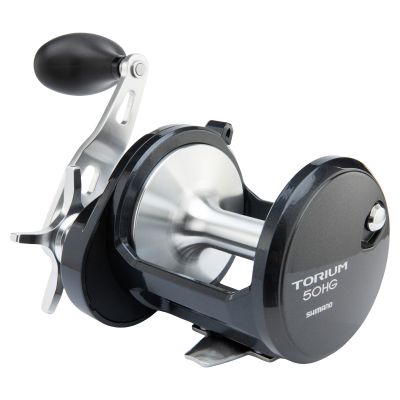
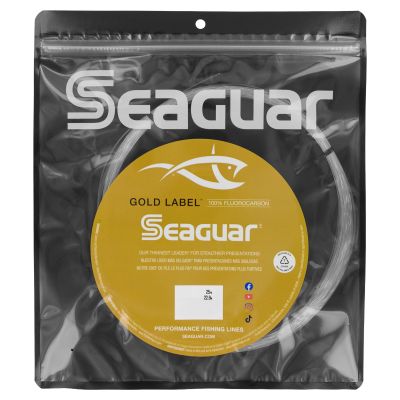
A small conventional star drag reel and a 7 ½ - 8’ conventional fishing rod with a soft tip will do just fine. For line, you’d opt for a solid 30lb. braid to fill your reel. When fishing bait, you’d tie directly to the braided fishing line. You’d apply a 4-5’ fluorocarbon leader when fishing bait, usually from 20-30lb. This setup should be able to cover you from 20-40lb.
-
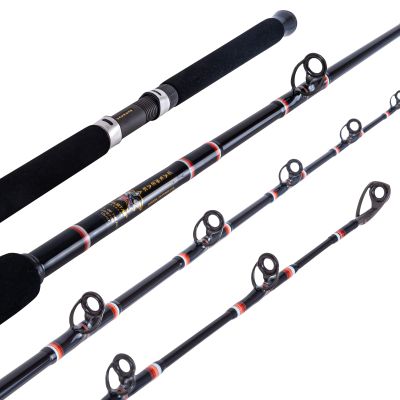 Calstar GG Composite RodsOut of stock
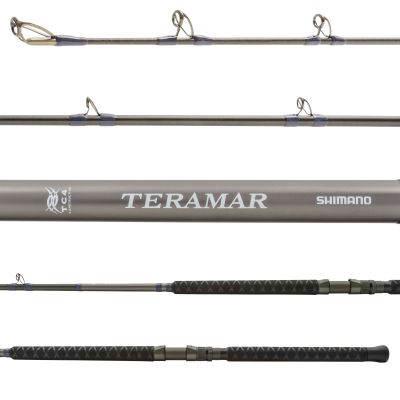
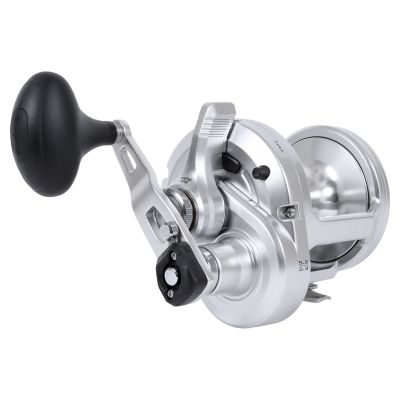
50-60 lb. Bait Setup
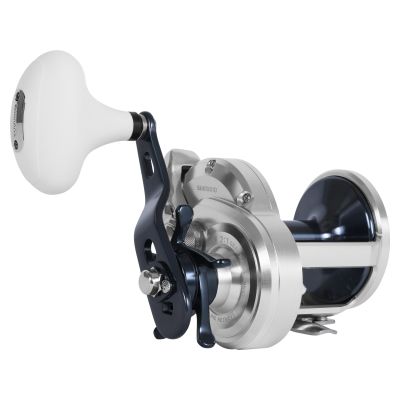
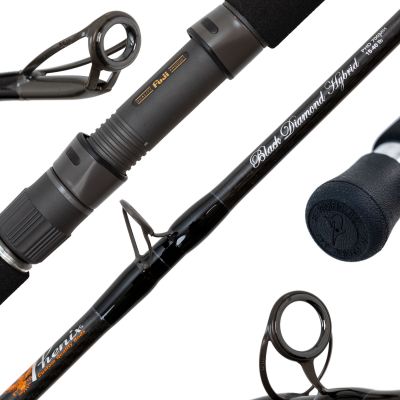
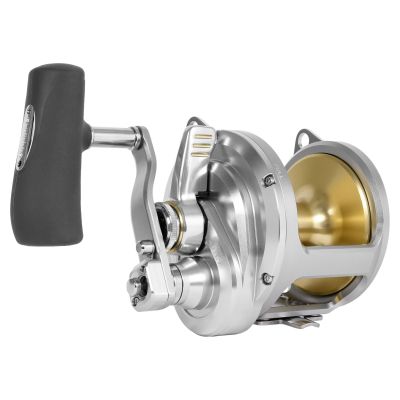
This setup may easily be the workhorse of any trip and probably the most used setup. This setup will have you catching school football-size tuna, larger yellowtail, and in your lucky and equally unlucky, maybe even a 100+ lb. Bluefin tuna, though capable, is not recommended. This set will be the most versatile setup you have. I splurge for this setup and get the best of the best gear. Hands down, my favorite reel for this setup is the Shimano Talica A 2-Speed Lever Drag Conventional Reel in size 12 or 16, which I would have spooled with 60 LB. solid braid. This big reel in a small package has repeatedly proven itself on anything that swims. It’s small enough to allow you to cast a small bait and has the drag power to stop a beast of a fish, especially with the ability to switch gears as it’s a 2-speed reel. So many rod companies do a great job that it’s hard to select a rod for this category. Ideally, I look at this setup as one where I’ll be fishing a small bait like a sardine, so you need a soft tip to cast, but I look for the rod to shut off relatively quickly and have a substantial amount of backbone. I tend to want to be over-gunned rather than under-gunned for this setup. If need be, you can also double up this setup to be a Yo-Yo setup. I might look for a slightly stiffer tip in a specific Yo-Yo setup, but that’s getting specialized.
80-100 lb. Bait Setup
Here’s where things start to get serious, and you’re looking at the chance to catch some brutes truly. While my 50-60 LB. setup probably gets the most use, I look at this setup as my weekend driver. This set will put you in the category of catching fish well into the 100 LB. mark and even past the 200 LB. Again, I chose the Shimano Talica A 2-Speed Lever Drag Conventional Reel in size 20 or 25, spooled with 80 - 100 LB. PowerPro Hollow Ace Spectra. The size of this reel is ideal for putting some serious time on the rail, and this is the heaviest small reel in the collection. Sizing up after this reel becomes a bit cumbersome, so I push the limits on what I can catch on it because it’s the most comfortable to hold.
Regarding the braid, I find the hollow line at this diameter lays down nicely on the spool and doesn’t dig into itself as much. Having a hollow line also allows you to splice on the line if, for some reason, a portion of it is damaged during a fight. Lastly, having a hollow line allows me to make a knotless connection to my fluorocarbon leader, making casting bait a bit easier.
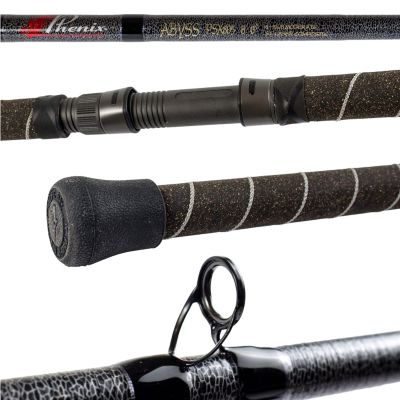
The rod for this setup is also where things start to change. In the lighter setup mentioned earlier, we are used to a traditional grip where the foregrip is 8-12”. On this heavier setup, we explore a foregrip for fishing the rod as a rail rod, meaning the foregrip is longer and is often protected by shrink tubing or another material so as not to wear on the rod when using the rail for leverage.
This setup can fish a small bait like a sardine, but due to the weight of the line and leader, a larger bait like a mackerel is preferred.
100-130 lb. Bait Setup
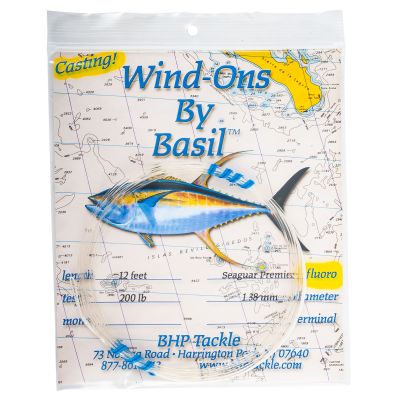
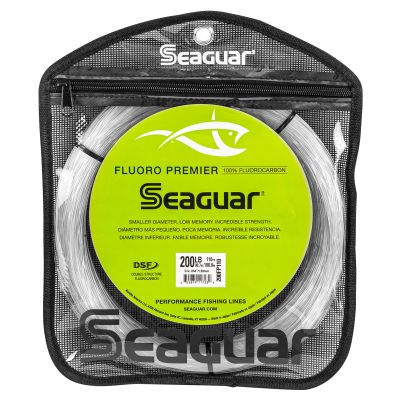
There are a few scenarios where a setup of this size would be applicable on a sport boat. First and foremost, you’d want to ensure you’re targeting large gamefish over 200 LB. mark as a loose rule. You’d use this setup on those long-range trips that extend 14 days or more, which would get you into the neighborhoods where the behemoth-sized Yellowfin are encountered. In these locations, sizable jacks and small tunas are common practice bait, and as a result, you need a heavy setup to fish those baits and fight what will eat those larger baits.
The other scenario you’d opt for a setup of this caliber would be to target large Bluefin Tuna in the Southern California Bight using a fishing kite. These fish can range anywhere from 100 lbs. to over 300 lbs. Fishing the kite requires the angler to have a significant amount of heavy line. Over 1000 yards are recommended to present the kite bait away from the boat or sportfishing yachts, ideally.
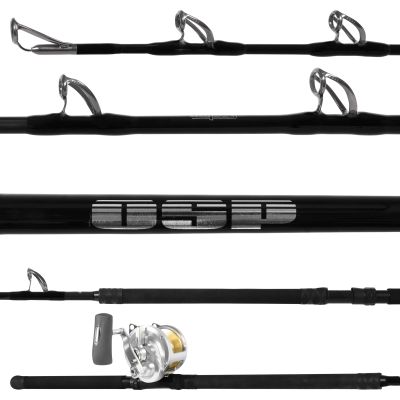
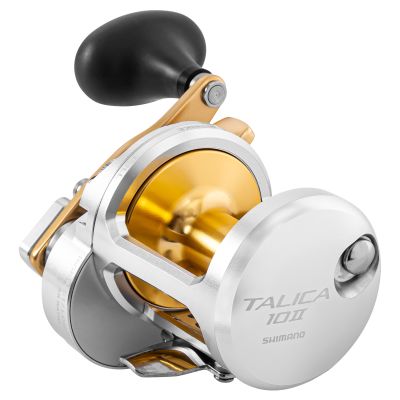
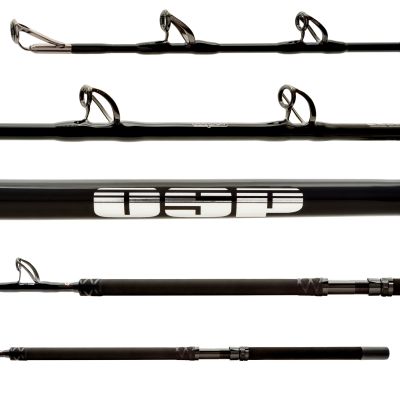
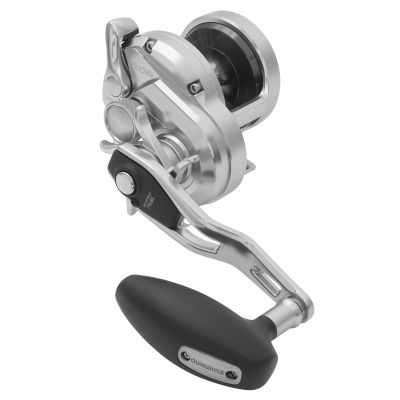
I prefer the Shimano Talica TAC50II Conventional Reel for both discussed big fish applications, teamed up with a Seeker OSP-3X Offshore Pro Rod. I’m not the biggest person, and some anglers may even choose to go with a Seeker OSP-4X Offshore Pro Rod for this application. I spool this reel with 130 LB. Hollow Ace Braid and to a clip for kite or a wind-on leader for bait.
Other Bait Setups
In addition to the mentioned setups, I bring two additional setups along. One is specific to wahoo, and the other to nighttime bluefin fishing.
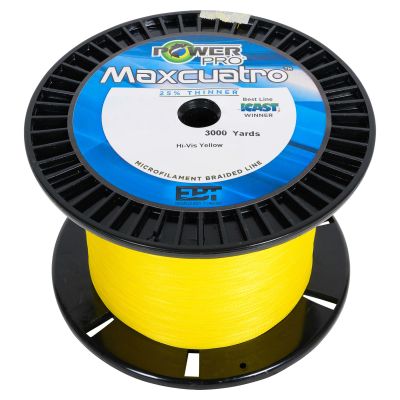
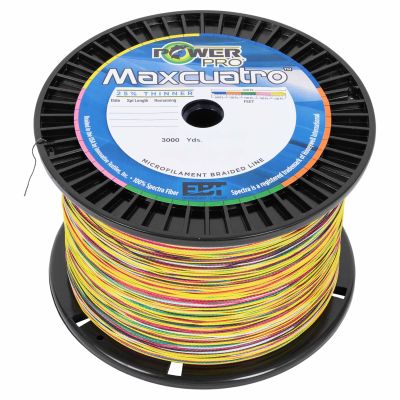
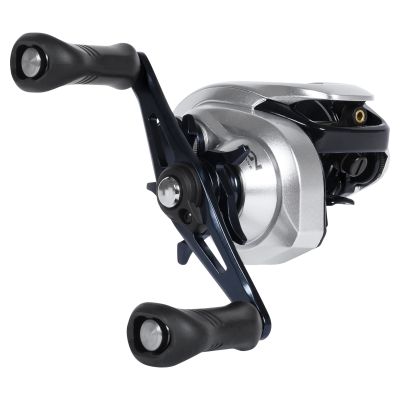
If there is a chance to encounter a wahoo on one of these trips, I’ll want to ensure that I bring along a wahoo fishing setup that can cast a wahoo bomb and retrieve it quickly. I always tend to bring a designated setup for this style of fishing. My go-to is the Shimano Tranx Baitcasting Reel size 500 spooled with 60 LB, PowerPro Maxcuatro Braid. I match this reel up to a Calstar Graphiter GFDH 800XL.
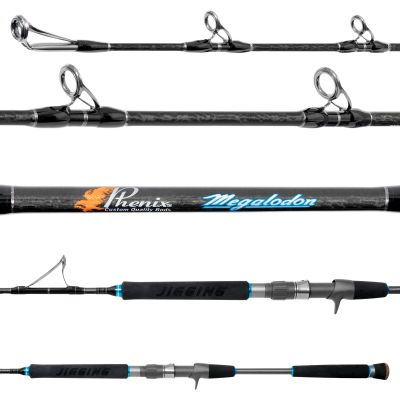
If there's a chance we’ll be fishing at night for Bluefin tuna I like to bring a setup that will incorporate vertical speed jigging. The Shimano Ocea Jigger OCEAJG4000HG Conventional Reel is hands down the best reel for this application. No reel is as smooth or powerful in a star drag. For rods, the Phenix Megalodon Jigging Conventional Rod series rated in PE 8-10 has been the go-to when using jigs in the 300 – 500 Gram size when fishing for these larger-sized Bluefin Tuna.
There is so much that can be said for this fishery and lifestyle, and there are books written about it that, themselves, just scratch the surface. Use this article as an introductory and get yourself versed on the needs to make these trips a success, but most importantly get yourself on one of these trips of a lifetime.