

We’re in a unique time to be able to see the comeback and be able to fish for our largest game fish, the Atlantic Bluefin Tuna. A culmination of fisheries management and advancements in Atlantic bluefin tuna tackle has opened a whole new world for the sport angler to target a bucket list fish of a lifetime. These giants range from Maine on the Atlantic Ocean to the Bahamas and across to the Mediterranean Sea. These titans of the sea follow the warm currents and baitfish migrations, offering seasoned anglers and ambitious first-timers a shot at an unforgettable battle. Pursuing these apex predators is no easy task with the adult Atlantic bluefin reaching into the 1,000+ pound range. Be careful what you ask for.
Not all waters are created equal. Between federal retention rules, regional quotas, distance from shore, and seasonal variability, your experience chasing bluefin can vary dramatically depending on where you wet your lines.
Here’s a deep dive into some of the top bluefin tuna destinations across the Atlantic, ranked based on accessibility, average single fish size, fishable abundance, and the ability to retain your catch. We’ll also unpack tactical tips, lure approaches, and key information based on these unique locations.
1. Cape Cod, Massachusetts – The Northeast Epicenter
Why it’s top tier:
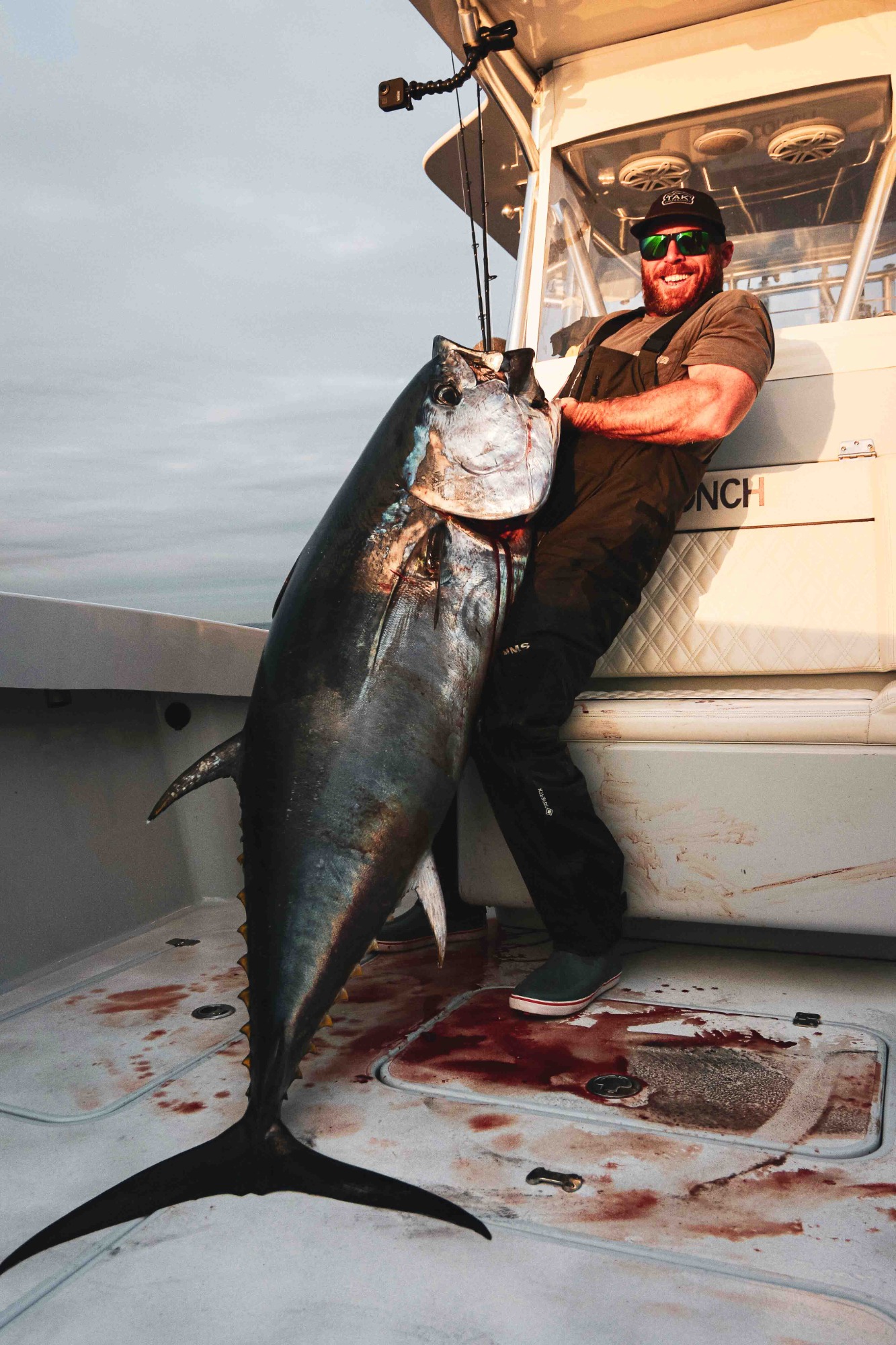
Cape Cod is arguably the premier destination for bluefin tuna fishing in the western Atlantic Ocean. Every summer and fall, giant schools of Atlantic bluefin tuna migrate inshore chasing sand eels, mackerel, and pogies, aka menhaden or bunker.
- Accessibility: Fishing often occurs within 5–30 miles of shore, especially around Stellwagen Bank, Peaked Hill Bar, and the waters off Chatham.
- Average Size: 50–900 lbs (schoolies to giants).
- Retention: Subject to NOAA Fisheries quotas; 1 school or slot fish per day if allowed.
- Season: June through October.
Technique Tip:
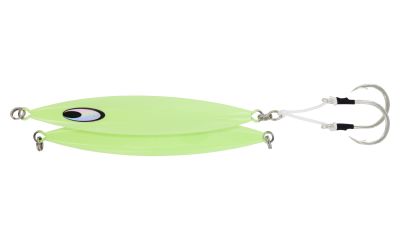
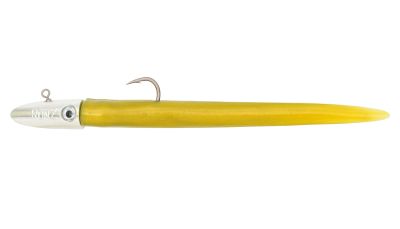
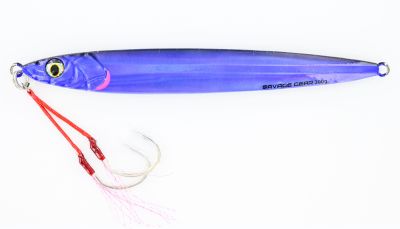
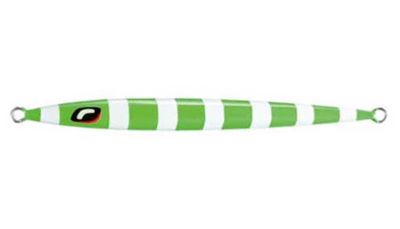
Cast-and-jig dominates here. As in most fisheries, it seems like no two years are alike. Some years have these Atlantic tunas chasing forage on the surface in the form of large 'feeds', which are ideal for a topwater bait presentation. Anglers launch stick baits or fast-sinking jigs into surface feeds. Both speed and slow-pitch jigging have become more common in deeper waters when fish mark on offshore banks.
This Northeast fishery is unique, compared to the West Coast Methods and Techniques for Tackling Bluefin Tuna, because often these fish will enter and get hooked in shallower waters, 200’ or less. This changes the fight up considerably and becomes a horizontal chase rather than a vertical one. This allows small boats to catch up to the fish and make headway in line management. Given the ability to catch giants, it would be virtually impossible to land a fish using the same tackle on the West Coast.

2. Outer Banks, North Carolina - Winter Giants Close to Shore
Why it’s unique:
The waters off Cape Hatteras and Morehead City are famed for their winter bluefin run. Unlike the summer fisheries up north, the Outer Banks action heats up from December through March.
- Accessibility: Atlantic tuna are often caught within 3–10 miles of Oregon Inlet.
- Average Size: 400–800 lbs.
- Retention: Catch-and-release dominant; one giant possible per trip under current NOAA limits.
- Winter 2025: This winter was truly exceptional with tuna coming in so close to shore that a few lucky anglers hooked and landed fish from a pier and kayaks, truly a new chapter in the history of bluefin tuna fishing.
Technique Tip:
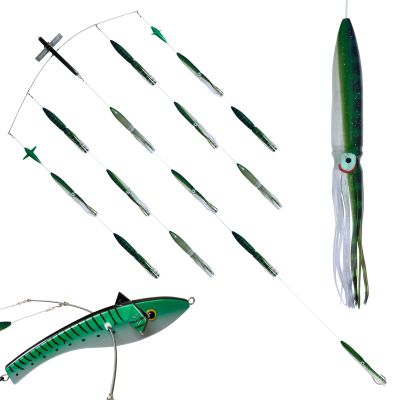
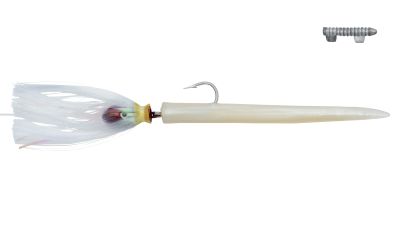
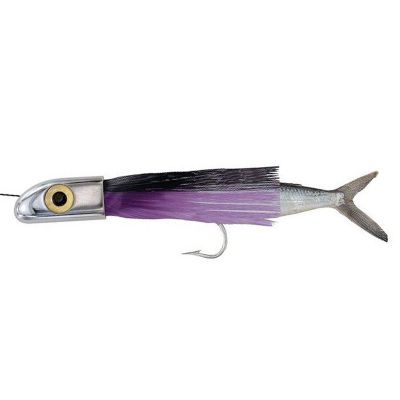
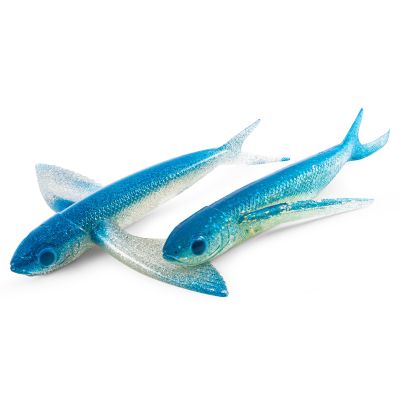
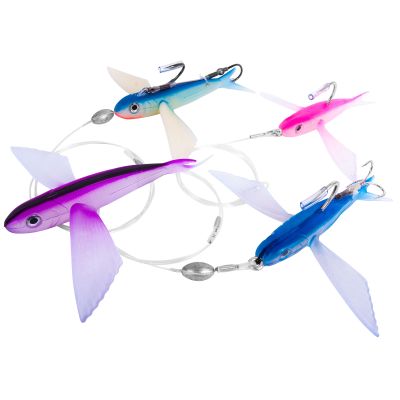
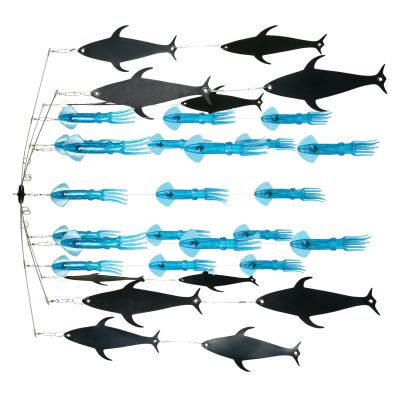
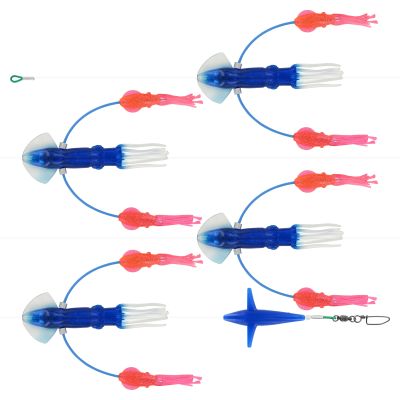
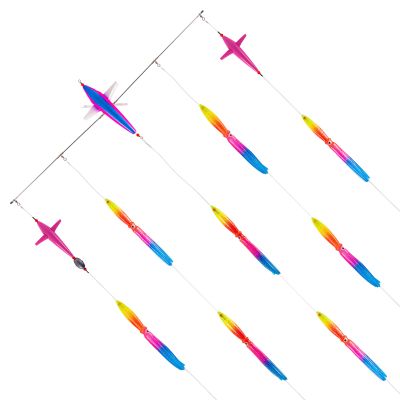
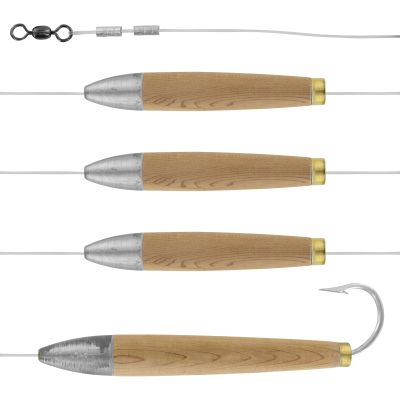
Trolling with horse ballyhoo behind Carlson Offshore Tackle Ultimate Bird Bars on 130s is the name of the game, but then again, it can be live pogies as the potential bait. Like any fishery, it just depends on the day and what the fish are keyed in on. Anglers also deploy green machines or squid chains off outriggers to entice surface-feeding giants. It wouldn’t be fair to highlight this fishery without including the “green stick,” which I believe originated here. Basically, a vertical outrigger that allows your presentation to be similar to that of trolling with a fishing kite, lifting your line well above the water to allow your bait to skip on the surface without dragging line.
One thing to note on the bird-squid chain combination is that, unlike the West Coast fishery where anglers troll these well behind the boat, on the East Coast, these Atlantic tuna tend to like the trolled items somewhat close to the prop wash.

3. Nova Scotia, Canada – World Record Territory
Why it’s famous:
Nova Scotia and PEI waters produce world-class large fish. Although most of the fishing here is commercial or part of tagged catch-and-release programs, it demands serious heavy-tackle techniques.
- Average Size: 700–1,100 lbs.
- Accessibility: Runs can be 20–50 miles offshore.
- Season: August through October.
Technique Tip:
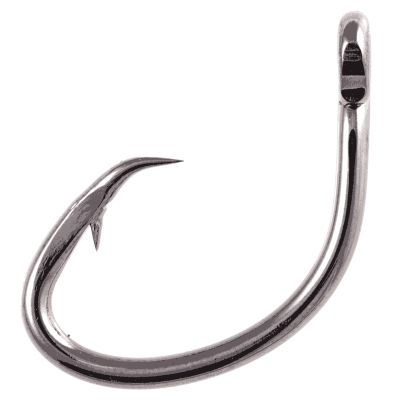
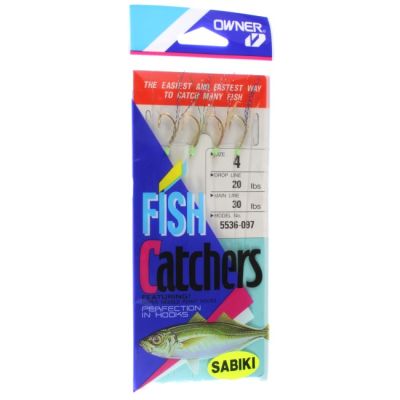
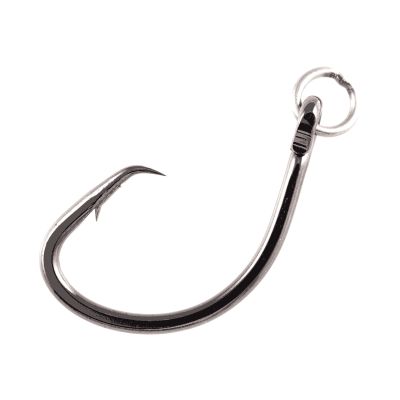
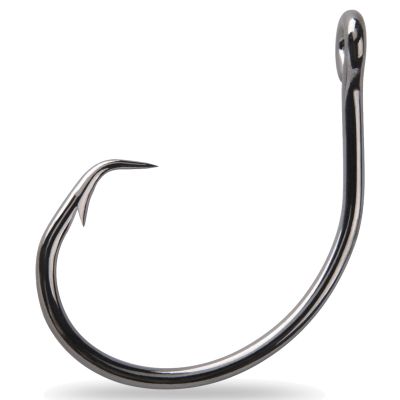
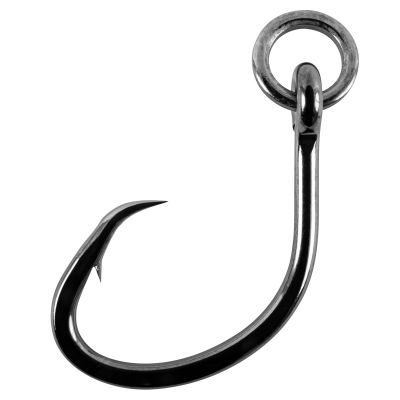
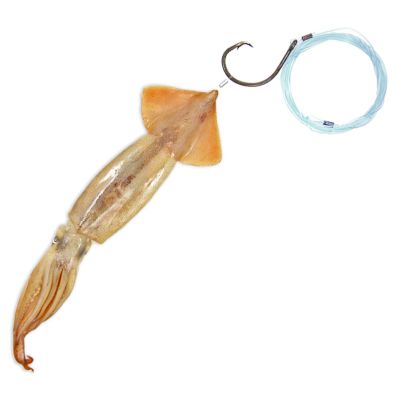
Chumming with live or chunked herring is the go-to method. Anglers use a bait-and-switch technique with teasers, pitching baits at giants once they rise to the surface. Some boats now use sonar to locate fish and raise them vertically. When chunking or using live bait, of which there are several options in this area, there is a range of techniques to present your bait, but just like anywhere, you should match the hatch, and the size of your hook, to your presentation.
4. New Jersey & New York - Mid-Atlantic Surface Strikes
Why it’s hot:
From Sandy Hook to Cape May, mid-shore canyons like the Chicken Canyon, Glory Hole, and Hudson produce quality bluefin each summer, especially in years with sand eel or bunker biomass, but in recent years there’s a new game in town - giant bluefin Tuna have been within one mile of the beach mixed in with striped bass feeds, it's been quite the phenomenon. It's become a running joke in the area that a surf fisherman is bound to hook one any day.
- Accessibility: Runs to bluefin grounds range from 0 to 60 miles.
- Average Size: 50–700 lbs.
- Season: June through October.
New Jersey Topwater Tactics for Bluefin
When these prized fish feed on the surface off the midshore lumps of New Jersey, it's chaos in the best way possible. These aren’t 100-pound fish gently sipping bait, they’re launching aggressive, missile-like attacks on bait balls that can be reached with heavy spinning gear. Because this area is densely populated with fishermen and the fishery being close to the beach at times, fishermen may look down on those simply trolling for a strike. This region takes pride in its sportfishing culture, and targeting these giants on spinning gear gets all the bragging rights.
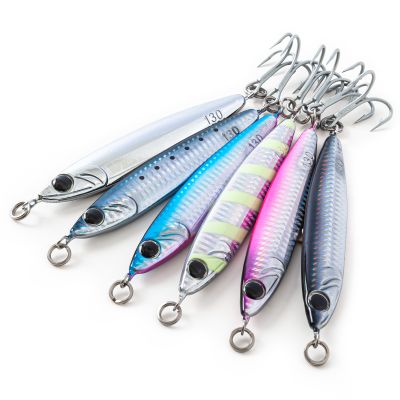
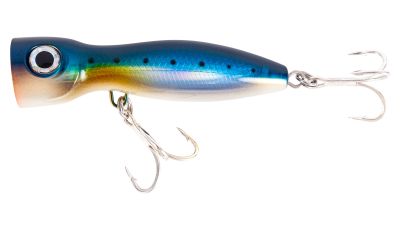
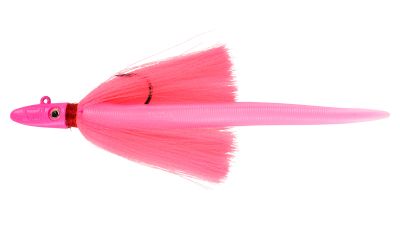
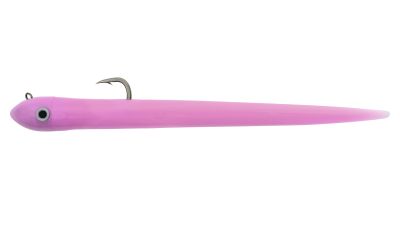
Pick your poison
The last few seasons have produced tuna to just about every tactic, so if you’ve got a preferred way to hook one of these beasts, the Atlantic Seaboard might be the place to choose your method. Due to the history of trolling and the amount of content out there on this technique, we’ll focus on the topwater game.
Setup Suggestions:
- Reels: As for size, don’t even think about showing up without 100 lb braided fishing line or heavier.
- Rods: 7'6"–8' heavy spinning rods rated for PE6–PE8 line (Stella 14000/18000+ class reels).
- Line: 80 to 100+ lb braid with 100 to 130 lb fluorocarbon leader.
- Retrieve: Retrieve with aggressive pops followed by pauses, or use steady sweeps. Match retrieve speed to bait behavior, faster for sand eels, slower for bunker..
Recommended Lures:
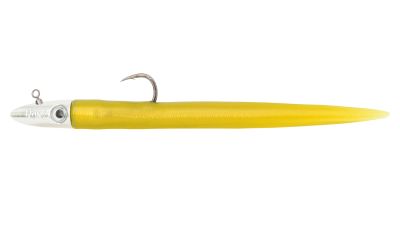
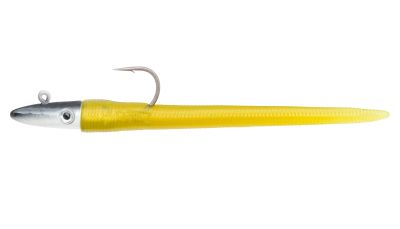
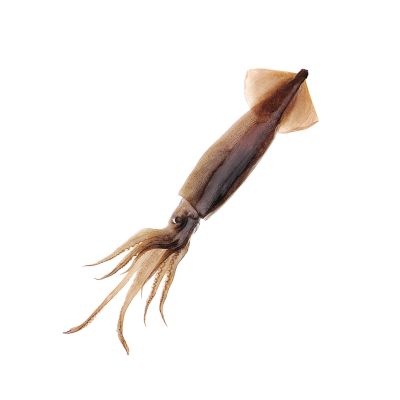
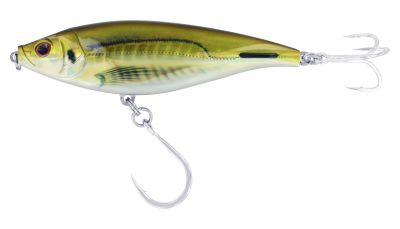
- Oversized soft plastics rigged with beefy hooks are effective, imitating squid or sand eels, both common forage.
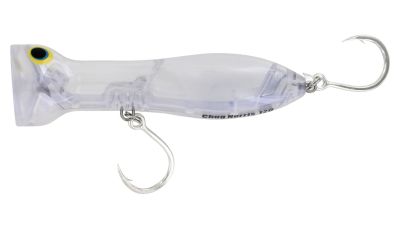
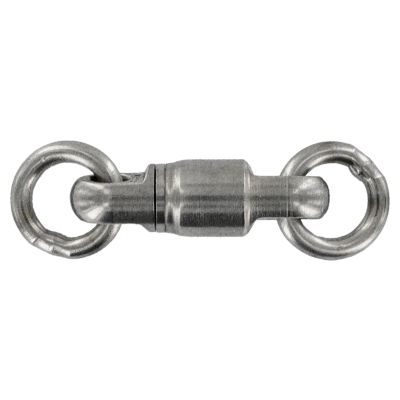
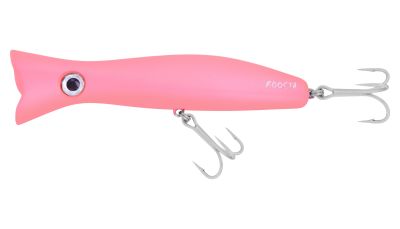
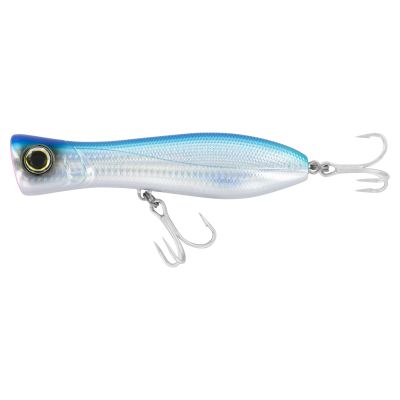
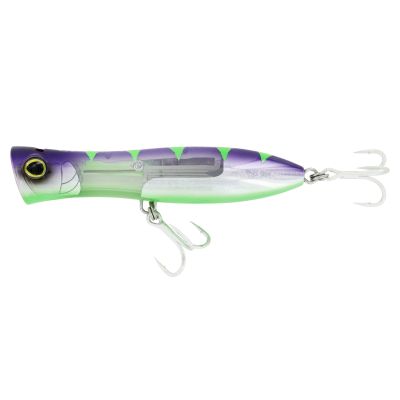
- Large poppers are effective, but be sure to upgrade with aftermarket hooks and split rings to handle these giants.
- Stickbaits are also effective but require an angler skilled in making them swim properly.
Tip:
When tuna are keyed in on sand eels, downsize your presentation. 7" RonZ soft baits on heavy jig heads or small stickbaits like the Nomad Design Riptide Stickbait Lures 125 mimic sand eels more effectively than large poppers.
Universal Bluefin Fishing Tips
No matter the region, bluefin tuna share behavioral patterns you can exploit with the right strategy:
-
Find the Temperature Breaks
Bluefin stack along breaks where cooler and warmer currents collide. Look for 62–68°F water and use satellite services to identify edges and plankton-rich zones.
-
Watch for Life
Birds, whales, bait showers, and dolphins are all strong indicators. You’re not just looking for tuna, you’re looking for the ecosystem that supports them. Bluefin often break all the rules if the bait is there.
-
Downsizing Makes the Difference
If you’re marking fish but getting snubbed, go lighter. Smaller jigs, lighter fluorocarbon, or more natural presentations can trigger wary tuna, especially on pressured grounds. Just be careful: you might finally get that bite… on gear that's too light to land it.
-
Noise Matters
Turn off sonar when casting to surface fish. Bluefin are notoriously sensitive and can ghost away from boat traffic and electronics.
-
Be Prepared for War
Whether you’re casting, jigging, or trolling, make sure your drags are smooth, your leaders are fresh, and your hooks are sharp. These prized fish will exploit any weakness in your setup.
Fish Smart, Fish Sustainable
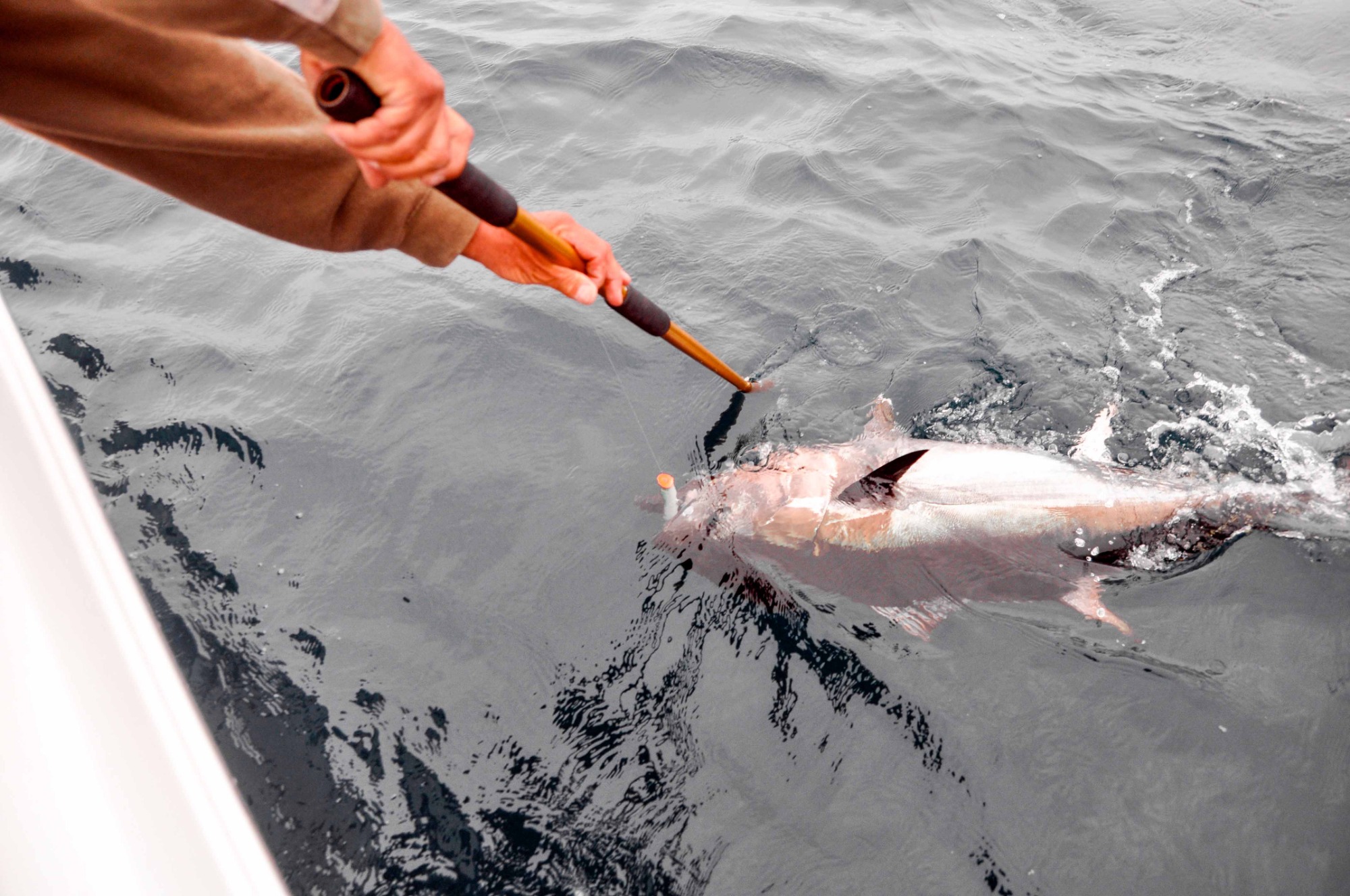
The bluefin fishery is a gift, one we’re lucky to witness in our lifetime. Most of the top spots for catching them are tightly regulated, and for good reason. Tagging programs, retention limits, and catch-and-release rules aren’t inconveniences, they’re investments in the future of the fishery.
So whether you’re casting poppers off New Jersey, jigging off Cape Cod, or going toe-to-toe with a thousand-pounder in Nova Scotia waters, remember: The challenge is what makes it epic. Sustainability is what makes it last.