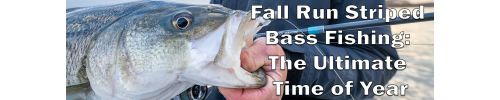


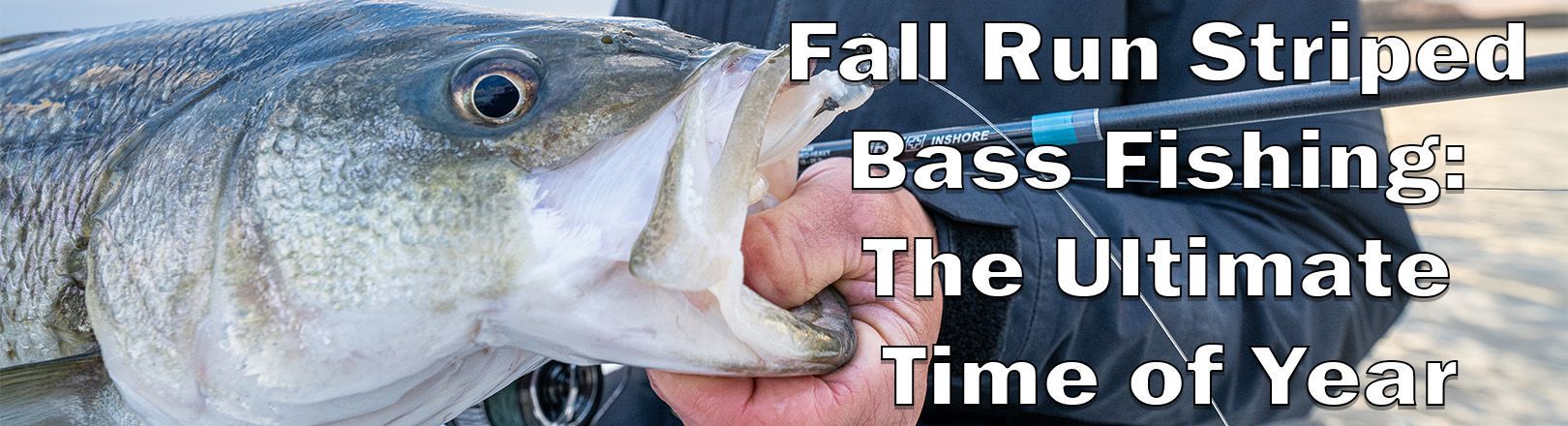
If there’s one time of year I look forward to more than any other, it’s the fall run. From September through about October 20th, the entire Northeast comes alive with its striper fisheries in full swing. This is what Atlantic striped bass anglers wait for all year.
As water temperatures begin to cool, striped bass become increasingly aggressive game fish. At the same time, an incredible variety of bait, often in large schools, moves into our waters, creating some of the most exciting striper fishing of the season. Whether you’re targeting Atlantic striped bass, false albacore, bonito, bluefish, or black sea bass, the fall run offers anglers opportunities to catch striped bass and other fish both on the surface and throughout the water column.
Peanut Bunker: The Key to the Fall Run
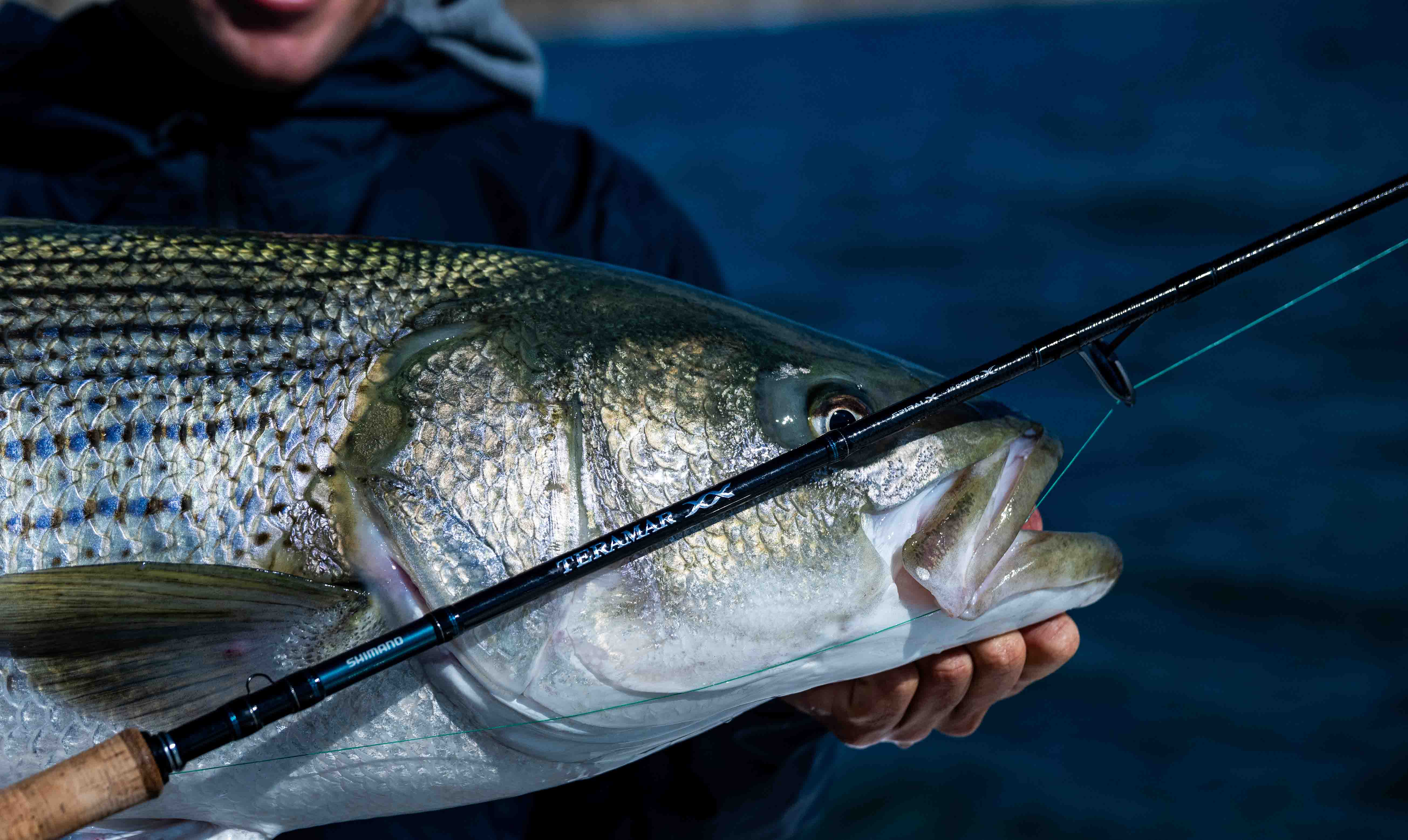
One of the most important baitfish I look for in the fall is peanut bunker, the juvenile stage of menhaden. Typically ranging from about 2 to 5 inches, peanut bunker are a major food source for striped bass and can trigger some incredible feeding activity. When striped bass find a concentration of peanut bunker, they can become extremely aggressive. This is when many anglers will regularly encounter surface blitzes, with Atlantic striped bass pushing bait to the surface and feeding aggressively. The key is learning to identify where the striped bass bait is and what size bait the fish are feeding on.
Use Birds to Find the Action
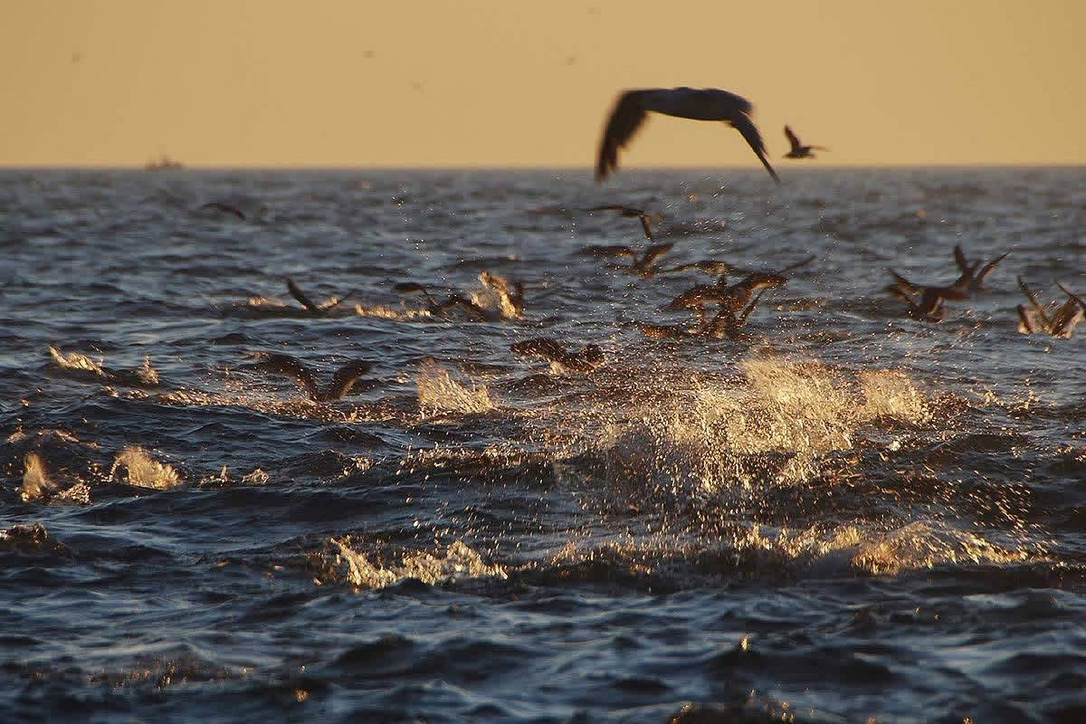
One of my favorite tools during the fall run isn't a lure; it’s a good pair of binoculars. I use Fujinon image-stabilized binoculars from the boat because they allow me to scan a huge amount of water and identify feeding birds from a long distance. When you're searching for surface activity, birds can be one of your best clues. Small birds such as terns are often associated with small bait like peanut bunker. If you see larger birds, such as gulls, ospreys, or cormorants, they may be feeding around larger bait.
The beauty of the fall run is that you can find both numbers of fish and large fish to catch. You might find a school of smaller striped bass crushing peanut bunker one minute and then run into larger striped bass feeding on bigger bait nearby.
Don't Wait for a Blitz
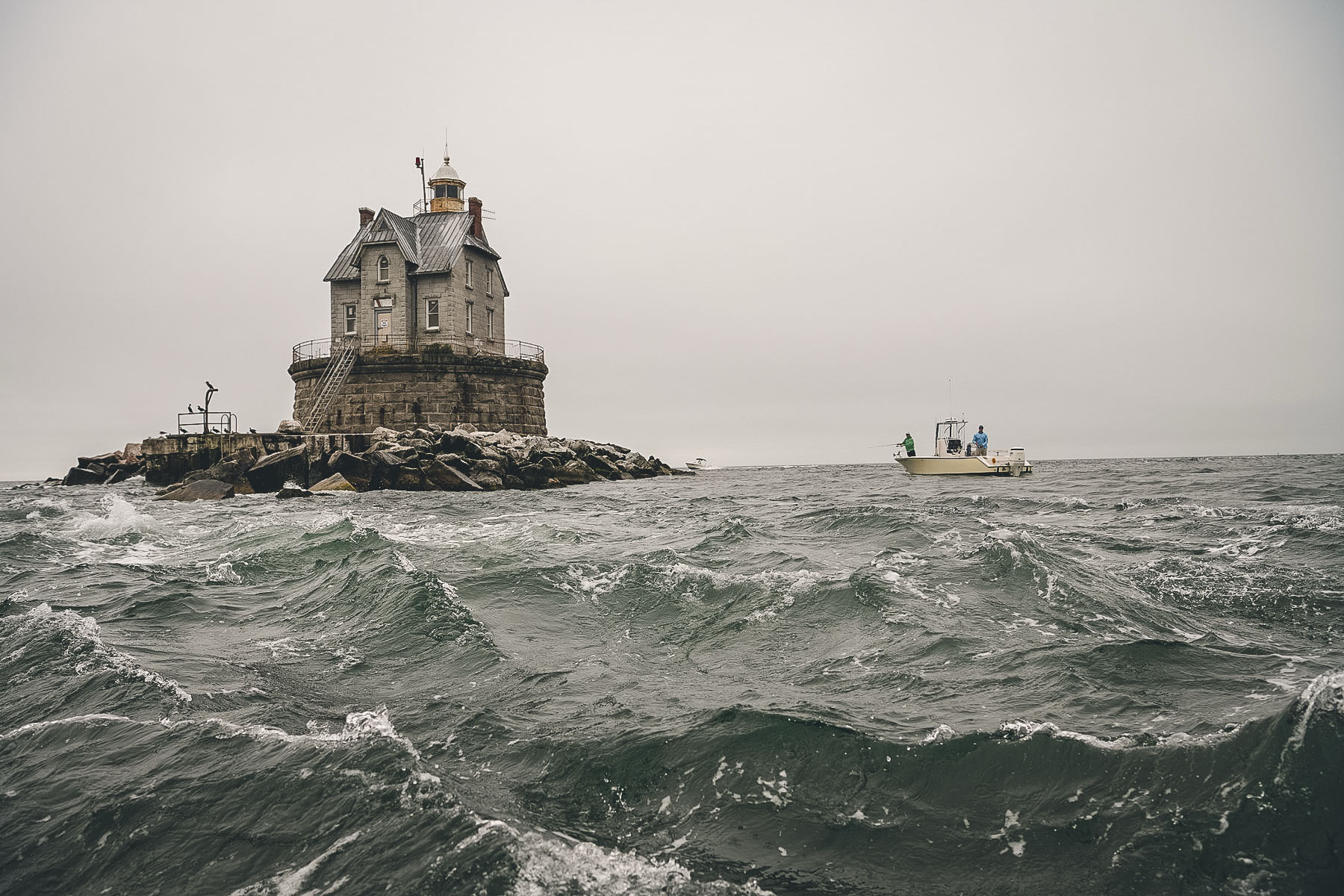
Surface blitzes are exciting, but don't make the mistake of thinking you need to see fish breaking the surface to catch striped bass. If I don't immediately see surface activity, I start looking for moving water. Rip lines, reefs, current seams, and other areas where current concentrates bait are excellent places to begin.
One of my favorite setups is to position the boat slightly upcurrent of a rip line, where the smooth water transitions into choppy, moving water. From there, I can make controlled drifts from the boat through the rip while blind casting. This allows me to cover the entire water column and determine where the fish are feeding.
Start on Top
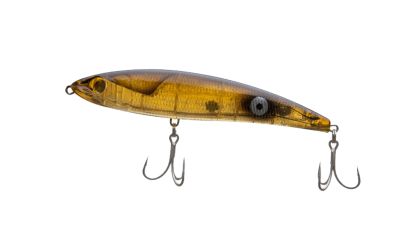
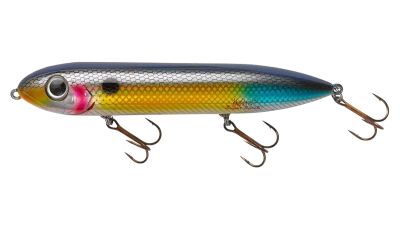
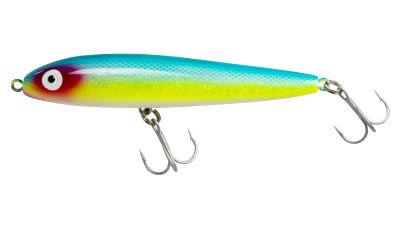
When conditions look right, I like to start with a topwater lure. If there's a lot of peanut bunker around, a smaller topwater such as a Jumping Minnow or Super Spooks is an excellent choice. Match the lure to the size of the bait. If I'm seeing larger bunker or larger striped bass, I'll step up to a seven- to nine-inch topwater such as a Splash Walk.
Larger presentations can be extremely effective when the striped bass are keyed in on bigger bait. Topwater fishing during the fall run is about as exciting as striped bass fishing gets. Watching a big striped bass come up and crush a surface plug is something you never get tired of.
Go Subsurface When Necessary
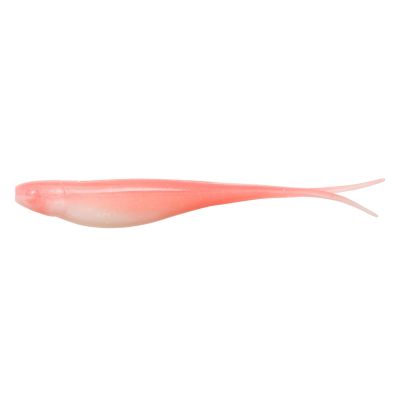
If the fish aren't responding on top, my next move is to work subsurface. Five- to seven-inch soft plastics like Z-Man Scented Jerk ShadZ fished unweighted are one of my favorite fall presentations. They can imitate a variety of baitfish and allow you to fish just below the surface without adding a lot of weight. This is especially effective when striped bass are feeding on small bait but aren't willing to come all the way to the surface.
When in Doubt, Fish the Bottom
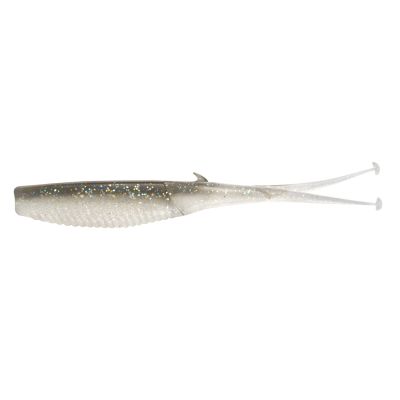
If the topwater and subsurface presentations aren't producing, I go deeper. Five- to seven-inch soft plastics on 1/2- to 1-ounce jig heads, matched with a sturdy hook, are an excellent option around current seams and reefs. Live Ops Double Downs are perfect in this scenario. I'll work the lure slowly through the rip line, allowing the current to swing the bait naturally through the strike zone. This presentation is incredibly effective because you're putting the lure directly into the zone where striped bass are often holding, waiting for baitfish to get swept toward them.
When There's No Surface Action, Go Deeper
Not every fall day is going to produce a surface blitz. On those days, don't give up on striper fishing—change your approach. When I don't see surface activity, I'll focus on the outer reefs, particularly areas with significant drop-offs and structure. These locations can hold large concentrations of striped bass and bluefish near the bottom. This is where vertical jigging becomes extremely effective.
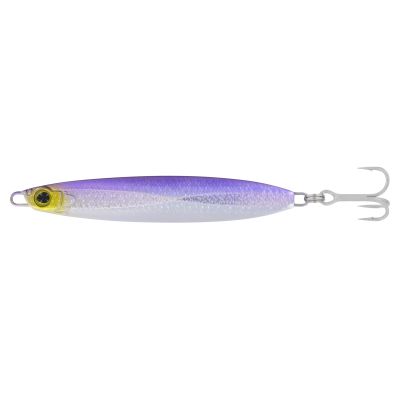
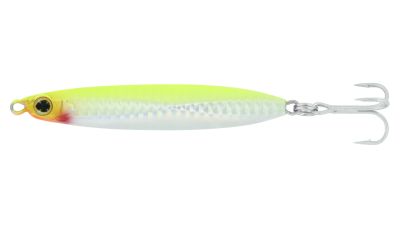
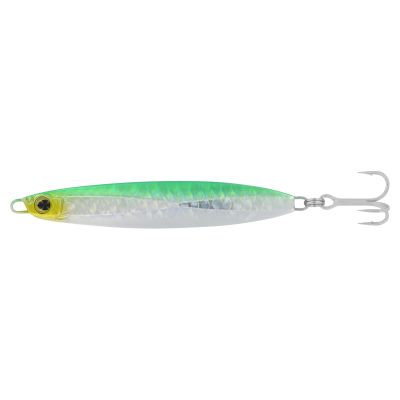
One of my favorite options is the 100-gram Shimano Current Sniper Jig, matched with a strong hook. Dropping a larger Current Sniper vertically and working it around deeper structure is an excellent way to target Atlantic striped bass and bluefish holding near the bottom. It's also highly effective for black sea bass, which we commonly encounter in good numbers on these deeper reefs during the fall.
The key is to pay attention to your electronics and determine exactly where the fish are holding in relation to the structure. If they're tight to the bottom, get your jig down to them.
Targeting Big Striped Bass
If your goal is to specifically target big Atlantic striped bass, the fall run is one of the best opportunities of the year. There are plenty of big fish around, and I like to change my approach accordingly. Instead of focusing on numbers, I'll target shallow boulder fields, smaller reefs, and rip lines where larger striped bass can ambush bait. This is when I start throwing artificial lures like big plugs, large swimbaits, and glide baits in the 7- to 10-inch range, paired with strong hooks. A larger presentation can help you weed out some of the smaller fish and put you in position to catch a true trophy.
Look for areas where current pushes bait against structure. Boulder fields with moving water, shallow reefs, and rip lines are all prime locations. These are natural ambush points where big bass can sit and wait for an easy meal to come through.
Live Bunker to Catch Stripers
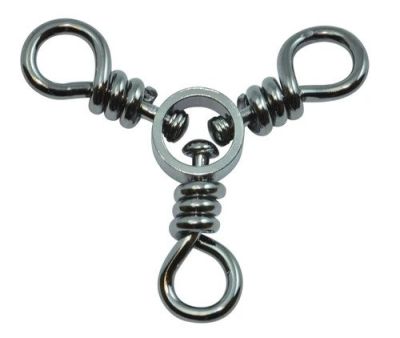
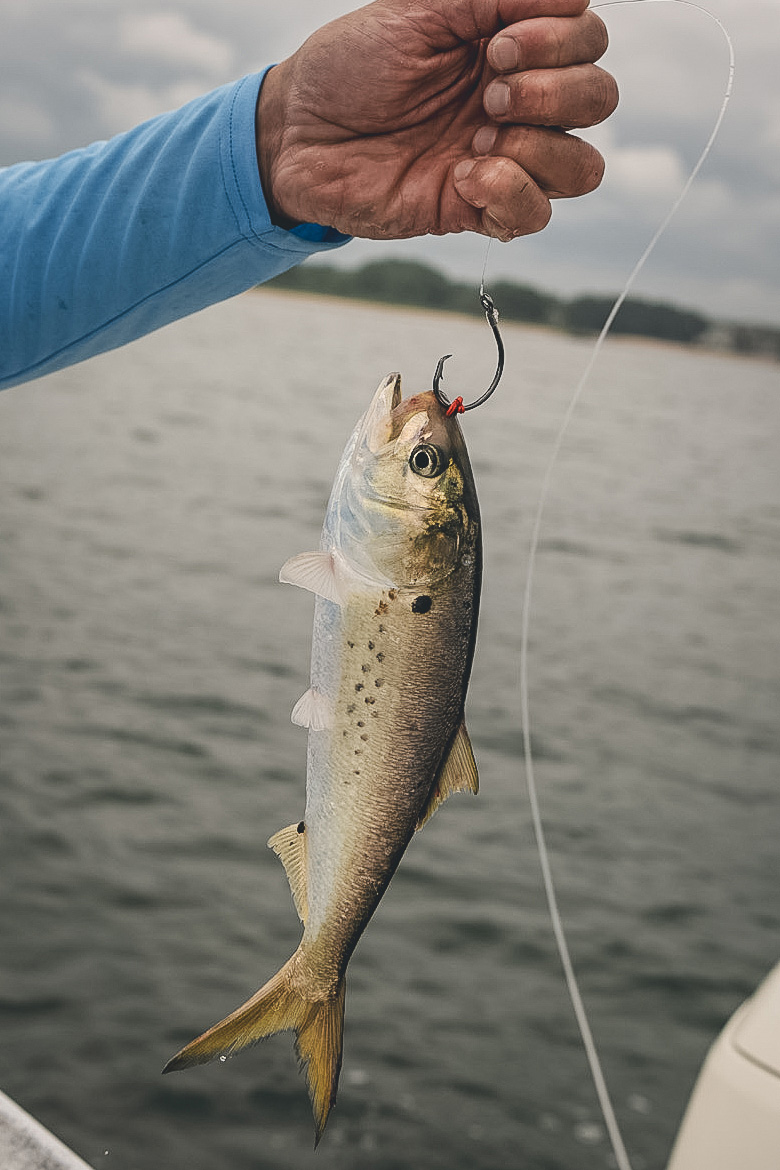
When we have bunker running down the beach, I will also focus on catching live bunker and fishing it from the boat around these same areas of structure. Live bunker can be one of the most effective ways to target the biggest female striped bass of the season. I'll concentrate on shallow structure, boulder fields, small reefs, and rip lines where big bass are likely to be waiting for bunker to get swept past them. If the fish are holding deeper, I'll fish the live bunker on a Spro three-way swivel rig with a hook and enough weight to keep the bait in the strike zone near the bottom. The goal isn't simply to get the bunker to the bottom.
You want to keep it in the zone where the striped bass are actually holding, while allowing the live bait to swim naturally. When a big fall striper is sitting on structure waiting for a bunker to come by, a properly presented live bait can be incredibly difficult for that fish to resist.
The Fall Run Gives You Options
That's what makes the fall run so special for recreational anglers. You can start the morning looking for striped bass and find a surface blitz of striped bass feeding on peanut bunker. A few minutes later, you may run into bluefish. Then you might find false albacore or bonito crashing bait on the surface. If the surface action disappears, you can move to the outer reefs and vertical jig for striped bass, bluefish, and black sea bass.
If you're specifically looking for a trophy striped bass, you can move shallow and throw big plugs, swimbaits, or glide baits around structure to catch stripers. And when bunkers are moving down the beach, live-lining bunker around that same structure can produce the biggest fish of the season. The fish are aggressive, the bait is everywhere, and the entire ecosystem seems to come alive. For me, in my home waters of Long Island Sound and Block Island Sound off Rhode Island, September 1st through October 25th is the absolute peak of the season. It's when I want to be on the water more than any other time of year.
So get your gear ready, stock your tackle box with a variety of presentations, keep a good pair of binoculars on the boat, and be prepared to adapt. Find the bait, find the current, pay attention to the birds, watch your electronics, and let the fish tell you what they want.
That's the fall run, and it's hard to beat.
Striped Bass Fishing FAQs
How do you catch striped bass?
Target moving water where bait gets pushed by current (inlets, rips, river mouths), and fish around dawn, dusk, or during tide changes when stripers feed most actively. Live eels, bunker, and clams are top natural baits; swimming plugs, poppers, and bucktails work well artificially.
Is striped bass good to eat?
Yes, striped bass has firm, white, mild-flavored flesh that's popular for grilling, baking, and pan-searing. Anglers should check local/state consumption advisories, since striped bass can accumulate PCBs and mercury depending on the water body.
How big do striped bass get?
Striped bass commonly run 5-20 lbs, with trophy fish exceeding 40-50 lbs. The all-tackle world record is an 81.88-lb striper caught off Long Island Sound in 2011.
Where can you catch striped bass?
Striped bass are found along the Atlantic Coast from Maine to Florida, with prime fishing in the Chesapeake Bay, Hudson River, and New England surf and inlets. They've also been stocked in freshwater reservoirs and rivers across the U.S., including landlocked populations in the South and West.
When is striped bass season?
Striped bass fishing peaks during spring and fall migrations, roughly April-June and September-November on the East Coast, though seasons and size/bag limits vary by state and are tightly regulated to protect the fishery.