

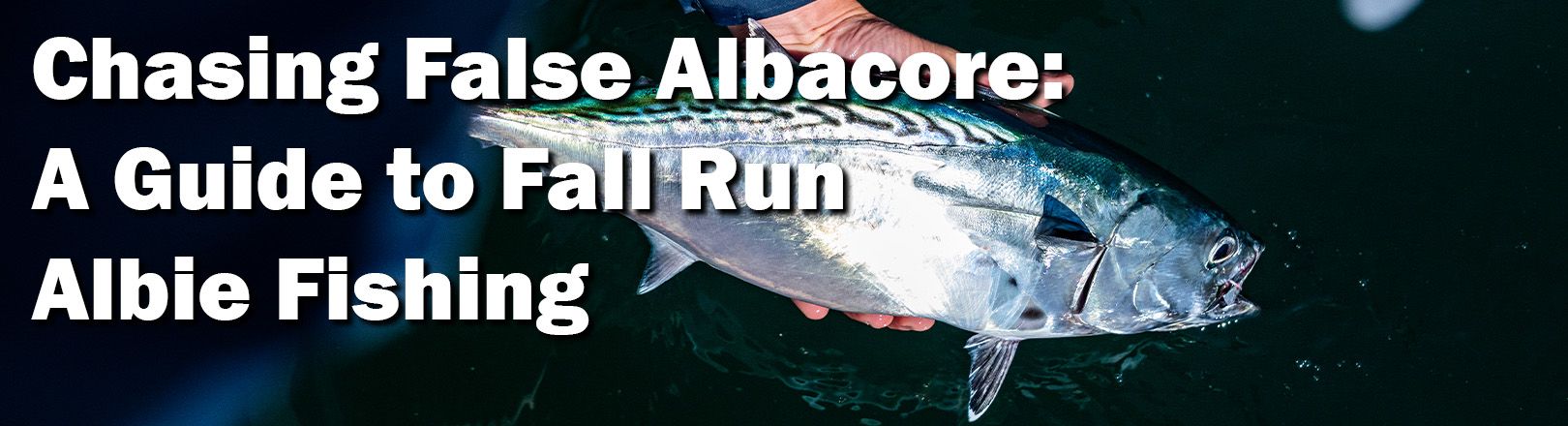
September and October in New England mean hardtail season. False albacore are one of the most prized inshore game fish we have in the Northeast, invading our coastal waters every fall and giving inshore anglers the opportunity to target a true torpedo of a fish. When albies are feeding, it is some of the most exciting fishing you can experience. You will often see them skimming across the surface and slashing through schools of bay anchovies, peanut bunker, and a variety of other small baitfish that are desperately trying to escape. Watching an albie blitz develop in front of you is adrenaline-pumping fishing.
Table of Contents
- When and Where to Find False Albacore in the Fall
- Reading Birds, Bait, and Surface Activity
- Rod, Reel, and Line for Light-Tackle Albie Fishing
- Picking the Right Leader
- Best Lures for False Albacore
- Don't Forget Your Rain Gear
- FAQs
When and Where to Find False Albacore in the Fall
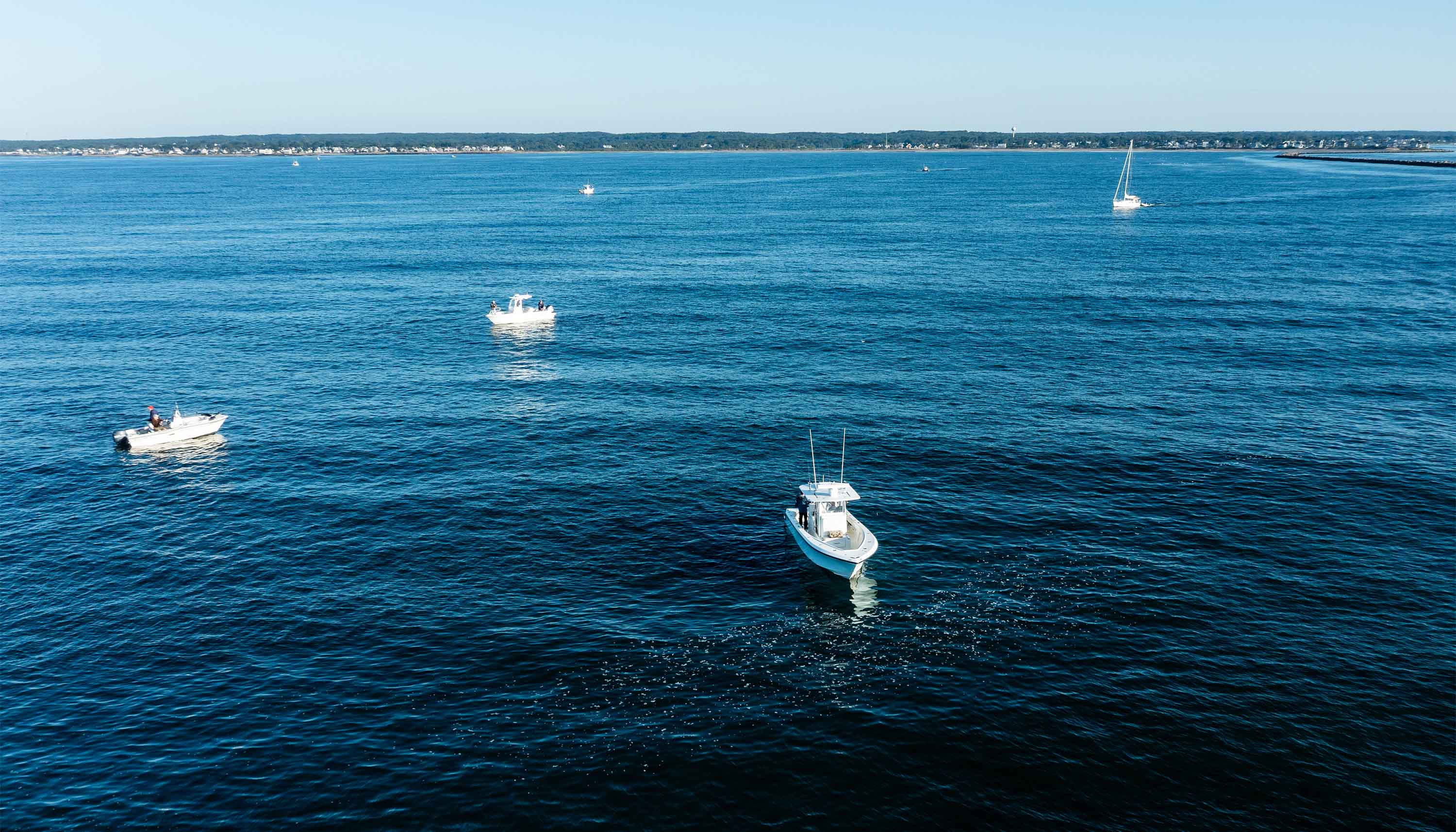
Albie season in the Northeast generally gets going around September 1st, and in some years the bite will last right into the first week of November. The key to finding them is understanding what they are looking for. For starters, I like to focus on areas with strong rip lines and moving water. Some of the most iconic false albacore spots during the fall run include Montauk, Watch Hill, and Point Judith, but you don't need to be at one of those famous destinations to find fish. Many of the smaller reefs, beaches, points, and rips throughout New England will hold albies when the conditions are right. Any area that is holding small bait and has moving water is worth investigating.
I recommend looking at your current charts before you leave and planning your trip around the tide. Albies are fast-moving predators, and current helps concentrate both the bait and the fish. If you can time your trip to have moving water over productive structure, your odds of finding fish go way up. Don't be afraid to fish when the weather gets nasty, either. Albies will feed when it's windy, and some of the best bites can happen during a strong northeast wind or even a nor'easter. Obviously, you need to make sure the conditions are safe for your boat, but don't automatically assume that rough weather means poor albie fishing.
Reading Birds, Bait, and Surface Activity
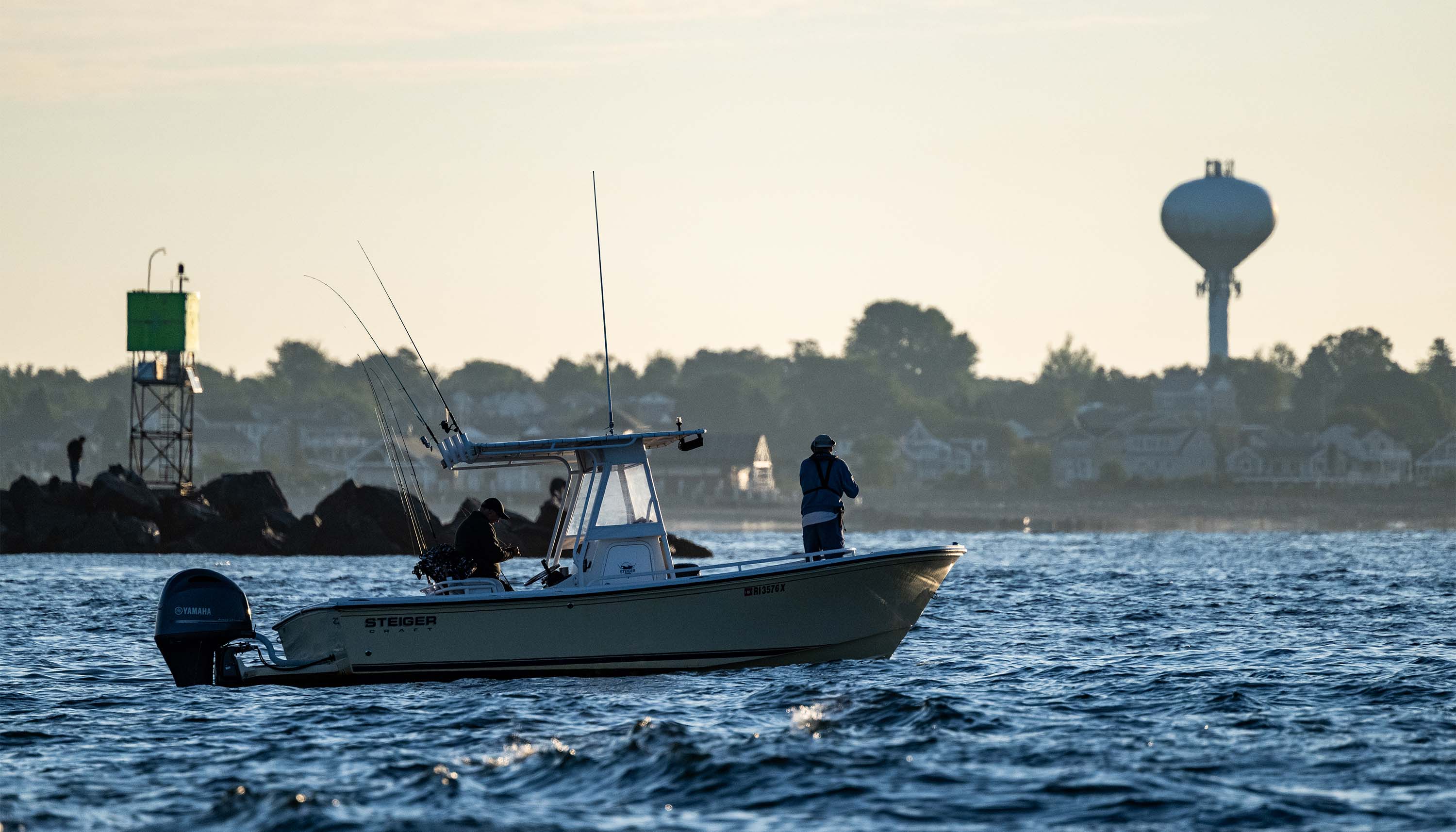
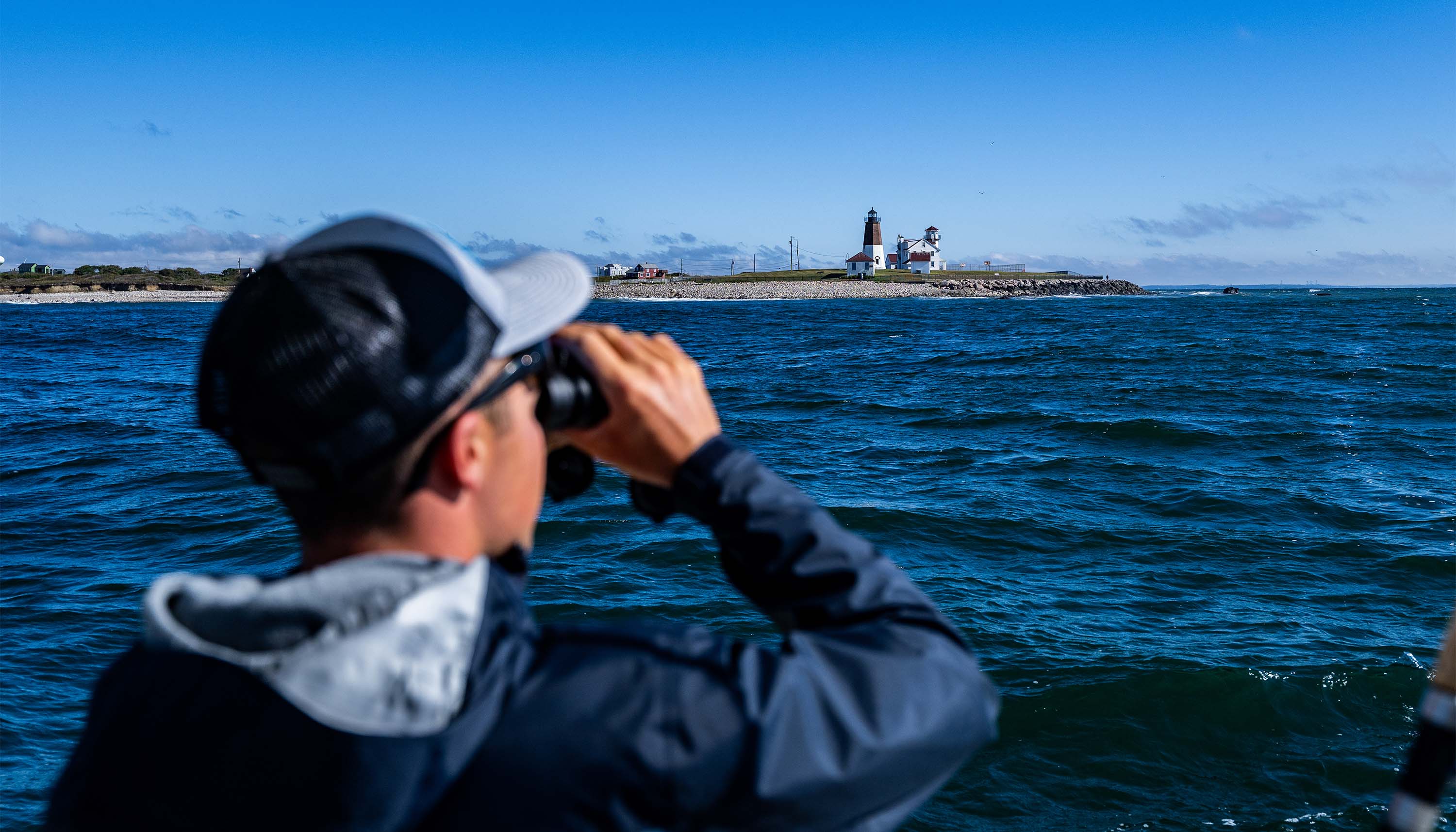
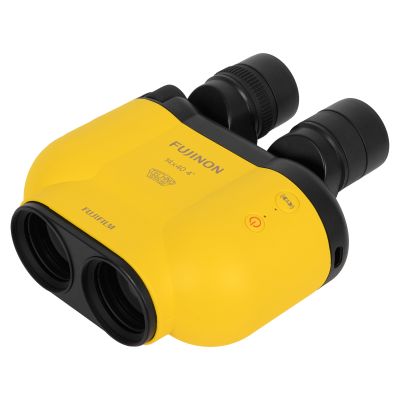
Once I'm in an area, I'm looking for birds, bait, and surface activity. Obviously, seeing albies busting on the surface is the best indication that you've found them, but you can save a lot of time by learning how to cover water efficiently. One piece of equipment I highly recommend having on the boat is a good pair of binoculars. I love my Fujinon Techno-Stabi TS-X 14X40 Binoculars because they allow me to scan several miles of water and quickly eliminate unproductive areas. Instead of driving around hoping to stumble across a school of fish, I can cover a tremendous amount of water and look for birds, bait, surface activity, and feeding fish.
Rod, Reel, and Line for Light-Tackle Albie Fishing
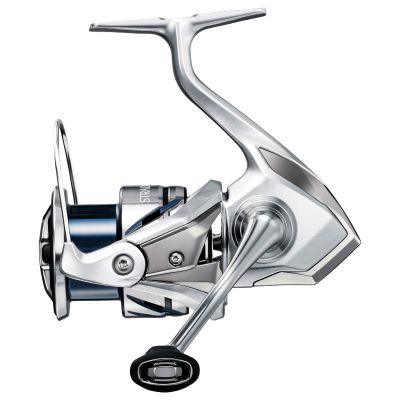
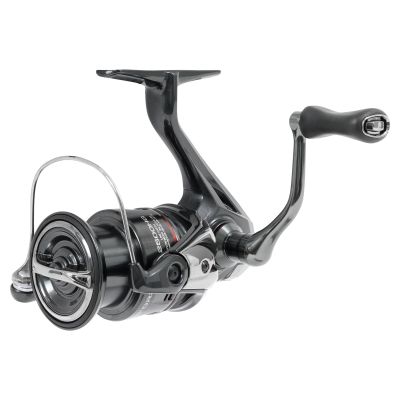
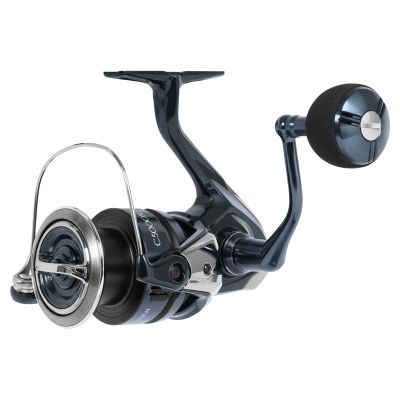
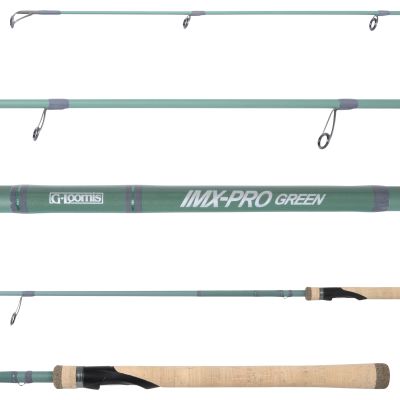
Once I locate the fish, I like to keep my tackle light. My go-to setup for albies is a light spinning rod such as the G. Loomis IMX PRO 844S Green Spinning Rod. This rod is rated for lures up to 1 1/2 ounces, which makes it ideal for throwing the relatively small lures we use for albies while still having enough backbone to handle a big fish. I pair it with a 4000-size spinning reel. For years I fished a Shimano Stradic 4000XGFM Spinning Reel, but recently I've really liked the Shimano Vanford 4000XGA Spinning Reel. The Vanford is roughly two ounces lighter, and when you're casting all day, you definitely notice the difference. The Shimano Twin Power XD4000XGFB Spinning Reel is another reel I really like.
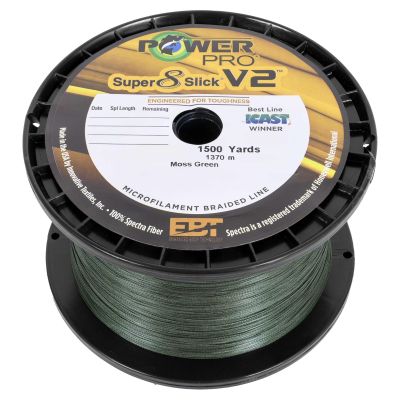
You can also go with a 5000-size reel. The 4000 and 5000 are the same bodies, but the 5000 gives you a little more line capacity, which can be helpful in areas like Montauk where an albie can get into strong current and make a very long run. The 5000 also has a different knob configuration, so it really comes down to personal preference. I load my reels with PowerPro 15 lb Super 8 Slick V2. This gives me plenty of casting distance and accuracy while still having enough strength to handle these fast, powerful fish.
Picking the Right Leader
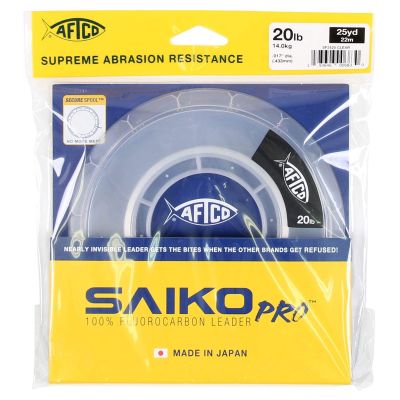
For a leader, I'll generally use 20-pound AFTCO Saiko Pro Clear Fluorocarbon Leader if I'm specifically targeting albies. However, fall fishing often means we're going to encounter several different species throughout the day. If I'm fishing an area where we could run into bluefish and striped bass along with albies, I'll often step up to 30-pound AFTCO fluorocarbon. The heavier leader gives me a little more insurance when a bluefish or striper eats the same lure.
Best Lures for False Albacore
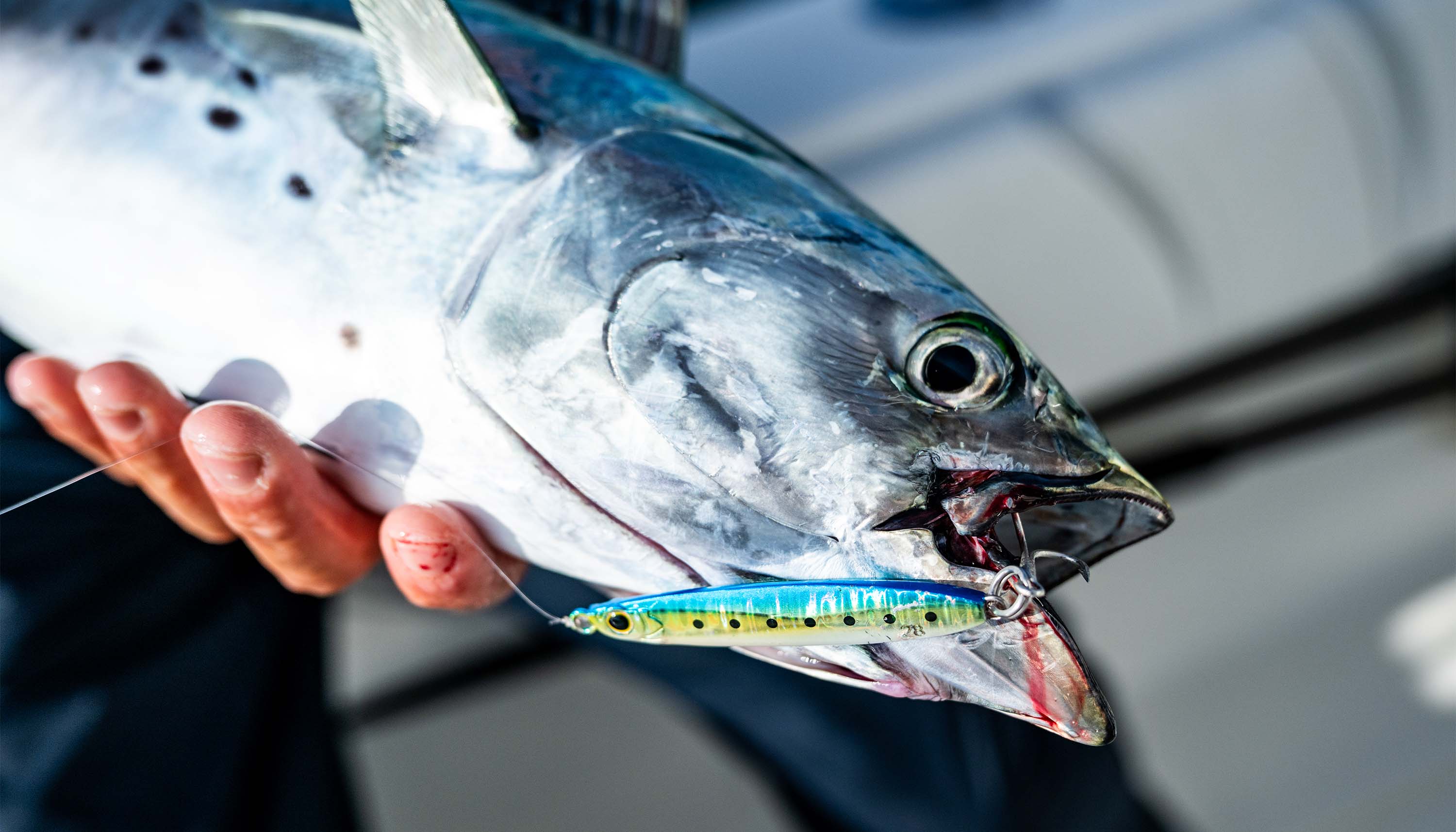
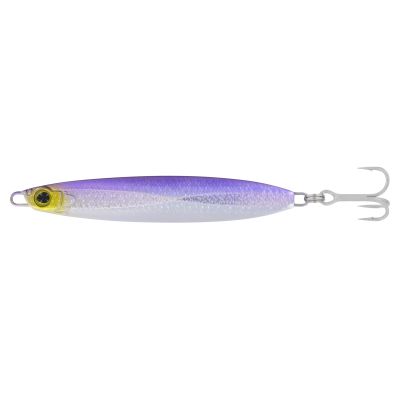
When it comes to lures, I generally want something in the 3- to 5-inch range to match the small bait that albies are feeding on. My number-one go-to lure is the Shimano Current Sniper Jigs in the 28 to 42 gram sizes. One of the biggest advantages of this lure is how far it casts. Albies can move incredibly fast, and being able to reach a school from a long distance is a huge advantage. The Current Sniper also punches through the wind extremely well and fishes great in rough water and strong rip lines. I work it fast and stay ready because the strikes can be extremely aggressive.
Another thing I like about the Current Sniper is its versatility. If I mark fish underneath the boat after the surface activity slows down, I'll drop it down and jig it. You can catch sea bass and porgies doing this, and you'll also catch albies, bluefish, and striped bass. It's one of those lures that can catch just about everything you're likely to encounter during the fall run.
There will also be days when the albies are feeding but become extremely finicky. When that happens, I'll switch to a 4- to 5-inch unweighted soft plastic rigged on a 4/0 Owner Beast hook. I'll cast it toward the feeding fish and work it with the rod tip, making the soft plastic dart from side to side. This creates an erratic action that can be extremely effective when the fish aren't interested in chasing a faster-moving metal jig. Sometimes changing the presentation and giving them something that looks like an easy meal is all it takes to get a finicky albie to eat.
Don't Forget Your Rain Gear
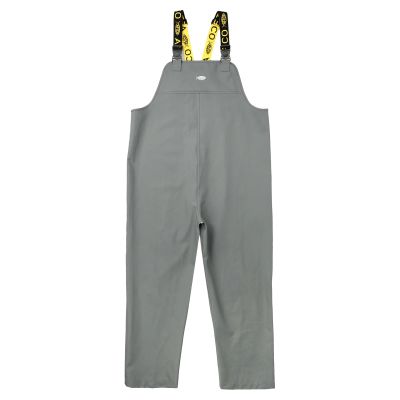
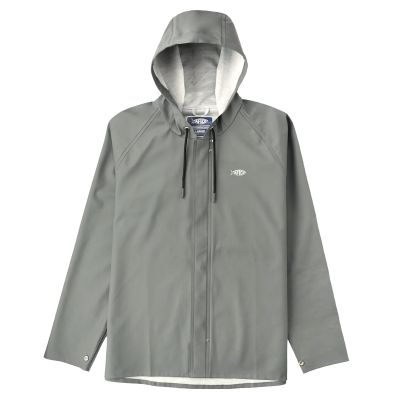
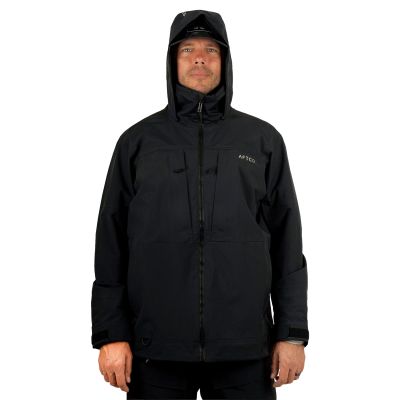
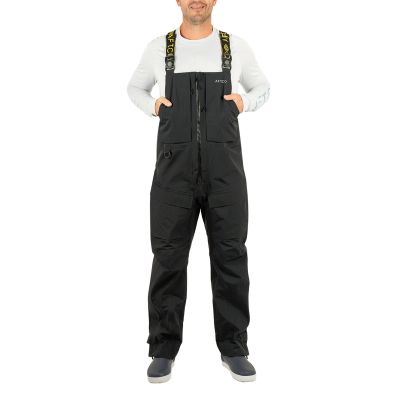
Finally, don't forget your rain gear. If you're going to be fishing for albies during the fall run, you need to be prepared for changing weather and plenty of spray. Even on a relatively nice day, running around in the wind and casting into rough water can leave you soaked. I love my AFTCO Fortress Bib and AFTCO Fortress Jacket. The AFTCO Deep Set Bib and AFTCO Deep Set Jacket are another great option. Good foul-weather gear isn't just about staying comfortable. If you're warm and dry, you're going to be much more willing to stay on the water when the conditions get tough, and some of those nasty fall days can produce incredible albie fishing.
False albacore are one of the most exciting fish we have in the Northeast, and September and October are the time to target them. Find the moving water, locate the small bait, watch for birds and surface activity, and be prepared to cover a lot of water. Have a long-casting setup ready to go, keep a few different lure options in the boat, and don't be afraid to fish when the wind starts blowing. When that first school of albies erupts on the surface and starts tearing through the bait, you'll understand why so many Northeast anglers look forward to the fall run all year.
If you're getting ready for albie season, check out Melton Tackle for the rods, reels, line, lures, hooks, fluorocarbon, and foul-weather gear you'll need to get prepared. Having the right equipment ready before the first big blitz can make the difference between watching the fish feed and putting one in the boat.
FAQs
When does false albacore season start in the Northeast?
The fall run typically kicks off around September 1st and can run into the first week of November in good years, depending on water temperature and bait movement.
What is the best lure for false albacore?
Fast-casting metal or epoxy jigs in the 3- to 5-inch range, like the Shimano Current Sniper (28-42g), are the go-to choice because they match small bait and cast far enough to reach fast-moving schools.
Are false albacore good to eat?
While it’s edible, whether it tastes good or not is a debate among anglers. It’s best handled with immediate bleeding and quick chilling. Many anglers prefer it seared or served raw as sashimi rather than cooked through.
Why are false albacore so hard to catch?
They're fast, keen-eyed, and often feed selectively on tiny bait, so success usually depends on long, accurate casts, a light fluorocarbon leader, and lures that closely match the size of the bait they're keyed on.