

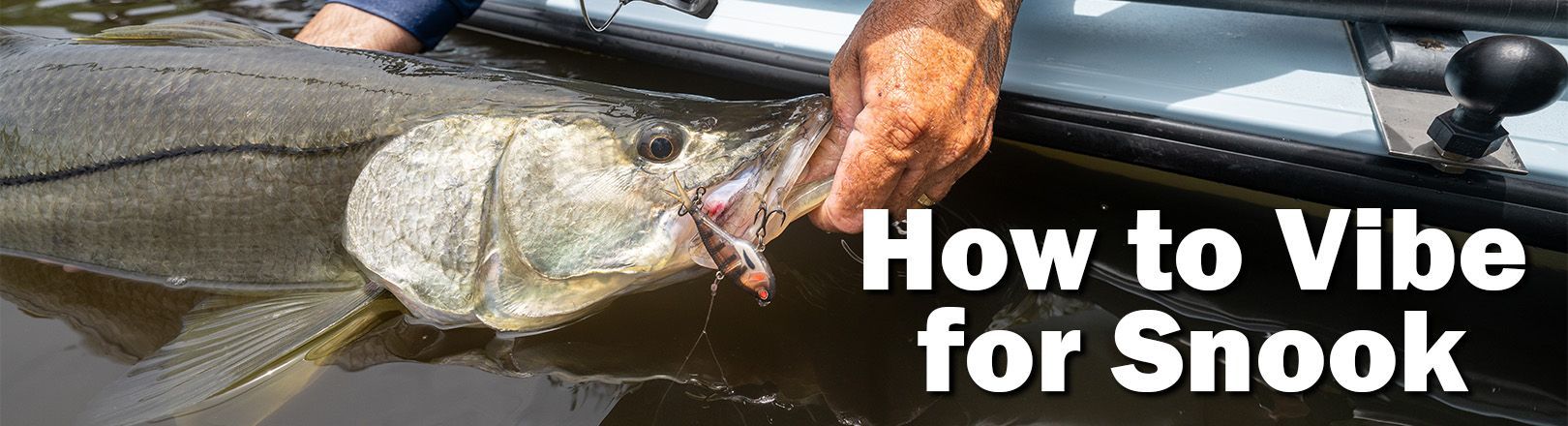
If there’s one technique I always have rigged and ready when I’m targeting common snook, or sergeant fish, it’s vibing. Nomad Vertrex Max Vibes are incredibly versatile. I fish them around bridges, docks, seawalls, mangroves, beaches, and inlets. They’re especially effective when snook are holding close to the bottom or feeding on smaller bait. Fishing a vibe effectively isn’t just about tying on the lure and ripping it back to the boat. The right rod, line, leader, and retrieve all make a huge difference.
Here’s the setup and technique I use when I’m vibing for adult common snook, and the gear I trust from Melton International Tackle:
My Go-To Vibe Setup
When I’m targeting big snook, I want a setup that gives me three things: sensitivity, casting distance, and enough power to turn a larger fish before it reaches structure.
The Rod
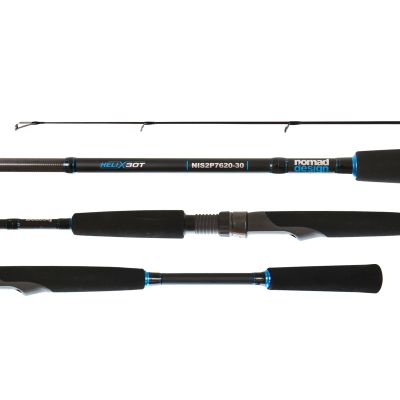
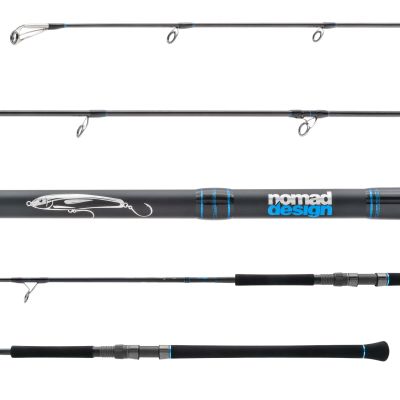
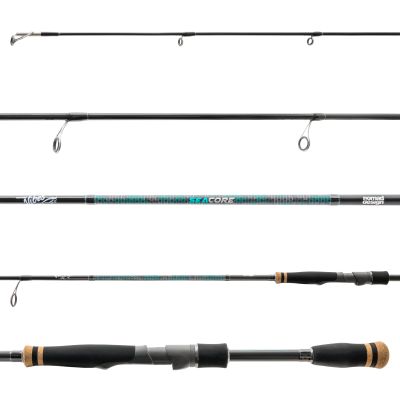
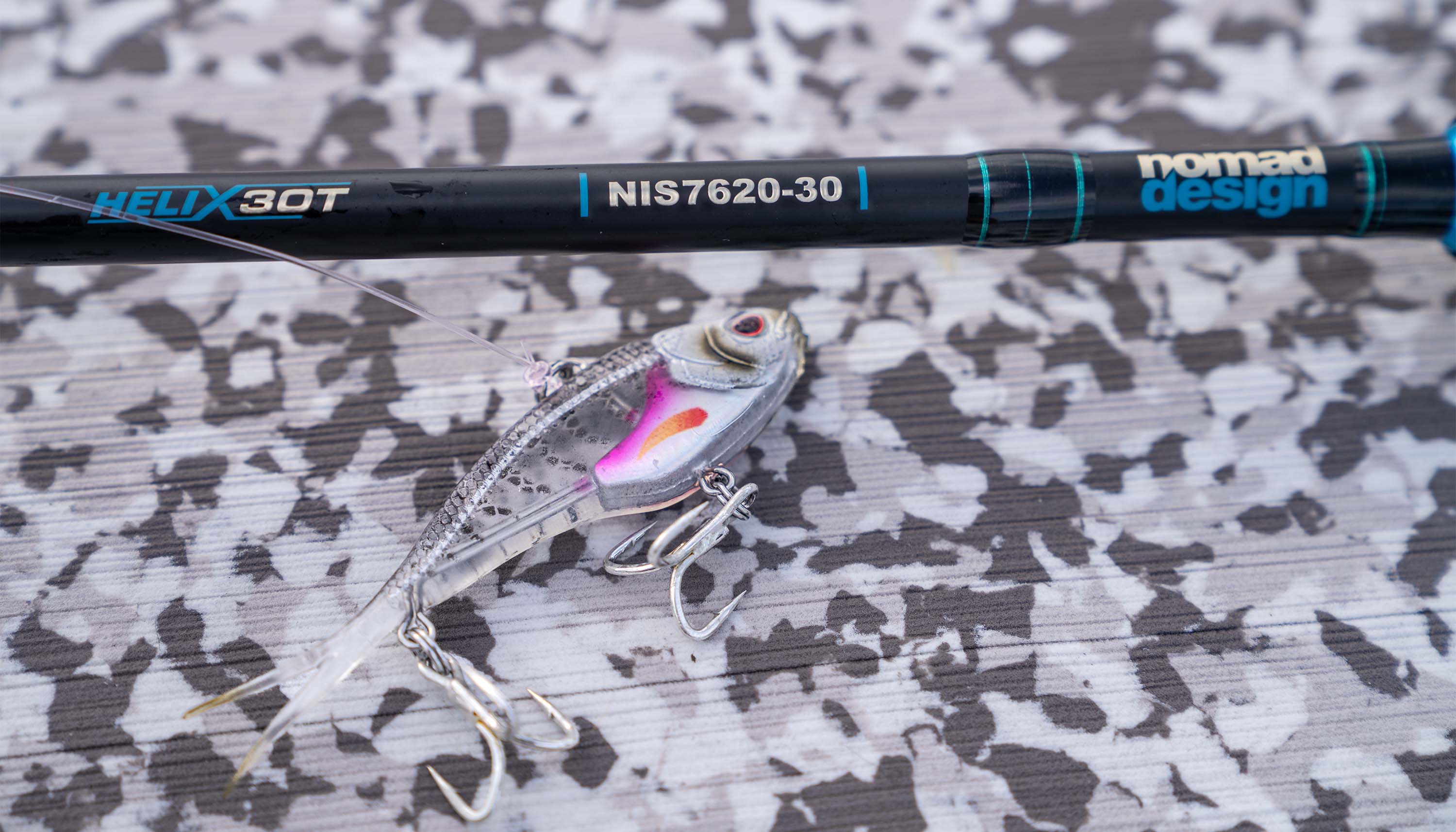
Depending on the situation, I’ll use a 7'2" Nomad Design Seacore Inshore Spinning Rod, a 7'6" Nomad Design Inshore Spinning Rod with a medium-heavy action, or a 7'4" Nomad Design Offshore Spinning Rod. The exact rod depends on the size of the vibe, depth, current, and how much structure I’m fishing around.
For me, the key is finding that balance between a responsive tip that lets me work the lure and a strong midsection and butt section that gives me the power to control a big snook.
That’s one reason I really like the Seacore Vibing Rods and Nomad Inshore Rods.
Seacore Vibing Rods: Feel Everything
Soft vibes are one of my favorite ways to target snook, especially when fish are holding tight to the bottom. The challenge is that you need a rod with enough power to work a heavier vibe, but you don’t want a blank that takes away all the feedback from the lure.
The Nomad Design Seacore Vibing Spinning Rods are built specifically around that sensitivity.
The Toray carbon blank is extremely crisp and responsive. I think of it almost like a tuning fork. When that vibe is working correctly, you can feel the vibration travel through the blank and directly into your hand, letting you know exactly what your lure is doing.
You can feel the vibe hit the bottom. You can feel it pick up a little piece of grass. You can tell when it comes free from the bottom and starts vibrating again. Then there’s the most important change of all… The vibration suddenly disappears. That can mean the lure hit bottom, or it can mean a snook just ate it.
The split EVA-and-cork composite handle also helps create a direct connection between your hand and the blank. For me, that’s what a good vibe rod should do. It shouldn’t mute the lure. It should help you feel it.
Nomad Inshore Rods: Power When You Need It
Sensitivity is important, but when a big snook eats, you also need power. A big snook usually doesn’t want to swim straight to the boat. It wants to get to the nearest dock piling, bridge fender, mangrove root, seawall, or other piece of structure. That’s where the Nomad Inshore Rods really shine for me. The medium-fast taper gives the rod a quick transition from the tip into the mid and butt sections. You get a responsive tip for working the lure, but there’s plenty of backbone behind it when you need to put pressure on a saltwater fish. Put those two things together, sensitivity and stopping power, and you have a setup that lets you fish vibes aggressively without giving up the ability to react when a larger snook decides to eat.
That extra power gives me a better chance of turning a larger snook before it gets into the structure and breaks me off. When you’re fishing vibes around heavy cover, that can be the difference between seeing the Florida fish beside the boat and watching your line go slack.
Choosing the Right Vibe
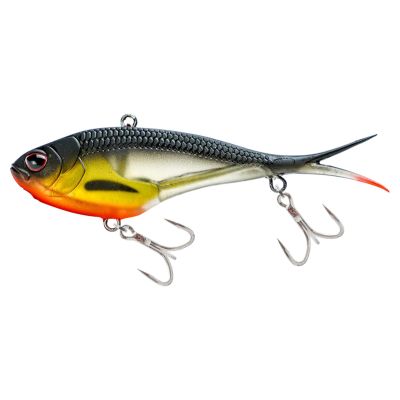
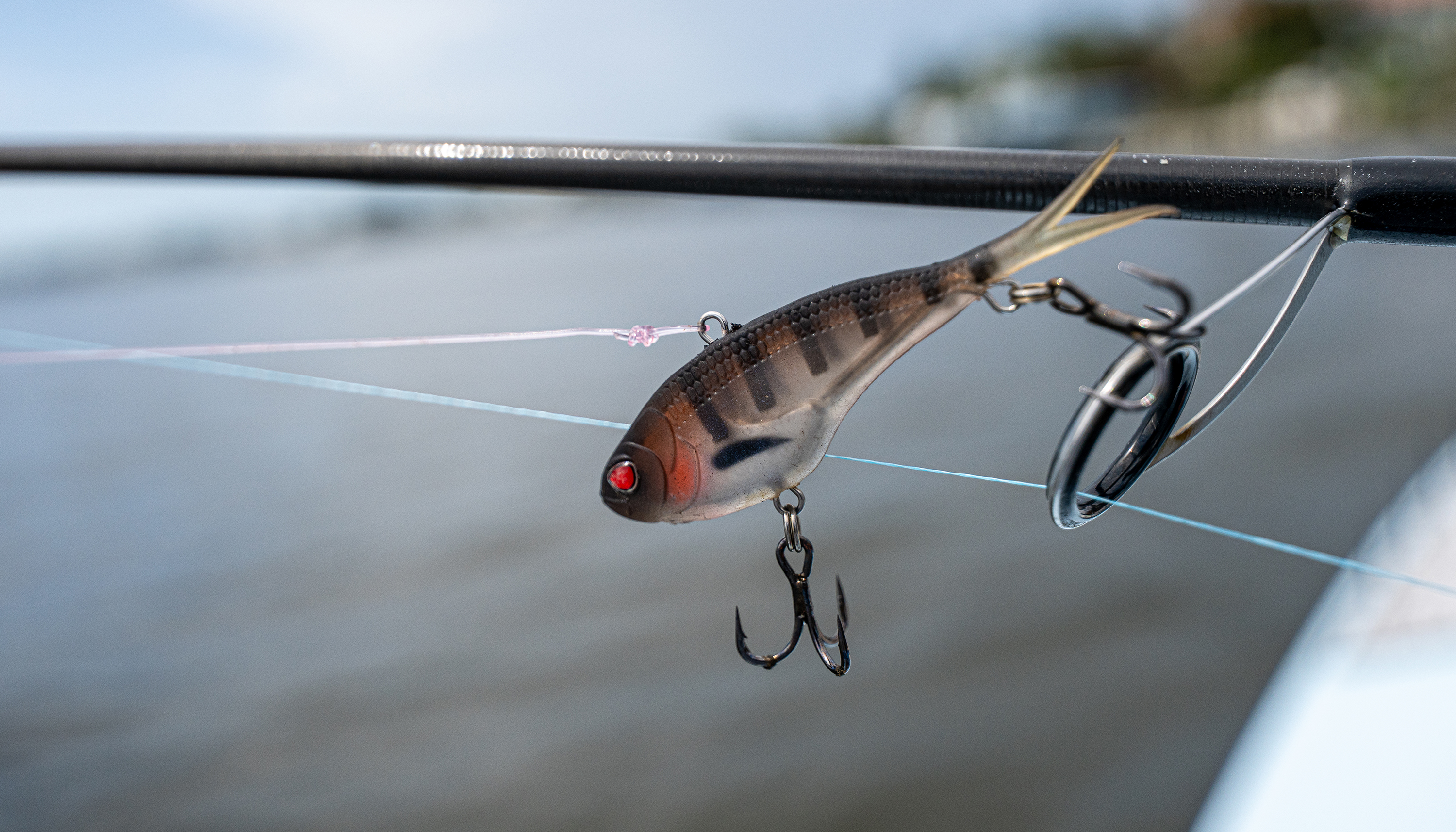
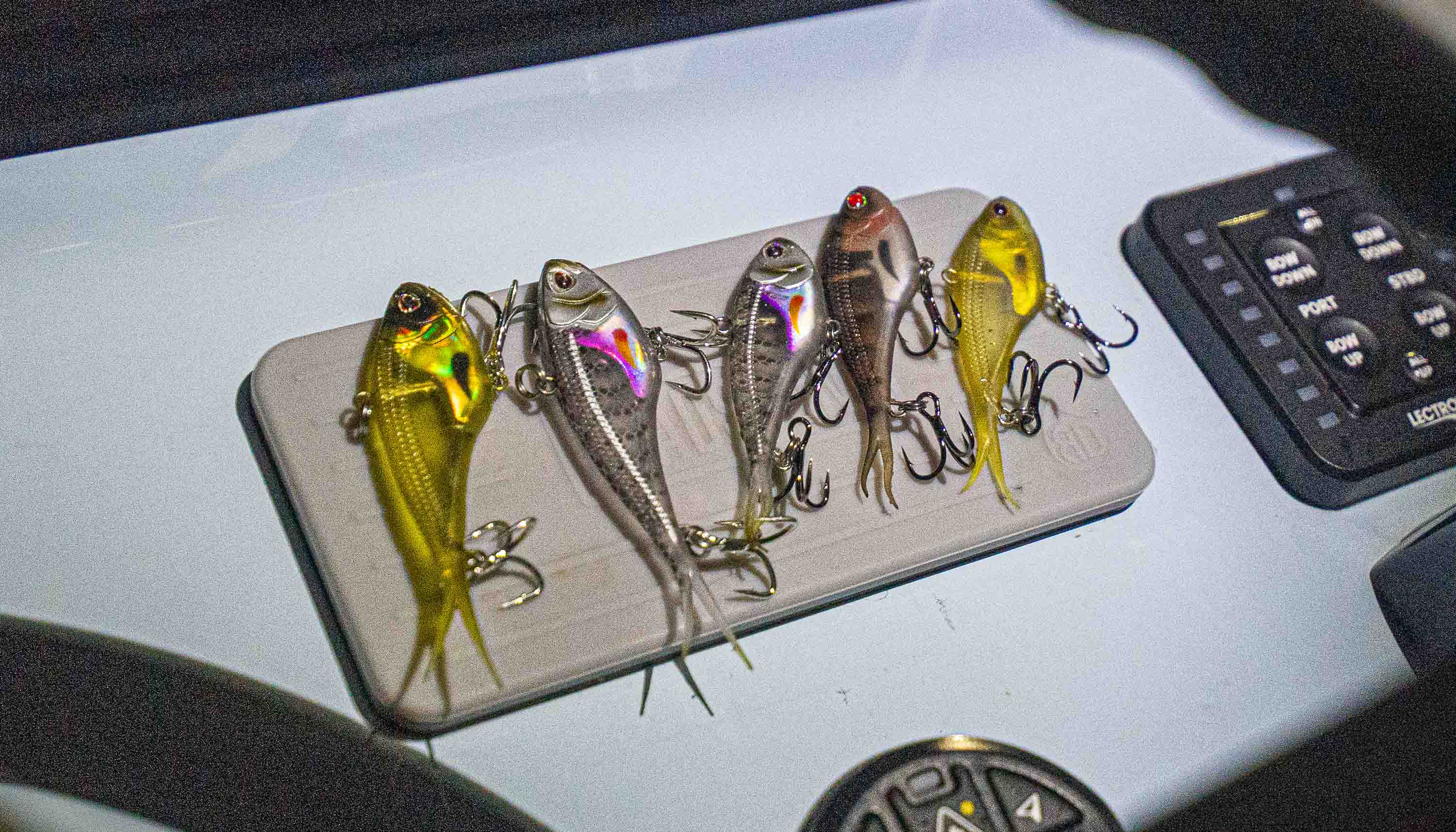
I’ll adjust the size of my vibe based on depth, current, and the forage the snook are feeding on. My assortment of the Nomad Design Vertrex Max Vibe Jigs includes:
- 75mm, 2/5 oz: Great for skinny water, shallow water flats, and mangrove edges.
- 85mm, 3/4 oz: A versatile size when I need a little more weight.
- 95mm, 4/5 oz: Excellent for deeper water and stronger current.
- 110mm, 1 1/3 oz: When I need to get down quickly in deep water or heavy current.
I’m also a big believer in matching the hatch. If snook are feeding on smaller fish, downsizing can make a huge difference. The Vertrex Max 75 is one of my favorites when I need a smaller, compact profile.
But when you downsize your lure, you also need a rod that can effectively cast and work it. You don’t want something that feels like a broomstick. The tip needs enough load to launch a lighter vibe a long way, especially when you’re trying to reach fish holding away from the boat or tight against structure. At the same time, it needs to be crisp enough that when I give the lure an aggressive hop, that action gets transferred directly into the vibe.
That balance is critical.
The Crank and Kill Technique
One of my favorite ways to fish a vibe for common snook is what I call the “crank and kill” or “no rod” technique. It’s simple, but it’s extremely effective.
1. Close the Bail Early
As soon as the vibe hits the water, I close the bail. Snook will often eat a vibe while it’s falling, so I want to maintain contact with the lure and be ready for that bite.
2. Keep the Rod Still
Instead of constantly twitching or jerking the rod, I keep it relatively stationary at about a 45-degree angle. The lure is doing the work.
3. Crank, Don't Jig
Once the vibe reaches the bottom, I make three to five quick turns of the reel handle. That gets the vibe pulsing and moving off the bottom. Then I stop… Completely… I let it sink back down on a tight line. Then I repeat the process. That pause is incredibly important.
The Drop Strike
One of the biggest reasons I care so much about sensitivity is the way snook eat a vibe.
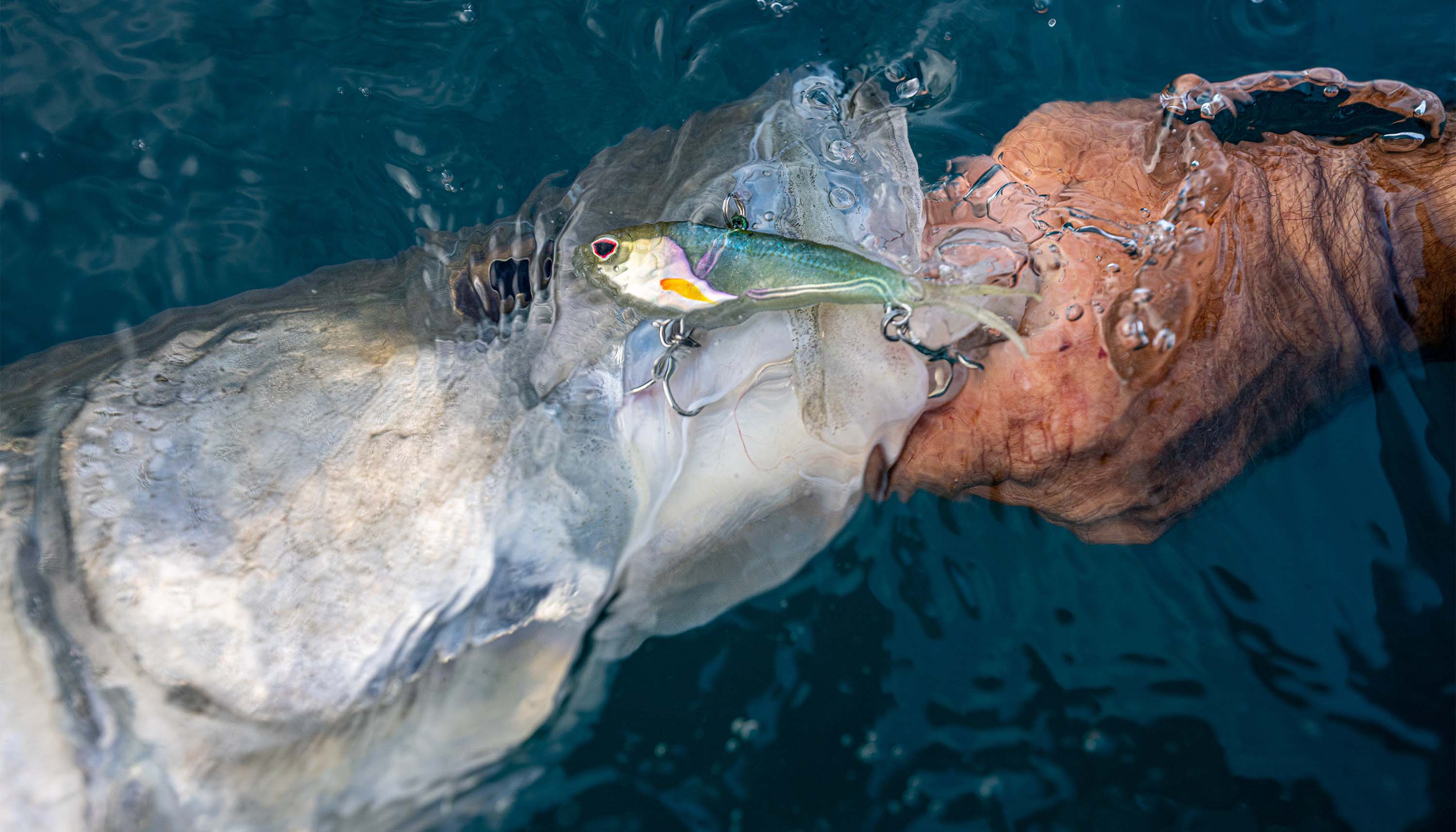
A lot of the time, they don’t crush it while you’re aggressively working the lure; they eat it on the pause. They eat it as it glides back toward the bottom. That’s why I want to feel everything happening at the end of the line. The second that vibration disappears, I’m paying attention. Did the lure hit bottom? Did it pick up grass? Or did a big snook just inhale it? That sudden change in vibration is one of the bites I’m looking for. When it’s the wrong kind of vibration change, I’m ready to set the hook.
The Line: Why 8X Panderra Braid Works for Me
The braid I use is just as important as the rod. For vibing, I’ll spool 10, 20, or 40-pound braid, depending on the conditions and structure I’m fishing. One of the reasons I like Nomad Design Panderra X8 Braided Line is the combination of diameter, sensitivity, and abrasion resistance.
Thin Diameter
The MicroWeave construction gives the braid a strong strength-to-diameter ratio. A thinner line creates less resistance in current, which helps the vibe sink quickly and stay down where I want it.
Maximum Sensitivity
Low stretch is a huge advantage when fishing vibes. I want to feel that lure hit bottom. I want to feel it vibrating. Most importantly, I want to feel when that vibration suddenly disappears because a snook picked it up on the drop.
Abrasion Resistance
The snook population loves structure. Bridge pilings. Docks. Mangroves. Barnacles. Seawalls. Unfortunately, all the places snook love are also places where they can destroy your leader or line. That’s why abrasion resistance matters so much to me.
Smooth Casting
The slick exterior coating of 8X Panderra Braid also helps it shoot through the guides smoothly. When I’m trying to put a vibe into a tiny opening next to a piling or reach fish holding on the far side of structure, casting distance and accuracy are both important.
The Leader
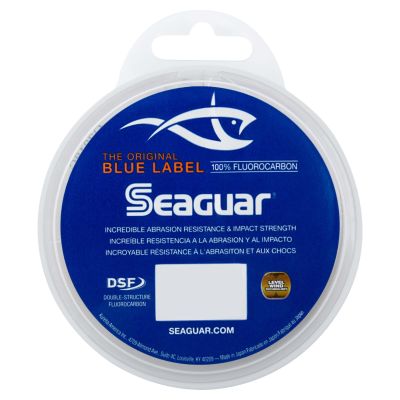
For my leader, I’ll generally use 40, 50, or 60-pound Seaguar Blue Label Fluorocarbon Leader.
The exact strength depends on where I’m fishing and how much structure is around the fish. If I’m throwing a vibe around clean bottom, I can get away with a lighter leader.
If I’m working around bridge pilings, docks, or mangroves, I want more abrasion resistance.
When a 40-plus-inch common snook eats, I’d much rather have too much leader than not enough.
Where I Fish Vibes for Common Snook
Vibes are extremely versatile, but there are a few areas I look for first:
- Bridge pilings create current breaks, shade, and ambush points. Work the vibe close to the structure and pay close attention to the drop.
- Deep docks can be loaded with snook, especially when current is pushing bait past the structure.
- Seawalls provide a hard edge where live bait and predators can concentrate.
- Beaches - Vibes can be excellent when snook are holding along deeper troughs or feeding on bait close to the beach.
- Inlets - When current is ripping through an inlet on falling tides, a heavier vibe can get down quickly and stay in the strike zone.
Matching the Hatch
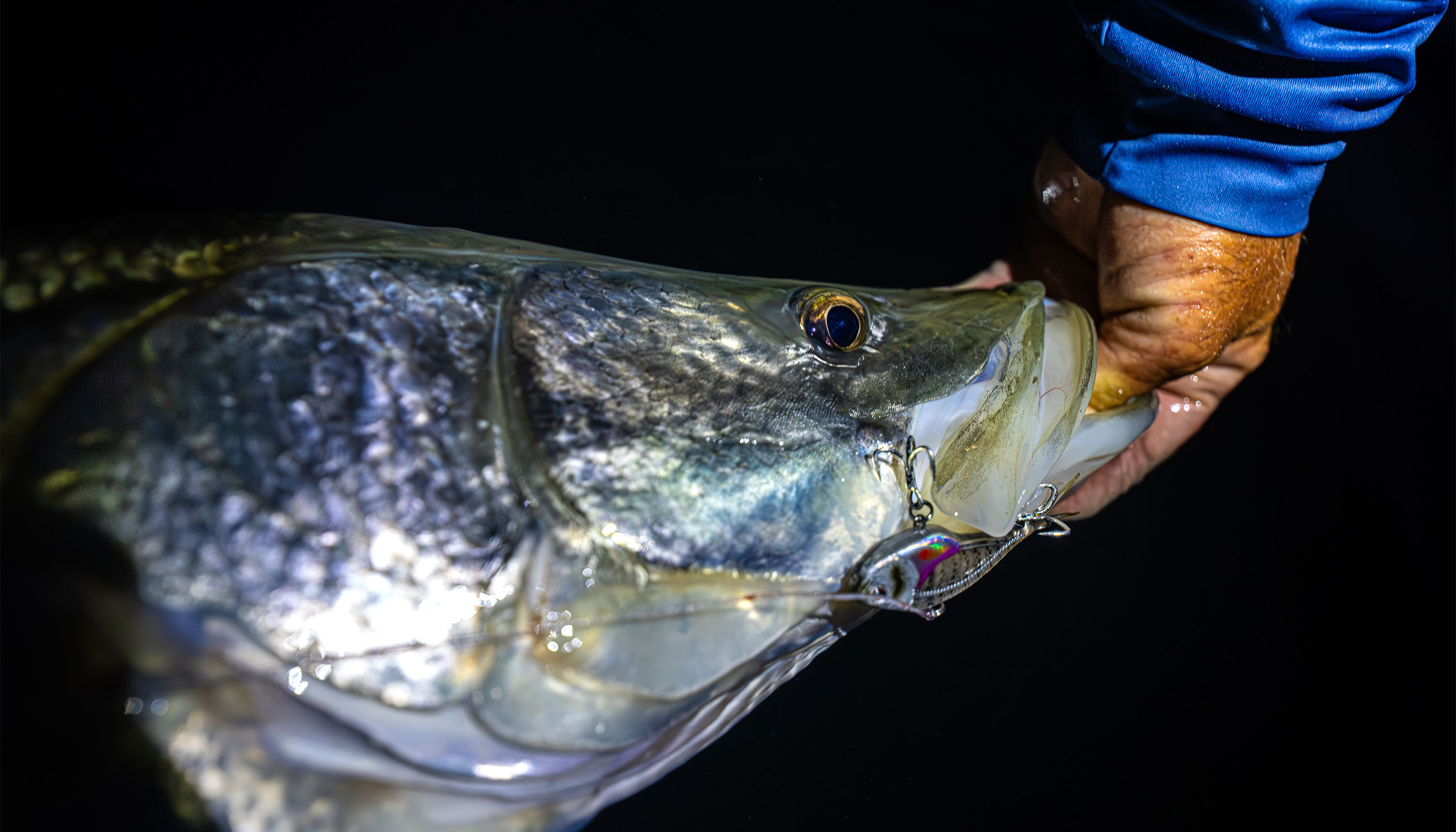
Color is another piece of the puzzle. In clear water, I like natural patterns such as Croaker, Natural Bunker, and Hollow Ghost. When the water is stained, or light levels are low, I’ll often reach for something with more visibility, such as Green Gold Gizzy or Grunt.
I’m not saying you need every color in the tackle shop. But having a few natural options and a couple of high-visibility colors gives you the ability to adjust when conditions change.
Build Your Snook Vibe Setup
If you want to put this technique to work, Melton International Tackle has the gear I use to build the complete setup, from the rod and reel to the braid, fluorocarbon, and vibes.
Get the right combination of sensitivity, casting distance, lure control, and stopping power, and you’ll be ready for one of the most exciting ways I know to catch a big common snook.
Tie one on, find the bottom, crank it three to five times, kill it, and pay attention to that drop.
That’s how I vibe for common snook.
Dingo’s recommended gear list:
- The Rod: Use a 7'2" Nomad Design Seacore Vibing Spinning Rod, a 7'6" Nomad Design Inshore Spinning Rod with a medium-heavy action, or a 7'4" Nomad Design Offshore Spinning Rod to handle hard-pulling fish.
- The Line: Spool up with Nomad Design Panderra X8 Braided Line in 10 lb, 20 lb, or 40 lb main line.
- The Leader: Attach a 40 lb, 50 lb, or 60 lb Seaguar Blue Label Fluorocarbon Leader for abrasion resistance.
- Size Guide: Opt for the 75 mm (2/5 oz) size for skinny water and mangrove edges and the 85 mm (3/4 oz) size for added weight, or step up to the 95 mm (4/5 oz) and 110 mm (1 1/3 oz) sizes for deeper water and heavy current.