

Southern California bluefin tuna fishing has exploded in popularity in recent years, with fleets running out of San Diego and Long Beach landing bigger fish than ever. Tuna have become plentiful enough that anyone can target them with a little bit of intel and the right gear. Kite fishing, dropping jigs, and more recently casting large topwater lures have become standard tools for targeting Southern California's increasingly large tuna during the July through October run. In all the successes I've seen from our customers this year, I’ve noticed one presentation has flown completely under the radar in this fishery… The RonZ soft plastic, particularly when it is dead-sticked beneath the boat while a kite bait works the surface. On the East Coast, there are amazing days when this technique outproduces all others.
SoCal anglers should strongly consider using this method while kite fishing. Fishing the two presentations simultaneously allows you to cover two very different parts of the water column. The kite creates a highly visible surface target away from the boat, while the RonZ quietly swims below, reaching tuna that may be following the school but are unwilling to commit to a surface bait.
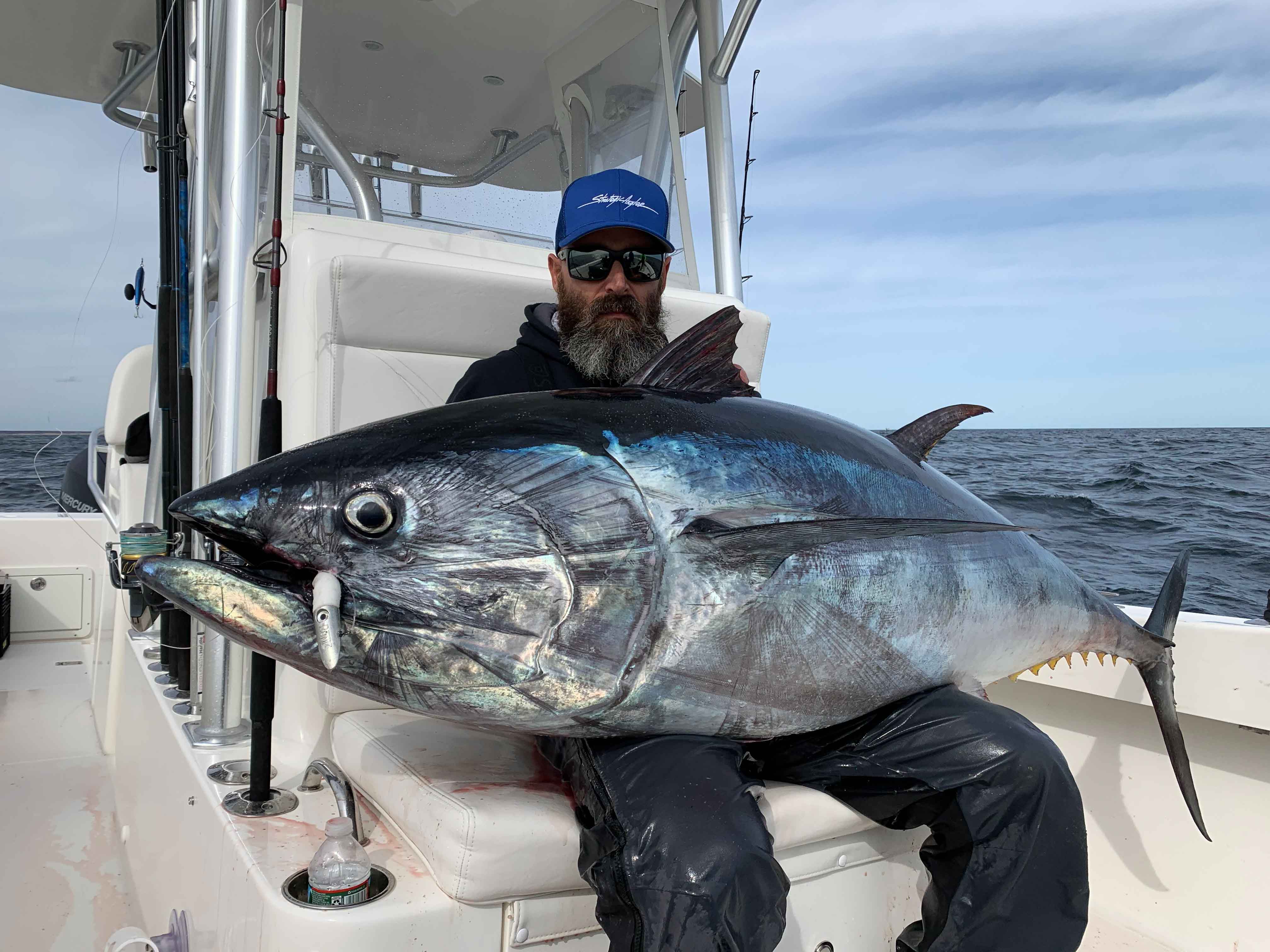
Table of Contents
- Why RonZ Lures Belong in the Southern California Bluefin Tuna Fishery
- Covering the Surface and the Depths
- Selecting the Right RonZ Tackle
- Finding the Correct Depth in Southern California
- More Than a Dead-Stick Bait
- Southern California Fishing FAQs
Why RonZ Lures Belong in the Southern California Bluefin Tuna Fishery
RonZ lures built their reputation in the Northeast, where anglers have used them extensively for striped bass, school-size tuna, and giant bluefin. A handful of anglers have even successfully targeted swordfish with them. Their success is often associated with sand-eel feeds, but the lure’s effectiveness extends well beyond imitating one specific forage species.
The RonZ does not require you to aggressively work it while waiting on the kite to get bit. While the lure can be cast or jigged, its wedge-shaped head and supple tail respond to current and boat movement, creating a natural swimming action. The lure effectively mimics a sand eel, anchovy, sardine, juvenile mackerel, or injured baitfish. It has enough action that simply putting the rod in a rod holder will get a bite. This can be incredibly productive while kite fishing, when much of the crew’s attention is on watching kite position, wind direction, release clips, and maintaining the flyer correctly on the surface.
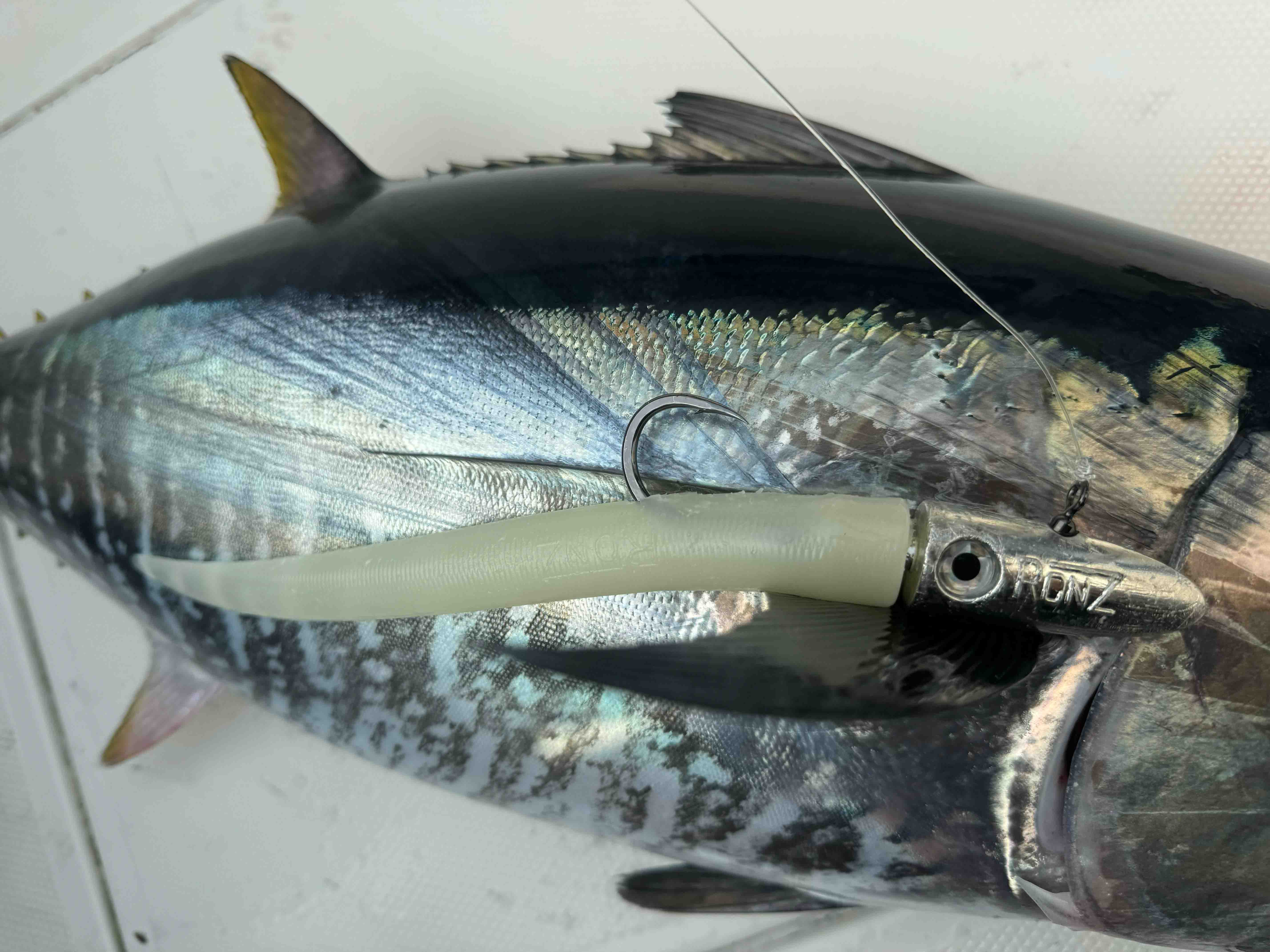
Covering the Surface and the Depths
There is no doubt that kite fishing is one of the most effective ways to target large Southern California bluefin. By keeping your line and terminal above the surface, the kite allows anglers to place a rigged flying fish or artificial flyer well away from the boat with minimal visible terminal tackle.
The kite bait creates an enticing silhouette on the surface and can produce some of the most explosive, productive bites you’ll ever see. But not every bluefin seen on the sonar is prepared to rise to the surface.
We’ve all seen a school holding 100 to 300 feet beneath the boat while the kite bait remains well above it. Individual tuna may approach the flyer, investigate it, and turn away. Others may stay deep, particularly during high sun or calm conditions. Heavy boat pressure can also put the fish down and keep them there. That doesn’t mean you can’t get them to eat.
While the kite covers the surface and the area downwind of the boat, a weighted RonZ can be lowered into the deep water where fish are actually being marked. By using PowerPro Depth-Hunter, getting the lure to the exact depth is a snap. From there, set the drag accordingly, put the rod in a holder, and grab a snack out of the cooler.
Selecting the Right RonZ Tackle
For most Southern California bluefin tuna applications, the RonZ Big Game Series is the appropriate starting point. The 8-inch Big Game HD is well suited for fish feeding on anchovies, sardines, or other smaller forage species. Its more compact profile can also be useful when bluefin are marking well but refusing larger presentations.
The 10-inch Big Game HD is the more versatile choice for targeting larger tuna. It is available in weights ranging from approximately 2.25 to 6.5 ounces, allowing you to adapt to different depths, current speeds, and drift conditions. Its through-wire construction, articulated head, and free-swinging heavy-duty hook are designed to withstand the pressure created by large tuna.
A practical selection would include:
- 8-inch Big Game HD in 2.5- and 3.5-ounce weights
- 10-inch Big Game HD in 4-, 5-, and 6.5-ounce weights
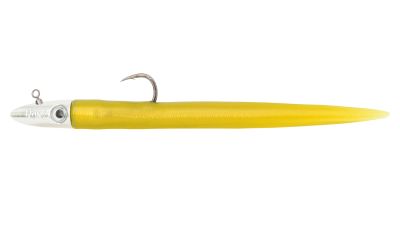
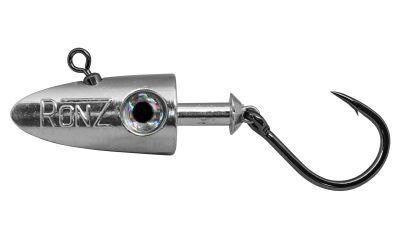
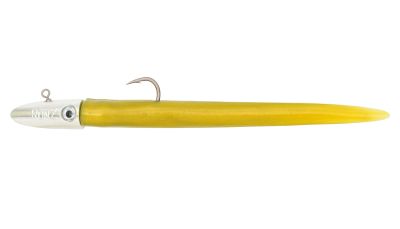
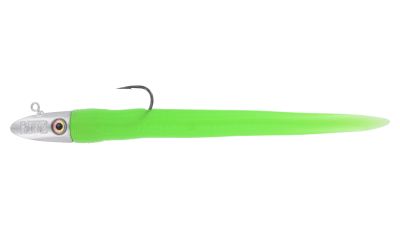
White Pearl, Silver Metallic, and Olive Metallic offer natural baitfish patterns. Pink can suggest squid or create a striking contrast, while Green Glow is an excellent choice for deep water, early morning, and low-light conditions. Generally, weight is more crucial than color. Opt for the lightest head that consistently reaches the tuna and stays in the strike zone.
Finding the Correct Depth in Southern California
If tuna are consistently marking between 150 and 200 feet, sending the lure far below the school reduces the amount of time it spends in the feed zone. Instead, lower it to the top of the marks or slightly above them. Tuna naturally look upward, and a lure swimming just above the school can be easier for them to see, especially on bright days.
If the boat’s drift causes the lure to scope too far away or pulls it out of the zone, move to a heavier head. If the line remains nearly vertical and conditions are calm, a lighter head may provide a more natural presentation.
Keep the RonZ rod in a holder on the opposite side or corner from the kite tackle whenever the boat layout permits. The lure should remain close enough to vertical that its line stays clear of the kite line, flyer line, and other rods. Begin with one dead-stick rod as your core gear setup. Additional lines may cover more water, but they also increase the potential for tangles, especially after a tuna eats the kite bait and begins moving across the spread.
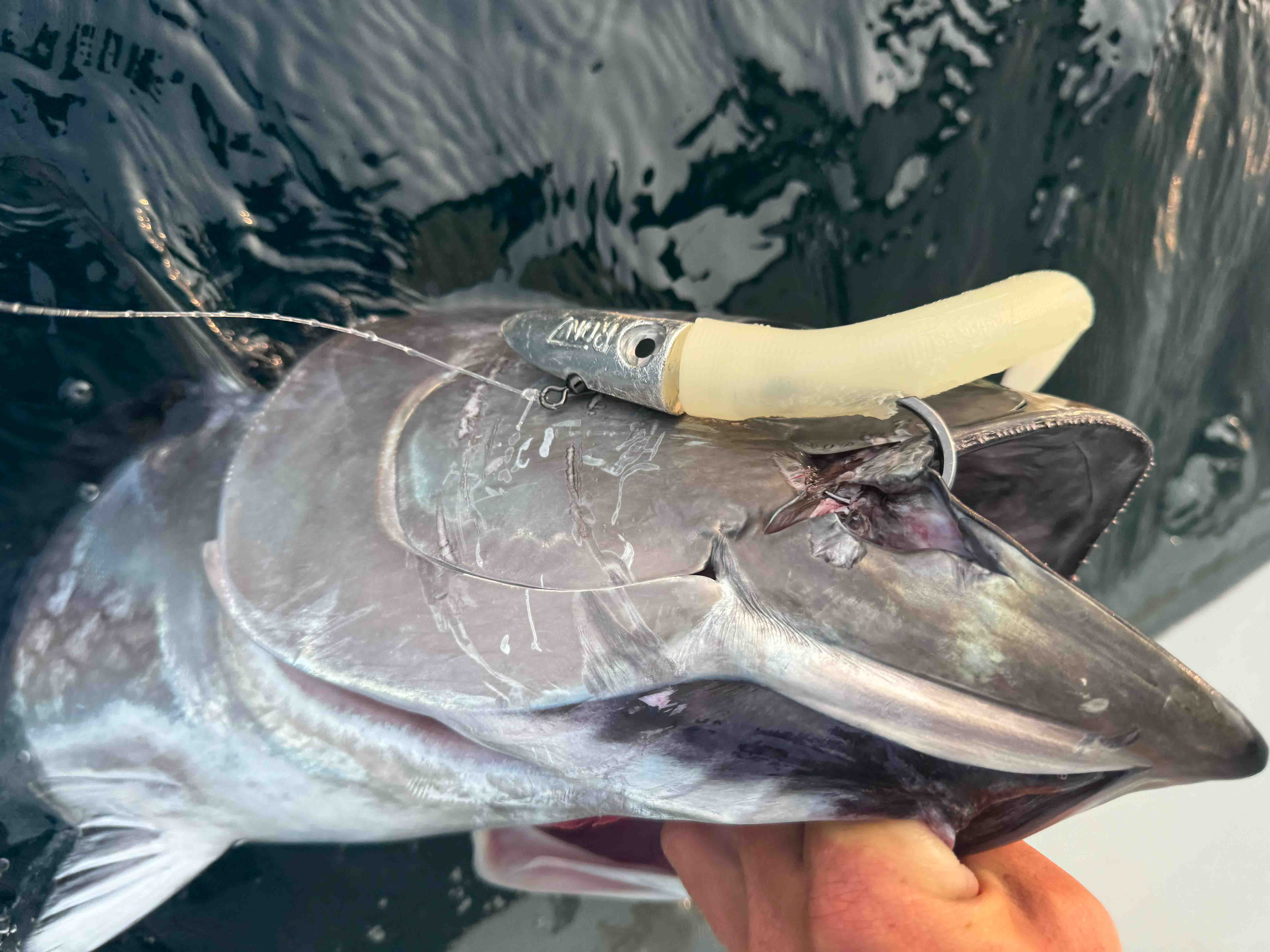
More Than a Dead-Stick Bait
Although dead-sticking may be the most intriguing application, the RonZ can fill several additional roles aboard a Southern California bluefin boat.
When working around foamers and breezers, cast beyond the school and allow the lure to fall through the feeding zone. The descending soft plastic resembles an injured baitfish dropping away from the commotion and may be eaten before you begin the retrieve.
When fish are marked directly beneath the boat, lower the lure below the marks and retrieve it slowly through the school. Long, controlled lifts followed by a natural fall can also be effective, but excessive rod movement is generally unnecessary. Let the tail create the action.
Lastly, RonZ lures can also be effectively slow-trolled at approximately two to three knots, provided the speed is adjusted so the bait swims straight and remains beneath the surface. Make sure the lure swims properly boatside before sending it back.
SoCal tuna anglers, you need to give this lure a try on your next trip! You will be shocked at how easy it is to target pressured or stubborn fish!
Southern California Fishing FAQs
What is the best time of year to fish in Southern California?
SoCal offers good fishing year-round, but summer (June-September) is peak season for tuna, mahi-mahi, and yellowtail, while October through March brings the best lobster fishing and steady action on calico bass, sea bass, and rockfish.
Do you need a fishing license to fish in Southern California?
Yes, anglers 16 and older need a California fishing license for most saltwater and freshwater fishing. The main exception is fishing from a public ocean pier, which doesn't require one.
What fish can you catch in Southern California?
Popular inshore catches include yellowtail, white seabass, calico bass, halibut, rockfish, lingcod, and sheephead, while offshore trips target tuna and mahi-mahi.
Where is the best place to fish in Southern California?
Top spots include San Diego, Dana Point, Newport Beach, Catalina Island, and the Channel Islands for boat and charter fishing, plus piers like Huntington Beach and Malibu for shore fishing that doesn't require a license.
Can you fish for free in Southern California?
Yes. California's public ocean piers, including many in SoCal, let anglers fish without a license for most species. A separate report card or validation is still needed to take lobster or use crab traps.