


Much of Southern California's fishing effort focuses on offshore waters, coastal waters, and kelp beds. However, our bays, harbors, and estuaries often receive less attention. Those who have studied these bodies of water commonly find productive and enjoyable fishing experiences.
The number of bays and harbors on the West Coast is limited, but the ones we have access to offer excellent fishing. One of the most extraordinary things about a fishing trip to our bays and harbors is that you're never sure what you'll encounter. In addition to being a low-impact and approachable fishery for the everyday angler, it is also a great introduction for novice anglers to get a taste of saltwater opportunities.
We have several bays and harbors from San Diego up to Point Conception along the Southern California coast. Each differs slightly in what it offers and what anglers focus on. Some of these bays are shallow, while others are deep enough to accommodate cruise ships. Conversely, there are variations in currents, temperatures, and underwater structure, all providing different opportunities. Another great feature of these West Coast bays and harbors is the ability to fish in them year-round. When the water cools in winter, things slow down a bit for us on the West Coast, but there is always an opportunity to get out on the water. Like most inner waters, spring, summer, and fall offer the most action.
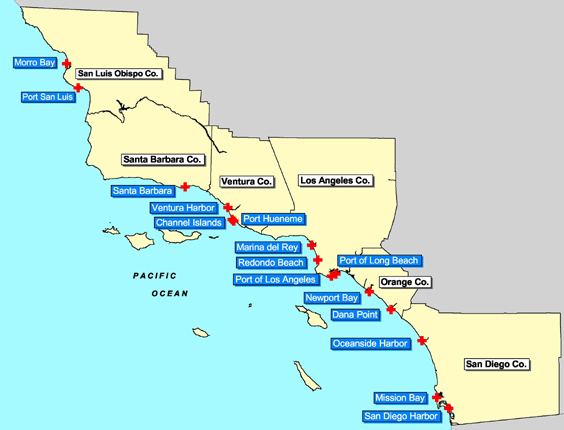
The map below shows the location of each one. In order of north to south, they are Morro Bay, Port San Luis, Santa Barbara, Ventura Harbor, Channel Islands, Port Hueneme, Marina del Ray, Redondo Beach, Port of Lost Angeles, Port of Long Beach, Newport Bay, Dana Point, Oceanside Harbor, Mission Bay and San Diego Harbor.
When dissecting these waters, anglers first want to know what they're targeting. Bays offer the opportunity to target various fish, some common and others often a pleasant surprise. From large to small, discovering what's available and willing to bite is always interesting.
Spotted Bay Bass
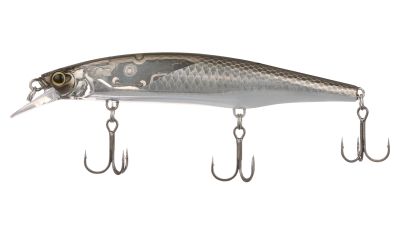
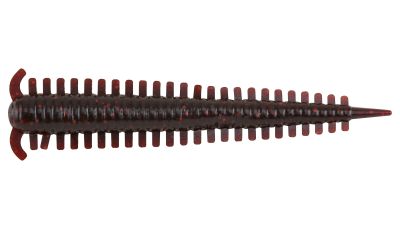
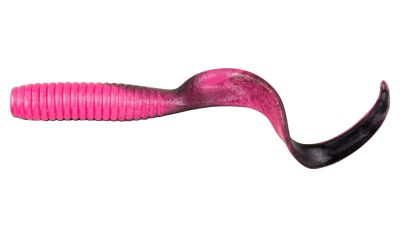
By far, the favorite of the bays is the Spotted Bay Bass. These small but aggressive fish offer diverse opportunities for anglers fishing in bays. This species is predominantly an ambush predator, often sitting motionless in the grass, waiting for unsuspecting bait to swim by. They are fairly indiscriminate and will strike a variety of presentations, from Ned rigs and Alabama rigs to crankbaits and paddle tails, and more. When fished with light tackle, they provide great fun and are the main focus of our efforts in the bays. The world record for this species is around 18 inches and just shy of 4 pounds, but their personality is much larger than their size.
The Spotted Bay Bass, you could say this species is the meat and potatoes of the Southern California Bay and Harbor fishery.
California Halibut
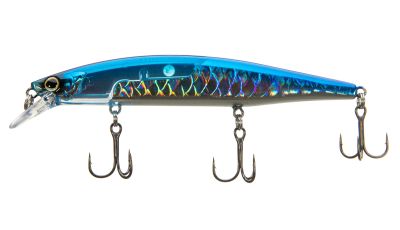
Year-round, California Halibut can be found in bays and harbors, but larger specimens enter the shallows to breed in the spring. These ferocious benthic predators can grow quite large, often exceeding the 20-pound mark, with bait fish in the teens and 20s being more common; the record is around 60 pounds. Many of the Halibut encountered are caught using crankbaits and jerkbaits. If you're fishing for halibut with artificial lures, look for shallower bodies of water with less grass and more sediment. Shallower bays like Mission Bay in San Diego allow you to experiment with various presentations while keeping your lures near the bottom. Deeper bays are better suited for bait fishing.
The California Halibut a highly sought after species that gets sizable in our inner waters.
Corvina
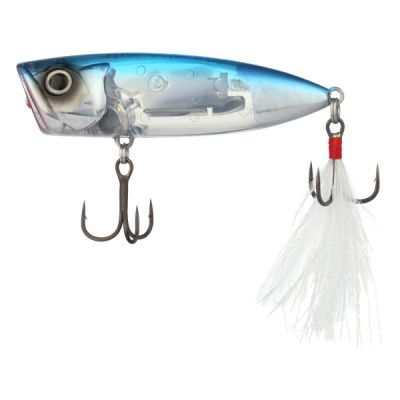
Shortfin Corvina has quickly become the darlings of the Southern California bays. In past decades, they were considered an incidental catch. In the last few years, they have become very common and can be found continuously from San Diego to Mission Bay and Oceanside Harbor. It's easy to understand the admiration for this species. Unlike the East Coast, here on the West Coast, we have few species that will take a topwater presentation, resulting in that mesmerizing topwater bite. In addition to being active topwater predators, they are great fighters, excellent table fare, and their ability to reach close to the ten-pound mark makes them one of our favorites to target in the bays. I can't think of a more enjoyable fish to pursue in the gray light than Shortfin Corvina in the shallows with a popper.
This toothie critter is one of our favorites when it comes to fishing in our Southern California inner waters. Who doesn’t love a top water bite.
Calico Bass
Calico Bass are highly sought-after gamefish. Southern California has its share of anglers, specializing in catching this fish. Although they are more commonly found outside of our Bays and Harbors, there is no shortage of Calicos that have taken up residence in the calm waters within these protected areas. Juvenile Calicos tend to enter the bays, staying there until they are near full size, at which point they migrate toward deeper waters or coastal kelp forests. The majority of Calicos in the bays seek hard structures as their homes, resulting in many of them having different coloring compared to those outside of the bay. Calicos are typically found in similar areas when targeting Spotted Bay bass, favoring locations closer to the bay's entrance rather than the further back areas.
Less common then their Spotted cousins, but still just as sought after. Some Calico Bass are thought to live more than 30 years.
Spotfin Croaker
These broad-bodied opportunistic feeders have a strong presence in Southern California during the summer months. Among the regularly caught gamefish in the bays and harbors, they are often considered the hardest fighters. Their robust, broad bodies enable them to exert significant force on the fishing line. While their mouths, like those of many croaker species, are adapted for bottom-feeding on small crustaceans, they are equally prone to striking mid-water jerkbaits as they are to jigs fished right on the bottom. Hooking them with light tackle can provide great fun and a challenge to land.
Pound for pound one of the best fighting fish in bays and harbors. The World Record is just below 15 pounds, an absolute brut.
Barracuda
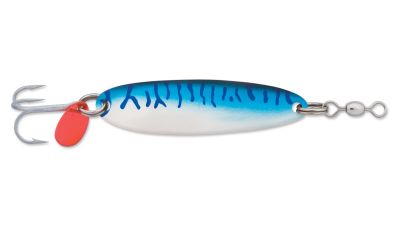
When barracuda are nearby, it's almost certain you'll be reeling in. In the summer months, barracuda will often follow schools of bait into bays. Smaller barracuda often make the bays their home, making them a common catch. One of the largest barracudas I've ever seen, well over three feet in length, was caught at Dana Landing in Mission Bay. The record is over 15 lbs, and I'm confident this one was close to that. Barracuda can often be observed herding baitfish on the surface before striking. Jerkbaits and shiny spoons are effective options for targeting them.
The Pacific Barracuda probably reponsible for more saltwater fishing fun than any other species.
Sand Bass
Sand bass is another beloved species in our bay and inshore fisheries. One reason for the affection for this species could be its sporadic presence, somewhat like California's fondness for albacore due to their shared sporadic appearances. Moreover, Sand Bass are commonly found in the bays and harbors of Orange County and Los Angeles, although they can be found throughout Southern California. During mating times, Sand Bass often form large congregations and become highly active, resulting in excellent fishing opportunities.
The most remarkable aspect of fishing in Southern California's bays, estuaries, and harbors is that, at any given time, you can encounter the species mentioned above using the same methods, similar tackle, and techniques with just minor adjustments. Going out and catching various species is a lot of fun, whether it's for the dinner table or for sport.
Some years thier plentiful others they’re almost MIA, the Sand Bass another adored species of the Southern California inshore fishery.
When targeting the species mentioned above, various approaches can be used. Many specialists in this fishery keep a range of outfits ready, from super-light to medium-heavy, as each has its place in these inner waters.
Sharks & Rays
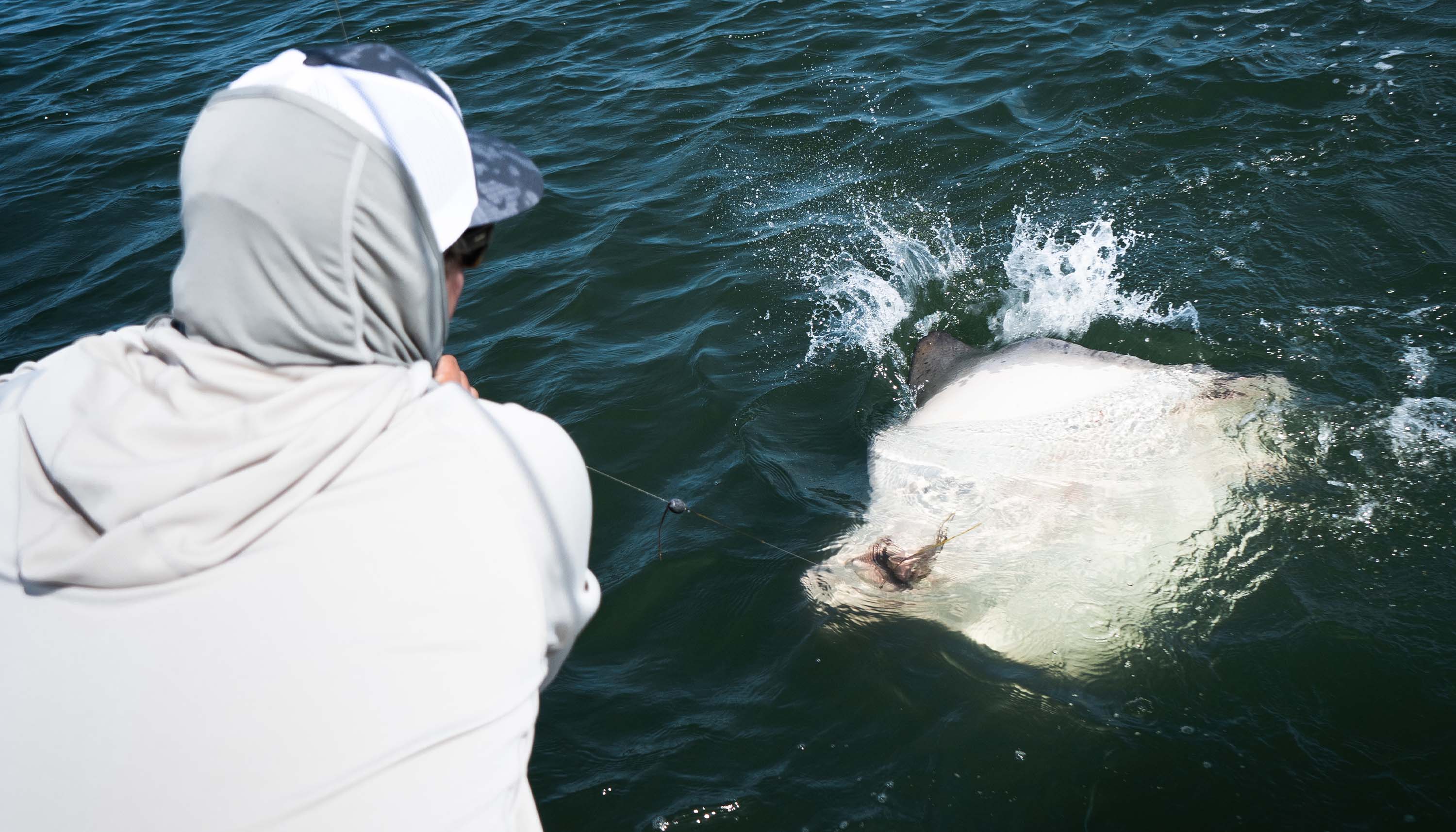
Our bays and harbors offer diverse opportunities for sharks and rays as well. For those anglers who aren't satisfied with light tackle options, this one's for you. Many rays and sharks in these inshore waters can grow quite large, with some exceeding the 100-pound mark. This is a no-frills, non-finesse fishery targeted with natural bait on the bottom. Any setup in the 50 to 80 lb. range will suffice. The simple act of placing some dead bait on the bottom will quickly make you reconsider your intention to get a workout from some of these species.
Less Common Encounters
As a final thought on the species to catch, it's worth noting that it's not just the aforementioned species that are available to us. On rarer occasions and during years when water and bait behavior deviate from the norm, some additional species can be encountered, with some being more common than others. However, typically, these species do not consider bays and harbors their natural habitat. These species include, but are not limited to, bonito, yellowtail, white sea bass, broomtail grouper, black sea bass, sargo, and bonefish.
Tackle
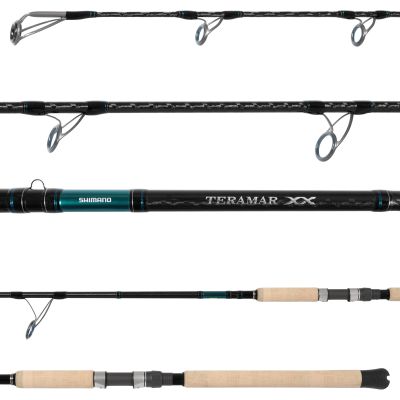
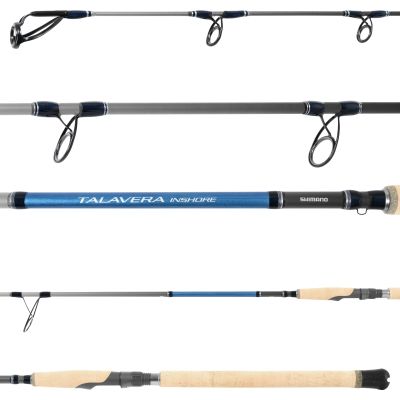
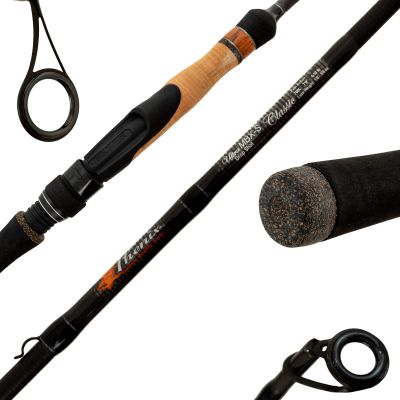
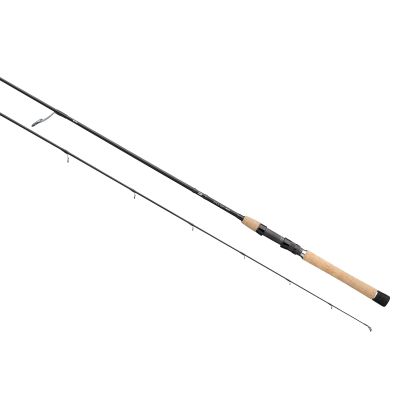
Spinning Tackle
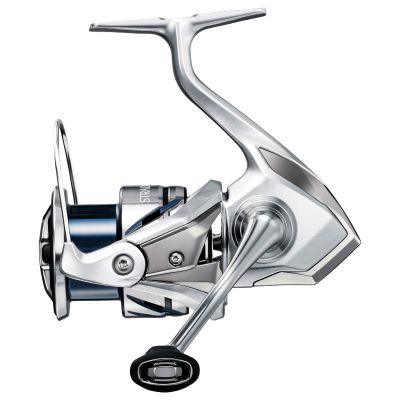
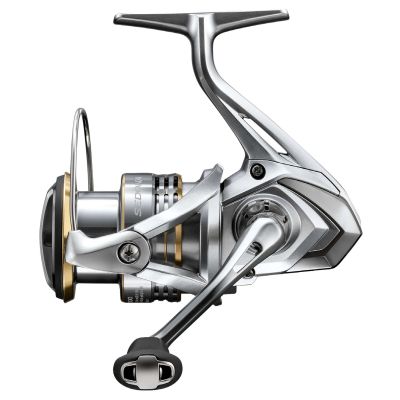
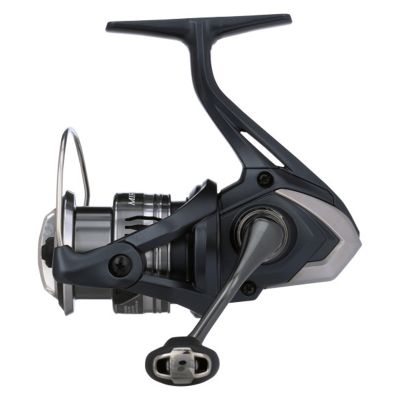
Spinning tackle is typically chosen when a more finesse presentation is required, such as when using a Ned rig or notably smaller lures. With spinning tackle, an angler can cast a significant distance with a very light lure. Many brands offer excellent small saltwater reels. When searching for the ideal reel, it's preferable to have a sealed drag since saltwater is prone to causing corrosion.
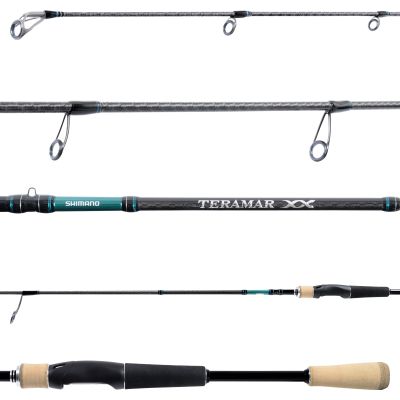
For those who prefer a sporty experience, a 500-size reel can suffice. However, anglers may opt for larger 3000-sized spinning reels when gearing up for bay fishing. The braided fishing line should be matched to the reel size, which can range from 10 to 30 lbs. Using a fluorocarbon leader ranging from 6 to 15 lbs. is appropriate for this fishery. A spinning rod that matches your reel size in the medium category, and falls within the 6.5' to 7.5' range is ideal.
When targeting larger species like halibut, sharks, and rays, some anglers opt for spinning reels equipped with a bait feeder mechanism, which is a great choice.
Baitcasting Tackle
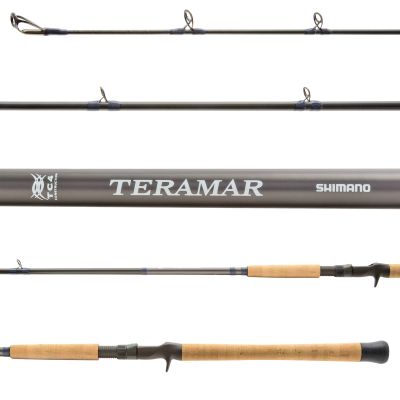
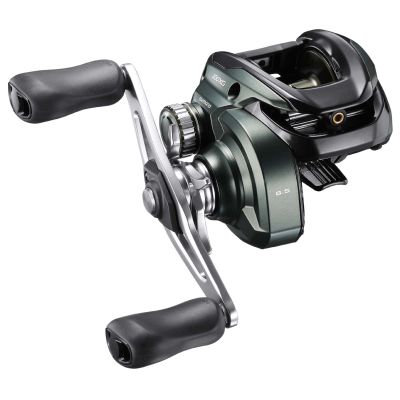
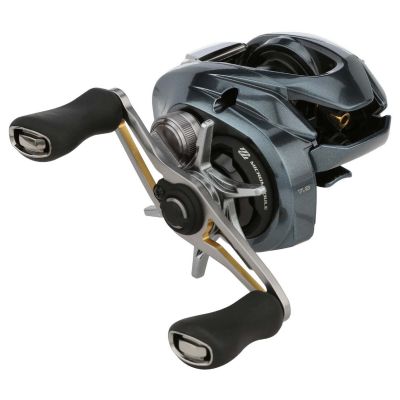
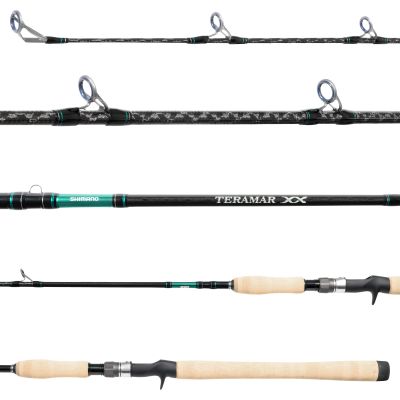
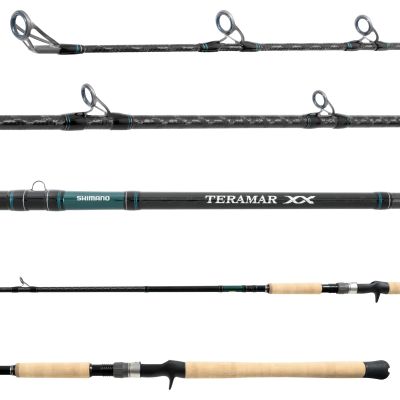
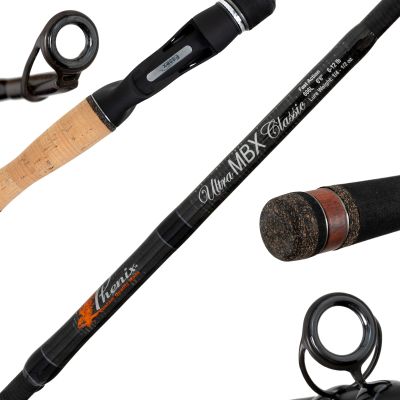
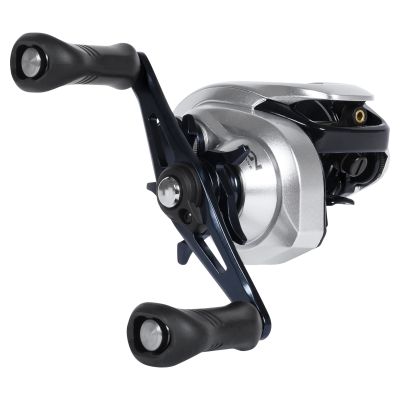
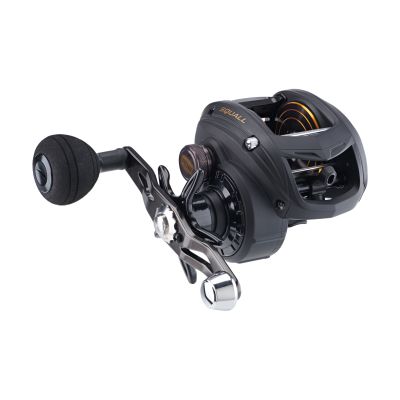
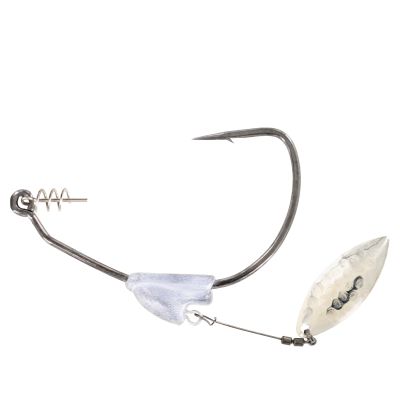
Many anglers also opt for baitcasting setups, which provide them with the ability to feel their presentation more distinctly. This is particularly useful when fishing with heavier presentations like an Alabama rig or larger-sized jerkbaits. There's a significant overlap in presentation and tactics between anglers targeting largemouth bass and those engaged in saltwater bay fishing charters. As a result, much of the gear used in largemouth bass fishing, including baitcasting rods, baitcasting reels, and lures, can be easily applied to this fishery.
When it comes to baitcasting reels, 150-300 sized reels are ideal, and while many reels designed for freshwater use are suitable, several companies have fine-tuned this size of bait caster for saltwater conditions. Additionally, for your line, you can opt for heavier options compared to your spinning tackle. For the right reel, I recommend 20-30lb. braided line, once again matching your fluorocarbon line appropriately for the lure, presentation, and the species you're targeting.

Lures & Tackle
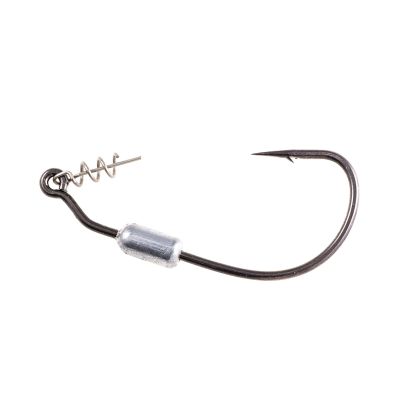
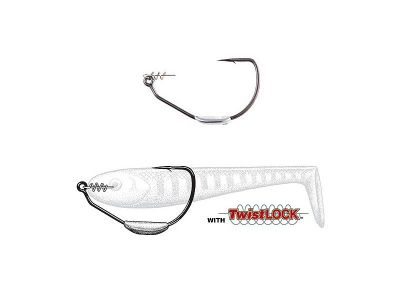
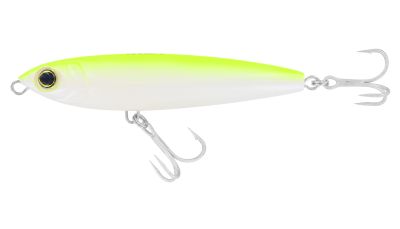
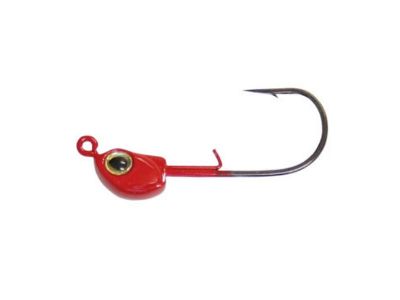
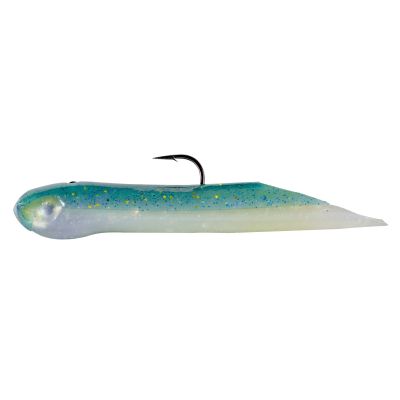
Our bays and harbors offer a great alternative to fishing outside their protection. Many of us have set schedules and aren't able to strike when the weather lines up. The option to fish these bodies of water will keep things fun and your abilities sharp for when the opportunity to go offshore presents itself.
Tight lines.