


This latest Southern California winter has been unique. We’ve had to acclimate to tons of rain, wind, and swell, which have kept most of us tinkering with our tackle in the hopes of better times. Through it all, there is a light at the end of the tunnel, and that’s the opening of Rockfish/Groundfish season on April 1, 2023, for Southern California. The opener for many kicks off the fishing season with anglers able to target various groundfish species. This fishery has a few names associated with it: Groundfish, Rockfish, and Rock Cod. Mostly, these names are a way of grouping several benthic species along the California coast. While the premier target is Rockfish, which has more than 50 species in its family, additional species also fall into the grouping of groundfish (i.e., whitefish, sheepshead, lingcod, sculpin, cabezon, greenling, etc.).
Locating Productive Bottom
Regardless of where on the west coast you’re fishing for Rockfish/Groundfish, one thing you’ll find familiar is structure. As their name suggests, this grouping of fish is associated with rocks and the bottom, structures, drop-offs anything that will give baitfish any coverage at depth will provide angling opportunities. At times you’ll be surprised by how a small cropping of rocks might be all it takes to get a congregation of fish. In looking for the ideal structure and substrate when targeting them, get versed with your up and down fishfinder. A fisherman versed in their electronics will have a great deal of success in locating spots for rockfish/groundfish. It also gives the angler the upper hand in finding their own spots rather than going to the ones that get hit daily, which will be more pronounced and easy to find. Most of the time, the process is to get upwind or up-tide from the structure and drift through it. Too much wind and too much tide, and you might miss your opportunity, so it’s essential to have the correct gear and tactics to reach these areas and try to keep your presentation over the targeted structure. The common practice is not to anchor on the spot, as you’ll want to keep checking new areas for productivity.
Whether you’re targeting the bottom with lures or bait, there is tackle specialized in helping you get to these areas.
Fishing At Depth
For 2023 you’ll want to ensure you are well-versed with the depth restrictions associated with calendar dates for the Southern California Groundfish management area. In 2023 all depths will be open to targeting Rockfish and Groundfish from April 1 – September 15 (excluding the Cowcod Conservation Area, which has its own depth restrictions). Previously, the region was limited to a 600’ maximum depth. This is especially exciting information regarding this fishery as it opens a whole new landscape for rockfish and groundfish enthusiasts to target. Some of these newly opened areas have been closed for over two decades. The new depths beyond the 600’ is additionally exciting in that there is potential to target and capture species seldom available in past fishing depths. Additionally, this new depth allows for opportunities to target species considered as shelf and slope Rockfish species that are more abundant at greater depth.
Beyond Rockfish, additional species have anglers excited in these new depths. Whether for table fair or just the excitement of new species, anglers are chomping at the bit to explore the abyss. Below are some of the species you’ll encounter that make great dishes:
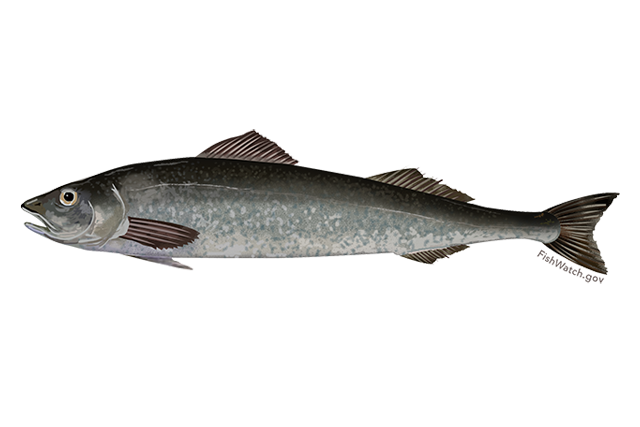
BLACK COD/SABLEFISH/Anoplopoma fimbria
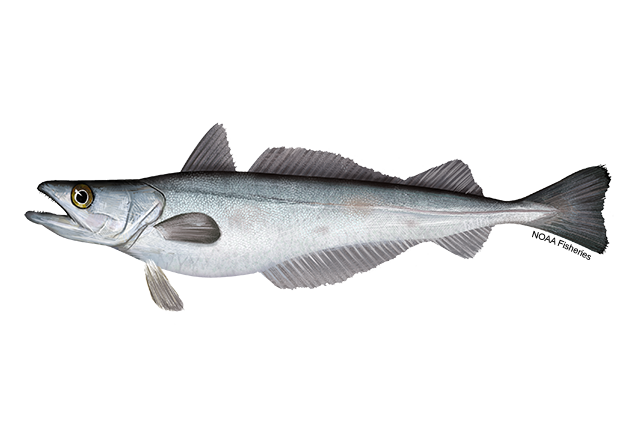
PACIFIC WHITING/HAKE/Merluccius productus
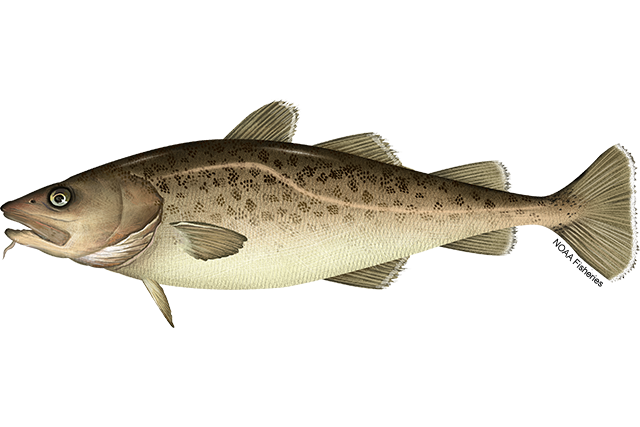
PACIFIC COD/Gadus macrocephalus
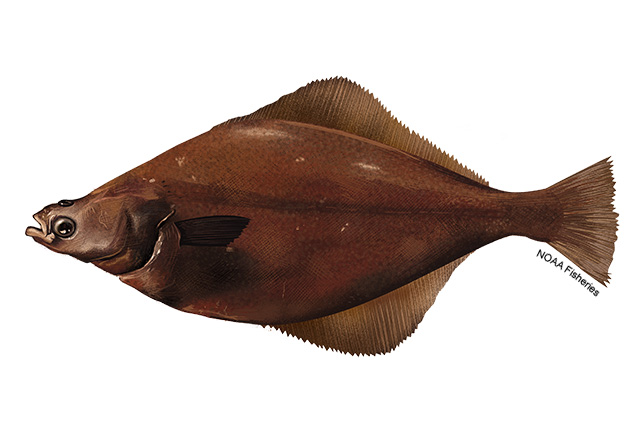
ENGLISH SOLE/Parophrys vetulus
Images provided by NOAA Fisheries. NOAA label is for image credit only. It does not signify an endorsement of Melton Tackle from NOAA.
Get To The Bottom
Regardless of the technique implored to target this fishery, whether using bait or artificial lures, you’ll want to get to the bottom as quickly as possible to reach the structure and avoid your fishing line scoping out. Scope occurs when you get an angle in your line from a drift caused by the boat moving, the water resistance drag on the line, current and the weight of your presentation, are all attributed to scope. The result of your line scoping equates to letting too much line out; this, in turn, causes the inability to feel a fish bite or simply the failure to reach the bottom.
Line
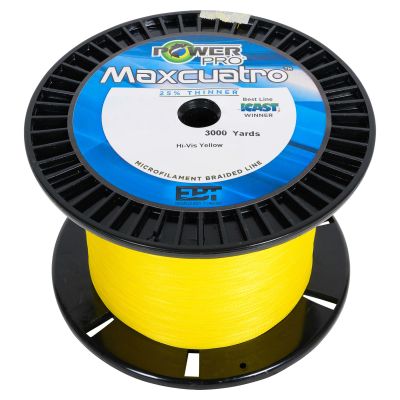
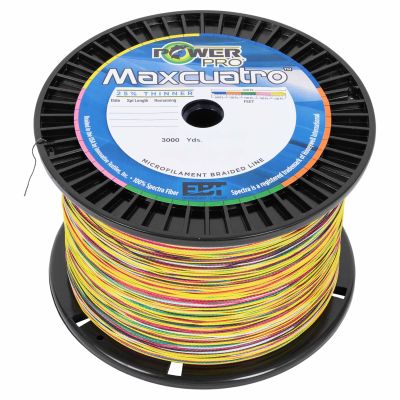
Having the appropriate line is the most critical part of to avoid scoping. It’s essential to use a low-stretch line that has minimal water resistance. For this reason, when fishing at depth, we’ve done away with monofilament line. Solid braided line is the optimal line for this fishery, and braid provides little to no stretch and has a small diameter, providing minimal drag. When fishing braid in these deep fisheries, try to go as light as possible for the smallest diameter in line. Coupled with using the appropriate weight will allow your presentation to be on the bottom quickly and will allow you to feel those subtle bites.
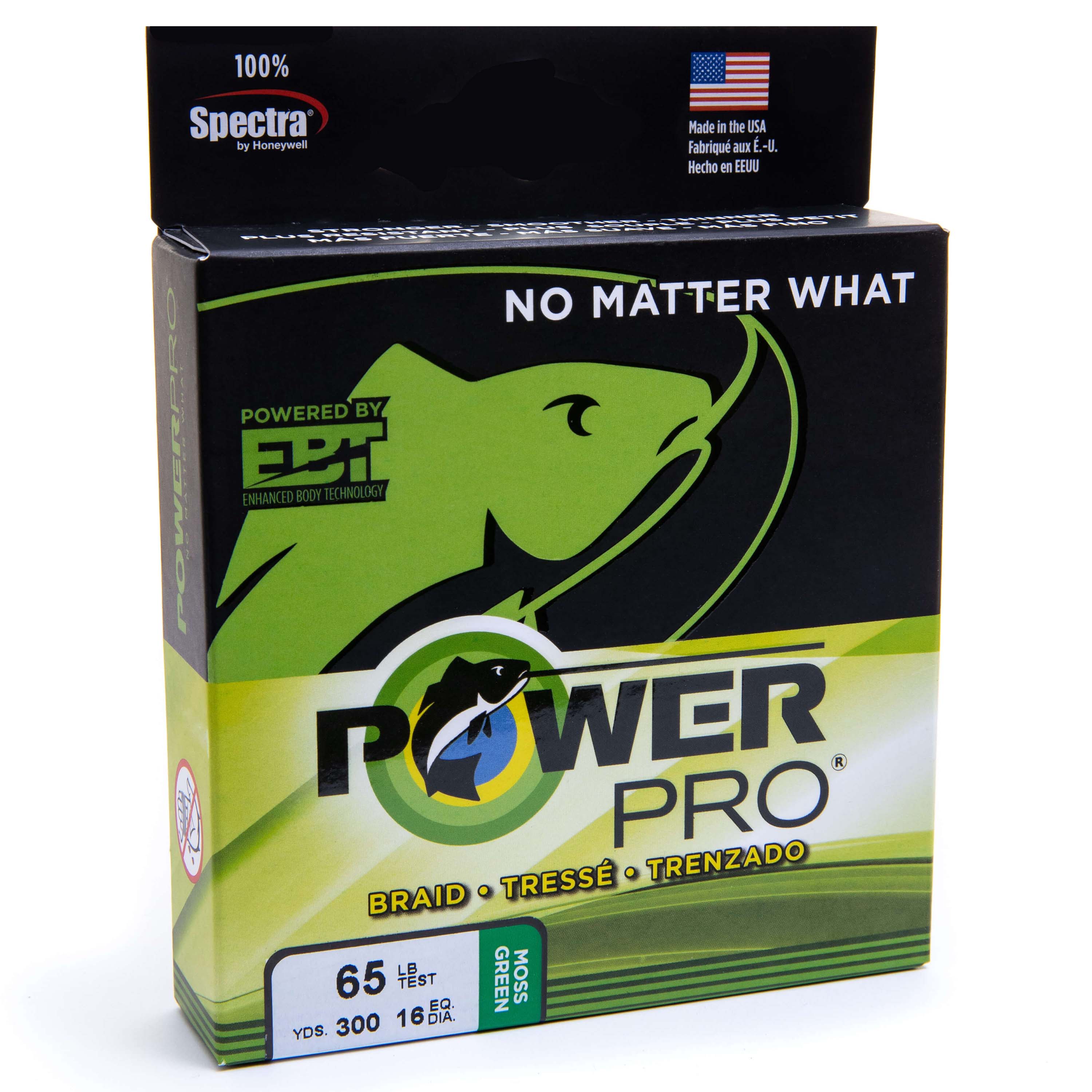
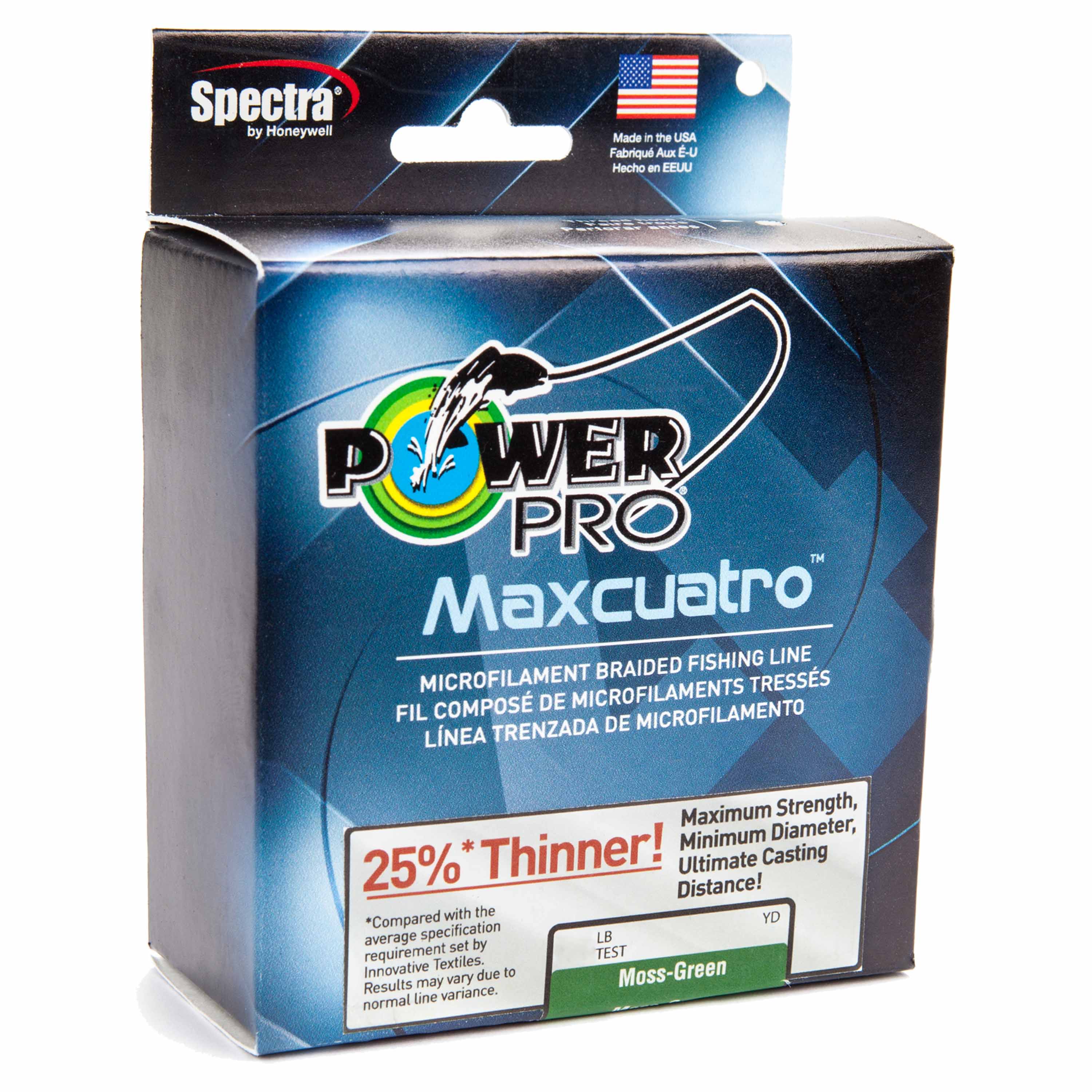
While there is no shortage of brands that develop qualiy braid, PowerPro Spectra and PowerPro Maxcuatro are undeniably two of the best for this application.

Reels
While the line used in this fishing style is essential, getting your bait and line to and from these great depths via your reel is equally crucial. Within this topic, there are two overarching options electric reels and manual reels. The last several years have dramatically improved tackle development in both camps. However, they both offer pros and cons, and depending on how often you plan to take advantage of this fishery, the tactics applied, and the depth you’ll most often fish may determine your preference.
Manual Reels
The main factor in selecting a reel will be line capacity and functionality. At times some reels may seem overkill for what’s not a large targeted species, but it more so comes down to line capacity.
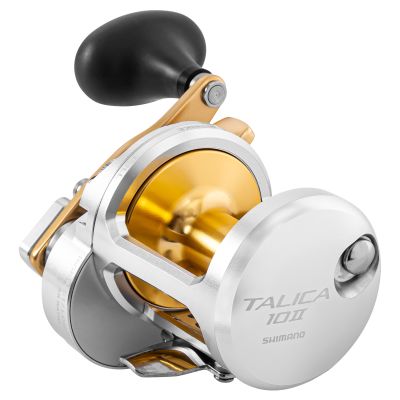
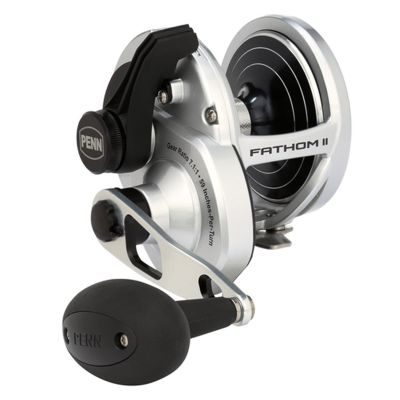
Whether you are using artificial lures or presenting bait, you want to get your line back at a reasonable rate. Many reels have a high gear ratio, but this tends to be obsolete if your spool diameter is small. To combat this, many brands have adopted making reels for this style of fishing that have tall spools meaning those with a larger diameter coupled with a high gear ratio and line capacity. Additionally, if fishing with significant weight, it may be ideal to use a two-speed reel to make things easier.
There are pros to using a manual reel; many anglers prefer a less is more approach, and with a manual reel you get just that—no needed battery, chord, or charging. Additionally, a manual setup allows the angler to be quite nimble and quickly move around the deck. Lastly, most anglers that adopt a manual reel for fishing at depth use artificial lures like jigs and other large, heavy weighted lures. A nimble, light manual reel allows you to easily manipulate your lure and do so over time without much fatigue.
On the opposite spectrum are the cons, and one surely outweighs the rest that’s reeling in your lure, bait, or hooked fish back to the surface from hundreds of feet down. If you’re looking for a sporting experience in bottom fishing, then manual reels are for you. This style of fishing for most maxes out when your targeting fish beyond 350’ at which point an electric reel becomes a necessity.
When pairing up these reels with rods, a considerable amount of personal and functional preference is considered. Many of the manual reels described below are considered to be fitting as slow-pitch reels, and depending on the weight and depth you’ll be fishing, you’ll want to find a rod manufacturer that calls these specifications out for that rod. Something to note regarding slow-pitch style rods is that as you choose to fish deeper and deeper, you’ll apply more tension to the rod due to the increased drag from having the line in the water. Therefore, it’s suggested to go up in specifications if you choose this rod style for very deep applications, for example, over the 300’ mark.
Traditional boat rods are not equally successful when paired with these reels. Ultimately it becomes a game of personal comfort. Several brands make great jigging rods, such as slow-pitch jigging rods, vertical jigging rods and boat rods that are suitable. Keep your rods light to prevent fatigue but heavy enough to combat the weight of your presentation. Lastly, because you’ll be fishing vertically, meaning straight up and down, there is less need for the length of the rod; shorter than 6 1/2’ is ideal.
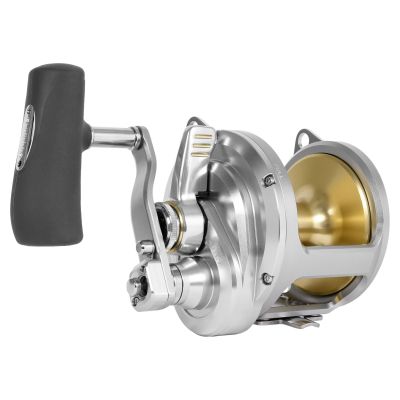
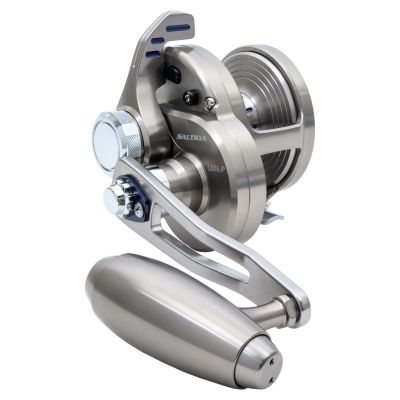
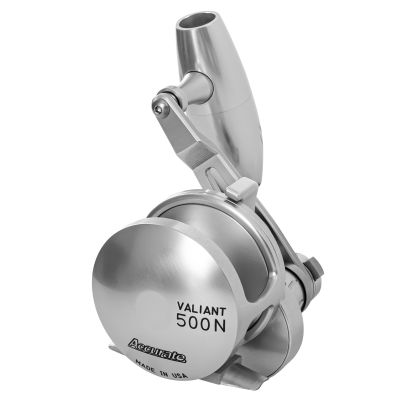
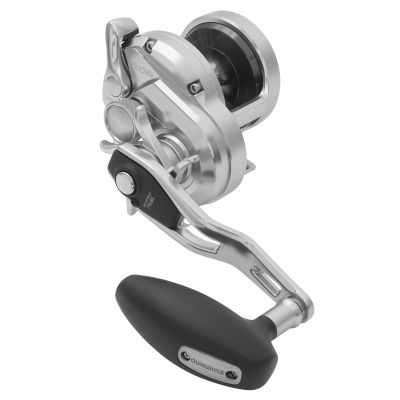
Below are some key reels which are our current favorites in planning for this fishery:
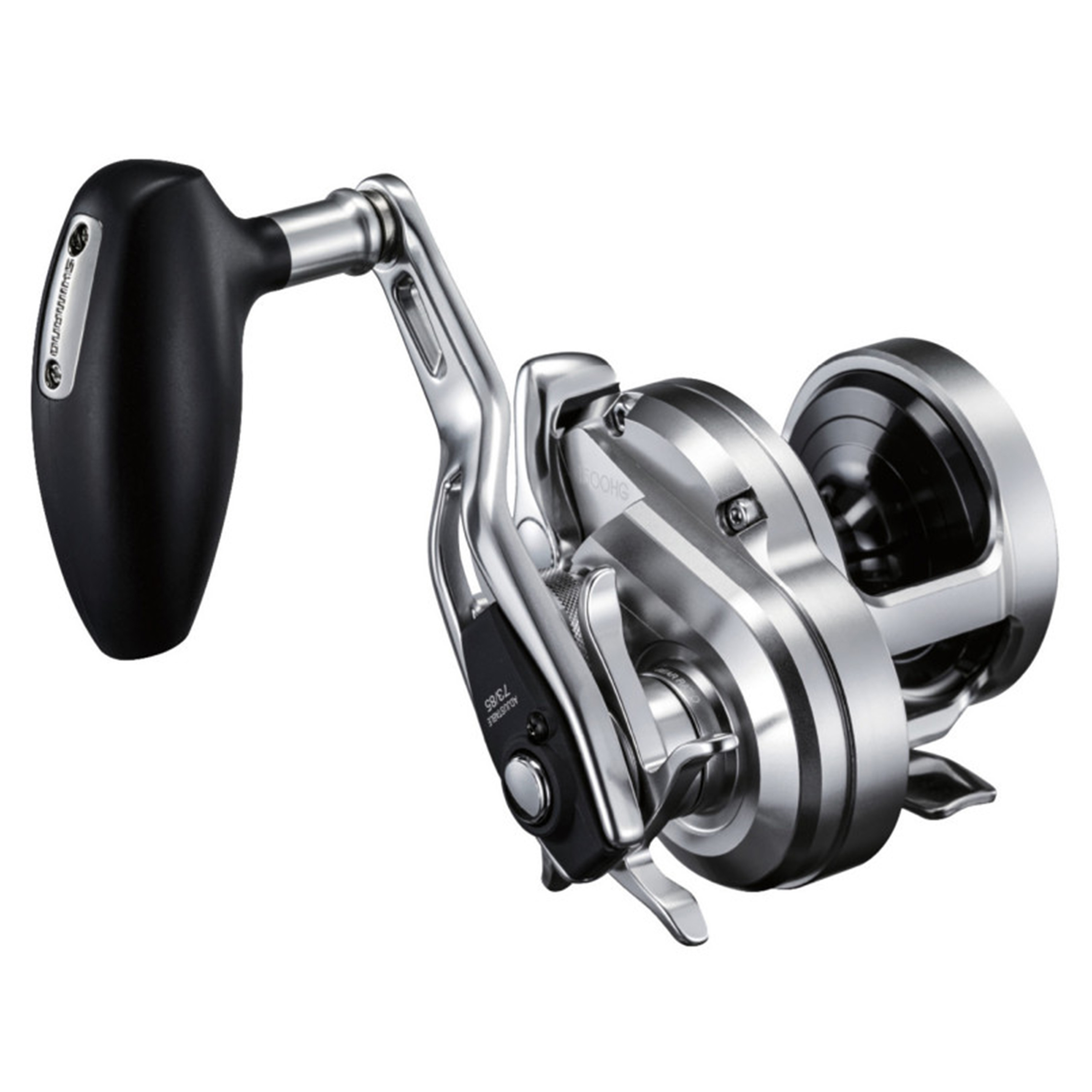
Shimano Ocea Jigger 4000HG Conventional Reel / Author's Choice
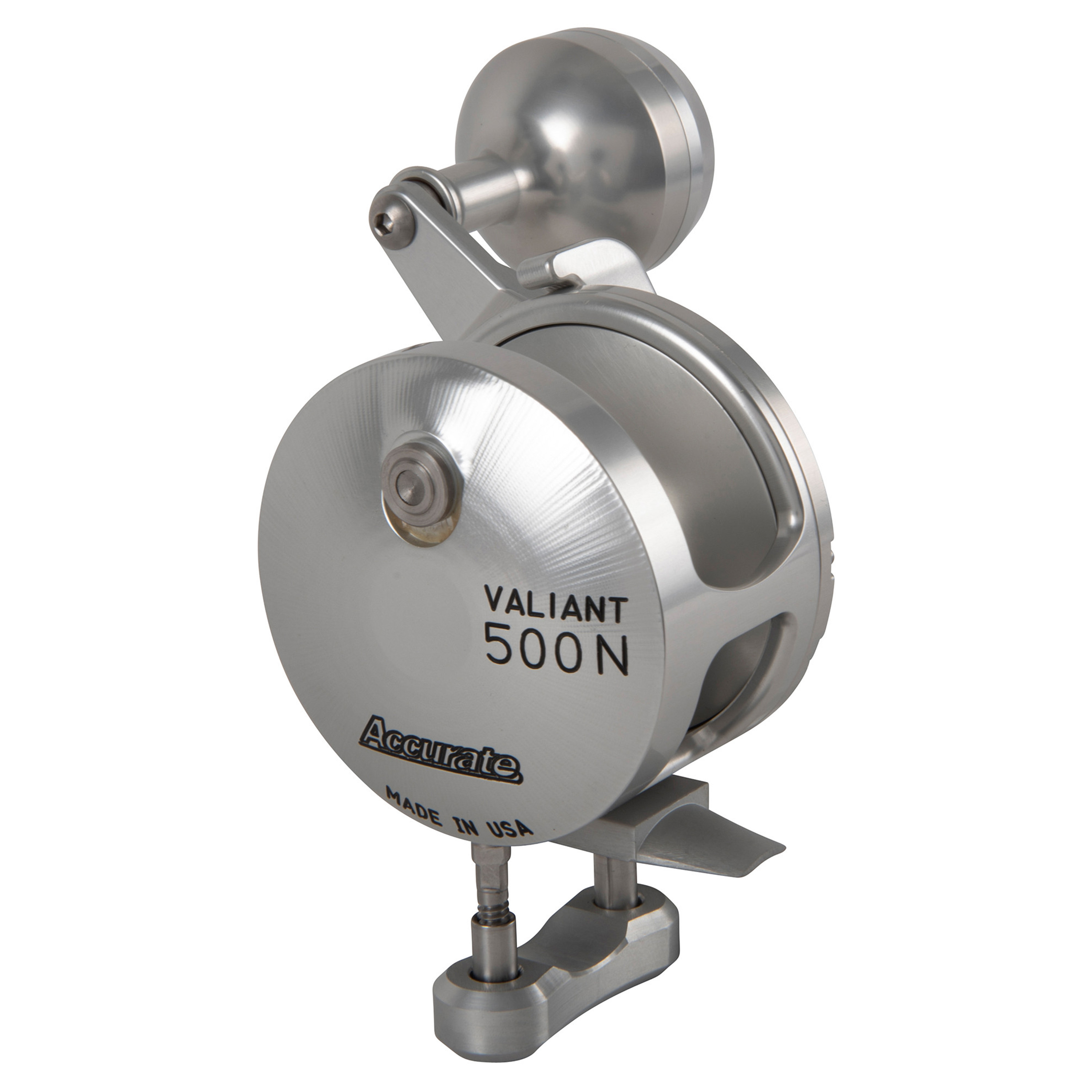
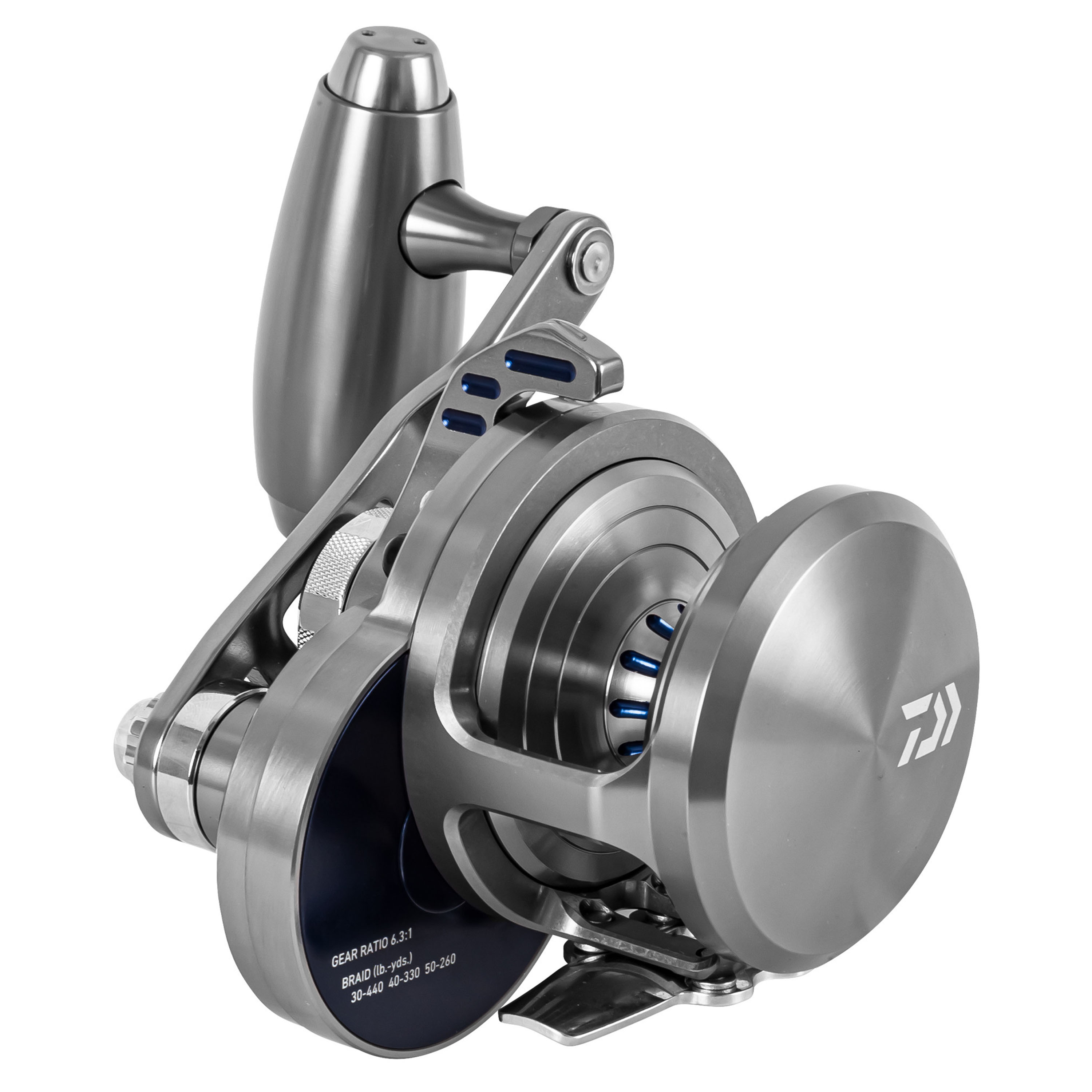
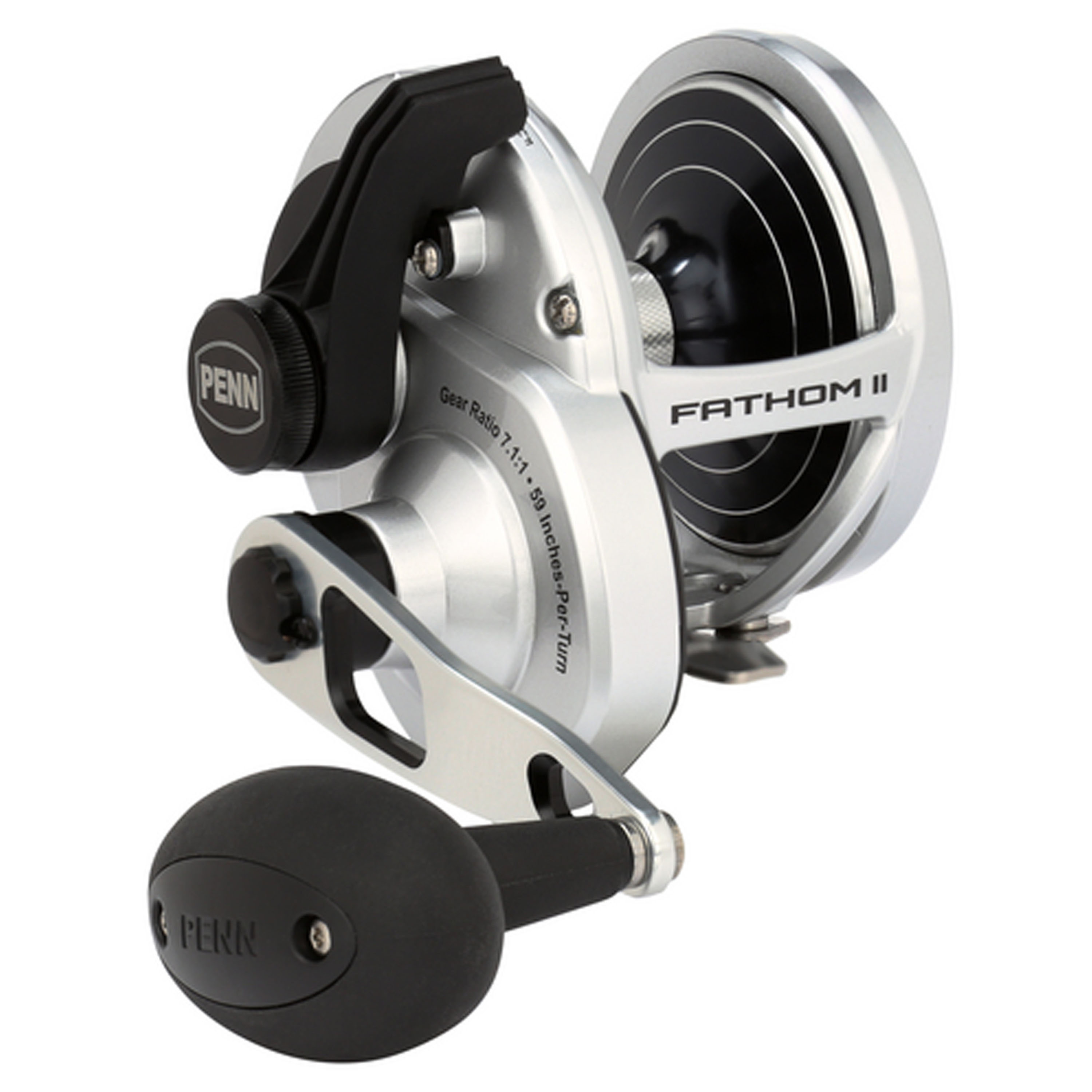
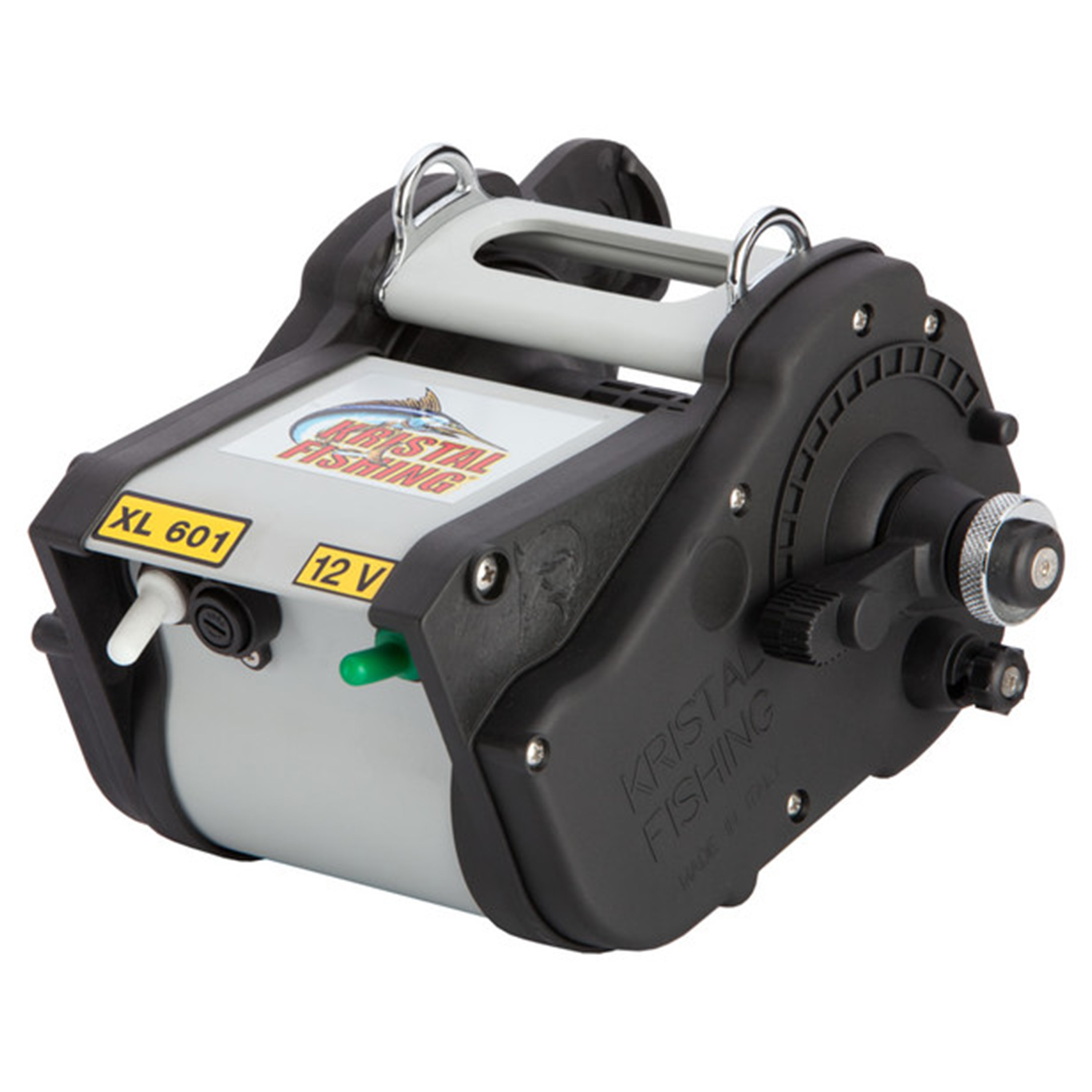
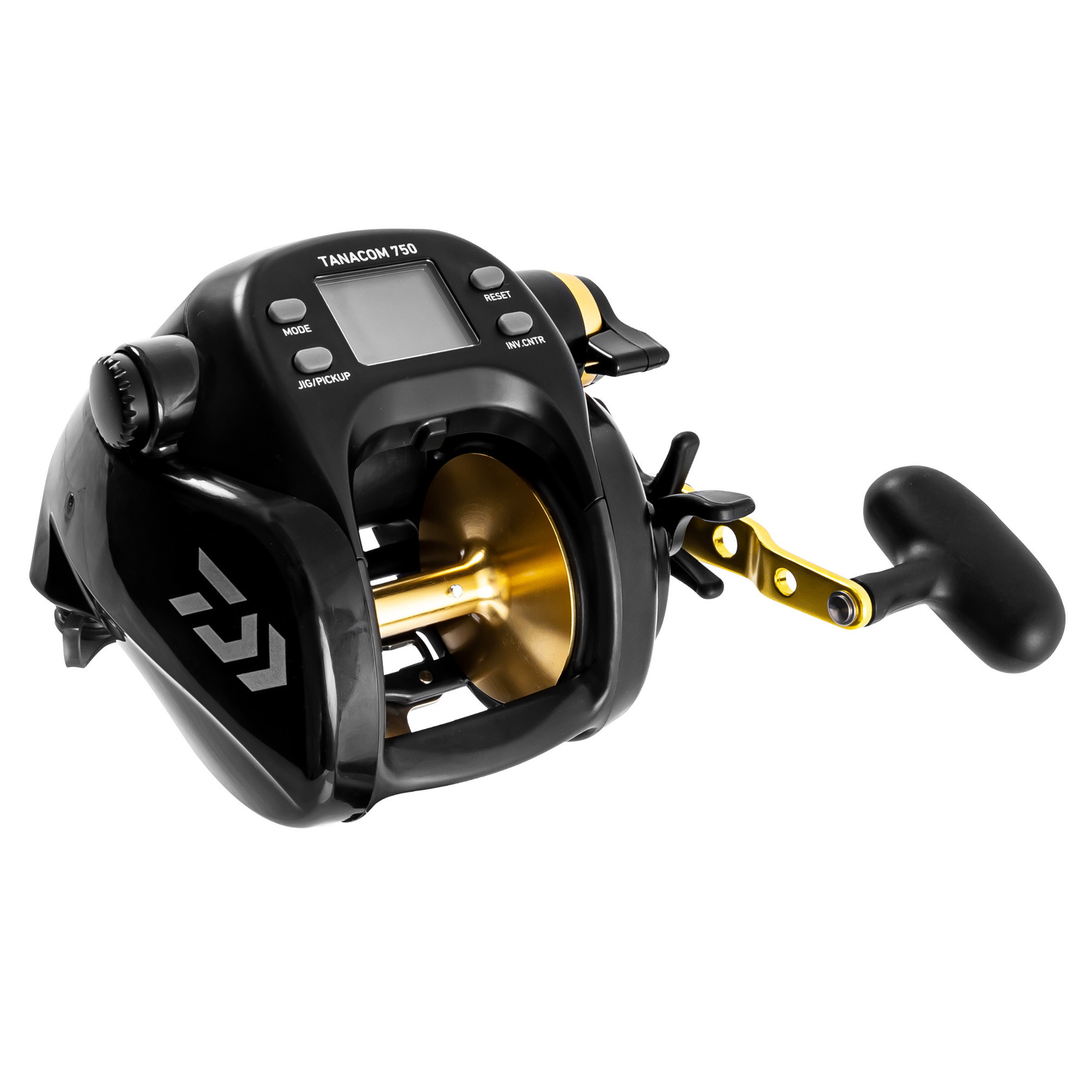
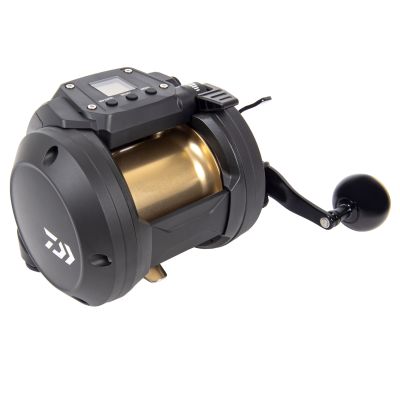
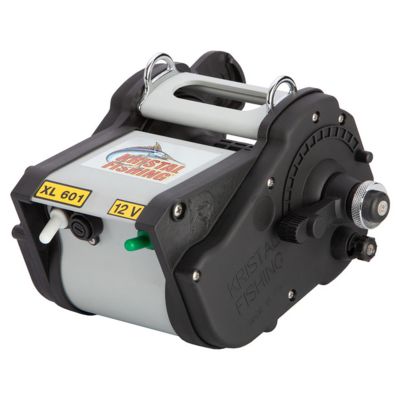
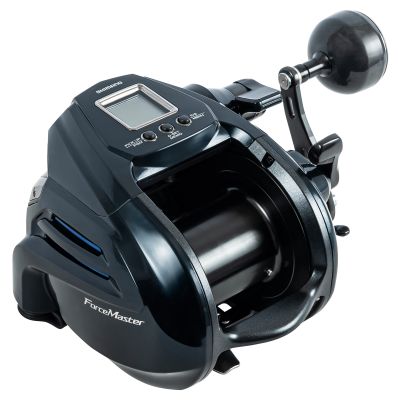
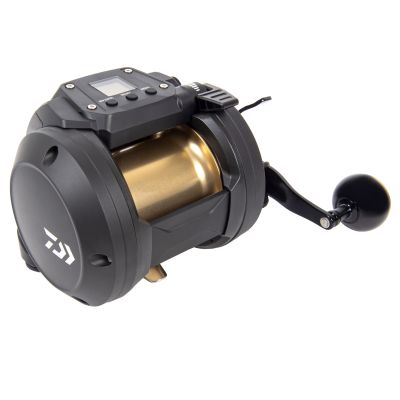
Electric Reels
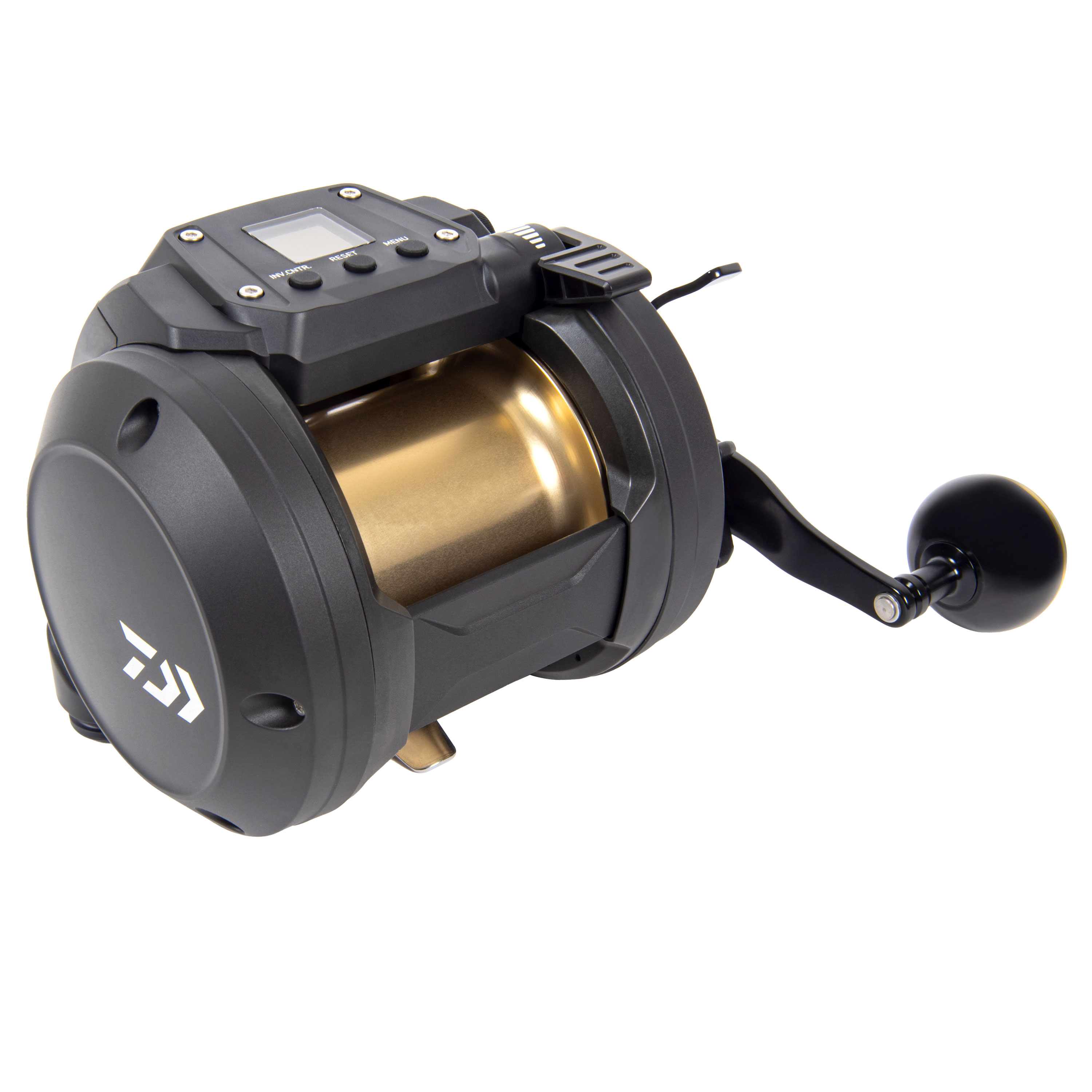
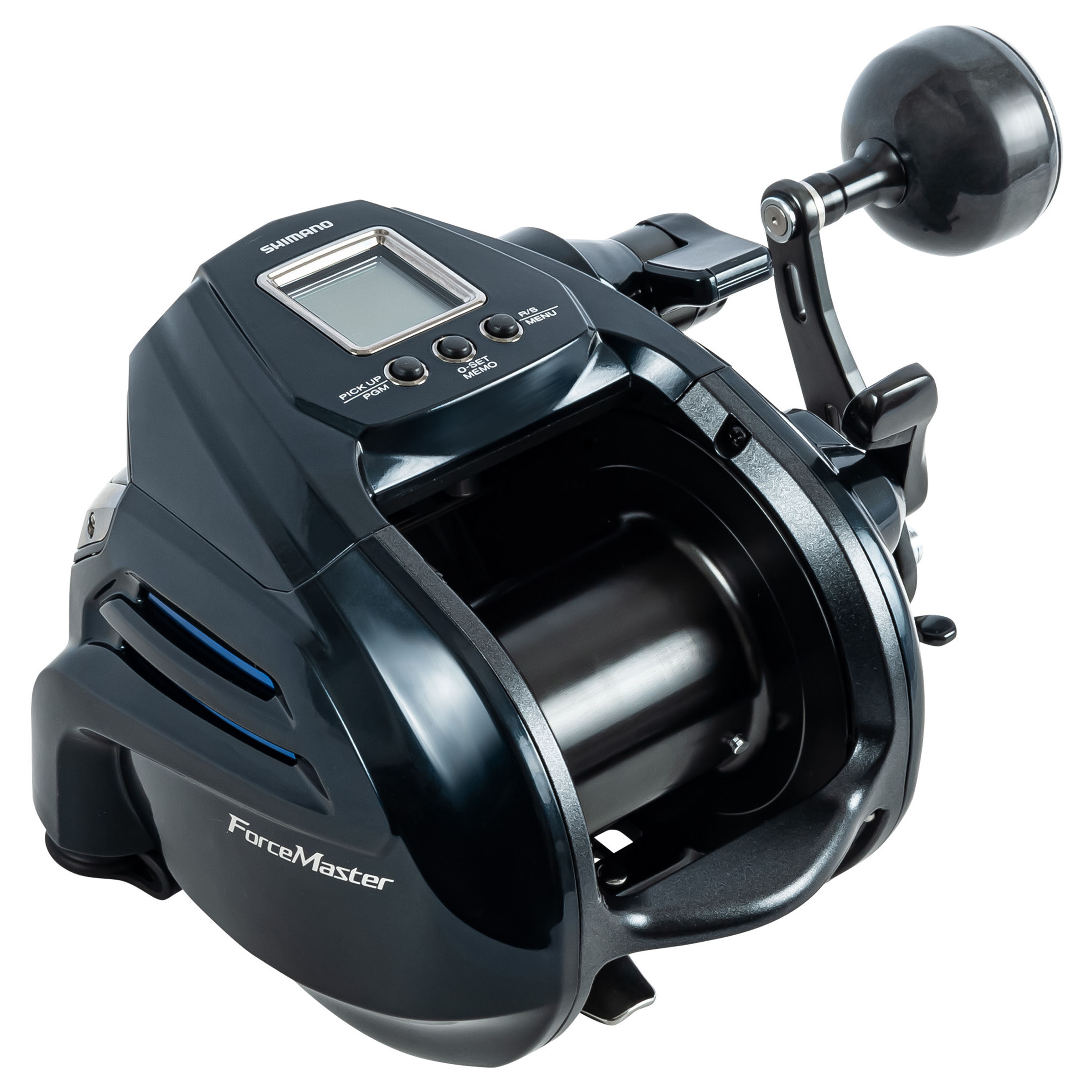
If you’re looking to target the deepwater canyons on the west coast for Rockfish and Groundfish, you couldn’t have picked a better time. Several reel manufacturers have noted our need for better tackle to target the deeper segments of the ocean and have been able to develop products specifically for that in the form of electric reels. What was once an unattainable product to the everyday customer due to the expensive barrier of entry at a high price point is now readily available and affordable. If you are genuinely interested in taking advantage of this fishery, this is the direction you’ll want to go.
The pros are unmistakable. The actual act of bringing in your line electronically is a game changer. These reels will allow you to make a day of bottom fishing and exploring different spots with minimal fatigue. The ability to drop over and over again in areas exceeding 600’ was just grueling in the past and accessible in today’s fishing world.
Similarly, as we can identify pros, there are always cons and a give and take when picking your equipment. To start is price point though these reels are now more affordable than they’ve ever been, they are still an investment that exceeds what you’d spend on a manual reel setup. Although these reels are set up with a variety of functions and many have a jigging mode it’s not the same as using a manual-style reel. The preference is to use bait with an electric reel. There is also the fact that you need to charge the battery and bring it along with you to connect to the reel, thus increasing the amount of gear you a bringing with you on the boat. Nevertheless, through the slight amount of inconvenience associated with electric reels, they are needed if you are looking to explore beyond the 350’ mark.
When selecting a rod for an electric reel, you’ll be choosing something that is ideally very specialized for this type of reel and style of fishing. This rod will often remain in the rod holder, and the angler will be operating the reel from this position. Due to this having a light, a nimble rod is no longer a requirement. a 5 1/2 - 6 1/2’ rod is ideal. These rods need a fair bit of give and flexibility in the tip to absorb boat roll in conjunction with the heavy weight you’ll often use. Additionally, the play in the rod is more forgiving and allows your weight to be retrieved straight up vs. at an angle. In many instances, anglers have adopted a curved butt to their rods to forego the extreme bend in the rod when retrieving.
Below are some key reels which are our current favorites in planning for this fishery:
On the east coast of the United States and several areas worldwide, bottom fishing in these deep locations is nothing new. However, out west, we are catching up to this fishery, and there is still plenty to learn. It’s an exciting time to be an angler in Southern California. Our vast improvements in tackle and equipment and access to new fisheries allow for neverending possibilities. We’re excited to see what this year unfolds, and the treats from the deep our customers will be able to attain.
Reviewing this article, please remember that the depths we speak of are specific to the Southern Groundfish Management Area. Within this area is the Cowcod Conservation area, which has its particular depth, timing, and species regulations. Beyond the regulatory information from the California Department of Fish and Game, we recommend that all anglers targeting groundfish species visit the links at the bottom of this article to get fully versed in the regulations.