

Among the thousands of shapes and forms found in the ocean, the wahoo stands out at the top of the list for its ferocious design. Its unmistakable appearance is perfectly tailored for speed, with a pointed nose, slender elongated body, and oversized tail, all of which liken it to a missile. While speed is the most notable attribute, it’s what it’s equipped with within its jaw that makes this species a formidable opponent. Wahoo are equipped with some of the most amazing denture structures in the animal kingdom. Its teeth are pointed and have serrated sides, which the lower and upper jaw fit perfectly into for a precise cutting tool, much like a pair of scissors. All these factors and more are why targeting wahoo is a specialized approach to angling.
Found in most subtropical and tropical oceans, the wahoo is one of the fastest gamefish. They are capable of short runs that cut through water unlike anything experienced with other gamefish. The technique in which they feed is additionally very specialized. Much of the time, wahoo target quarry that is larger than can be handled in one bite. As a result, they’ve adopted a technique of slicing through larger prey at high speeds to injure or cut in half and then returning for the rest. They are, in a sense, the velociraptors of the sea.
Globally there are many hot spots for wahoo, which is why they are such an adored species. There is no telling the size of wahoo you’ll get into on any given day, record catches have been made in just about every corner of the tropical and sub-tropical oceans. While there have been recorded catches that come close to the 200-pound mark, most wahoo caught do not exceed 80 pounds, which is truly a trophy catch. I’m not sure tangling with a 200-pound wahoo would be something most anglers would look to suit out to do.
As the species is found around the globe in tropical and subtropical areas, anglers from around the world have adopted numerous ways to target this gamefish. We’ll go through several tactics that have been used for wahoo. Please keep in mind regionally that there are always refined methods and techniques to target wahoo and what we present here is just scratching the surface of techniques.
Locating Wahoo
While wahoo is considered an offshore pelagic species, they are commonly associated with underwater structures or flotsam. Though it is not uncommon to encounter an open water strike from a wahoo, you’ll be more inclined to find congregations of them around a focal point. This may come in the form of drop-offs, banks, reefs, pinnacles, floating debris, temperature breaks, and more. Anywhere that may have a suitable location for bait to find refuge or be forced into currents via upwelling. Wahoo are often in schools of several fish and, at times, can form large schools of up to 100 fish.
While pinpointing where wahoo will be is not an exact science, we are able to get a rough idea of where they’ll be patrolling for their next forage. The good news is that they are gluttons for fast-moving trolled lures, which allows the angler to search vast areas in a timely fashion to determine where aggregations of wahoo will be located. Trolling, while some may not consider it the most gaming of techniques, is certainly the most productive tactic when it comes to locating wahoo. Once you’ve been able to locate wahoo through trolling techniques, other more sportsman-like techniques can be implored.
Trolling for Wahoo
There are numerous lures used to troll for wahoo, and they have one thing in common, most can be trolled at high speeds. The speed at which to troll for wahoo can vary from day to day, meaning it will take a little experimentation to get a sense of the mood and speed needed to entice a strike. As a benchmark, a wahoo is usually trolled for at 10-14 mph, but it is not uncommon to go even faster at times to trigger a strike. While high speed tends to your lure right at the surface, wahoo does tend to fall victim to subsurface lure more readily.
Marauder Style Lures
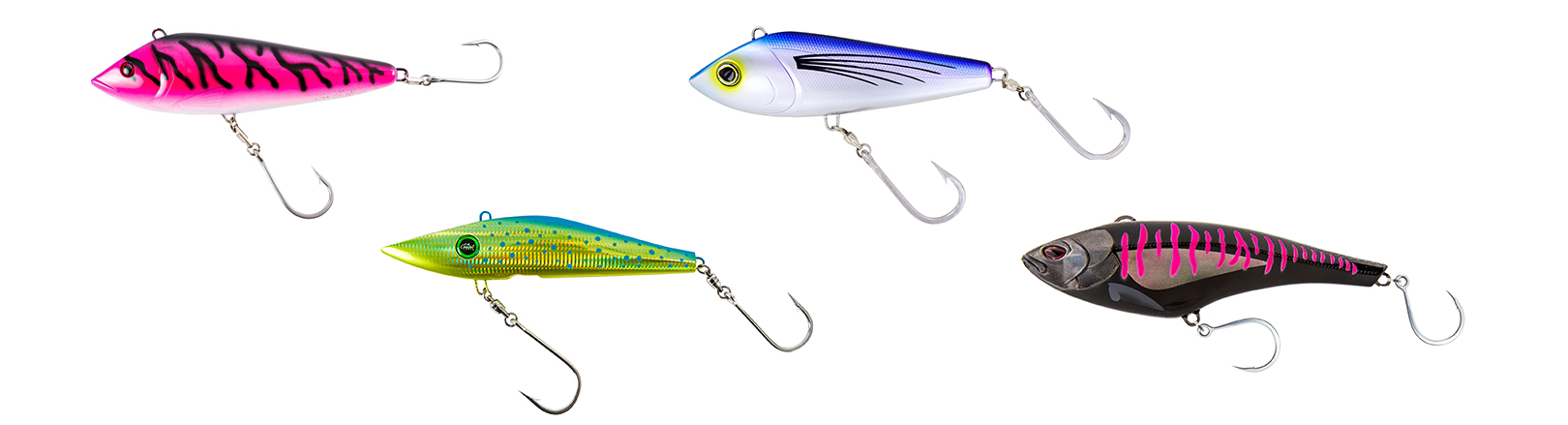
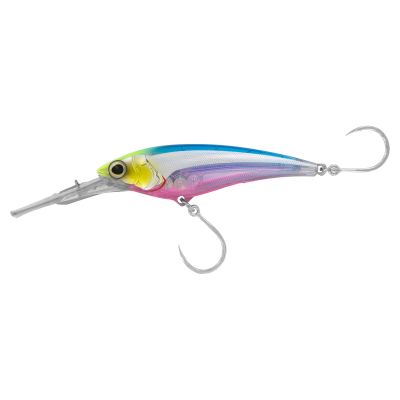
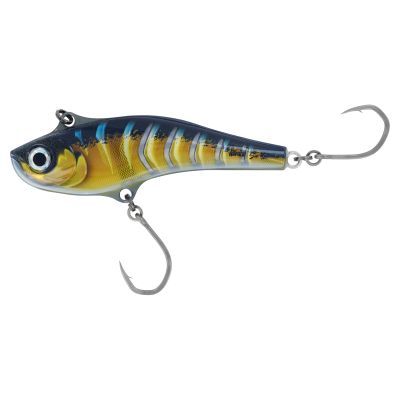
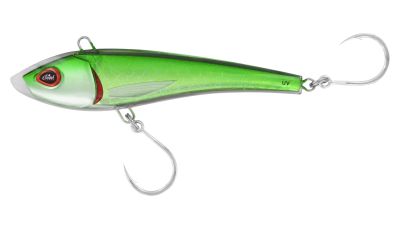
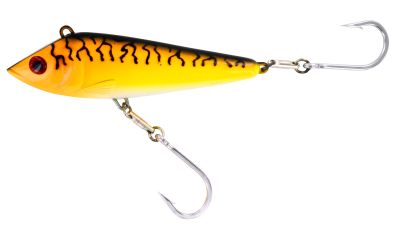
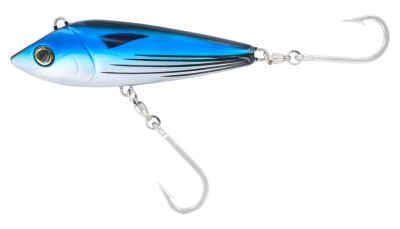
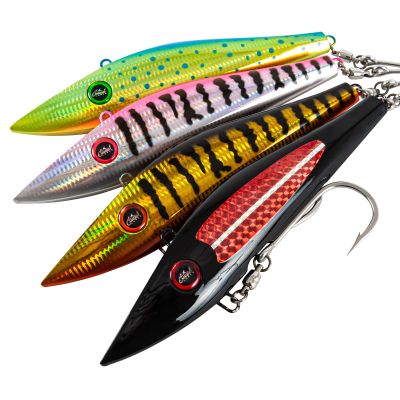
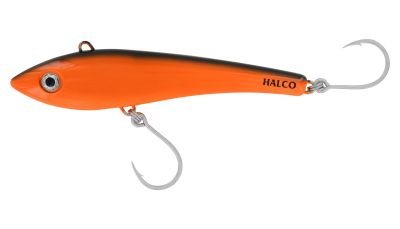
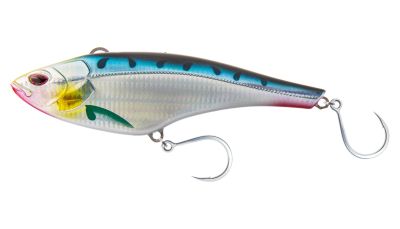
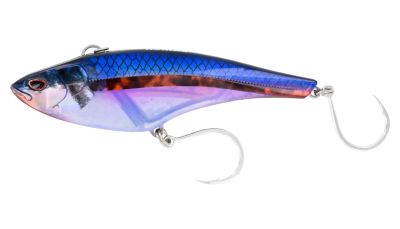
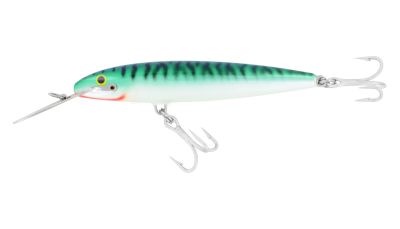
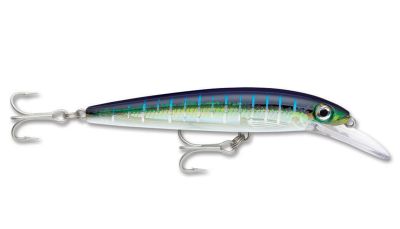
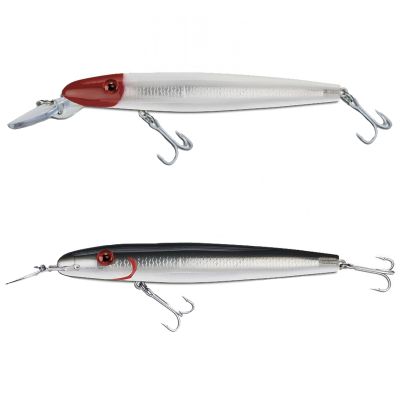
A marauder-style lure is a diving, high-speed lure developed off the design of the age-old rattle trap freshwater lure. Today several brands make their own version of this lure, a design that has been tested time and again for wahoo over several decades. While the original design is true and tested, some brands have taken their own approach to this lure and have added modifications to improve performance. Based on the behavior of wahoo tending to slice larger bait at high speed, it is common to use this style of the lure in a large size. Marauder-style lures emit a large vibration that attracts wahoo from far away. Anglers will often opt for using a larger-sized lure, which allows the angler not to have to use wire, making the presentation even more stealthy. The mouth of a wahoo is relatively small, and by sizing up, you can tie straight to the lure rather than adding a wire leader. Many captains opt for this presentation, especially when the bite is tough. Because the lure is larger, it is less likely to be engulfed or fall victim to the Wahoo's set of jaws. Marauder-style lures can be trolled anywhere from 10-14 mph, and some captains have even had success trolling as fast as 18mph. A piece of advice, be careful when reeling in your lure. Often wahoo will strike right next to the boat accounting for several rods lost boat side.
-
-
-
-
-
-
 Magbay Magtrak LuresOut of stock
 -
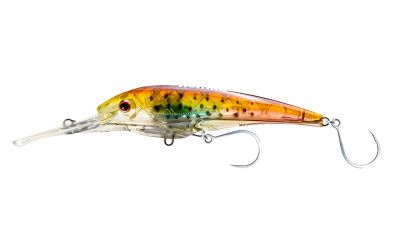
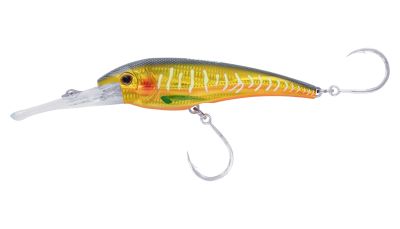
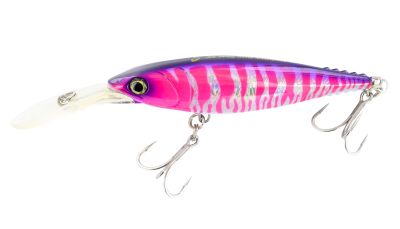
Diving Lures
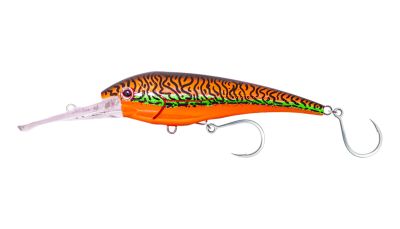
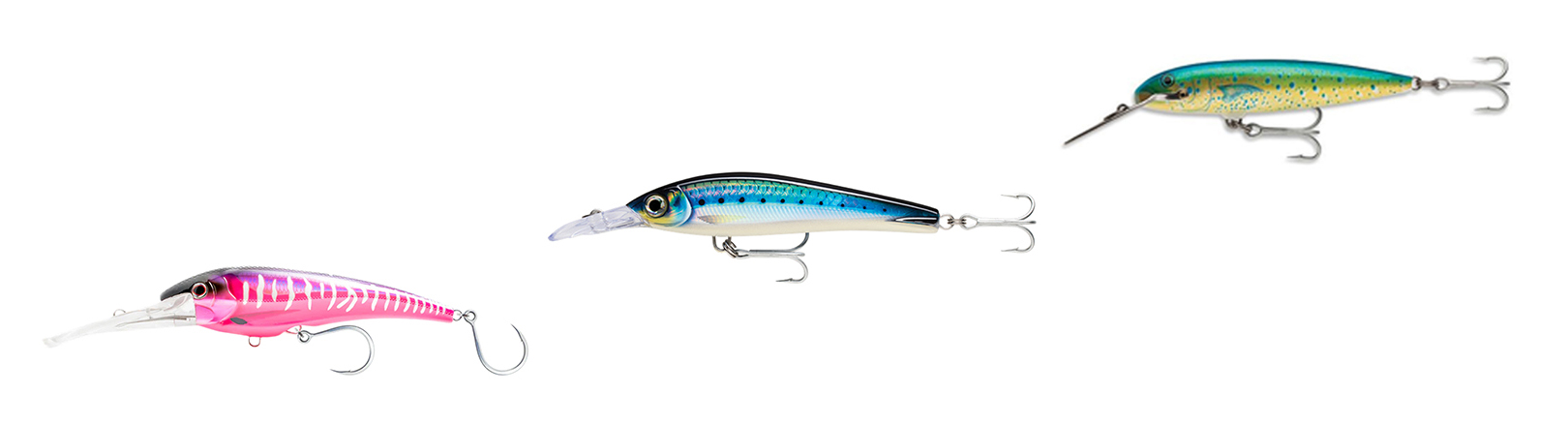
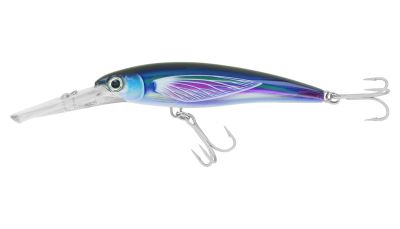
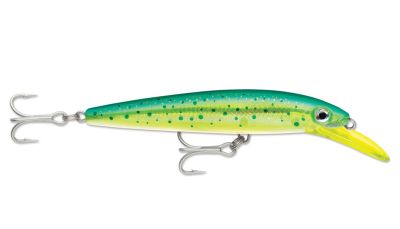
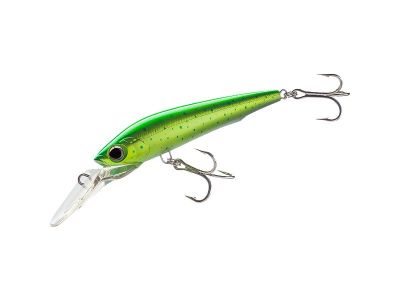
Diving trolling lures have always been responsible for a fair share of wahoo catches. Their limitations were based on the speed at which they would be able to be trolled. Today, that landscape has changed, and there is a great array of designs in diving lures that achieve speeds well into 10+ knots and are able to reach depths much greater than a marauder would. The challenge with diving lures is that at high speeds, they may veer to one side or another, causing a tangling with other trollers. So, if you do get a good diving lure that runs truly straight at high speed, make sure to hold on to it. Again, as with marauders, the recommendation is to run the bigger lures with a larger bill.
-
-
-
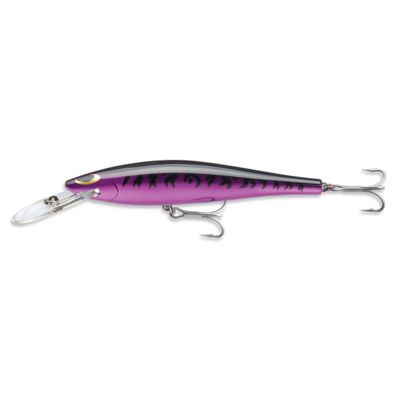 Williamson Speed Pro DeepOut of stock
 -
-
Skirts
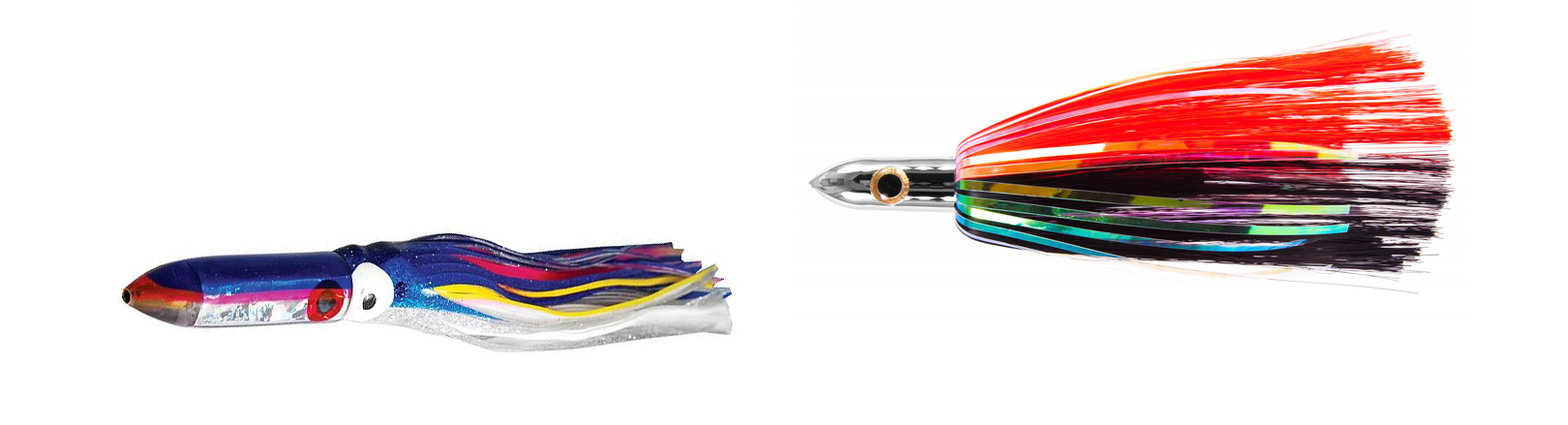
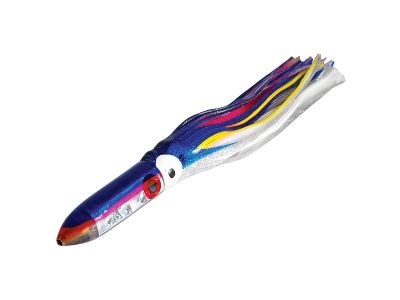
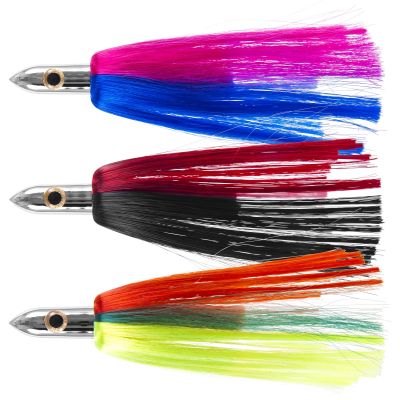
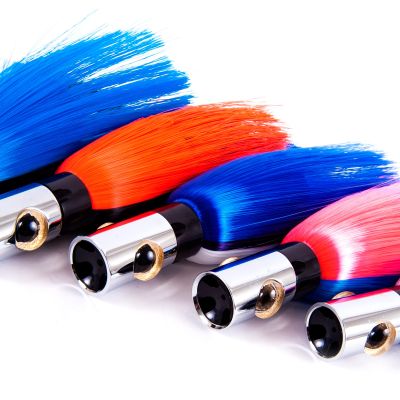
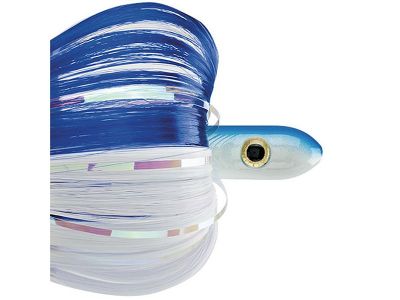
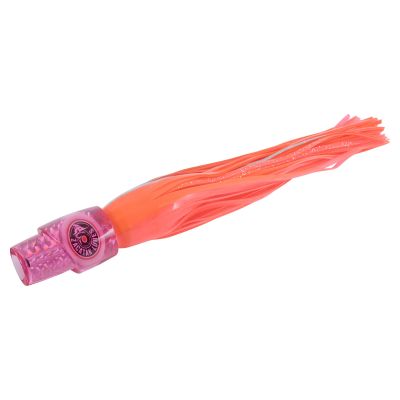
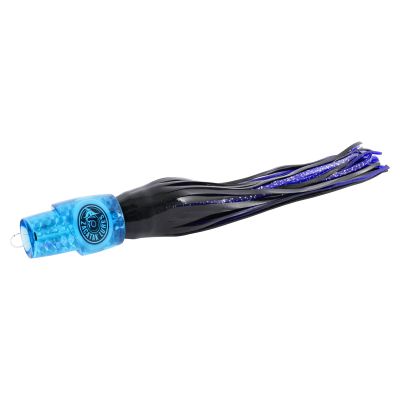
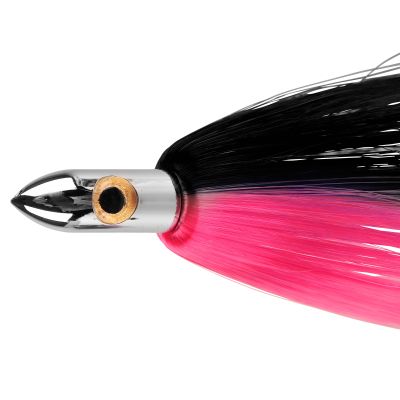
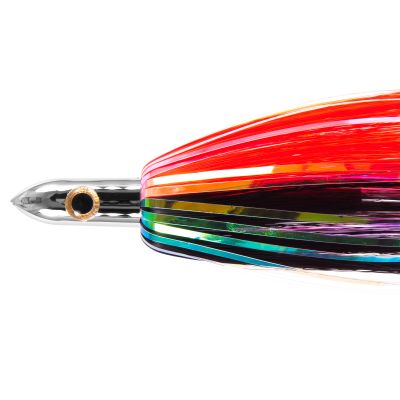
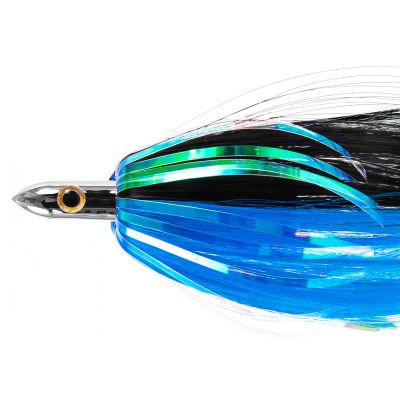
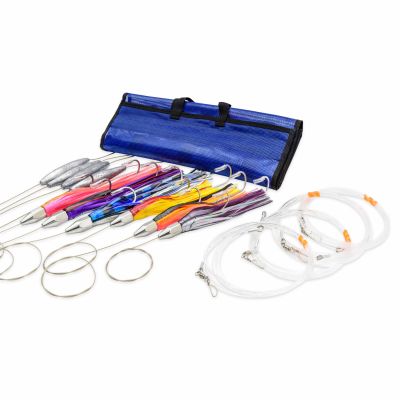
Less popular on the west coast and more popular throughout the Caribbean and the east coast is the use of skirts style lures. While normally, at high speeds, a skirted lure will place it right on the surface, many anglers have adopted methods to bring their presentation deeper. There are so many different styles, and it’s something you’ll have to get local knowledge on or experiment with. The common trait is that the lure should not have a slanted head and should run straight. Large marlin lures and sea witch style lures have proven to be successful options time and again.
Planers & Torpedo Weights
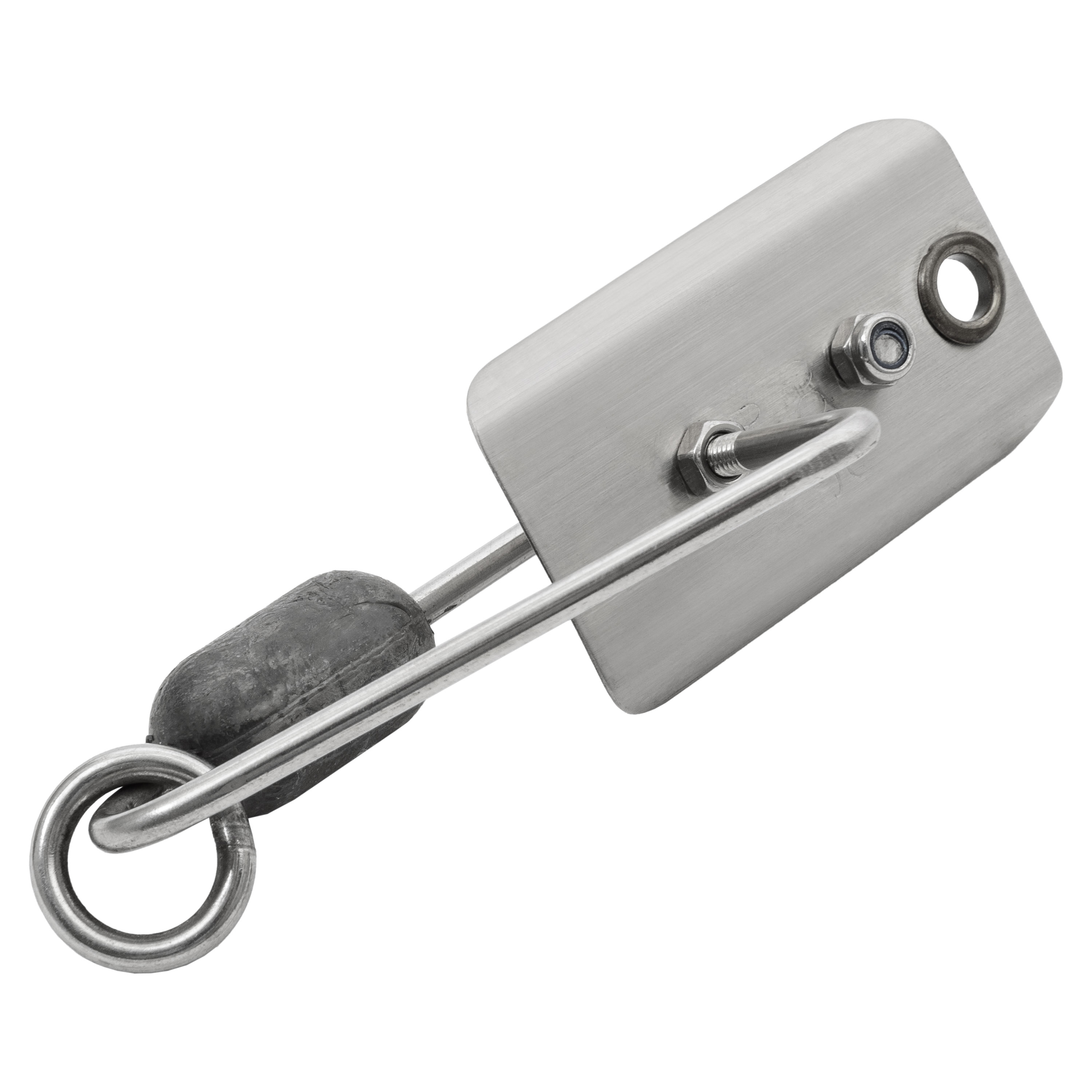
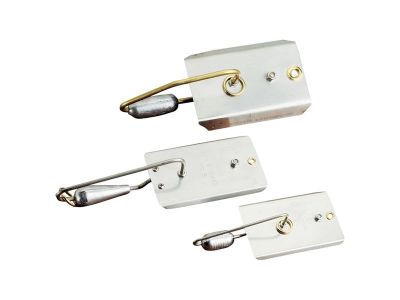
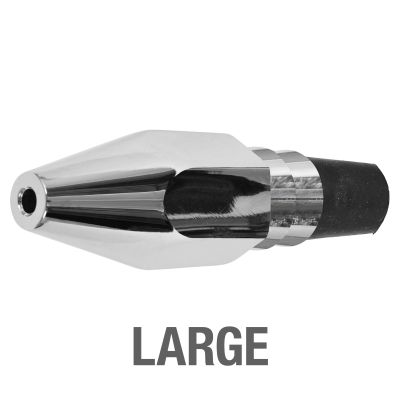
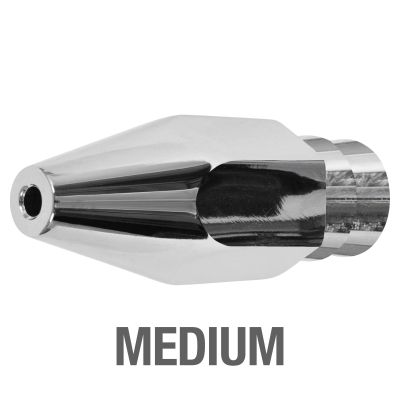
Planers and large lead torpedo weights are two methods applied to bring your presentation down to where a wahoo may be more likely to strike. A planer will bring your presentation down in a similar fashion that a diving lure would, basically using water resistance to drive your line down in the water column. A large torpedo weight uses mass and weight to bring your presentation down. Out of all the methods, a large torpedo weight seems to be the least favorite, as it’ll weigh the fish down in a fight once hooked.
Let the Fun Begin
Wahoo fishing, in the opinion of many, is at its best once the trollers have located the fish. Because they are often in packs, when one is located, you can then drop back a bait, lure, etc. When wahoo is on the chew, there is not much they’ll pass up, meaning most of the time, you’ll be able to fish some of your favorite styles or lures with success. Once the troll fish is cleared, it is standard to drop back a couple of chum baits to keep the other wahoo interested in the action. At that time, live bait can be presented, as well as tossed back lures.
Fishing Bait
A wahoo strike on bait is memorable. The impact, the hook set, and then the high-speed erratic run on the surface are unlike anything you’ve ever seen. While almost any live bait will work in this scenario, as well as any hooking style, I tend to rely on nose-hooked bait. That way, it can be slid back in a swimming fashion as the boat continues to slide forward. Due to the strike being so unpredictable, a J-style bait hook is recommended so that it does grab any part of the mouth it encounters.
To Wire or Not To Wire
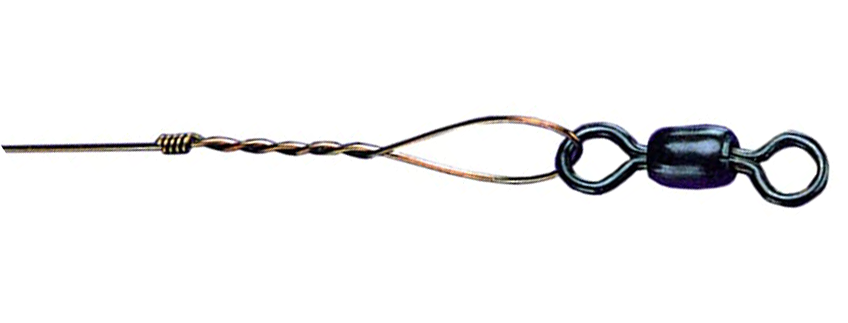
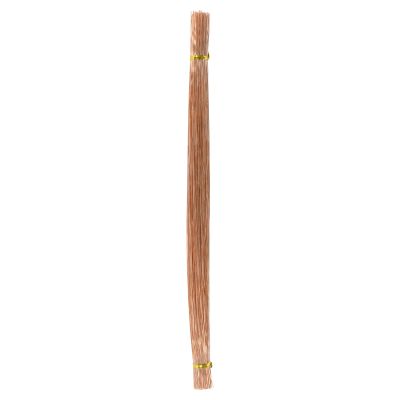
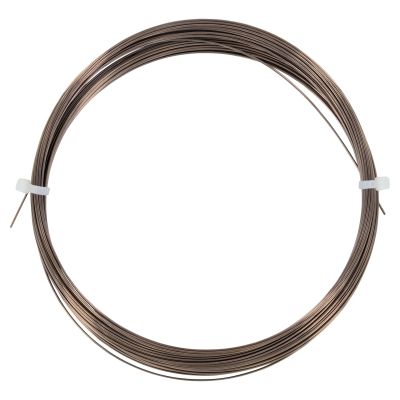
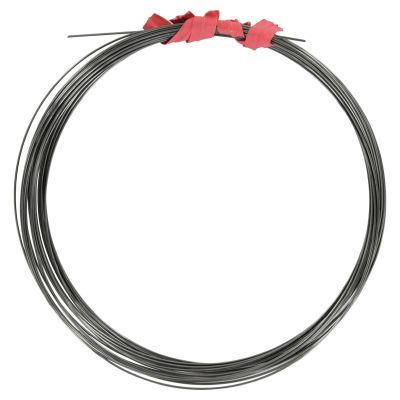
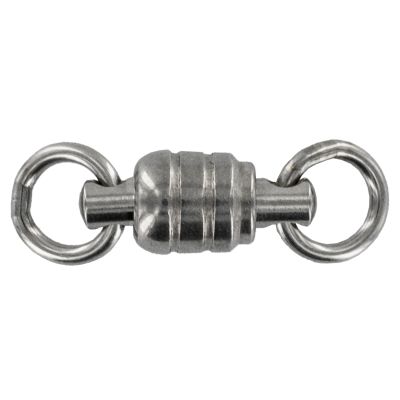
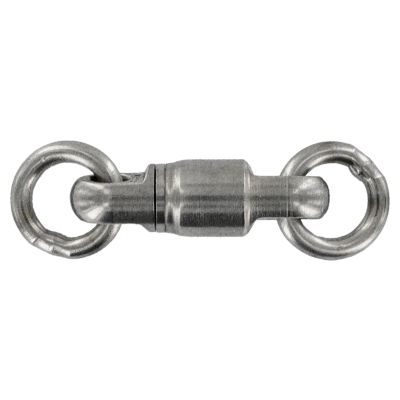
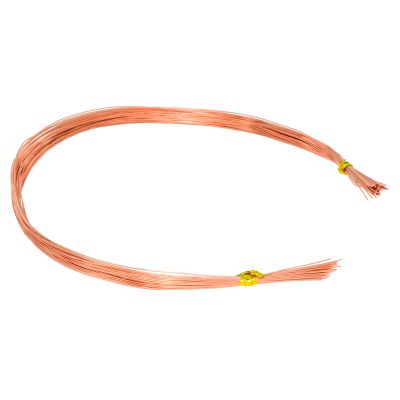
While in that above section of this article, we did specify that larger trolling lures don’t need to be wired as usually, the wahoo’s mouth is not large enough to engulf the entire lure. While bait fishing, we recommend your presentation is wired. You’ll want to use a single-strand wire connected to the hook by applying a haywire twist. On the other end of the wire, the smallest barrel swivel can handle a fish into the 100-pound range. There are several rigging tools today that make rigging quite simple. Make sure to rig about a dozen or so to be ready, as bites often come fast and furious, and your wire tends to get bent after a fight. A new wire and hook should be used after each fight to ensure wire strength, a straight wire for the stealthiest presentation. The hook size should be matched the bait. Still, try to keep the hook size small to be discrete. At times, anglers also adopt a stinger setup, which is a personal preference. It is common to have a wahoo hit a bait, cutting it in half and, within seconds, return for the rest. So be patient if you get hit and the hook set is not immediate.
-
- Hi Speed Downrigger PlanersOut of stock

Casting to Wahoo
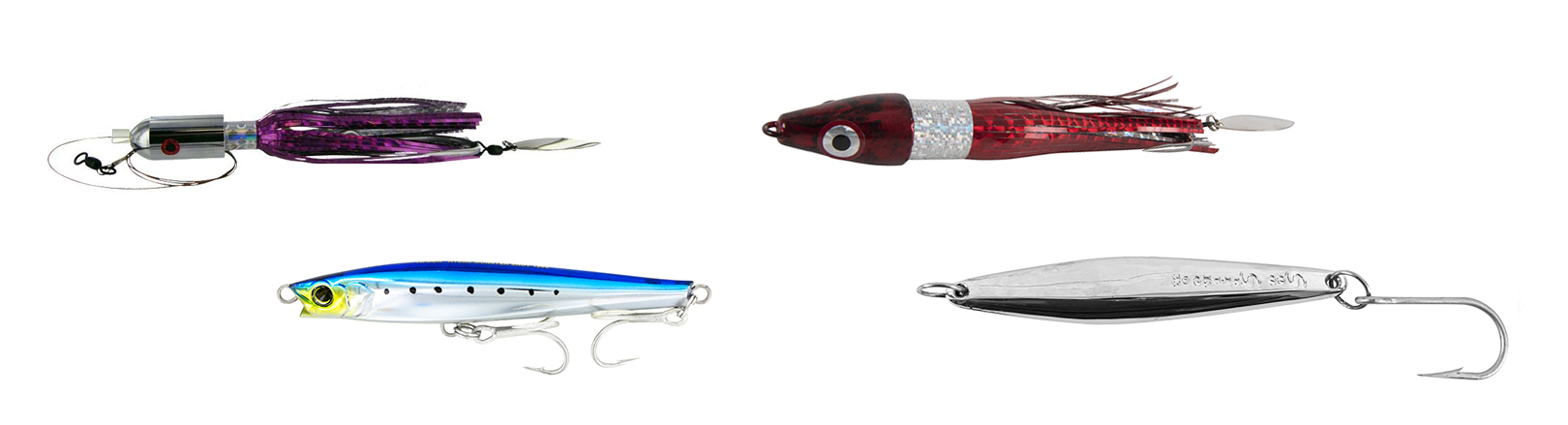
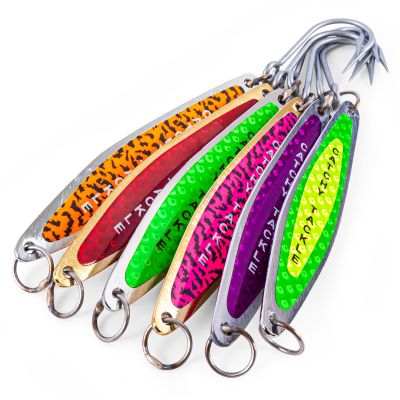
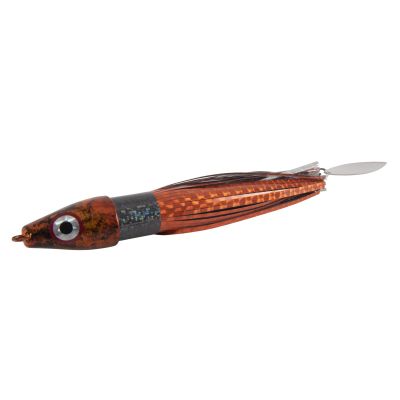
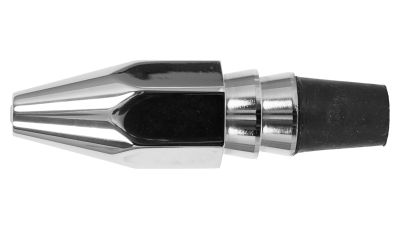
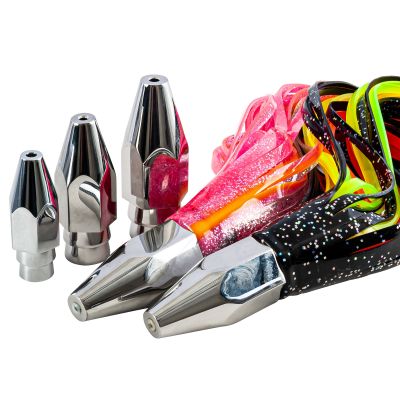
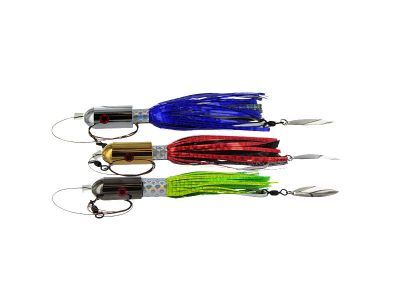
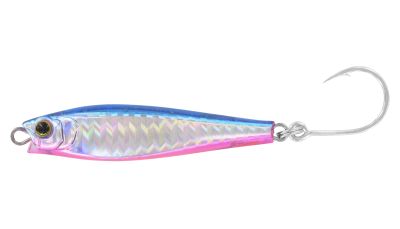
Casting an artificial to a group of wahoo and getting that initial strike is one of the most exhilarating things in offshore fishing. If wahoo is present, they will indiscriminately take sub-surface lures retrieved quickly. On the west coast, anglers have developed a casting lure specifically for wahoo called a wahoo bomb, which is a weighted skirt that is cast out and retrieved at a fast rate. For casting to wahoo, the most important aspect is that the lure is moving fast through the water just a foot or two below the surface. While wahoo bombs are key lures and go anglers, they have had plenty of success with surface irons and subsurface stick baits. Often these two lures are fished as skip jigs, meaning they are retrieved so quickly that they’ll often break the surface when retrieved. More important than the shape and color of casted lure is that it be presented once the boat begins to slide after a trolled strike. The commotion and competitive nature among wahoo will entice a bait as long as the opportunity is presented.
-
-
-
-
 OLDMelton Large Bomber JetsOut of stock
 -
 Melton Bomber JetsOut of stock
Take Away Notes for Fishing for Wahoo
- Sharp hooks, wahoo have extremely hard and bony mouths, make sure when possible your hooks are razor sharp for a good hook set.
- Make sure to always be careful when bringing a wahoo on board. It can’t be said enough a flopping wahoo on deck is extremely dangerous.
- When retrieving any kind of wahoo lure to the boat, make sure to stop it several feet before you get to the boat try to pull it out of the water away from the boat. There have been many instances of wahoo attacking a lure boat side, ending in a rod going overboard or even wahoo jumping into the boat.
- After making a catch make sure to re-rigg as the smallest knick from those amazing teeth can lead to a loss of a trophy on your next catch.