

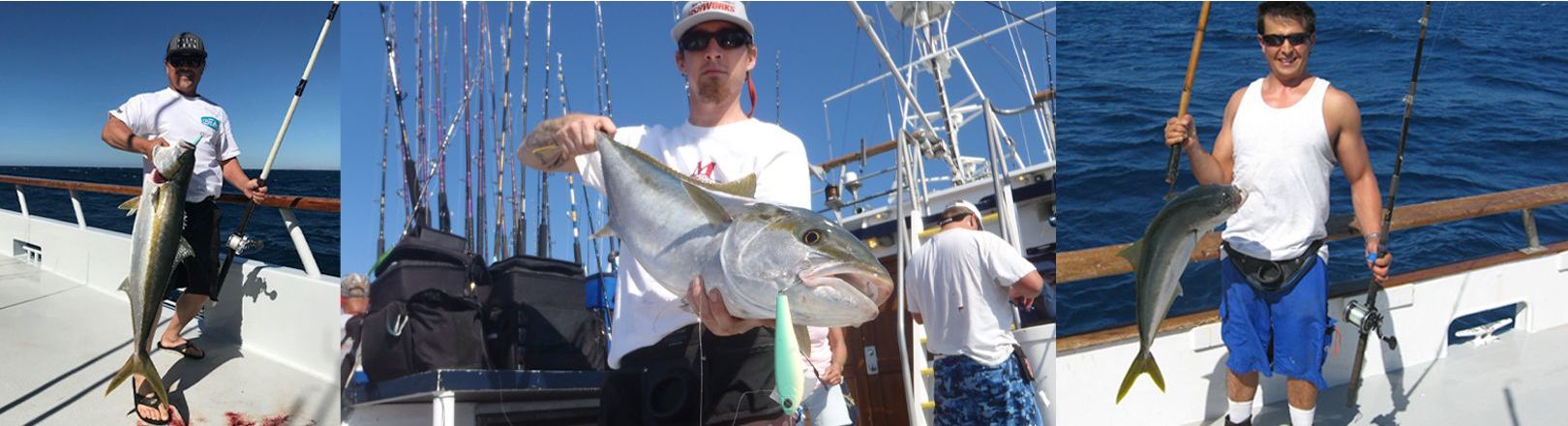
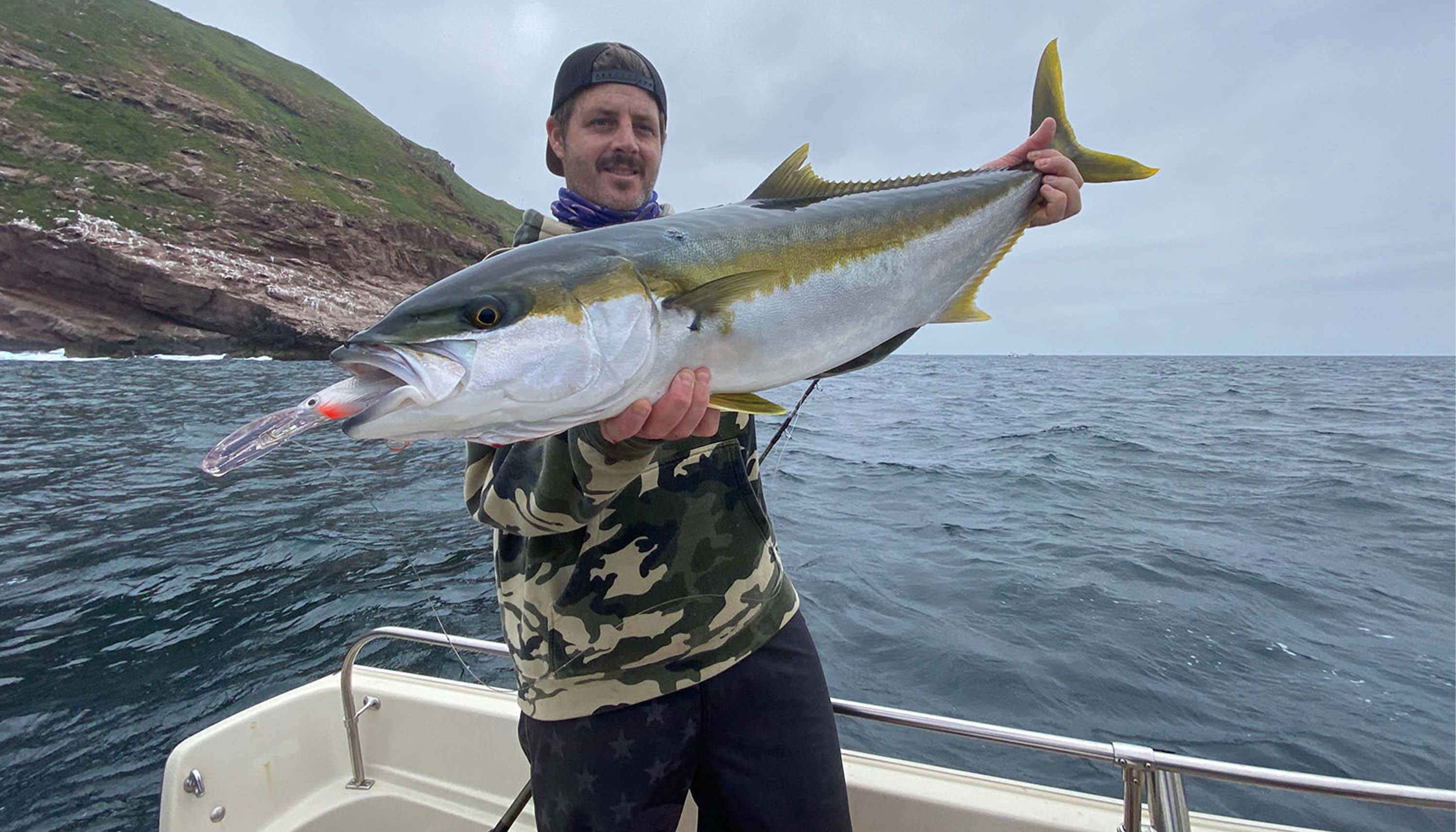
Across North America, you'll find regions that have their bread-and-butter gamefish. The Northeast has Striped Bass, the Southeast has Cobia, the Gulf has Redfish, the Northwest has Salmon, and for us in the Southwest, our bread-and-butter target species would have to be Yellowtail. It provides excellent angling opportunities, table fare, introductory, and expert level targets, catchable on various methods, and let's remember their hard-fighting tenacity.
Yellowtail is in the Jack family, with a few variations to the species. Initially, they were all lumped into one group as a single species called Seriola Lalandi by its scientific name. Now we know there are three species globally. The spread of these three species in the Pacific Ocean are predominantly around areas near New Zealand, Chile, Japan, and the West Coast of North America.
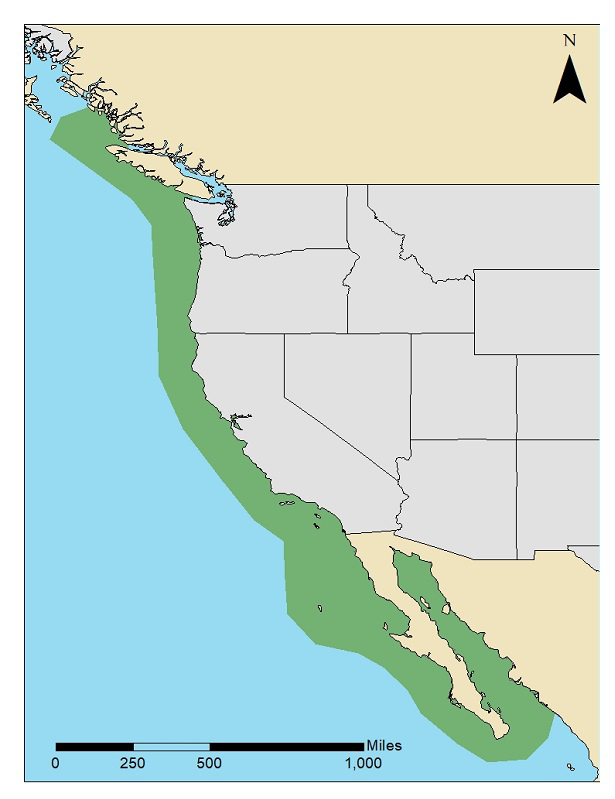
The scientific community has identified our Southern California Yellowtail as Seriola Dorsalis by its scientific name. While smaller than the other sub-species, the North American version is no slouch. The record to catch California Yellowtail is 92 lbs., caught in 2004 off Guadalupe Island in Baja. Considering how brutal a 30 lb. version fights, I cannot even begin to imagine what a 90-pounder would be like to hook up to. Their distribution range stretches from the very top of the Sea of Cortez, wrapping entirely around Baja, spanning most of the North American West Coast, and on stand-out warm water years, making it as far north as Washington and Oregon.
Yellowtail fishing is a year-round endeavor, with fish being less common but much bigger in winter. These are called "Homeguard Yellowtail" as they are believed to be resident fish instead of migratory. There may be few of these larger units, but catching a Homeguard is a memorable moment as they tend to be harder to fool into getting hooked and less common to encounter.
Summertime and Fall represent a different kind of Yellowtail fishing, where you trade in frustration for fun, cold for hot weather, and skunk for days of abundance. During these warmer months, Southern California has an influx of primarily small to medium size Yellowtail that are eager to bite and provide great fun on a range of tackle options. While these are not the winter bruisers, these Yellowtail offer a large percentage of Southern California's saltwater fishing efforts.
Habitat
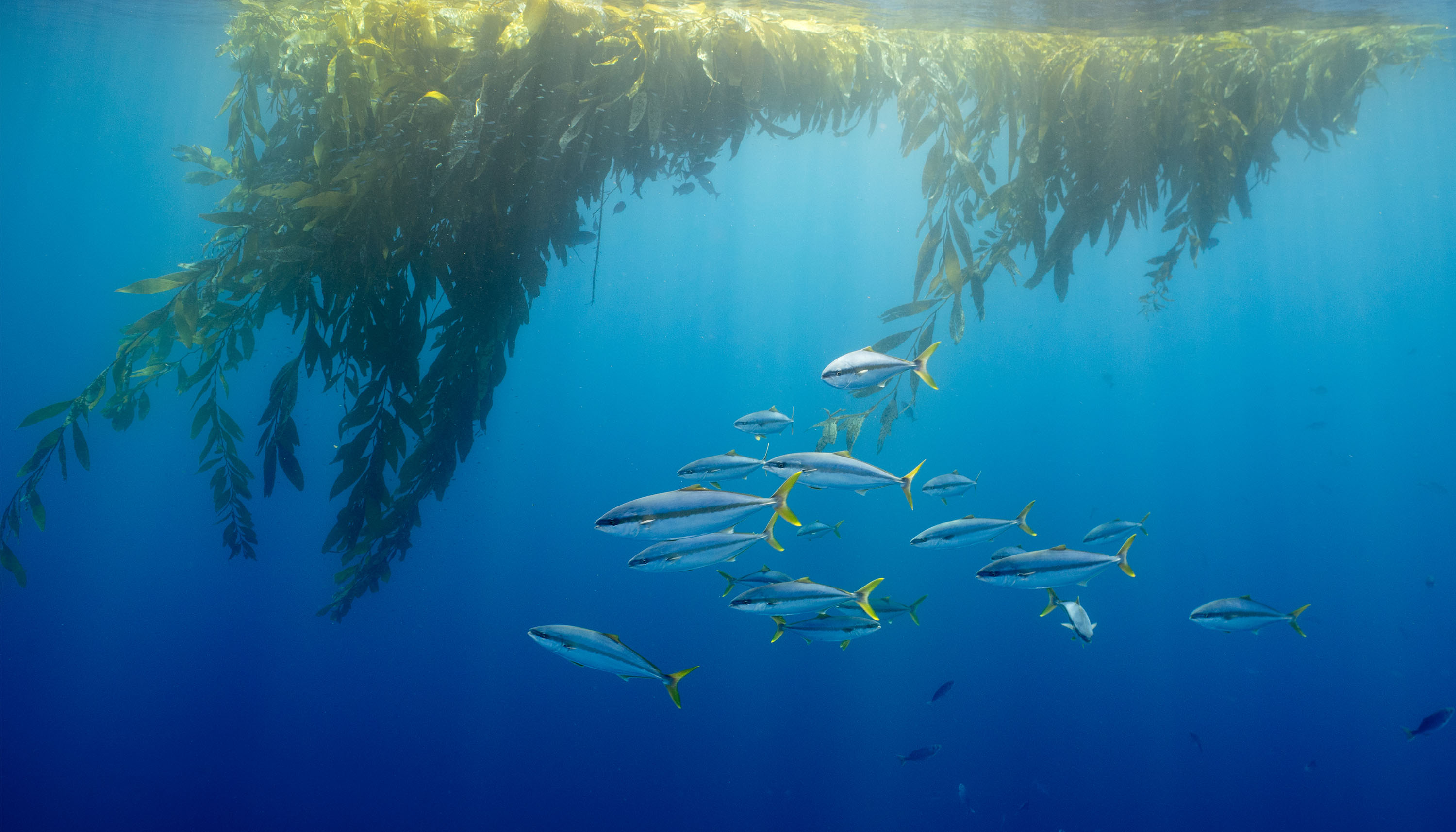
Yellowtail can be found in almost every habitat; every year, there is a new story about a Yellowtail caught where it usually wouldn't be. While they can show up just about anywhere, there are a few scenarios and habitats that we can regularly expect them to be in based on historical fishing efforts.
Yellowtail are well-known for their affinity to school around floating debris and flotsam, predominantly floating kelp paddies. According to the California Department of Fish and Game, "the fish are associated with floating structures, and flotsam seldom exceed 31 inches. Once these fish have exceeded this length, they'll migrate to inshore reefs and structures". Remember, there are always exceptions, so don't discount a 40 lb. fish on a paddy.
Knowing the structure, you'll be hunting Yellowtail on allows you to create a game plan to target them. Whether heading offshore or hitting the local islands or reefs, you'll want to know what to expect.
Structures
Kelp Paddy's and Flotsam
Hands down, kelp paddy fishing to catch Yellowtail must be some of the most fun you can have fishing. It is a great introductory opportunity to get new anglers excited about offshore fishing. The fact that very often you can see the fish in the water before your light line is in the water is a mesmerizing sight. The aggregation of Yellowtail on the floating structure can begin early in the Spring but ideally gets going in the summer months when waters warm above 65°F. While often you can find them before this time or water temp, it may be tough to entice a bite.
Once you've identified a kelp paddy or floating structure, three main tactics are implemented:
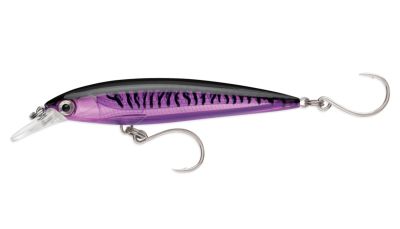
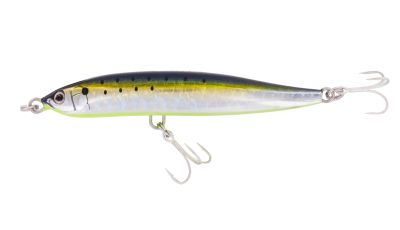
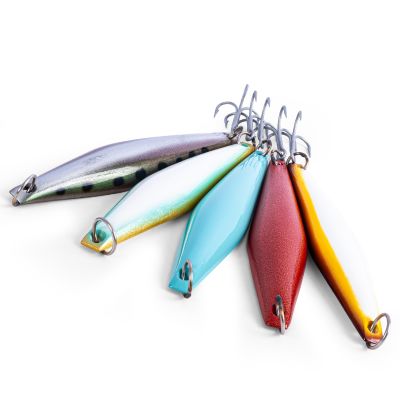
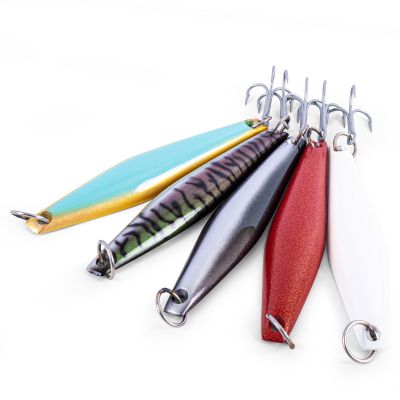
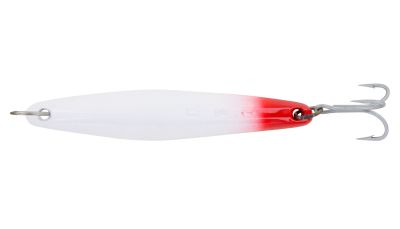
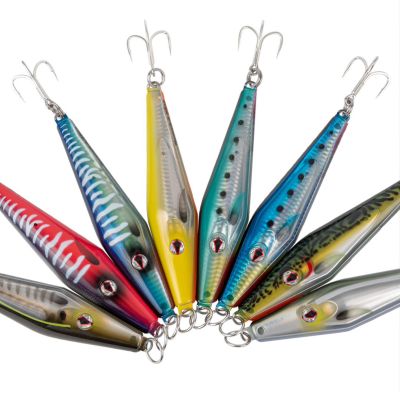
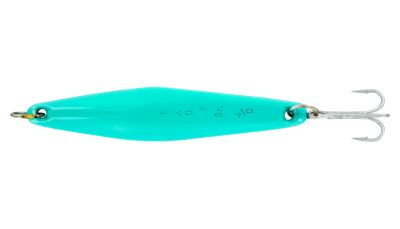
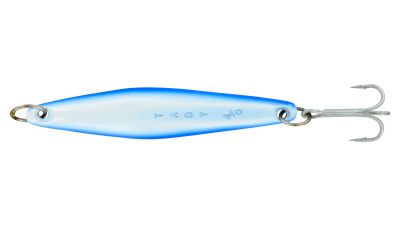
- Surface Irons & Stick Baits: Many times, especially when not all Kelp paddy are holding fish, you want to investigate rather than waste your valuable bait on an empty kelp. This can be achieved by throwing surface irons or stick baits toward the floating structure. Many times, you'll be able to determine if there is, in fact, gamefish present by this method which will ensure followers or even a strike. Yellowtail love surface irons, and a well-placed stickbait can be just as deadly. The fish may be a couple of feet away from the floating structure or even a hundred yards away, so be patient and take several casts before determining the kelp is empty.
- Bait: The preferred kelp paddy fishing method is to use live sardines or mackerel as bait. Ideally, you'd use the wind and current to place yourself up swell from the kelp paddy and select a good drift line to cruise within 20 or 30 feet. In doing so, deploy some hooked bait and some live bait. It's a good idea to hook your baits in a couple of different manners to get your bait to fish at different water column depths. If you hook a fish, keep chipping away ones and twos of bait to keep the rest of the school interested.
- Slow trolling Bait: Sometimes you've seen the fish on the offshore kelp paddies, but neither of the methods above has enticed a bite. The fish may not be hungry or in an off mood. I've found that when Yellowtail acts this way or if a bite slows down, sometimes a nose-hooked, slow-trolled sardine past the kelp will entice a reaction. The Yellows may not even be hungry, but the response of a bait fleeing gets them to bite.
To get even further versed on fishing Kelp paddy's, check out this article from the Melton's Tackle Blog: Kelp Paddy Fishing
Local Islands and Coastal Reefs
In Southern California, we are lucky to have several islands within reach that can often hold magnificent numbers of Yellowtail. From Todos Santos off of Ensenada to Santa Rosa Island off Ventura, they all have their day when it comes to the smaller fish of Yellowtail, and it's just a matter of temperature, current, and feed. Our coastal areas also offer a variety of reefs that can equally produce Yellowtail, or reef fish. When Yellowtail gets on these islands and reefs, they move around a bit. For this reason, some methods are intended to cover some ground in locating fish.
Once located, the fish may remain in the general area, or you may have to relocate them. There can be significant numbers of Yellowtail in the summer, and the below tactics can assist in targeting them on this structure:
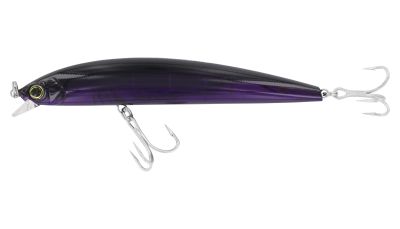
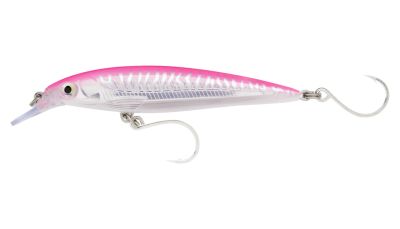
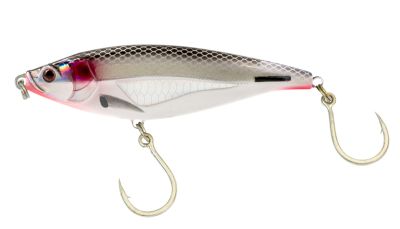
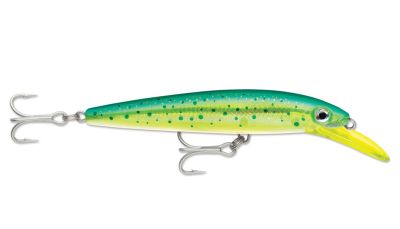
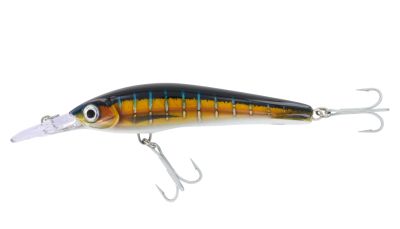
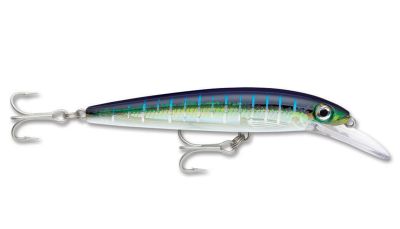
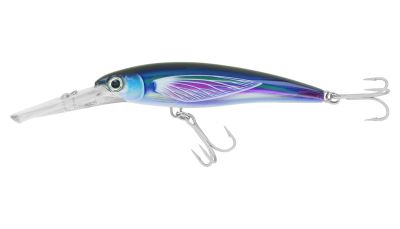
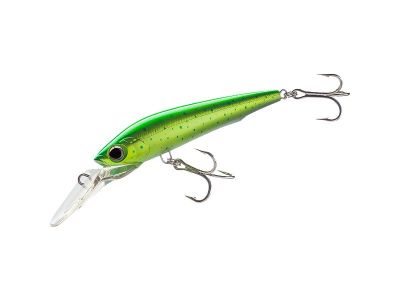
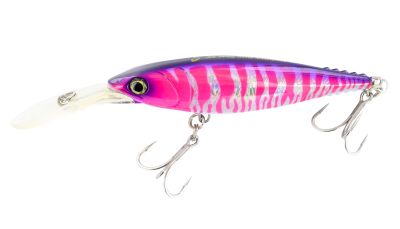
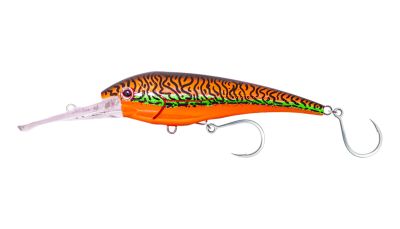
- Deep Diving Lures: Yellowtail respond well to deep diving lures around structures. This is a great way to target them, as you can cover a significant area while searching for them. Once you've located a structure or spot where they are assembling, you can often troll through that spot again for additional strikes. This method is especially applicable when there are seals around, as the seals will know that these lures are not edible. Additionally, if the fish are holding a little deeper in depths of 20 – 40', this method should produce a strike.
- Surface Irons & Picking Birds: When Yellowtail get into the islands or on coastal reefs often, you can spot them with a good set of fishing binoculars. You'll be searching for birds dipping and picking off baitfish that have been pushed to the surface. Terns are a dead giveaway of gamefish, while Seagulls and Pelicans can often sound a false alarm. Sometimes if they get going well, you'll even see the Yellowtail in a feeding frenzy. These are the days we dream about. This scenario is perfect for running and gun fishing using a surface iron. Run, and Gun refers to spotting a school of fish in the distance, getting your skiff or boat up to speed to get to it while it's still up and feeding, and then casting your presentation in hopes of getting a strike while the school is up and active.
- Slow Trolling Bait: Like slow trolling around a Kelp paddy, this tactic can be deadly when Yellowtail are stacked up around Islands or coastal reefs. A trick of the trade is to change up your bait. Sometimes a Yellowtail may not give a sardine a whiff, but when presented with a mackerel, it can change their mood and vice versa.
-
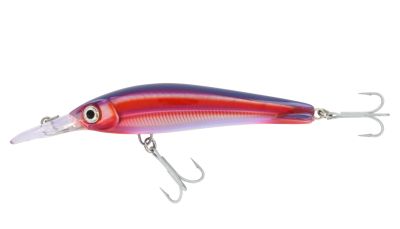 Rapala X-Rap Magnum Xtreme Lures - Clearance
From: $21.74
Was: $28.99
-
-
-
-
Pinnacles and Focused Structure
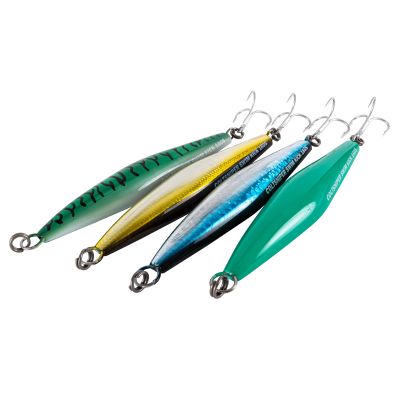
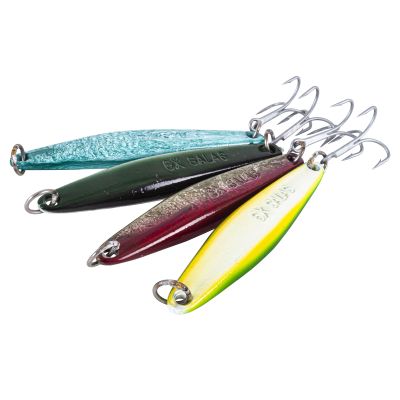
While fishing Kelp paddies is the most fun and visually stimulating fishing for Yellowtail, fishing for them over a pinnacle of specific structure they are associated with feels like it's the most gaming. At times Yellowtail will get focused around a particular structure like a rock pinnacle. If you're lucky enough to have a spot like this near your fishery, you know how fun yo-yo jigging can be for Yellowtail. On these structures, sizable schools gather up and are unwilling to come to the surface for bait offerings, and the most productive technique is getting a jig down to these fish.
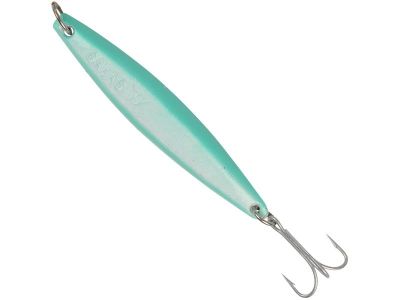
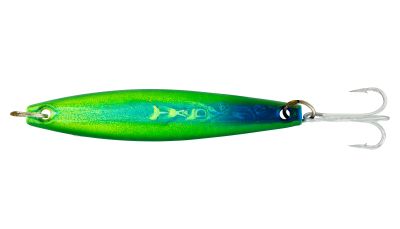
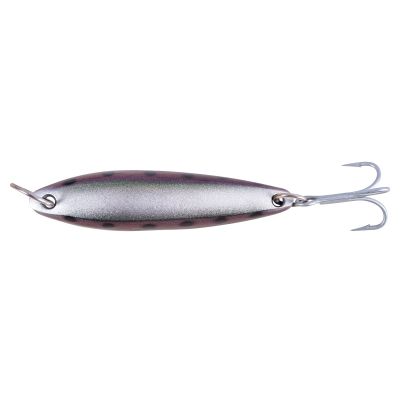
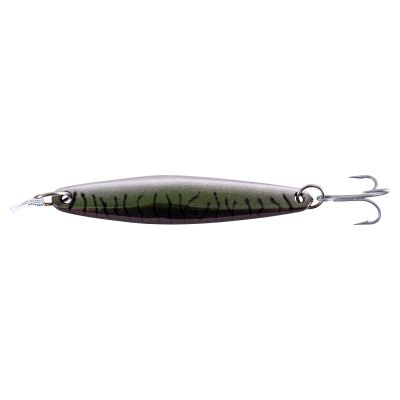
- Yo-yo Jigging: For some reason or another, early season Yellowtail seems to get keyed in on the Yo-Yo jig, which will typically outfish other offerings. This technique goes back decades, and it's the act of locating the school of fish using your electronics and dropping jigs as quickly as possible to them. Once you've reached the bottom, it's a simple act of promptly winding your jig back to the surface. Keeping your jig vertical is essential to avoid having your fishing line scope out. Several reels make this process relatively easy today and not so cumbersome.
Yellowtail have many moods and are a very adaptable species that puts them in a wide range of environments. The best advice for targeting Yellowtail is to make a plan and stick with it. You'll likely encounter a school that is willing to cooperate. It would help if you did the necessary homework on your end. Look for clues to local fish counts and where the fleet has had productive fishing. Water temperature is an important one to consider as well. As said earlier, Yellowtail on Kelp paddies can begin early in the season but becomes productive once the waters warm up.
Get out there and get after them, tis the season!