

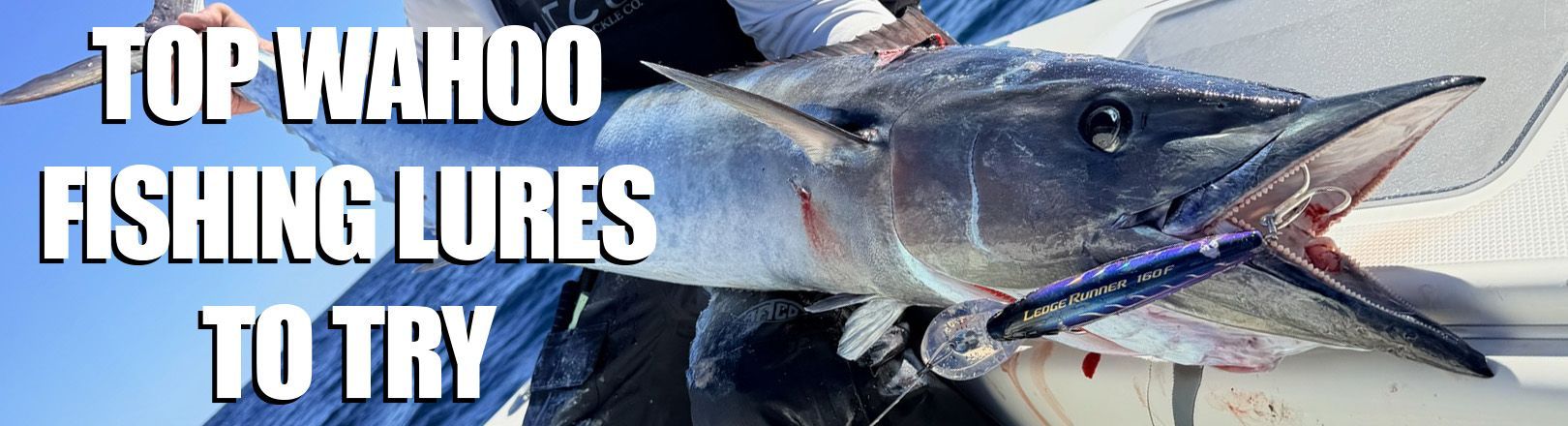
Wahoo, Acanthocybium Solandri, or "ono" in Hawaii, are among the fastest and most ferocious predators in the ocean. With explosive strikes, blistering runs, and a mouth full of razor-sharp teeth, they’re a bucket-list species for many saltwater anglers.
These elongated predators aren't just known for their speed and aggression—they're also some of the best fish to eat in the sea. Whether sliced thin for sashimi or grilled with a light seasoning, Wahoo are a culinary prize. That combination of thrill on the rod and flavor on the plate makes them a top-tier target for sport fishermen around the world.
In Southern California, a region recognized globally for its offshore fishing, long-range trips often target these sleek torpedoes. Veteran anglers know there's nothing like a wide-open Wahoo bite: jigs flying, drags burning at max, and fish launching from the depths like missiles. It's fast, intense, and unforgettable. The bait crashes into the water, the rod loads up, and chaos ensues as multiple hookups erupt around the deck. Wahoo fishing, when it goes off, can be the most exhilarating experience on the water.
This article dives into the most effective lures and techniques to help you dial in your approach and increase your odds of having a successful day when chasing Wahoo. From trolling to casting, from metal to plastic, we’ll cover what you need to succeed. We'll also include key decision-making frameworks and some personal insights from seasoned Wahoo hunters. Whether you're fishing in the Pacific, Atlantic, Gulf of Mexico, or somewhere else, we have something for you.
Understanding Wahoo Behavior
Before we get into lures, it's important to understand the behavior of Wahoo. These pelagic predators prefer warm, clear, blue water and are most often found near steep drop-offs, high spots, and around floating structures such as kelp paddies or current lines. Wahoo are ambush hunters, known to roam solo or in small packs, ready to strike with shocking speed. Despite their size, Wahoo even target tuna sometimes!
They can be incredibly territorial when feeding and are drawn to areas with live bait-rich currents and upwelling. Wahoo generally stick to the upper 300 feet of the water column but may dive deeper to intercept prey in thermocline transitions. Morning and late afternoon are generally peak feeding times, though Wahoo are opportunistic and can strike at any time of day when conditions align.
Wahoo have keen eyesight, and they often hit lures moving at incredible speeds. They can strike at speeds approaching 60 mph, which means your lures need to be rigged tough and moving fast. Their attacks are often slash-and-return style—they cut their prey in half and then circle back to eat the remains.
The Importance of Hook Selection
When targeting Wahoo, your hooks matter—a lot. Their jaws are a mosaic of razors, and their mouths offer very little flesh for hooks to grab. This makes hook choice and sharpness critical.
Wide-gap, heavy-duty single hooks are the standard. Sharpen them with a file before deployment to maximize penetration. Many Wahoo hits are fast and shallow; a dull hook or weak gap simply won’t stick. A hook size between 7/0 and 10/0 is ideal for most casting applications. Using high-carbon steel with chemically sharpened points ensures the best chance at solid hooksets, even on glancing strikes.
Treble hooks? Risky. They often get thrown during the Wahoo's notorious head shakes. A properly placed single hook offers better holding power, and when rigged at the rear of the lure, it increases hookup success without sacrificing action.
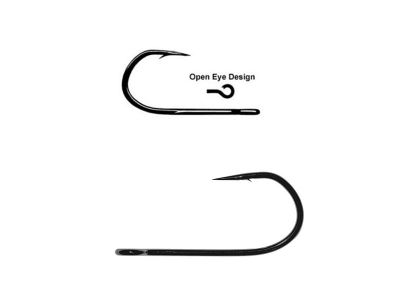

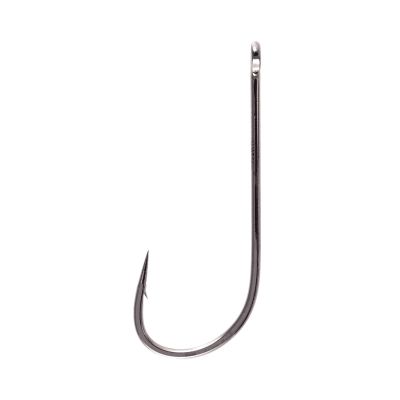
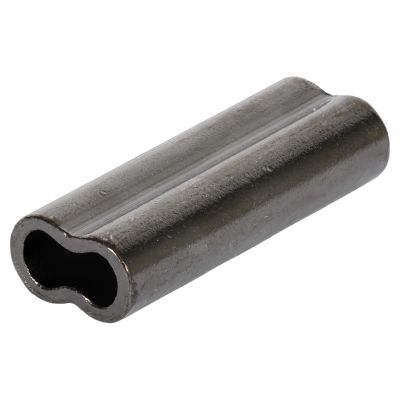
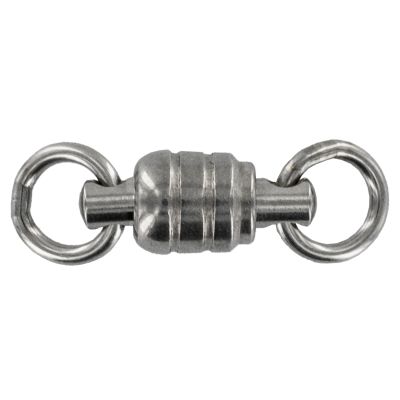
Also important: upgrade your lure’s split rings and terminal hardware. Factory components are often inadequate. Go with 100+ lb split rings and premium-strength swivels, and crimps. Trust your gear.
To Leader or Not to Leader
There are two camps in the Wahoo world: those who swear by wire leaders and those who risk it for more bites.
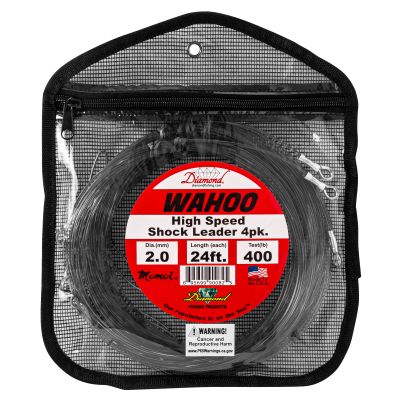
When trolling, heavy single-strand or multi-strand cable leaders (100–300 lb) are highly recommended. At high speeds, lures zip through white water and chaotic wakes, giving Wahoo little time to inspect. A visible leader won't spook them, and it will save you hundreds in lost lures. Most captains rig leaders between 3 to 5 feet in length, crimped tightly to heavy-duty swivels and using thimbles to prevent abrasion.
For casting, it depends. In crystal-clear water with picky fish, some anglers opt for heavy fluorocarbon to boost stealth, accepting the risk of bite-offs. Others use light wire leaders (40-90 lb) to retain some casting distance and maintain lure action. The key is to adjust based on water clarity and fish size. For larger Wahoo or aggressive bites, wire gives peace of mind.

Trolling for Wahoo: Speed Kills
Trolling is arguably the most consistent way to target Wahoo, especially when scouting new water or working big offshore zones. The name of the game is speed—12 to 18 knots. Anything less and you might be mistaken for a tourist.
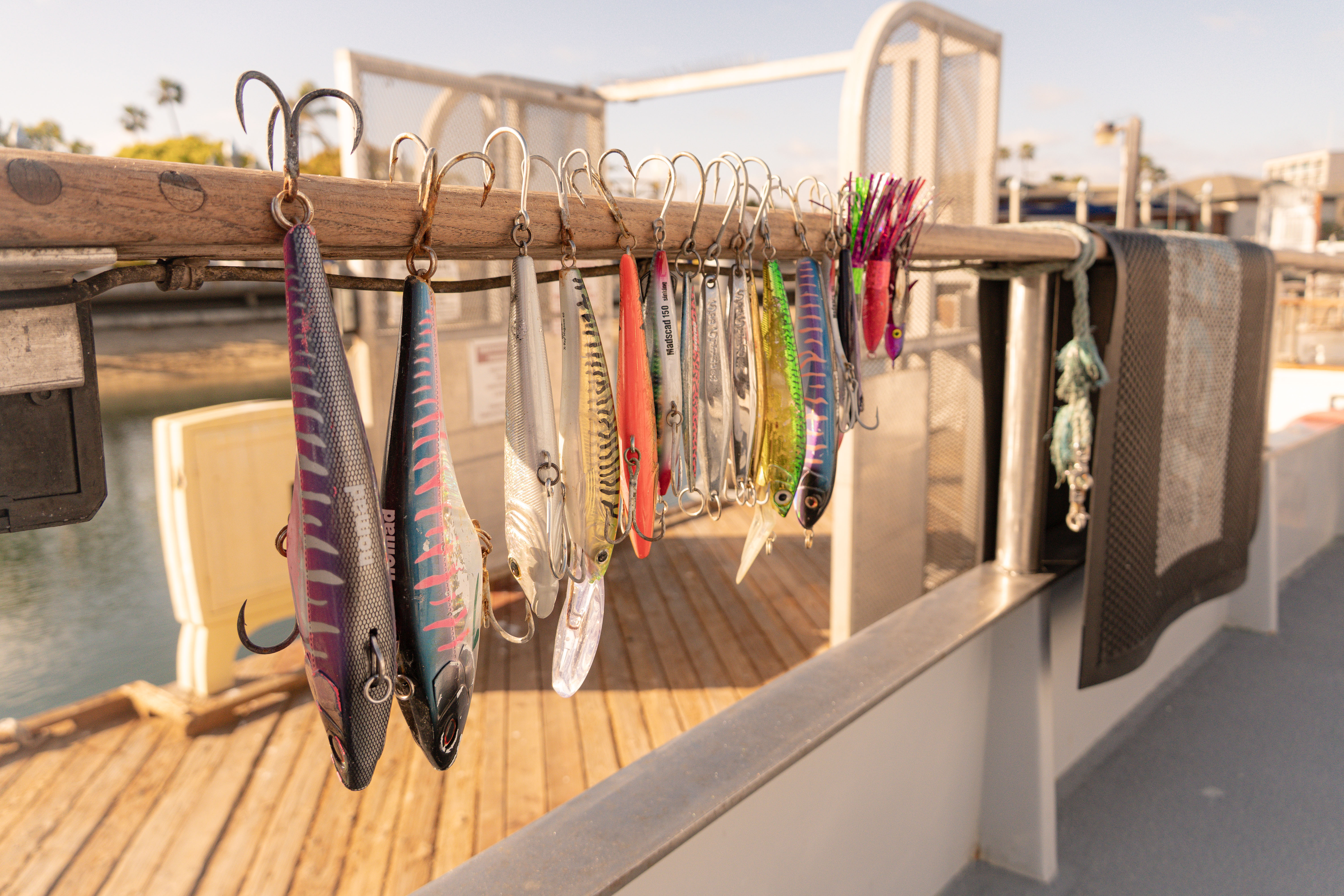
At these speeds, you need bulletproof, streamlined lures that don’t skip, roll, or blow out. The classic players are:
Known for its durable shell and internal wire-through construction, the Bonita tracks straight and rattles loudly. It's deadly behind a flat line or downrigger. Best used with wire and a strong crimped leader.
Arguably the new king. Its patented Autotune system keeps it swimming straight at speeds up to 20 knots. Available in a range of sizes and colors, it dives deep and rattles hard. The 200 and 240mm models are staples.
A time-tested Wahoo slayer. Compact, heavy, and tough. It’s a plug-and-play solution for your high-speed spread. Its tight wobble imitates fleeing mackerel and bonito.
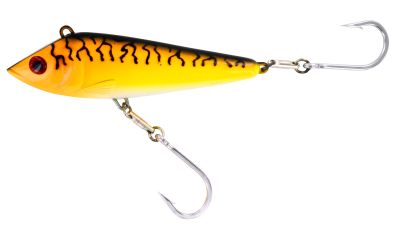
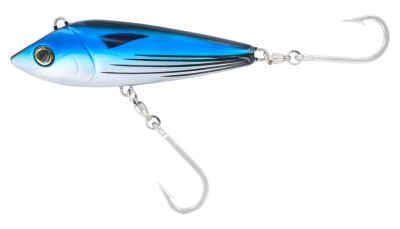
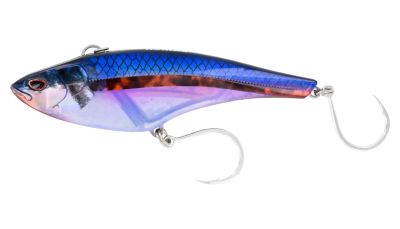
These lures are compact, hydrodynamic, and built like tanks. Their job is to survive hits at 60 mph and stay in the strike zone. Troll them on 50W or 80W class fishing reels with heavy drag pressure, and don’t be afraid to push the throttle when the bite gets tough.
Lip Plugs and Dive Bombers
Another category that deserves attention is large-lipped trolling plugs. These aren’t your granddad’s Rapalas—today's models are advanced, deep-diving killers.
These plugs are great near structures, ledges, and drop-offs where Wahoo hang. Run one close and another way back in your spread for depth and variety. Teasers, dredges, and chains can be added to enhance the spread.
With its Autotune system and tough construction, it holds at speeds up to 15 knots and dives 20–40 feet. It’s ideal for mid-column attacks.
A classic, though it struggles at very high speeds. Best used in slightly slower trolling setups. Rig it with heavy mono and back it with wire to increase longevity.
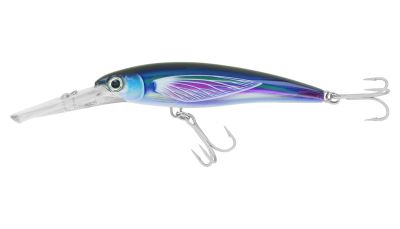
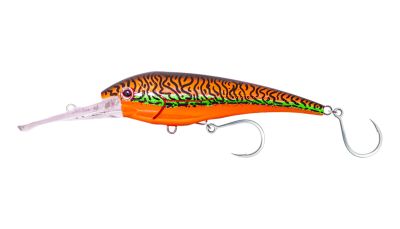
These plugs are great near structures, ledges, and drop-offs where Wahoo hang. Run one close and another way back in your spread for depth and variety. Teasers, dredges, and chains can be added to enhance the spread.
Casting Lures: The Fast Draw
Casting to Wahoo is electric. When birds go up or flying fish scatter, the adrenaline spikes, and it’s go time.
This is where fast-sinking jigs and hard stickbaits dominate. You want something aerodynamic, heavy, and durable. Fish them on high-speed spinning gear (8000 to 14000 size reels) with at least 65 lb braid and a shock leader.
A West Coast legend. Cast it long, let it sink, and burn it back. Perfect for high-speed retrieves. Chrome, sardine, and purple/black are go-to colors.
Sinks quickly and has a seductive flutter on the fall. Built to handle toothy hits. The 190mm version is ideal for Wahoo-sized presentations.
A compact metal jig with excellent casting distance and quick retrieve response. Ideal for 80-100g sizes.
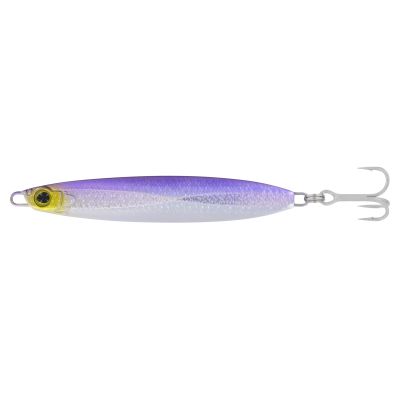
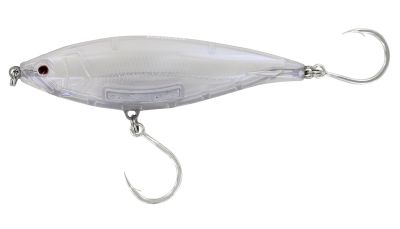
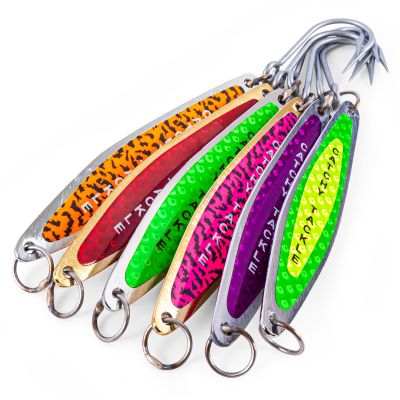
Other top options include:
When casting, use a 10-count sink and retrieve at max speed. Many strikes happen mid-column or as the jig begins to rise. Always keep tension on the line and don’t pause—Wahoo won’t wait. Use gloves when leading fish boatside and be mindful of that notorious second bite.
Rigging Tips from the Pros
-
Upgrade Hardware: Replace factory split rings and hooks. Use Owner Hyperwire rings and heavy-duty singles.
-
Color Matters: Purple/black, orange/gold, and blue/white are all proven colors. Match the hatch based on local bait.
-
Spread Strategy: Run two lures short, two medium, and one long. Vary color and depth.
-
Teasers Work: Add a bird or daisy chain to stir up attention.
-
Pre-check Everything: Re-sharpen hooks, crimp with precision, and double-check knots. Bring backups of your backups.
-
After the Strike: Keep reeling through the bite. Wahoo often swim toward the boat initially. Don’t stop until line peels off.
Regional Considerations
-
SoCal/Baja: Target Wahoo on 10-day trips to Alijos Rocks, the Ridge, or Hurricane Bank. Fall is prime time.
-
Gulf of Mexico: Winter and spring months produce steady Wahoo. Troll around rigs, edges, and color breaks.
-
Bahamas/Keys: Peak season is winter, generally starting in November. Use downriggers and staggered spreads for deep-running lures.
-
Hawaii: Ono love ledges and drop-offs. Peak season is summer, but they can be fished for all year round. Troll fast with Bonitas or try vertical jigging over reef edges.
Takeaway Tip from the Author
When casting to Wahoo and retrieving your lure, pause for a beat before pulling the lure out of the water. More than once, I’ve seen a Wahoo explode on a lure at the boat, just as the angler lifts it. Rods go flying. Heart rates spike. The final seconds count.
Final Thoughts
Wahoo aren’t a numbers game—they’re a moment. A blur of silver, a ripped drag, and a hole in your spread. To connect with one, you need speed, precision, and gear that can take punishment.
Whether trolling deep diving plugs at 18 knots or launching jigs across a foamer, success hinges on aggression and readiness. Know your lures, upgrade your rigging, and fish with intent.
Because when a Wahoo hits, it doesn’t ask twice.
Good luck, and tight lines.