

Once winter arrives, many anglers halt their fishing pursuits and opt for other activities. Many take this time to recharge their fishing batteries and service their gear in anticipation of warmer times. After all, as the saying goes, absence makes the heart grow fonder.
While Southern California winters are mild, believe it or not, anglers follow this same hibernation cycle as most of the winter-impacted locations around the country. However mild, these waters can take a deep dive in temperature; as much as a 20-degree change can be felt between peak summer and peak winter, which surely influences our fisheries.
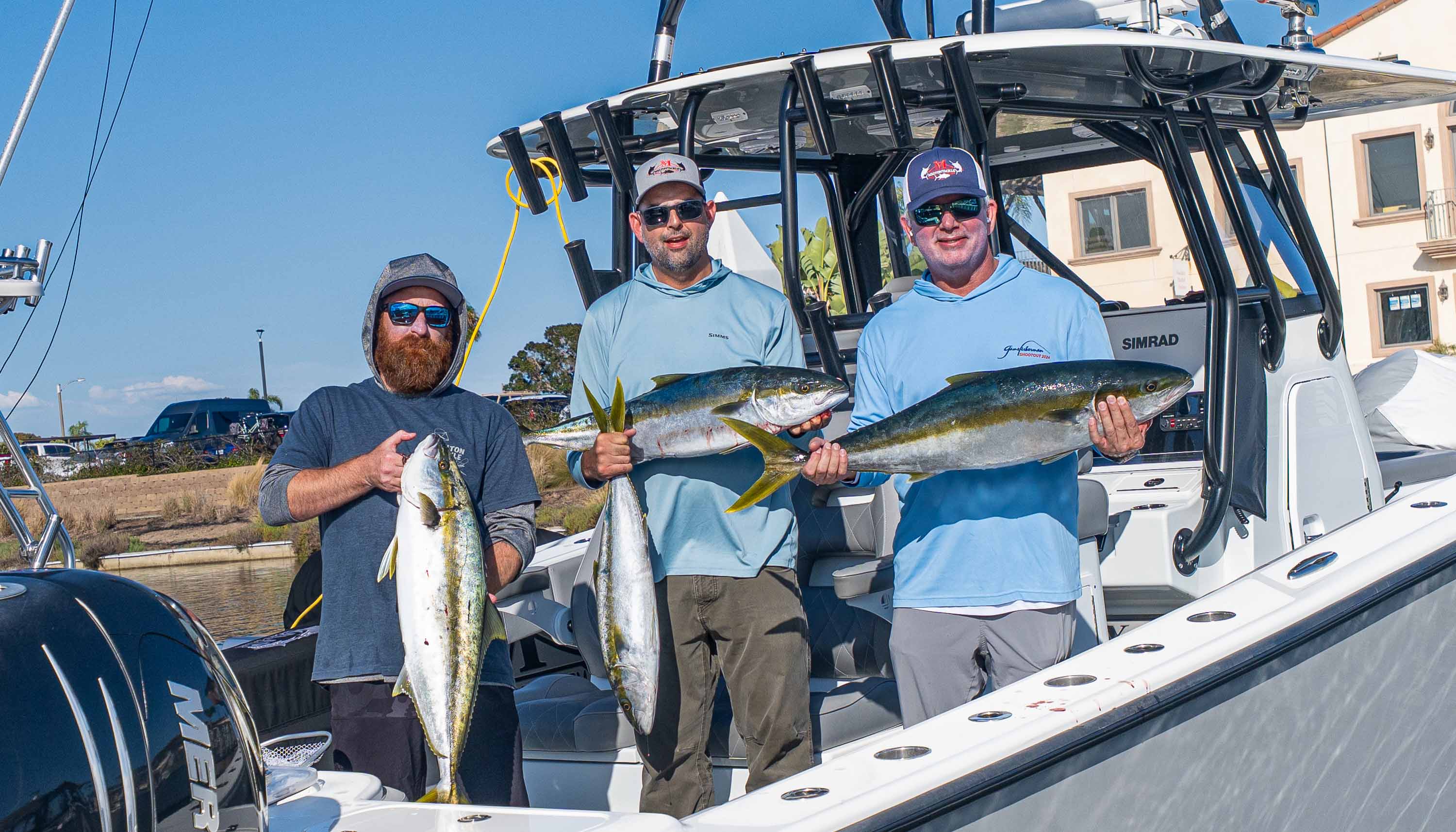
During winter, Southern California experiences a mass migration of pelagic species out of local waters toward warmer southern locations. Huge storms from the Pacific Northwest send large weather systems of turbulent surf along with heavy winds during fall and winter. These winds, in turn, cause a great deal of upwelling that translates to colder water temperatures and enrich surface water with planktonic organisms that make great forage for bait fish, such as anchovy, mackerel, sardine, and more. Though most of our pelagic predators swim toward warmth, a few predacious species take advantage of the bait left behind.
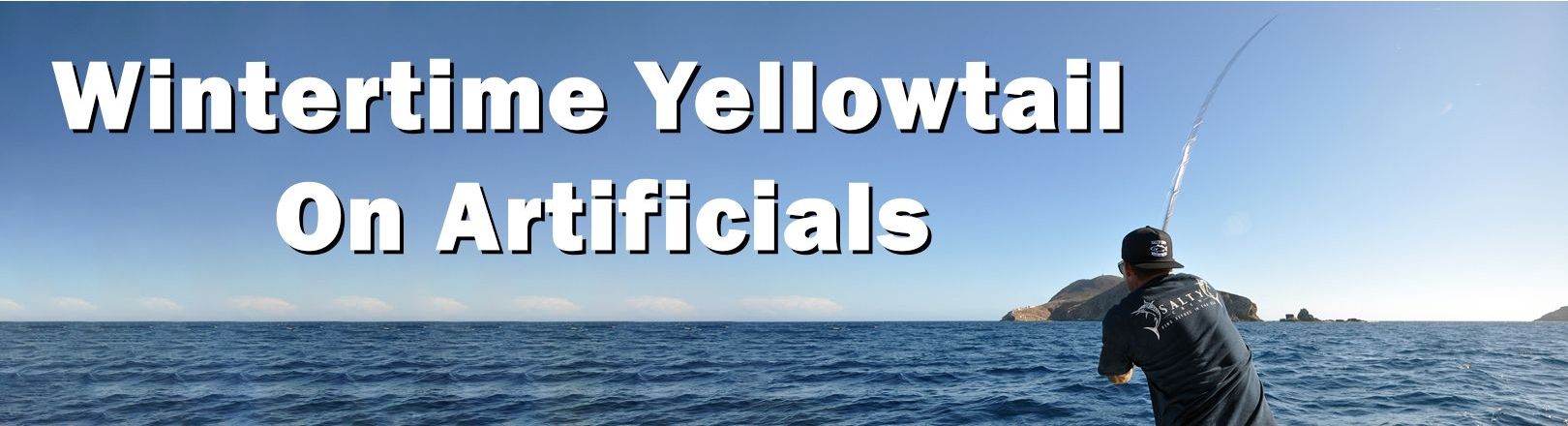
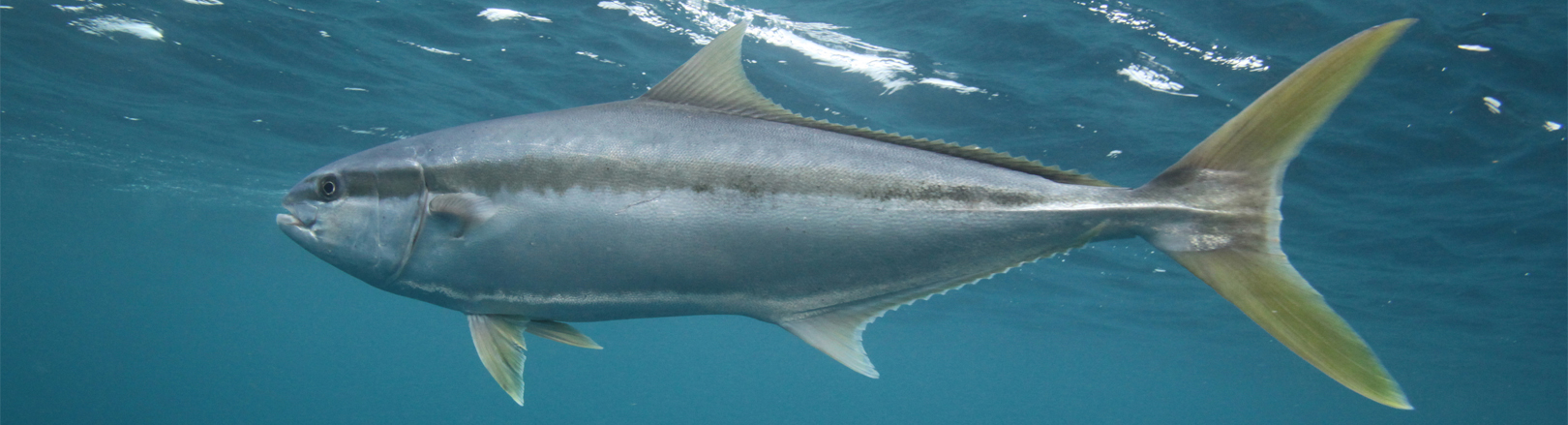
Wintertime fishing in Southern California is a secret society. Coastally, there can be some great fishing, but to say it’s fickle is an understatement. Yet the fishing can be quite good due to aggregations of bait fish due to upwelling. In these cold months, the main targets are white sea bass, halibut, and yellowtail, and when the season opens back up, rockfish and groundfish. Because each one of these species during this time of year takes a little bit of specializing, we’ll be focusing on targeting wintertime yellowtail which can range anywhere from Colonet, Baja to Palos Verdes.
Water Conditions
It’s all about water conditions and bait, and yellowtail tends to be more aggressive when there is a tidal current. Each spot has specific currents that entice these gamefish into a feeding mood. Predominantly, in most Southern California spots, you’ll be looking for a down and in current, which tends to be the favorable current. The next thing you’ll want to consider is water condition, and there is never a sure thing meaning you can also find exclusion to the rules. Still, MOST of the time, you’ll find these gamefish are in clean water, which is a weird thing to say in winter, so let’s say relatively clean, or reality, is just not chocolate brown or dark green. The water being fished should have blue to blue-green, free of debris and organic matter. Chalky is also ok. I have seen clear aqua water with a slight chalkiness also be quite productive.
Bait
Once water conditions have been deemed favorable, the most important factor is bait and bird life. This will be the main determinant of your effort. Birds will give you all the information you need to know. Between seagulls, terns, cormorants, and pelicans, you’ll learn to determine the bait and the amount of bait. While seagulls are seldom useful offshore, inshore they play a big role. Seagulls often locate the schools of yellowtail by hovering when they show up on the surface, which will relate to baitfish being chased. Another notable behavior for seagulls is the basic act of sitting. If you’re in a coastal location and you see seagulls sitting everywhere, you may want to consider the availability of a squid spawn in the vicinity (which will be covered in separate article).
Structure & Depth
Though bait will be the main determinant of locating wintertime yellowtail, in the case that bait is not readily present, there is still the possibility of finding a yellowtail. When they are not actively feeding on bait, yellowtail will often congregate around hard bottom areas or areas of transition, meaning where sand or mud goes to hard bottom areas.
Regarding depth, I’ve seen yellowtail come into the shallows in the winter if the bait is there, but predominantly, I have witnessed that most of the wintertime fish can be found in that 90' – 150’ in-depth, sometimes even deeper.
Tactics
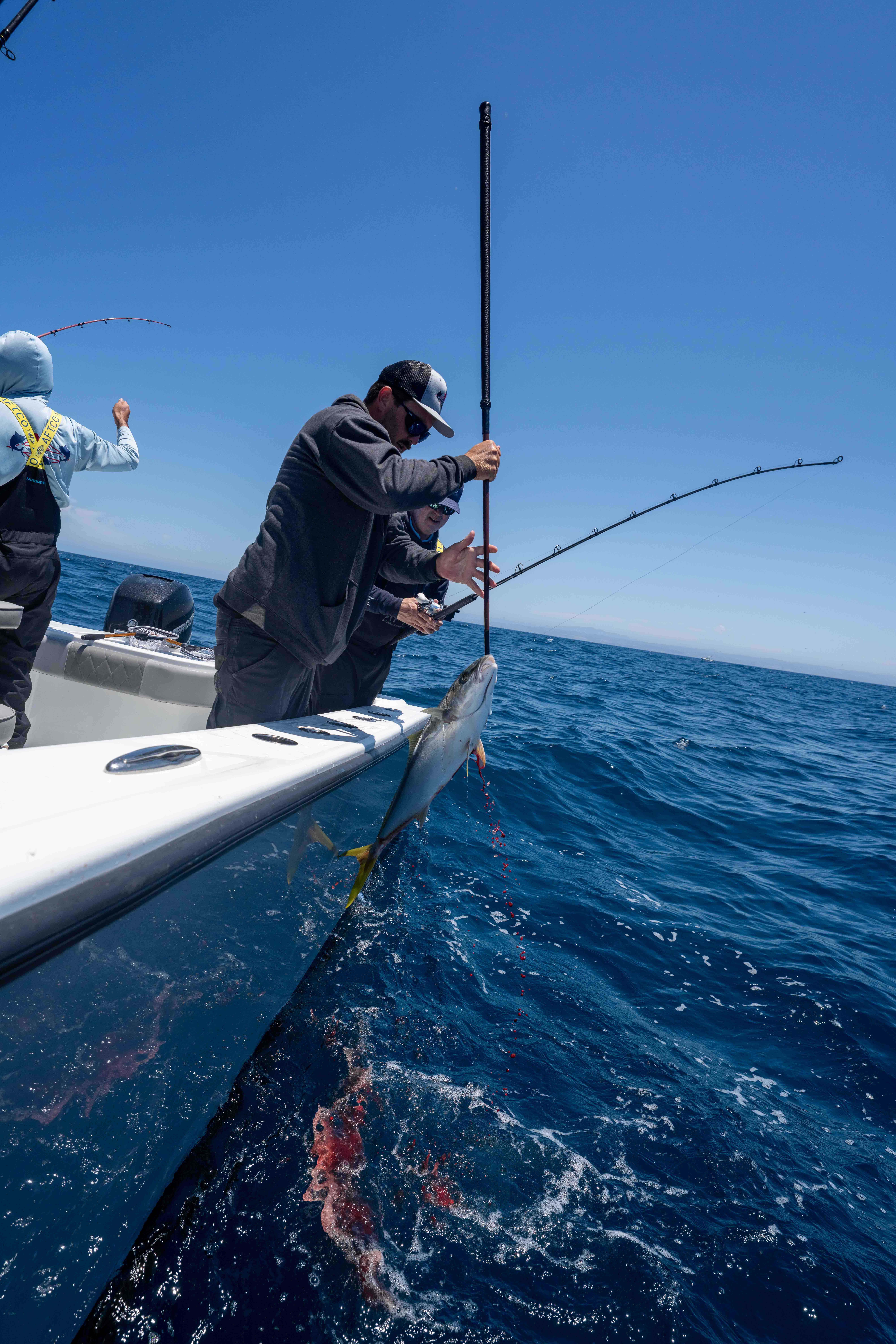
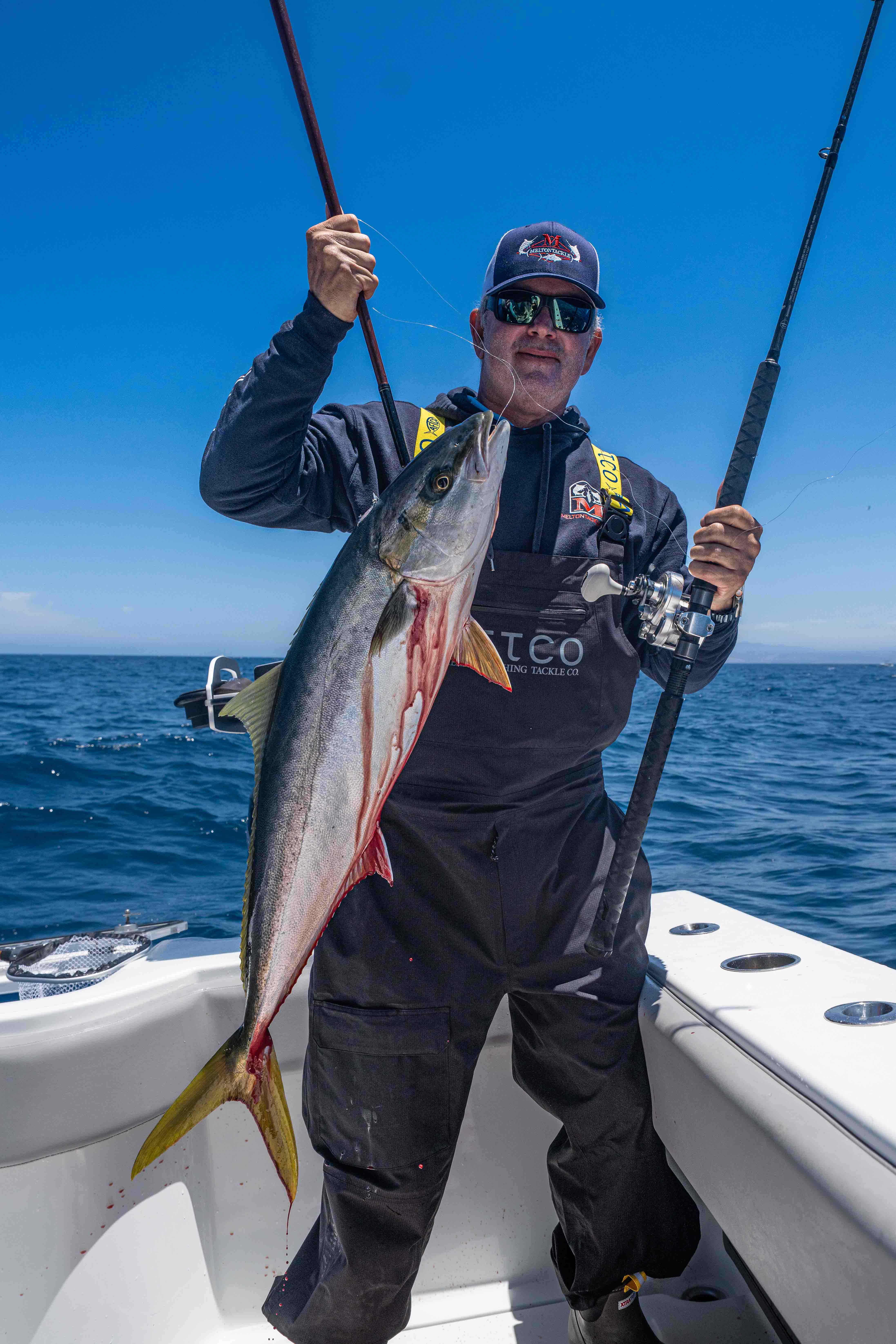
Wintertime yellowtail fishing presents a diversity of ways to fish for them. All the methods below have proven to be successful in the wintertime. Sometimes one method or another will prove to have greater productivity, which may be associated with the type of forage they are actively pursuing.
Yo-Yo
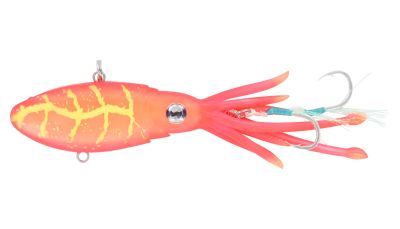
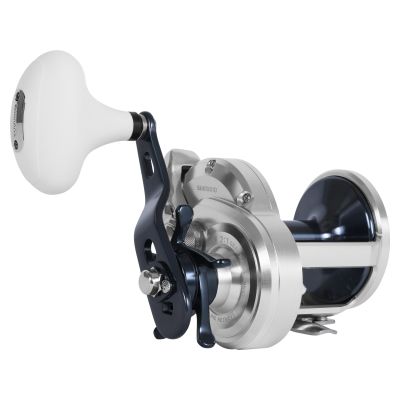
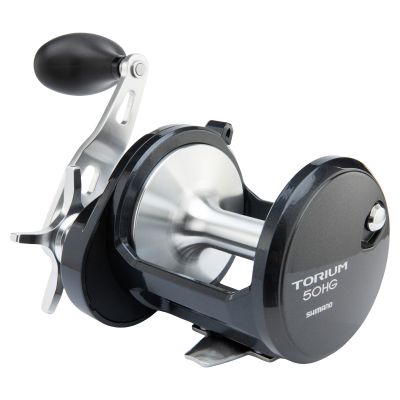
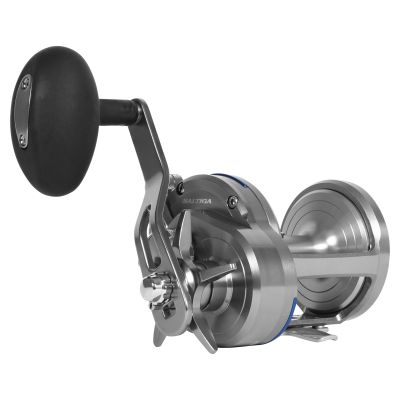
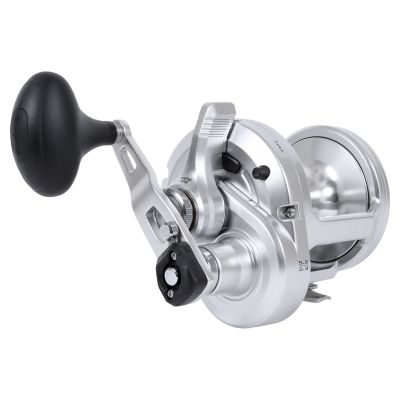
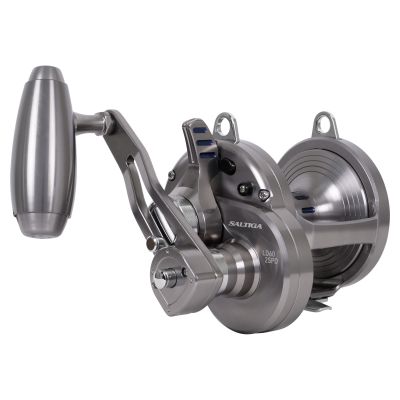
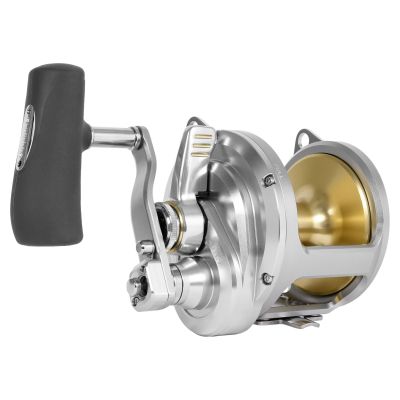
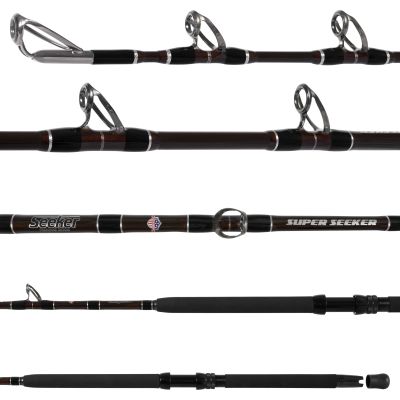
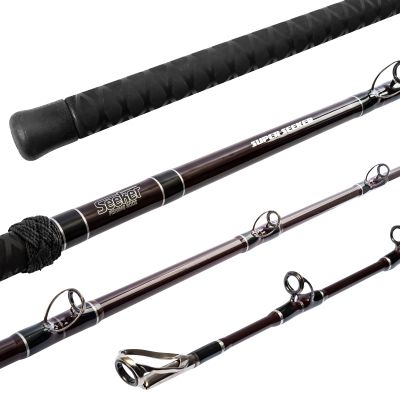
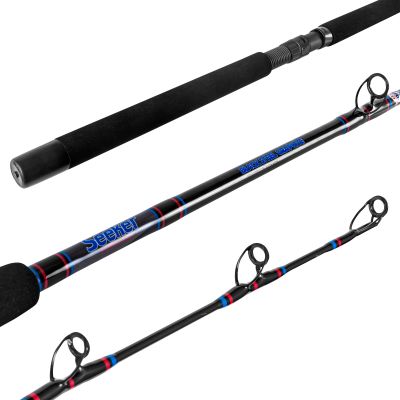
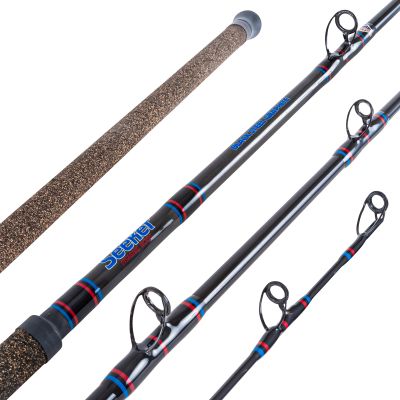
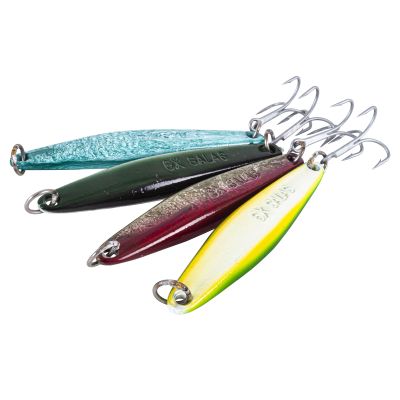
Fishing the Yo-Yo jig must be one of the most productive and exciting ways to monopolize on this winter-time fishery. The simple method is to drop your vertical jig to the bottom and reel it back to the surface at a fast rate. Before you drop a jig down, you want to make sure you mark schools of yellowtail on your fishfinder. Once located, you’ll be able to get a couple of drops on them. Often you either get a bite or move on to locating the next school of yellowtail. Although it’s hard to believe that color would make a difference at depth, there is finding and experience which shows a range of colors being more effective. Squid like colors as well as dark reds have been go-to’s for Yo-Yo fishing for yellowtail. If you do hook up, you’ll want to make sure you keep reeling through the bite to ensure a proper hook-up. Many of these wintertime yellowtails are sizable and are eager to bite. Because of this, you don’t need to be very stealthy, and the recommendation is to use heavier gear that’s comfortable to use because it may take several drops to hook up. A good 60 lb. rod with some decent backbone is needed; if you’re fishing predominantly on a private boat, a 7’ is perfect, while if your fishing a sport boat, you may want to go as long as 8’ to assist in getting around the corners of the stern. All the major reel brands make ideal reels for this type of fishing. The narrower reels have a taller spool which allows for better line retrieval, so you don’t have to reel as fast.
Reel Options:
- Shimano Trinidad A: 16 to 30
- Shimano Torium A HG: 16 to 30
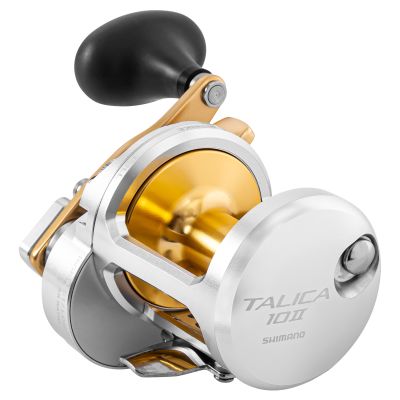
- Shimano Talica: TAC12II & TAC16II
- Shimano Speedmaster: SPM12II & SPM16II
- Daiwa Saltiga:
- Lever Drag: SAGLD35-2SPD & SAGLD40-2SPD
- Star Drag: SASD35HA & SASD40HA
Rod Options:
- Seeker Super Seeker:
- Seeker Black Steel:
- Phenix Axis:

Jigs:
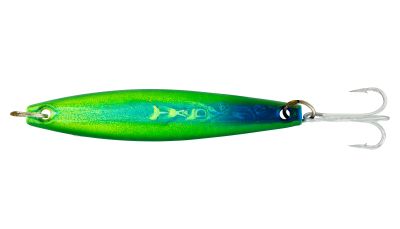
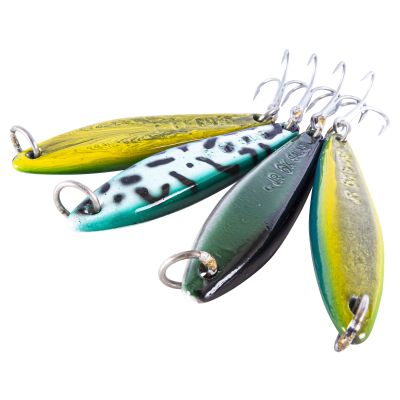
- JRI: JRI-6 Yo-Yo Iron Jigs &JRI-66 Heavy Yo-Yo Iron Jigs
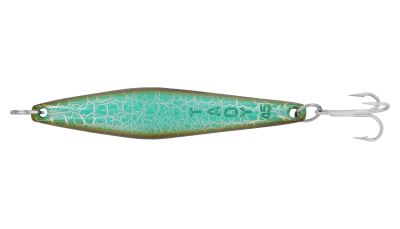
- 780: Tady 4/0 Heavy Irons
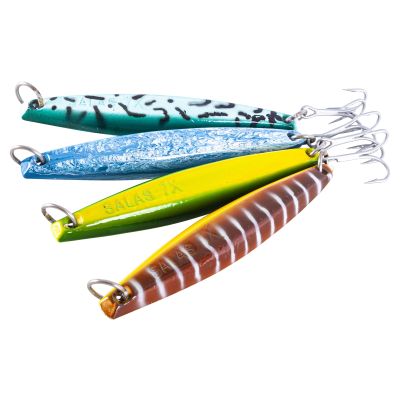
- Salas: 6X Irons & 6XJR Irons
Surface Iron
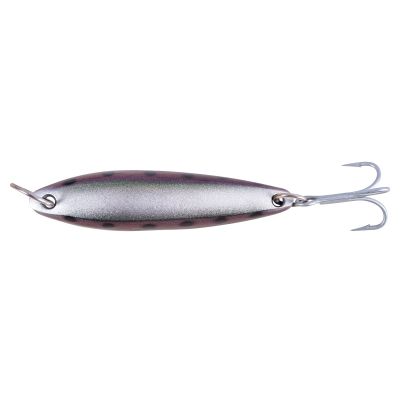
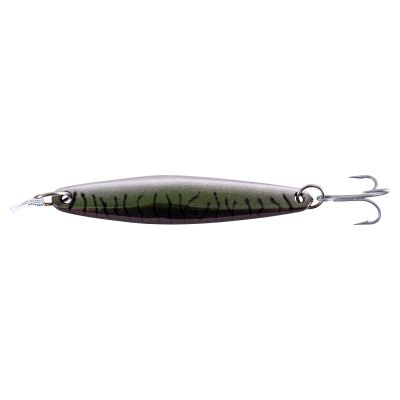
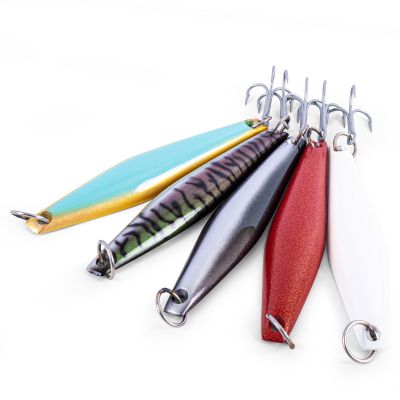
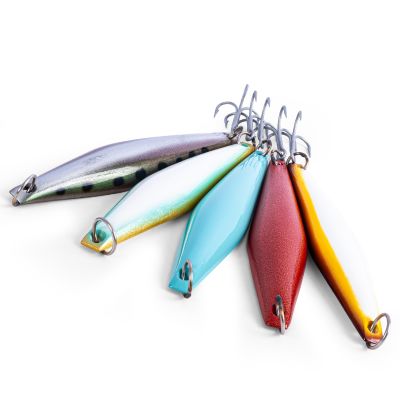
Hands down, the favorite way to catch a yellowtail in Southern California is on a surface iron. This tactic is most effective on a skiff or private boat and goes back to the reference above of spotting birds feeding on bait being pushed to the surface. This lends itself to run and gun fishing, where you spot the birds and fish actively feeding on the surface and race up to them to cast on them. Most times, the schools stay up long enough to get a few casts in. Usually, you can see the lure, the fish chasing the lure and bite all very exhilarating.
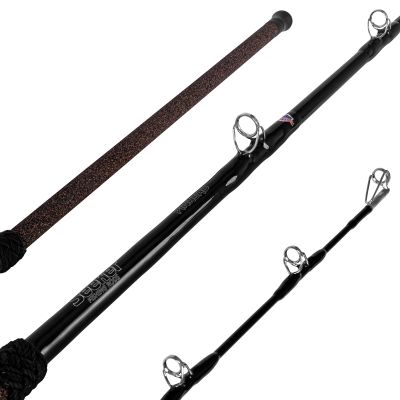
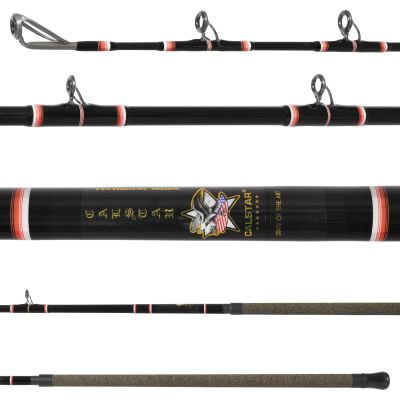
Most anglers that are serious about surface iron fishing have equipment that is fine-tuned and specialized for this technique. Many anglers opt for custom longer rods which enable them to maximize their cast given the opportunity at yellowtail. These rods are predominantly equipped with a deckhand style seat, that has no connection and the reel is adhered with a clamp. The go-to length is a 9’ rod; some even go to 10’. Several brands have adopted their own version of these surface iron rods and implemented them into their everyday line of rods. Calstar, Seeker, and Phenix all have a great version of these rods right off the rack. As for surface iron reels, Shimano is the go-to brand here, with a couple of great options. Probably the most popular surface iron reel would be the Shimano Trinidad; the size is really up to you, depending on your hand’s size and the rod’s thickness. These setups are usually spooled with a 50-60 lb. braid topped off with some monofilament for extra shock absorption and a small piece of fluorocarbon. A trick of the trade in retrieving your surface iron is to alternate the speed at which your retrieving. Often time a steady retrieve will get followers but won’t entice a strike, by changing up your speed slightly it will cause your surface iron to kick, and this change is often where the bite comes.
Reel Options:
- Shimano Trinidad A: 16 to 30
- Shimano Torium A HG: 16 to 30
- Daiwa Saltiga Star Drag: 30 to 50
Rod Options:
- Calstar GG 90J - 9'
- Seeker Pinhead Ulua 93H 9'3"
- Phenix Axis: 909H - 9' & 909H-J - 9'
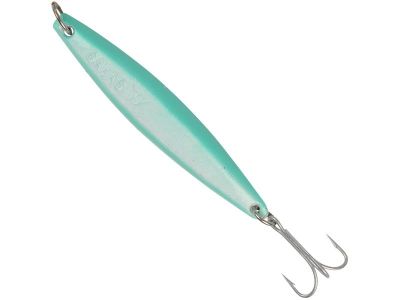
Jigs:
Trolling
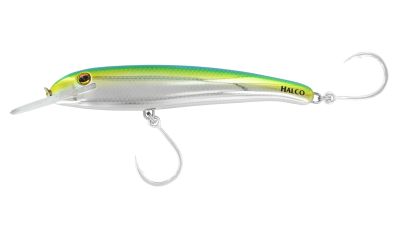
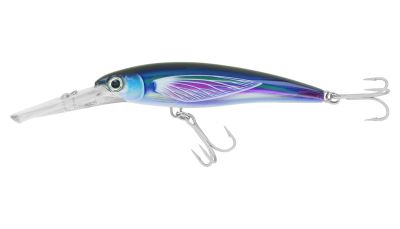
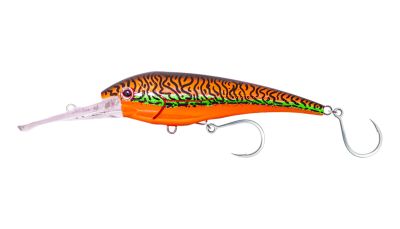
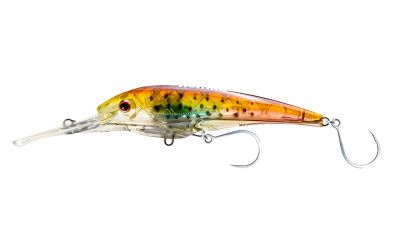
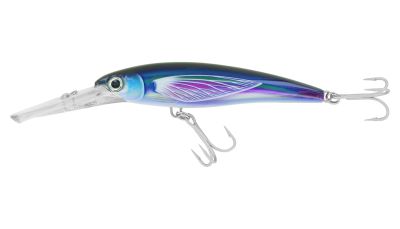
I’m not going to lie; wintertime fishing for yellowtail can be frustrating. You see the birds fluff up, the unmistakable waft of yellowtail breaking the surface; you head over to the spot as quickly as you can, only to have it go down right as you get there. At this point, you turn around and see another spot right where you came from. Sometimes you can’t win. Trolling does two things, it’s a good way to keep lines in the water when spots are sporadic, and two, it allows you to search out water when the fish are not exactly showing themselves. Just like the methods described above, this method can sometimes be the go-to for these wintertime yellowtails, and it really just depends on their mood. This is by far the most novice and user-friendly technique of the three. During wintertime, lobster traps, eelgrass, and kelp can be a nuisance, so it’s important to check your lures constantly to make sure they’re free of debris. As for your presentation, the age-old diving trolling lure is greatly effective. Rapala’s, Nomad and Halco are all good brands, with the most success coming from matching the hatch on colorway and size.
Reel Options:
- Shimano Talica: TAC12II & TAC16II
- Daiwa Saltiga Lever Drag SAGLD35-2SPD & SAGLD40-2SPD
Rod Options:
- Seeker Super Seeker
- SS 6470H-7' & SS 6470XH-7'
- SS 6480H-8' CT & SS 6480XH-8' CT
- Seeker Black Steel
- G 6470H-7' & G 6470XH-7'
- G 6480H-8' CT & G 6480XH-8' CT
- Phenix Axis:
- HAX-C 720H & HAX-C 720XH
- HAX-C 780H & HAX-C 780XH
Jigs:
- Rapala X-Rap Magnum Lures: 15 & 20 (Live Bait Colors)
- Nomad Design DTX Minnow Trolling Lures: 110 to 140 (Live Bait Colors)
Somehow this is my favorite time of the year to fish for yellowtail. In winter yellowtail are often elusive but when you connect the reward is worth the effort. These winter time size fish are just so impressive coupled with the quality of the yellowtail meat in the winter and the notable lack of people on the water makes for a great fishing opportunity.