

Our local Southern California bluefin fishery, specifically with the emergence of the "cow" tuna, has seen drastic changes in the way we pursue and target these big fish over the past decade. Bar none, the most thrilling methods used to target big bluefin have to be those which allow anglers to witness a visual topwater bite. Whether that be casting into foaming fish, kite fishing, trolling through a breezing school, or drifting a flying fish (flyer) with a balloon rig through the big fish zone, I would challenge you to find an angler who would disagree.
For those who are serious about their pursuit of big bluefin within the Southern California Bight, you can be sure that fishing with kites and helium balloons is a major part of their arsenal. In the beginning, the artificial Yummy Flyer paired with the Boston Big Game Kite was an extremely popular choice, and remains effective to this day. As we honed our skills and adapted to the ever-changing behavior of the bluefin schools in our fishery, fishing with a kite, helium balloon, or kite/balloon combo quickly became the go-to method for targeting fish over 100 pounds.
Previous articles have discussed the necessary tackle needed for targeting these big bluefin, so here we will focus on the rigging needs, how’s, when’s, and why’s of drifting a flyer utilizing the balloon rig.
What is a Balloon Rig?
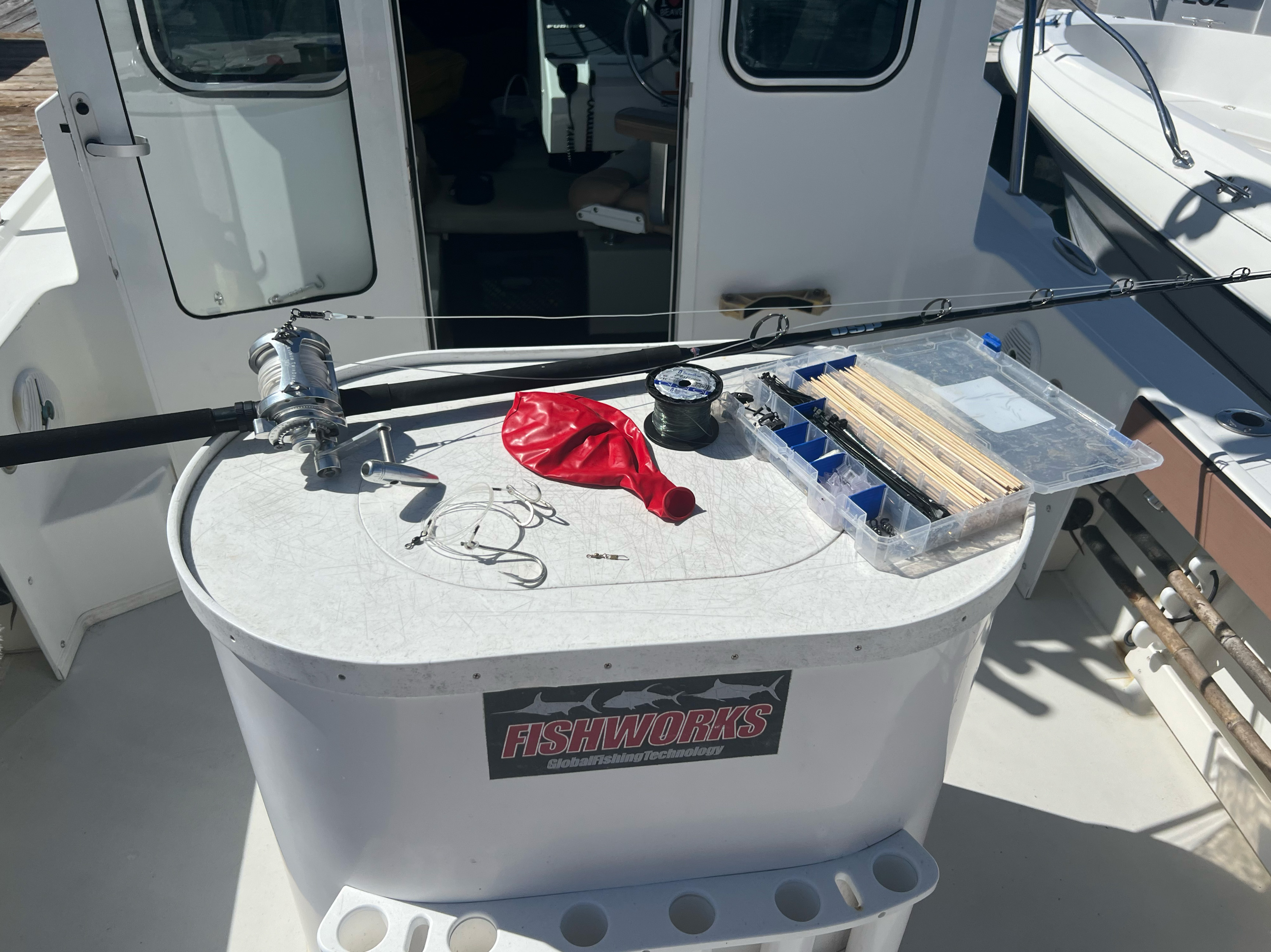
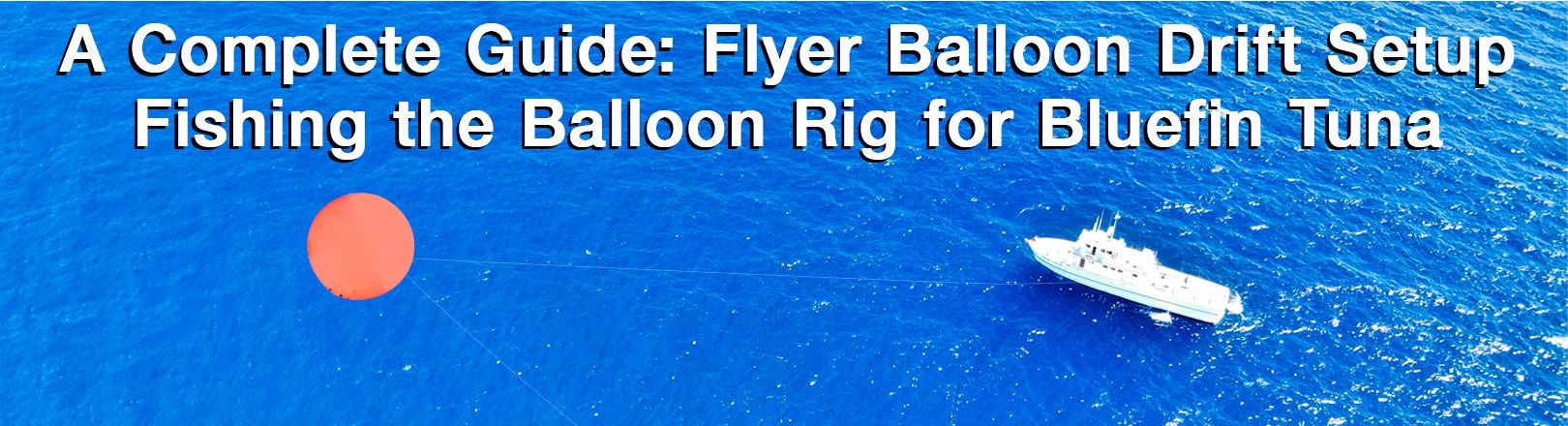
First things first, we need to understand what a balloon rig is before we delve into the nitty-gritty of it all. Essentially, a balloon rig setup utilizes an inflated helium balloon, sans kite, to present a rigged flying fish that sits perfectly on the water's surface, away from the boat, for your target fish, in this case, bluefin. While in some instances it may seem very similar to kite fishing, there are some major differences which we'll discuss throughout this article.
How to Setup a Balloon Rig - Rigging Needs & How to Deploy
For all intents and purposes, the balloon rig targets the same big bluefin that we anglers would target via the kite. We rig and present the same baits, using the same tackle, heavy rail rods, and big-game reels that we would use for kite fishing. We're still looking for zones throughout the SoCal Bight holding big fish; while it's not uncommon for sub-100lb fish to eat flying fish, when using this technique, we are generally targeting fish over 100lbs, with the true trophies being 200+lb fish, commonly referred to in our region as "cows".
Before we discuss the conditions needed for this technique to work effectively and when you might choose to fish the balloon rig in lieu of other techniques, let's look at the components needed for this setup and how to rig a flyer balloon drift setup once you're out on the water.
While everyone who fishes the balloon rig may use their preferred brands and components, and apply a slightly different style of rigging, below we’ll lay out what has worked for us and the must-haves to successfully fish the balloon rig application.
- 36” Helium Balloon - Ensure that the balloons you choose are appropriate and heavy-duty enough to withstand offshore conditions. It's always a great idea to have extra balloons on the boat...the last thing you'd want to happen when you finally start fishing is to accidentally lose or pop your last balloon.
- Balloon Clips - These inexpensive plastic clips are a phenomenal tool to have with you, as they secure the helium in your balloon without having to tie it off. This allows you to easily take out or put in additional helium as you adjust and perfect the presentation of your bait.
- Helium - This one goes without saying, you'll need to have helium on the water with you to inflate your balloon. Always check you have a sufficient amount of helium in your tank before your trip!
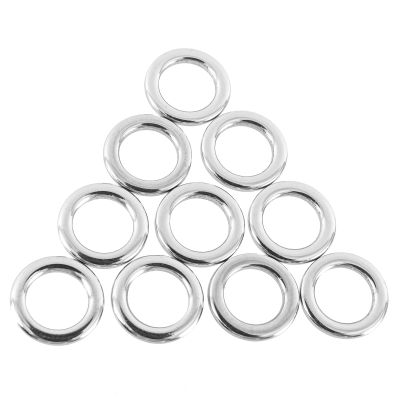
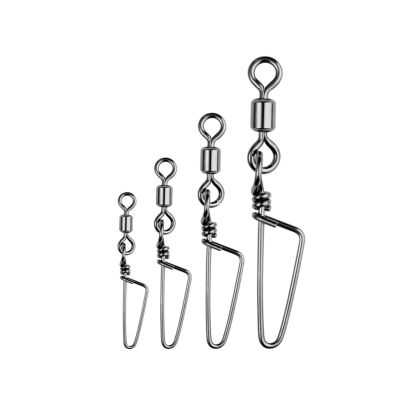
- Rubber Band & Snap Swivel or Ring - While it's always a good idea to have these on the boat for a variety of reasons, in this case, they will be used to secure your balloon in place on the line and allow you to reuse your balloon throughout the day. Make sure your snap swivel is rated 60lbs+ but avoid bulky swivels that will add too much weight to the overall rig.
- String - This will be used to secure your balloon to either your snap swivel or ring, ensuring that you'll be able to reuse your balloon after a bite.
- Flyers and Flyer Hook Rigs - You're going to need bait, right? For the balloon rig, you can use the same exact flyers and flyer hook rigs used when kite fishing
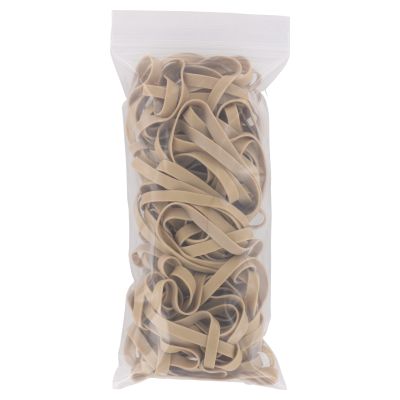
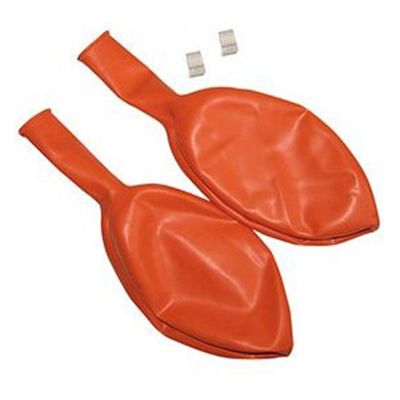
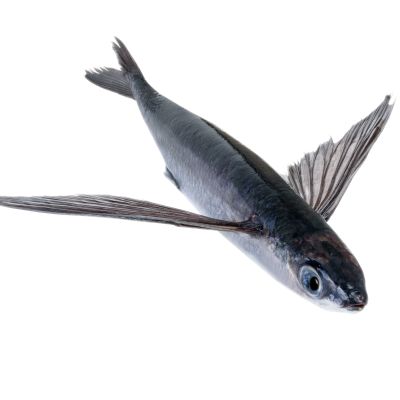
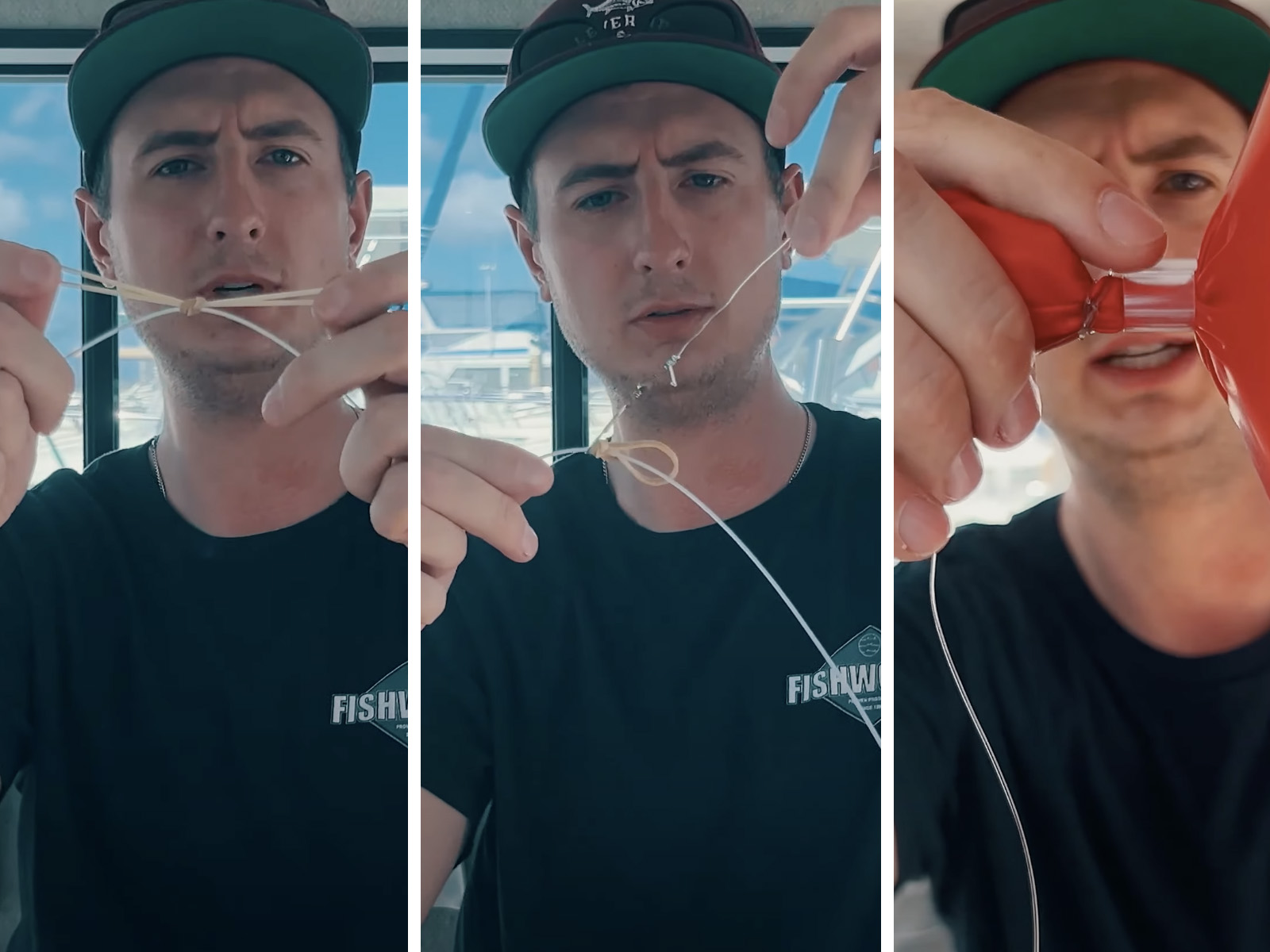
With all the necessary components at the ready, let's discuss how you, as an angler, would go about rigging a flyer balloon drift setup on the water and what should happen when you get a bite. Given the cost of helium, ensure you take notes on setting up the rigging so you can reuse your balloon throughout the day.
Setting up the balloon rig is one of the simpler ways to target these large bluefin using flyers on the drift. It may seem complicated at first glance, but as long as you have the proper gear and components, this is a technique you should be able to use on your next trip. The more you utilize this technique, the quicker you'll be able to set up the rigging and deploy your baits - repetition is the foundation of skill.
- Once you are in the zone and ready to set up your balloon rig, grab your rod and reel of choice. This should ideally be the same one you would use for kite fishing, with a heavy wind-on leader (I’d recommend at least 150lb test) and a heavy-duty big-game snap/pigtail swivel to attach your flyer rig onto, just as if you were setting up to deploy a kite bait.
- Your flyers should be rigged at this point and again, can be rigged in exactly the same way as if you were going to present them from a kite.
- Inflate your balloon with helium. This is the part where there may be some trial and error involved with exactly how much helium is going to be needed on that particular day. The balloon must be large enough to present the flyer correctly on the surface of the water, but not so large that it pulls the flyer out of water. You won’t know if you need more or less helium until you deploy your bait, but we generally start by filling the balloon to about 80%-90% full capacity. This is where those plastic balloon clips come in extremely handy.
- Measure out about 5-8 feet of string (60lb mono or something similar can be used here as well). On one end, tie the string to your snap swivel (or ring) that will be snapped directly to your main leader line or wind-on leader. On the other end, tie off to your inflated balloon below the plastic clip.
- Once snapped onto your main line (or already secured around the mainline in the case of a ring), you will tie off the snap swivel to the main line using a rubber band. The rubber band in this case acts as a stopper to prevent the snap swivel and balloon from sliding too far up your main line. Again this is subjective, but the rubber band should be placed anywhere from 20-30 feet from the bait depending on your personal preference. To tie the rubber band in the proper spot you will have to feed this 20-30 feet of line out onto the deck before deploying your bait and balloon over the side of the boat.
- Let’s deploy! Release your balloon and allow it to ascend into the sky, making sure you’re managing the line on the deck. Once the balloon has gotten high enough and elevated all of the line between itself and the bait, gently place your rigged flyer in the water and allow it to begin working out away from the boat. You’ll want to continually work your bait out away from the boat as much as possible or until it is over a spot of fish.
- Now what? Many times, while you are sending out a balloon rig on meter marks or a spot of breezing fish, you can get bit as you are still deploying your bait out away from the boat. If you are just drifting out a zone where there is a good signal, make sure that somebody constantly has eyes on the bait and it is presented properly right side up and just on the surface of the water.
- You’re bit! You’ve seen the massive white-water explosion and your balloon begins to sink towards the surface of the water. You wind tight into the bite and drag starts screaming off your reel. Your perfectly rigged balloon begins to make its way back towards your rod tip, as the pressure from the bite has broken the rubber band and the snap swivel/ring moves freely up the line. You or your crew are able to detach the balloon from the mainline and stow away or quickly attach to the next rod and deploy another bait.
When to Use a Balloon Rig
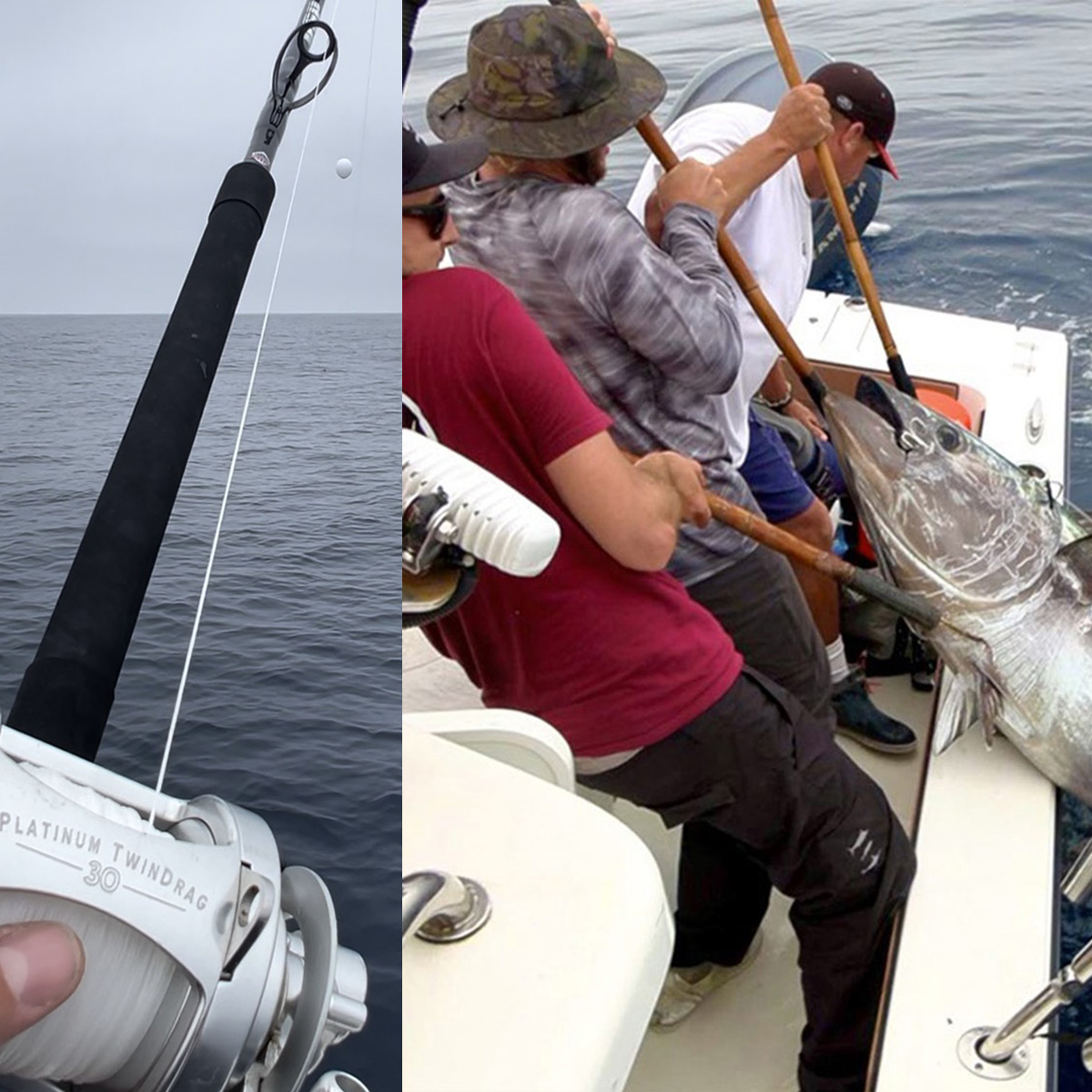
Now that we understand what is needed for setup and how to deploy a balloon rig, let’s discuss which scenarios would be optimal for this particular application. The balloon rig is an extremely versatile technique that should be applied in zero-to-very low wind situations. It will be much more effective in getting your flyer out and away from the boat, and is one of the only options to use if you are attempting to fish with a real or artificial flyer on days or mornings when there is little-to-no wind.
The balloon rig is also a great technique to use when the fish are moving very quickly in small wolf packs and you are consistently running over meter marks while underway throughout a particular zone. It can be deployed rapidly when running over a school, and wound in much faster than you would be able to do with a kite bait in a scenario where you are having to reset often.
When you are in a zone where there are consistent swim-throughs (meter marks while drifting), consider deploying your bait and slowly driving upswell to put distance between the boat and your bait. This helps get the bait out away from the boat more quickly and allows you to begin your drift. If fish are visually breezing or puddling on the surface, attempt to set your boat upwind (given there is the slightest breeze) of the school before deploying your bait and slowly walking it out towards the school.
Author’s Note: While this is one of the best ways to target big bluefin on light wind days, it can become quite frustrating trying to get the bait away from the boat on days when there is absolutely no wind at all. Don't be afraid to use the boat and get underway while deploying your flyer to assist in working your bait out away from the boat before settling into your drift. It can be a slow process, but stick with it and try to remain patient throughout the process.
Fishing a straight helium balloon can make the difference between you and your crew going home with a stuffed fish box or an empty killbag on days when the lack of wind prevents you from being able to fish the kite. While we certainly still believe that the kite and kite/balloon combo is one of the best ways to target big bluefin given the right weather conditions, the balloon rig is a tool that every committed angler should have in their arsenal. We’ll explore some additional benefits to knowing how to set up and fish the balloon rig below.
What are the Benefits of the Balloon Rig?
To build on the aforementioned point of using the balloon rig as a tool to deploy flyers in low wind scenarios, let's discuss why this is vital for your chances of hooking and landing trophy bluefin. To understand this, consider some of the main reasons that fishing with the kite has become the go-to technique throughout the SoCal Bight for targeting big bluefin during the daytime. First, it allows you to get your flyer out away from the boat relatively quickly. A practiced angler can drop their bait directly on top of or in front of a moving school with proper boat maneuvering, giving them the best chance of capitalizing on the opportunity. Secondly, and perhaps the most important development in our ability to land these cow tuna, fishing with the kite permits us to use heavy gear. Rail rods, 50-sized reels, 130lb spectra, and 150+lb wind-ons have become the staple setups for many anglers up and down the coast. Fishing a flyer with the kite keeps the bait directly on top of the water's surface and suspends all of the bulky terminal tackle above the water and out of sight of the fish. This is key - at this point, we all know how finicky and line shy bluefin can be, and dropping down in line class when targeting big bluefin is only setting yourself up for long battles and more likely than not, heartbreak.
Okay, okay, these are all benefits to fishing with the kite...but what about the balloon rig? That's just it! The balloon rig provides all of the same benefits and even allows you to reap the benefits of fishing a kite in certain scenarios when trying to fish with the kite would be all but impossible. You can fish the same heavy rod and reel setups as you would with the kite, and the balloon rig still keeps all of the terminal tackle out of the water while drifting a bait, even on days when the seas are flat.
Additionally, once you’ve pinpointed the proper amount of helium needed to inflate your balloon so that the bait presents properly, there’s no need for constant adjustments to how much line needs to be out like we often have to do when fishing with the kite. On top of that, only one rod is required to fish the balloon rig, yet another difference from fishing the kite in which you’d have the kite rod in addition to the bait rod, which can make the process of reeling in and re-deploying baits after a bite slower and less efficient.
You might be asking yourself, “If the balloon rig has all the same benefits of the kite and requires less setup, why wouldn’t I just use it every time?” While the flyer balloon drift setup does possess a massive upside, it is really most effective under the right conditions, those being little-to-no wind days. Not to say you wouldn’t be able to fish a balloon rig on an afternoon when it starts blowing 10+ knots, but it becomes drastically more difficult to properly present the bait once the wind starts pushing your balloon around too much. In the case where you had a sheet glass morning which turned into a relatively strong breeze in the afternoon, we would recommend starting with a balloon rig until the wind picked up enough to be able to switch over and effectively fly the kite.
The balloon rig is a tool that you’ll find in the back pocket of every single dedicated trophy bluefin captain in San Diego and beyond. While it may take a back seat to fishing the kite most days, you certainly will not want to be caught offshore without the knowledge of how to fish it on the day when you get into a zone corroded with fish but there’s not a lick of wind in the air. Knowing how to use this technique will set you apart from the rest and have you better prepared for success the next time you head offshore.
Good luck and tight lines!