

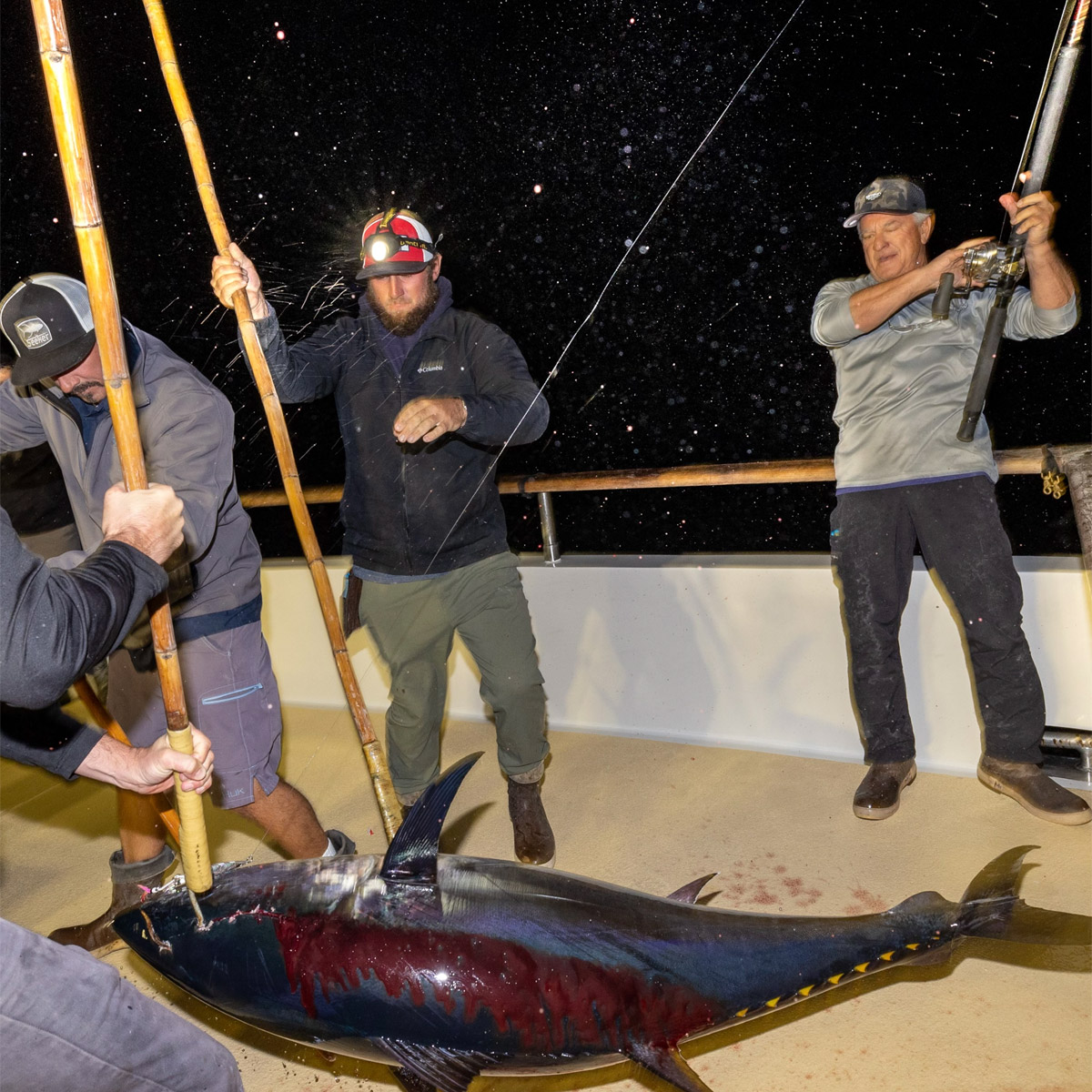
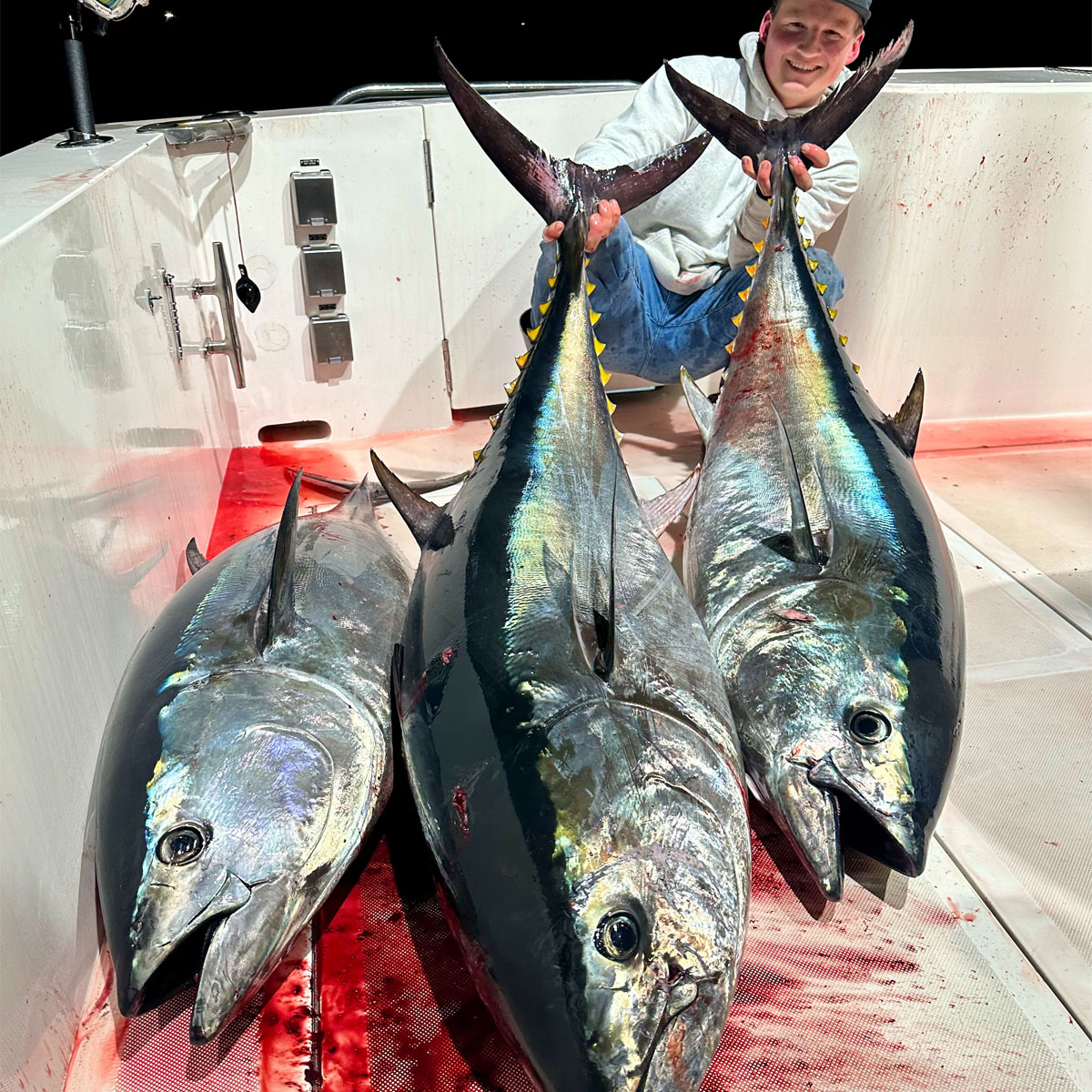
Well, it's that time of the year again... long nights, no sleep, and biting fish. Nighttime fishing for Bluefin Tuna is proving yet again to be one of the most consistent and productive ways to target these fish in our local waters.
Over the past few seasons, it always seems like the first big hits of the year have come from boats searching down South during the late Spring months and finding schools of biting fish after the sun has set. This year has already proven to be no different. At this point in the season, sportboats, charter boats, and private boats alike have all gotten their licks in on this nighttime Bluefin fishing, and it's showing no signs of slowing down anytime soon.
For those of you who may not be familiar with fishing for tuna in the dark, it has become the new craze throughout the SoCal Bight since shortly after the re-emergence of Bluefin in our fishery. Nighttime fishing for Bluefin can be downright incredible, and more often than not, your opportunity of both hooking and landing a fish goes up exponentially once the sun has disappeared over the horizon.
Daytime or nighttime, Bluefin are constantly on the hunt for their next meal. In the dark, these fish tend to school up deeper in the water column as we’ll often mark them anywhere from 200-600 feet deep, give or take. Luckily for anglers, they can become extremely aggressive and seemingly more impartial to what they will eat, taking advantage of any potential food source they encounter. In this article, we’ll explore the intricacies of nighttime fishing for bluefin so that you are set up for success the next time you head out targeting tuna in the dark.
Choosing the Right Location
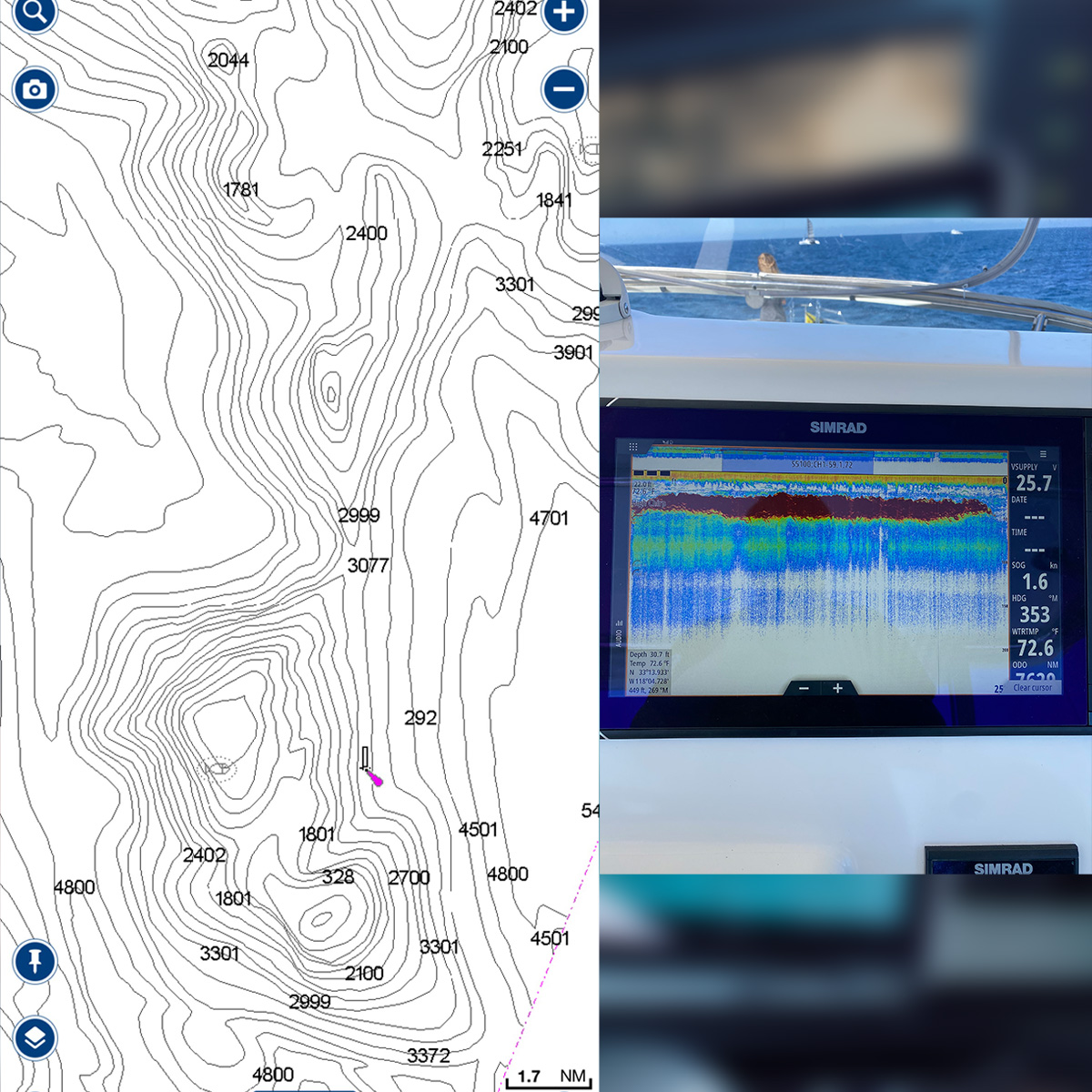
The ocean is vast, even when we narrow it down to the Southern California Bight, which can make choosing a starting point to look for fish extremely challenging. To simplify things, consider locating nighttime fish the same way you would go about looking for them on any given day throughout the season. Studying sea surface temperature and chlorophyll charts, reading fish reports, speaking to fishermen, and visiting your local tackle shops are all excellent starting points in deciding which direction to steer the boat on your next trip.
It's really not all that different from looking for fish during the daytime. You'll want to look for clean water, signs of life (birds, whales, etc.), and especially bait. Without a doubt, being in a zone with bait is one of the most important things you can do to set yourself up for success. Personally, this is my primary determining factor of whether I think I am in a productive area of water or not. Even if the water conditions are not exactly what I would like them to be, it is more likely there will be predatory fish around in an area where their food is than if there is absolutely no bait around at all.
Now, what exactly are the "ideal" water conditions an angler should look for when targeting nighttime tuna? Let's start with water color. It'll certainly help if you can get into the zone with at least a little bit of light so that you can visually see what the water color is. You'll want to put yourself in clean, blue water rather than water that appears to have a green tint to it or is at all dirty. If you aren't in the zone early enough to visually look, it would be well worth it to invest in an application that displays chlorophyll and SST charts for your local waters.
Water temperature is also an important factor to take into account when looking for productive water, but in my opinion, it is slightly less important than being in a zone with life and clean water. Throughout the season, we'll find bluefin in water ranging from about 56 or 57 degrees Fahrenheit, all the way up to 70 or 71, with the sweet spot generally being in the mid 60's. From spring to summer and eventually fall, water temperatures fluctuate quite drastically, but since bluefin have the ability to regulate their body temperature through endothermy, there is not one specific water temperature that they need to stay in.
The key takeaways for locating fish should be putting yourself in relatively blue, clean water, an area with good signs of life and bait, checking your SST and chlorophyll charts prior to a trip, and reading and getting firsthand reports from anglers who have been on the water.
Tackling the Big Fish
With fish ranging from 20-200+ pounds swimming in our local waters, it's imperative that you're prepared for anything you might encounter. As we noted earlier, bluefin are generally less finicky in the dark, so the tackle and rigging are relatively similar across the board, and heavy gear is the name of the game.
Anglers need to be prepared for long battles with big fish, and their tackle must reflect this. Below is a general list of gear that could be used for nighttime bluefin fishing:
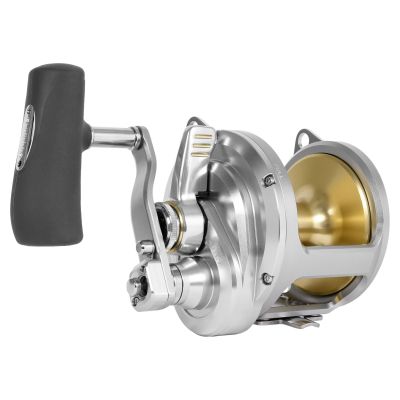
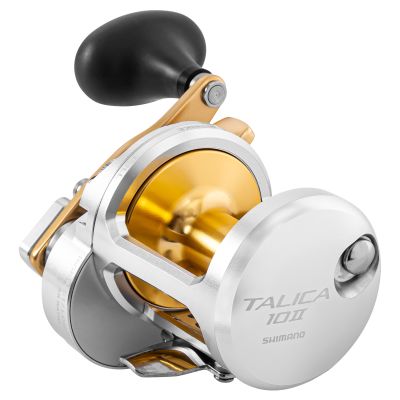
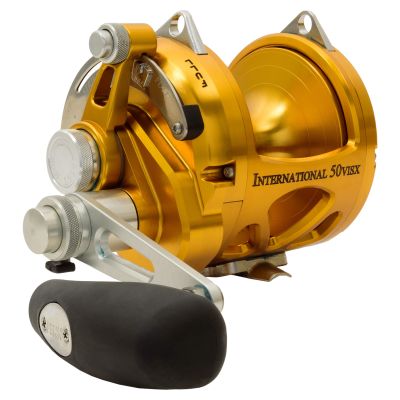
- Reels: Shimano Talica TAC20IICAM Conventional Reel, Shimano Talica TAC25IICAM Conventional Reel, Penn International VISX Two Speed Reel - 20VISX - Gold. These are just a few examples of big two-speed reels with high line capacities and heavy drags that can handle triple-digit fish.
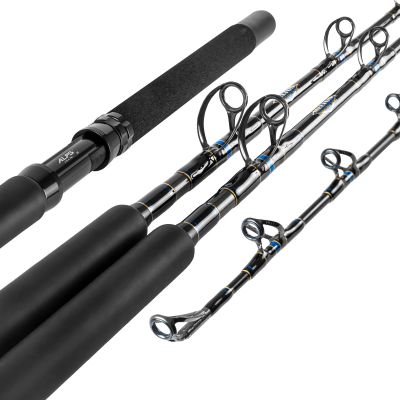
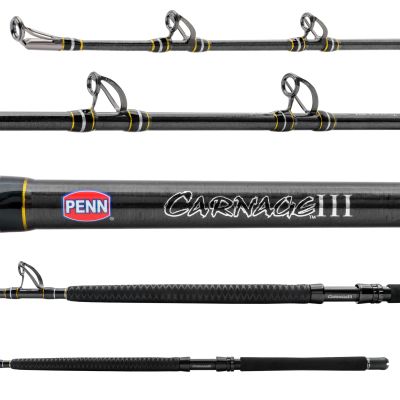
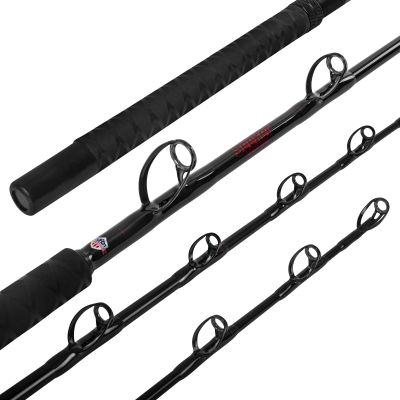
- Rod: 80-130lb rated rail rod. You want your rod to have a stiff back bone and slightly soft tip to absorb headshakes and take some strain off your body during the fight.
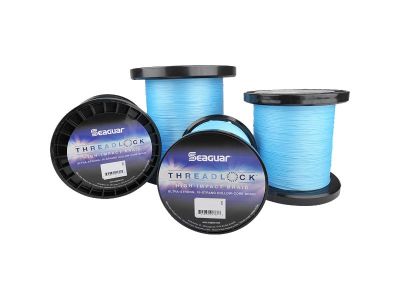
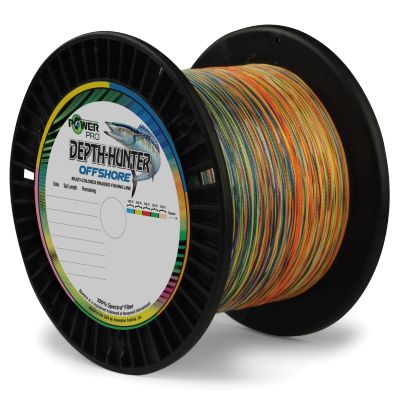
- Braid: Minimum 100lb braided line. Both hollow and solid braid will work, but fishing with a hollow braid can allow for more seamless connections to your leader.
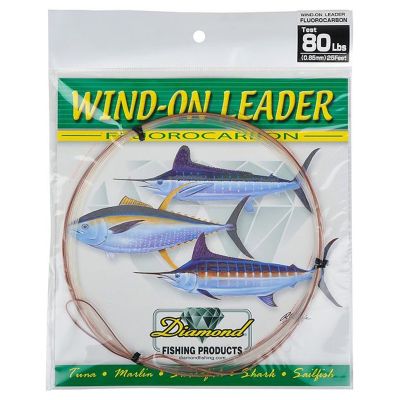
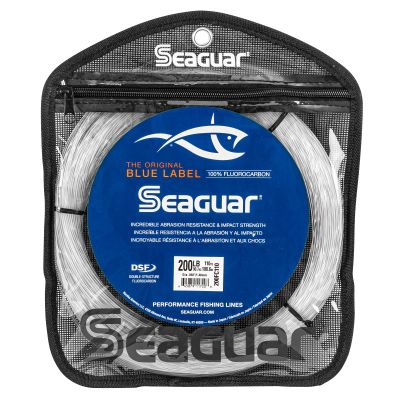
- Leader: Minimum 150lb fluorocarbon bite leader. A wind-on or small section (24-36 inches) of fluoro can be connected to your braid to serve as your bite leader.
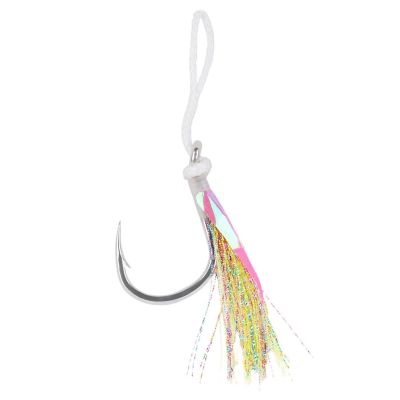
- Assist Hooks: Some jigs come packaged with their own assist hooks, but it’s never a bad idea to have extra or upgrade existing ones. Depending on the size of the jig, I’d recommend sizes 5/0 to 7/0. Mustad 6/0 Heavy Duty Assist Hooks are my go-to.
While bulky reels and rail rods are the go-to for the majority of anglers nighttime fishing for bluefin, jigging can be an extremely effective way to earn a bite, especially when fishing is slower. For everything you need to know about jigging, you can check out Jigging for Bluefin Tuna.
Selecting Baits
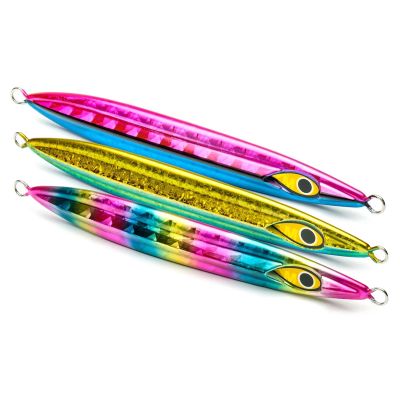
While you can certainly still catch a Bluefin on live sardines or mackerel in the dark, there's no question that heavy metal and lead jigs are the most effective way to target Bluefin at night. These baits sink quickly, getting down to the fish as fast as possible, can be fished on heavy gear, and can be rigged with multiple large hooks, increasing hookup ratios.
With the knowledge we have now, there's no longer a belief that you need any one specific glow-in-the-dark jig or specific brand bait to get a bite. The most important thing is that the jig is heavy enough to drop onto a school as soon as you begin marking it on your fishfinder. The market has exploded with heavy jig options in recent years, and it's important that you have a wide variety of shapes and sizes in your tackle box. Oftentimes, the best size jig to fish will be something in the 180-300 gram size, although wind, current, and fish preference can change this on a day-to-day basis.
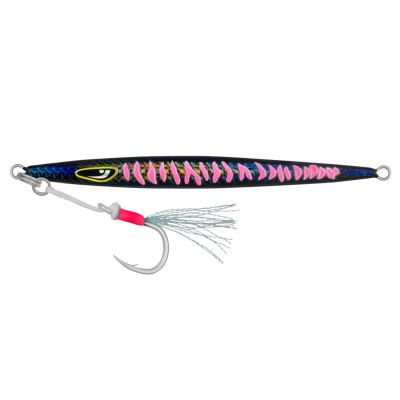
To be fully prepared, you’ll want to have an assortment of flat-fall style and knife jigs ranging in size from 100 grams all the way up to 400 plus grams. Some nights the fish prefer to bite a longer style knife jig such as the Nomad Design Streaker Jigs or Mustad Rip Roller Slow Fall Jigs, while other nights they prefer a shorter more hybrid style jig such as the Daiwa Saltiga SK Jigs or Shimano Butterfly Flat-Fall Jigs. In recent years we have discovered yet another effective presentation dubbed the “Eddy Bomb”. As wild as this sounds, all it is is a 16 or 20 ounce Lead Masters Double Ring Weights rigged with large Mustad J-Assist 1 Heavy Duty Assist Hooks (5/0-7/0) and a bite leader. You’ll want to pre-rig a variety of baits before your trip in case the fish are keyed in on one presentation or size.
Nighttime Techniques for Success
The act of fishing for bluefin during the nighttime is far from the most technical approach that we have for targeting these fish. However, with that being said, there are certainly still strategies and tricks that anglers can employ to improve their chances of both hooking and landing a bluefin in the dark.
Being prepared with the proper aforementioned tackle is the first step. The bite leader is an especially important factor to take note of. Those who fish with hollow braid can directly attach a 150lb or 200lb wind-on leader and tie, or even better, crimp their jig directly to the wind-on leader. If you choose to attach a short 2-3 foot bite leader of 150lb or 200lb fluoro, I’d recommend crimping one end directly to your jig and the other end crimped to a Owner Micro Hyper Swivels. Big fish tend to inhale entire jigs, especially smaller profile ones, and this heavy bite leader will help to prevent them from chewing through your line and biting you off during the fight.
Once the sun goes down, you’ll want to remain especially attentive to your fishfinder (and sonar if you have one). When you begin to mark a school, take note of what depth they are at, as this is where you’ll want to focus your efforts while fishing your bait. Much like yo-yo fishing for yellowtail, you’ll want to drop your jig slightly below the school and work it all the way through the shallowest part of the school. With bluefin, we have found that a steady medium-speed retrieve gets bit just as well as burning your jig up as fast as possible. Continue to work your jig up and down through the school for as long as you continue to mark fish.
Pro tip: Marking your braid every 50-100 feet before a trip or filling your reel with metered braid has become a necessity for this nighttime fishing. Knowing how deep your jig is can sometimes be the difference between getting bit or not. Fishing with marked or metered braid will allow you to know that your jig is at the appropriate depth no matter where the fish are in the water column.
Many times your bait will be eaten while you are in freespool and letting your jig fall through the school. This bite can be a bit tricky to detect; it may feel like your jig has hit the bottom or begun floating, or line may begin to shoot off your reel after feeling a “thump” on your line. At this point, the fish has your bait in its mouth, and you’ll want to engage your reel and wind into the bite, coming tight on the fish as quickly as possible.
Once you’re bit, you’ll likely be able to estimate the relative size of the fish fairly quickly, as smaller fish have a difficult time pulling much drag at all on these heavy nighttime setups. Leave your reel in high gear at the beginning of the fight as your fish will likely still be erratic at this point and you have to be able to maintain constant pressure on your fish. Once your fish has settled in and is up-and-down doing big circles, you can go into low gear with your reel and really use your rod and the boat’s rail to your advantage here to help with leverage. Keep steady pressure on the fish and remain prepared for anything in case your fish decides to make any unpredictable movements or runs as these fish have a tendency to behave differently in the dark.
The difference in Bluefin’s behavior and willingness to bite can truly be night and day in the case of targeting these fish in the dark. While nighttime fishing can very much appear to be a sportboat game, it can be extremely effective for anybody who is armed with the proper gear and willing to dedicate the time and effort into locating schools in the dark. Whether you fish on a sportboat, charter boats, or run your own private boat, this information will serve as a guide on nighttime bluefin fishing and hopefully help you to locate, hook, and land more fish this season.
Tight lines!