


What lies beneath? As an angler, I visualize the underwater environment, how my target species behave, how they hunt, and my presentation to them. Much of what we do as anglers is based on visualization and guesswork through experience.
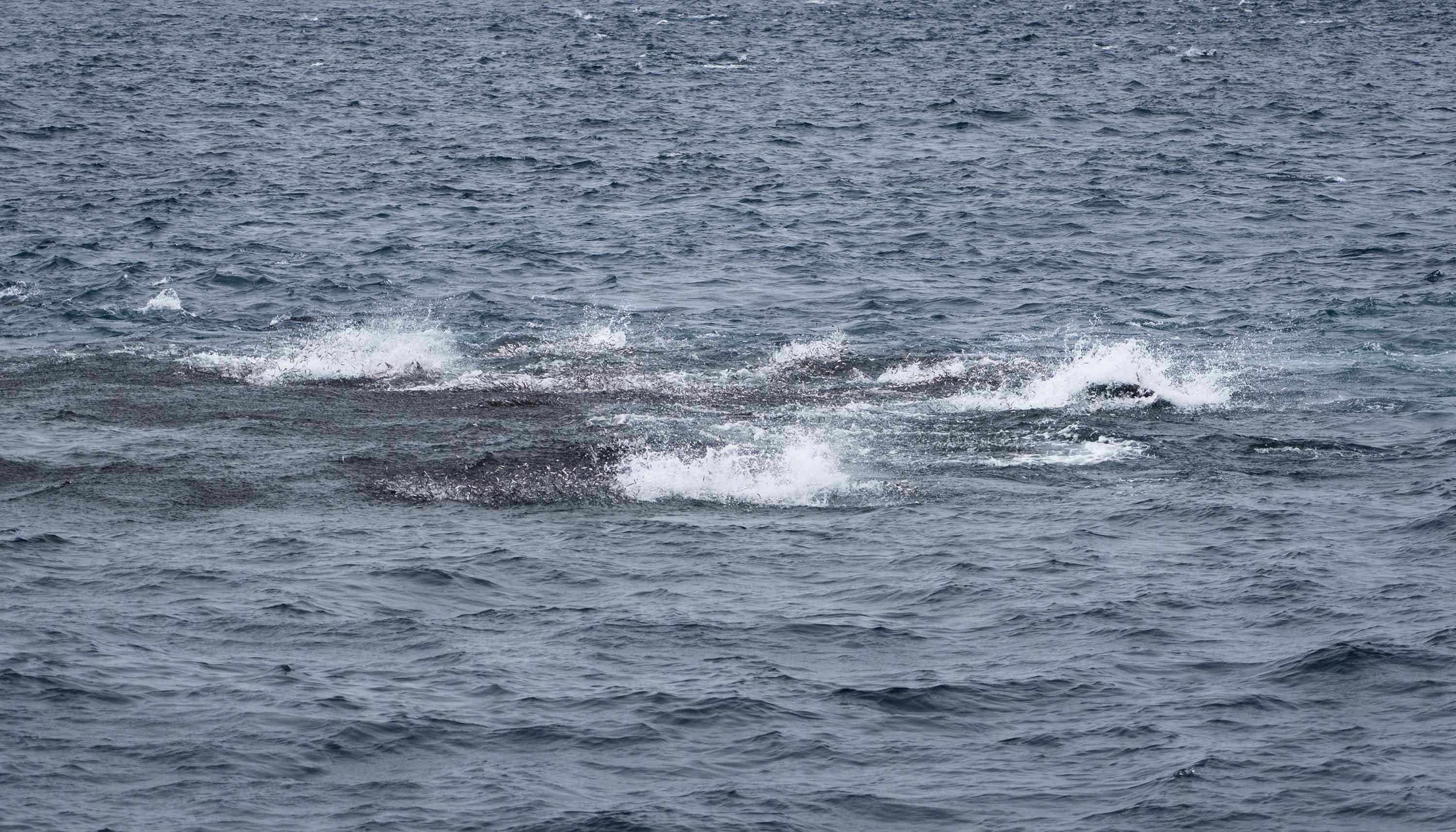
Conversely, nature sometimes gives up all her secrets and lets us see first-hand what’s happening. One of those scenarios is when predatory fish use the ocean's surface as a wall to trap their prey against it, resulting in a feeding frenzy often referred to as a “foamer.” This is one of those times when nature does something truly special, a “Nat Geo Moment” is what many call it. That water turns into a churning whitewash of bait, scales, and bullet-like fish speeding through, gorging themselves on the opportunity. Sometimes these areas of feeding fish can be the size of a wood pallet, other times exceeding that of a football field. In the exemplary scenario, they can last a mere handful of seconds or minutes, even hours. As quick as they started, they can disappear, with only remnants being the scales and the slightest oil slick left over from a glutinous feeding.
With some species, foamers are a more prevalent behavior than others. Regardless of the species, it’s always an impressive and captivating experience. Nothing brings the kid and the excitement out of an angler like seeing a foamer of fish. No longer are you guessing what’s going on below the surface. It’s happening in real-time in front of your eyes. For us in Southern California, this behavior becomes most common in the summer months when tuna species forage on baitfish in the form of anchovy, sardine, squid, saury even krill.
Spotting Foamers
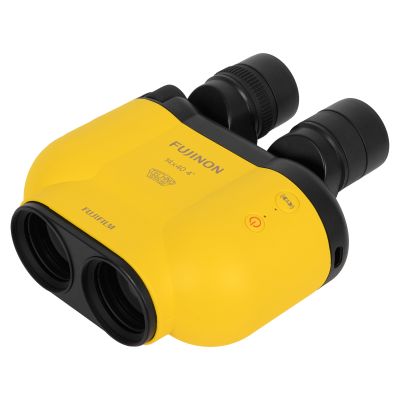
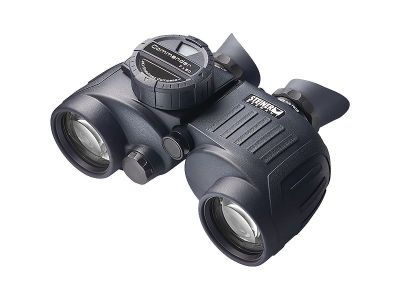
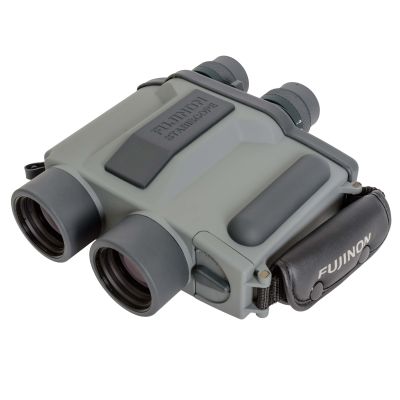
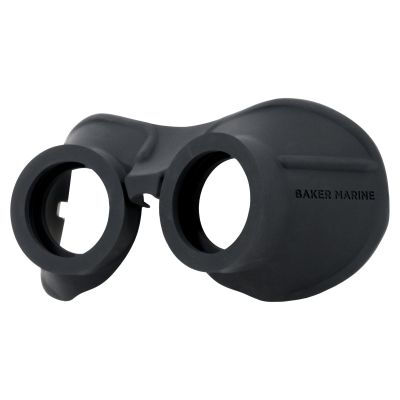
One must have a keen eye to spot the feeding fish or the behavior resulting in this scenario to locate a foamer. Fishing Binoculars are a must on any trip and are worth ten times their value in spotting foamers. If you have the availability to have access to stabilizing binoculars, this will get give you a tremendous advantage in scouting or surface activity. Depending on the sea state, you’ll usually be looking for birds to circle a small area; most likely, these will be terns. The smaller the circles and the lower down on the water, the more active the scenario will likely be. As you get closer, you’ll be able to see the actual fish and bait ball blowing out of the water in a frenzy.
Terns are some of the most essential tools for reading the ocean. These amazing birds are incredibly in tune with the ocean and the behavior of the creatures within it. This is true to the extent that a whole article should be designated solely to their connection and behavior to our fishery. To keep things basic, here are a few things to remember. High-flying terns circling equates to a school down deeper, tighter circles, and flying near the surface equates to a school coming up. Squawking between terns as they as school comes together can be indicative of a feeding activity about to happen. When you see terns up high, it can be beneficial to slow down and see if the behavior changes. Sometimes it just takes patience and letting the tuna, bait, and birds do their process, which will eventually turn into feeding.
Understanding The Foamer
Once an area of fish is identified, it’s necessary to take a moment and assess the situation. If there is already one skiff fishing a spot of fish that is up and feeding, it’s best to pass on that one and locate one that hasn’t been bothered, nor has anyone else fishing on it.
The foamer of fish will be moving in a specific direction as the bait tries to escape predation. Take note of the direction the school is moving. The best-case scenario is to get in front of the school and have them come to you. In doing so, slow down and try to be as stealthy as possible. Be patient and let the right opportunity present itself. If possible, shut the engine down, and if things work out, you’ll be in casting distance as the fish come in your direction.
Fish don’t always cooperate and may force you to be active vs. waiting for the fish to come to you. If you want to pursue a foamer in a “run and gun” fashion, you’ll want to get within casting range, all while trying not to disperse or aggravate the foamer, which will cause your target fish to flee. The smaller the skiff, the stealthier you are likely to be.
The best way to approach a school in a “run-and-gun” fashion is to slide in parallel to the school. You’ll want to get as close as possible at a moderate speed, not planning, and when within range, shut the engine down, causing your forward motion to slide next to the school of feeding fish.
Once in the school, it’s likely to get a handful of casts into the school, but that’s dependent on the school and how long they stay up and feeding. At times you may only get one cast. Other times you can get numerous casts into the school.
Presentation
While foamer fishing, tuna can feed so violently and aggressively that you’d think just about anything thrown into the school would get bit. This is the scenario at times, but often, they are surprisingly keyed in on a particular silhouette. The issue is making your presentation stand out from the thousands of bait fish they are feeding on. What makes a tuna want to eat your lure instead of the perfect delectable anchovy it’s chasing?
Match The Hatch
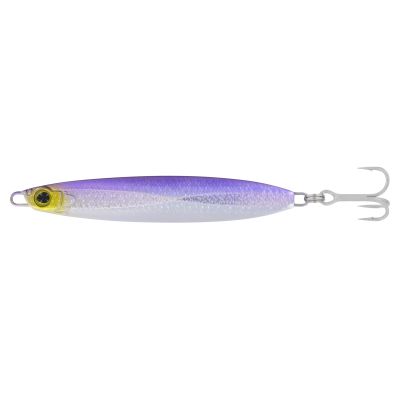
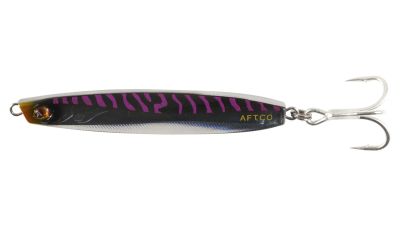
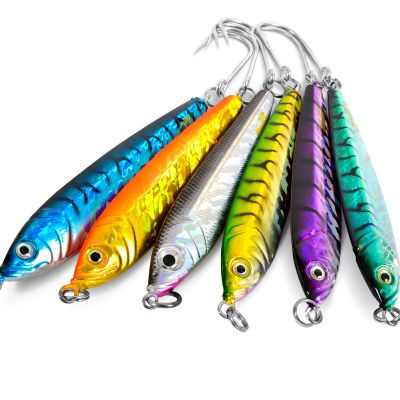
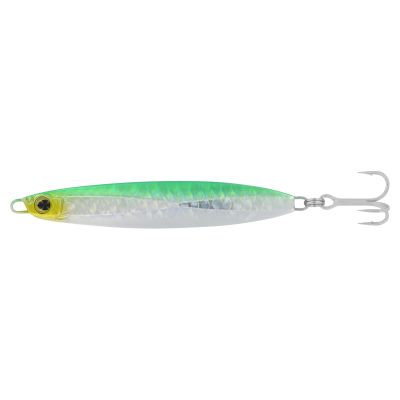
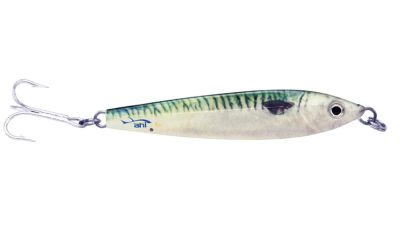
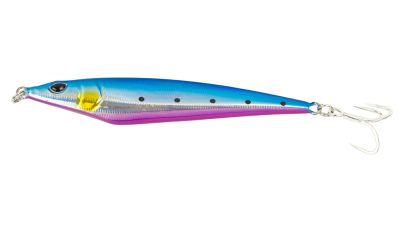
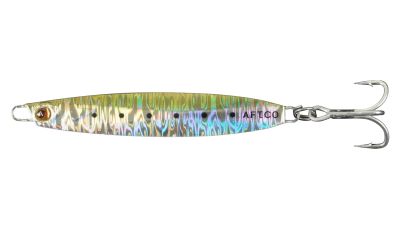
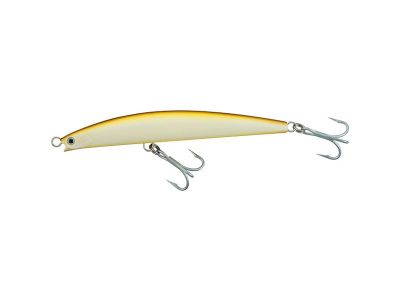
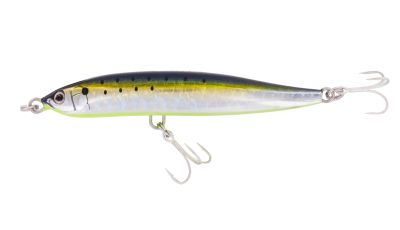
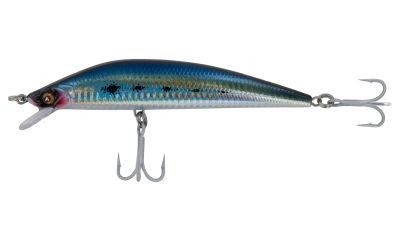
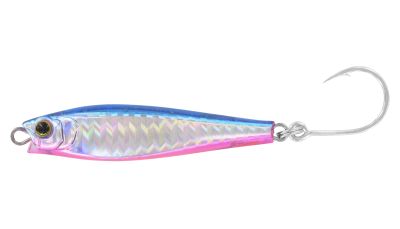
This is a go-to method for fishing foamers. Often these fish feed on anchovies or saury, basically small bait fish ranging from 3-6 inches. Several brands make small anchovy-like lures that apply to this scenario. Most of the time, these are lead and quite heavy for a small lure, which is also favorable for casting at a distance into the school. If the fish are finicky, a point of differentiation is letting your lure sink through the foamer as an injured anchovy.
-
-
-
 Megabait LuresOut of stock
Pop, Pop
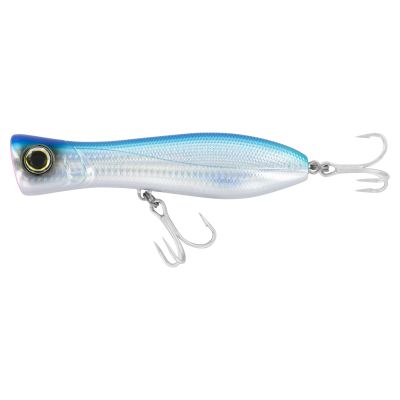
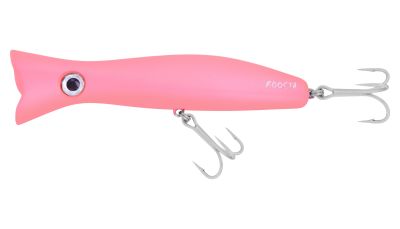
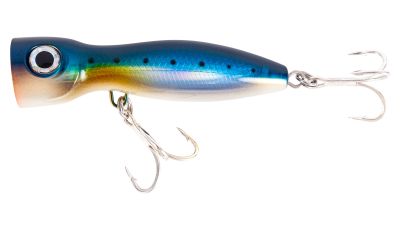
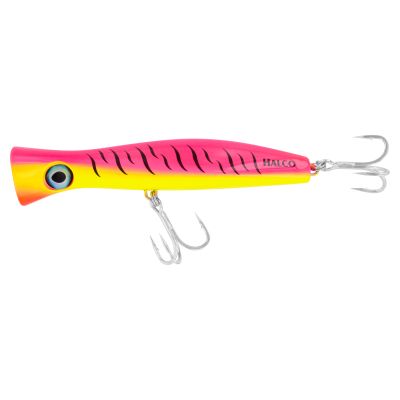
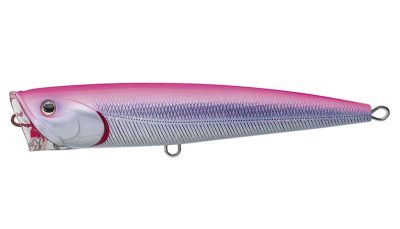
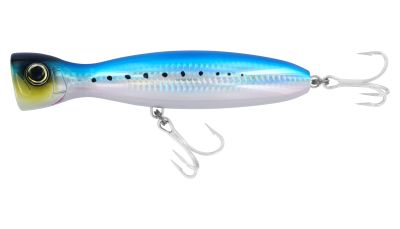
One of the most exciting ways to get bit on a foamer is with a popper lure. Often, I think Tuna will eat a popper out of anger because it is often larger than the bait it's feeding on. Whatever the reason, tuna, and foamers have always been a thing. Different retrieves will often make the difference between getting bit or complete frustration. Often tuna will hit a popper in foamers when there is a slight pause to a dead stop in your retrieve. It gets even more interesting. We’ve had several years where oversized poppers were the most effective, and that time seems to have passed. Conversely, we’ve seen color or lack there be effective. In the latest years of foamer fishing with poppers, we’ve seen clear poppers be all the rage. Do tuna have a preference? Either way, poppers are some of the most compelling presentations when fishing foamers. Always keep a popper in your arsenal when presented with foamer fishing.
-
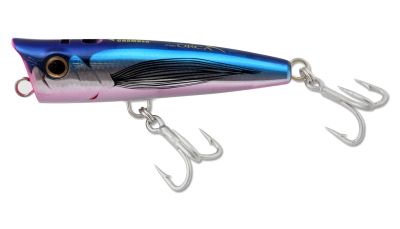 Shimano POP-ORCA LuresOut of stock
 -
-
-
Stickbaits
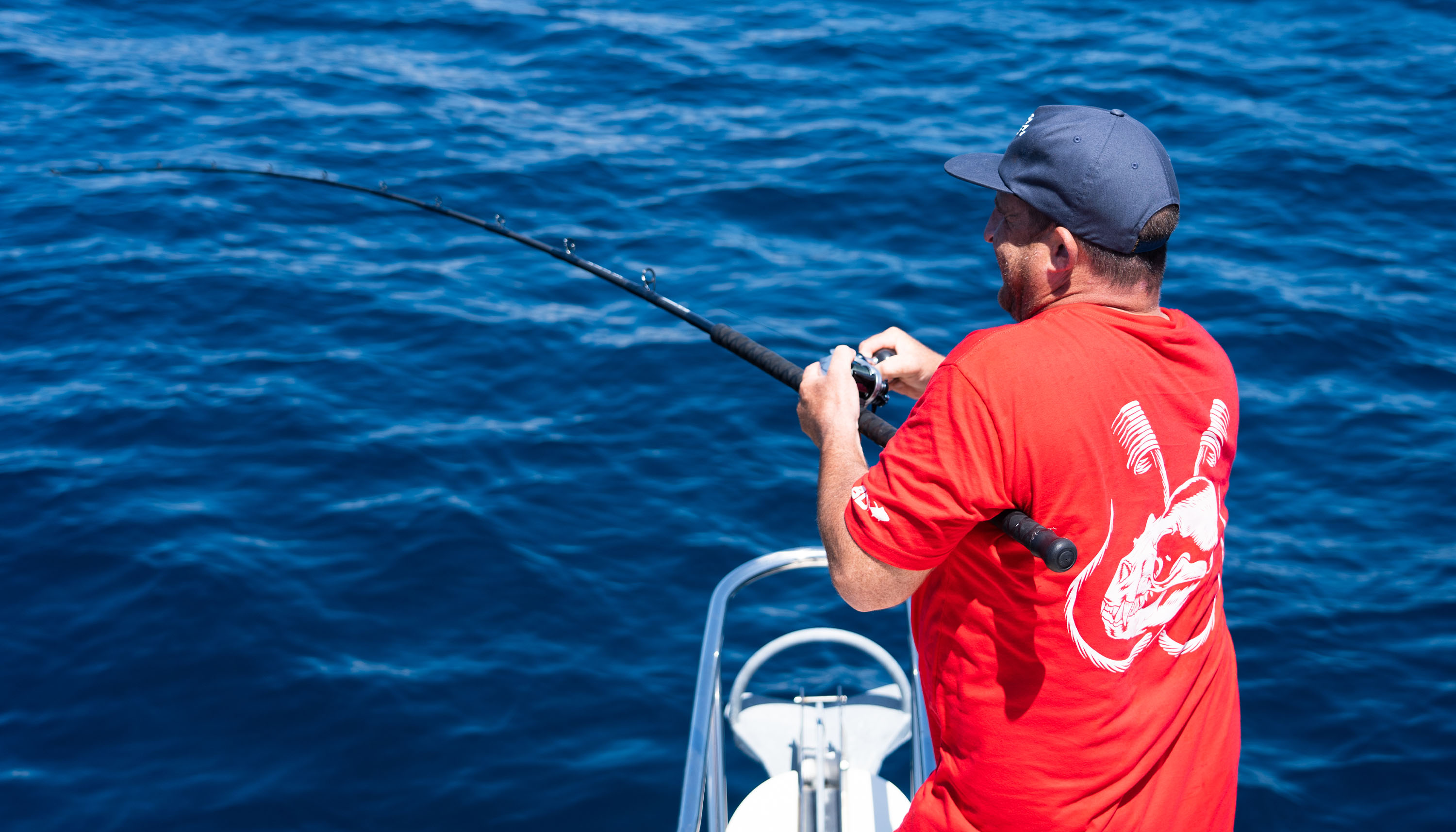
If the foamers are “up” and staying at the surface nearby and almost unaware or unbothered by your skiff, this is a great time to try a stickbait. Stickbaits, due to their weight and profile, are plagued with not being as applicable for distance casting, so the circumstance needs to be just right to try one of these. Again, this is a larger presentation than the bait the tuna feed on. At times these have been as or more successful than any other method. They may all work from large to small stickbaits with various actions and retrieval speeds. It’s a process to determine what will work on a particular day.
By now, it may start feeling like just about any casting lure will work, and that’s not the case. The reason for variety is to find what will work on that specific day. Some days they’ll respond to poppers, while others be completely ignored.
Gear
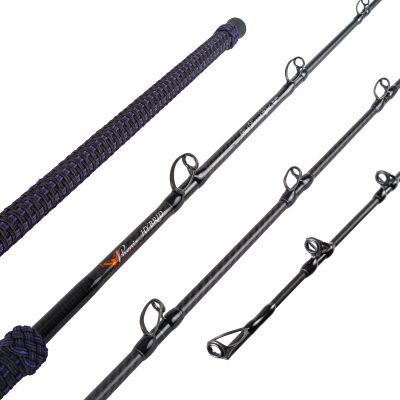
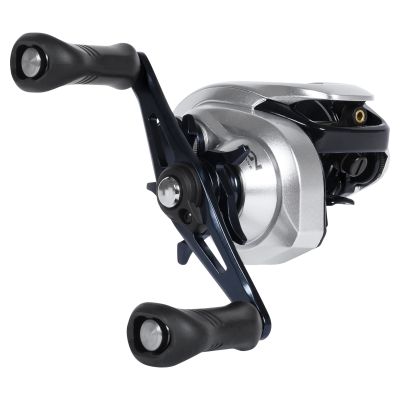
Popping gear is somewhat specialized in that it’s meant to get the most out of a cast and have a variance in retrievals. One of the biggest things to consider when casting at foamers is knowing the size of the fish you are casting to. You’ll often be casting small lures, so you’ll be looking to use the lightest gear possible for castability and performance, but this situation can go wrong quickly if bigger fish are present, resulting in long, painful battles. I like two to three options on board if I know foamer fish will be possible.
Option 1
This setup is ideal for schoolie-size tuna and yellowtail. Anything up to the 40 lb. mark should be doable. This setup allows me to cast a wide range of lures and is universal.
Option 2
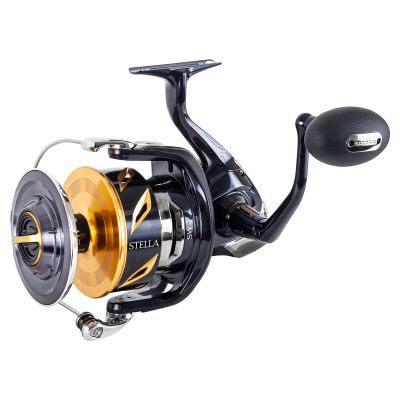
Although we predominantly steer toward conventional gear on the West Coast, I opt for a spinning setup to cast small lures to larger fish. The SHIMANO Stella collection of reels is notorious for its power and can stand up to these larger fish. I use this setup when the bait is small, and the fish are in that 80lb. range.
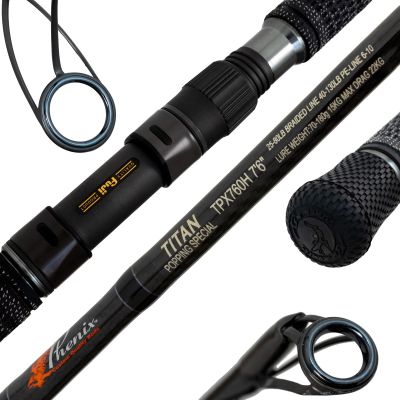
Option 3
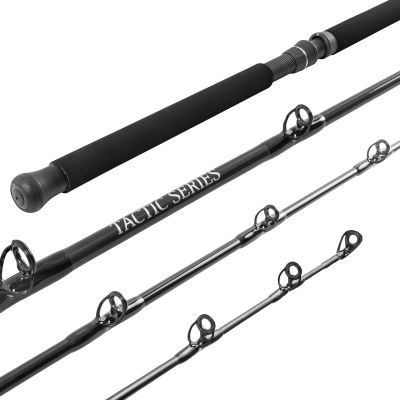
As we specified in this article, poppers are a great approach to foamer fishing. The fact that you usually don’t have to fish a popper very fast allows you to use a lower gear ratio reel, which results in more cranking power, which is why I opt for the PG version of this reel. I have landed many fish, well over 150 lbs. on this setup. Very castable and capable on bigger fish.
Summer and Fall is hands down my favorite time of year, as we are most likely to see these amazing surface-feeding bonanza. While I’m sure the fishing part is first in line for everyone, don’t forget to take a few seconds to take photos of these amazing moments in the ocean.