

As anglers, many of us spend time daydreaming about going to remote locations around the world to experience amazing fishing, each location specializing in a certain aspect and species, allowing them to plant their flag firmly in the ground as “the go-to place for …”. Places like Guatemala for sailfish, the Great Barrier Reef to pursue black marlin, the Seychelles to target monster giant trevally, Cape Cod for incredible striper fishing. If you’re looking to tangle with size large yellowfin tuna, a Long-Range trip should be next on your list, which would put you in San Diego, home to the largest Long-Range fleet in the world.

For those unfamiliar with Long Range Fishing, it goes back several decades now and wouldn’t be what it’s considered today if it wasn’t for the foundational work of such pioneers as Bill Poole, Ted Dunn, and Frank Lopreste, to name a few. These characters, in a sense, were modern-day explorers. All successful captains, they imagined an untouched fishery that was just out of reach. Challenges to reaching the fabled Baja waters were abundant in their time. The modern technology we enjoy and use daily for boating was nonexistent, with no GPS, limited radio connectivity, minimal fish-finding technology, antiquated tackle, and limited fuel source and refrigeration systems. All this and more were taken head-on by a select few captains that saw an opportunity to explore and catch. Through this drive, they were able to build completely customized vessels specifical to target gamefish in the fringes and less-known waters off the Baja coast. Since then, these vessels have been completely revamped and what is offered is a top-tier operation with top-level accommodations, electronics, and the best crews in the world. If you’re looking for a trip of a lifetime in pursuit of monster-sized yellowfin, wahoo, dorado, grouper, and more than a long-range trip should be on your list.
When we say Long Range fishing, we are speaking of trips that exceed the 10-day mark out of San Diego, predominant in the winter months. This timing will allow the boat to get down to the lower banks; some trips may go up to 28 days. I have found the perfect amount of time is to do a 12 – 14-day trip.
As you can imagine preparing for a trip of this sort may have angler planning for weeks at a time, and that’s probably accurate for most anglers. The intention of this article is to assist you in making a concise equipment list for these types of trips and give you a sense of what you’ll be expecting. Before we start to lay out the ingredients, we need to know what we’ll be cooking. In other words, let’s talk about what fish will be targeted on these types of trips. While no two trips are exactly alike, there are some overarching wants that anglers look for on these trips, and the reality is that you really need to be able to adapt to anything that presents itself. With that said, this is one of those trips you should not be afraid to bring EVERYTHING on. I’ve found myself days before the trips trying to downsize, only feeling regretful once on board that I didn’t bring more equipment, especially terminal tackle. Your fishing gear is not doing you any good sitting in your garage.
As a quick reminder and reference, below is a list of the gamefish that will most likely be encountered:
Species
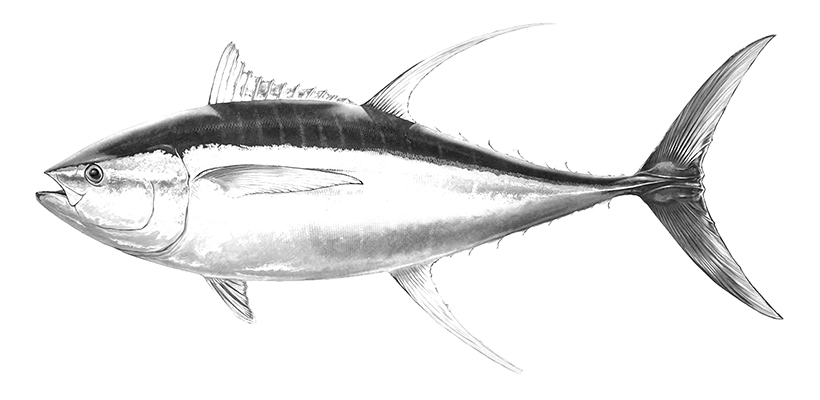
Yellowfin Tuna: the Southern banks of Baja are notorious for holding some of the largest resident yellowfin tuna in the world. This is the main draw for anglers, the access to tangle with a Cow (over 200 lbs.) or Super Cow (over 300 lbs.) tuna.
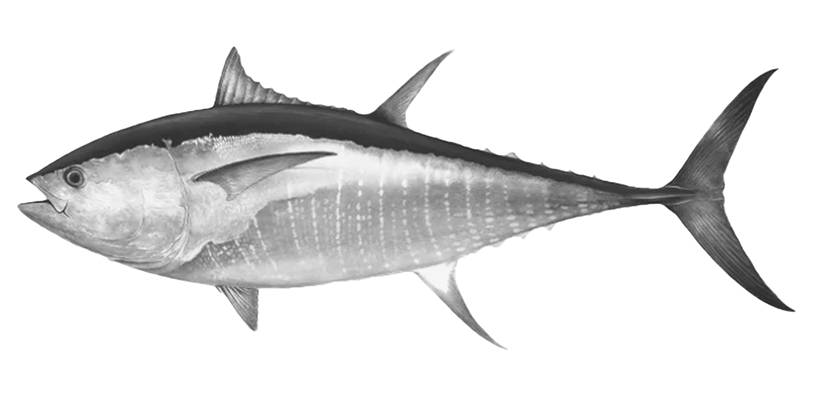
Bluefin Tuna: While it most likely will not be a focus, it is not uncommon on the way back up the line to encounter BFT, and often the captain, if time allows, will allocate some time to target these fish that may run anywhere from 50-200 lbs.
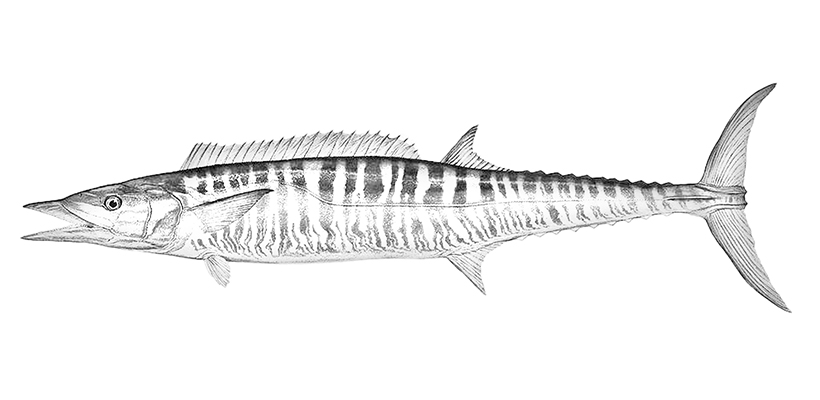
Wahoo: Another main attraction for anglers aboard long-range trips. The areas where these boat fish often have large congregations of wahoo. On these long-range trips, the wahoo fishing can be madness, with dozens being caught at one stop. These fish average from 20-80 lbs.
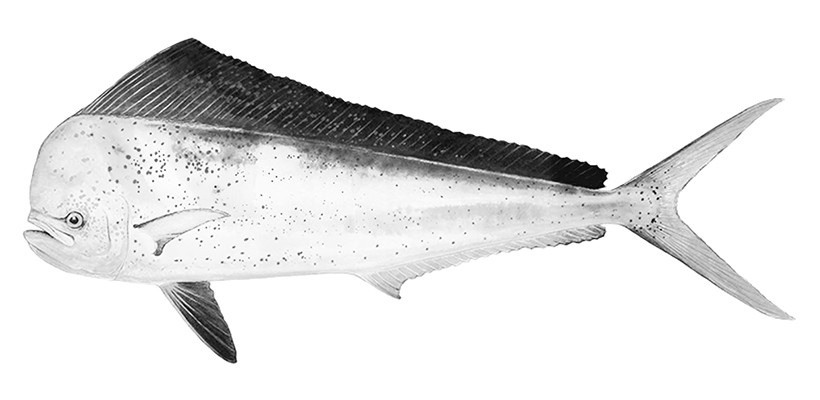
Dorado: Most captains on a long-range trip do not look to target dorado specifically. They tend to be a welcomed incidental catch. In the winter months on the lower banks’ dorado get quite large, and they are caught while fishing for tuna or wahoo.
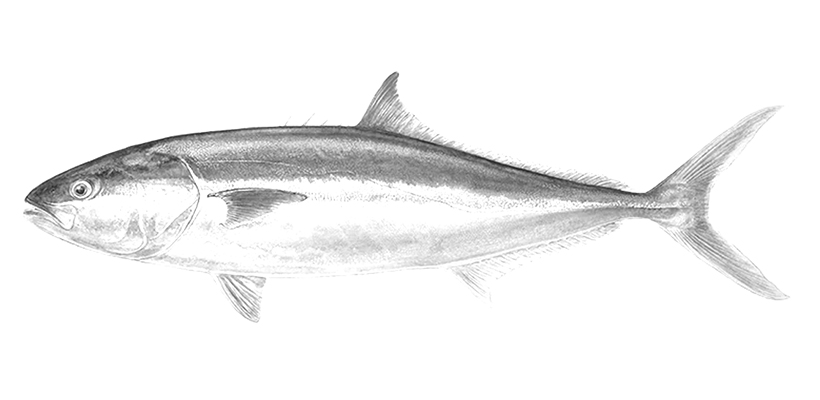
Yellowtail: On the way down or on the way up, the captain may elect to make a few drifts over shallower cold-water banks. These banks often hold schools of yellowtail, which can be a great change of pace to the trip and make a great table fare.
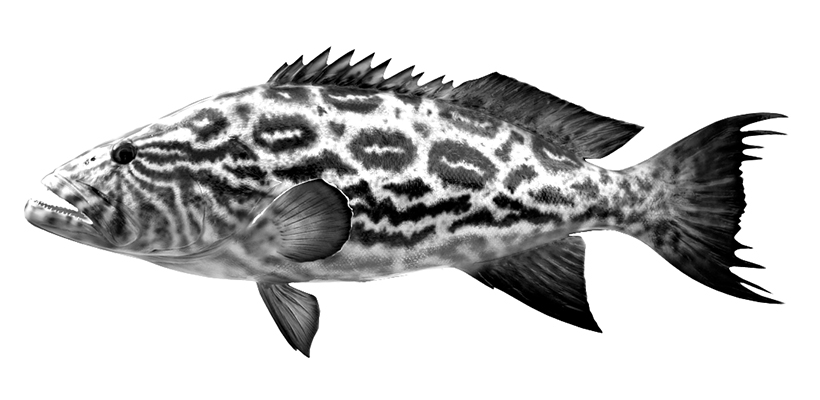
Grouper: As your boat makes its way south and the water warms, the variety of grouper species diversifies significantly. Most grouper fishing will be done on anchor while making bait or at specific bank locations; the captain has marked. These bruisers can get quite large, so be ready.
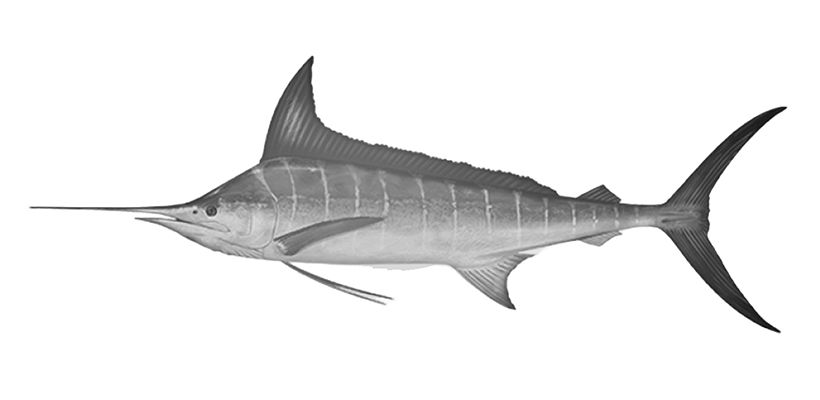
Marlin: The winter months off the Southern Banks offer huge congregations of white and striped marlin. While this won’t be a focus on your trips as they do not make great table fare, they are a common occurrence.
The above list gives insight into the most common species encountered, but that’s not to say there are not others that you’ll see. The variety on these trips is astonishing, and it’s not uncommon to catch amberjack, rainbow runners, sailfish, horse-eye jack, crevalle jacks, a variety of snappers and a variety of tunas, and more.
Rod & Reel Setups
To kick off your rod and reel needs, we’ll start off with the lightest first:
I. Bait Catching Setup: While your boat will surely be equipped with thousands of the most beautiful sardines from the local San Diego bait barge, you will need to make bait nightly to supplement the boat bait as well as have access to larger baits to present. You’ll be catching anything from 6” tube mackerel all the way to 3 lb. Salami Mackerel or small Skipjack. I also like to use this same rig for nighttime fishing for critters that come into the lights, like horse eye jacks and dorado, which can be great fun as you wait for bait to congregate around the boat.
- Reel: My preference is the Shimano Tranx 400, or any 300 – 400 sized conventional reels spooled with 60lb. braided line. For line, this may sound heavy, but it allows you to handle bait as well as some nighttime predators on light tackle.
- Rod: 8’ Medium/ Medium Heavy rod, rated 30-50 lb., will do the trick. It may seem heavy, but with 2-3 salami mackerel weighing 1-2 lbs., you’ll want the rod to be able to handle them.
- Note: I choose an 8’ rod to be able to use this as a light tackle popper rod as well, but any length may do here, especially if you are solely using this as a bait rod.
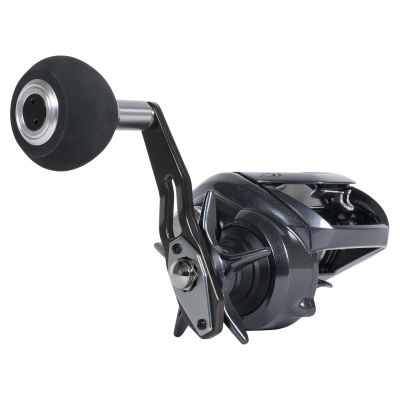
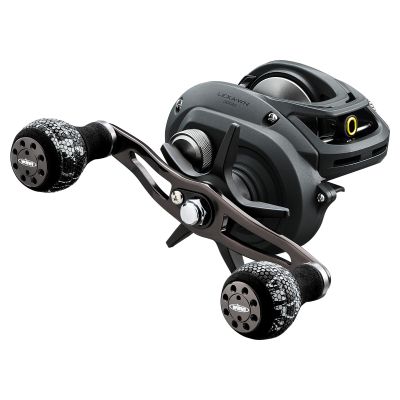
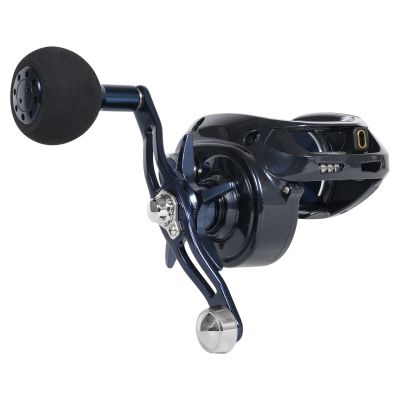
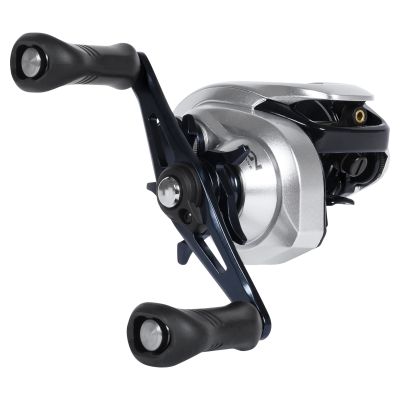
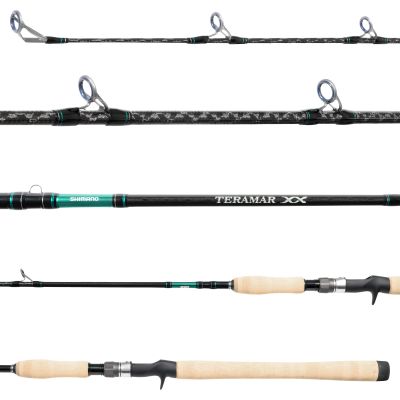
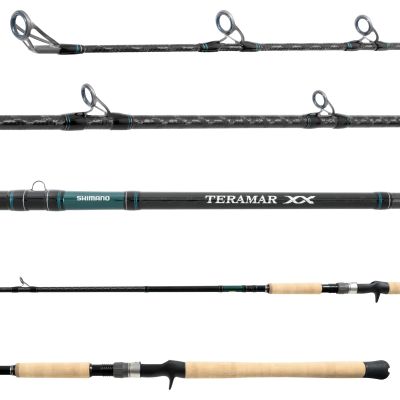
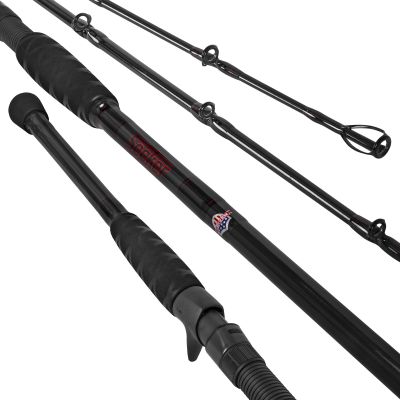
II. Yo-Yo: This is a setup you can’t leave home without. The variety of species caught on a YO-YO style jig is impressive, everything from grouper, yellowtail, snapper, jacks, and more... even wahoo. Below is my preference for a YO-YO setup:
- Reel: Numerous reels fit the mold here, and with the recent additions of narrow reels in the market, there are great options. A 500 – 600 sized reel is ideal here, spooled with 60-80 braid. I personally like the size of the Shimano Trinidad 16NA. Going with a narrow-style reel will give you a faster retrieve and an overall better experience fishing Yo–Yo jigs.
- Rod: Many of the targeted fish used for this technique will be on or close to the bottom, and it’s essential to have some backbone to get them out. I side with a HEAVY to an EXTRA HEAVY 7' – 7’5” rod for this setup. Anything lighter, and you’re really setting yourself up for disaster and lost tackle.
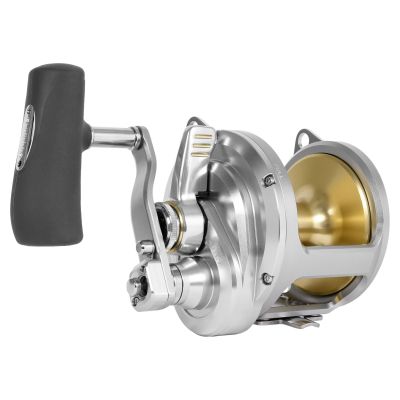
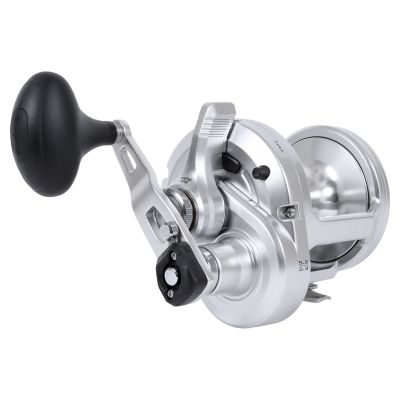
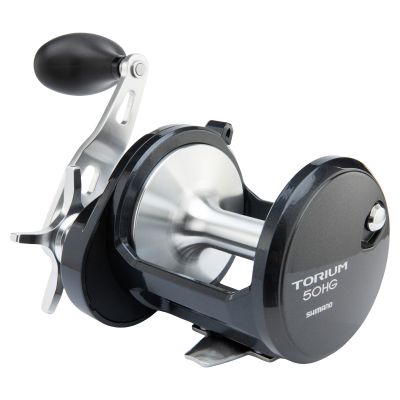
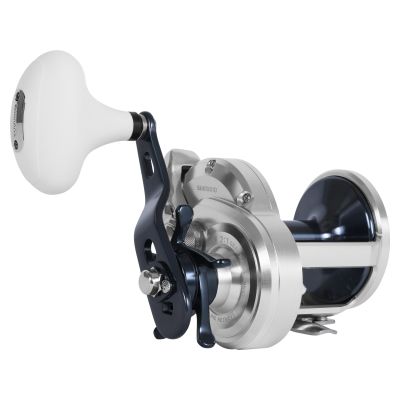
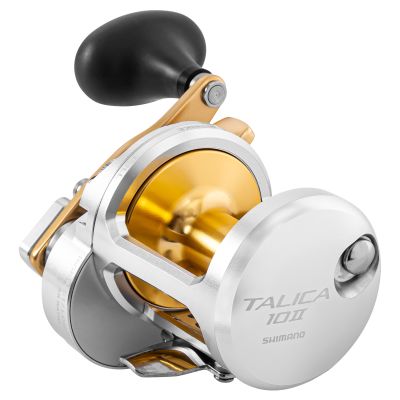
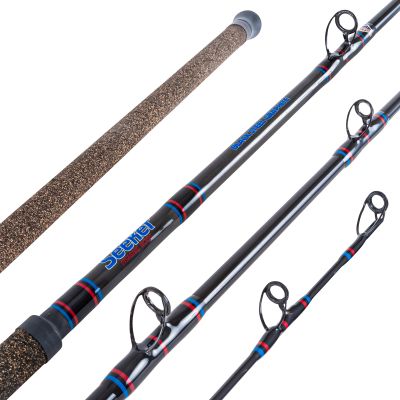

III. Wahoo Bomb Setup: Wahoo are just too fun to catch. If you get into a bite where you can cast to them, it’s a blast. For Wahoo bombs, you want to be able to cast a lure that is considerably heavy as wahoo bombs are. Aside from Wahoo bombs, there are plenty of other lures that will work: Surface Irons, Stick baits, basically any fast-moving lure. Wahoo are great fighters, but they do tend to wear out quickly. There’s nothing like that initial run screaming up the side of the boat. For this setup, you want to be able to cast a relatively heavy lure, be able to retrieve quickly, and have enough rod and reel stopping power in case you hook a brute.
- Reel: I personally love the Shimano Tranx 500. It’s able to cast great, retrieve fast, and has enough drag to handle any wahoo. While I don’t believe there is an equivalent bait caster, there are several narrow-style 2-speed reels that are great for this style of fishing. A size 500N to a 600N is a great option. Your reel should be equipped with an 80lb. top shot of monofilament as a shock absorber.
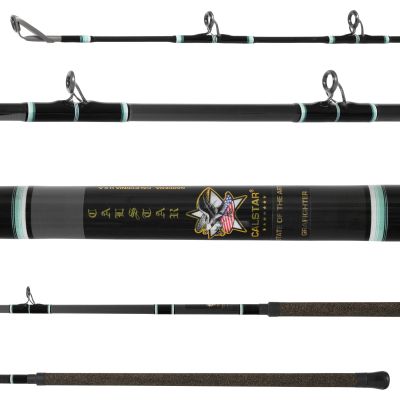
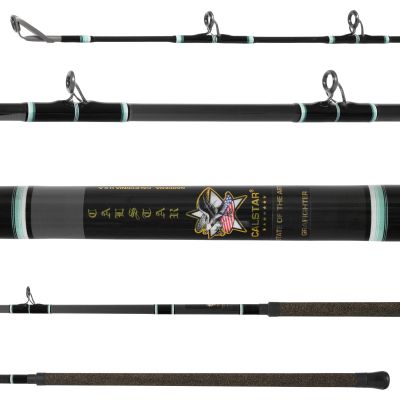
- Rod: Because you are casting, I like a little more length from an 8’ - 8’6” rod. There are a lot of rods on the market that are suitable. I like to have some give in a tip as a shock absorber and a significantly stout backbone on my Wahoo rod. A great rod for this application is the Calstar GFDH 800XH with a deckhand grip.
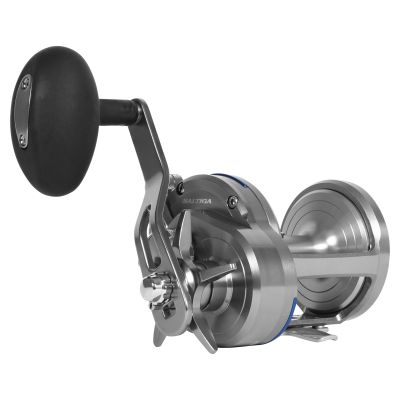

IV. Trolling Setup: The trolling setup comes into play when trying to locate wahoo. The boat will likely make rounds of four that will troll until someone gets hooked up. Often, the boat will itself be equipped with stand-up trolling equipment. Many of us love gear and love our own gear. If you have a trolling setup you want to bring, you should absolutely do so. You can also double up your 100lb. bait set up if you really need to, but I prefer to keep them separate as trolling setups get a little worn out.
- Reel: Any of the well-known manufacturers of saltwater reels make great options for these days. You’ll want to be equipped with a 30-size reel and 100-pound braid. Although this might seem like overkill for wahoo, you need to consider the pressure of the boat moving, the likeliness of sharks in the water with a considerable amount of line, and lastly, it’s not uncommon to hook a large tuna or marlin when trolling for wahoo. My preference is a Shimano Speedmaster 25II.
- Rod: For the rod, a basic trolling rod will get the job done. This will probably be one of the setups that gets the least use on the trip, so I don’t tend to put too much thought here. I like a Shimano Tallus 5’9” XXH with roller guides. This is a no-frills setup that gets the job done.
V. Dropper Loop Setup: The anticipation of sending a large bait into the depths of a bad neighborhood gets the blood pumping. The bait comes to life as it encounters large shadows in the distance. You feel the thump and the unmistakable weight of a creature that just engulfed your bait. The next 15 - 30 seconds determine the outcome. Will you be able to turn the fish’s head, or will it get you in a hole or around a rock? It’s always impressive how much drag can be pulled, even when you think it’s been locked down. The bottom of the ocean is truly a bad neighborhood. Your quarry can be just about anything you can imagine, large amberjack, grouper, snappers, sharks, and it’s even been documented that cow-size yellowfin tuna have accidentally been caught in this manner.
- Reel: Because there is no telling of what you’re going to hook, the structure on the bottom, and toothy critters, the recommendation is to have a 2-speed reel able to handle 80 - 100lb. test braid and drag. I possibly opt for a taller spool as it will help pick up the line, especially in those first few seconds of the fight. My go-to setup for reels is either a Shimano Talica 20II or Talica 25II. Anything comparable in size should be able to do the trick.
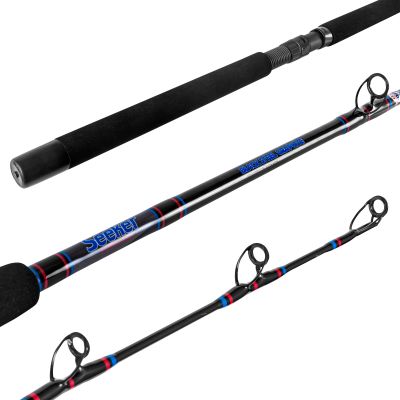
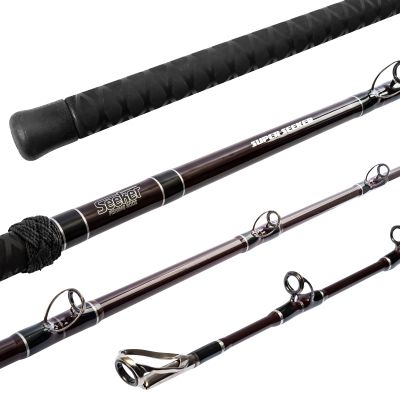
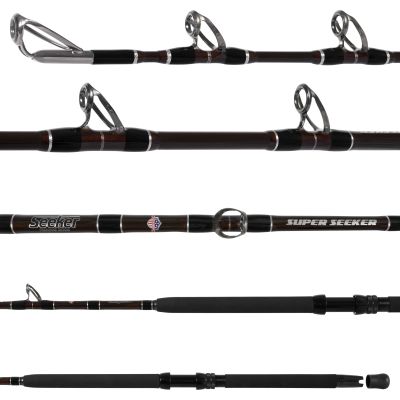
- Rod: While it’s nice to have some feeling in the tip, ultimately, you want a considerable amount of backbone and spring to help assist in turning the fish’s head. Bottom fishing on long-range trips is humbling, and you often get pinned to the rail due to fish size and tight drags. It’s always nice to have a rail rod in this circumstance. I used a SEEKER OSP 1x3, which is rated 60-100lb or even step up to a SEEKER OSP 2x4.
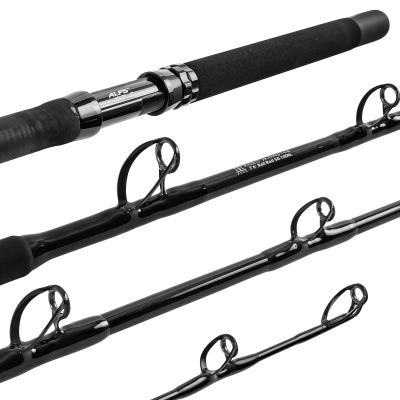
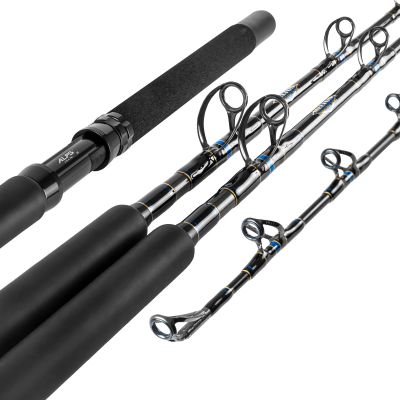
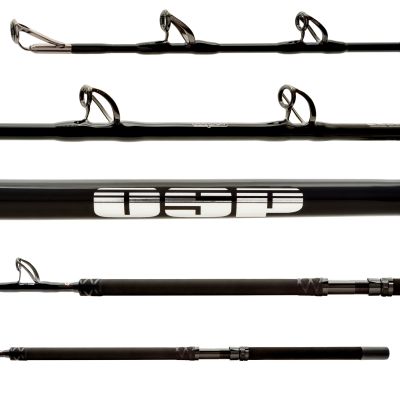
Bait Fishing Setup: For this section, we’ll combine four setups into one section as they should predominantly be the same just step-ups in rod and reel. 4 bait setups will predominantly be used on your trip, and they’ll scale up as 60 lb., 80 lb. 100 lb., 130 lb. On my first trip, I brought setups as low as 30lb. and I can tell you there is just no place in this part of the ocean for 30 lb. If you’re not hooking it on a minimum of 60 lb., the reality is that you’re probably not landing it. The assortment of bait setups is used depending on the size of fish around the boat, the presence of sharks, and the size of the bait.
What I have found is that you should try to fish the upper end of what they’ll bite that day, even if you’re not getting many bites. The number of times I’ve dropped down to light only to get completely owned by a larger fish is embarrassing. I’ve learned my lesson and don’t want to be in those scenarios again. Again, being that I’m a Shimano and Seeker enthusiast, I match according to their Talica range and rail rod range as below:
60 lb. setup:
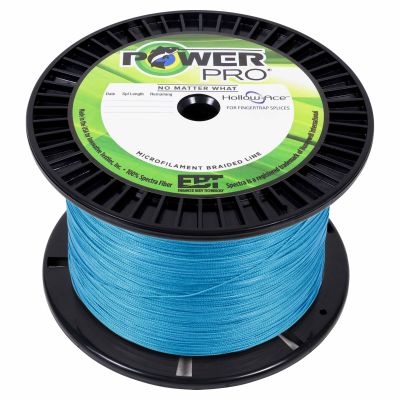
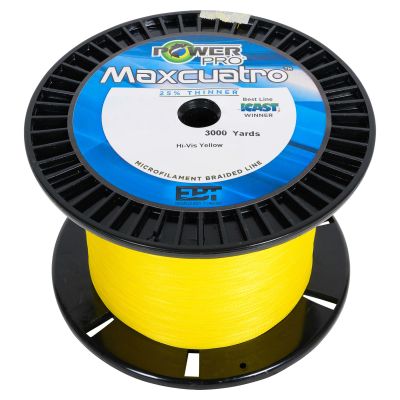
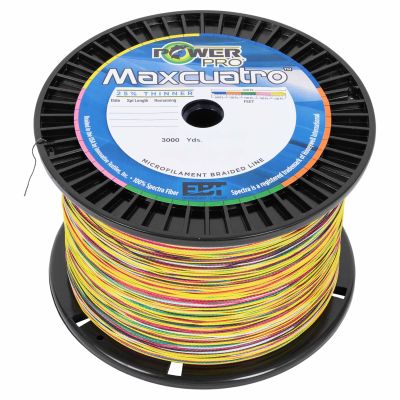
- Reel: Talica 16II: filled with 80lb. solid PowerPro Maxcuatro braid. This setup with 60 – 65 lb. Fluorocarbon leader.
- Rod: SEEKER OSP 1x3. This setup can double as 65 – 80 lb. This would be implemented using smaller sardines and finicky bites on medium size fish.
80 lb. setup:
- Reel: Talica 20II: filled with 80 lb. hollow; PowerPro Hollow Ace Spectra braid. This setup with 80 lb. Fluorocarbon leader.
- Rod: SEEKER OSP 2x4. This setup is what I tend to use if the fish are under 130 lbs., light enough where you could fish sardine but heavy enough to use a medium size bait.
100 lb. setup:
- Reel: Talica 25II: filled with 100 lb. hollow; Hollow Ace braid. This setup with 100 lb. Fluorocarbon leader.
- Rod: SEEKER OSP 3X. Once the bait size starts to increase, this tends to be my bread-and-butter setup. You can catch a very large fish on this setup, and it’s light enough to be at the rail all day with.
130 lb. setup:
- Reel: Talica 50II: filled with 130 lb. hollow; Hollow Ace braid. This setup with 130 - 150 lb. Fluorocarbon leader.
- Rod: SEEKER OSP 4X. I would use this setup if things got serious and all the fish being seen were cows. This can also be a large bait setup or a kite setup.
Author's Note
I would recomend all serious anglers take at least one of these long range trips in their lifetime. There is nothing quite like it. The amount of time you spend fishing and learning is unfathomable. The intricacies of getting familiar with your gear identifying and studying what works and doesn’t. The commraderie between passengers is also an amazing component and the ability to meet and share experiences and knowledge with other top end fisherman is invaluable.