

Around the world, jigging has been a key tactic to target gamefish. While the rest of the world has been hot on this technique for decades, it's just starting to gain popularity here in Southern California in recent years. Anglers, at times, have been hesitant to adopt this method for several reasons. Part of the hesitation by anglers to adopt this method has been that the fishing tackle in the past has not been up to par with the grade of Bluefin Tuna we’ve been pursuing. However, tackle manufacturers and Bait & Tackle Shops now see the opportunity and are coming to the table with specialized heavy gear to pursue our local Bluefin Tuna fishery. We've built a page of our recommended products for jigging Pacific Bluefin Tuna here.
What Kind of Jigging
Jigging is a broad term with many styles of jigging and jigs. It's important to note that there are several types of jigging: slow-pitch jigging, yo-yo jigging, vertical speed jigging, and more. The style of jigging we are referring to is specific to targeting big Bluefin tuna in our local Southern California Bight and is most akin to vertical speed jigging. The tackle has become more specialized as we get informed and test ourselves against these fish. This style of vertical speed jigging is particularly popular in the South Pacific, Australia, and South Africa for tunas, kingfish, giant trevally, and a range of other species. Here, we've adopted many of the same techniques and customized them for our fishery.
We'll dissect the needs specifically for jigging for Bluefin Tuna fishing in the Southern California Bite. We'll cover technique, fishing rods, fishing reels, fishing line, jigs, and more.
The Rhythm
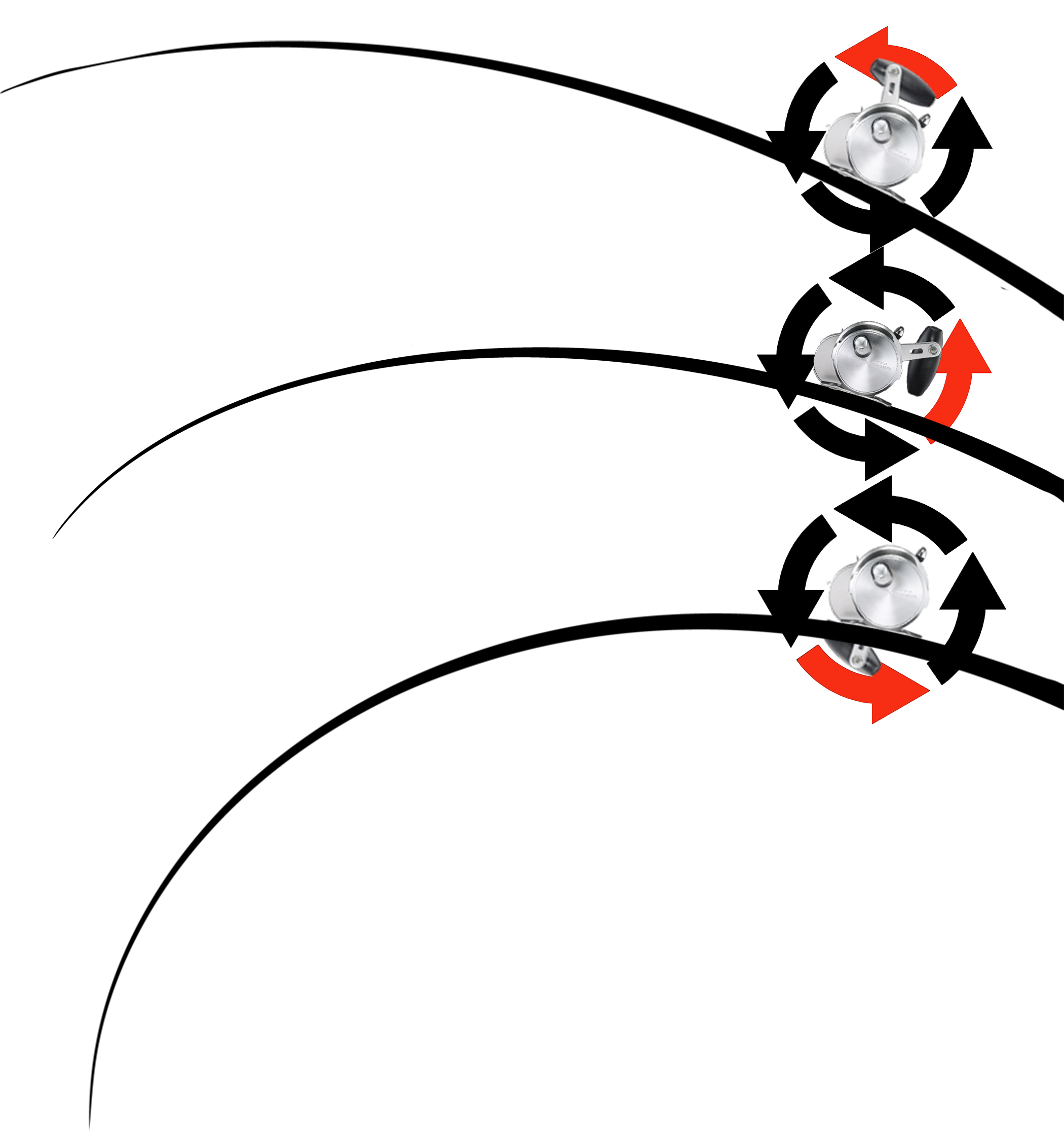
Before getting into the tackle, note the technique and intricacies. Vertical jigging is all about rhythm, whether slow-pitch jigging or vertical-speed jigging. It's the combination of the reel retrieval, the load and release of the rod, and the jig's weight, all combined to give you fluid, repeatable motion. This motion allows your jig to dance enticingly to most gamefish. Unfortunately, the idea of writing about it and trying to explain this rhythm is somewhat obsolete. It's a method taught and handed down from angler to angler, but once you've got it, a new realm in fishing opens up. Thankfully, today countless YOUTUBE videos will assist you in seeing what this rhythm should look like. The method is applicable for conventional and spinning gear and tackle, but most West Coast anglers find the rhythm more replicable with conventional tackle, so we'll be focusing there.
Steps in Technique
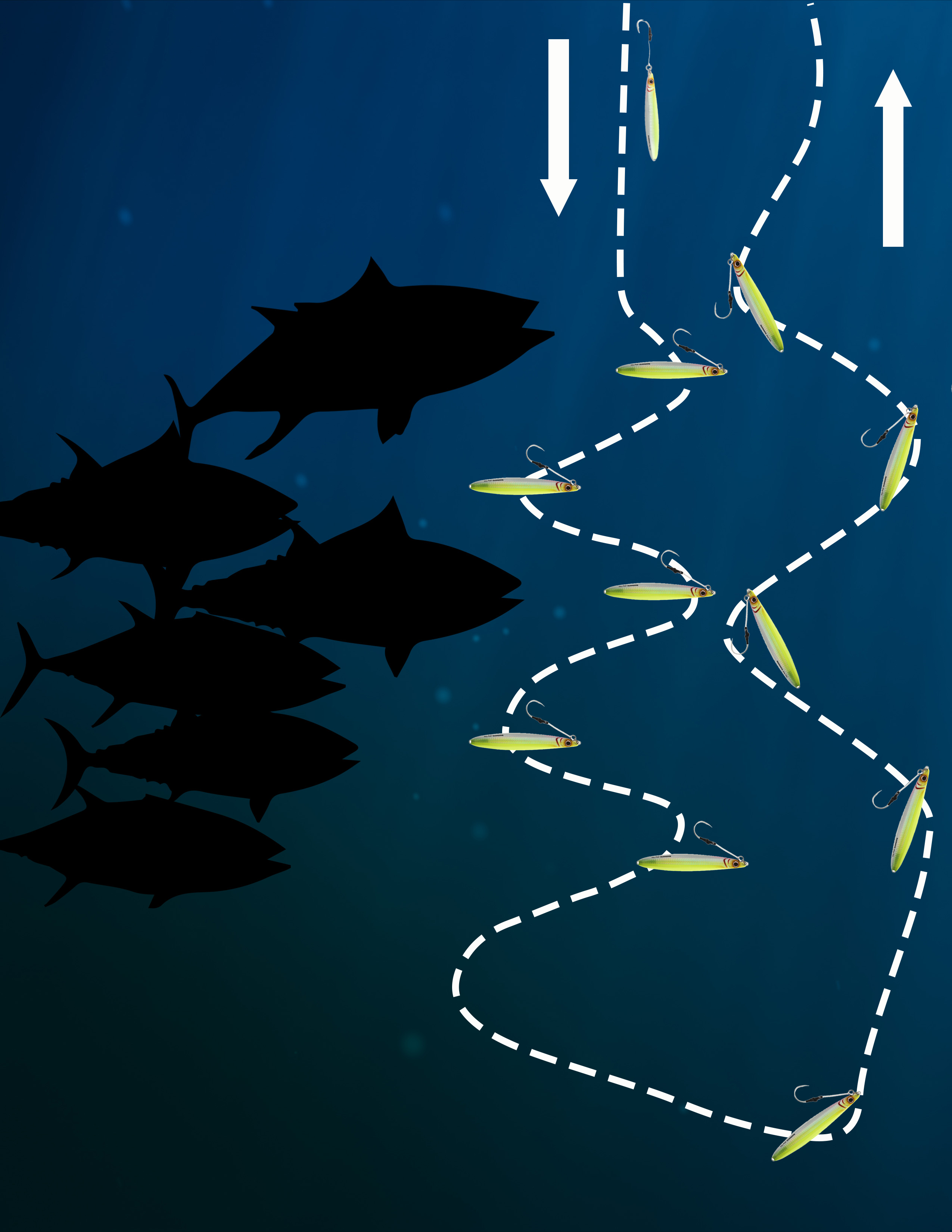
- Whoever is operating the boat and keeping an eye on the up-and-down fish finder should be able to call out the average depth at which the target fish are being marked (i.e., “We're marking fish steadily under the boat at 150-225 ft.”).
- Free spool to drop your jig with just enough pressure to keep your jig going down vertically and not fluttering; this will allow your jig to get down to the appropriate depth quicker. When you feel you are about 30-50' from your target depth, release your thumb and allow your jig to flutter through that area. Your target fishing depth should be 30-50' above the fish and 30-50' below the fish on your finder.
- Once you've gone through the productive area without a strike, you'll want to engage your reel for retrieval.
- Ideally, you want to lift quickly while winding one full handle rotation. At first, it will be a difficult rhythm to master. The best way to describe it is that your hand holding the rod will make a circular movement while you reel.
- You’ll want to continue this retrieval through the area you’ve deemed as most productive and then drop it down again.
- As you drift and do your retrieval and drop of the jig, it will be imperative to keep your line vertically. If you begin to get an angle (referred to as scoping), you'll want to wind up your line and start your drop again to remain as vertical as possible.
Bites in vertical jigging come both on the drop and the retrieve. It’s not uncommon to have occurrences where all bites are coming on the drop and vice versa on the retrieve.
Rods
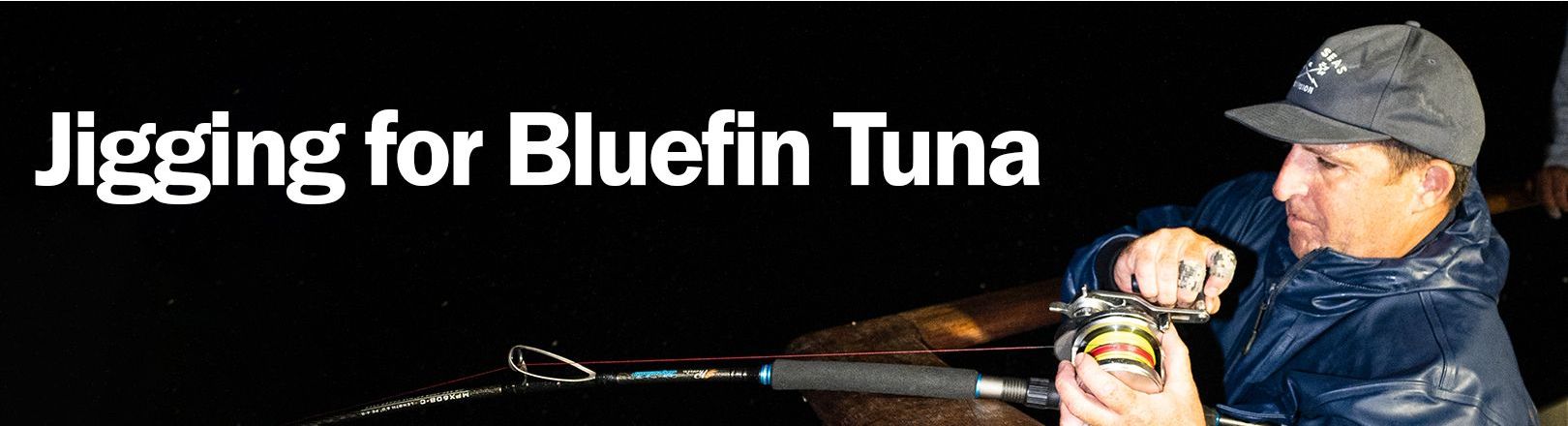
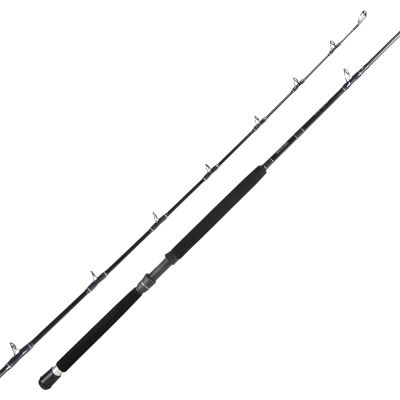
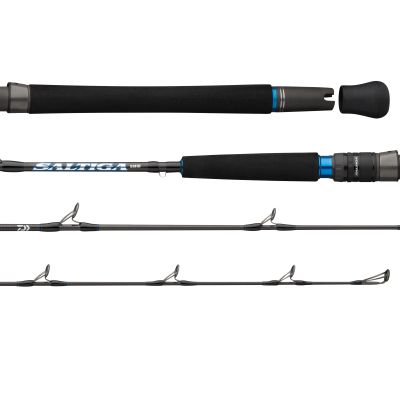
Jigging rods are a breed of their own, specialized, and designed specifically for a specific action. A Bluefin jigging rod is even more technical as it's intended to give a fishing lure a particular action while still allowing the angler to pull on a fish that may be a couple of hundred pounds. In other words, the tip must have a particular action. As you get to the reel seat section, you'll need considerable stoutness (for reference, the image at the top of this article shows the rod's ability to be used on the rail in a fight).
The bend must be parabolic, meaning a considerably round and even bend throughout the rod. Ideally, when using the rod, you'll have enough give in the tip to load it up and have it recoil, giving the jig a specific movement. The idea is to match a rod tip up with the jig you are using to get the correct rhythm out of the recoil and reel. While you might only have a few reels dedicated to jigging, having several rods for different applications and jig weights is common.
The rods for our Bluefin fishery are highly specialized, and it's taken manufacturers to experience it themselves to understand the need of our anglers. On the East Coast, they've had similar requirements, with the main difference being that, in general, on the West Coast, we are fishing in much deeper waters, so our fights with tuna end up in very long vertical up-and-down scenarios.
Rating For Rods
While most saltwater rods which west coast anglers are accustomed to having a line rating and an action rating, jigging rods have their unique rating system. Most jigging rod manufacturers will have an action rating and a PE rating; some may have a line pound rating and a jig weight rating.
Action rating: An action rating gives the angler a sense of how much bend and recoil the rod will have. This range can be light, medium-light, medium, medium-heavy, heavy, x-heavy, xx-heavy, and so on. Each manufacturer uses their own rating system. To become more familiar with these ratings, it's advisable to stick with one manufacturer and learn their specific system. This is the broadest description used in rating rods.
PE Rating: This refers to the line polyethylene rating, a way of ranking the line range you'd use with a specific rod. This rating is based on the line's diameter and breaking strength. This rating system is most popular with manufacturers focused on jigging products and is also a popular rating throughout Asia and Australia. The best way to make sense of it is to equate it to the pound-breaking point we use for our line. This is a crucial rating as it will tell you how much drag you can put on your reel and rod for ultimate performance.
Jig Weight: This is another beneficial rating based on the rod's optimal load and recoil performance. This is where having a couple of different rods is relevant, depending on the depth and size jig you are planning to use.
Jigging rods come in lengths shorter than your standard rod to tame the flex of these rods and give the angler better leverage. Most jigging rods will be below 6' in length and may be as short as 5'2". It is also nice to opt for a jigging rod that has some protection on the front grip of the rod to allow your rod to be placed on the rail if needed.
Some anglers have opted to use traditional west coast rail rods to jig for Bluefin, and while it's possible to do, it's incredibly cumbersome and tiring but worth it if you connect with a fish as you'll be able to put substantial pressure on it.
| PE Rating | 3 | 3.5 | 4 | 6 | 8 | 10 |
|---|---|---|---|---|---|---|
| Diameter (mm) | 0.29 | 0.317 | 0.33 | 0.42 | 0.48 | 0.545 |
| Actual Avg. Breaking Strength (lb) | 49.0 | 59.2 | 78.5 | 91.6 | 116.2 | 138.2 |
| Comparison Braid (lb) | 40-50 | 50-60 | 60-80 | 80-100 | 100-120 | 130-150 |
The table above provides a reference for PE ratings, diameters, breaking strengths, and equivalent braid line ratings commonly used with jigging rods.
-
 Seeker Hercules Jigging RodsOut of stock
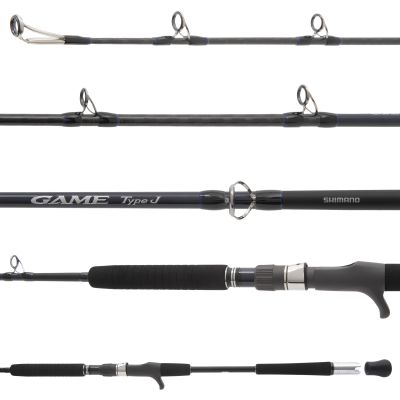
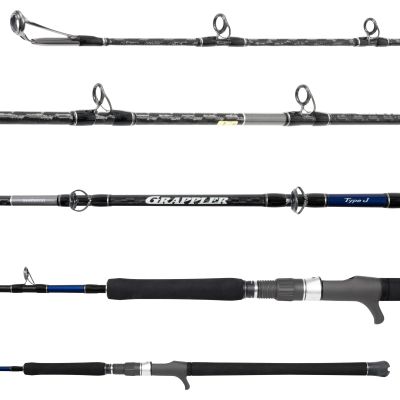
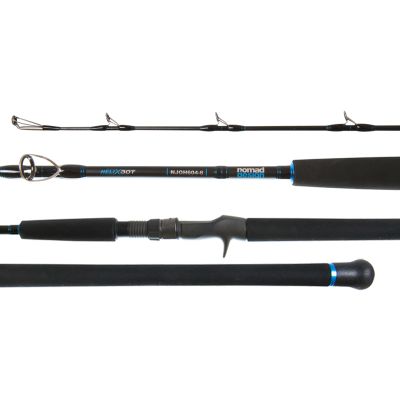
Reels
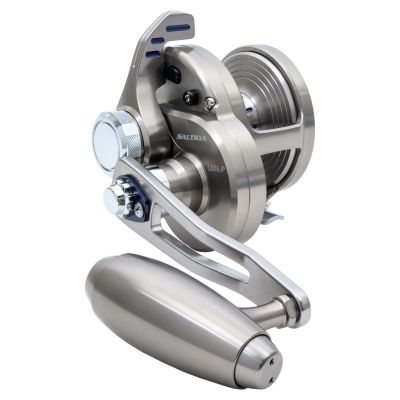
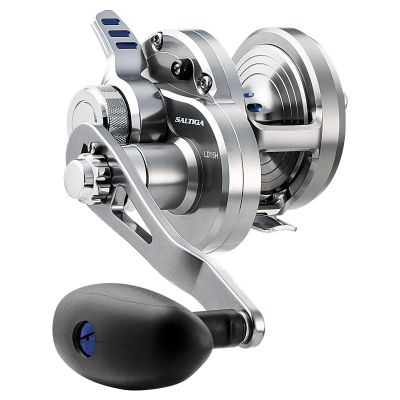
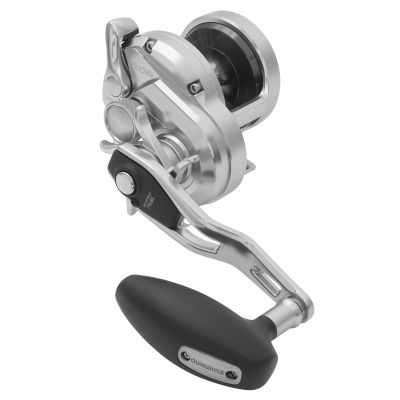
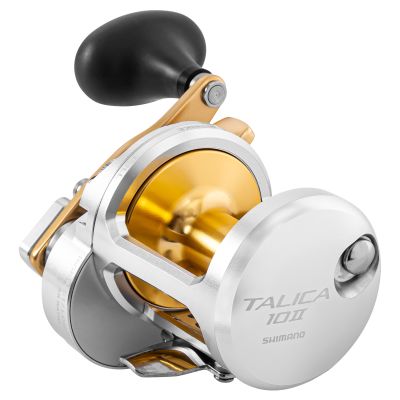
Over the last several years, the most significant improvements from manufacturers have been a specialization in conventional jigging reels. Several needs from this fishery have been applied to the new school of vertical jigging for larger tunas, resulting in significantly improved new reel options.
Comfort
Jigging is physically demanding; this must be one of the most exhausting methods out of all fishing techniques. So, any benefit in customizing to comfort is an advantage. Manufacturers have taken this into account and in design for this category. Lightness is a massive characteristic that should be considered. When selecting a reel, maximize lightness and design, and choose something ergonomically suited to your hand. You'll want a reel that easily fits 500 yards of 80 lb. braid as a starting point. These are not small reels, so any decrease in size toward performance is a plus.
Reel Design
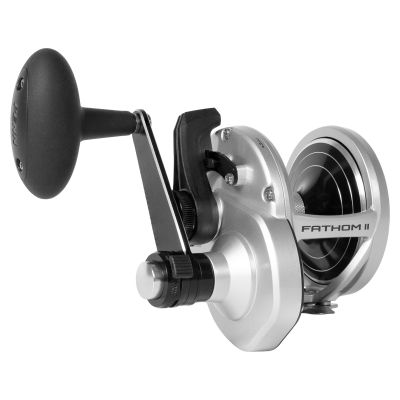
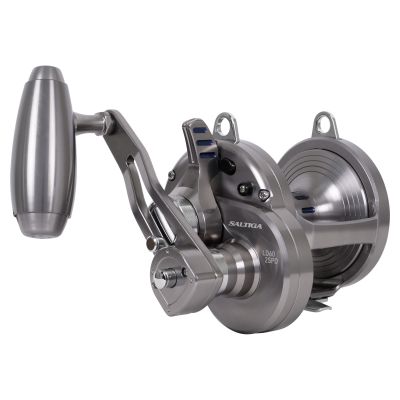
Due to the action of jigging, the angler needs a reel that entails very little caretaking regarding line management. Manufacturers have been able to achieve this by making the reel spool narrower. A narrow spool requires much less maintenance to reel line evenly on the spool compared to a typical conventional reel. By making the spool narrow, you are also making the spool taller, which translates to a larger diameter spool that will give you more line pick up on the retrieval per wind of the handle.
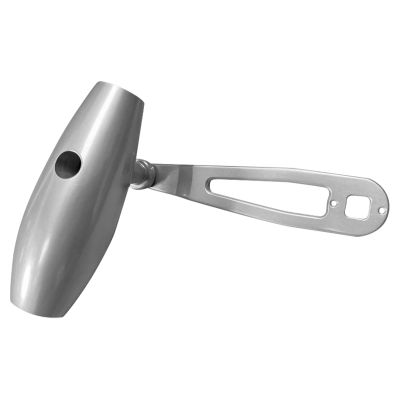
Along with the reel's design, there is the need for an oversized handle to assist in expediting your retrieve and giving you power. Today, many jigging reels come equipped with oversized reel handles just for this purpose, and if they don't, this is an easy modification to add to the reel.
Gearing/Drag
The amount of line you can retrieve quickly is vital in keeping your lure moving fast in the water column. The relationship between the spool size and the retrieval ratio is a significant factor, especially as lure weight increases. Some anglers need a lower gear ratio to avoid exhaustion, while others can crank their arms off on high-gear reels. This also comes into play when fighting a fish. Manufacturers have adopted a 2-speed approach to many of their jigging reels to provide the best of both worlds, of retrieving a lure quickly and dropping down in gear to fight the fish.
Drag is another necessary item to discuss. Due to the need for smaller, more ergonomic reels, we also need substantial drags meaning stopping power. In this fishery, the demands are high: we need small reels, significant drags, and tall spools. Despite these challenges, reel brands have accepted them and produced some fantastic technology. It's recommended that your reel output a minimum of 20 lbs. of drag in a fight against a Pacific Bluefin Tuna.
Reel Selection
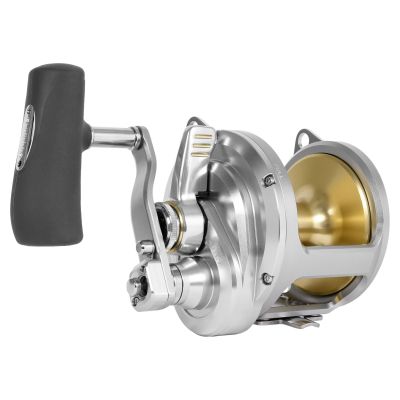
When selecting a reel, I subscribe to the old saying, 'You get what you pay for.' This is my only hint about which brand to choose. Regardless, many of the brands are very close in quality and performance. As for reel size, it is better to be over-gunned than under-gunned. The size range for Pacific Bluefin Tuna can be anywhere from 60 to 300+ lbs. So ideally, you'll want to fish a reel that easily has the power and spool size to fish 80-100 lb. braid. But it's more complicated. The bite is often fickle in the daytime, causing you to drop 60 lb. braid and fluorocarbon line. The most common reel sizes are typically suitable for 60/80/100 lb. test lines, with drag capacities exceeding 20 lbs.

Line
There is more to the line for this method of fishing than you'd think. First, let's begin with what type of line. Using braided line for this technique in fishing is essential, as it provides no stretch and less resistance in the water. If you were to use monofilament line, your line would stretch while jigging and cause a delay and little movement to your jig. Now that we've established that braided line is the go-to, you must decide on what kind of braid.
Hollow vs. Solid Braid
While many anglers targeting larger species have become accustomed to using hollow-core braid because you can splice on a new line and a leader with no knot, Hollow-core is a lesser performing product when it comes to jigging. Hollow-core braid has significantly more drag and water resistance than solid braided line. One characteristic is that it will lay flat on your spool, which causes drag to catch more water when fished. Hollow-braid also does not do well with twisting, a primary aspect of using a jig. Regardless of using barrel swivels to minimize line twists, you can expect some twists and solid braid can deal with this much better than hollow-core braid. Solid braid is more hydrodynamic, packs in slightly more on your spool, and deals with line twists significantly better than the hollow core.
Line Color
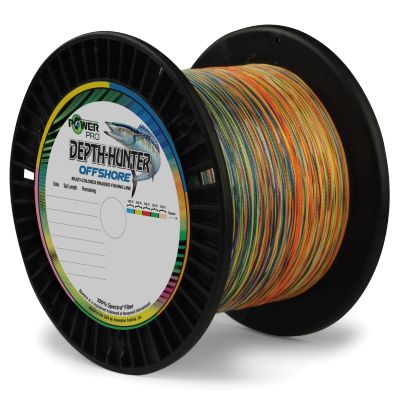
As we mentioned earlier, if you have someone at the helm capable of translating the information on their fish-finder quite well, then vertical jigging can be very precise. That being said, some lines today allow you to know exactly how much line is out based on their marks and colorations. Based on these markings and coloration, you can make a very good estimated guess as to where you are placing your lure. This single advancement in braid has been one of the most significant advancements in fishing for tuna.
Leaders
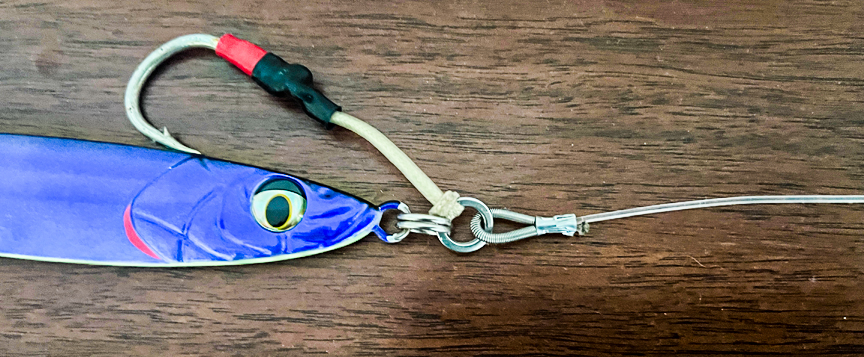
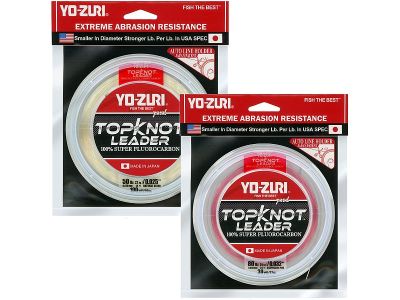
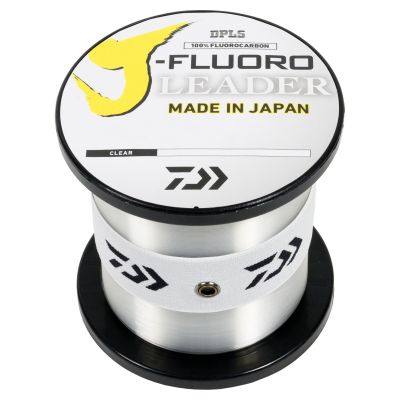
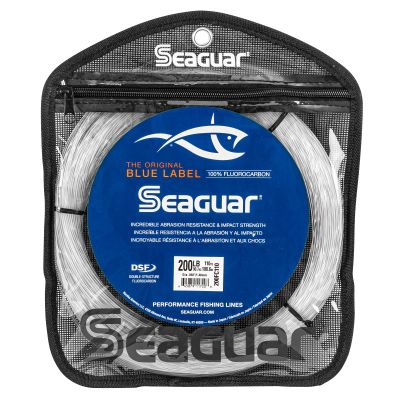
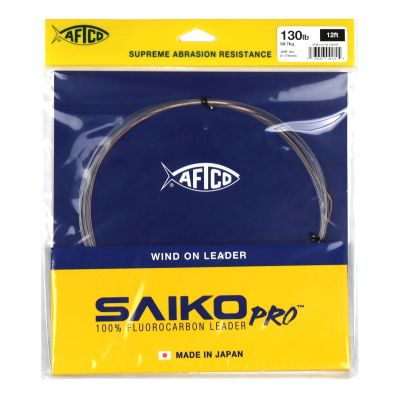
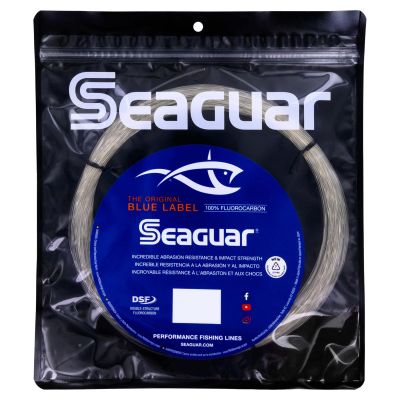
When rigging your jigging setup for Bluefin, it's necessary to have a leader connection to your jig. Often, Bluefin tuna will completely engulf a jig, which will have you relying on your leader. In addition, Bluefin has small sharp teeth that can bite leaders and make abrasions that lead to broken lines. As a rule, during the daytime, you'll want to drop down in leader size; as you go into the night, you can scale up significantly with your leader. The recommendation is to use a 60 - 100 lb. fluorocarbon leader in the daytime. At night, you can go up to a 300 lb. fluorocarbon leader.



Jigs
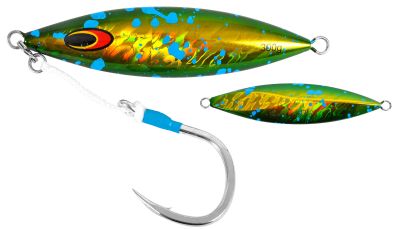
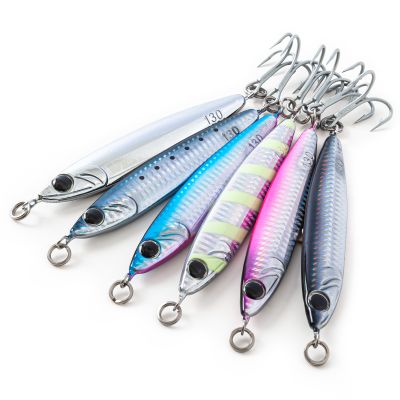
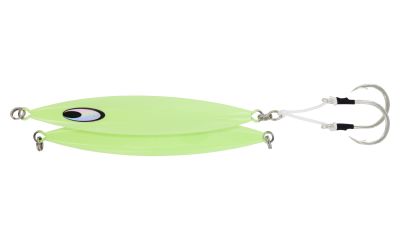
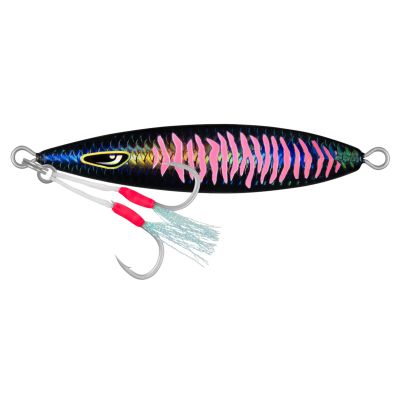
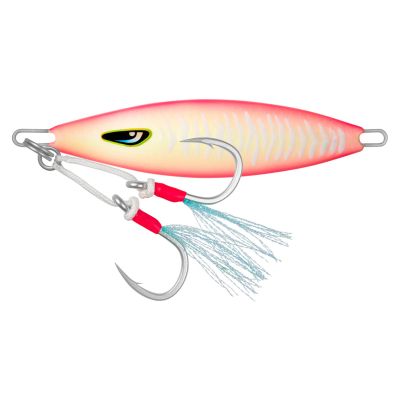
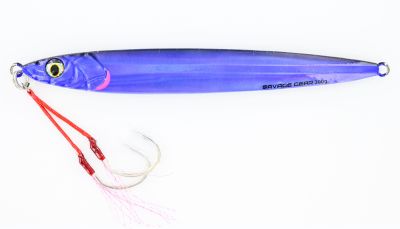
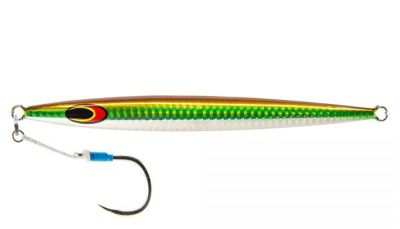
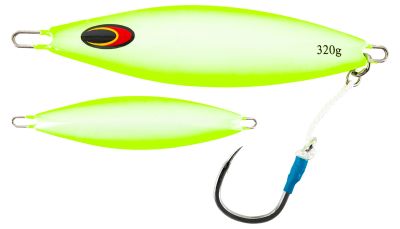
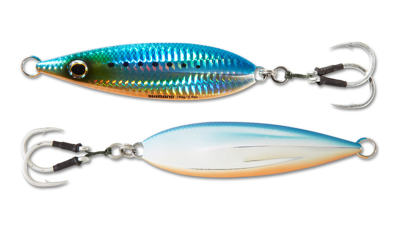
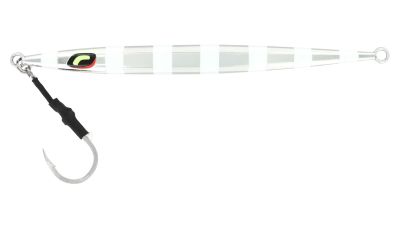
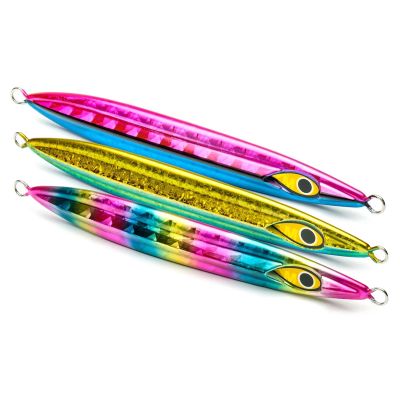
There are plenty of jig designs, colors, lengths, and weights. Ideally, the jig is made to get down to depth quickly, and it's design allows it to act erratically, enticing a strike. Vertical jigs for giant Bluefin tuna can be broken up into two categories, and most jigs will fall somewhere in the line of these or right down the middle. On one end, you have long, slender knife jigs, and broader and more stoutly shaped flutter jigs on the opposite spectrum. Within this range are hard edges and flat and curved sides, all meant to catch water on the drop and retrieve it to give them their specific behavior.
In selecting a jig, consider what you want the jig to do in a specific environment. A couple of elements, like depth, weight of the jig, current, and size of bait you are trying to mimic. It would be best to fish your jig as vertically as possible. Once you see your line scoping out, it's time to reel in and try again. Based on this, you'll want to consider the boat's current and drift. If the current is strong or your drift is fast, you'll want to play around with a more slender jig, which will get down further and faster. You'll also want to consider the jig's weight, but remember that a heavier jig is harder to fish and more exhausting. Equally, if there is little to no current, you can use a jig that will flutter more, giving the jig more action and keeping it in the bite zone for more time.
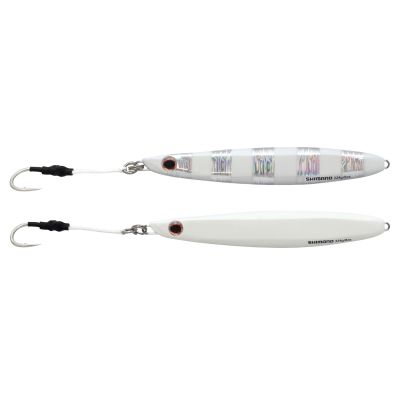
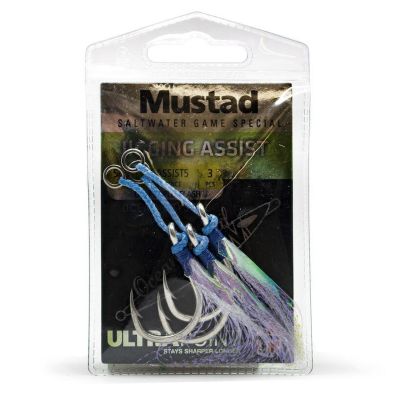
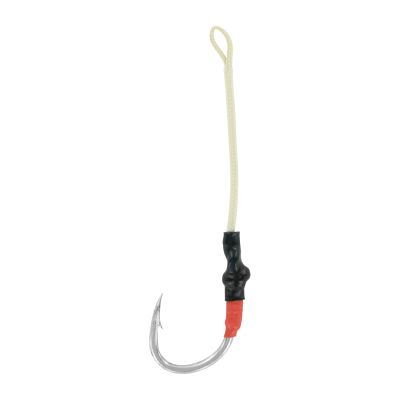
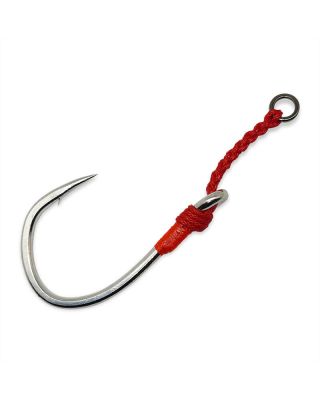
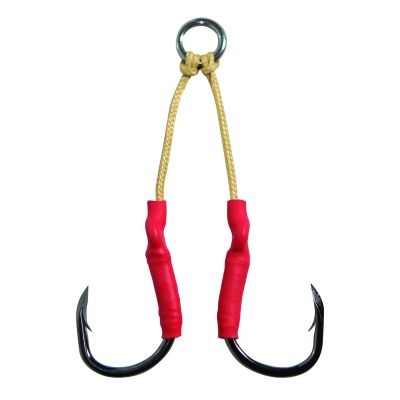
Jigs for targeting Pacific Bluefin Tuna have a wide range in weights which are dependent on the behavior of the big fish and the time of day. As an angler targeting this species with this technique, it's essential to be prepared with various jigs for different conditions and behaviors. As a spread, you'd want to be covered in different designs, from slim and long to flat and wide, weighing 100 - 450 grams. Below is a wide range of jigs that make up our favorites.
-
-
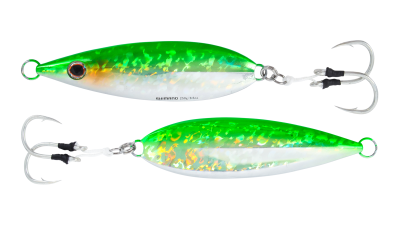 Shimano Butterfly Flat-Fall Jigs - Clearance
From: $18.19
Was: $25.99
-
-
-
-
-
-
-
-
-
Night vs. Day
Bluefin tuna are finely equipped predators capable of feeding day and night. Depending on moon cycles, available forage, and potentially other factors dictate when they will be most active and feeding. Below are some observations on fishing for Bluefin in the daytime vs. nighttime. Remember, these are not rules and more so averaged observations regarding jig fishing.

Daytime Bluefin Tuna Fishing
If Bluefin tuna are active during the day, they tend to be higher in the water column. These fish will most likely be feeding on fin bait (anchovies, sardines, etc.) which predominantly feed near the surface of phytoplankton. During this time, jigs can be applied to target Bluefin. Daytime jig fishing is more commonly associated with smaller jigs (80-150 grams) with shapes and sizes mimicking baitfish. Baitfish-shaped jigs represent a fast-moving bait on the retrieval or a dying fluttering bait on the drop. Additionally, fishing during daylight hours often requires significantly more finesse than at night. Rigging for daytime jig fishing should incorporate having fewer fishing hooks on your jig and a fluorocarbon leader. The leader should be as light as you think you'd be able to achieve while still being able to land the fish you are targeting. Lastly, in the daytime, it's necessary to get your rhythm down so your jig is swimming appropriately on the way up. Bluefin has a fantastic eye site, and keeping a jig moving will give them less opportunity to get a good look at your jig hooks and terminal tackle.
Nighttime Bluefin Tuna Fishing
Fishing for Bluefin Tuna at nighttime can be incredible. Tuna feeding at night can be very aggressive and tend to be much less discriminative as to what they are eating, and they tend to let their guard down and be more approachable. At nighttime, they tend to be lower in the water column and associated with the depth of the feed layer, also known as the deep scattering layer. The feed layer is a zone of migrating creatures from the depth toward the surface, encompassing zooplankton and other animals that come to the surface waters to feed at night. A wide range of invertebrates, cephalopods, baitfish, and plankton are a part of this food chain, equating to an easy meal for Bluefin tuna. While the stomach contents of tuna at night have been observed to have a variety of creatures in them, it's thought that the primary forage sought after is squid.
Selecting a jig for nighttime fishing for bluefin mimicry of squid is a good selection point for color, shape, size, and action. A darting squid is very similar to the longer-style jigs. The amount of current will help you determine if it's flatter than the round-shaped jig you'd want to use. Additionally, having a glow on your jig has sometimes been associated with getting bites. At night, the trick of the game is getting to the fish as fast as possible while they are under the boat. Most often, the captain will announce the depth of the school, and the first couple of anglers to get their baits to that area tend to hook up. If the school sticks with the boat, the possibility of a wide-open bite is very high.
My Setup
If you want to skip all the leg work in selecting a proper setup, I will describe my go-to setup.
The Shimano Ocea Jigger OCEAJG4000HG Conventional Reel, has to be one of the best reels Shimano has ever made. It’s an absolute monster with enormous capability. The drag on this reel speaks to the craftsmanship of this product. You will not be disappointed if you can take one for a test drive.
The reel is matched up with PowerPro Depth-Hunter Offshore Multi-colored Braided Fishing Line - 80 lb., sufficient to tackle most fish hooked. Additionally, I can easily tell the exact depth of my lure by counting the colors deployed off the reel.
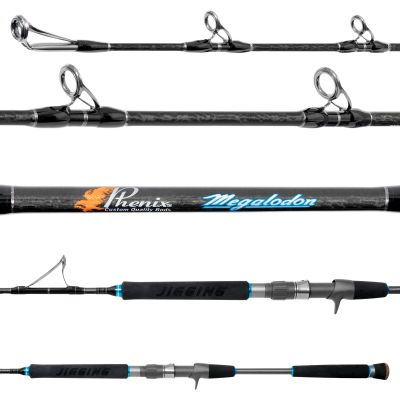
The rod is a Phenix Megalodon Jigging MPX-609-C Conventional Rod - 6’ - PE 6-10. I’ve tested several rods off the rack, and the Megalodon series seems to have the best backbone while allowing your rod to give your lure the most action.
As for a go-to lure, that is a two-fold answer. I have used the original Shimano Flat-Side Butterfly Jigs in 150–200 gram size for daytime fishing. This lure is great for Bluefin Tuna, but I have also found them deadly on all sorts of other species. In the nighttime, I opt for the Mustad Rip Roller Slow Fall Jigs in 250 - 400 grams, which, as stated above, my goal is to be the first one to the school once the captain calls out the depth.
I have landed over 150 fish on this setup with dozens of fish over 100 pounds. While I have not landed a cow on it, I am positive it can do the task.
All this information can assist you in landing some trophy tuna this season. Jigging for Bluefin Tuna is hands down my favorite method to hooking one.
Tight lines.