

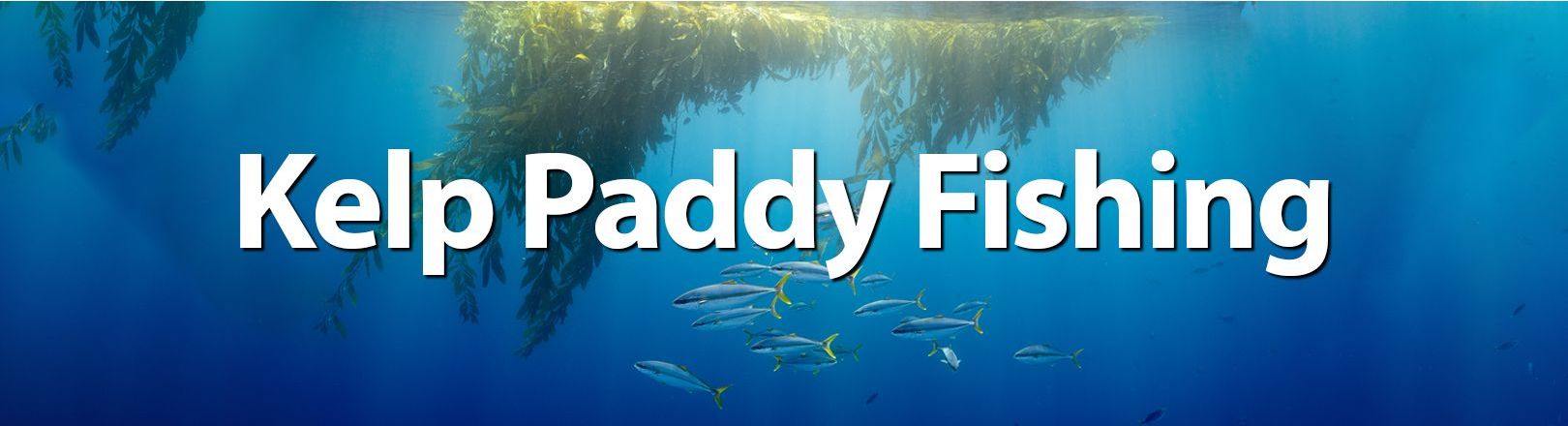
Hands down, one of the most fun experiences you can have as an angler in Southern California is fishing kelp paddies. The process is exciting, from hunting down the floating paddy to setting up your drift, discovering it's teeming with gamefish and life, and finally experiencing a wide-open bite. I have fished many places around the world, and there is nothing quite like this style of fishing when it’s on.
Let’s take it from the beginning. Along the California Coast, the rich, cool waters are home to Bull Kelp and Giant Kelp, which grow in enormous gatherings where there is a substrate for their roots to hold onto. They often blanket large areas in depths from 15 - 80’ and grow from the bottom to the surface. Gas-filled sacks along the stock of the kelp hold up each floating strand. The vast areas of kelp congregations are called Kelp Forests, making up some of the most pristine and fruitful parts of our oceans. An incredible myriad of species takes shelter in these forests. These kelp forests grow and do best when we have cooler water along the coast and strong upwelling.
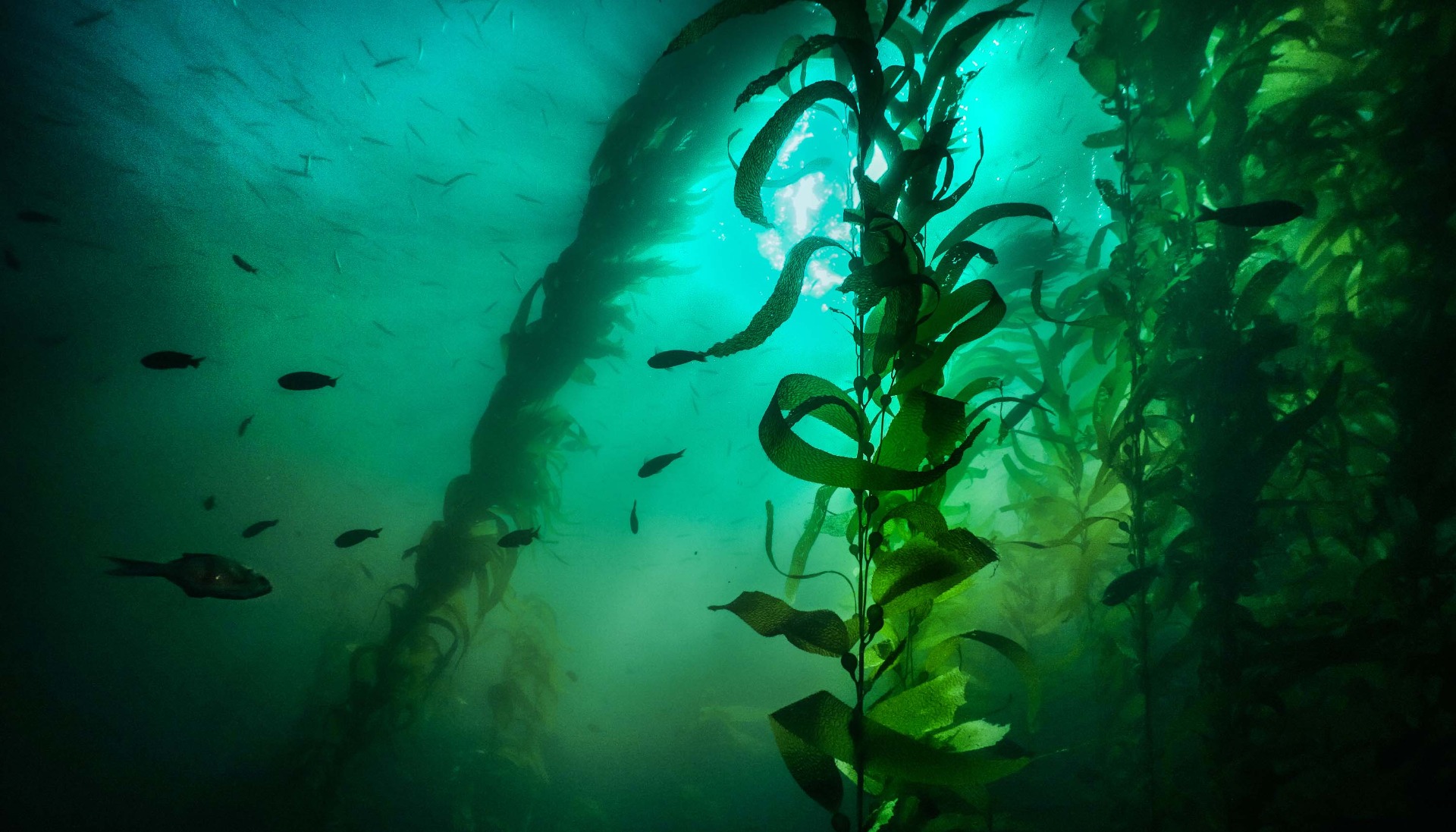
Where Do Kelp Paddies Come From?
In the Spring, the predominant trade winds along the Northern and Central California coast blow from the North-Northwest. These winds blow relentlessly during this coastal warming period, bringing swell and current from Northern California to Point Conception and all the outer islands. The result of these trade winds is the braking or uprooting of kelp that has gotten too large to resist the wind and current. At this point, the kelp floats to the surface in a tangled web and drifts out at sea. Once the flotilla of kelp reaches south of Point Conception, it encounters warmer waters and subdued winds within an eddy in the Southern California Bight. Currents will continue to pull the kelp paddy in a southwest early trajectory along Southern California and Baja’s offshore banks. In doing so, a myriad of creatures encounters these kelp paddies. Some use it for basic coverage from the sun or predators, and some use it to lay in and rest; some have their babies use it as shelter; lastly, some use it to find their next meal. In a sense, they are like FADS (Fish Aggregating Device).
What You'll Encounter
Like FADS, kelp paddies exist like an oasis in the desert. Baitfish and predators take up residents where they can get shelter or find an easy meal, and kelp paddies provide just that. In addition, there is no telling what you’ll find around a kelp paddy; if it swims in saltwater, it can harbor in and around a kelp paddy. There are, although, some usual suspects that can be expected in the summertime as gamefish. Yellowtail is the most common to be on paddies. Spring and Summer are the main periods to see them on these structures. Once the water warms up above 70° F, it is common to have Dorado/ Mahi Mahi take up residence. With both species, it is the luck of the draw as to whether you’ll find a couple or dozens of fish on the paddy. In late summer, especially in El Niño years, paddies have also been known to host Yellowfin Tuna and Wahoo. A stop on a paddy often will result in fishing for one species only to have the bite completely transition to catching another species.
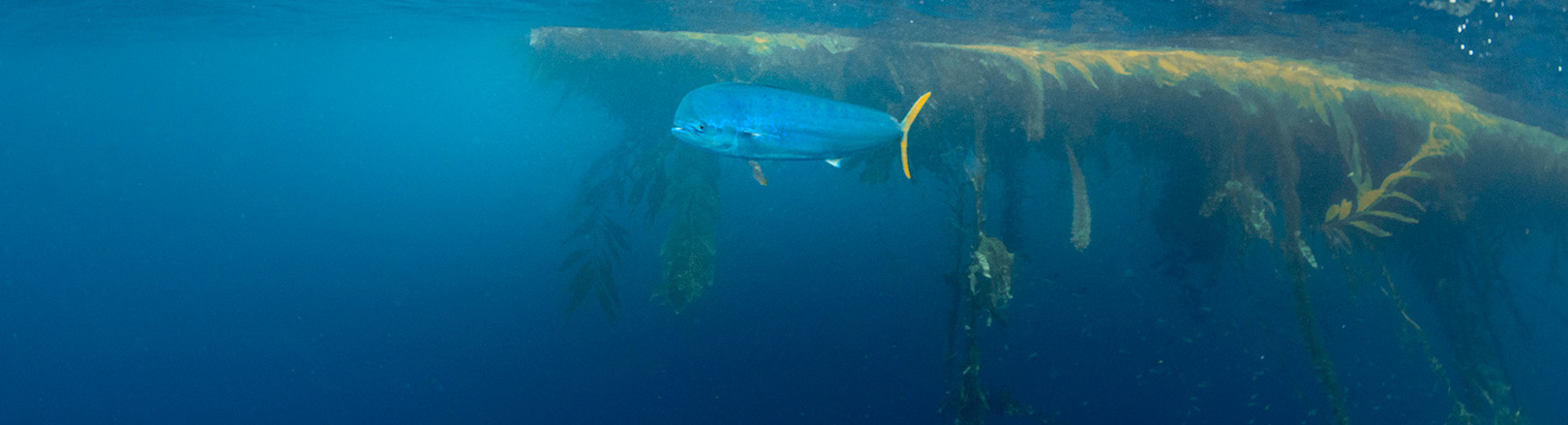
A summer time bull Dorado west of the Coronado Islands
Finding Kelp Paddies
Some days, finding a paddy can be extremely easy; others make them seem mythical. There are a few things to remember and tools to ensure you’re on your way to locating paddies offshore. For starters, you want to be in offshore water. For anglers out of San Diego, this means predominantly beyond the 9 Mile Bank. To get even more accurate, find a good east-to-west temperature break; debris stacks up at these convergent zones. Search this line, and you’ll surely locate some kelp paddies. Once you’re in the zone, consider the following:
- SPEED: You’ll have exponentially more luck finding paddies at a slow speed. Slow down to 10-12mph once you get in good water. If things seem barren, motor back up for 10 minutes, then slow down again.
- VANTAGE POINT: The distance you can scan the horizon directly correlates to your viewing height. Get to the tallest point on your vessel while still being in a safe spot, and use this as your vantage point. For example, the view to the horizon at 5 feet in height is just about 3 miles; in contrast, at 10’, it’s around 4.25 miles.
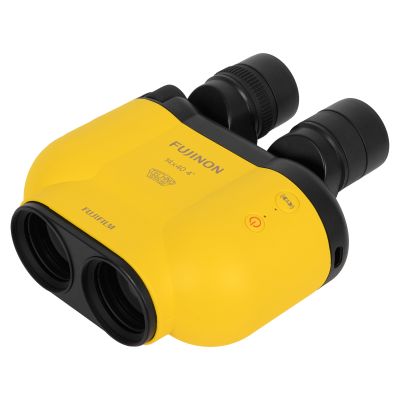
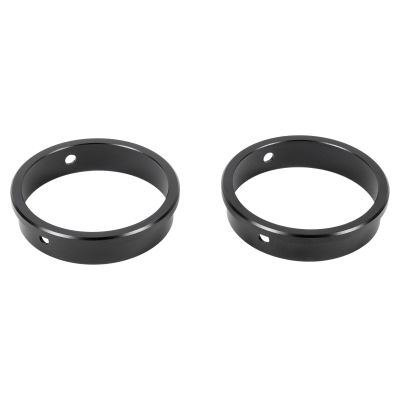
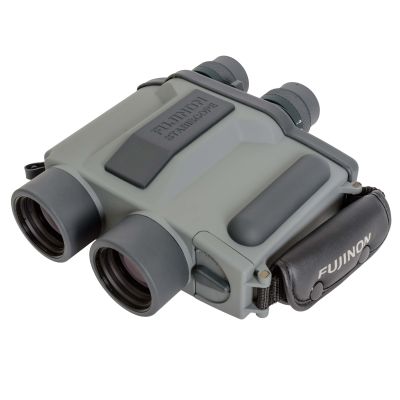
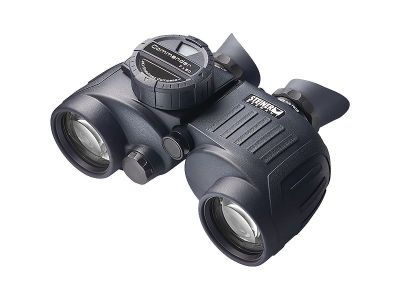
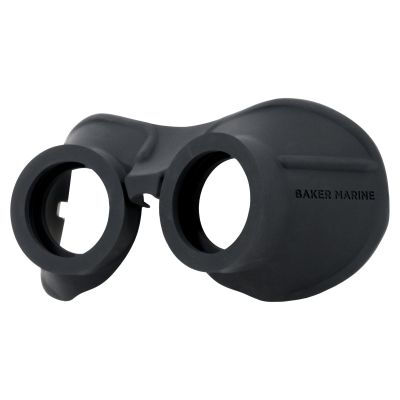
- BINOCULARS: This is one of the most important tools when heading offshore. Invest in a good pair of stabilizing binoculars. The ability to spot paddies, working birds, and fish is unfathomable without having a good set of binoculars.
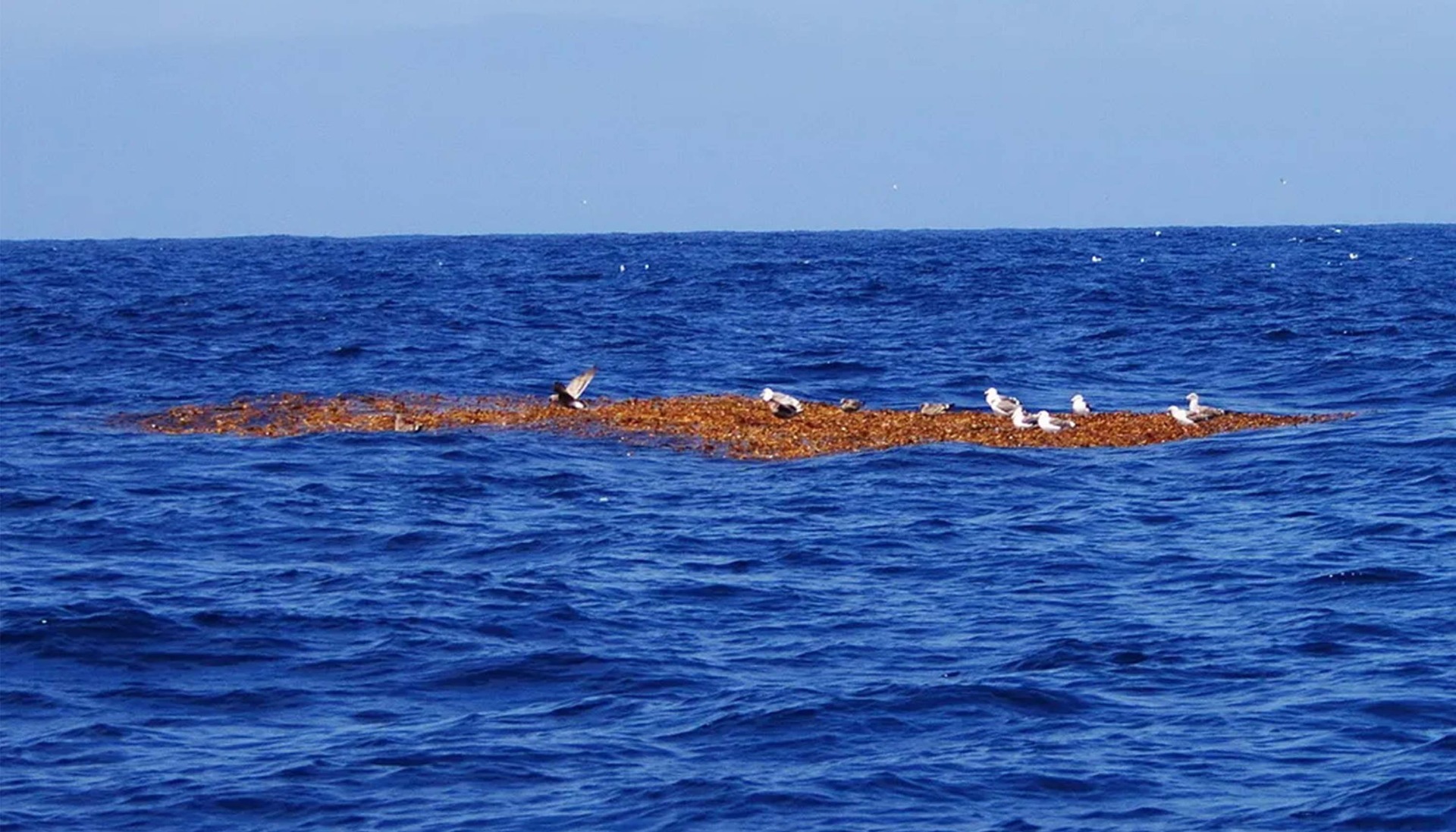
Mid-Summer dream, a giant paddy with terns and seagulls on it, as close to sure thing as you can get in fishing.
Drifting Into a Paddy
There are a few go-to approaches when you’ve located a paddy regarding how to fish it. First, once found, ensure someone on deck always keeps an eye on the paddy. It may seem like an obvious suggestion, but considering current, wind, swell, and the boat moving, losing the paddy is easier than you’d anticipate. It might even be worth quickly dropping a pin on your marine electronics. From that point, you’ll want to take inventory of wind, current and swell direction. Ideally, you want to set up a drift where you’ll be able to pass by the paddy within casting distance or slightly more than that. There is no need to go up to the paddy and be on top of it, as the predatory fish will be anywhere from a couple of feet under the paddy to several boat lengths away. Don’t worry, they will find your bait or fishing lure if they’re eager to bite. The drift should be set up wind from the paddy 20 - 40 yards away to not spook whatever is lurking, and it is always better to take the stealthy approach. If you can, turning off your engine is also beneficial. Ultimately, you want to be another structure floating by the existing structure.
Fishing The Paddy
You’ll usually target Yellowtail or Dorado on paddies as they are the most common residents. Bait is the premiere pre-sensation, but lures can also be applied depending on the mood and situation. As you begin your drift, it’s an excellent idea to chum a few pieces of bait to get any predators enticed. Hopefully, at this point, the fish have reacted to your offerings. Next, you’ll want to nose hook a live sardine or mackerel and cast it toward or around the paddy. You do not need to be right next to the paddy. The fish are around it and are very capable of finding your bait. Bites can be instantaneous or take several minutes. If you don’t get a response within 10 minutes, the reality is that the fish on that paddy is not in the mood, and you’re better off using your time locating a more productive one.
Once you do get a bite, you must try and play your fish away from the floating paddy because the sure thing is that a yellowtail will run you into it to try to break you off. Sometimes it’s just inevitable, especially with the bigger model brute Yellowtail. There is a balancing act in selecting the correct terminal tackle to fish these paddies. On one end, you want to fish light and stealthy enough to get a bite. Conversely, you want the capability of hooking a larger fish or pulling a fish out of the kelp in case it gets tangled. The recommendation is to fish 50 - 65lb. solid braid, an 8-strand braid with a pebble construction, is an excellent option as it tends to cut through the kelp if your fish gets in. You’ll need to use a short 3 - 4ft. fluorocarbon leader, and depending on how eager the bite is, the leader may range anywhere from 20 - 40lb. fluorocarbon.
REEL OPTIONS: Ideally: 50 - 65lb. Braid
- Shimano Speedmaster II 2-Speed Conventional Reel : Size: 8II - 12II
- Shimano Torium A HG Conventional Reel : Size: 16-20HG
- Shimano Trinidad A Conventional Reel : Size: 14-20
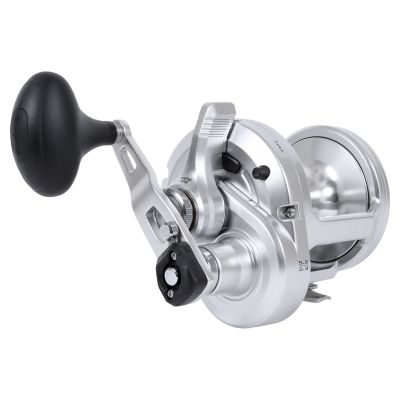
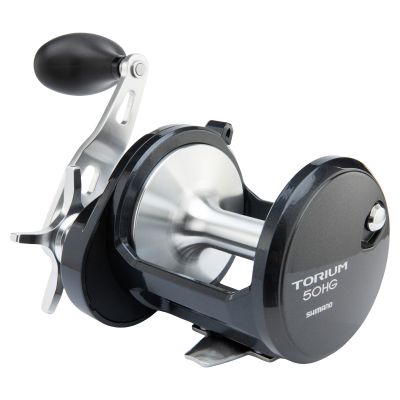
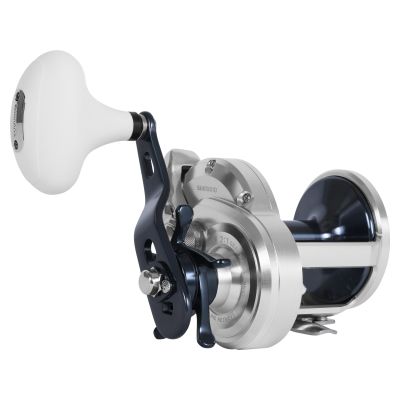
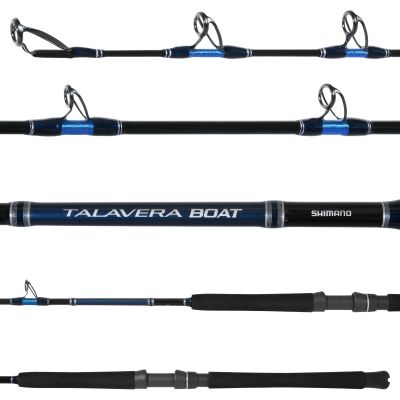
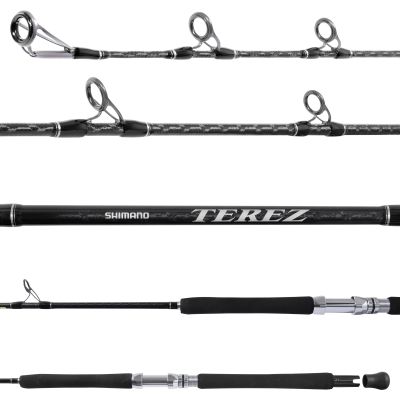
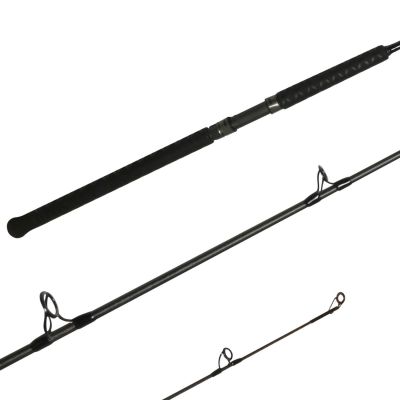
ROD OPTIONS: Ideally: 7-8’/ Medium-Heavy
- Shimano Talavera TEC70MHC Boat Casting Rod - 7' - 30-65 lb.
- Shimano Terez TZC70M Casting Rod - 7' - 30-65 lb.
- Shimano Teramar TMC76HB West Coast Inshore Casting Rod - 7'6" - 40-80 lb.
Hooks
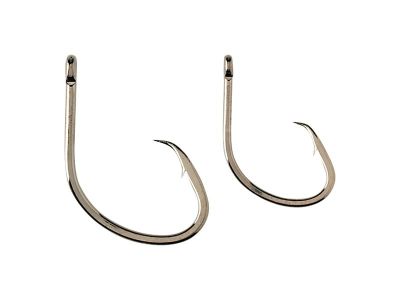
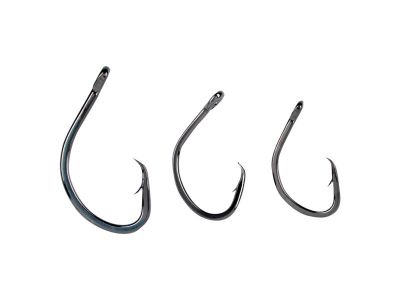
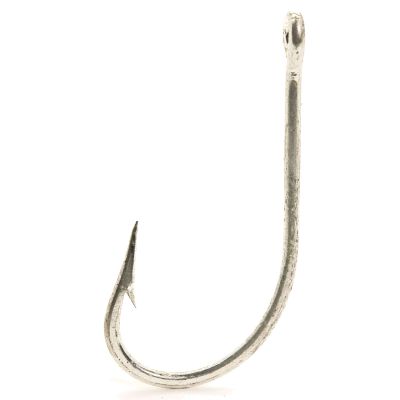
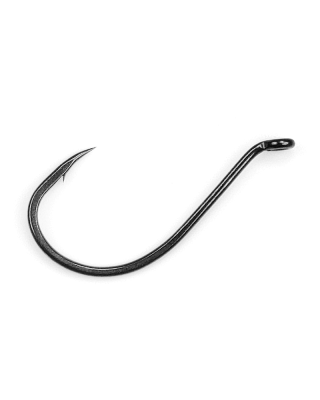
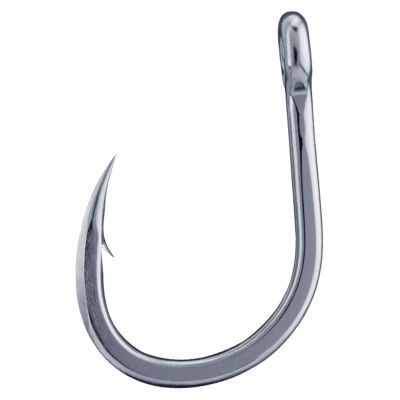
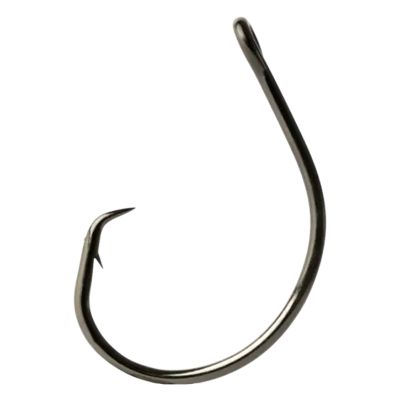
It's also important to pay attention to which fishing hooks you use. In most cases, you can decipher if there is Yellowtail or Dorado on the paddy. I like using a small circle hook for Yellowtail, as they tend to grab the bait and swim away, causing the circle hook to do what it was designed for and hook the fish in the corner of the mouth. For Dorado, on the other hand, I prefer a J Hook, as they tend to eat one bait and continue forward to eat the next bait in the chum line, so hooking them with a circle hook can be challenging at times.
The hook size should be appropriately matched to the bait size. A good size range would be #4, #2, #1, 1/0, 2/0. As for where to hook your bait, many options are acceptable, but hooking through the nose is excellent as you get to swim your bait to the boat, which often entices a strike. A trick I’ve noticed, especially with Dorado, is slow trolling your bait. If a bite starts to turn off, a slow-trolled bait may sometimes entice a bite.
HOOK SIZES: Both J Hooks and Circle Hooks in the same sizes: #4, #2, #1, 1/0, 2/0
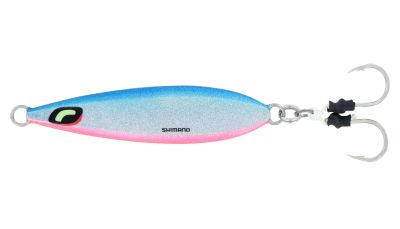
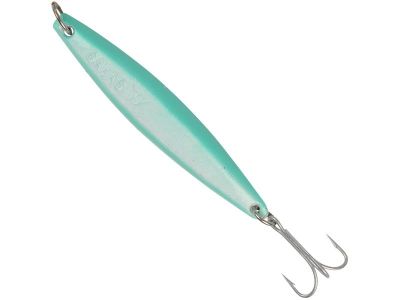
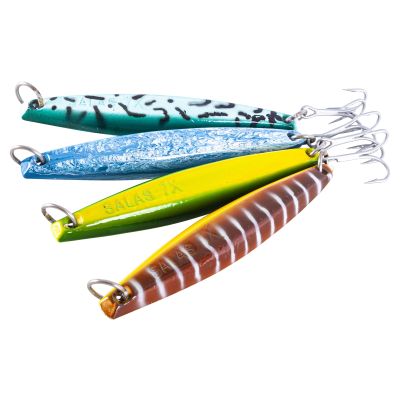
Sometimes, especially with Yellowtails, they may hang down deeper, and you might even mark them on your up-and-down fish finder. Do not hesitate to drop a Yo-Yo Iron or fishing jig down 100ft. to see if that entices a bite. This approach often results in hooking a Tuna or Opah similarly attracted to the structure.
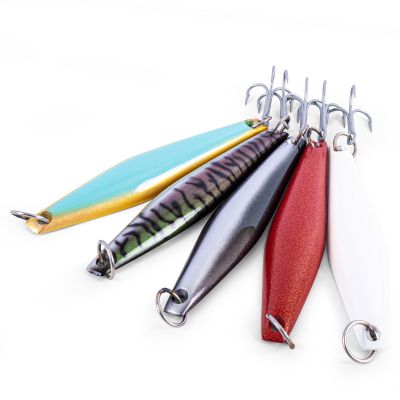
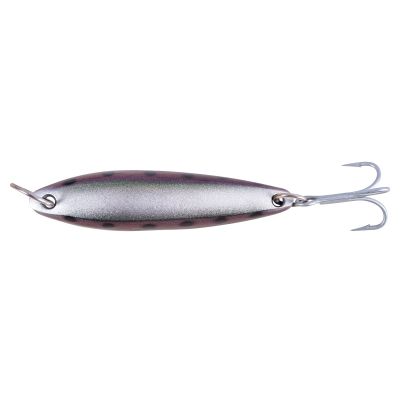
Another great way to check for life on a paddy if you want to reserve your bait is to use a California-style surface iron. Yellowtail, in particular, are attracted to the movement of a surface iron. This can trigger a bite or even a follow, letting you know what's lurking beneath the paddy. Of course, stick baits are also a great option, especially with Dorado and tuna.
Lure Options

Kelp Paddy Fishing Etiquette
When the fishing is good, anglers come out of the woodwork in numbers. Unfortunately, some anglers tend to hunt for boats rather than fish. They look for boats stopped in the distance as they are easier to locate than paddies. While it’s not a crime to fish in the same area where another boat is fishing, there is some etiquette that should be practiced.
First, if you find a paddy with a boat or two fishing, I would consider passing up that paddy and letting those boats enjoy the fishing. Where there is one paddy, there is usually another within reach. Secondly, if you find a paddy with a skiff fishing it, radio them out of respect to see if you can join.
They may even save you time by letting you know it’s empty or clue you in on what’s working. For example, in Southern California, the channel to communicate on fishing is 72. Lastly, when you get the green light to fish in concert with another skiff, start your drift up and swell a considerable amount of space from them; 75-100 yards is a reasonable distance.
Other Kelp Residents
In this article, we focused on Yellowtail and Dorado to be the prime candidates for a kelp paddy, but you're sure to come across many more species the more you fish for and target kelp paddies. These are some of the other species you can expect to find.
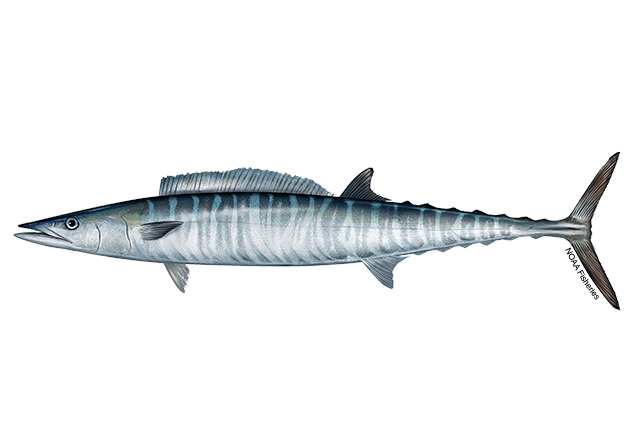
Wahoo
Warm water years and late summer provide the perfect opportunity to encounter wahoo on kelps in the Southern California Bight. Though considered somewhat rare, it does happen. Be prepared with some single-strand wire as they are toothy critters.
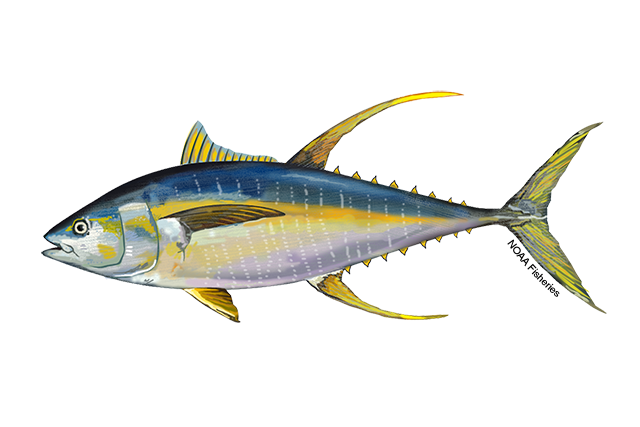
Yellowfin Tuna
Mid to late summer is when Yellowfin make an appearance in the Bight. As they settle into the area we’ll start to see more and more of them associated with kelp paddies. A bite from yellowtail or dorado can quickly transition to a bite from Yellowfin. You are often able to mark them deeper on your sonar when you are close to the paddy.
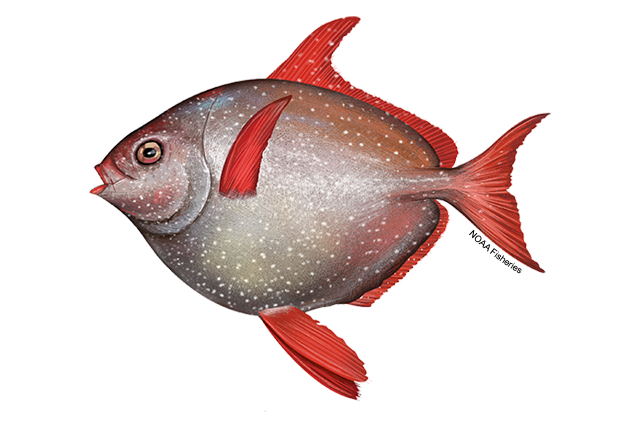
Opah
This unusual fish is commonly caught predominantly on kelp paddies but much deeper than you’d normally fish. Anglers will often send a heavy jig down 100-200 feet, where they will be. They’re prized for their great meat and fighting ability.
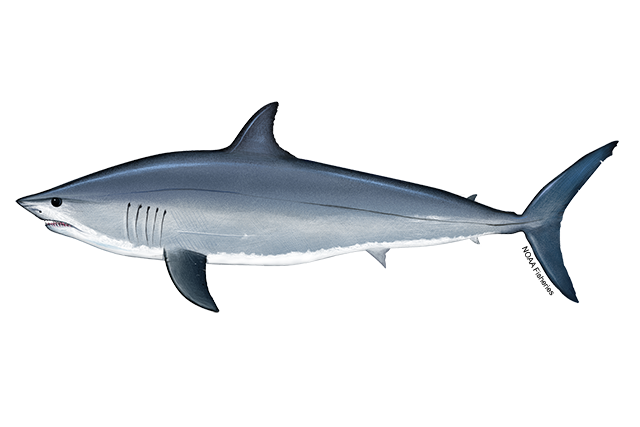
Mako Shark
These apex predators commonly hang around kelp paddies and can be anywhere from a couple of pounds to hundreds. If you target them as an incidental catch, be equipped with heavy tackle and be safe while landing it. Their meat is great on the grill.
Mola Mola
Mola Mola and Blue Perch are the most common fish associated with kelp paddies. I've seen Mola Mola lying up with half of their body on the paddy as if they're resting. They eat jellyfish and other planktonic items, so hooking one is unheard of, but they are still great creatures to observe."
Blue Perch/Halfmoon
Where there’s a kelp paddy there are Blue Perch, and they are directly associated with one another. You may be able to catch them as an incidental catch with a sabiki, but to this day, I have not caught them, nor do I know if they are edible.
Images provided by NOAA Fisheries. NOAA label is for image credit only. It does not signify an endorsement of Melton Tackle from NOAA.
Fishing kelp paddies in Spring, Summer, and Fall can be one of the most productive methods to fish in the Southern California Bight. Once the waters warm and the biomass acclimates with our waters and the fish are eager to eat it’s almost a sure thing. Get out there.