

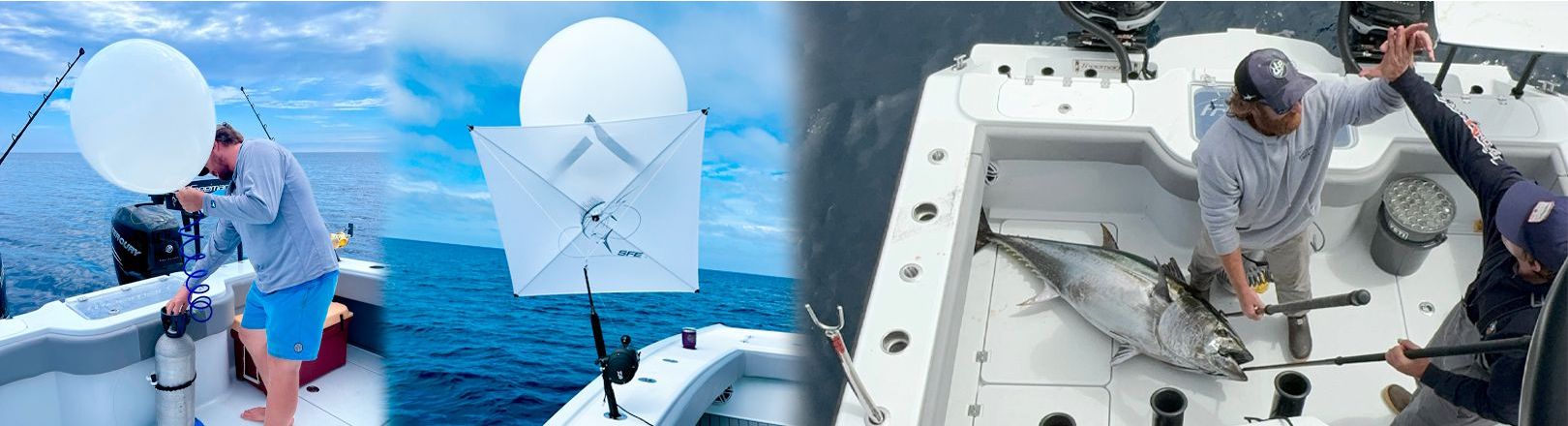
The Bluefin Tuna (Thunnus Orientalis, Thunnus thynnus, Thunnus maccoyii) is arguably one of the most sought-after gamefish in the angling community. Found in temperate waters on several continents around the globe, it is identified as three distinct subspecies the Pacific, the Southern Pacific, and the Atlantic Bluefin Tuna. The most significant difference across the three subspecies is size, the Atlantic Tuna being the king of the three, often reaching weights into the 1000s of pounds. Regardless of where fishermen target this gamefish, the passion and pursuit seem equivalent, and fishermen tend to be addicted to this fishery.
This species has a long list of characteristics that make it a top priority on the bucket list for anglers. As a gamefish, it is a formidable adversary testing your patience, techniques, ability, and knowledge on the water, not to mention every piece of tackle. A key characteristic is the diversity by which anglers can target this species. This fishery has dozens of moods and various techniques to implement on any given day. Some methods date back centuries and have been continually used, while others are being discovered or adapted yearly. It’s a fishery keeping us on our toes and testing our creativity, tackle, and awareness of nature and the ocean. Whether you’re chasing Bluefin Tuna in the Atlantic or the Pacific, we’ll be sharing some tactics that have been proven time and again.
KITE FISHING FLYERS FOR BLUEFIN WEST COAST STYLE
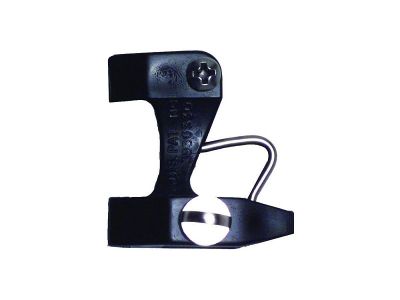
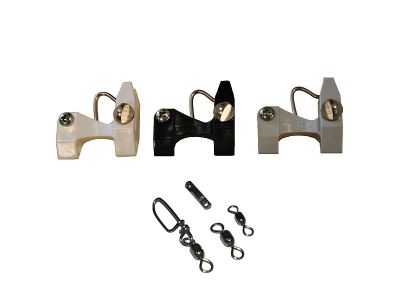
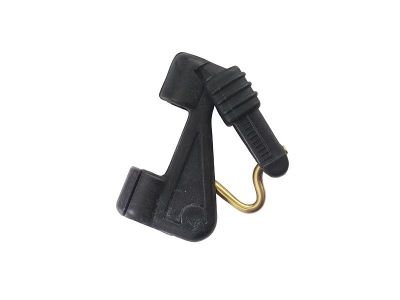
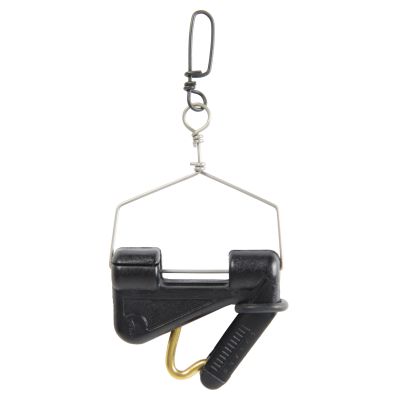
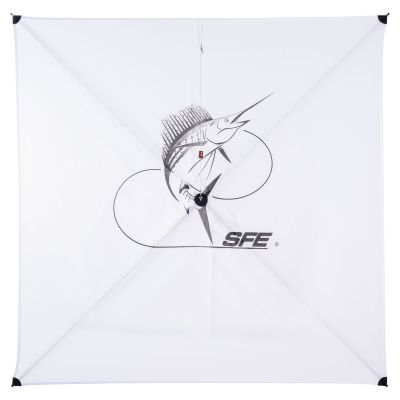
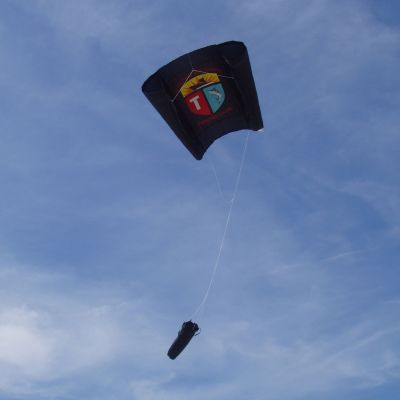
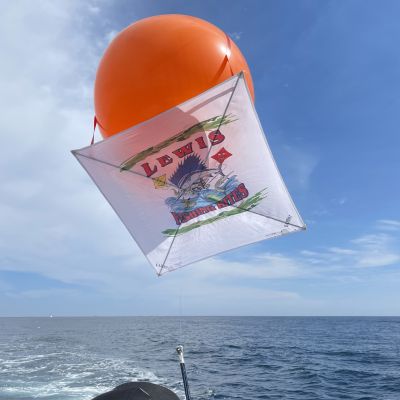
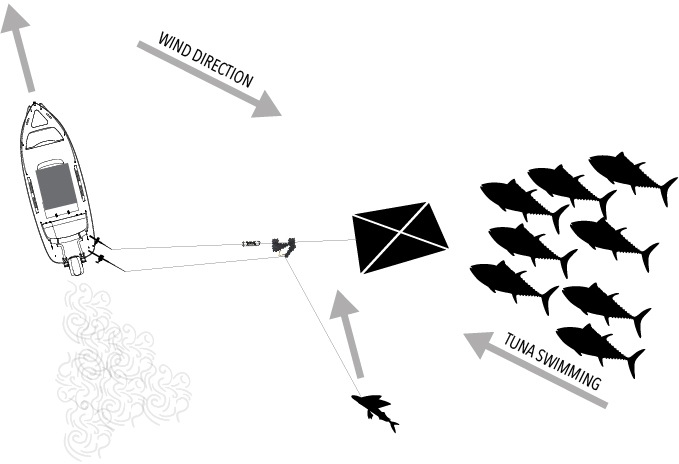
Out of all the techniques used to fish for bluefin tuna, kite fishing is at the top of the list as one of the most exciting ways to target them. Kite fishing dates back several decades, and to California anglers, it’s a special way to target these fish as this technique was invented in Southern California by members of the Avalon Tuna Club on Catalina Island. Since those times, the tackle and gear have improved but at the end of the day, and while there’s a lot to this technique, the concept is quite simple. Use the wind as a tool to place your presentation uniquely and naturally. The angler is implementing a two-line setup, one is attached to a kite, and the other is attached to a bait running off two separate rods. When conditions are optimal, the angler attaches the two via a clip, allowing the kite line to take out the bait line. This accomplishes two things; it will enable the bait to be taken away from the boat a long distance, and two, it allows heavy lines to be held out of the water by the kite to be extra stealthy. Subsequently, as the line is being taken out, it can be skillfully placed to go over a school of visible or feeding fish and allow accurate placement of your bait into the school.
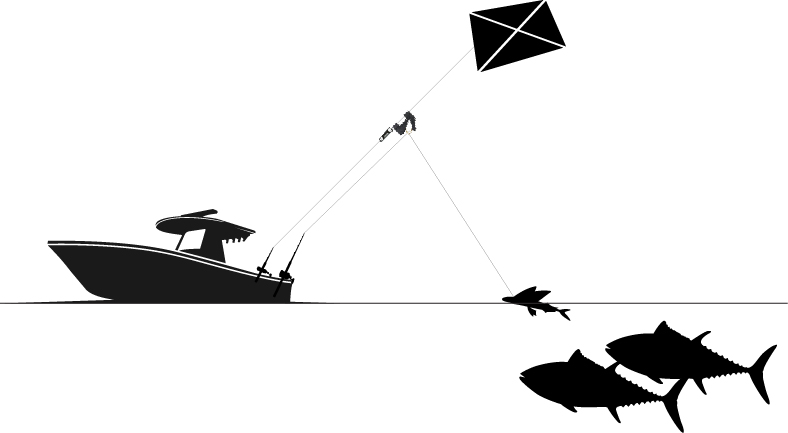
The application of using the kite can be implored in a variety of presentations depending on what works best in your fishery. For each application, you’ll be able to fine-tune your equipment for the best results.
There are some basic needs to fish the kite and elements that can be added down the line that can assist in the process; we’ll get to those once the basics are established.
-
-
-
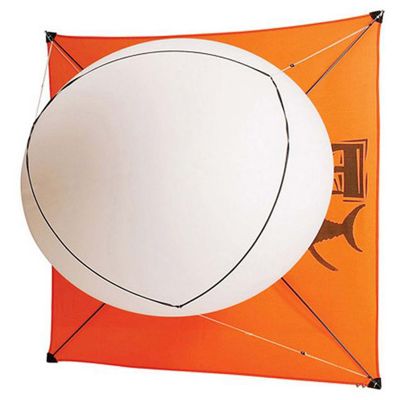 DNR - SeaQualizer Kite ThongsOut of stock
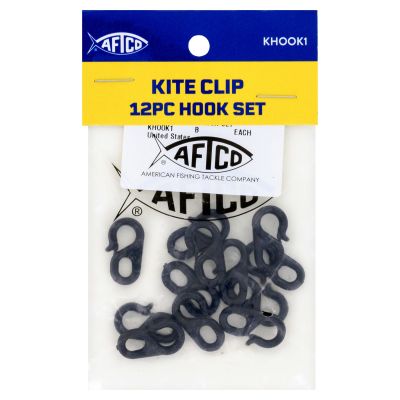
 - AFTCO Kite KitsOut of stock
-

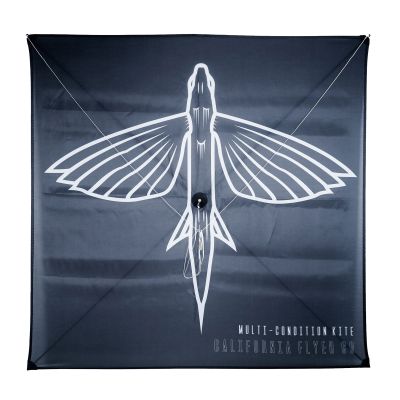
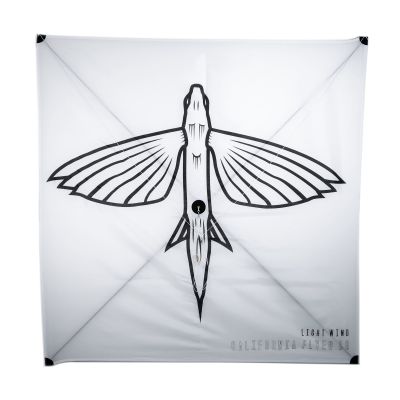
Bait Setup
Bait Reel
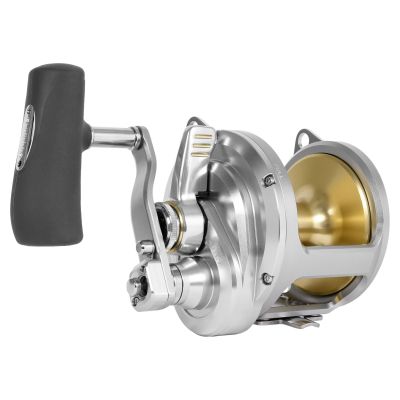
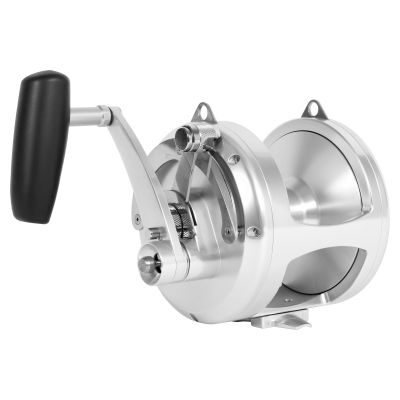
Knowing that you’ll be tackling Tuna that exceeds the 100lb. mark, you’ll want to ensure your hooks & terminal tackle are adequate to pursue this fishery and this technique. Several factors go into choosing the ideal reel, so check out our Shimano, Accurate, Penn, and Avet reels suggestions below:
Shimano
Accurate
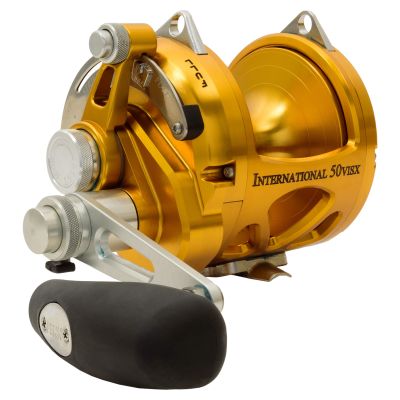
Your reel should hold a minimum of 1000 yards of braided fishing line. Due to having your line attached to the kite, it will have to double down in length to where your bait connects to the water. Your reel should be a relatively high-speed, 2-speed lever drag reel. Again, because you’ll have so much line deployed from the boat to the actual kite and then bait, you’ll need to be able to pick up all the extra line once the fish is hooked. There are a few reels on the market that are ideal for this style of fishing. Your reel should be able to output 30 lbs. of drag consistently or more efficiently. With so much line out, it’s imperative that you give the fish the minimum amount of line to take out, as it will already be a great distance from the boat at strike.
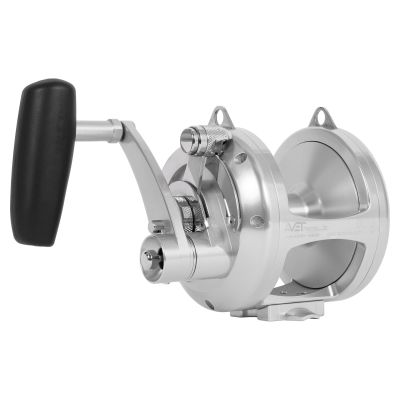
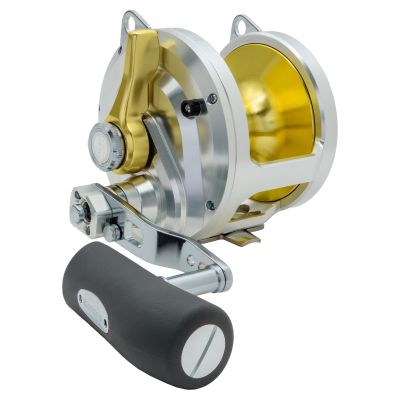
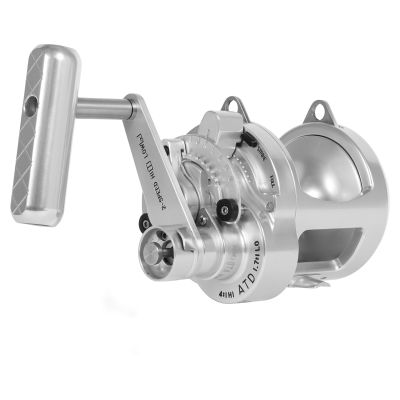
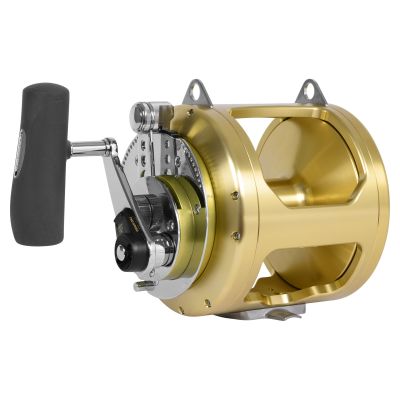
Line
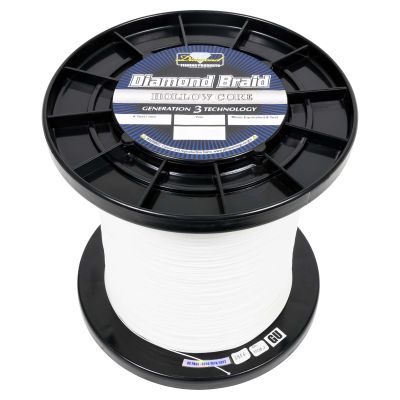
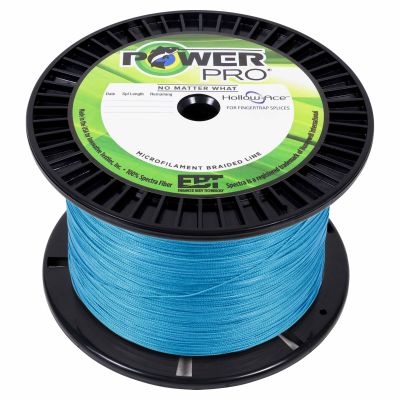
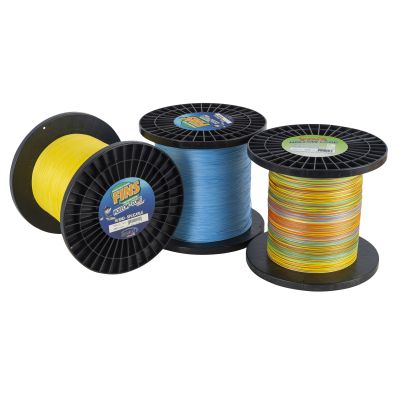
You should use a braided line solely to a short fluorocarbon leader connected to your kite fishing bait or lure. Braid is much thinner than the monofilament and will cause much less drag when attached to the kite, and hundreds of yards are out. On the West Coast, seldom do our fish exceed 400lb. mark, making braid in the 130 – 200lb. class range ideal. With the lighter line, you’ll get less drag from wind and water, making it easier to fly a kite and present your bait.
Additionally, you’ll get more line on the spool, thus keeping the diameter of the spool larger so that when retrieving, more line is picked up. A heavier line does come in handy in the fight. Knowing you have that extra line strength is a great assurance when stopping a larger fish from taking excessive line. Ultimately, the angler must assess what setup works best for them. Both solid and hollow braids can be used. Some say that a solid braid tends to be more aerodynamic and catches less wind, hollow braid tends to be of flatter construction and may catch a slight bit more wind, again there are benefits to both.
Bait Rod
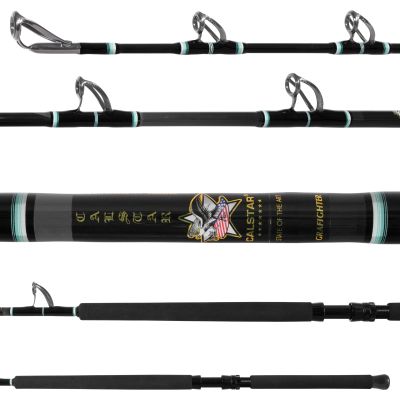
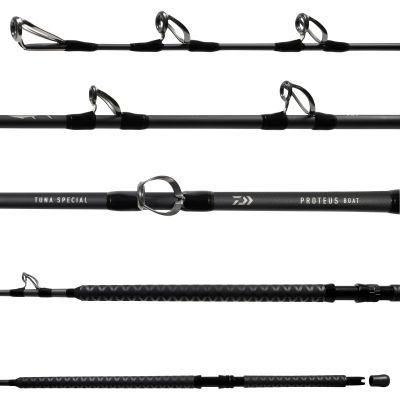
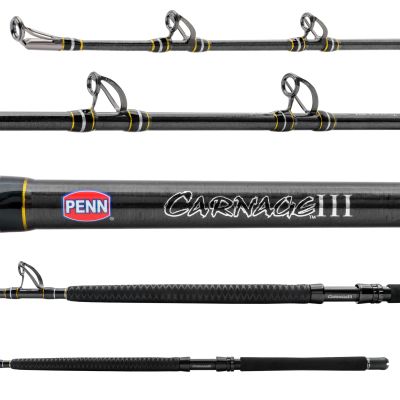
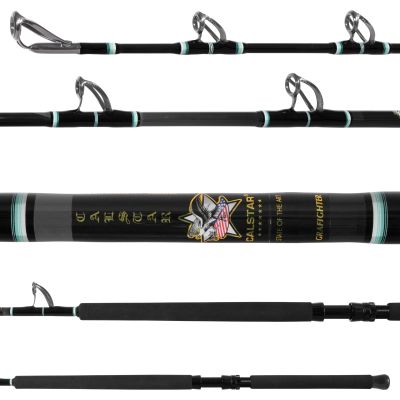
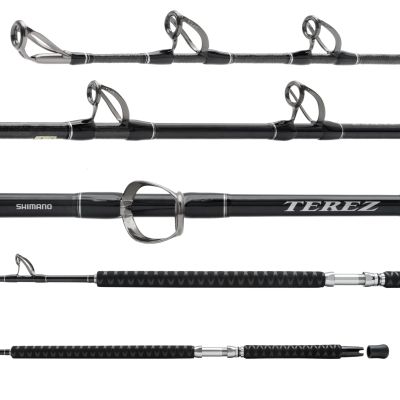
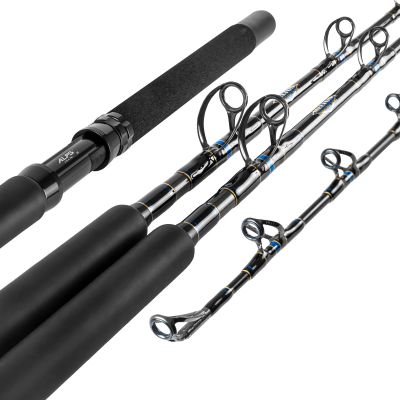
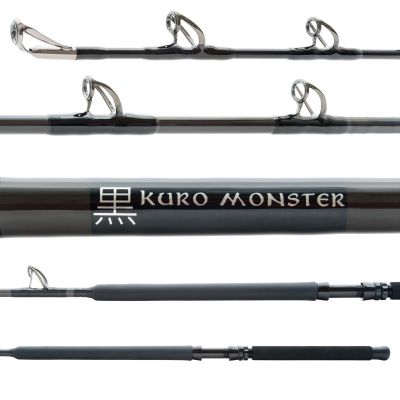
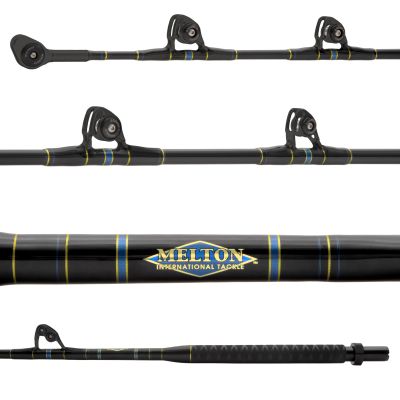
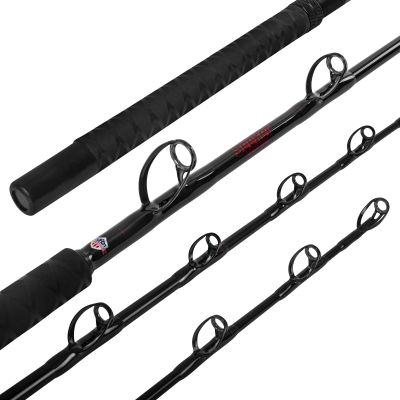
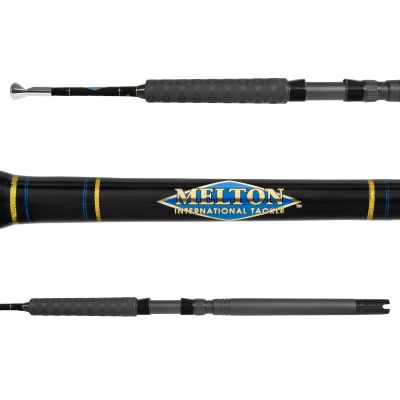
Numerous fishing rod manufacturers do a great job of custom rod building these days, and much of this decision will come down to the angler's preference based on strength, weight, height, and more. When selecting a rod to pair with kite fishing, there are a few things to consider. Flex in the tip. Your rod should have some give. While tightening up on fish that’s very far away, you’ll want to tighten up and load the rod up as much as possible this will assist with any unpredictable movements from the fish. Many anglers choose to fight the fish with the rod in the fishing rod holder due to the setup's weight and the fish's size. This allows you to concentrate on keeping the line taught and not tiring out after retrieving a large amount of line. Make sure to have a rod with a gimbal butt which will make life easier when fighting from the rod holder. If the angler chooses not to fight the fish in the rod holder, then a rail rod may be necessary, allowing you to use the leverage of putting the rod on the rail as a fulcrum point. If you’re a private boater, you’ll likely fight the fish from the rod holder most of the time, while anglers adopting this technique from a sport boat will be forced to fight the fish at the rail.
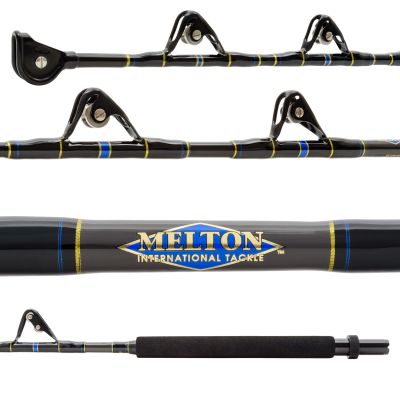
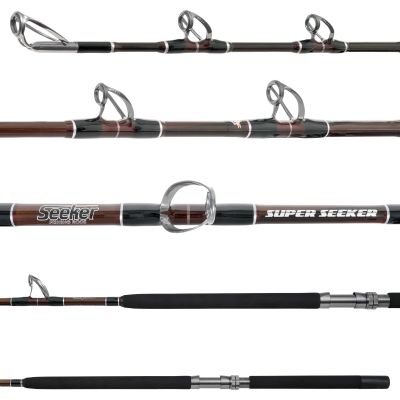
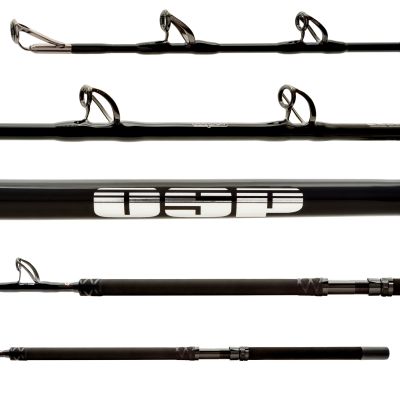
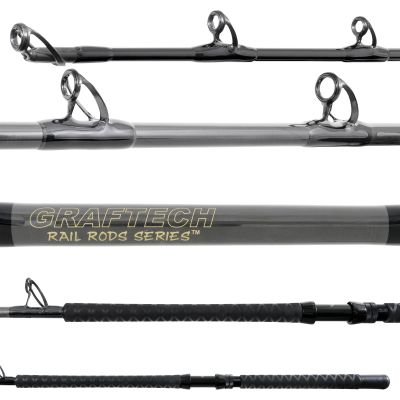
Kite Setup
Kite Rod / Reel
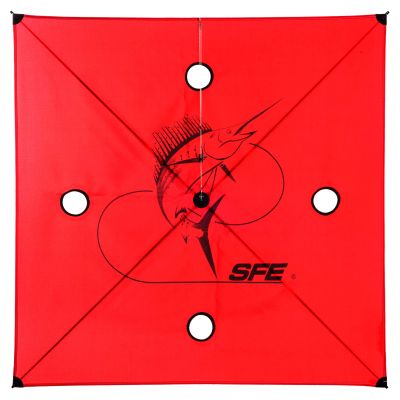
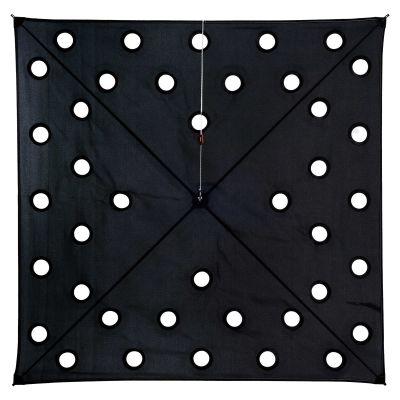
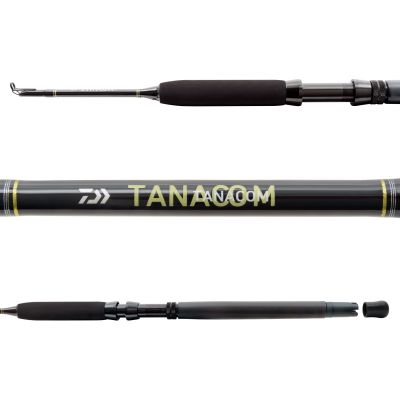
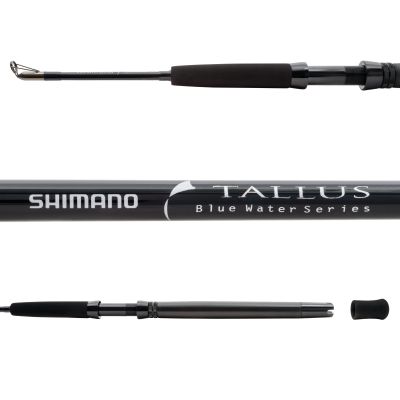
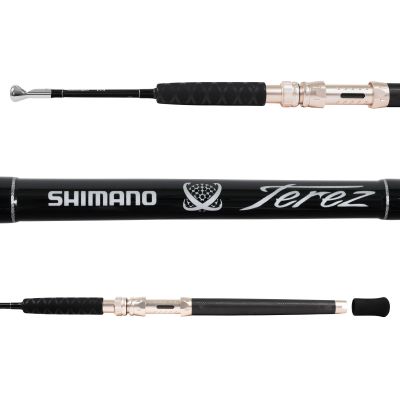
The kite rod will be where you’ll be deploying the kite; ultimately, it’s a glorified spool to hold the kite line. This is a unique setup that, unfortunately, does not apply to many other fishing methods but is a must-have. A good Kite Rod setup will make all the difference in the world. The ability to navigate and quickly adjust the kite will make the difference in getting the bite. Today, the kite rod setup is standardized, and you’ll want an electric reel and a short stout rod. Reel manufacturers have come to the table in the last few years, offering some great options for kite reels. The main characteristics needed for a kite reel are having sufficient line capacity to have your kite a couple of hundred yards away, a quick retrieve rate, water resistance, maneuverability, and accessibility to a power source.
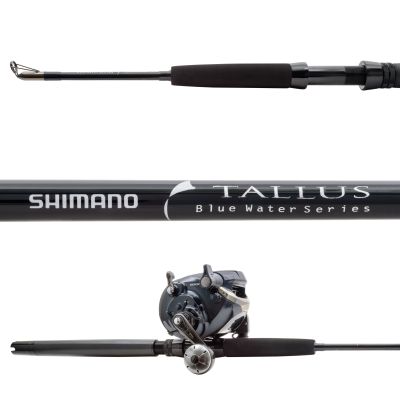
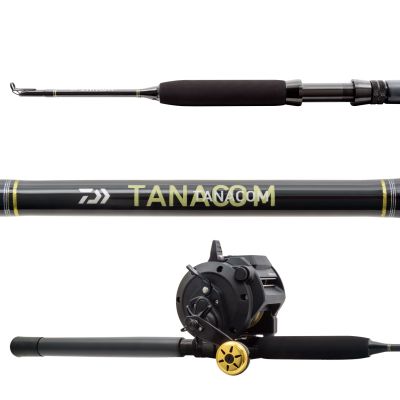
Dead Flying Fish or Artificial Flyer
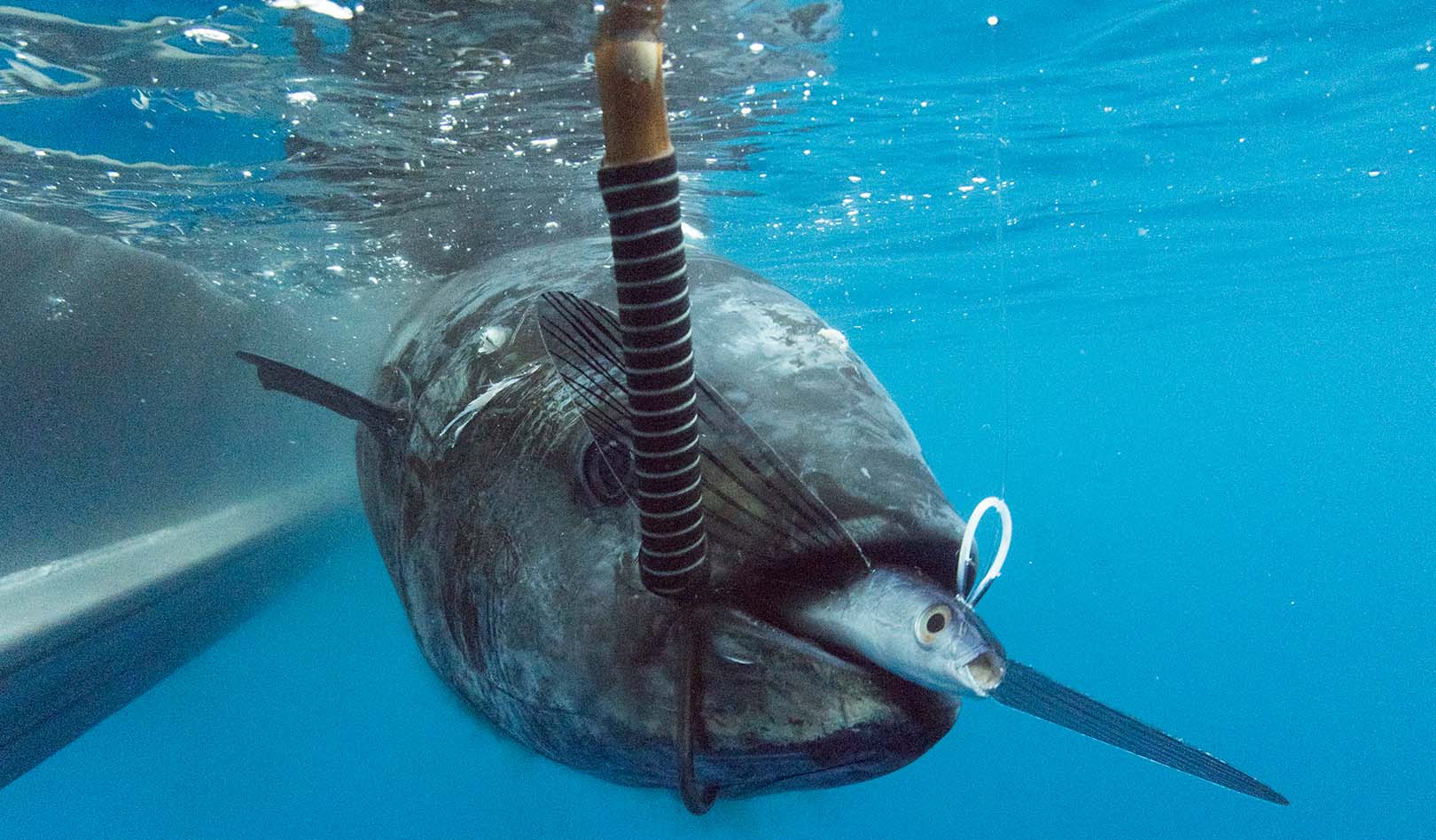
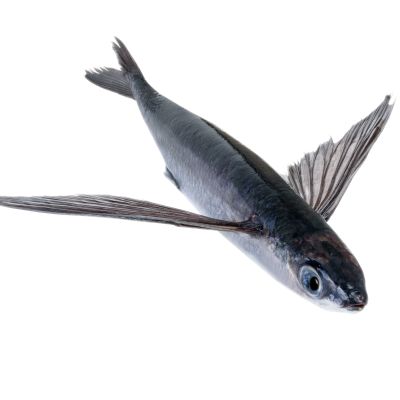
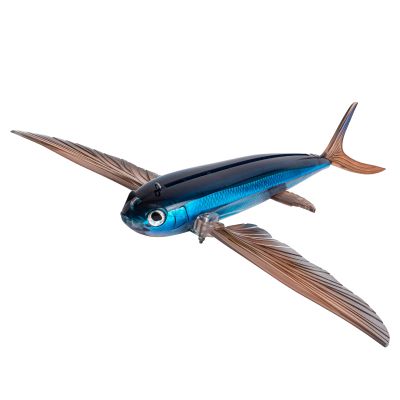
When targeting larger Bluefin Tuna on the West Coast, one bait reigns above all: the flying fish. Something about this forage causes a reaction in a Bluefin Tuna like no other bait. It is as deadly as presentations can get when presented from a kite. The marriage of the flying fish to the kite setup is the secret sauce. The ability to mimic this bait in jumping and gliding behavior from the fish's point of view makes this presentation undeniably successful. To present a flying fish or artificial flying fish from a kite, you’ll want to ensure the conditions are ideal. In most cases, you’ll want a breeze ranging from 8-15 knots, giving you just enough wind to carry you’re baiting but not too much to make things difficult. Ideally, the angler would get into an area where schools of Bluefin Tuna are visible in the form of a shinning school, deep marks, “breezers” or actively feeding fish. Once you know you’re in an area, you can choose where to get upswell/ upwind or parallel from a school to deploy your bait. You can deploy from a stationary standpoint if the school is somewhat stationary, or you can “walk” your bait and slowly troll your presentation toward the school. If you are “walking the bait toward a school, " you must keep the presentation in clean water, meaning water that is not turbulent from the engine prop. In most cases, this takes place at a 45–90-degree angle from the boat. This all takes a bit of practice, and it’s highly recommended to get out there and have several trial runs, so you’re prepared for the actual event. This is not a method you would use to search out an area. You’ll want to ensure schools of Bluefin Tuna are visible on the surface or “marking” on your fish finder/sonar beforehand.
Flying Fish Options
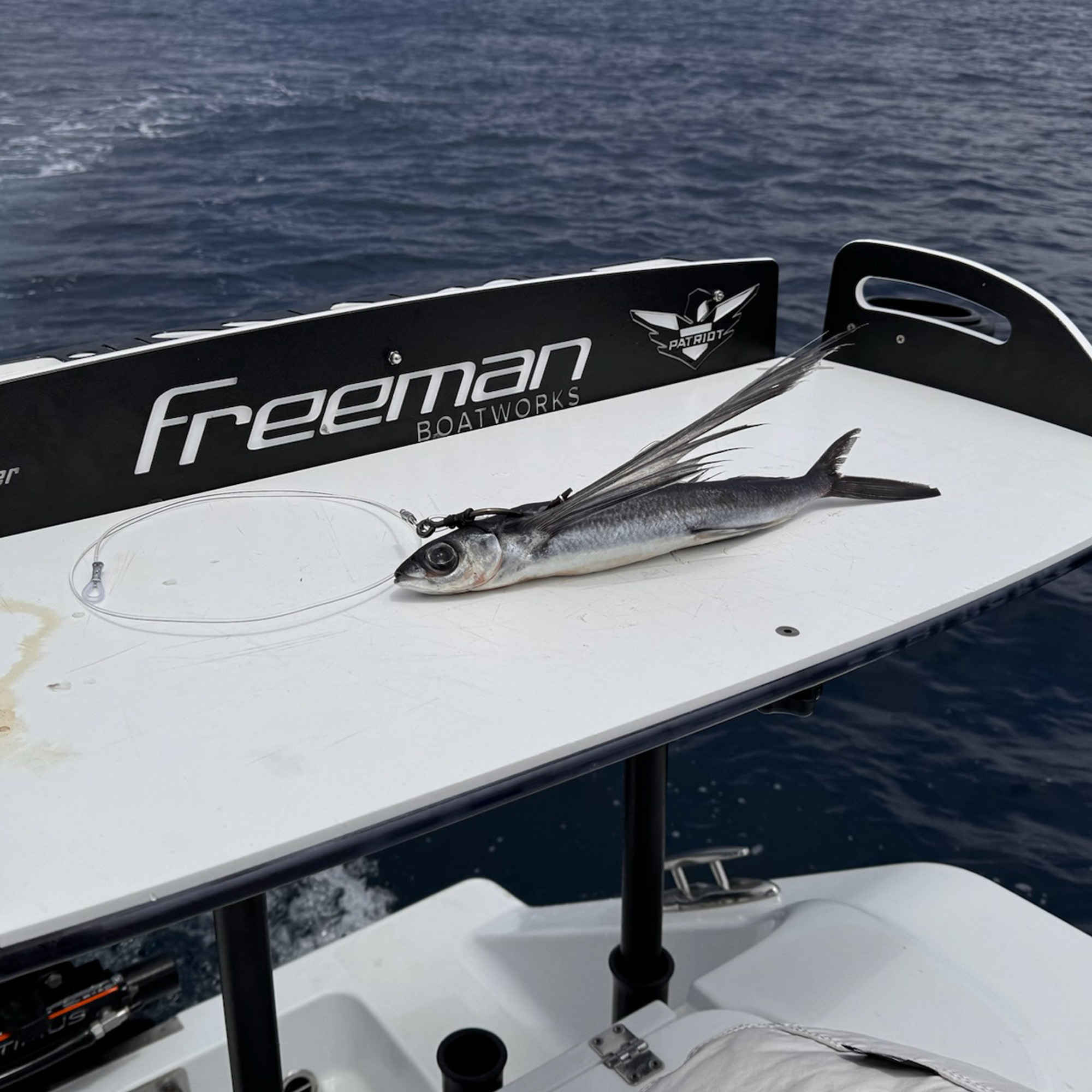
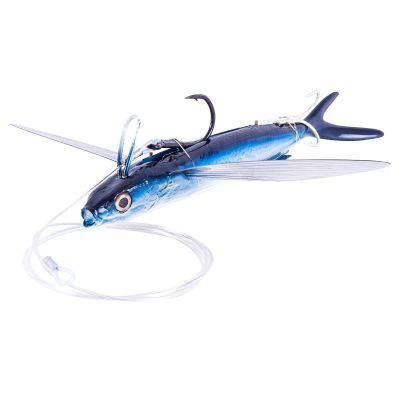
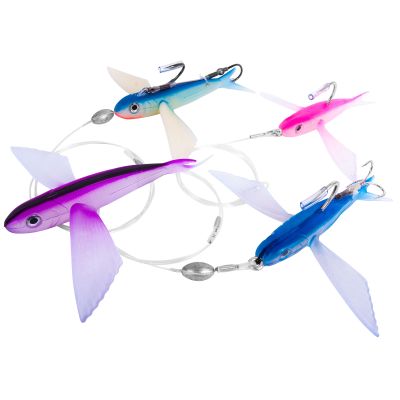
Flying Fish generally is a hard bait to come by on your own. In California, it’s illegal to net flying fish, and by law can only be acquired by hook and line unless you have a commercial license. So, access to flying fish usually comes from purchased dead, frozen from your local tackle shop. In the past, a dead-flying fish has been the “go-to” bait for this presentation to fish a kite setup. In recent years there have been some great substitutes for using live or dead flying fish in the form of artificial lures. There are a variety of brands now that have developed artificial flying fish that are meant to be rigged specifically for this technique. Different brands have their rigging style, and they all work on the right day, some better than others. While often there is no substitution for the real thing, there is something to be said about being able to re-rig quickly, the ability to reuse, and the fact that the bait does not have to be kept on ice nor cared for. Today you can find some of our best captains in Southern California utilizing this method to target trophy-size bluefin tuna on our local banks. Seeing the explosion of an aggressive tuna on a flying fish you’ve strategically placed in front of the school can’t be put into words or described vividly enough to encompass the feeling of seeing this strike.
Below we’ve compiled a list of critical items needed to tackle this fishery and technique. Remember, fishing is a continual innovation, don’t hesitate to put your spin on this technique, from lengthening the distance of the presentation to the boat to making the flying fish act life-like by playing the lure when presented.