

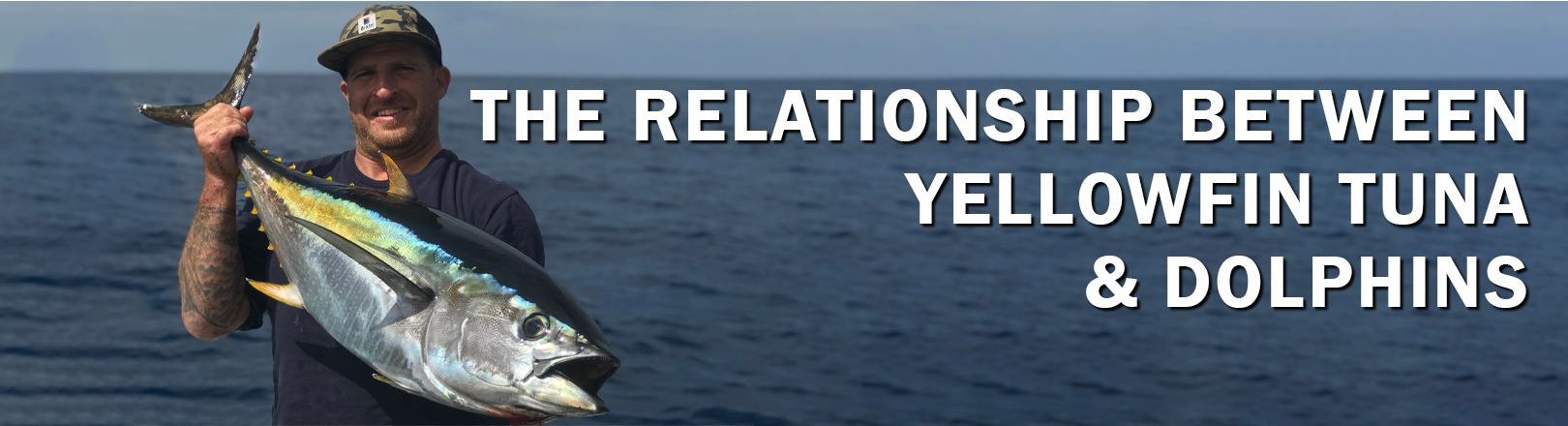
We’re taking this one back to biology class. If you can recall from Science and Biology classes, there are all sorts of animals in the world that have symbiotic relationships, birds picking leftovers out of crocodiles' mouths, in turn, the crocodile getting their teeth cleaned, bees and flowering plants cross-pollinating and providing a source of food, the list goes on and on. Within symbiotic relationships, many descriptions describe who benefits and how the relationship is carried out. So why bring up symbiosis? Tuna, especially Yellowfin Tuna, partake in a symbiotic relationship with Cetaceans, which is beneficial to anglers in locating Yellowfin Tuna.
According to studies about the relationship between tuna species and Cetaceans, this love affair is known as Commensalism, which is a symbiotic relationship in which one species benefit while the other species is not affected. At least, this is how it’s been described by scientists.
Around the world, the relationship between Cetaceans (whales, porpoises, dolphins) and tuna has been well documented and experienced by anglers. We have experienced this same relationship with various tunas, including bluefin tuna, pacific yellowfin tuna, ahi tuna, bigeye tuna, and cetaceans in Southern California and Baja. Cetaceans break the water's surface and breathe in air—contrasting, tuna need to extrude oxygen from the water through their gills to breathe. Cetaceans are visible above the water, while tuna are virtually unseen. So, through the known affiliation with these two species, anglers have exploited this relationship to benefit their efforts.
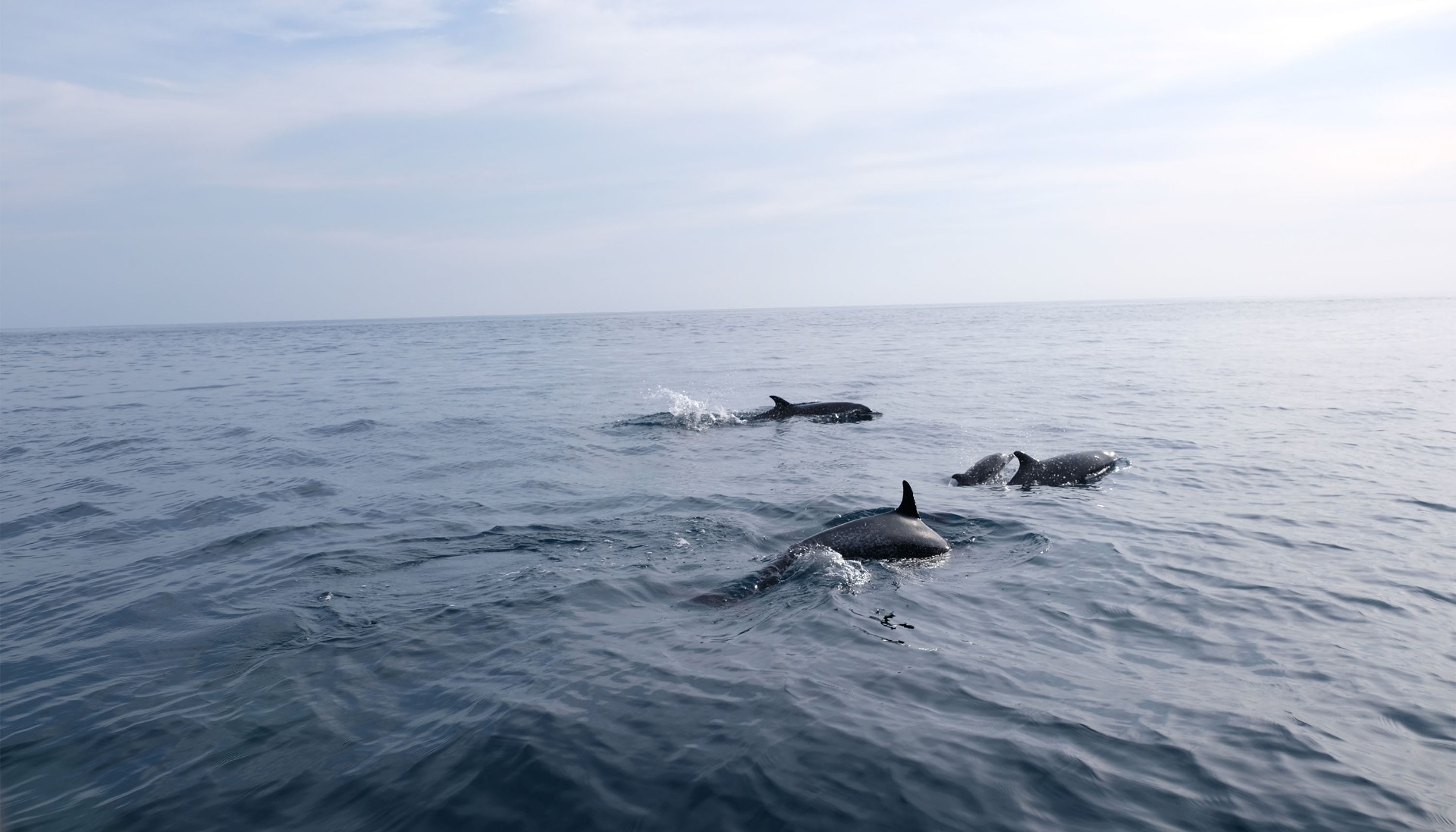
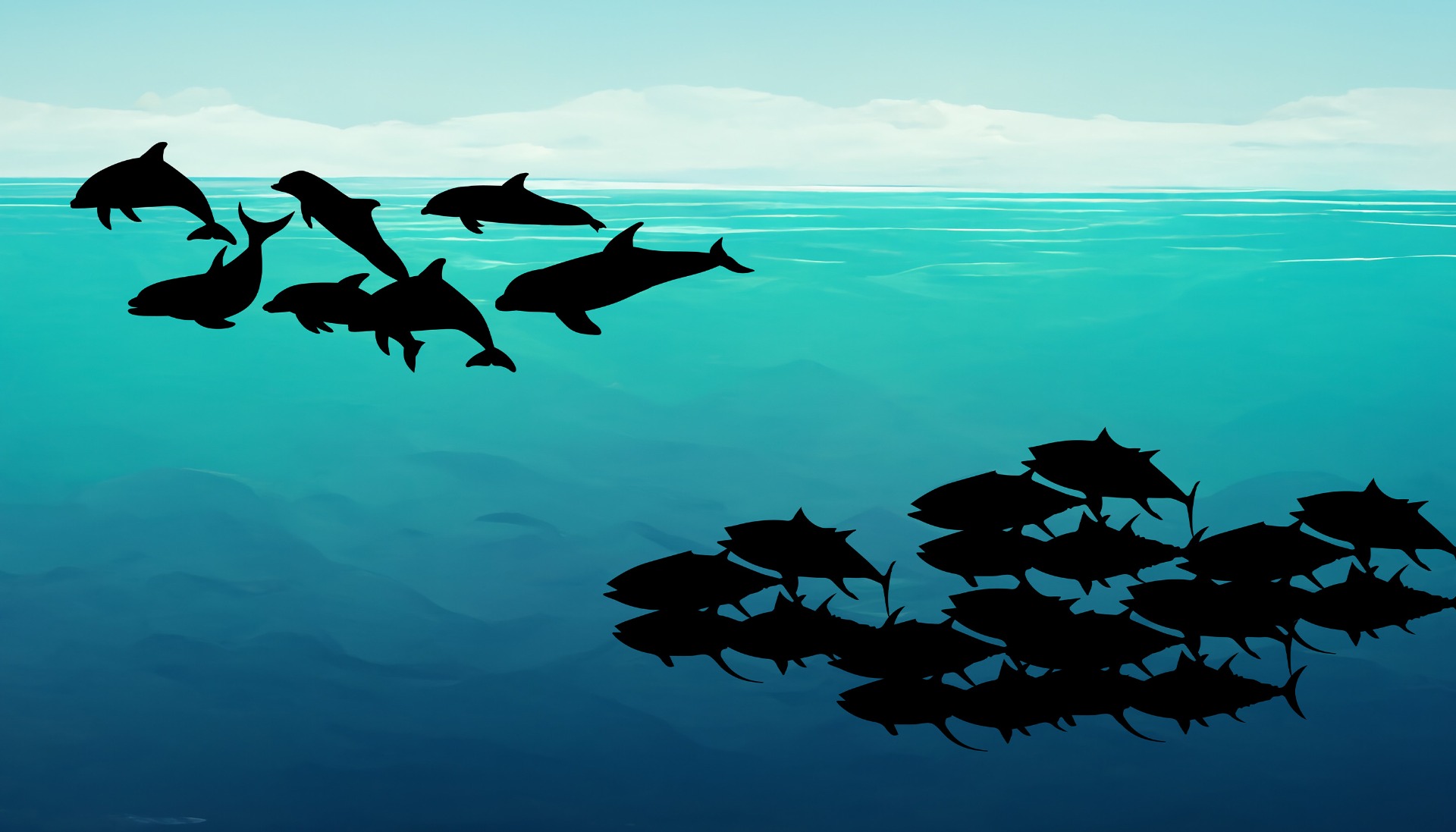
In a recent study by Michael Scott for the Inter-American Tropical Tuna Commission (IATTC), he goes on to decipher the relationship between dolphins and tuna, which he equates to protection from predators rather than symbiosis around hunting or locating food. This was surprising as an avid angler and someone who’s witnessed this relationship. I had always thought that Cetaceans are more specialized hunters and are capable of leading tuna to baitfish. The findings in the study disclaim this ideation and point the finding more to a dynamic relationship based on protection from predators. I still find this conclusion tough to accept; regardless, there is a relationship that anglers should consider as benefiting.
Cetaceans
As most Southern California anglers have witnessed, we have a lot of dolphins in the Southern California Bight. We have several cetaceans which make their presence seen in our waters:
- Short-beaked common dolphin
- Long-beaked common dolphin
- Short-finned pilot whale
- Risso’s dolphin
- Pacific white-sided dolphin
- Northern right whale dolphin
- Killer whale
- False killer whale
- Pantropical spotted dolphin
- Striped dolphin
- Rough-toothed dolphin
- Common bottlenose dolphin
- Dall’s porpoise
- Harbour porpoise
It’s important to understand when to make the association between cetaceans and tuna, as they are not always associated. As we’ve witnessed, mid to late summer has been when we see Yellowfin Tuna in our waters. Every year is different, so ideally, you can’t set your calendar to this timing, but generally, anywhere from the later days in July through September is an ideal time to encounter Yellowfin Tuna.
The Relationship
The association of catching Yellowfin Tuna from cetaceans has been utilized for decades, maybe even centuries. While the verdict is potentially still out for debate as to why the two species congregate, the relationship in connectivity is a fact. The most common Cetacean in our waters associated with tuna is the common dolphin. However, remember that this association is not limited solely to this cetacean species and can be found equally with other species. Normally, you’d spot a pod of common dolphin porpoising from a distance. You’ll want to ensure they are a pod at a cruising speed, maybe around 10mph. This is an ideal pod to search for Yellowfin Tuna. The dolphin will be porpoising, and the tuna will follow them at depths between 50 – 100 feet.
Once you’ve established the main characteristics for Yellowfin Tuna to be present, meaning:
- Ideal water temperature 68 degrees + (although the not as common temperature can even be lower than this)
- Local reports verifying Yellowfin Tuna have been caught.
- The correct time of year is July - October
- Viable distance offshore for Yellowfin Tuna to be located on or beyond the continental shelf.
Trolling
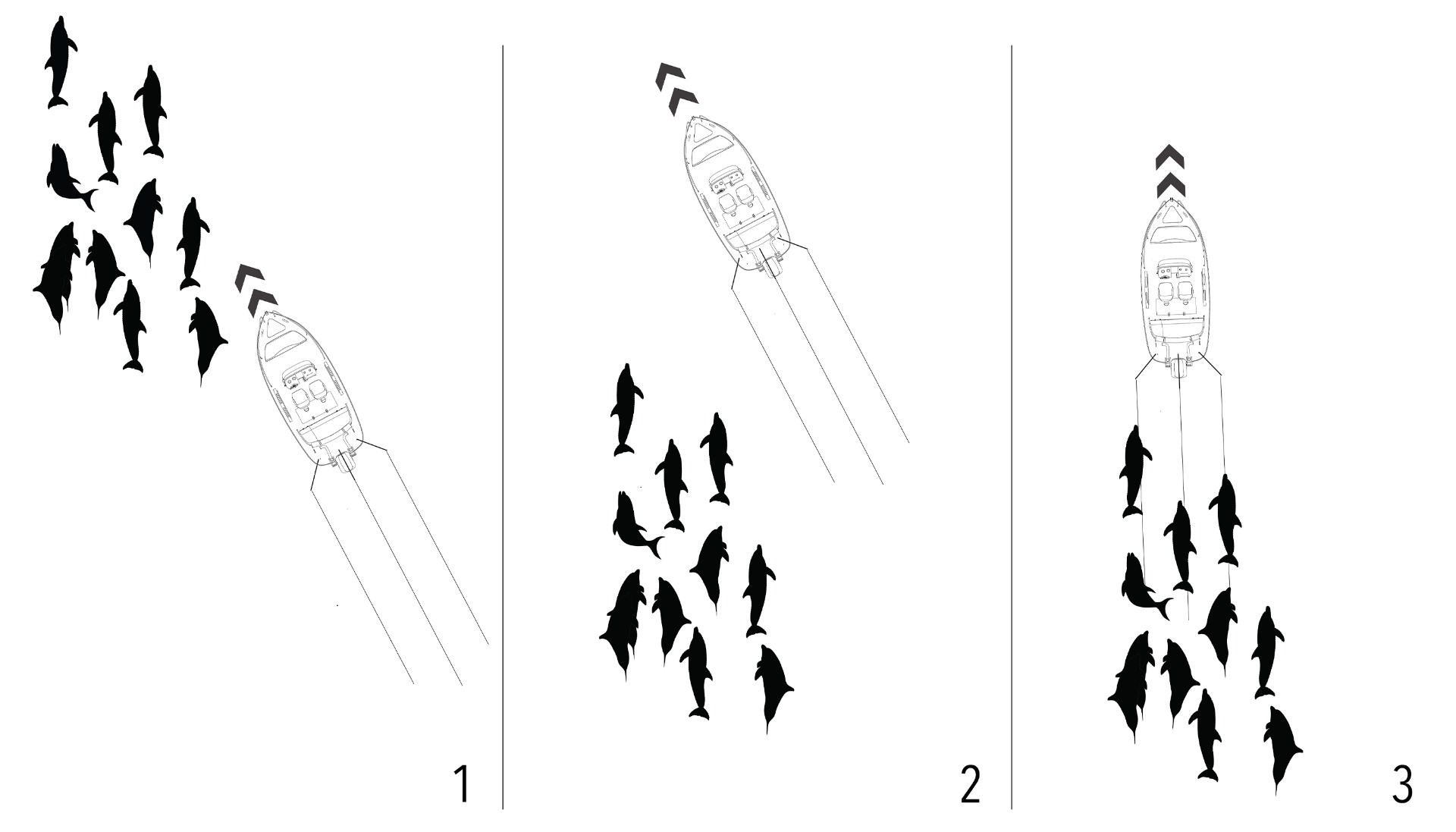
Trolling is the prime technique you’ll implement to target Yellowfin Tuna from cetacean pods. A scenario would play out in this manner.
- You’ve located a pod of dolphins through your fishing binoculars within a half mile from your location.
- You’ll want to accelerate in their direction to catch up to the pod and try to get alongside and in front of them.
- Once you’re within a couple of hundred yards, you’ll want to deploy your favorite tuna trolling lures and start trolling.
- At this point, you’ll be trolling faster than usual to make headway toward the pod.
- The idea is to integrate your trolling lures into the front portion of the pod at an angle. You don’t want to go at them perpendicular, but you also don’t want to be parallel with the pod.
- Accelerate to get to the front portion of the pod. Once you’re here, you’ll decelerate and have your lures trolling at their appropriate speed.
- On your fish finder, you should be marking dolphins in the first 30 feet of the water column, and below, you’ll be marking Yellowfin tuna, which may be anywhere from 30 to 100 feet. If all goes as planned, you’ll have a strike and potentially a double on Southern California Yellowfin Tuna.
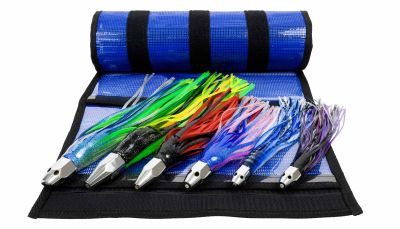
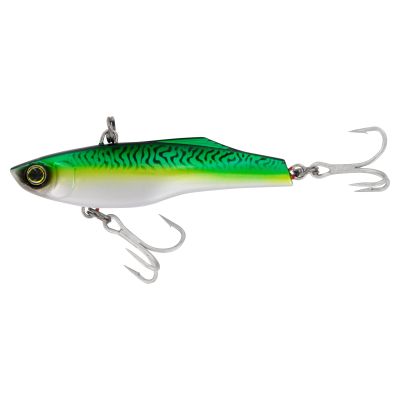
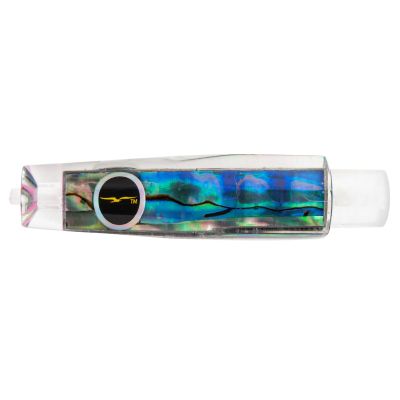
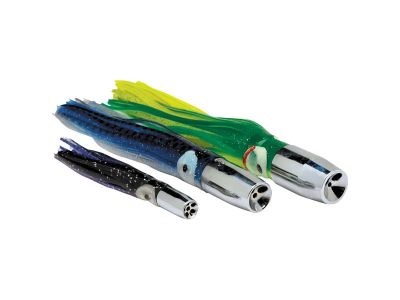
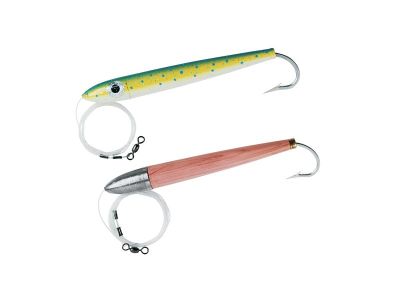
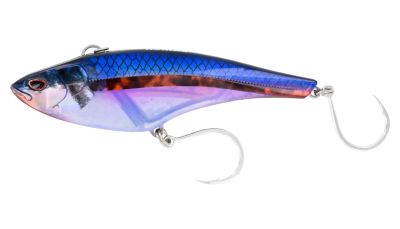
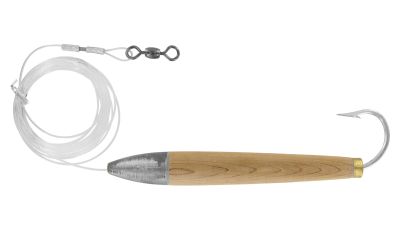
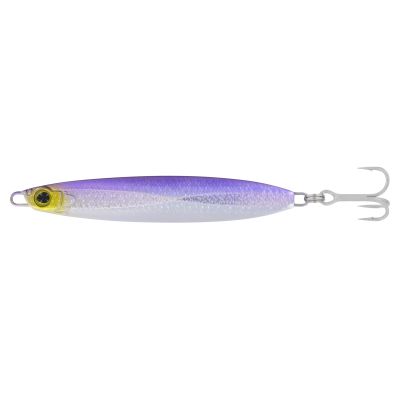
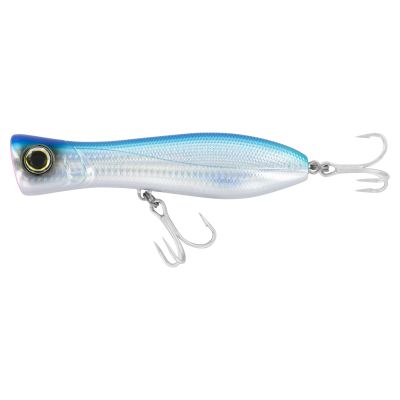
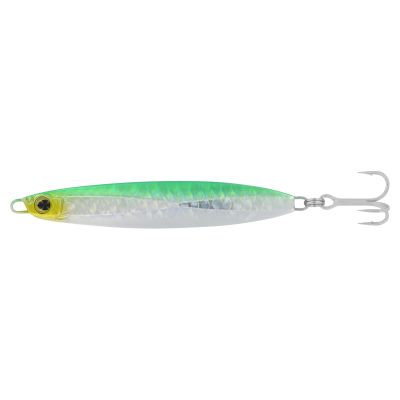
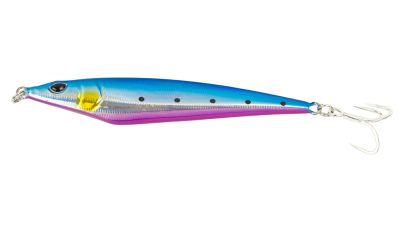
The speed at which you’ll be trolling will vary regarding conditions and the speed at which the pod moves. Because of this variance in trolling speed, you’ll want to deplore lures that can adapt and fish properly at various speeds, anywhere from 5 knots to 10 – 12 knots of trolling speed.
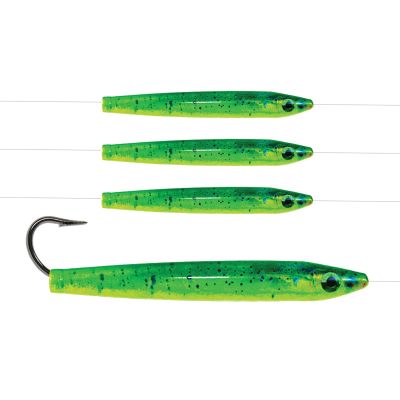
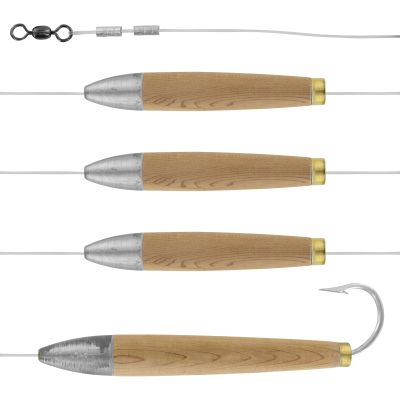
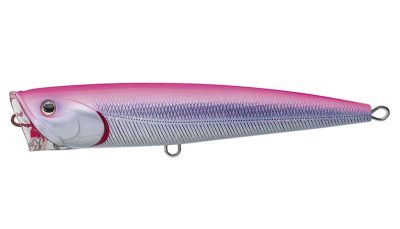
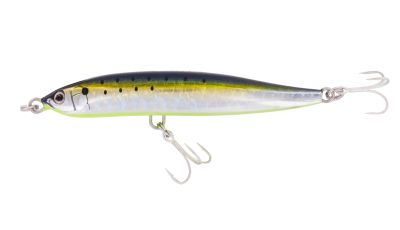
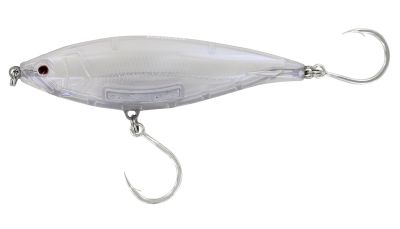
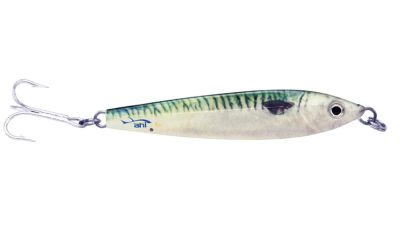
Additionally, for whatever reason there is a higher success rate with smaller profile lures.
- DNR - Sumo Trolling Jet LuresOut of stock
- DNR - Sea Striker Cedar PlugsOut of stock
-
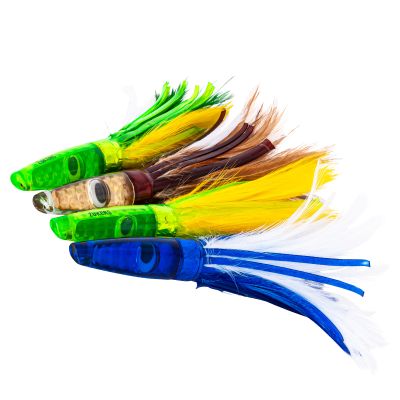 Zuker's Tuna FeathersOut of stock
 -
-
-
-
Maximizing A Hookup
Once you’ve hooked up, you’ll want to maximize the situation, meaning try to get more hookups or even pull the school of Yellowfin away from the pod of cetaceans. You’ll want to dump some bait immediately after a hook-up and pull the throttle back to accomplish this. At this point, other anglers on board can bait up and try to get fish on live bait. By imploring this method, anglers can often get the school of Yellowfin to stick with the boat for several minutes before heading back to their pod.
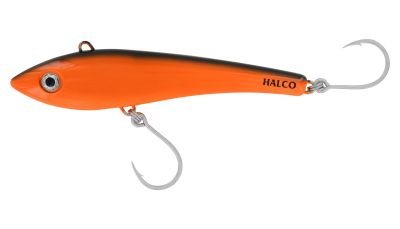
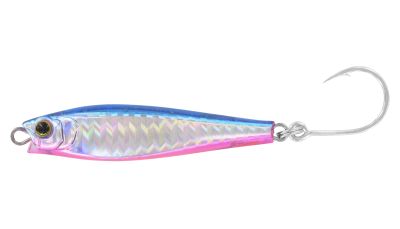
If bait on board is not an option, the other anglers will want to deploy casting lures once the troll fish are hooked. The rest of the school often sticks around with the troll-hooked fish for several seconds to minutes before they split to catch back up with the pod allowing for an opportunity to hook another fish.
The great thing about fishing cetacean pods for Yellowfin Tuna is that you often get more than one chance to deploy your attack. If you don’t hook a fish or hook one and the pod keeps moving, and no other fish are hooked, you can land your fish and try the same method again, which will often result in additional hookups.
-
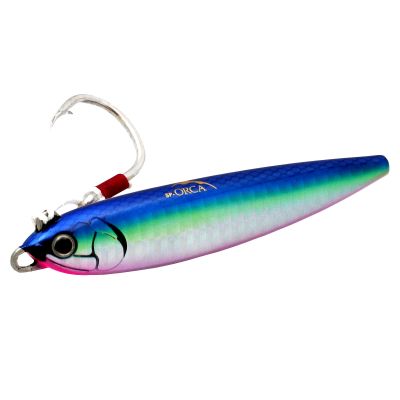 Shimano SP-ORCA Baby LuresOut of stock
 -
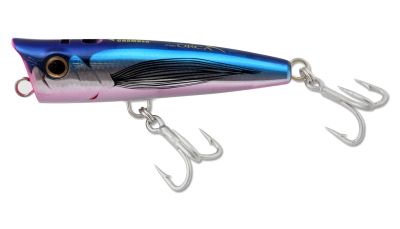 Shimano POP-ORCA LuresOut of stock
 -
-

Tackle
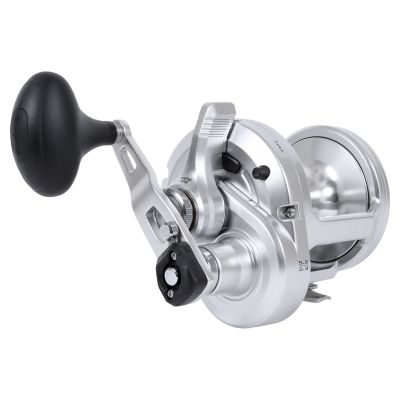
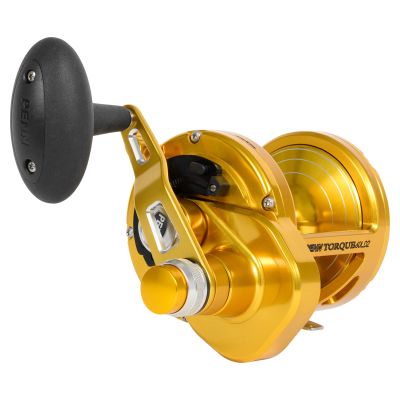
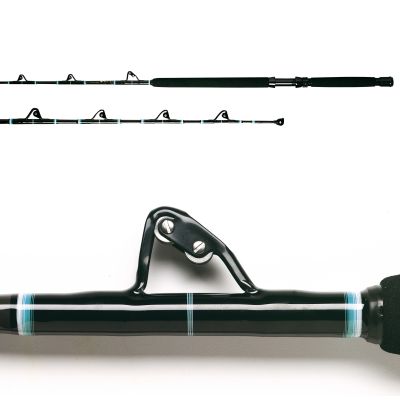
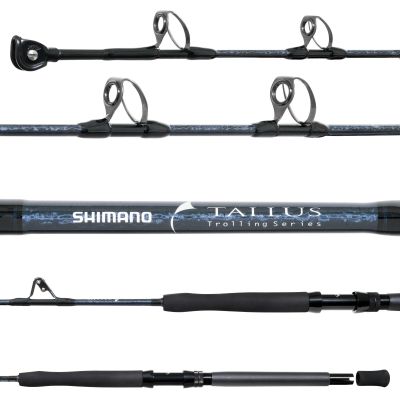
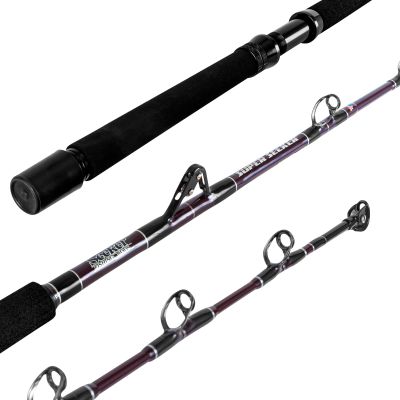
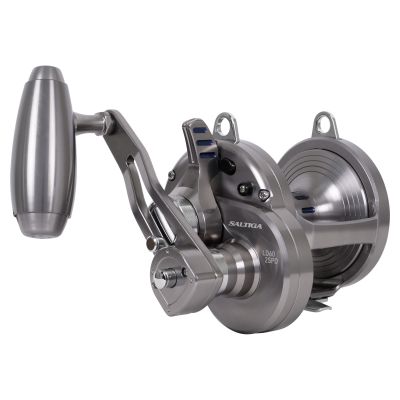
The most common occurrence of these fish in our Southern California Bight is Yellowfin tuna in the 10 – 40lb. class. This is not to say other species of tuna or sizes will not be hooked. It’s possible to have Big Eye, Skipjack, and other species of tuna associated with cetaceans. The same goes for size. It’s possible to have 100lb. Yellowfin mixed in with cetaceans. A prime example is fishing off Guadalupe Island. In the last few trips I have made there, we’d often locate Yellowfin Tuna by finding False Killer Whales. The fish associated with these pods were predominantly fish over 100 lbs. That’s only about 200 miles from the area you’d fish as a Southern California Bight angler. So, tackle ready for what you might come across. A reel spooled with 80 or 100lb. braided fishing line is ideal, holding 500+ yards of line. As for the trolling rod, similarly something ideal for trolling rated 80-100lb.


The Day Saver
Fishing pods of Cetaceans for tuna often go overlooked due to their simplicity of it, but this tactic has been responsible for saving more than a few almost-failed recreational fishing trips. Often looked at as a last-ditch effort on the way home when you spot a pod of dolphins.
During the right time of year and water conditions, this technique can be extremely fruitful and is a great way to get novice anglers on some of their first catches.
Lastly, make sure you are careful when fishing around marine mammals. They are protected under the Marine Mammal Act, and injury or damage associated with them can result in legal fines.
Tight lines.